Best Way to Cut a Car Tire Safely for Diy Projects
Cutting a car tire safely for DIY projects is a task that blends creativity with caution. Whether you’re transforming old tires into garden planters, furniture, or playground equipment, knowing the best practices and the safest methods is essential. The process involves handling tough materials and using sharp tools, so it’s not just about getting the job done—it’s about doing it safely and efficiently. In recent years, repurposing car tires has gained popularity among eco-conscious DIY enthusiasts, offering both environmental benefits and creative opportunities.
However, many underestimate the challenges involved. Car tires are designed for durability, resisting wear and tear from road use. Their structure, often reinforced with steel belts and sturdy rubber, makes cutting them a daunting task for the unprepared. Without proper techniques, you risk injury, tool damage, and poor project results.
This guide provides a comprehensive, step-by-step approach to cutting a car tire safely, drawing from expert advice, industry standards, and real-world case studies.
Key Takeaways
- Always prioritize personal safety with proper gear and precautions
- Select the right tools for the tire type and project scope
- Prepare the tire thoroughly to minimize hazards and improve results
- Follow step-by-step cutting techniques to ensure clean, safe cuts
- Dispose of tire waste responsibly to protect the environment
- Use real-world examples to inspire successful DIY tire projects

Credit: www.youtube.com
Understanding Car Tire Construction
Car tires are engineered for strength and longevity, which makes them challenging to cut. Understanding their structure is crucial before attempting any DIY project. By comprehending the inner workings of a tire, you can more effectively choose the right tools and cutting strategies, and avoid unnecessary risks.
Components Of A Car Tire
A typical car tire consists of several layers:
- Tread: The outer rubber surface that contacts the road. It is designed to withstand friction, heat, and rough conditions, often incorporating complex tread patterns for grip and water dispersion.
- Sidewall: The flexible, curved section connecting the tread to the bead. The sidewall provides lateral stability and absorbs shocks, making it softer and generally easier to cut than the tread.
- Bead: Reinforced edge that seals the tire to the rim. The bead includes high-strength steel wires encased in rubber, making it the most challenging part to cut.
- Steel Belts: Layers of steel wires within the tread for rigidity. These belts add puncture resistance and are a primary obstacle when cutting through the tread.
- Inner Liner: Airtight rubber layer inside the tire. This layer holds air within the tire and is usually made from butyl rubber or a similar compound.
Each layer serves a purpose, making the tire tough yet flexible. Knowing where these layers are helps identify the safest and easiest places to cut. For example, for a garden planter, you may only need to cut through the sidewall, avoiding the challenging steel belts and bead.
Tire Types And Cutting Challenges
Different tires present unique cutting challenges. Passenger car tires are typically easier to cut than light truck or performance tires, which often contain more steel and thicker rubber. For example, a standard passenger tire may have two steel belts, while a heavy-duty truck tire can have up to five. Additionally, some specialty tires, such as run-flat or all-terrain types, may include additional layers or reinforcement that further complicate the cutting process.
| Tire Type | Rubber Thickness | Steel Belt Layers | Cutting Difficulty |
|---|---|---|---|
| Passenger Car | 7-10 mm | 2 | Moderate |
| Light Truck | 10-15 mm | 3-5 | High |
| Performance | 8-12 mm | 2-4 | High |
For instance, cutting a light truck tire for a heavy-duty outdoor project may require both power tools and considerable patience, while a standard passenger tire can often be managed with basic hand tools for smaller crafts.
Health Hazards And Safety Risks
Cutting tires exposes you to several hazards:
- Sharp steel wires can cause cuts or puncture wounds. Steel wires are often hidden and can spring out unexpectedly when cut, so always handle with care.
- Rubber dust may irritate skin and lungs. The dust produced when cutting rubber is fine and can linger in the air, causing respiratory irritation or allergic reactions.
- Tool kickback can lead to serious injuries, especially with power tools. Improper handling or a sudden jam can cause the tool to lurch or slip.
According to the U.S. Bureau of Labor Statistics, over 20,000 injuries annually are attributed to improper tool use in DIY and automotive settings (BLS.gov). This underscores the importance of safety protocols. Additionally, long-term exposure to rubber dust and fumes has been linked to respiratory issues, making proper PPE and ventilation critical.
Essential Safety Precautions
Safety is paramount when cutting car tires. Proper preparation reduces risk and improves project outcomes. Neglecting any aspect of safety can quickly turn a creative project into a hazardous experience.
Personal Protective Equipment (ppe)
Always wear PPE when cutting tires:
- Safety goggles to protect eyes from flying debris. Small bits of rubber and metal can be ejected at high speed.
- Work gloves to shield hands from sharp edges and wires. Thick, cut-resistant gloves are ideal.
- Long sleeves and pants to minimize skin exposure. This protects against both debris and accidental tool slips.
- Respirator mask for dust and fumes. A high-quality mask rated for fine particulates is essential, especially if you’re using power tools or cutting indoors.
A study by the National Institute for Occupational Safety and Health (NIOSH) found that PPE usage reduces injury rates by 60% during manual cutting operations (NIOSH). For added safety, consider wearing steel-toed boots to protect your feet from falling tires or tools.
Workspace Preparation
Set up your workspace for optimal safety:
- Work outdoors or in a well-ventilated area to disperse fumes and dust.
- Clear away flammable materials, as sparks from cutting steel belts can ignite nearby combustibles.
- Secure the tire to prevent movement, using clamps or a sturdy bench to avoid slips and mishaps.
- Keep a first aid kit nearby for immediate response to cuts or punctures.
- Ensure adequate lighting so you can clearly see your cutting lines and tool position.
Additionally, inform someone else when you’re working with power tools, especially if you’re working alone, in case of emergency.
Tool Safety
Inspect tools before use:
- Check blades for sharpness and integrity. Dull blades require more force and are prone to slipping.
- Ensure power tools have functional safety guards. Never operate a tool with missing or disabled safety features.
- Use tools designed for cutting rubber and metal, and always follow manufacturer’s operating instructions.
Avoid makeshift tools, which can fail unexpectedly and cause injuries. For example, using an old kitchen knife instead of a utility knife can result in bent blades and poor control.
Environmental Safety
Rubber dust and fumes are hazardous. Minimize exposure by:
- Using wet cutting methods when possible, which suppress dust and cool the blade.
- Avoiding indoor cutting without proper ventilation, as fumes can build up quickly.
- Collecting waste for proper disposal, sweeping up all debris after the project.
Use a shop vacuum with a HEPA filter to capture fine particles, and never leave scraps or dust where children or pets might access them.

Credit: www.youtube.com
Choosing The Right Tools For Cutting Tires
Selecting the appropriate tools is critical for efficiency and safety. Not all tools are suitable for cutting tires, especially those reinforced with steel belts. The right tool not only makes the job easier but also significantly reduces the risk of injury and tool damage.
Hand Tools
For smaller projects, hand tools can be effective:
- Utility knives: Ideal for cutting sidewalls and softer rubber. Choose heavy-duty knives with replaceable blades, and keep spares on hand.
- Tin snips: Useful for cutting exposed steel wires and thin metal bands. Aviation snips, designed for tougher materials, provide better leverage.
- Hacksaws: Good for precise cuts but slow on thick rubber. Use a blade with fine teeth for best results, and keep the saw perpendicular to the cut.
Hand tools offer control but require significant effort, especially on steel-reinforced sections. For best results, make multiple shallow passes rather than forcing the blade through in one go.
Power Tools
Power tools expedite the process but carry increased risks:
- Angle grinders: Capable of cutting through steel belts; use with caution. Always use a cutting disc rated for metal, and anticipate sparks and debris.
- Reciprocating saws: Effective for large, straight cuts. Fit with a bi-metal blade for cutting through rubber and steel.
- Jigsaws: Useful for curved cuts; ensure the blade is rated for metal. Use a slow, steady motion to avoid overheating the blade.
Always use blades designed for cutting both rubber and steel. Avoid wood blades, which dull quickly and may shatter. When using power tools, always clamp the tire securely and maintain a firm grip on the tool.
Specialty Tools
For frequent tire cutting, consider specialty tools:
- Tire cutting knives: Designed for professional tire recycling operations, these knives feature long, serrated blades and insulated handles.
- Hydraulic shears: Used by tire recycling facilities for bulk cutting. While not practical for most DIYers, these tools can be rented from some equipment suppliers for large-scale projects.
These tools are expensive but offer unmatched safety and speed. Specialty tools are especially valuable for artists or businesses repurposing tires on a regular basis.
| Tool Type | Best For | Safety Level | Cost Range |
|---|---|---|---|
| Utility Knife | Sidewall cuts | High | $5-$20 |
| Angle Grinder | Steel belts | Moderate | $30-$100 |
| Reciprocating Saw | Large cuts | Moderate | $40-$150 |
| Tire Cutting Knife | Professional use | Very High | $50-$300 |
Tool Comparison And Recommendations
For most DIY projects, a combination of utility knife and reciprocating saw offers the best balance of safety and effectiveness. Reserve angle grinders for tires with thick steel belts, and always use them with caution. For intricate or artistic projects, a jigsaw with a fine-tooth metal blade adds flexibility.
When purchasing tools, consider tool ergonomics, grip comfort, and vibration dampening features, especially for longer projects.

Credit: www.wikihow.com
Preparing The Tire For Cutting
Proper tire preparation is essential for safe and efficient cutting. Skipping these steps increases risk and reduces the quality of your finished project. Well-prepared tires are also easier on your tools and help ensure professional-looking results.
Cleaning The Tire
Clean the tire to remove dirt, grease, and debris:
- Use a stiff brush and soapy water, scrubbing thoroughly to remove caked-on mud or road grime.
- Rinse thoroughly and dry. Allow the tire to air dry or use a towel to prevent slipping during cutting.
- Inspect for foreign objects (nails, stones) that could damage tools or cause sudden blade jams.
A clean tire reduces tool wear and minimizes hazardous dust. For tires with embedded road salt or chemicals, extra cleaning can also reduce potential exposure to irritants.
Deflating And Removing The Tire
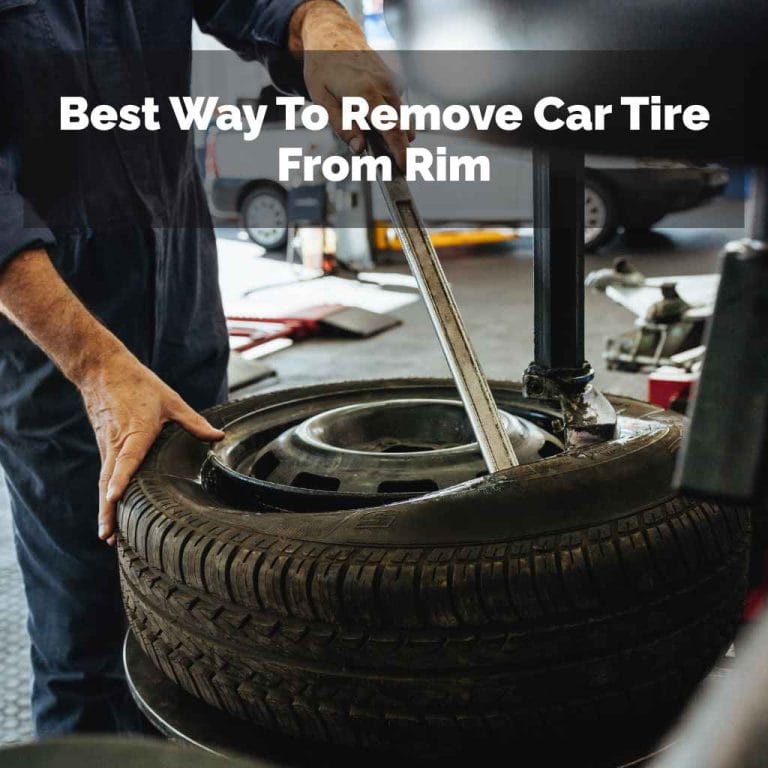
If the tire is still mounted, remove it from the rim:
- Use a tire iron to break the bead. This may require considerable force, as the bead is designed to stay tightly sealed.
- Deflate the tire fully, using a valve core remover for the best results.
- Separate the tire from the rim, using pry bars if necessary. Take care not to damage the rim if you plan to reuse it.
Never cut a tire under pressure—exploding tires cause severe injuries. The force of a blowout can send tools, debris, or the tire itself flying.
Marking Cutting Lines
Plan your cuts:
- Use chalk or a permanent marker to outline your intended cuts. White or brightly colored markers are best for visibility on black rubber.
- Measure twice for accuracy, ensuring symmetry and straightness, particularly for furniture or multiple identical pieces.
- Consider the project’s final shape and function, leaving extra material for trimming or adjustments.
Clear markings help avoid mistakes and wasted material. For complex projects, make templates from cardboard to trace onto the tire.
Securing The Tire
Clamp the tire to a stable surface:
- Use heavy-duty clamps or a tire vise. For large tires, wedge them against a wall or in a workbench corner for added stability.
- Ensure the tire won’t move during cutting. Even slight movement can cause blades to slip, increasing the risk of injury.
For large or awkwardly shaped tires, consider enlisting a helper to hold the tire steady during cutting.
Step-by-step Techniques For Cutting Car Tires Safely
Following a systematic approach ensures clean cuts and minimizes hazards. The technique varies based on the tool and tire type, but some fundamental principles apply to all cutting operations.
Cutting Sidewalls
Sidewalls are the easiest section to cut:
- Place the tire on a flat surface, ensuring it’s stable and won’t roll.
- Mark the desired cut line, typically just inside the bead for planters or outside the steel belt for rings.
- Score the rubber with a utility knife. Make multiple shallow passes rather than a single deep cut to maintain control.
- Apply steady pressure, working around the tire. Use your body weight, not just your hand, to push the blade.
- Use tin snips for exposed steel wires, cutting close to the rubber to minimize sharp ends.
Take frequent breaks to avoid fatigue—sidewall cuts often require patience. For thick-walled tires, warming the rubber with a heat gun (on a low setting) can make cutting easier, but avoid overheating and releasing fumes.
Cutting Through Tread And Steel Belts
Tread sections contain steel belts, requiring more robust tools:
- Mark the cut line across the tread, using a ruler or flexible tape for accuracy.
- Use an angle grinder or reciprocating saw with a metal-rated blade. Begin with a slow, steady motion to avoid blade binding.
- Cut slowly, allowing the blade to cool periodically. Overheated blades can warp or break.
- Clear debris as you go, using a brush or vacuum to keep the area visible.
- Use tin snips to finish rough edges and trim any protruding wires.
Steel belts can cause sparks—keep a fire extinguisher nearby. For extra safety, wear a leather apron to protect your torso from hot debris.
Making Curved Or Complex Cuts
For creative projects, curved cuts may be necessary:
- Outline the shape with chalk, using stencils or templates if desired.
- Use a jigsaw for smooth curves, choosing a slow speed to maintain control.
- Keep the blade lubricated to reduce friction and prevent burning the rubber.
- Check often for steel wires and switch to tin snips as needed.
Curved cuts are best done in sections to maintain control. If your design requires intricate shapes, consider practicing on scrap pieces first.
Minimizing Dust And Debris
Wet cutting methods help reduce dust:
- Spray water along the cut line, using a spray bottle or hose.
- Use a shop vacuum to collect debris as you cut, especially when indoors.
- Wear a respirator mask throughout the process, even for brief cuts.
Proper ventilation is crucial, especially when cutting indoors. Open windows and use fans to direct dust and fumes away from your work area.
Responsible Tire Waste Disposal And Environmental Impact
Repurposing tires is eco-friendly, but proper disposal of scraps is vital. Tires are a major source of environmental pollution, with millions discarded annually. Unmanaged waste tires can leach toxic chemicals, clog waterways, and pose serious fire hazards.
Tire Waste Statistics
The EPA estimates over 290 million tires are disposed of each year in the US (EPA.gov). Improper disposal leads to:
- Fire hazards, as tire piles can burn for days, releasing toxic smoke and oils.
- Mosquito breeding grounds, since stagnant water in tires creates ideal insect habitats.
- Soil and water contamination, as chemicals leach into the environment.
In 2026, only about 75% of scrap tires were recycled or beneficially used, leaving millions still unaccounted for each year.
Recycling Options
Dispose of tire scraps responsibly:
- Take leftovers to a local tire recycling facility, where they can be processed into rubber mulch, playground surfaces, or fuel.
- Check municipal guidelines for rubber disposal, as some cities offer curbside pickup for tire scraps or special collection events.
- Avoid burning tire scraps, which releases toxic fumes and is illegal in many areas.
Most communities offer free or low-cost tire recycling programs. You can locate facilities via your city’s waste management website or national databases such as Earth911.
Environmental Benefits Of Tire Repurposing
DIY tire projects divert waste from landfills and reduce demand for new materials. According to Rubber Manufacturers Association, repurposing tires can reduce landfill space usage by up to 20% (RMA.org). Additionally, using tires in landscaping or construction can reduce the need for virgin rubber, saving natural resources and energy.
Tips For Sustainable Diy Tire Projects
- Use all parts of the tire where possible, including sidewalls, tread, and bead.
- Combine tire pieces with recycled materials for added value and durability.
- Educate others on the benefits of repurposing tires, sharing your projects on social media or with local organizations.
- Seek out community projects or collaborations to maximize environmental impact.
Real-world Examples And Case Studies
Practical examples highlight successful tire cutting for DIY projects. These cases demonstrate safe methods and creative uses, and provide inspiration for your own endeavors.
Garden Planter Project
A community garden in Portland repurposed over 100 car tires as planters. Volunteers used utility knives to cut sidewalls, transforming tires into durable, weather-resistant containers. The project reduced local landfill waste and provided affordable gardening solutions.
To ensure safety, the team held a training session on tool use and PPE, and set up a washing station to clean tires before cutting. Each planter was painted with non-toxic, weatherproof paint for added visual appeal. The project not only beautified the neighborhood but also sparked a local movement for tire reuse.
Tire Furniture Creation
A small business in Austin specializes in tire furniture. By combining reciprocating saws for large cuts and jigsaws for curves, they produce chairs and tables from old tires. Their process includes rigorous safety protocols and responsible scrap disposal. The business has diverted over 5,000 tires from landfills in three years.
They also host workshops teaching safe tire cutting and upcycling techniques, empowering others to create their own sustainable furniture. Customer feedback highlights the durability and unique style of tire-based furniture.
Playground Equipment Installation
A school in Chicago installed tire swings and climbing structures using retired tires. The team followed strict safety guidelines, using angle grinders for steel belts and tin snips for finishing. The project improved playground safety and sustainability, earning recognition from the American Playground Association (Playground Professionals).
Parents and teachers noted a reduction in playground injuries due to the shock-absorbing properties of rubber. The project also included educational sessions on recycling and environmental stewardship for students.
Advanced Tips For Efficient And Safe Tire Cutting
Experienced DIYers and professionals use advanced strategies to maximize safety and efficiency. These tips can help you achieve professional results and avoid common pitfalls.
Blade Selection And Maintenance
- Choose blades rated for cutting both rubber and metal. Look for bi-metal or carbide-tipped options for longevity.
- Sharpen blades regularly to reduce effort and prevent jagged cuts.
- Replace blades when dull or damaged, as forcing a worn blade can lead to accidents.
For power tools, always follow the manufacturer’s recommendations for blade type and replacement intervals.
Lubrication Techniques
Lubricate blades to reduce friction and prevent overheating:
- Use water or silicone spray, applied along the cut line and blade.
- Apply lubricant before and during cutting, especially with power tools.
Proper lubrication prolongs tool life and improves results. For manual cutting, a small cup of soapy water can help utility knives glide through tough rubber.
Managing Steel Wire Hazards
Steel wires pose puncture risks:
- Cut wires with tin snips after exposing them to prevent accidental injuries.
- Use pliers to pull loose wires away, bending sharp ends into the rubber or discarding immediately.
- Dispose of sharp wire scraps immediately in a puncture-proof container.
Never leave cut wires exposed—injuries often occur after the project is complete, especially if children or pets are nearby.
Project Planning And Workflow
Plan your project workflow:
- Organize tools and materials before starting to avoid unnecessary interruptions.
- Allocate time for preparation, cutting, and cleanup, as each stage is crucial for safety and success.
- Work with a partner for larger tires or complex cuts, taking turns to avoid fatigue.
Document your process with photos or notes, which can help with future projects or troubleshooting.
Common Mistakes To Avoid When Cutting Car Tires
Avoiding common errors improves safety and project quality. Novices often make mistakes that can lead to injuries or wasted materials.
Using The Wrong Tools
Not all tools are designed for tire cutting. Using wood blades or standard scissors can result in:
- Broken blades and damaged tools
- Poor cut quality, with ragged edges and uneven shapes
- Increased risk of injury from slipping or tool breakage
Always use tools rated for rubber and steel. Consult user manuals or ask hardware store professionals for recommendations.
Ignoring Safety Protocols
Skipping PPE or workspace preparation is dangerous. The majority of DIY injuries are due to:
- Lack of eye protection, leading to debris in the eyes
- Unstable tires causing slips or falls
- Improper ventilation, resulting in inhaled dust or fumes
Follow safety guidelines rigorously, and never rush the process.
Overlooking Tire Structure
Failing to account for steel belts or bead wires can damage tools and produce uneven cuts. Inspect tires thoroughly before starting, identifying the location and thickness of steel reinforcements.
Marking these areas on the tire can help you adjust your cutting technique as needed.
Inadequate Waste Disposal
Improperly disposed tire scraps contribute to environmental pollution. Plan for responsible disposal before beginning your project. Use separate bins for rubber, steel wires, and general waste, and transport scraps to appropriate facilities as soon as possible.
Frequently Asked Questions
How Can I Safely Cut Through The Steel Belts In A Tire?
Steel belts require specialized tools. Use an angle grinder or reciprocating saw with a metal-rated blade. Always wear safety goggles and gloves, and cut slowly to prevent sparks and tool kickback. Finish with tin snips for clean edges. Never try to force blades through the steel—let the tool do the work.
What Ppe Should I Wear When Cutting Car Tires?
Wear safety goggles, work gloves, long sleeves, and a respirator mask. These items protect against sharp wires, rubber dust, and fumes. Proper PPE reduces injury risk by over 60% according to the NIOSH (NIOSH).
Can I Cut A Tire While It’s Still Mounted On The Rim?
No, always remove the tire from the rim and deflate it fully before cutting. Cutting a pressurized tire is extremely dangerous and can cause explosions. The bead can also be difficult to access while mounted.
What’s The Best Tool For Cutting Tire Sidewalls?
A utility knife is ideal for sidewalls. For tougher sections, use tin snips for steel wires. Ensure the blade is sharp and rated for rubber. Warming the rubber slightly can make the job easier, but avoid overheating.
How Should I Dispose Of Tire Scraps After Cutting?
Take tire scraps to a local recycling facility or follow municipal disposal guidelines. Never burn tire scraps, as this releases toxic chemicals. The EPA provides detailed disposal recommendations (EPA.gov).
Repurposing car tires for DIY projects is both creative and sustainable, but it demands careful planning and attention to safety. By understanding tire construction, selecting the right tools, and following step-by-step techniques, you can achieve impressive results while minimizing risks.
Real-world examples demonstrate the possibilities, from garden planters to playground equipment. Always prioritize responsible waste disposal and encourage others to embrace eco-friendly practices in their projects. With the right knowledge and preparation, cutting a car tire safely unlocks a world of creative potential and environmental responsibility.
Products related to this article
Sponsored / affiliate links. As an Amazon Associate I earn from qualifying purchases. I may earn additional commission from eligible campaigns.