How Much to Replace a Honda Civic Car Battery
Figuring out How Much to
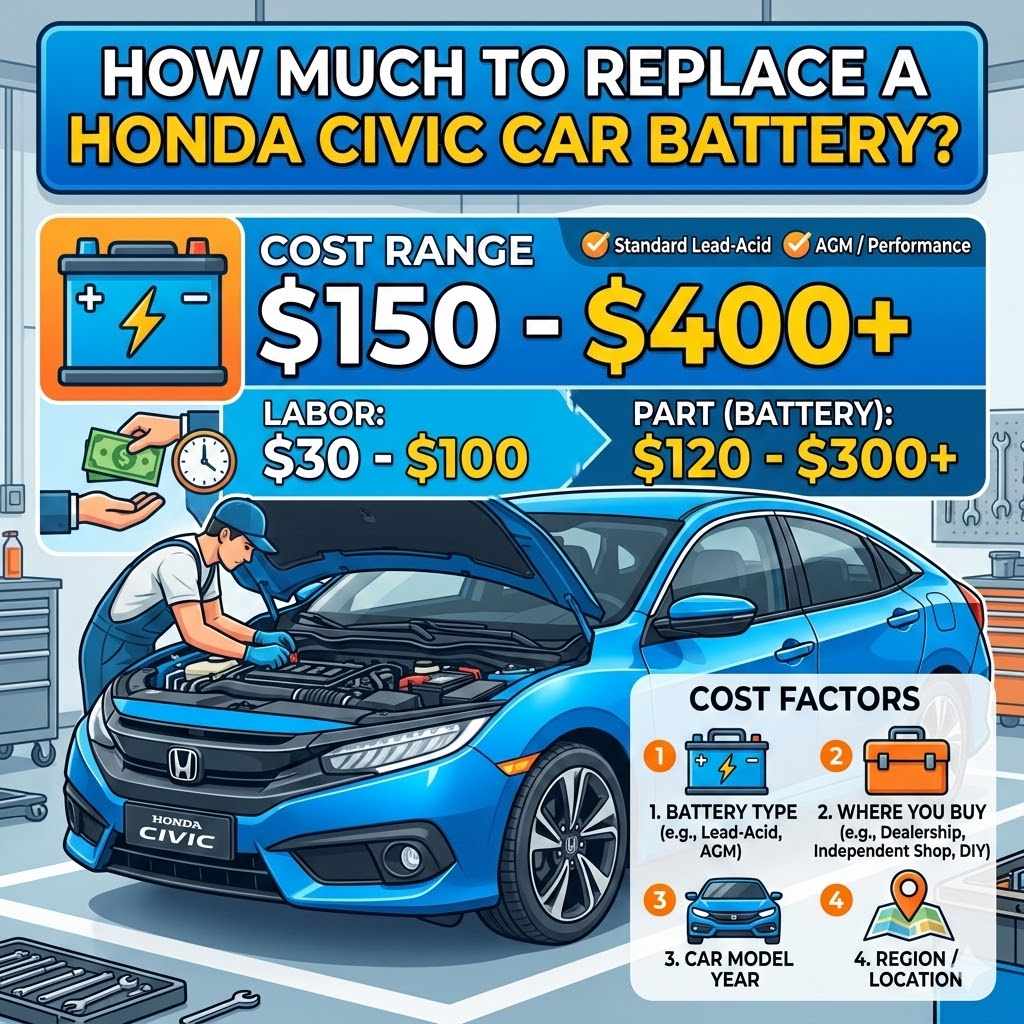
Honda Civic Battery Replacement Cost Factors
Many things can affect how much you’ll pay to get a new battery for your Honda Civic. Think of it like buying anything else; some options cost more than others. The type of battery you choose plays a big part.

USARemote
Cutting NOT Required - Key Fob Keyless…
- HONDA KEY FOB SHELL REPLACEMENT: Replacement key fob shell case for select Honda vehicles, including 2003-2014 Accord, 2006-2013 C…
- SHELL ONLY (NO ELECTRONICS / NO CHIP INCLUDED): This is a replacement key fob shell only — no circuit board, battery, or electroni…
- NO CUTTING REQUIRED: Easy DIY installation. Move your existing key blade and internal components from your original remote into th…
As an Amazon Associate I earn from qualifying purchases.
There are different kinds designed for different needs and car models. Also, where you get the battery and have it installed makes a difference. Are you going to a big chain store, a local mechanic, or maybe even doing it yourself?
Each path has its own price tag.
Battery Types and Their Impact on Price
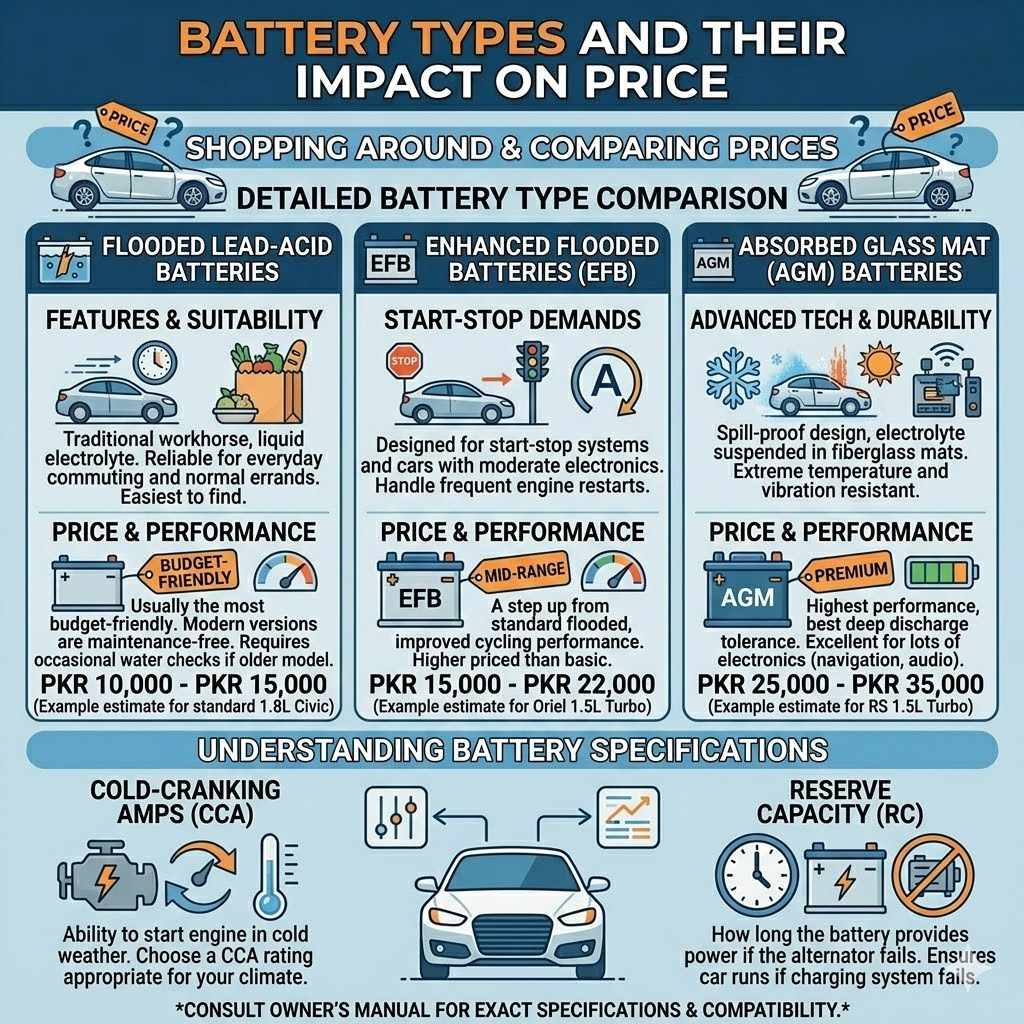
When you look for a new car battery, you’ll see a few main types. The most common is the standard flooded lead-acid battery. These are usually the most budget-friendly option.
They work well for many drivers and are readily available for most Honda Civic models. However, they might require occasional maintenance, like checking the water levels, though many modern versions are maintenance-free.
Then you have absorbed glass mat, or AGM, batteries. These are a bit more advanced. They use a special material to hold the electrolyte, which means they are spill-proof and can handle more deep discharges.
AGM batteries are often a good choice if your Civic has a lot of electronic accessories or if you experience extreme temperatures. Because of their better performance and durability, they tend to cost more than standard batteries.
There are also enhanced flooded batteries (EFB), which are a step up from standard flooded batteries. They offer better performance for cars with start-stop systems or those that need more power for electronics. While not as expensive as AGM, they are still priced higher than basic flooded batteries.
The technology in each type contributes directly to its market price.
Choosing the right battery for your Civic also depends on its specifications. You’ll want to match the battery’s cold-cranking amps (CCA), which is its ability to start the engine in cold weather, and its reserve capacity (RC), which is how long it can provide power if the alternator fails. Your owner’s manual or a quick online search for your specific Civic year and model will tell you the recommended specs.
Getting the right specs ensures your car runs smoothly, and sometimes, opting for a higher-spec battery, even if not strictly required, can offer better longevity and performance, often at a slightly higher cost.
Flooded Lead-Acid Batteries
These are the traditional workhorses of the battery world. They are made up of lead plates submerged in a liquid electrolyte solution. They’ve been around for a long time and are known for being reliable for everyday driving needs.
Most people who just use their car for commuting or normal errands will find these perfectly suitable. They are also the easiest to find and often the cheapest to buy, which is a big plus for many car owners looking to save money.
Absorbed Glass Mat (AGM) Batteries
AGM batteries use a different design. Instead of liquid electrolyte, the electrolyte is suspended in fiberglass mats. This makes them much more resistant to vibrations and less likely to leak.
They can also deliver more power and handle being drained and recharged more times than regular batteries. This makes them ideal for cars with lots of electronics, like navigation systems, heated seats, or performance audio setups. They are also great for preventing issues in very cold or very hot climates because they are sealed and require no maintenance.
Enhanced Flooded Batteries (EFB)
EFB batteries are a newer option that sits between standard flooded batteries and AGM batteries. They are designed to handle the demands of modern vehicles, especially those with start-stop technology. This technology turns the engine off when the car is stopped (like at a traffic light) and restarts it when the driver lifts their foot off the brake.
This constant starting and stopping puts extra strain on a battery. EFB batteries can handle this more frequent cycling and offer improved performance over traditional flooded batteries.
Labor Costs and Installation Options
When you decide to
Another popular option is visiting an auto parts store that offers installation services. Many of these stores have knowledgeable staff who can help you find the right battery and install it for you, often for a small fee or even free with the purchase of the battery. This can be a more cost-effective way to get the job done compared to a specialized mechanic, especially if you’re on a budget.
It’s a good balance between getting professional help and saving money.
The third option is a do-it-yourself (DIY) approach. If you’re comfortable working on your car, you can buy the battery yourself and replace it at home. This is the cheapest way to go, as you only pay for the battery itself.
However, it requires some basic tools and a little mechanical know-how. You’ll need to know how to disconnect the old battery safely, remove it, and install the new one, making sure all connections are secure. Always remember to disconnect the negative terminal first and reconnect it last to avoid short circuits.
The time it takes for professional installation can also depend on your specific Honda Civic model. Some models have batteries located in easy-to-reach spots under the hood, while others might have them in more difficult locations, like in the trunk or under a fender well. This can increase the installation time and, therefore, the labor cost.
It’s always a good idea to call ahead and get a quote for both the battery and the installation before you commit to a particular service provider.
Professional Mechanic Installation
Choosing a professional mechanic for battery replacement offers peace of mind. These experts have the right tools and experience to handle any issues that might arise. They can also check your car’s charging system to make sure the new battery will work correctly and last as long as possible.
This thorough check is a valuable part of the service, as a faulty charging system can quickly damage a new battery.
The cost for this service includes not just the battery itself but also the technician’s time and expertise. While it’s generally the most expensive option, it often comes with a warranty on both the battery and the labor. This warranty can save you money in the long run if any problems occur.
It’s a great choice if you’re not comfortable working on your car or if you want the job done right the first time with no worries.
Auto Parts Store Installation
Many auto parts stores are a fantastic resource for battery replacement. They often have a wide selection of batteries for different vehicles and can help you find the perfect fit for your Honda Civic. The installation service at these stores is usually quick and efficient.
They often offer this service as a way to encourage customers to buy their batteries, so the installation fee might be minimal or even waived.
This option is a good middle ground. You get the help of someone who knows what they’re doing without paying the higher rates of a dedicated mechanic shop. It’s a practical choice for many car owners who want a reliable battery and professional installation without breaking the bank.
Plus, you can often pick up other car maintenance items you might need at the same time.
Do-It-Yourself (DIY) Installation
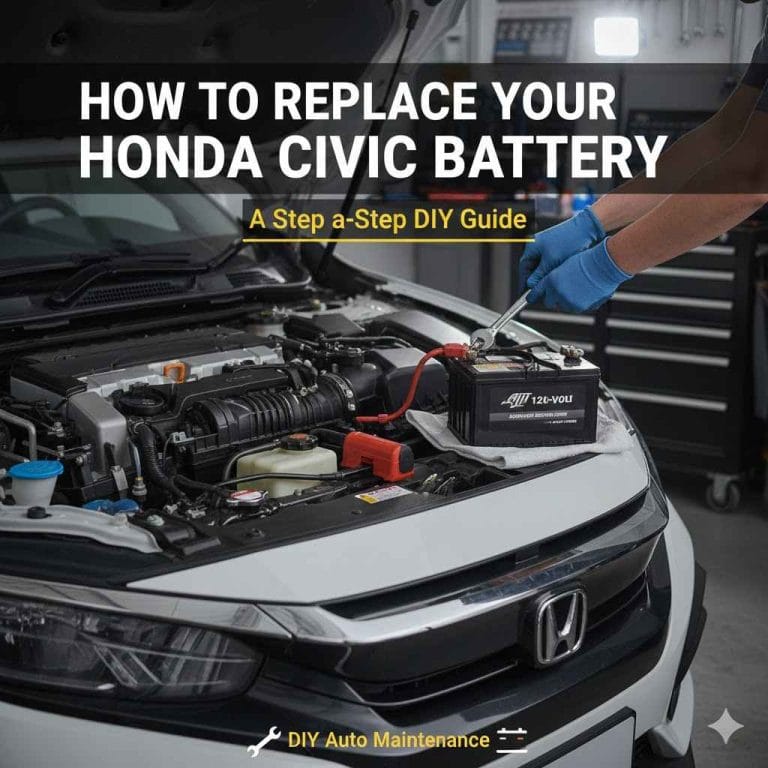
For the handy car owner, replacing your Honda Civic battery yourself can save a significant amount of money. You’ll need a few basic tools, such as a wrench set to loosen the battery terminal clamps and possibly a socket set to remove the battery hold-down bracket. It’s a process that many people can accomplish with a little patience and by following a simple guide.
The main benefit here is cost savings. You only pay for the battery itself. However, it’s crucial to do it safely.
Always disconnect the negative terminal first and reconnect it last. Wearing safety glasses is a good idea too. If you’re unsure about any step, it’s always better to ask for help or choose a professional installation to avoid potential damage to your car or yourself.
Battery Brands and Quality
When it comes to car batteries, not all brands are created equal. Some brands are known for their consistent quality and reliability, while others might be more budget-friendly but may not last as long. For your Honda Civic, choosing a reputable brand can make a difference in how often you’ll need to replace the battery and how well it performs.
Well-known battery manufacturers often invest heavily in research and development to create batteries that are more durable and efficient. They typically offer better warranties, which can provide peace of mind. These brands might cost a bit more upfront, but their longer lifespan and reliability can make them a more cost-effective choice over time.
It’s like buying a quality tool; it might cost more initially, but it will likely last much longer and perform better.
When looking for a battery for your Civic, consider brands that have a good track record for automotive batteries. Check online reviews and ask for recommendations from trusted mechanics or auto parts store employees. They can often provide insights into which brands perform best for your specific vehicle model.
Remember that a battery is a critical component for your car’s electrical system, so investing in a quality one is often a wise decision.
Top Battery Brands for Honda Civic
Several battery brands consistently perform well and are often recommended for Honda Civics. Brands like DieHard, Optima, and Odyssey are frequently mentioned for their quality and durability. DieHard batteries, often found at Sears or other automotive retailers, offer a good balance of performance and price, with various models to suit different needs.
They are a solid choice for everyday drivers.
Optima batteries are known for their unique spiral-cell technology, which provides excellent power and vibration resistance. They are often a premium option, ideal for Civics used in demanding conditions or with high-performance audio systems. Odyssey batteries are another top-tier choice, offering extreme durability and long life, often favored by those who need the absolute best in battery technology for their vehicle.
Other reliable brands include EverStart Maxx (Walmart’s house brand, often offering good value), Bosch, and ACDelco. These brands also have a strong reputation for producing dependable batteries. When selecting a brand, consider the warranty offered, as a longer warranty period usually indicates the manufacturer’s confidence in their product’s longevity and performance.
Always verify that the specific battery model fits your Honda Civic year and trim.
Warranty and What It Covers
The warranty on a car battery is a crucial factor to consider. It’s essentially a promise from the manufacturer or seller that the battery will perform as expected for a certain period. Most car batteries come with a limited warranty that covers defects in materials and workmanship.
This means if the battery fails prematurely due to a manufacturing issue, you can get it replaced or repaired.
Warranties often have two parts: a free
It’s important to read the warranty details carefully. Some warranties may be voided if the battery is damaged due to improper installation, abuse, or if it’s used in an application it wasn’t designed for. Keeping your receipt and knowing the warranty terms can save you a lot of trouble and money if something goes wrong with your new battery.
Average Cost Breakdown for Honda Civic Battery Replacement
Let’s break down what you can generally expect to pay for a new Honda Civic battery. The price of the battery itself is the biggest chunk of the cost. For a standard flooded lead-acid battery, you might spend anywhere from $100 to $200.
These are the most common and affordable options.
If you opt for a higher-quality AGM or EFB battery, the price can jump to $150 to $300 or even more. These batteries offer better performance and longevity, especially for cars with advanced features. The brand of the battery also plays a role.
Premium brands might cost a bit more but often come with longer warranties and better reliability.
Installation is the other cost factor. If you do it yourself, there’s no labor cost, just the price of the battery. If you go to an auto parts store, they might charge a small fee for installation, perhaps $20 to $50, or even do it for free with the battery purchase.
Professional mechanics or dealerships will likely charge more for labor, usually ranging from $50 to $100 or more, on top of the battery price. This includes their time, expertise, and potentially a quick check of your car’s electrical system.
So, for a complete
DIY Replacement Cost
If you decide to replace your Honda Civic battery yourself, your primary expense is the cost of the battery itself. For a standard battery, this could be between $100 and $200. If you choose a more advanced AGM or EFB battery, expect to pay between $150 and $300 or more.
The good news is that you completely avoid labor charges.
You might need a few basic tools if you don’t already have them. A set of wrenches or sockets to remove the battery terminals and hold-down clamp typically costs around $20 to $50. Safety glasses and gloves are also a good idea and are very inexpensive.
So, your total cost for a DIY replacement will likely be just the price of the battery, making it the most budget-friendly option.
Auto Parts Store Cost
When you visit an auto parts store for a battery
This makes the total cost for a battery and installation at an auto parts store typically fall between $100 and $350, depending on the battery type and any installation fees. It’s a convenient and cost-effective way to get your battery
Mechanic or Dealership Cost
Taking your Honda Civic to a professional mechanic or dealership for battery replacement is usually the most expensive option, but it also offers the highest level of service. The battery cost will be similar to what you’d find at an auto parts store, perhaps slightly higher from a dealership. Standard batteries might be $120-$220, and premium ones $170-$350+.
The labor charges are where the cost adds up. Mechanics typically charge $50 to $100+ for the installation service. This rate often includes a diagnostic check of your car’s charging system to ensure everything is working correctly.
So, the total cost for a battery replacement at a mechanic or dealership can range from $170 for a basic battery and quick install to $450 or even more for a premium battery and thorough service.
| Option | Battery Cost (Approx.) | Installation Cost (Approx.) | Total Estimated Cost (Approx.) |
|---|---|---|---|
| DIY Replacement | $100 – $300+ | $0 | $100 – $300+ |
| Auto Parts Store | $100 – $300+ | $0 – $50 | $100 – $350+ |
| Mechanic/Dealership | $120 – $350+ | $50 – $100+ | $170 – $450+ |
When Does a Honda Civic Battery Need Replacing
Car batteries don’t last forever. They have a lifespan, and once they reach the end of it, they need to be replaced. For a Honda Civic, you can generally expect a battery to last somewhere between three to five years.
However, this can vary a lot based on several factors, including climate, driving habits, and the quality of the battery itself. Paying attention to signs that your battery is weakening can save you from unexpected breakdowns.
One of the most common signs is a slow engine crank. When you turn the key or push the start button, the engine might sound like it’s struggling to turn over, making a “rur-rur-rur” sound instead of a quick, strong start. This indicates the battery doesn’t have enough power to turn the engine over as quickly as it should.
Another sign is dim headlights or interior lights, especially when the engine is off or at idle. If your lights seem dimmer than usual, it’s a clear indicator of a weakening battery.
You might also notice that your car’s electrical accessories, like the radio, power windows, or dashboard lights, are acting strangely. They might flicker, work intermittently, or not work at all. A warning light on your dashboard, often shaped like a battery, is another sign that your charging system or battery might be having issues.
Ignoring these signs can lead to your car not starting at all, leaving you stranded.
Signs of a Weak or Failing Battery
A failing car battery often gives several warning signals before it completely gives out. One of the most obvious is a slow engine crank. When you try to start your car, the engine turns over much slower than usual, with a grinding or struggling sound.
This happens because the battery doesn’t have enough power to spin the starter motor at its normal speed. It’s like trying to run a race with very little energy; you’ll move, but slowly and with great effort.
Dim headlights or interior lights are another common sign. If you notice your lights seem less bright than they used to be, especially when the engine is off or idling, your battery might be struggling to provide enough voltage. This is because the battery is responsible for powering all the electrical components of your car.
Other electrical issues can also arise, such as power windows that operate slower than normal, or dashboard warning lights that flicker or come on erratically. These electrical quirks often point back to a weak battery.
Another indicator is if your car has needed jump-starts multiple times recently. While a one-time jump-start might be due to leaving lights on, repeated need for a jump suggests the battery isn’t holding a charge. You might also smell a sulfuric or rotten egg odor coming from under the hood, which can indicate a battery leak or internal damage.
Finally, if the battery case looks swollen or deformed, it’s a sign of internal damage, likely from extreme heat or overcharging, and it needs immediate replacement.
Slow Engine Crank
When you turn the ignition key or press the start button, the engine should crank over quickly and reliably. If you hear a slow, labored cranking sound, like the engine is struggling to get going, that’s a strong sign your battery is weakening. The battery provides the electrical energy needed to engage the starter motor, which in turn spins the engine to begin combustion.
A weak battery simply cannot supply enough power to do this effectively. This slow crank is often the very first symptom that drivers notice.
The speed of the engine crank is directly related to the voltage and current the battery can deliver. As a battery ages, its internal resistance increases, and its capacity to hold a charge decreases. This means it struggles to provide the high bursts of current needed by the starter.
If you delay addressing a slow crank, you risk finding yourself unable to start your car at all, especially in cold weather when batteries perform less effectively.
Dim Lights and Electrical Issues
The electrical system in your car relies heavily on a healthy battery to function properly. When the battery starts to weaken, you might notice the headlights appearing dimmer than usual, particularly when the engine is off or at idle. Similarly, the interior lights, dashboard lights, and even the radio display might seem less bright.
This dimming is a direct result of the battery not being able to supply the consistent voltage needed for these components.
Beyond just lights, other electrical accessories can also be affected. Power windows might operate more slowly, power locks could take longer to engage, or the infotainment system might freeze or reset unexpectedly. Sometimes, warning lights on the dashboard might flicker or illuminate erratically, even if there’s no actual problem with the system they represent.
These are all signs that the battery’s ability to provide a stable electrical current is compromised.
Warning Lights and Unusual Smells
Modern vehicles have sophisticated warning systems that alert drivers to potential issues. If your car’s battery is failing, or if there’s a problem with the charging system, a battery warning light on the dashboard will often illuminate. This light, typically shaped like a battery, is a direct indicator that something is wrong with the electrical power supply.
It’s crucial not to ignore this light, as it could mean your car is about to stop working.
Another distinct warning sign is an unusual smell. If you detect a sulfuric or rotten egg odor coming from the vicinity of the battery, it’s a cause for concern. This smell can indicate that the battery is overheating, leaking, or that its internal components are breaking down.
This is a serious sign of battery damage and requires immediate attention. The battery should be inspected and likely replaced as soon as possible to prevent further damage or safety hazards.
Factors Affecting Battery Lifespan
Several elements can shorten or lengthen the life of your Honda Civic’s battery. The climate you live in plays a significant role. Extreme temperatures, both hot and cold, are hard on batteries.
Hot weather can accelerate the chemical reactions inside the battery, leading to a faster breakdown of its components. It’s like leaving a drink out in the sun; it degrades faster.
Cold weather, on the other hand, makes the battery work harder. The oil in your engine thickens in the cold, requiring more power from the battery to start the engine. Cold also reduces the battery’s capacity to produce power.
So, if you live in an area with very hot summers and very cold winters, your battery might not last as long as one in a more temperate climate. This is why checking your battery’s health before winter is always a good idea.
Your driving habits also matter. If you frequently take short trips, especially in cold weather, your battery might not have enough time to fully recharge from the alternator between drives. This can lead to the battery gradually losing its charge and its overall lifespan.
Conversely, if your car sits unused for long periods, the battery can slowly discharge, and even when you do use it, the battery may not be at its peak performance. Batteries are designed to be used regularly and charged efficiently.
Climate Extremes
The environment your car operates in has a major impact on battery life. Batteries are chemical devices, and extreme temperatures can significantly affect their performance and longevity. Hot weather is particularly damaging because it accelerates the natural degradation of the battery’s internal components.
Think of it like baking a cake too long; it spoils faster. High temperatures can cause the electrolyte to evaporate more quickly and can lead to internal corrosion and plate damage.
Conversely, very cold weather doesn’t necessarily degrade the battery in the same way as heat, but it makes the battery work much harder. In cold conditions, the engine oil becomes thicker, requiring more power from the battery to crank the engine. At the same time, the battery’s ability to generate power is reduced in cold temperatures.
This combination means that starting your car in freezing weather is one of the most demanding tasks for a battery. A battery that has already been weakened by heat may fail completely in the cold.
Driving Habits
How you use your car can also influence how long your Honda Civic battery lasts. Frequent short trips are a common culprit for premature battery wear. When you start your engine, especially in colder weather, the battery expends a lot of energy.
The alternator then works to recharge the battery as you drive. However, on very short trips, the alternator might not have enough time to fully replenish the charge the battery lost during startup. Over time, this can lead to a battery that is constantly undercharged, which degrades its performance and lifespan.
On the flip side, letting your car sit idle for extended periods can also be detrimental. Batteries naturally lose a small amount of charge over time, even when the car is off. If the car is not driven regularly, this gradual discharge can deplete the battery’s power.
When you eventually try to start it, the battery may not have enough power, and repeated attempts can further drain it. For cars that are not driven daily, a battery tender or trickle charger can be a good investment to keep the battery topped up.
Charging System Performance
The battery doesn’t work alone; it’s part of a larger charging system that includes the alternator and voltage regulator. The alternator’s job is to generate electricity to power your car’s systems while you drive and to recharge the battery. The voltage regulator ensures the alternator produces the correct amount of voltage, preventing overcharging or undercharging of the battery.
If either of these components is not working correctly, it can significantly shorten your battery’s life.
For example, if the alternator is not producing enough power, the battery will not be fully recharged after driving. This leads to a constantly undercharged battery, which, as mentioned, degrades its performance and lifespan. On the other hand, if the voltage regulator fails and allows the alternator to overcharge the battery, it can cause the battery to overheat, boil its electrolyte, and suffer permanent damage.
A healthy charging system is essential for a long-lasting battery.
Cost-Saving Tips for Honda Civic Battery Replacement
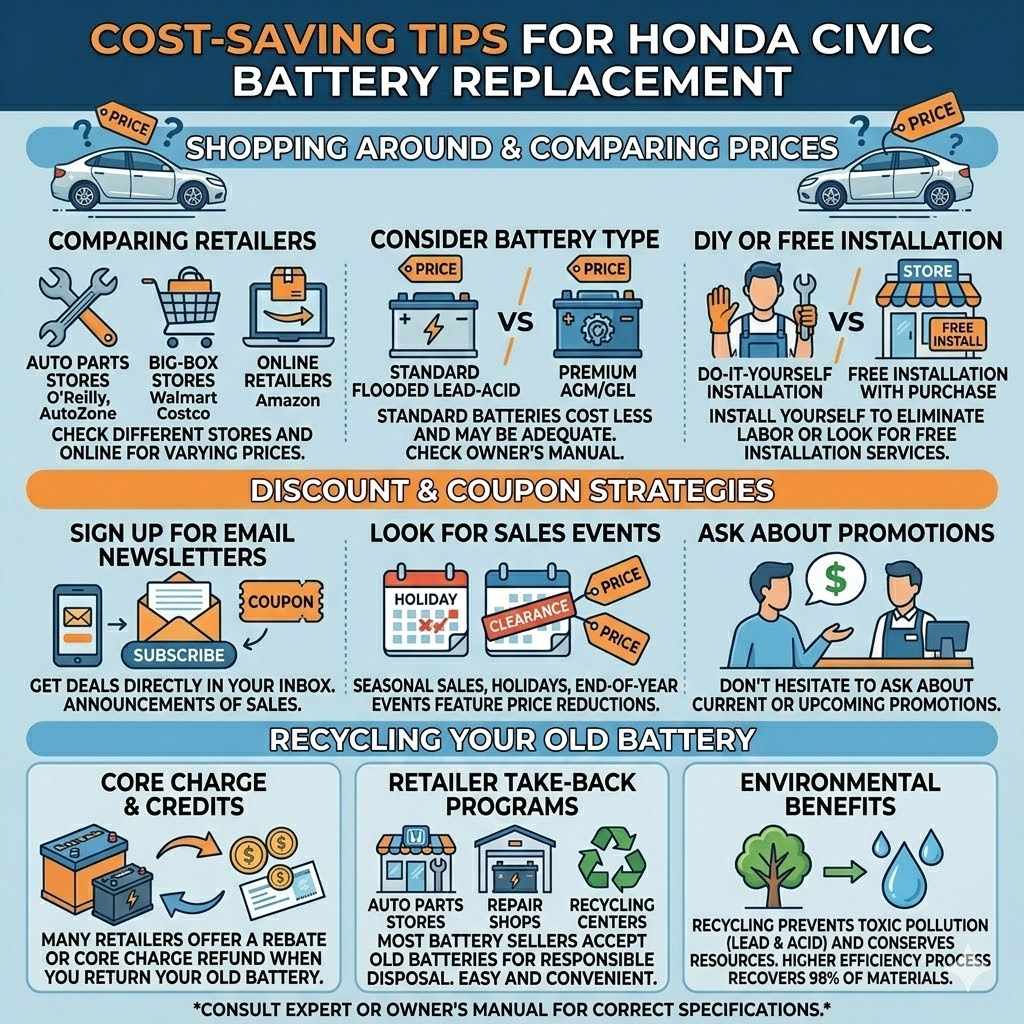
Replacing a car battery can be an unexpected expense, but there are ways to manage the cost for your Honda Civic. One of the simplest ways to save money is to compare prices from different retailers. Auto parts stores, big-box retailers, and even online sellers can have varying prices for the same battery.
Taking a little time to shop around can lead to significant savings.
Consider the type of battery you need. While premium batteries offer benefits, a standard flooded lead-acid battery might be perfectly adequate for your driving needs and will cost less. Always check your owner’s manual or consult with an expert to determine the correct specifications for your Civic, ensuring you buy the right fit without overspending on features you don’t need.
Another excellent way to save is by doing the installation yourself. As we’ve discussed, if you’re comfortable with basic car maintenance, replacing the battery is a task many people can handle. This eliminates labor costs entirely.
If DIY isn’t an option, look for auto parts stores that offer free battery installation with purchase, as this is a common service that can greatly reduce the overall expense.
Shopping Around and Comparing Prices
When it’s time to buy a new battery for your Honda Civic, don’t just go to the first place you think of. Prices for batteries can vary quite a bit between different stores and even between different brands at the same store. Take the time to compare prices at local auto parts chains, big-box retailers that sell car batteries (like Walmart or Costco), and potentially even online retailers.
You might be surprised at the difference you find.
For example, one store might have a sale on a particular brand, or a different store might offer a better price on a comparable battery. It’s also worth checking if any stores offer discounts for members or if they have loyalty programs that could save you money. Always have the exact specifications for your Civic’s battery ready (size, CCA, terminal type) so you can accurately compare prices for the right product.
Don’t forget to factor in installation costs when comparing prices. If one store has a slightly higher battery price but includes free installation, it might end up being cheaper overall than a store with a lower battery price but a separate installation fee. A few phone calls or a quick online search can help you identify the best deal available in your area, ensuring you get the most value for your money.
Comparing Retailers
When you’re looking for the best deal on a Honda Civic battery, exploring different types of retailers is key. Auto parts stores like AutoZone, Advance Auto Parts, or O’Reilly Auto Parts usually have a wide selection and knowledgeable staff who can help you find the right battery. They often run sales and have loyalty programs.
Big-box stores such as Walmart often offer batteries at very competitive prices. While their selection might be more limited, they can be a great option for finding a reliable battery without paying a premium. Costco is another excellent choice if you’re a member, as they offer high-quality batteries, often from reputable brands like Interstate, at discounted prices.
Online retailers, like Amazon or dedicated battery websites, can also be worth checking. You might find very low prices, but be sure to factor in shipping costs and delivery times. Also, consider what happens if you have an issue with the battery; returning an item purchased online can sometimes be more complicated than returning it to a local store.
Discount and Coupon Strategies
Keeping an eye out for discounts and coupons can significantly reduce the cost of a new battery. Many auto parts stores regularly offer coupons, especially for larger purchases or specific services. Signing up for email newsletters from your favorite auto parts retailers is a great way to get these deals directly in your inbox.
They often announce sales or offer special discount codes for subscribers.
Look for seasonal sales events, such as holiday weekends or end-of-year clearances. These periods often feature significant price reductions on car parts. Additionally, some stores offer a small discount if you bring in your old battery for recycling, which is a responsible practice anyway.
If you’re a member of any automotive clubs or organizations, check if they offer any partnerships or discounts with battery retailers.
Finally, don’t hesitate to ask the store staff if there are any current promotions or upcoming sales you might be eligible for. Sometimes, a simple question can uncover savings opportunities that aren’t advertised prominently. Combining multiple discounts, if allowed, can lead to even greater savings.
Recycling Your Old Battery
When you get a new battery for your Honda Civic, you’ll have an old one to deal with. Instead of just throwing it away, it’s important to recycle it properly. Car batteries contain lead and sulfuric acid, which are hazardous materials and can be harmful to the environment if not disposed of correctly.
Fortunately, recycling is usually very easy and often beneficial.
Most places that sell car batteries will accept your old battery for recycling. In fact, many retailers will even give you a small credit or discount on your new battery purchase if you bring in your old one. This is a common practice and a great incentive to recycle responsibly.
Auto parts stores, repair shops, and dedicated recycling centers are all equipped to handle old car batteries.
Recycling your old battery is not only good for the environment, but it also helps recover valuable materials like lead, which can be used to make new batteries. This process conserves natural resources and reduces the need for mining. So, when you’re picking up your new battery, be sure to ask about their recycling program and bring your old one along.
Environmental Benefits of Recycling
Recycling your old Honda Civic battery is crucial for environmental protection. Car batteries contain toxic heavy metals like lead, as well as corrosive sulfuric acid. If these batteries are dumped in landfills, these hazardous substances can leach into the soil and groundwater, contaminating ecosystems and posing serious health risks to humans and wildlife.
Proper recycling prevents this pollution.
Furthermore, recycling old batteries helps conserve natural resources. Lead is a finite resource, and by recycling it, we reduce the need to mine new lead ore. This mining process itself can be environmentally destructive, causing habitat loss and water pollution.
The manufacturing process for new batteries also consumes energy, so using recycled materials reduces the overall energy footprint of battery production.
The recycling process for lead-acid batteries is highly efficient. Approximately 98% of the lead-acid battery can be recycled and repurposed. This means that nearly all the material from your old battery can be turned into new products, preventing waste and promoting a circular economy.
It’s a simple action that has a significant positive impact on the planet.
Retailer Take-Back Programs
Most places that sell car batteries, including major auto parts retailers and even some big-box stores, have established take-back programs for old batteries. When you purchase a new battery, they will typically accept your old one for recycling. This is often a condition of sale, or they might offer a core charge refund when you return the old battery.
A core charge is an extra fee added to the price of a new battery that you get back when you return your old battery. This encourages customers to bring back their used batteries rather than disposing of them improperly. The process is usually straightforward: just bring your old battery to the store when you pick up your new one, or when you bring your car in for service.
They will handle the rest, ensuring it’s sent to a proper recycling facility.
These programs make it incredibly convenient for consumers to do the right thing for the environment. You don’t have to go out of your way to find a special drop-off location; the place where you buy your new battery often takes care of the recycling for you. It’s a win-win situation: you get a new battery, and your old one is disposed of safely and responsibly.
Conclusion
Understanding How Much to
Frequently Asked Questions
Question: What is the average lifespan of a Honda Civic car battery?
Answer: The average lifespan of a Honda Civic car battery is typically between three to five years. However, this can vary depending on factors like climate, driving habits, and the quality of the battery.
Question: Can I replace my Honda Civic battery myself?
Answer: Yes, you can often
Question: How much does a Honda Civic battery typically cost?
Answer: A standard Honda Civic battery usually costs between $100 and $200, while premium AGM batteries can range from $150 to $300 or more.
Question: Is it necessary to replace my battery if my car lights are dim?
Answer: Dim lights are a common sign of a weakening battery. It’s a good indicator that you should have your battery tested and likely replaced soon to avoid getting stranded.
Question: Where can I recycle my old Honda Civic battery?
Answer: Most places that sell car batteries, including auto parts stores and big-box retailers, accept old batteries for recycling. Many offer a discount or core charge refund for returning your old battery.
Related pick: Check today's price on Amazon
Products related to this article
Sponsored / affiliate links. As an Amazon Associate I earn from qualifying purchases. I may earn additional commission from eligible campaigns.