
Why Is Ford Considered a Bad Car by Some Owners?
Car enthusiasts and everyday drivers alike have opinions about the reliability and quality of different automotive brands. Among the most debated is Ford, a manufacturer with a storied legacy dating back over a century. While millions of Ford vehicles are sold each year, a notable segment of owners express dissatisfaction, describing their experience with Ford as frustrating or disappointing. Why does this perception persist, and what specific issues fuel the belief that Ford is a “bad car” for some?
Unpacking this topic reveals a complex interplay of factors: from mechanical reliability concerns and high-profile recalls to perceived shortfalls in customer service and the sway of social media narratives. Some Ford models have achieved legendary status, while others have been plagued by recurring problems, leaving owners with costly repairs and diminished trust. Understanding why Ford receives criticism from a segment of its customer base sheds light on broader issues in the automotive industry and empowers consumers to make informed choices.
Key Takeaways
- Ford’s reputation is shaped by both celebrated successes and high-profile failures, leading to divided opinions among owners.
- Common complaints include reliability issues, transmission failures, and inconsistent build quality in certain models and years.
- High recall rates and negative experiences with customer service contribute to the perception of Ford as a “bad car” among some drivers.
- Online forums and social media amplify negative stories, sometimes overshadowing positive owner experiences.
- Data-driven comparisons show that Ford’s reliability varies significantly between models and generations.
- Understanding context—such as recall statistics, independent reliability ratings, and owner testimonials—is essential before passing judgment on the brand.
The Roots Of Ford’s Mixed Reputation
Ford’s standing in the automotive world is marked by a duality: while some models are praised for durability and innovation, others are notorious for frequent breakdowns and costly repairs. This section explores the historical and psychological factors that fuel the mixed reputation.
Historical Performance And Highs & Lows
Ford’s journey began with the revolutionary Model T, making cars accessible to the masses. Over time, Ford introduced legendary vehicles like the F-150 pickup and Mustang, both of which have become cultural icons. Yet, not all Ford vehicles have fared equally well. Models such as the Ford Pinto in the 1970s and the Ford Explorer in the early 2000s faced significant safety and reliability criticisms, shaping long-term perceptions.
The Role Of Brand Expectations
As one of the “Big Three” automakers, Ford faces heightened scrutiny. Owners often expect American-made vehicles to be both affordable and dependable. When a model falls short—through issues like premature part failure or poor resale value—the disappointment is magnified compared to lesser-known brands. Consumer Reports and J.D. Power reliability studies have shown Ford’s standing fluctuating over the years, contributing to uncertainty among buyers.
The Impact Of Social Media And Online Forums
Negative experiences tend to be amplified in online forums, reviews, and social media, where dissatisfied owners share stories that quickly gain traction. On platforms like Reddit and dedicated Ford forums, complaints about specific models or issues can snowball, influencing broader public opinion.
As with any brand, this “louder minority” effect can sometimes overshadow the majority of neutral or positive experiences.

Credit: www.dailynews.com
Common Complaints: Why Some Owners Are Dissatisfied
While many Ford owners have positive experiences, a significant number voice specific grievances that contribute to the brand’s negative reputation. Understanding these complaints provides clarity on why Ford is sometimes labeled a “bad car. “
Recurring Mechanical Problems
A persistent complaint among Ford owners involves mechanical reliability. Notable issues include:
- Transmission failures: Particularly in models like the Ford Focus and Fiesta (2011–2016), plagued by the problematic PowerShift dual-clutch automatic transmission.
- Electrical system glitches: Infotainment system malfunctions and sensor errors are frequent, especially in newer vehicles.
- Engine troubles: Some Ecoboost engines have been reported to suffer from coolant leaks, misfires, and turbocharger failures.
Poor Resale Value
Compared to Japanese competitors like Toyota and Honda, Ford vehicles often experience steeper depreciation. The Kelley Blue Book consistently lists Ford models with lower resale values, which frustrates owners hoping to retain investment value. This perception is compounded when major repairs coincide with declining car worth.
High Recall Rates
Ford has faced numerous recalls in recent decades. For example, in 2026, Ford led the U.S. auto industry in recalls, affecting over 8.6 million vehicles (Automotive News). Recalls erode consumer trust, especially when they involve critical safety issues such as airbag failures or engine fires.
Inconsistent Build Quality
Owners frequently report that build quality varies not just between models, but between production years and even individual vehicles. Complaints range from misaligned panels and poor paintwork to interior rattles and premature wear on upholstery. This inconsistency has contributed to a sense of unpredictability for buyers.
Customer Service Concerns
Several Ford owners cite negative dealership experiences, such as:
- Difficulty obtaining repairs under warranty
- Long wait times for parts and service
- Perceived lack of accountability when issues recur
Such experiences can leave a lasting bad impression, even if the underlying mechanical issue is eventually resolved.
Credit: www.boucher.com
Reliability Data: How Ford Compares To Competitors
To move beyond anecdotal evidence, it’s crucial to examine independent reliability rankings and recall statistics. This data-driven approach highlights where Ford stands in relation to other major automakers.
J.d. Power And Consumer Reports Ratings
Both J.D. Power and Consumer Reports provide annual reliability rankings based on thousands of owner surveys. Ford’s performance is mixed:
- In the 2026 J.D. Power U.S. Vehicle Dependability Study, Ford ranked below industry average, positioned 16th out of 32 brands (J.D. Power).
- Consumer Reports’ 2026 Auto Reliability Report placed Ford in the bottom third of all brands tested, primarily due to issues in SUVs and small cars.
Comparison Table: Ford Vs. Major Rivals
Below is a data-driven snapshot of Ford’s reliability versus key competitors.
| Brand | J.D. Power 2026 Rank (out of 32) | Consumer Reports 2026 Reliability Score (out of 100) | 2026 U.S. Recalls |
|---|---|---|---|
| Ford | 16 | 44 | 8.6 million |
| Toyota | 4 | 72 | 1.0 million |
| Honda | 8 | 62 | 1.6 million |
| Chevrolet | 12 | 53 | 3.3 million |
| Hyundai | 7 | 57 | 1.5 million |
Notorious Models And Problem Years
Some Ford models are disproportionately represented in complaint databases, such as CarComplaints.com and the National Highway Traffic Safety Administration (NHTSA):
- 2012–2016 Ford Focus & Fiesta: Transmission failures led to lawsuits and widespread owner frustration.
- 2004–2006 Ford Explorer: Known for transmission and suspension problems.
- 2013 Ford Escape: Engine fires and frequent stalling incidents.
Case Study: The Powershift Transmission Saga
The PowerShift transmission, introduced in the Ford Focus and Fiesta, was designed for fuel efficiency but quickly became a source of owner anger. Reports of shuddering, slipping gears, and sudden loss of power led to multiple class-action lawsuits and forced Ford to extend warranties for affected vehicles. Despite attempted fixes, many owners remained dissatisfied, tarnishing Ford’s reputation for years.

Credit: www.fromtheroad.ford.com
The Role Of Recalls And Safety Issues
Automotive recalls are a reality for all manufacturers, but Ford’s high-profile cases have had a lasting impact on public perception. This section delves into the types, frequency, and consequences of Ford recalls.
Volume And Severity Of Recalls
Ford’s recall record is among the highest in the industry. In 2026 alone, the company issued 65 separate recalls. The most significant include:
- 2026 Ford F-150 recall for driveshaft failure that could cause loss of vehicle control
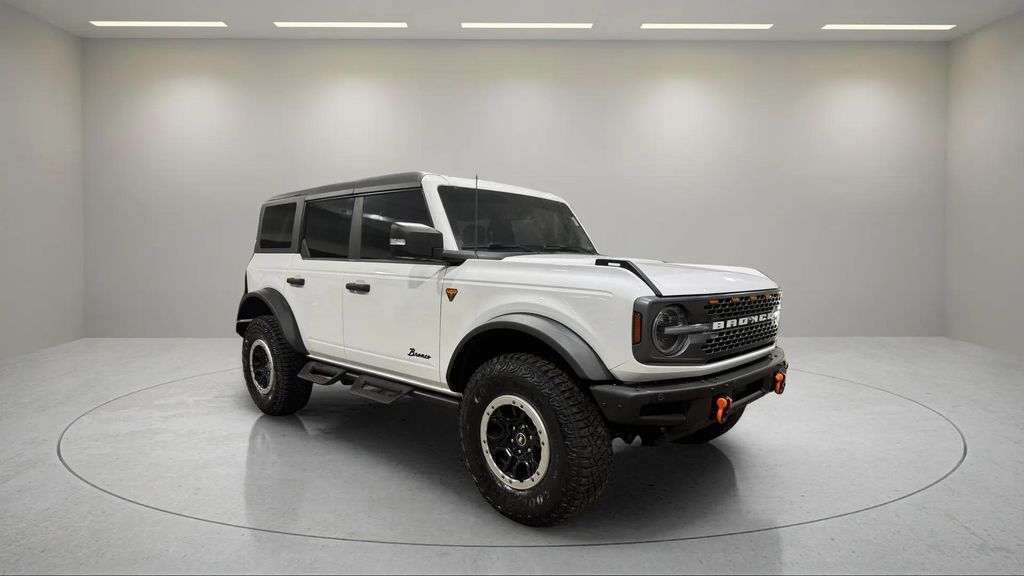
- 2026 Ford Bronco recall for potential engine failures due to defective valves
- 2019 Ford Ranger recall related to faulty airbags
Impact On Owner Trust And Safety Perceptions
Repeated recalls, especially for safety-critical components, erode owner confidence. Many buyers view frequent recalls as an indicator of poor quality control and inadequate testing before vehicles reach the market. For families and business owners relying on their vehicles, these issues can have serious financial and emotional consequences.
Data Table: Major Ford Recalls (2018–2026)
| Year | Recall | Vehicles Affected | Primary Issue |
|---|---|---|---|
| 2018 | F-150, Super Duty | 1.6 million | Seat belt fire risk |
| 2019 | Ranger, Fusion | 1.0 million | Airbag inflators |
| 2026 | F-150, Explorer | 1.3 million | Driveshaft separation |
| 2026 | Bronco, Escape | 1.7 million | Engine failure |
Example: Ford Explorer Rollover Controversy
The early 2000s saw the Ford Explorer implicated in rollover accidents, often linked to tire failures. While tire manufacturer Firestone shared much of the blame, the controversy highlighted design vulnerabilities in the Explorer and led to a massive recall, further denting Ford’s public image (Wikipedia).
Owner Experiences: Stories Behind The Statistics
Behind every reliability score and recall notice are real people with stories to tell. This section shares concrete examples of both negative and positive Ford ownership experiences, illustrating the diversity of perspectives.
Case Study: Negative Experience – Ford Focus Owner
Sarah, a 2014 Ford Focus owner from Michigan, recalls experiencing transmission jerking and unexpected stalls within the first 30,000 miles. Despite multiple visits to the dealership, the problem persisted. After Ford extended the PowerShift warranty, repairs were attempted, but the issue returned, ultimately forcing Sarah to trade in her car at a significant loss.
Case Study: Positive Experience – F-150 Owner
Conversely, Mike, a small business owner in Texas, reports driving his 2016 Ford F-150 for over 120,000 miles with minimal issues. He praises the truck’s towing capacity, comfort, and dealership support. For Mike and many like him, Ford’s trucks are a byword for reliability and value.
Online Forums: Amplifying Extremes
A review of major automotive forums reveals that negative stories often attract more attention and responses than positive ones. Threads on Reddit’s r/ford and CarComplaints.com routinely feature transmission and engine woes, while satisfied owners are less likely to post.
The Influence Of Owner Expectations
Some dissatisfaction is rooted in misaligned expectations. Buyers seeking a luxury experience from an entry-level model or expecting Toyota-like reliability from a performance vehicle may be disappointed, even if the car performs within normal parameters.
Comparing Ford To Other Brands: Context Matters
No car manufacturer is immune to criticism, but Ford’s challenges are best understood in the context of its competitors. Comparing reliability, ownership costs, and customer satisfaction reveals the broader landscape.
Reliability And Repair Costs
According to RepairPal, Ford ranks 21st out of 32 brands for reliability, with an average annual repair cost of $775. In comparison, Toyota averages $441 and Honda $428. The frequency and severity of repairs are higher for certain Ford models, particularly older sedans and compact cars.
Table: Average Annual Repair Costs By Brand
| Brand | Average Annual Repair Cost | Reliability Rating |
|---|---|---|
| Ford | $775 | 3.5/5 |
| Toyota | $441 | 4.5/5 |
| Honda | $428 | 4.0/5 |
| Chevrolet | $649 | 3.5/5 |
| Nissan | $500 | 4.0/5 |
Customer Satisfaction And Loyalty
Despite challenges, Ford maintains a strong base of loyal customers, particularly among truck and SUV buyers. The F-Series has been the best-selling vehicle line in America for over four decades (Ford Official), and the Ford Mustang continues to lead the sports coupe segment globally.
Example: Ford Vs. Toyota Camry
While the Ford Fusion offers comparable features to the Toyota Camry, it lags in reliability rankings and resale value. Owners report more frequent electrical and transmission issues compared to the Camry’s reputation for longevity. This gap drives many reliability-focused buyers toward Japanese brands.
The Role Of Innovation And Risk
Ford’s willingness to innovate—seen in the development of turbocharged Ecoboost engines and adoption of dual-clutch transmissions—has sometimes backfired when new technologies proved unreliable in real-world use. In contrast, brands like Toyota often emphasize incremental improvements and proven technologies, resulting in fewer surprises but less dramatic leaps.
How Ford Is Addressing Criticisms
Facing mounting pressure from recalls, lawsuits, and negative publicity, Ford has taken multiple steps to address quality concerns and restore consumer trust.
Enhanced Quality Control Measures
Ford has increased investment in quality assurance, adding additional testing phases and checkpoints in manufacturing. The company claims to have reduced defects per vehicle by 20% since 2018, though long-term impacts remain to be seen.
Warranty Extensions And Owner Support
Following the PowerShift controversy, Ford extended warranties on affected transmissions and offered free repairs or buybacks in some cases. The brand has also launched initiatives to improve dealership service and customer experience.
Electrification And New Technologies
Ford’s recent focus on electric vehicles (EVs), such as the Mustang Mach-E and F-150 Lightning, demonstrates a commitment to the future. Early reviews for these models are positive, but the company faces new challenges in building a reputation for EV reliability (Edmunds).
Transparency And Communication
Ford has made efforts to communicate openly about recalls and known issues, providing online resources for owners to check recall status and schedule repairs. This proactive approach aims to rebuild trust eroded by earlier missteps.
Example: F-150 Lightning Recall Handling
In 2026, Ford quickly identified and addressed a battery issue in the F-150 Lightning, pausing deliveries and working with affected owners. The transparent handling of the situation drew praise from some industry watchers, signaling a shift toward greater accountability (CNBC).
Factors That Influence Owner Satisfaction
It’s important to remember that car ownership is a highly individual experience, shaped by factors both within and beyond the manufacturer’s control.
Maintenance Habits And Driving Conditions
Owners who adhere to recommended maintenance schedules and drive under less stressful conditions tend to report fewer problems, regardless of brand. Many complaints result from neglect, rough use, or failure to address early warning signs.
Model Selection And Option Packages
Choosing the right Ford model, trim, and features can make a significant difference. The F-150 and Mustang, for example, routinely earn higher satisfaction ratings than the Focus or Fiesta. Understanding which models have strong reliability records is key.
Regional And Dealer Variability
Service quality and vehicle performance can vary by region, climate, and dealership. For instance, rust and corrosion are more common in snowy areas where roads are salted, while heat can exacerbate certain engine issues in the South.
Owner Expectations And Perceptions
Expectations play a major role in satisfaction. Buyers prioritizing low cost of ownership and reliability may be disappointed by models with higher maintenance needs. Conversely, those focused on style, performance, or towing capability may be more forgiving of minor issues.
Frequently Asked Questions
Why Do Some Ford Models Have More Problems Than Others?
The frequency of problems in Ford vehicles often correlates with model design complexity, introduction of new technologies, and production year. For instance, models like the Focus and Fiesta introduced the PowerShift transmission, which experienced widespread issues. Conversely, vehicles like the F-150, built on established platforms, tend to be more reliable. Careful research into specific model years and trim levels is essential for prospective buyers.
Are Ford Trucks More Reliable Than Ford Cars?
Generally, Ford trucks—especially the F-Series—have a better reliability record than many Ford sedans or compact cars. Trucks are designed for heavy-duty use and undergo more rigorous testing. They also benefit from incremental updates, while Ford’s passenger cars have sometimes been used as test beds for new, less-proven technologies.
How Does Ford’s Recall Rate Compare To Other Automakers?
Ford’s recall rate is among the highest in the U.S. market in recent years. In 2026, Ford issued more recalls than any other manufacturer. However, it’s important to note that high recall rates can also indicate proactive safety practices. Still, frequent recalls may signal underlying quality control or design issues compared to brands like Toyota or Honda.
Can Maintenance Help Avoid Common Ford Issues?
Regular maintenance can prevent or mitigate many common issues, such as engine misfires or transmission problems. However, some systemic problems—like the PowerShift transmission defects—are due to inherent design flaws and may not be preventable through maintenance alone. Always follow the manufacturer’s service schedule and address warning lights or unusual noises promptly.
Is Ford Improving Its Reliability For Newer Vehicles?
Ford has made notable efforts to enhance vehicle reliability, especially with its latest models and electric vehicles. Quality control processes have been strengthened, and the company has responded more quickly to recalls and customer complaints. While some legacy issues persist, early data on newer models like the Mustang Mach-E and F-150 Lightning is promising (Consumer Reports).
Ford’s reputation as a “bad car” among some owners is the product of a long history of both innovation and missteps. While certain models and years have been plagued by reliability issues, others stand as benchmarks of quality and durability.
The brand’s high recall rates and negative online narratives amplify dissatisfaction, but they do not tell the entire story. For prospective buyers, separating model-specific problems from brand-wide assumptions is key. By staying informed, maintaining realistic expectations, and prioritizing research, consumers can determine whether a Ford vehicle is the right choice for their needs.
Products related to this article
Sponsored / affiliate links. As an Amazon Associate I earn from qualifying purchases. I may earn additional commission from eligible campaigns.