How to Take Good Care of Your Car (Step-by-Step Guide)
Taking good care of your car involves simple daily habits. Focusing on regular checks, clean driving, and timely maintenance helps your vehicle run smoothly and last longer. This guide offers easy tips for everyday car owners to keep their cars in great condition without the fuss.
Understanding Simple Car Care
Your car is a complex machine. It needs regular attention. Small actions can make a big difference.

As an Amazon Associate I earn from qualifying purchases.
These aren’t hard chores. They are smart habits. They help avoid big problems later.
Think of it like taking care of your health. Daily walks and healthy food work better than one huge effort.
Good car care means different things. It’s about keeping parts working. It’s about safety for you and others.
It’s also about saving money. A well-cared-for car uses less fuel. It needs fewer expensive repairs.
You can enjoy driving more too. A clean, quiet car is just a nicer place to be.
We all have busy lives. Finding time for car stuff seems hard. But most of these tips take only a few minutes.
You can do them while you’re already out. Or when you’re just heading to the car. The goal is to build small, good habits.
These habits add up over time. They build trust in your car.
My First Car and the Hard Lessons
I remember my first car vividly. It was a beat-up sedan. I loved it because it was mine.
I drove it everywhere. I thought cars just kept going. I never checked the oil.
I ignored strange noises. I even put off filling the gas tank until the light was on constantly. One sweltering July afternoon, stuck in traffic, the car started to sputter.
Smoke billowed from under the hood. It was a truly awful feeling. The car died right there.
It was embarrassing and expensive to fix. That day taught me a vital lesson. Cars need consistent, simple care.
That breakdown cost me more than just money. It meant missing an important meeting. It meant a long walk home in the heat.
It made me feel foolish. I realized I had neglected something important. I had treated my car like a magic box.
I assumed it would always work. But machines, even reliable ones, need attention. Especially when they are your main way to get around.
The experience was a wake-up call.
Since then, I’ve changed my ways. I now see car care as an investment. It’s an investment in reliability.
It’s an investment in my peace of mind. It’s also an investment in my wallet. The simple daily checks I do now are quick.
They save me so much stress and money down the road. It’s about being a good partner to your vehicle.
Daily Car Care Checklist
Tire Pressure: Quick glance. Looks okay? Good.
Not sure? Check it.
Lights: Headlights, taillights, turn signals. Are they all working?
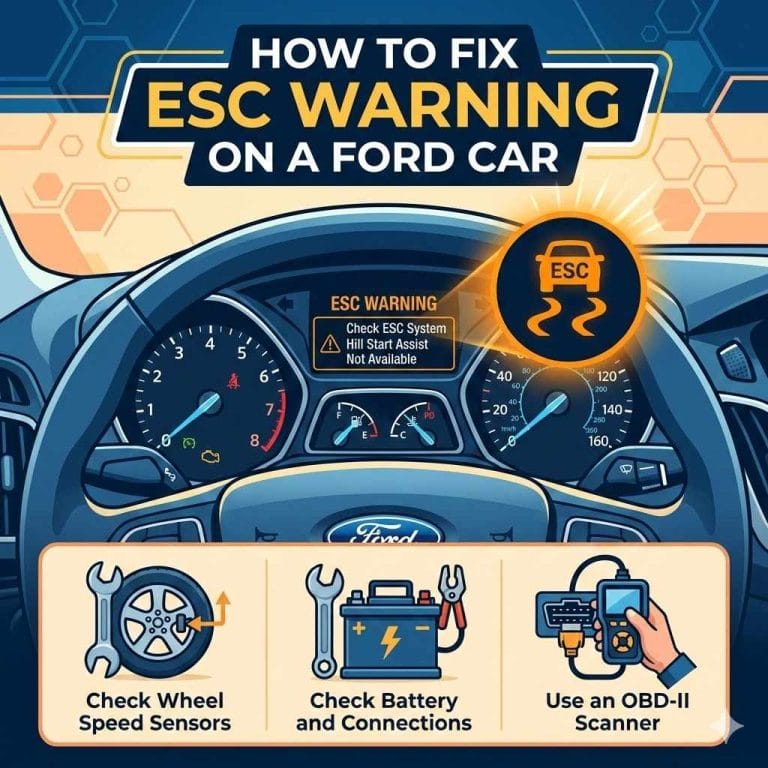
Gauges: Any warning lights on the dashboard? If yes, what does it say?
Fluids: A quick check under the hood. No obvious leaks?
Cleanliness: Quick wipe of mirrors and windows. Clear view matters.
The Importance of Regular Checks
Many people think car maintenance means big, scary jobs. Like engine overhauls or transmission work. Those are important, but they are not daily tasks.
The real power is in the small things you do often. Think about your tires. They are the only part of your car touching the road.
If they aren’t right, nothing else can be.
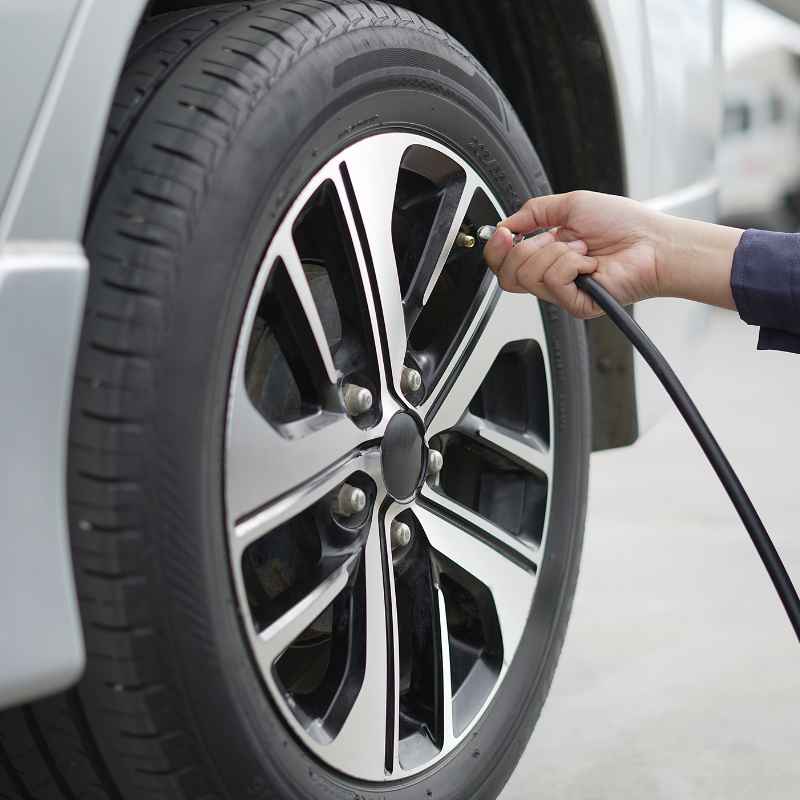
Checking your tire pressure is simple. Most gas stations have a gauge. Or you can get a cheap one for your glove box.
Tires that are under-inflated use more gas. They wear out faster. They can even be unsafe.
Over-inflated tires can also cause problems. They ride harder. They might not grip as well.
Your car’s lights are crucial for safety. You need to see. Others need to see you.
Check your headlights before driving at night. Make sure your brake lights work. A quick walk around the car helps.
Or ask a friend to step on the brakes while you watch.
Tire Care Quick Facts
Why it matters: Tires affect safety, fuel economy, and ride comfort.
How often: Check pressure at least once a month. More if you drive a lot.
What to look for: Uneven wear, cracks, or bulges are red flags.
When to replace: When tread is low or damage is visible.
Understanding Your Dashboard
Your dashboard is like your car’s control center. It tells you what’s happening. Most of the lights are just indicators.
They show things like turn signals or high beams. But some lights are warnings. They mean something needs your attention.
It’s important to know what these warning lights look like.
The most common ones are the check engine light. That could be a small issue or a big one. The oil pressure light is serious.
If that comes on, stop driving soon. The battery warning light means the charging system might have a problem. The temperature light means the engine is too hot.
If a warning light comes on, don’t ignore it. Your car owner’s manual is your best friend here. It explains what each light means.
It can also suggest what to do. Some issues are minor and can wait a day. Others need immediate action.
Your car is trying to talk to you. Listen to it.
Dashboard Warning Light Guide (Common Ones)
Check Engine Light (Yellow/Orange): Can be many things. Get it checked.
Oil Pressure Light (Red): STOP DRIVING SOON. Very important.
Battery Light (Red): Your car may not be charging. Drive to a safe spot.
Brake System Light (Red): Check your brake fluid. Or the brake system itself.
Tire Pressure Light (Yellow): Tires need air or a sensor is bad.
Fluid Levels: The Lifeblood of Your Car
Cars need fluids to run. They lubricate parts. They keep things cool.
They help things stop. Checking these levels is part of daily or weekly care. You don’t need to be a mechanic.
Most fluid reservoirs are clearly marked. And they are easy to reach under the hood.
Engine Oil: This is the most important. It keeps your engine from seizing up. Check it when the engine is cold.
Pull out the dipstick, wipe it clean, put it back in, pull it out again. Look at the oil level. It should be between the marks.
Dark oil is okay. But if it’s very thick or has metal bits, it needs changing.
Coolant: This stops your engine from overheating. Check the level in the overflow tank. Never open the radiator cap when the engine is hot.
It’s under pressure. Coolant is usually brightly colored (green, orange, pink). If the level is low, add the correct type.
Brake Fluid: This helps your brakes work. The reservoir is usually clear. The fluid level should be visible.
If it’s low, it could mean a leak. Or your brake pads are very worn. Your brakes are critical.
If you’re unsure, see a mechanic.
Windshield Washer Fluid: This is simple but vital for visibility. Keep it topped up. Especially in winter or dry seasons.
Fluid Check Quick Reference
Engine Oil: Check with dipstick. Keep between min/max marks.
Coolant: Check overflow tank. Add correct type if low.
Brake Fluid: Check reservoir level. Low could mean a problem.
Washer Fluid: Keep topped up for clear vision.
The Impact of Driving Habits
How you drive your car really matters. Aggressive driving is tough on your vehicle. Fast acceleration and hard braking put a lot of stress on the engine, brakes, and tires.
It also uses more fuel. Smooth driving is better for your car and your wallet.
Try to accelerate gently. Avoid slamming on the brakes whenever possible. Look ahead on the road.
Anticipate stops. This allows you to slow down gradually. This not only saves your car parts but also saves fuel.
It makes for a more relaxed drive for everyone.
Avoid driving through deep puddles or flooded areas. Water can get into sensitive parts. It can cause electrical issues or damage the engine.
If you encounter deep water, it’s safer to turn around or wait.
Don’t carry excessive weight. Extra weight makes your engine work harder. It uses more fuel and wears out parts faster.
Keep your car clean inside and out. Dirt and grime can damage paint. A clean interior is also more pleasant.
Smart Driving Habits
Smooth Acceleration: Press the gas pedal gently.
Gentle Braking: Slow down early. Avoid sudden stops.
Anticipate Traffic: Look ahead to see what’s coming.
Avoid Deep Water: Water is bad for your car’s systems.
Reduce Unnecessary Weight: Clear out clutter.
Keeping Your Car Clean
Cleaning your car isn’t just about looks. It’s about protection. Dirt, salt, and grime can damage your car’s paint.
This leads to rust. Washing your car regularly is important. Especially if you live in an area that uses road salt in winter.
The exterior wash should be thorough. Use car soap. Avoid dish soap; it can strip away protective waxes.
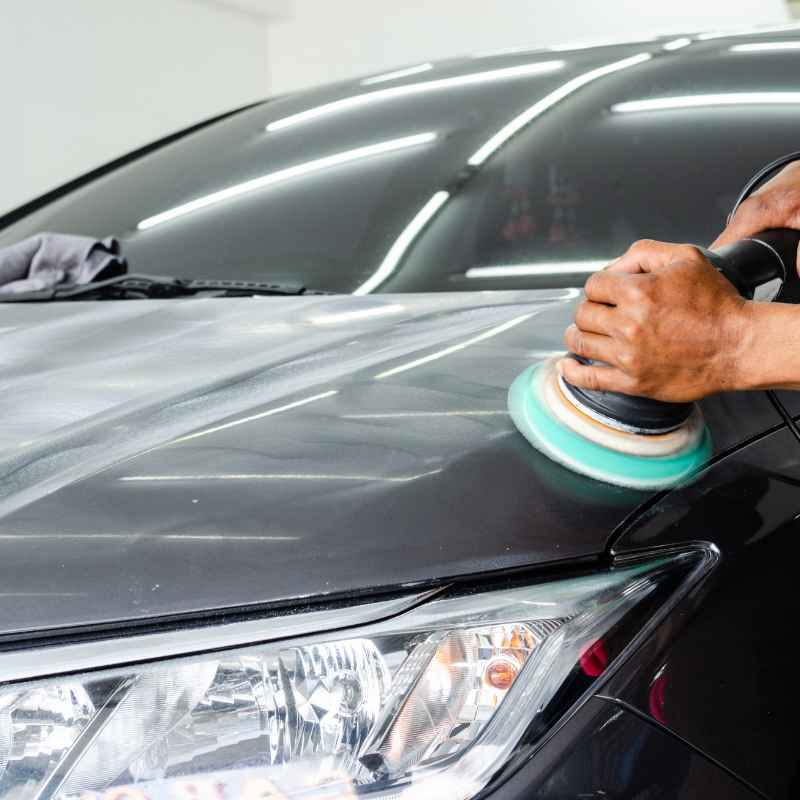
Dry your car with a clean microfiber towel to prevent water spots. A good wax job a few times a year adds a protective layer.
Don’t forget the interior. Vacuum floors and seats. Wipe down the dashboard and door panels.
Clean your windows inside and out. A clean windshield is crucial for safe driving. Remove trash regularly.
A tidy interior makes for a much more pleasant driving experience.
Consider cleaning your headlights. Over time, they can become cloudy. This reduces their brightness.
You can buy kits to restore them. It makes a big difference in nighttime visibility. And it looks much better.
Interior Cleaning Tips
Vacuum Regularly: Get dirt and debris from floors and seats.
Wipe Surfaces: Use a damp cloth or interior cleaner on dash and doors.
Clean Windows: A streak-free shine improves visibility.
Remove Trash: Keep your car clutter-free.
When is it Time for Professional Help?
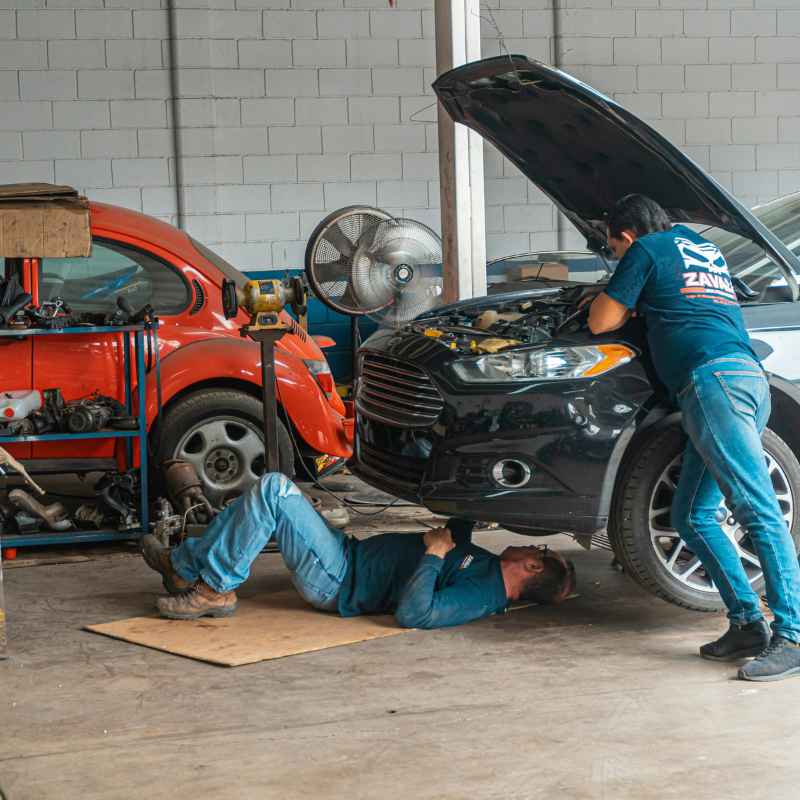
While daily checks are great, some things need an expert. Your car owner’s manual will list recommended service intervals. These are usually based on mileage or time.
Following these schedules is key to preventing major issues.
Oil Changes: Most cars need oil changes every 5,000 to 7,500 miles. Some newer cars can go longer. Check your manual.
Dirty oil can harm your engine. It’s a simple service that extends engine life.
Tire Rotations: Your tires wear unevenly. Rotating them helps them last longer. This is usually done with oil changes.
It ensures even wear across all tires.
Brake Inspection: Brakes are vital. Have them checked during routine maintenance. Listen for squealing or grinding noises.
If your pedal feels soft, get them checked immediately.
Battery Check: Car batteries don’t last forever. They usually last 3-5 years. A mechanic can test your battery.
They can tell you if it’s nearing the end of its life. This avoids being stranded.
Major Services: Your manual will list services at higher mileages. Like replacing timing belts or spark plugs. These are crucial.
Don’t skip them. They prevent bigger, more expensive failures.
Key Maintenance Services
Oil Change: Every 5,000-7,500 miles.
Tire Rotation: With oil changes.
Brake Check: During routine service.
Battery Test: Annually or if you notice slow starting.
Scheduled Maintenance: Follow your owner’s manual.
Real-World Scenarios and Your Car
Think about where you drive. Do you live in a snowy area? Then rust protection and proper tire choices are vital.
Road salt eats away at your car’s metal. Washing your car more often in winter is a good idea. Using a rust inhibitor spray can also help.
Do you drive on rough, unpaved roads? This puts more strain on your suspension and tires. You might need tires with tougher sidewalls.
You should also be more aware of potholes. Hitting them hard can damage your wheels and suspension.
What about long highway drives? This means your engine runs at high speeds for extended periods. Ensuring your oil and coolant levels are perfect is crucial.
You want smooth, consistent performance. Proper tire inflation also helps with fuel efficiency on long trips.
Even your parking habits matter. Parking under trees can expose your car to sap and bird droppings. These can damage paint.
Parking in direct sunlight for hours can fade interior plastics and upholstery. If possible, a garage or shaded spot is best.
Context Matters: Your Driving Environment
Snowy/Salty Areas: Focus on rust prevention and winter tires.
Rough Roads: Prioritize suspension and tire health.
Highway Driving: Ensure fluid levels and tire pressure are optimal.
Parking: Avoid damaging elements like sap and sun.
What This Means For You: Normal vs. Concerning
It’s good to know what’s normal and what’s not. A little engine noise when you first start up is often normal. especially in cold weather.
A faint squeak from the brakes when they are cold might also be okay. Most cars will have a few quirks.
However, some things are always concerning. Any red warning light on your dashboard is a sign to pay attention. A persistent, loud knocking sound from the engine is not normal.
If your car pulls sharply to one side when you brake, that’s a problem. Smoke from the exhaust that is unusually thick or colored is also a concern.
Unusual smells are important too. A burning smell could mean an electrical issue or a fluid leak. A sweet smell might indicate a coolant leak.
A rotten egg smell can signal issues with the catalytic converter.
Simple Checks You Can Do:
- Listen: Do you hear new noises?
- Look: Are there any strange puddles under your car?
- Smell: Are there unusual odors when you drive?
- Feel: Does the car brake, steer, or accelerate normally?
If you notice any of these concerning signs, it’s best to have your car checked by a qualified mechanic. It’s always better to be safe than sorry. Small problems can become big, expensive ones if ignored.
Trust your instincts about your car.
Quick Fixes and Tips for Daily Care
Here are some easy tips to weave into your routine.
- Keep a small cleaning kit in your car. Wipes, a microfiber cloth, and a small bottle of glass cleaner can do wonders for visibility.
- Note any changes immediately. Did the steering feel weird today? Did you hear a new sound? Jot it down. This helps when you talk to a mechanic.
- Know your fuel level. Don’t let it get too low. The fuel pump can overheat if it’s not submerged in fuel.
- Clean your windshield wipers. If they are leaving streaks, clean them with a damp cloth. If they are old, replace them. Good wipers are vital in rain and snow.
- Check your spare tire. Make sure it’s inflated and ready to go. It’s no good if it’s flat when you need it.
- Use the right fuel. Most cars run fine on regular unleaded. Check your gas cap or manual if you’re unsure. Premium isn’t always better.
- Don’t overload your car. Stick to the weight limits.
- Be gentle with the ignition. Don’t force the key. Wait for the dashboard lights to go off before starting.
Frequently Asked Questions About Car Care
How often should I check my car’s oil?
You should check your car’s oil at least once a month. Many people check it every time they fill up with gas. Make sure the engine is cool and on a level surface for an accurate reading.
What does the check engine light mean?
The check engine light can mean many things. It could be a loose gas cap, or a more serious issue with the engine, transmission, or emissions system. It’s best to get it checked by a mechanic soon if it comes on.
Can I wash my car in the winter?
Yes, you can wash your car in the winter. It’s actually important to wash off road salt and grime. Just make sure to use a car wash that can handle cold temperatures, or dry your car thoroughly afterward to prevent freezing.
When should I replace my car’s tires?
You should replace your tires when the tread is worn down (usually to about 2/32 of an inch), or if you see any cracks, bulges, or damage. A good rule of thumb is to replace them every 6-10 years, regardless of tread depth, as rubber degrades over time.
Is it bad to drive with the low fuel light on?
It’s not ideal to drive with the low fuel light on often. Your fuel pump relies on the fuel in the tank to stay cool. Running on empty can cause the fuel pump to overheat and potentially fail, leading to costly repairs.
What’s the difference between regular and premium gas?
The main difference is octane rating. Regular gas has a lower octane rating (usually 87) while premium has a higher one (91 or 93). Cars designed for regular gas don’t benefit from premium fuel; it’s a waste of money.
Cars that require premium gas have engines designed to use its higher octane to prevent knocking or pinging.
Conclusion: Building Smart Car Habits
Taking good care of your car doesn’t have to be complicated. It’s about building simple, consistent habits. Daily checks, smart driving, and regular maintenance are key.
These small efforts protect your investment. They ensure your safety. And they save you money.
Enjoy the road with confidence.
See also how to order a ford vehicle directly complete guide .
Related pick: Check today's price on Amazon
Products related to this article
Sponsored / affiliate links. As an Amazon Associate I earn from qualifying purchases. I may earn additional commission from eligible campaigns.