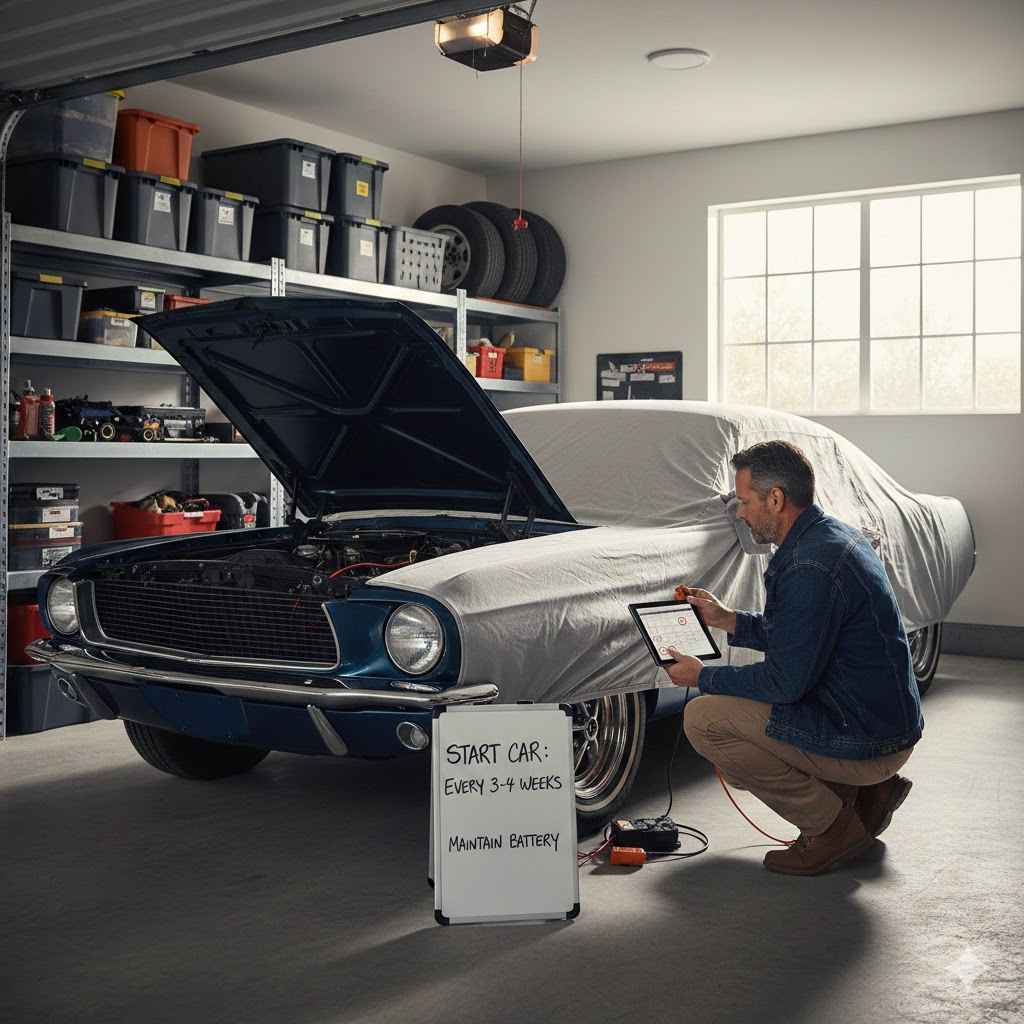
How Often Should You Start a Car in Storage? Every 2 Weeks
For long-term storage (over 30 days), you should not start your car at all. Starting it for a few minutes does more harm than good by draining the battery and creating engine condensation. Instead, the best practice is to use a battery tender and properly prepare the vehicle for storage beforehand.
A short 5-minute idle in the driveway does not protect the car — it warms the engine just enough to condense moisture in the oil without fully evaporating it, and it drains the battery without recharging it. If you start the car, commit to a 15-minute drive at normal road speeds. If that is not practical, skip the starts entirely and use a battery maintainer to keep the charge up.
Think of it like this: your car is designed to be driven, not just started. When you drive, everything gets up to the right temperature. The engine, the transmission, the exhaust—it all gets hot. This heat is important. It burns off moisture and allows fluids to circulate properly. A quick 10-minute idle doesn’t get the job done.
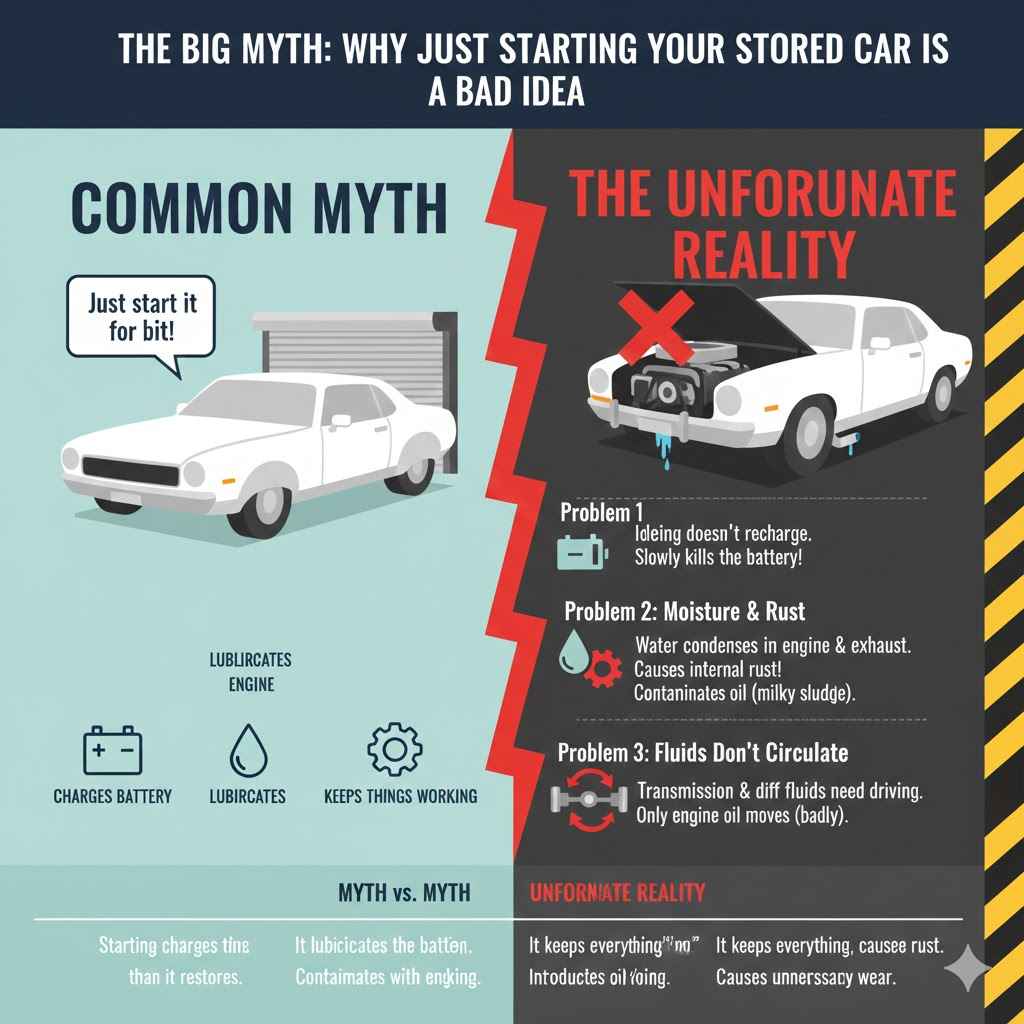
Problem 1: The Battery Doesn’t Actually Charge
Starting an engine takes a huge amount of power from the battery. Your car’s alternator is responsible for recharging the battery, but it needs time and higher engine speeds (RPMs) to work effectively. Just letting the car idle in the garage for 15 minutes is not enough to replace the power used to start it.
In fact, you are likely draining the battery more than you are charging it. Do this every week, and you’ll slowly kill the battery, leading to a frustrating no-start situation when you finally want to drive the car again. A healthy battery is key, and this method works against it.
Problem 2: Moisture and Condensation Build-Up
This is a big one. Your engine and your exhaust system are full of metal parts. When you start a cold engine, water is a natural byproduct of combustion. When you drive the car for a good 30 minutes or more, the whole system gets hot enough to turn this water into steam and push it out the tailpipe.
But when you only run the car for a few minutes, the exhaust never gets hot enough to clear out that moisture. Instead, that water vapor condenses inside your engine and exhaust pipes. This can lead to some serious problems:
- Internal Rust: Moisture sitting inside your muffler and exhaust pipes can cause them to rust from the inside out.
- Contaminated Oil: Water can condense inside the engine crankcase and mix with your engine oil. This creates a milky, sludgy substance that is a terrible lubricant. It can cause premature wear on sensitive engine components.
Problem 3: Fluids Don’t Circulate Properly
Another goal of starting the car is to circulate the fluids. However, at idle, fluids like your transmission fluid and differential fluid aren’t moving around much at all. To properly lubricate all the seals, gaskets, and gears in your drivetrain, the wheels need to be turning. The car needs to be driven.
Letting the car sit still and run only circulates the engine oil, and as we just learned, you risk contaminating it with moisture. You get very little benefit for the other critical systems in your vehicle.
| Common Myth | The Unfortunate Reality |
|---|---|
| Starting the car charges the battery. | A short idle drains more power than it restores, slowly weakening the battery. |
| It lubricates the engine. | It can contaminate the engine oil with water, reducing its ability to protect parts. |
| It keeps everything “working.” | It introduces moisture into the exhaust system, leading to internal rust. |
| It’s good for the car. | It causes unnecessary wear and tear for almost no benefit. |
The Right Way: A Step-by-Step Guide to Preparing Your Car for Storage
So, if starting the car is the wrong answer, what’s the right one? The secret is all in the preparation. If you properly prepare your car for its hibernation, you can let it sit for months without worry. When it’s time to wake it up, it will be ready to go. Here is your simple, step-by-step checklist.

Battery Tender Plus 12V Battery Charger — $29.99
Replaces the risky practice of starting the car briefly — keeps the battery fully charged throughout storage without the condensation and wear that short idling causes, exactly as this guide recommends.
- Best for: Vehicles in storage for 30+ days where a full 15-minute drive is not practical every two weeks
- Why picked: Maintains charge without overcharging — the standard in winter car storage
- Main drawback: Does not help with oil or brake fluid — still need to add fuel stabilizer and brake prep before storage
Step 1: Clean Your Car Inside and Out
This might seem like it’s just about looks, but it’s crucial for protecting your car’s finish and interior. Before you put it away, give it a thorough cleaning.
- Wash the Exterior: Remove all dirt, bird droppings, and grime. These can damage your paint if left to sit for months. Pay special attention to the wheels and undercarriage.
- Apply a Coat of Wax: A good coat of wax adds an extra layer of protection against dust, moisture, and anything that might settle on the car in storage.
- Clean the Interior: Vacuum the carpets and seats thoroughly. Remove all trash, food wrappers, and crumbs. These can attract pests like mice and insects, which can cause a huge amount of damage by chewing through wires and upholstery.
Step 2: Change the Oil and Filter
Used engine oil contains contaminants that can be corrosive to internal engine parts. Before you store the car, it’s best to change the oil and filter. This ensures that only clean, fresh oil is sitting in your engine, protecting it from the inside.
You might think, “But the oil is still good for another thousand miles!” That may be true for driving, but for sitting, clean is always better. Driving the car for a few miles after the oil change helps circulate the new oil throughout the engine.
Step 3: Top Off All Other Fluids
Take a few moments to check and top off all the other essential fluids. This includes your coolant (antifreeze), brake fluid, power steering fluid, and windshield washer fluid. This helps prevent moisture from accumulating in the reservoirs and keeps seals lubricated and conditioned.
Step 4: Take Care of the Fuel System
Gasoline can go bad over time. Old gas can leave gummy deposits that clog up your fuel lines and injectors, leading to expensive repairs. You have two excellent options here.
- Fill the Gas Tank: Fill the tank to about 90% full. A full tank leaves less room for air, which reduces the chance of moisture condensing inside the tank and causing rust.
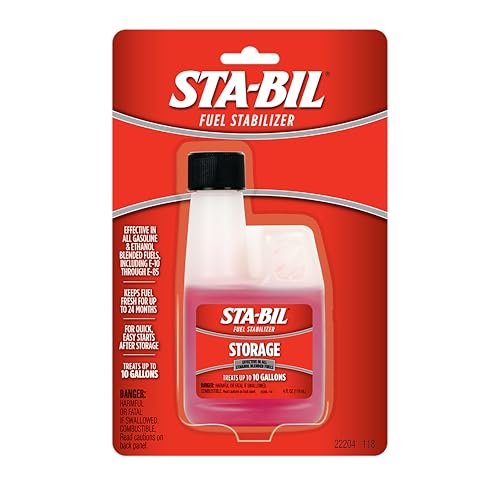
- Add a Fuel Stabilizer: This is the most important part. Purchase a quality fuel stabilizer from an auto parts store and add it to the full tank of gas. A fuel stabilizer prevents the gasoline from breaking down for up to two years. The U.S. Environmental Protection Agency (EPA) notes that gasoline chemistry can be complex, and a stabilizer helps maintain its integrity. After adding it, drive the car for 10-15 minutes to make sure the treated fuel circulates through the entire system, from the lines to the injectors.
Step 5: Protect the Battery
The battery is the component most likely to fail during storage. A battery will naturally lose its charge over time, and a completely dead battery can be permanently damaged. You have two great choices to prevent this.
Option A: Use a Battery Tender
A battery tender, also known as a battery maintainer, is the best solution. It’s a smart device that you connect to your battery. It monitors the battery’s charge level and delivers a slow, trickle charge only when needed. This keeps the battery optimally charged without overcharging it. It’s the “set it and forget it” method and is perfect for modern cars with complex electronics that need constant power.
Option B: Disconnect the Battery
If you don’t have access to a power outlet for a tender, your next best option is to disconnect the negative battery terminal. This will prevent the car’s electronics from slowly draining the battery. Be aware that this will reset your car’s clock, radio presets, and onboard computer systems. For older, simpler cars, this is a perfectly fine method.
| Feature | Battery Tender | Disconnecting the Battery |
|---|---|---|
| Effectiveness | Excellent. Keeps battery at a perfect charge level. | Good. Prevents slow drains but doesn’t stop natural discharge. |
| Convenience | Very high. Just connect it and walk away. | Requires a wrench and a few minutes of work. |
| Cost | A one-time purchase of the device ($30 – $70). | Free (if you have a wrench). |
| Best For | Modern cars with computers, alarms, and memory settings. Any long-term storage situation. | Older cars without complex electronics, or storage without access to power. |
Step 6: Take Care of Your Tires
When a car sits in one spot for months, the tires can develop flat spots. The weight of the car constantly pressing on the same section of rubber can deform it. To prevent this:
- Inflate to Max Pressure: Check the sticker on your driver’s side door jamb for the recommended tire pressure. Inflate the tires to the maximum recommended pressure listed on the tire’s sidewall. This helps the tire hold its shape better. Just remember to deflate them back to the normal operating pressure before you drive the car again.
- Consider Jack Stands: For very long-term storage (a year or more), some enthusiasts prefer to put the car on four jack stands. This takes the weight completely off the tires. However, this must be done carefully by placing the stands on strong frame points to avoid damaging the vehicle. For most situations, over-inflating the tires is enough.
Step 7: Keep Pests Out
A quiet, dark garage is a perfect home for rodents. Mice can chew through wiring, build nests in your air filter box, and ruin your interior. Here’s how to deter them:
- Block Entry Points: Place a steel wool ball in the end of your tailpipe and in the engine’s air intake snorkel. This prevents mice from crawling inside. Just remember to remove them before you start the car! A bright sticky note on the steering wheel is a great reminder.
- Use Repellents: Place mothballs, cedar blocks, or peppermint oil-soaked cotton balls around and inside the car. Many pests dislike these strong smells. Some people also have success with electronic rodent repellents.
- No Food: This goes back to cleaning, but it’s worth saying again. Make sure there is absolutely nothing edible inside your car.
Step 8: Choose the Right Storage Location and Cover
Where you store the car matters. A climate-controlled garage is ideal, as it protects the car from extreme temperature swings and humidity. If that’s not possible, a dry, covered garage is the next best thing.
Use a high-quality, breathable car cover. A breathable cover allows moisture to escape, preventing mold, mildew, and rust. Avoid using a simple plastic tarp, as it will trap moisture against your car’s paint, which can cause serious damage.
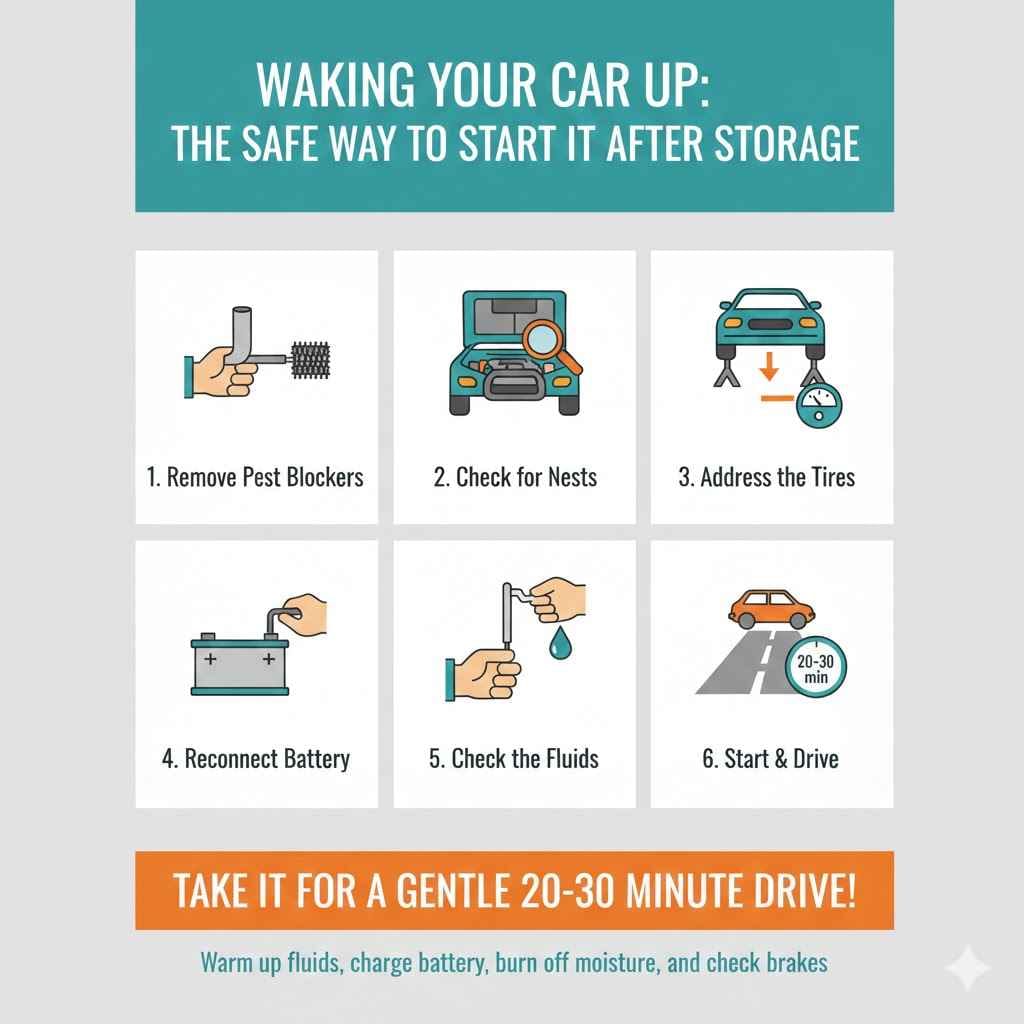
Waking Your Car Up: The Safe Way to Start It After Storage
Once you’ve done all that hard work, starting your car again is easy. You just need to reverse the process carefully.
- Remove Pest Blockers: First thing’s first! Remove the steel wool from the tailpipe and air intake. Take off that reminder note from your steering wheel.
- Check for Nests: Open the hood and quickly check for any signs of pests. Look inside the air filter box and around the engine for any nesting materials.
- Address the Tires: If you used jack stands, carefully lower the car. Set the tire pressure back to the normal recommended level found on the door jamb sticker.
- Reconnect the Battery: If you disconnected the battery, reconnect the negative terminal. If you used a tender, simply disconnect it.
- Check the Fluids: Do a quick check of the oil level and look under the car for any new leaks that may have appeared during storage.
- Start the Engine: Now you can start the car. It might take a moment longer than usual to start as the fuel system re-pressurizes. Let it idle for about a minute to allow the oil to circulate.
- Take It for a Drive: Don’t just let it idle. Take the car for a gentle 20-30 minute drive. This will get all the fluids warmed up and circulating, charge the battery properly, and burn off any moisture in the exhaust. Pay attention to the brakes, as a thin layer of rust may have formed on the rotors. This is normal and will usually wear off after a few gentle stops.
Frequently Asked Questions (FAQ)
1. What is considered “long-term” storage for a car?
Generally, any period longer than 30 days is considered long-term storage. If you plan on not driving your car for a month or more, you should follow the proper storage preparation steps instead of just letting it sit or starting it periodically.
2. Is it okay to start my car once a week if I’m only storing it for a month?
It’s still not recommended. Even for a month, you are better off connecting a battery tender or disconnecting the battery. A single month of sitting won’t harm the fuel or other systems, but weekly starts can still drain the battery and introduce moisture without providing any real benefit.
3. I can’t do all these steps. What are the absolute most important things to do?
If you’re short on time or resources, focus on the three most critical areas: the battery, the fuel, and pests. At a minimum, use a battery tender (or disconnect the battery), add a fuel stabilizer to a full tank of gas, and make sure the car’s interior is spotless to avoid attracting rodents.
4. Will my insurance company let me reduce coverage on a stored car?
Yes, many insurance providers offer a reduced rate for stored vehicles. You can often remove collision coverage while keeping comprehensive coverage, which protects against theft, fire, and other non-driving-related damage. It’s a great way to save money. Call your insurance agent to see what your options are.
5. What if I stored my car without doing any of this? What should I do?
Don’t panic. First, check the battery. It is likely dead and may need to be jump-started or even replaced. Before starting, check the oil for any milky appearance and look for signs of pests. Once it’s running, let it warm up and take it for a drive. Plan on getting an oil change soon and be prepared for potential issues with old fuel, but often the car will be just fine.
6. Does the type of car (e.g., classic vs. modern) change these rules?
The core principles are the same, but the emphasis might change slightly. Modern cars with lots of electronics are more sensitive to battery drain, making a battery tender almost essential. Classic cars with carburetors can be more susceptible to fuel system gumming, so a fuel stabilizer is critically important for them. But for both, the rule of “prepare it, don’t start it” holds true.
7. Can I just remove the battery and store it inside?
Yes, this is a great alternative to disconnecting it in the car, especially if you live in a region with very cold winters. Storing the battery in a warmer place (like a basement) can help preserve its life. You can even connect a battery tender to it indoors to keep it in top shape.
Conclusion: Rest Easy, Your Car is Safe
The idea of starting your stored car every week comes from a good place—you want to take care of your vehicle. But now you know the surprising truth: the best way to care for a stored car is to prepare it properly and then let it rest in peace. By taking these simple steps, you are protecting its battery, its engine, its fuel system, and its finish.
You’re not just preventing problems; you’re saving yourself time, money, and the headache of dealing with a car that won’t start or needs repairs after its long nap. So next time you put your car away, follow the checklist, connect that battery tender, and walk away with confidence. You can rest easy knowing that when you’re ready to drive again, your car will be, too.
Products related to this article
Sponsored / affiliate links. As an Amazon Associate I earn from qualifying purchases. I may earn additional commission from eligible campaigns.