What Size Car Is the Honda Civic? Dimensions Explained
The Honda Civic stands as one of the most recognizable compact cars on the road, blending efficiency, style, and practicality in a package that appeals to a wide range of drivers. Whether you’re considering a Civic for its legendary reliability or simply want to understand how it fits within your garage, knowing its exact dimensions is crucial.
From navigating tight city streets to fitting family and gear for a weekend getaway, the size of your car affects every aspect of ownership.
But what exactly defines the Honda Civic’s size, and how does it compare with other vehicles in its class? This guide dives deep into the dimensions of the Honda Civic, breaking down each measurement, from exterior length to cabin space. You’ll discover how the Civic has evolved across generations, the differences between body styles, and why its dimensions matter in real-world scenarios. By the end, you’ll have a precise understanding of how the Honda Civic’s size fits your life and parking space.
Key Takeaways
- The Honda Civic is classified as a compact car, with dimensions varying slightly by model year and body style.
- Exterior length ranges from around 177 inches (sedan) to 183 inches (hatchback) in recent generations.
- Interior space is optimized for comfort, offering competitive legroom and cargo capacity in its class.
- The Civic’s size impacts maneuverability, parking ease, and fuel efficiency compared to rivals.
- Variations exist between the Civic Sedan, Hatchback, and Si/Type R models, choose based on your specific needs.
- Real-world examples highlight how Civic dimensions suit urban, suburban, and road trip lifestyles.

Credit: www.researchgate.net
Honda Civic Overview: Size And Segment
The Honda Civic is typically categorized as a compact car, a segment defined by the U.S. Environmental Protection Agency (EPA) as having an interior volume index between 100 and 109 cubic feet. Since its introduction in 1972, the Civic has grown from a subcompact to a larger, more refined compact car, adapting to changing market demands and safety standards.
Civic Generations And Dimensional Evolution
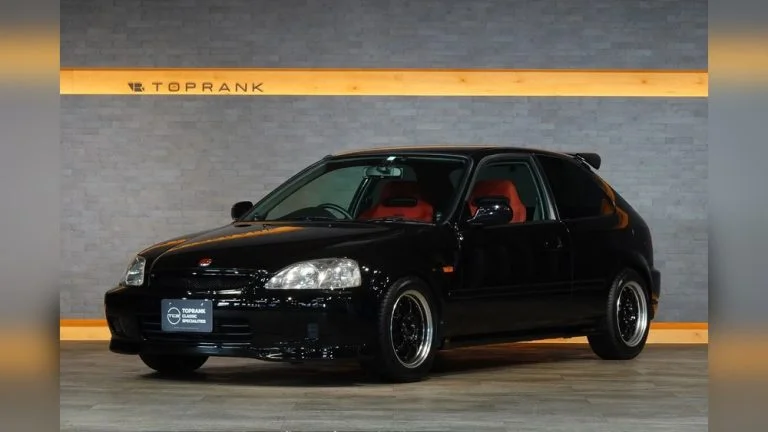
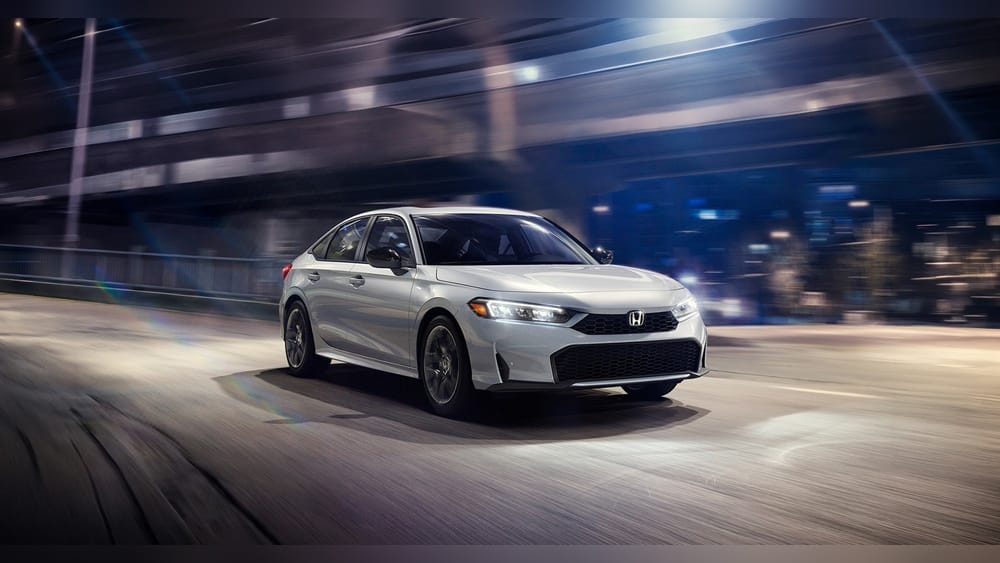
Over the past five decades, the Civic has undergone significant growth. Early models were notably smaller, but recent generations offer more space for passengers and cargo. For instance, the 11th-generation Honda Civic, launched in 2026, is among the largest Civics ever, stretching the boundaries of the compact class.
Example: The 1973 Civic had an overall length of about 140 inches, while the 2026 Civic Sedan measures roughly 184 inches, a dramatic increase that translates into more interior space and comfort.
Civic Body Styles: Sedan, Hatchback, And More
The Honda Civic is available in several body styles:
- Sedan: The most popular, featuring a traditional trunk.
- Hatchback: Offers greater cargo flexibility due to its liftgate.
- Si and Type R: Performance-oriented models with unique styling cues and slightly altered dimensions.
Each body style has subtle differences in length, height, and cargo capacity, which we’ll detail in later sections.
Compact Car Segment Comparison
To understand the Civic’s place in the market, compare its size with key rivals like the Toyota Corolla, Mazda3, and Hyundai Elantra. The Civic generally sits in the middle of the pack, offering a balance of maneuverability and interior room.

Credit: www.caranddriver.com
Exterior Dimensions: Breaking Down The Numbers
Understanding the exterior dimensions of the Honda Civic helps you gauge how it will fit in your garage, parallel parking spaces, or even tight city environments. Let’s examine the critical measurements for recent Civic models.
Length, Width, And Height
Recent Honda Civic models (2026-2026) have the following approximate dimensions:
| Model | Length (in.) | Width (in.) | Height (in.) | Wheelbase (in.) |
|---|---|---|---|---|
| Civic Sedan | 184.0 | 70.9 | 55.7 | 107.7 |
| Civic Hatchback | 179.0 | 70.9 | 55.7 | 107.7 |
| Civic Si | 184.0 | 70.9 | 55.5 | 107.7 |
| Civic Type R | 180.0 | 74.4 | 55.4 | 107.7 |
Wheelbase And Ground Clearance
The wheelbase affects ride comfort and handling, while ground clearance impacts your ability to clear obstacles:
- Wheelbase: 107.7 inches on most 11th-generation Civics, providing stable handling.
- Ground Clearance: Approximately 6.7 inches, sufficient for most urban and suburban driving.
Real-world Implications
A Civic’s size allows for:
- Easier parking in urban environments.
- Adequate ground clearance for driveways and speed bumps.
- Spaciousness without being cumbersome on narrow streets.
Example: In my experience, the Civic’s turning radius (about 17.7 feet) makes it notably easier to park in tight city lots compared to midsize sedans.

Credit: www.extraspace.com
Interior Dimensions: Passenger And Cargo Space
Beyond exterior size, the Civic’s interior dimensions directly affect comfort, usability, and practicality. Honda’s design emphasizes maximizing space within a compact footprint.
Passenger Volume And Seating
The Civic comfortably seats five passengers, with interior volume as follows:
| Model | Passenger Volume (cu ft) | Front Legroom (in.) | Rear Legroom (in.) | Headroom Front/Rear (in.) |
|---|---|---|---|---|
| Civic Sedan | 99.0 | 42.3 | 37.4 | 39.3 / 37.1 |
| Civic Hatchback | 99.0 | 42.3 | 37.4 | 39.3 / 37.1 |
| Civic Si | 96.6 | 42.3 | 37.4 | 37.6 / 37.1 |
| Civic Type R | 95.0 | 42.3 | 37.4 | 39.3 / 37.1 |
Cargo Volume
Cargo space varies by body style:
- Civic Sedan: 14.8 cubic feet in the trunk.
- Civic Hatchback: Up to 24.5 cubic feet behind the rear seats, thanks to the hatch design.
- Civic Type R: Slightly less due to its performance modifications, but still practical for everyday use.
Comfort For Adults
The Civic’s rear seat legroom (over 37 inches) means adults can ride comfortably even on longer trips, a key selling point over some competitors.
Practicality
Example: A family of four can easily fit two child seats in the back and still have trunk space for groceries or luggage, making the Civic a favorite among urban parents.
Civic Versus Competitors: How Does It Measure Up?
Choosing a compact car often comes down to how its size matches your lifestyle. Let’s compare the Honda Civic with three of its main rivals: the Toyota Corolla, Mazda3, and Hyundai Elantra.
Compact Sedan Comparison Table
| Model | Length (in.) | Width (in.) | Passenger Volume (cu ft) | Cargo Volume (cu ft) |
|---|---|---|---|---|
| Honda Civic Sedan | 184.0 | 70.9 | 99.0 | 14.8 |
| Toyota Corolla Sedan | 182.3 | 70.1 | 88.6 | 13.1 |
| Mazda3 Sedan | 183.5 | 70.7 | 92.8 | 13.2 |
| Hyundai Elantra | 184.1 | 71.9 | 99.4 | 14.2 |
Civic Hatchback: Unique Positioning
The Civic Hatchback offers a rare blend of compact exterior size and nearly midsize cargo capacity, outclassing most direct competitors in flexibility.
Urban, Suburban, And Rural Suitability
- Urban: Compact footprint, easy to maneuver.
- Suburban: Enough space for families and commutes.
- Rural: Adequate ground clearance for most roads, though not designed for off-roading.
Pro Tip:
If you frequently carry larger items, the Civic Hatchback’s cargo flexibility is unmatched among compact cars, offering nearly double the usable space of some sedan rivals.
Generational Changes: How Civic Dimensions Have Grown
The Honda Civic’s size has changed dramatically over its 11 generations. Understanding this evolution can help buyers of used or classic Civics anticipate how older models fit their needs.
Civic Generations At A Glance
- First Generation (1973-1979): Subcompact, ~140 inches long.
- Fifth Generation (1992-1995): Grew to ~170 inches, more interior room.
- Eighth Generation (2006-2011): 176 inches long, 104 inches wheelbase.
- Tenth Generation (2016-2026): 182-182.7 inches (sedan), 106.3-inch wheelbase.
- Eleventh Generation (2026-present): Up to 184 inches (sedan), 107.7-inch wheelbase.
Why The Civic Got Bigger
- Safety standards: Modern crash structures require more space.
- Passenger comfort: More legroom and headroom for all occupants.
- Market demand: Buyers expect compact cars to offer more utility.
Impact On Daily Use
Older Civics are easier to squeeze into tiny parking spots, but modern models provide vastly improved safety, comfort, and cargo space.
Example: A 1990 Civic hatchback fits in a 16-foot garage with room to spare, while the 2026 model nearly fills the same space but offers far more interior volume.
Practical Considerations: Fitting The Civic Into Your Life
Before buying any car, it’s wise to consider how its size fits your environment, parking situation, and lifestyle needs.
Will A Civic Fit In My Garage?
Standard American garages are typically 20 feet deep and 12 feet wide. A modern Civic Sedan (184 inches = 15. 3 feet) fits comfortably, leaving space for walking around and storage.
Parking And Urban Maneuverability
The Civic’s compact size and tight turning circle make it a favorite for city dwellers who regularly parallel park or squeeze into challenging spaces.
Example: In my experience driving in San Francisco, the Civic’s shorter hood and good visibility make parallel parking less stressful than in larger cars.
Cargo And Family Needs
- Sedan: Suits small families, commuters, and those who value trunk security.
- Hatchback: Best for cyclists, musicians, or anyone needing to haul awkward items.
- Type R: Sacrifices a bit of cargo for performance but remains practical for daily use.
Towing And Roof Loads
The Civic isn’t designed for heavy towing, but you can safely carry bikes, skis, or a small cargo box on the roof with manufacturer-approved accessories.
Special Civic Models: Si, Type R, And Global Variants
The Honda Civic’s versatility extends to enthusiast-focused variants and regional models, each with unique size characteristics.
Civic Si: Sporty Yet Practical
- Dimensionally similar to the standard sedan.
- Slightly lower ride height for improved handling.
- Retains usable trunk and rear seat space.
Civic Type R: Track-ready Hatchback
- Wider stance (up to 74.4 inches), enhancing stability.
- Aggressive styling and rear wing may affect garage fit for some owners.
- Rear seats fold down for expanded cargo versatility, unusual for a performance car.
International Civics
The Civic’s dimensions can differ outside North America due to market-specific designs and regulations. For instance, the European Civic hatchback has a distinct body style and sometimes shorter length.
Pro Tip:
If you’re considering importing a Civic from abroad, always check the official dimensions to ensure it fits your local parking restrictions and lifestyle.
Real-world Examples: How Civic Dimensions Matter
Understanding the Civic’s size on paper is valuable, but seeing how it translates to daily life offers the most insight.
City Dweller: Parking In Tight Quarters
A Civic Sedan owner in New York City reports that the car fits into standard metered spaces with room to spare, even when larger SUVs struggle. The relatively narrow width means less door-ding risk.
Family Road Trip: Comfort And Cargo
A family of four used a Civic Hatchback for a cross-country trip. With rear seats folded, they carried luggage, a stroller, and even a small cooler, all without sacrificing rear visibility.
College Student: Moving Day
A college student fit a mini-fridge, several boxes, and a bicycle into a Civic Hatchback, proving that the flexible cargo area rivals many compact SUVs for real-world utility.
Environmental Impact: Size And Efficiency
The Civic’s compact size isn’t just about convenience, it also affects fuel consumption and emissions.
Fuel Efficiency
Smaller cars generally weigh less, requiring less energy to move. The 2026 Civic Sedan, for example, achieves up to 31 mpg city and 40 mpg highway (EPA estimates), outperforming many midsize and full-size vehicles.
Emissions And Footprint
A compact car like the Civic emits less CO2 per mile than larger vehicles. For a detailed analysis, see the EPA’s Green Vehicle Guide at EPA.gov.
Insurance And Tax Benefits
In some regions, smaller vehicles qualify for lower insurance premiums and taxes, further enhancing the Civic’s value proposition.
Frequently Asked Questions
What Is The Exact Width Of The Honda Civic With Mirrors?
The width listed in specifications (about 70.9 inches) excludes mirrors. With mirrors, the Civic measures approximately 79 inches wide, so consider this when navigating narrow garages or parking spots.
How Does The Honda Civic’s Size Affect Rear Visibility?
Thanks to a relatively low beltline and generous glass area, the Civic provides excellent rear visibility compared to some rivals. The hatchback’s sloped rear window does reduce rearward sightlines slightly but is offset by a wide-angle backup camera.
Is The Honda Civic Considered A Midsize Car In Any Markets?
In North America, the Civic remains a compact car by EPA standards. However, in some global markets, its interior volume and length place it in the lower midsize segment, especially compared to smaller regional compacts.
Can A Honda Civic Fit Three Child Seats In The Back Row?
While the Civic seats three in the rear, fitting three child seats is challenging. Most parents find that two child seats fit securely, with the center position best reserved for occasional use or a narrow booster.
Are There Any Significant Size Differences Between Us And European Honda Civics?
Yes, the European Civic often features a unique hatchback design, with slightly shorter length and more upright proportions. Always check local specs, as bumpers and lighting regulations can affect overall dimensions.
The Honda Civic’s dimensions balance compact agility with real-world usability, making it a perennial favorite for a wide array of drivers. Whether you’re squeezing into a city parking spot, loading up for a weekend trip, or simply commuting, the Civic’s size delivers versatility without excess bulk. For those seeking more details or official specifications, visit the official Honda Civic website. Ultimately, understanding the Civic’s measurements ensures you choose the model that fits your life, literally and figuratively.
Products related to this article
Sponsored / affiliate links. As an Amazon Associate I earn from qualifying purchases. I may earn additional commission from eligible campaigns.