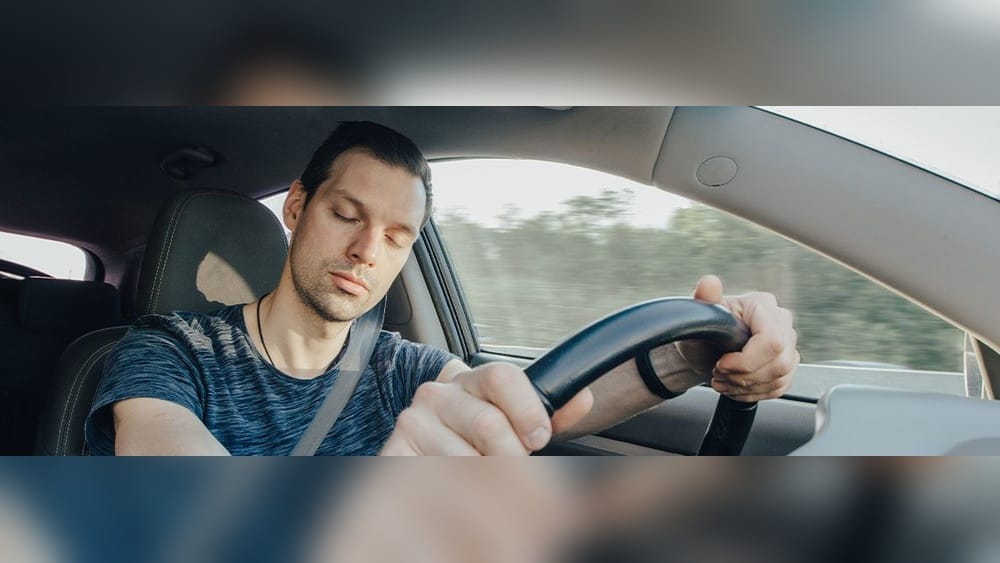
Can You Be Prosecuted for Falling Asleep at the Wheel?
Drowsy driving is a deadly risk on American roads, yet many drivers underestimate its dangers. The National Highway Traffic Safety Administration (NHTSA) reports that drowsy driving contributed to 684 fatalities in 2026 alone, with thousands more injured annually. Falling asleep at the wheel can have catastrophic consequences not only for the driver but also for passengers, other motorists, and pedestrians.
Yet, many people are unsure about the legal ramifications of such incidents. Can you actually be prosecuted for simply falling asleep while driving?
This question is more complex than it first appears. Laws vary by state, but there is a growing awareness of the risks posed by fatigued drivers, and prosecutors are increasingly willing to charge individuals who cause harm while drowsy. This article explores the legal, ethical, and practical dimensions of drowsy driving prosecution, providing clear guidance for drivers, accident victims, and anyone concerned about road safety.
Key Takeaways
- Falling asleep at the wheel can result in criminal prosecution, especially if it causes injury, death, or property damage.
- Legal consequences vary significantly by state law, ranging from traffic citations to felony charges.
- Prosecutors may pursue charges such as reckless driving, vehicular manslaughter, or criminal negligence in serious cases.
- Proving drowsy driving often relies on circumstantial evidence and driver admissions.
- Preventing drowsy driving is critical; technology and public awareness campaigns are evolving to address the risk.
Legal Framework: How Drowsy Driving Is Prosecuted
Understanding the legal consequences of falling asleep at the wheel requires a look at the different charges that may apply, the role of state laws, and the criteria courts use to assess driver responsibility.
Traffic Offenses Vs. Criminal Charges
Not every case of drowsy driving leads to prosecution. Minor incidents, such as drifting out of a lane with no accident, may result only in a citation or warning. However, when falling asleep leads to a crash, especially with injuries or fatalities, criminal charges are common.
Common charges include:
- Reckless driving: Operating a vehicle with disregard for safety.
- Negligent driving: Failing to exercise reasonable care.
- Vehicular assault or homicide: Causing injury or death through negligent or reckless driving.
State Laws And Variations
State statutes differ in their treatment of drowsy driving. For example, New Jersey’s “Maggie’s Law” (N.J.S.A. 2C:11-5) explicitly makes it a criminal offense to cause a fatal accident after being awake for 24 hours. In contrast, most states prosecute under broader reckless or negligent driving statutes.
| State | Specific Drowsy Driving Law? | Possible Charges |
|---|---|---|
| New Jersey | Yes (Maggie’s Law) | Vehicular homicide |
| California | No | Reckless/negligent driving, manslaughter |
| Texas | No | Reckless driving, criminal negligence |
| Utah | No | Negligent homicide |
Proving Drowsy Driving In Court
Unlike driving under the influence (DUI), there is no roadside test for drowsiness. Prosecutors rely on:
- Witness testimony (passengers, other drivers)
- Surveillance footage and crash data
- Driver admissions to police
- Sleep and work history (e.g., long shifts, medical records)
Pro Tip: If you are involved in a crash after falling asleep, anything you say to police can be used in court.
The Role Of Intent And Negligence
Most drowsy driving prosecutions hinge on negligence rather than intent. The standard is whether a “reasonable person” should have known they were too tired to drive safely. Chronic or willful disregard for fatigue, such as driving after 24 hours awake, can support more severe charges.

Credit: www.morrisbart.com
Real-world Examples And Case Studies
Examining real cases clarifies how the law is applied and what factors influence prosecution.
Example: Maggie’s Law And The Lisa Gallup Case (new Jersey)
In 1997, truck driver Lisa Gallup fell asleep and caused a fatal crash after being awake for more than 30 hours. The case led to the passage of Maggie’s Law in 2003, which defines driving while fatigued as reckless and allows for prosecution under vehicular homicide statutes.
Example: California Vs. People (no Specific Drowsy Law)
In California, a delivery driver who fell asleep, crossed the median, and killed another motorist was charged with gross vehicular manslaughter. The prosecution used evidence of the driver’s excessive work hours and lack of rest.
Example: Texas Oil Field Worker Incident
A Texas oil field worker, after a 20-hour shift, fell asleep at the wheel and caused a multi-car pileup with several injuries. He faced charges of reckless driving and criminal negligence.
Case Study Comparison Table
| Case | Key Factor | Charge Filed | Outcome |
|---|---|---|---|
| Lisa Gallup (NJ) | 30+ hours awake | Vehicular homicide | Convicted; new law passed |
| CA Delivery Driver | Work records, no rest | Gross vehicular manslaughter | Pleaded guilty |
| TX Oil Worker | Documented fatigue | Reckless driving | Convicted, probation |

Credit: toddminerlaw.com
Factors Influencing Prosecution
Not every instance of falling asleep at the wheel results in prosecution. Prosecutors and courts weigh several factors when deciding whether to file charges.
Severity Of The Outcome
The most critical factor is the consequence of the incident:
- No crash or harm: Typically handled as a traffic violation.
- Property damage: May lead to misdemeanor charges.
- Injury or death: Often prosecuted as felonies.
Driver’s State Of Mind And History
Evidence of willful disregard for safety, such as ignoring repeated warnings or prior incidents, makes prosecution more likely. Chronic fatigue from work schedules, untreated sleep disorders, or substance use can also play a role.
External Circumstances
Courts consider whether the driver had control over their fatigue. For example, a medical emergency (e. g. , undiagnosed sleep apnea) may be treated differently than voluntary sleep deprivation.
Availability Of Evidence
Prosecutors need to prove negligence or recklessness. Admissions, witness statements, cell phone records, and vehicle data (such as black box information) can be crucial.

Credit: www.morrisbart.com
Penalties For Falling Asleep At The Wheel
Penalties for drowsy driving depend on jurisdiction, the nature of the offense, and aggravating circumstances.
Traffic Citations
For minor incidents, penalties may include:
- Fines
- Points on the driver’s license
- Mandatory driver safety courses
Criminal Charges
If prosecuted as a criminal offense, consequences can include:
- Jail or prison time
- Probation
- Community service
- License suspension or revocation
| Charge | Typical Penalty | Aggravating Factors |
|---|---|---|
| Reckless driving | Up to 1 year jail, fines | Prior offenses, high speeds |
| Vehicular manslaughter | 2, 10 years prison | Multiple deaths, children involved |
| Negligent homicide | 1, 5 years prison | Drugs/alcohol, extreme fatigue |
Civil Liability
In addition to criminal penalties, drivers can be sued for damages by victims or their families. These lawsuits may seek compensation for:
- Medical expenses
- Lost wages
- Pain and suffering
- Punitive damages in cases of gross negligence
Insurance Consequences
A conviction for drowsy driving can lead to:
- Increased premiums
- Policy cancellation
- Difficulty obtaining future coverage
How Drowsy Driving Differs From Dui And Distracted Driving
While drowsy driving shares similarities with other forms of impaired driving, key legal and practical differences exist.
Legal Definitions And Standards
- DUI (Driving Under the Influence): Statutes are clear, with specific blood alcohol limits and roadside tests.
- Distracted driving: Laws target specific behaviors (e.g., texting), with police able to observe violations.
- Drowsy driving: No standardized test; relies on subjective and circumstantial evidence.
Prosecutorial Challenges
Proving drowsy driving is harder than DUI, as there is no “drowsiness test. ” However, severe outcomes or clear admissions can tip the balance.
Public Awareness And Enforcement
While drunk driving has been heavily stigmatized, drowsy driving is often overlooked. States like New Jersey have begun to address this through public campaigns and legislative action, but enforcement remains inconsistent.
Pro Tip: Treat fatigue as seriously as you would alcohol or drugs before getting behind the wheel.
Prevention Strategies And Technology
Reducing drowsy driving incidents requires both individual responsibility and systemic change. Advances in technology and public policy are key components.
Personal Prevention
Drivers should:
- Get adequate rest before long trips
- Take breaks every 2 hours or 100 miles
- Avoid driving during circadian low points (typically midnight, 6 a.m.)
- Recognize warning signs such as yawning, heavy eyelids, or drifting
Employer And Industry Initiatives
Commercial drivers are at high risk. Regulations such as the Federal Motor Carrier Safety Administration (FMCSA) Hours-of-Service rules limit driving hours for truckers. Many companies now use fatigue management programs and require regular health screenings.
Vehicle Safety Technology
Modern vehicles increasingly feature drowsiness detection systems, lane departure warnings, and automatic emergency braking. These can provide alerts or even intervene if the driver is unresponsive.
Example: In my experience, testing a car equipped with a drowsiness alert, I received a warning after only a few minutes of erratic steering on a long drive.
Public Policy And Awareness Campaigns
States and advocacy groups are investing in education and outreach. For example, the NHTSA’s “Drive Awake” campaign highlights the dangers and encourages safer behaviors. Some states observe “Drowsy Driving Prevention Week” each year.
The Role Of Medical And Sleep Disorders
Underlying medical conditions can increase the risk of falling asleep at the wheel. Recognizing and addressing these issues is crucial for both prevention and legal defense.
Common Disorders
- Sleep apnea: Causes repeated breathing interruptions, leading to poor sleep quality.
- Narcolepsy: Characterized by uncontrollable episodes of sleep.
- Chronic insomnia or shift work sleep disorder
Legal Implications
Drivers with untreated or undiagnosed sleep disorders may be held liable if they knew of their condition but failed to take precautions. However, courts may treat involuntary sleep due to a medical emergency differently than voluntary fatigue.
Employer Responsibilities
Employers must ensure commercial drivers are fit for duty. The FMCSA requires medical certification for truck drivers, including screening for sleep disorders.
Seeking Treatment
Consulting a medical professional is essential if you experience frequent daytime sleepiness. Treatment not only reduces legal risk but also protects lives.
What To Do If You Fall Asleep At The Wheel
If you find yourself drifting off or actually fall asleep while driving, taking immediate and responsible action is crucial.
Steps To Take During Driving
- Pull over safely at the earliest opportunity.
- Take a brief nap (15, 20 minutes).
- Consume caffeine if needed, but don’t rely on it as a substitute for sleep.
- Let someone know your situation if you’re on a schedule.
After An Incident
If you’re involved in a crash or stopped by police:
- Remain calm and cooperative
- Do not admit fault or make statements about fatigue until you’ve consulted an attorney
- Exchange insurance information and document the scene
- Seek medical attention if needed
Legal And Insurance Steps
- Report the incident to your insurer
- Consult a qualified attorney if you are charged or sued
- Cooperate with investigations, but protect your rights
Warning: Statements made to police or insurers can impact both criminal and civil outcomes.
Long-term Considerations
If fatigue or a medical condition contributed to the incident, seek medical evaluation and consider changes to your driving habits.
Frequently Asked Questions
What Should I Do If I Witness Someone Driving Drowsy Or Asleep?
If you observe a driver swerving, drifting between lanes, or exhibiting signs of sleepiness, maintain a safe distance and avoid trying to alert them directly. Instead, safely note the vehicle’s description and license plate, then pull over and call local law enforcement or 911.
Reporting such behavior can prevent potential accidents and save lives.
Are Commercial Drivers Held To Stricter Standards For Drowsy Driving?
Yes, commercial drivers, such as truck and bus operators, are subject to specific regulations from the Federal Motor Carrier Safety Administration (FMCSA). These include hours-of-service limits, mandatory rest periods, and medical certification. Violations can result in fines, suspension, or loss of commercial driving privileges, and employers can also be held liable for inadequate fatigue management.
Can Technology Fully Prevent Drowsy Driving Accidents?
While modern vehicle safety features, such as lane departure warnings and drowsiness detection systems, greatly reduce risk, they cannot fully prevent all accidents. These technologies serve as valuable aids but cannot substitute for adequate rest and responsible driving habits. Drivers should not rely solely on technology to stay alert behind the wheel.
Is Falling Asleep At The Wheel Treated Differently If Caused By A Medical Emergency?
Courts may consider a genuine, unexpected medical emergency (such as a sudden onset of a sleep disorder or other health crisis) as a mitigating factor. However, if the driver was aware of their condition and failed to address it (e.
g. , not treating known sleep apnea), liability is more likely. Each situation is evaluated based on available evidence and the driver’s knowledge of their health.
Where Can I Learn More About Drowsy Driving Research And Statistics?
For comprehensive data and resources, visit the National Highway Traffic Safety Administration website (NHTSA) or review information from the Centers for Disease Control and Prevention (CDC). These sites offer statistics, prevention tips, and policy updates.
Drowsy driving remains a serious yet preventable threat on the roadways. While falling asleep at the wheel can result in prosecution, sometimes with severe criminal penalties, the most effective approach is prevention. Understanding the legal risks, recognizing personal limits, and taking proactive steps to address fatigue can protect not only your legal standing but also the lives of everyone on the road.
If you have concerns about your alertness or a related legal issue, consult a medical or legal professional for guidance.
Products related to this article
Sponsored / affiliate links. As an Amazon Associate I earn from qualifying purchases. I may earn additional commission from eligible campaigns.