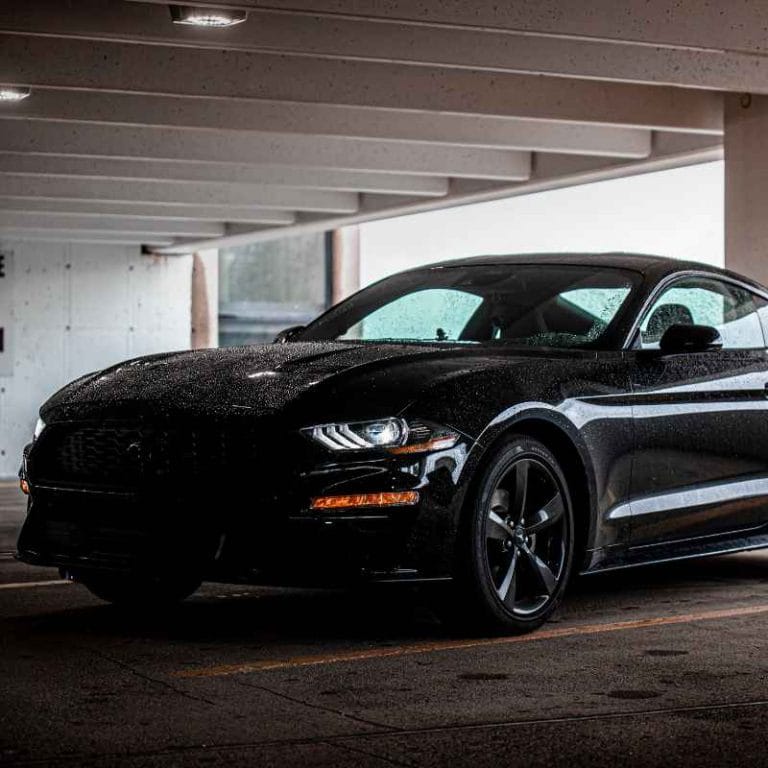
Best Ford for winter driving (2026): research shows
For most snowbelt drivers, the best Ford winter pick is the Explorer. It mixes cold-weather commuting, enough ground clearance for slushy roads, and strong cabin heat without feeling like a truck you have to work around every day. For deeper snow and steep grades, a Bronco or F-150 with proper tires makes more sense. On any Ford, I put tires ahead of trim.
Quick comparison
| Product | Badge | Best for | Price | ||
|---|---|---|---|---|---|
 |
HANKOOK Winter ipike X W429 225/60R16 102T XLHANKOOK | Our pick | 225/60R16 102T XL studded winter tire | $123.07
Price as of 4 Oct 2026
|
View |
 |
4 x Aplus Performax SUV/CUV 235/70R16 106H SL Highway 16Aplus | Budget pick | 4x 235/70R16 106H SL highway tires | $378.93
Price as of 4 Oct 2026
|
View |
 |
Snow-Chains Auto Fixing 1 Min Quick Fit Easy InstallationAUVEBY | Pair with it | Quick-fit auto-fixing snow chains | $94.99
Price as of 4 Oct 2026
|
View |
Start with the winter job, not the badge. The Explorer fits daily commuting and family duty best, the Bronco is the stronger call when snow is deep or roads are neglected, and the F-150 matters most when payload, towing, or a jobsite changes how traction works.
How we chose
Winter traction hardware
Locking differentials, torque vectoring, limited-slip setups, and drive modes all matter, but they do different jobs. On packed snow, I want stable braking and predictable turn-in more than trail-first hardware.
Ground clearance and road condition
More clearance helps when snow piles up, the road is rutted, or plows lag behind a storm. It does less for stopping distance on a cleared street.
Cabin heat and winter comfort
Heated seats and a heated steering wheel do not add grip, but they cut fatigue in short hops, school runs, and long slogs through slush.
Tire fit and seasonal practicality
Winter tire choice changes braking and cornering more than drivetrain badges do. The tire decision also has to account for inventory timing, tread wear, and whether the vehicle spends its life on cleared pavement or in snowbanks.
Winter setup matrix: model, road, tire, and best fit
| Ford model | Road condition | Recommended tire type | Key winter feature set | Best for | Watch out for |
|---|---|---|---|---|---|
| Bronco | Deep snow, rutted roads, unplowed routes | Dedicated winter/snow tires | Standard 4×4, front and rear locking differentials, up to 7 drive modes, up to 11.6 inches of ground clearance, heated front seats, heated rear seats, heated steering wheel, heated windshield | Drivers who need the most control when snow is deep and the pavement is inconsistent | Big capability can tempt drivers to trust stock tires on icy pavement too much |
| Bronco Sport | Snowy city and suburb streets | Winter/snow tires or a strong all-weather tire | Standard 4×4, torque vectoring, twin-clutch rear differential, up to 8.8 inches of ground clearance, heated front seats, heated steering wheel, heated rear seats, driver assists | Commuters who want extra grip and a compact footprint | It is not a substitute for a larger truck or a true deep-snow rig |
| Explorer | Mixed commute, family hauling, plowed and partly snow-covered roads | Dedicated winter/snow tires for maximum safety; all-weather tires for milder snow regions | Available intelligent 4WD, Terrain Management System, Hill Descent Control, up to 7 selectable drive modes, 9.3 inches of ground clearance, heated steering wheel, heated and ventilated front seats, Heavy-Duty Trailer Tow Package | The best all-around Ford for winter commuting and family travel | AWD confidence can hide how much stopping power depends on the tires |
| F-150 | Winter work, hauling, towing, jobsite access | Dedicated winter/snow tires for the best braking and steering | Available 4WD, electronic-locking rear differential, limited-slip differential, FX4 Off-Road Package, Tremor Off-Road Package, Torsen limited-slip front differential, Pro Power Onboard Generator | Drivers who need traction plus payload, towing, or work-site utility | An empty bed can feel light on slick pavement, so rear traction still needs attention |
| Expedition | Family travel in heavy snow, highway slush, long-distance winter trips | Dedicated winter/snow tires, or all-weather tires in lower-snow regions | Intelligent four-wheel-drive system, Snow & Ice mode, family-size seating, heated seats, heated steering wheel, full-size SUV packaging | Large families that need space without giving up winter control | Size helps stability, but it also means more mass to stop on ice |
Ford Bronco: best for deep snow and rough roads
The Bronco is the better Ford when winter means drift depth, curb-high snow, and roads that have not seen a plow in hours. Standard 4×4, locking differentials, and up to 11.6 inches of ground clearance put it in a different class from commuter crossovers.
That hardware matters most when the route is broken, packed, or partly buried. The heated front seats, heated rear seats, heated steering wheel, and heated windshield also make it easier to live with in repeated cold starts.
The drawback is simple: deep-snow ability can hide bad tire choices. On ice or polished slush, stock all-terrain tires and driver confidence are not the same thing as real winter grip.
Ford Bronco Sport: best for snowy city and suburb duty
The Bronco Sport makes sense when winter means side streets, parking lots, and the occasional unplowed apartment lane rather than trail running. Its standard 4×4 system, torque vectoring, and twin-clutch rear differential help it put power down more cleanly on slick pavement.
Up to 8.8 inches of ground clearance is useful when snow piles at the curb. Heated front seats, a heated steering wheel, heated rear seats, and driver assists make it easier to use every day than a larger, more trail-focused SUV.
The limit shows up when snow gets deeper or the route gets rougher. It is a smart winter commuter, not the answer for repeated drifts, steep grades, or rural roads that stay unplowed.
Ford Explorer: best for winter commuting and family use
The Explorer is the best all-around Ford for winter driving because it balances traction hardware, cabin comfort, and road manners better than the more specialized models. Available intelligent 4WD, the Terrain Management System, Hill Descent Control, up to 7 selectable drive modes, and 9.3 inches of ground clearance give it enough margin for bad weather without making it feel oversized for school runs and commute duty.
For families, the heated steering wheel and heated and ventilated front seats matter in daily use. The Heavy-Duty Trailer Tow Package also helps if winter travel includes a small trailer, utility load, or gear that changes vehicle balance.
Winter tires change the Explorer most. On stock all-season tires it can feel secure enough in light snow, then lose braking authority on ice or packed powder. With dedicated winter tires, the braking and cornering gap gets much smaller.
Ford F-150: best for winter work and hauling
The F-150 is the right Ford when winter traction has to coexist with payload, towing, tools, or a muddy jobsite. Available 4WD, an electronic-locking rear differential, a limited-slip differential, the FX4 Off-Road Package, the Tremor Off-Road Package, and the Torsen limited-slip front differential give it useful traction options when a loaded truck is trying to climb or pull.
Pro Power Onboard Generator adds practical winter value for work use. It can keep equipment or chargers running when the day is cold and long.
The watch-out is empty-bed winter driving. A light rear axle can feel less planted on slick roads, especially if the tires are worn or too aggressive for daily commuting. The truck may have more capability than the driver can use safely on ice.
Ford Expedition: best for large families in snow country
The Expedition fits the family that needs full-size space and winter control in one vehicle. Its intelligent four-wheel-drive system and Snow & Ice mode are aimed at the exact problem winter buyers face: lots of passengers, a long wheelbase, and mixed road conditions.
Heated seats, a heated steering wheel, and family-size seating make it easier to live with when everyone is bundled up and the trip is long. The full-size SUV packaging also helps when winter travel means cargo, sports gear, or airport runs.
Its weakness is mass. Size helps with stability, but it also means more weight to stop and more momentum to manage if the road turns glossy.
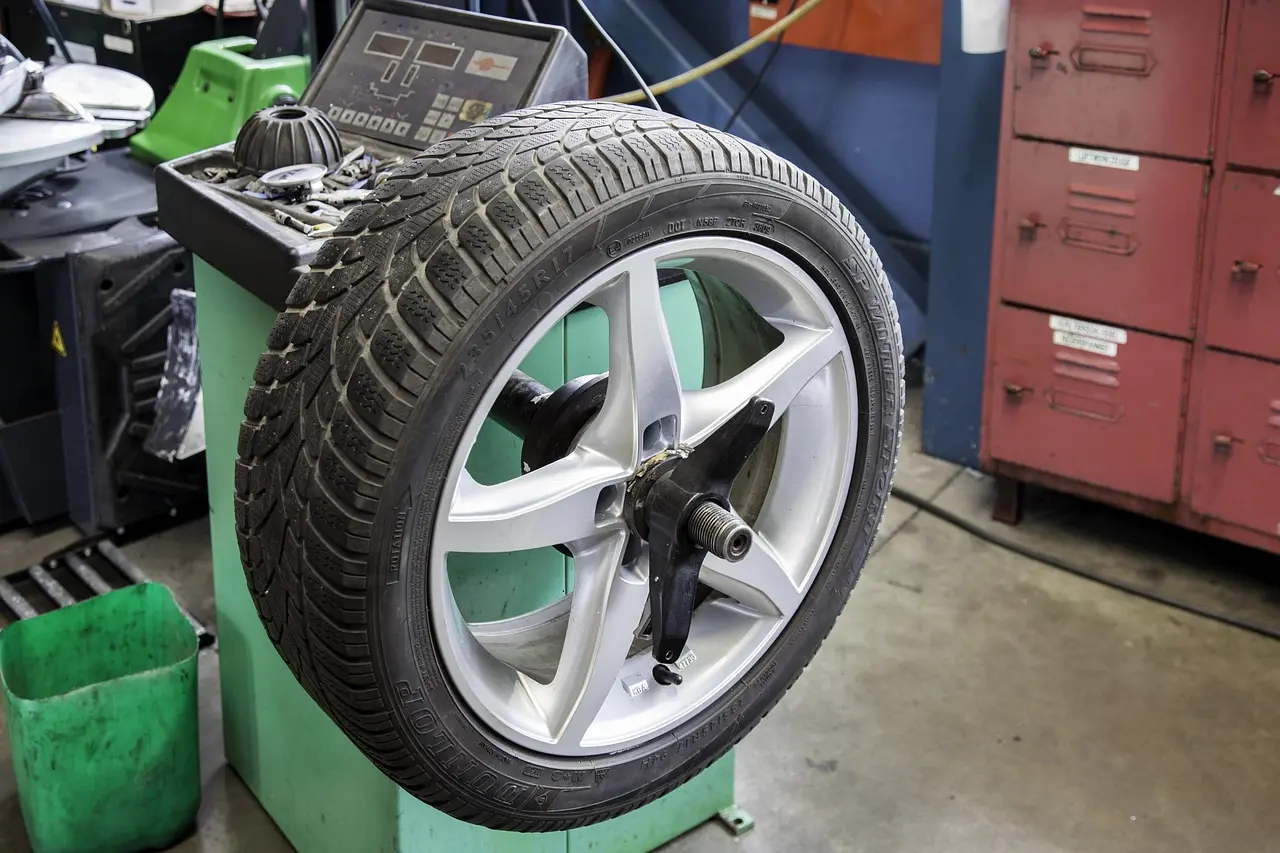
HANKOOK Winter ipike X W429 225/60R16 102T XL: best for a dedicated winter tire set
This is the tire to consider when the goal is real winter traction, not a compromise for mild weather. Based on the spec sheet and owner feedback, the studded design and directional tread fit drivers who see packed snow, glare ice, and repeated freeze-thaw cycles.
The drawback is obvious. Studded winter tires are a seasonal tool, they are louder than many all-season options, and they are not the right answer for warm pavement or year-round use. They also need proper storage when the season ends.
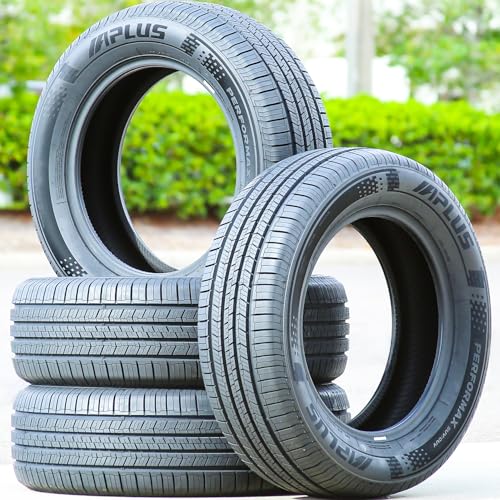
Aplus Performax SUV/CUV 235/70R16: best for mild snow and year-round use
This is the practical choice for drivers who want one tire set and live in an area where winter is real but not brutal. Based on the listed treadwear and highway focus, it makes sense as an all-season tire for SUVs and crossovers that spend most of their time on cleared roads.
The drawback is winter margin. Even when an all-season tire is decent in cold weather, it still gives up grip to a dedicated winter tire on snow and ice. That tradeoff matters most in steep neighborhoods, unplowed side streets, and emergency stops.
Snow-Chains Auto Fixing 1 Min Quick Fit: best as emergency traction gear
These chains fit the emergency-use category, not the daily commuting category. Based on the product description, they are a sensible backup for drivers who occasionally face chain-control roads or a sudden storm on a route they cannot avoid.
The drawback is convenience versus refinement. Chains can be awkward on modern wheel wells, they are not meant for normal dry-road driving, and they are a temporary solution rather than a substitute for the right tire.
Which one should you buy
If the goal is the safest winter commuter, pick the Explorer and put winter tires on it. If the road turns into ruts, drifts, and unmaintained snow, the Bronco is the better fit. If cargo, towing, or a worksite changes the equation, the F-150 is the stronger winter truck. For a big family, the Expedition is the right size.
Do not buy based on AWD alone. A Ford with AWD or 4WD still stops on its tires, still turns on its tires, and still needs tread that can bite cold pavement. A worn tire can lose snow grip long before the drivetrain feels weak.
If budget is tight and winters are mild, all-weather tires can be a good middle ground. Consumer Reports says they can nearly match dedicated winter/snow tires in winter traction, which is why they work for some drivers who face cold rain, light snow, and mostly plowed streets. In harsher snowbelt use, dedicated winter tires still win.
For deep snow or steep grades, choose the Bronco or F-150 and pair it with winter tires. For commuting and family duty, choose the Explorer. For the biggest cabin and long winter trips, the Expedition makes sense.
How to choose
- Match the vehicle to the road. Plowed suburbs point to the Explorer or Bronco Sport. Unplowed roads point to the Bronco or F-150.
- Choose tires before the first frost. Consumer Reports says tire inventory is best before the first frost, and waiting usually means fewer choices.
- Use sets of four. Consumer Reports says winter/snow tires should be used in sets of four so handling stays balanced.
- Watch tread depth. Consumer Reports recommends shopping for new tires when tread is down to 4/32 of an inch.
- Pick the tire type for your winter. Winter/snow tires give the most grip. All-weather tires can nearly match them in some conditions. All-season tires are the least convincing once snow and ice become regular.
Frequently asked questions
What is the best Ford for winter driving?
The Ford Explorer is the best all-around winter pick for most drivers because it combines available intelligent 4WD, 9.3 inches of ground clearance, drive modes, and useful cabin heat. It is easier to live with than the Bronco, more practical than the F-150 for commuting, and safer on mixed winter roads when fitted with winter tires.
Which Ford SUV handles snow and ice the safest?
The Explorer is the safest all-around Ford SUV for snow and ice because it balances traction hardware with predictable road manners. The Bronco can be better in deeper snow, but that is a different job. On ice, tire choice and braking matter more than trail hardware or extra ground clearance.
Do I need winter tires on a Ford with AWD or 4WD?
Yes, if winter conditions are serious. AWD and 4WD help you start moving, but winter tires help you stop and turn. That is the part many drivers miss. A Ford with good traction hardware can still feel uneasy on ice if it wears all-season tires or worn tread.
What Ford models have heated seats and a heated steering wheel?
The Bronco, Bronco Sport, Explorer, and Expedition all offer heated seats and a heated steering wheel in the winter-focused setups described here. The Bronco also adds a heated windshield. These features do not add grip, but they make cold starts and long commutes far less punishing.
Is the Ford Bronco or Explorer better in deep snow?
The Bronco is better in deep snow because it has standard 4×4, locking differentials, and up to 11.6 inches of ground clearance. The Explorer is better for mixed winter commuting, but the Bronco is the one to choose when snow depth and road damage are the bigger problem than comfort.
Should I buy dedicated winter tires or all-weather tires?
Dedicated winter tires are the safer choice when snow and ice are common, especially on steep streets or unplowed roads. All-weather tires are a solid compromise and Consumer Reports says they can nearly match dedicated winter tires in winter traction. If winters are severe, choose the winter tire.
When should I buy winter/snow tires before the season starts?
Buy before the first frost if possible. Consumer Reports says tire inventory is best before the first frost, and waiting usually means tighter supply and less time for installation. That matters because the first real storm often arrives before a driver expects it.
Products related to this article
Sponsored / affiliate links. As an Amazon Associate I earn from qualifying purchases. I may earn additional commission from eligible campaigns.