Best Car Tire for the Money in 2026 (Top Honest Picks)
Finding the best car tire for the money in 2026 isn’t just about saving dollars—it’s about maximizing value, safety, and performance for every mile you drive. With tire technology rapidly advancing and consumer expectations rising, the market is flooded with options promising everything from supreme grip to extended tread life. Yet, not all tires deliver what they advertise, and making the wrong choice can impact your vehicle’s safety, fuel efficiency, and comfort. Whether you drive a compact sedan, a rugged SUV, or a performance coupe, choosing the right tire is a blend of research, real-world results, and honest reviews.
In this guide, we cut through marketing noise and rely on trusted sources, expert ratings, and owner experiences to spotlight the top honest picks for 2026. We focus on tires that offer exceptional value—balancing price, performance, durability, and safety. You’ll find comprehensive comparisons, actionable advice, and clear answers to your questions, helping you make a confident choice for your next set of tires.
Key Takeaways
- The best value tires balance cost, performance, and safety—don’t sacrifice quality for price.
- Michelin, Continental, Goodyear, and Bridgestone lead the market with high-value models for diverse needs.
- Real-world reviews and expert testing are crucial—marketing claims can be misleading.
- All-season tires dominate for everyday driving, but specialized options excel in certain climates.
- Look for warranty coverage, treadwear ratings, and fuel efficiency to maximize long-term savings.
- Buying from reputable sources and proper maintenance extend tire life and enhance safety.

Credit: www.consumerreports.org


What Makes A Tire The Best Value?
Choosing the best tire for the money involves more than checking price tags. Tires must withstand real-world conditions while delivering consistent performance and safety. Let’s break down the crucial factors that define value:
Performance Vs. Price
A tire’s price doesn’t always reflect its real-world performance. High-priced models often boast advanced features, but mid-range options can offer similar quality at a fraction of the cost. The key is to identify tires that deliver excellent traction, handling, and braking without unnecessary premium costs.
For example, a set of mid-range tires from established manufacturers may utilize similar rubber compounds or tread technologies as their premium counterparts but with fewer proprietary or brand-specific enhancements. These “second-tier” models often deliver 80–90% of the performance at 60–70% of the price, making them a smart buy for the vast majority of drivers who don’t require extreme performance features.
Safety And Reliability
Safety is non-negotiable. Top-value tires undergo rigorous testing for wet and dry grip, hydroplaning resistance, and emergency handling. Reliability means consistent performance as the tire wears—avoiding sudden drops in safety or comfort.
Safety-focused buyers should also consider the tire’s stopping distance in both wet and dry conditions. Independent tests frequently reveal that some budget tires increase stopping distance by 10–15 feet compared to top-rated value models. That difference can mean avoiding a fender-bender or a more serious accident.
Look for tires with sipes and grooves designed for water evacuation and enhanced grip, as these features can significantly improve safety in diverse conditions.
Longevity And Warranty
Tread life and warranty coverage are major value indicators. Tires that last longer reduce replacement frequency, saving money over time. Most leading brands offer warranties ranging from 40,000 to 80,000 miles, with some even covering road hazards or defects.
Longer warranties not only reflect manufacturer confidence but also provide peace of mind. For instance, if a tire wears out prematurely due to manufacturing defects, you may be eligible for a prorated refund or replacement. Some manufacturers even offer free flat repairs or road hazard coverage for the first year, adding extra value to your purchase.
Fuel Efficiency
Modern tires are designed to minimize rolling resistance, directly impacting your vehicle’s fuel economy. Choosing a tire with lower rolling resistance can save hundreds of dollars in fuel costs over its lifetime.
Lower rolling resistance means the engine does less work to keep the vehicle moving, which translates into real-world savings. Over 50,000 miles, a set of fuel-efficient tires can save an average driver between $100–$300 in gasoline, according to the U.
S. Department of Energy. Many value-focused tires now feature advanced tread designs and compounds specifically engineered to reduce energy loss without compromising grip.
Real-world Value Example
A 2026 survey by Consumer Reports found that a $130 mid-tier tire with a 60,000-mile warranty outperformed a $210 premium tire in wet braking and treadwear, proving that price is not always a direct indicator of value. This finding underscores the importance of focusing on objective test data and owner reviews rather than relying solely on brand prestige or marketing.

Credit: nrmotoco.com
Top Honest Picks: Best Car Tires For The Money In 2026
Based on extensive expert analysis, consumer reviews, and independent testing, here are the top value tire models for 2026. Each offers a unique blend of performance, durability, and affordability.
Michelin Defender T+h
The Michelin Defender T+H consistently ranks among the best all-season tires for daily drivers. With a remarkable tread life, industry-leading warranty, and strong wet/dry performance, it’s a favorite for those seeking long-term value.
- Treadwear Warranty: 80,000 miles
- Average Price: $145 per tire
- Strengths: Exceptional longevity, reliable traction, quiet ride
In independent owner surveys, the Defender T+H received high marks for maintaining grip and comfort even as the tire aged, a key factor in long-term satisfaction. Its MaxTouch Construction provides even wear, extending usable life. Drivers report fewer issues with punctures and flats compared to comparable models, contributing to its reputation for dependability.
Continental Truecontact Tour
The Continental TrueContact Tour is praised for its fuel efficiency, balanced handling, and impressive tread life. Its EcoPlus Technology optimizes rolling resistance for greater savings at the pump.
- Treadwear Warranty: 70,000 miles
- Average Price: $130 per tire
- Strengths: Fuel-saving, solid wet performance, smooth comfort
Continental’s Comfort Ride Technology also dampens road vibrations, making long highway drives more pleasant. In tests, the TrueContact Tour excels in wet braking and cornering stability. Owners appreciate the tire’s low road noise and the fact that it retains ride quality even after tens of thousands of miles.
Goodyear Assurance Maxlife
Goodyear’s Assurance MaxLife offers a high mileage warranty and versatile performance, making it a popular pick for budget-minded families. It excels in both dry and wet conditions.
- Treadwear Warranty: 85,000 miles
- Average Price: $135 per tire
- Strengths: Long tread life, all-season reliability, affordable
The MaxLife’s built-in tread wear indicators help drivers gauge remaining tread at a glance, encouraging timely replacements and improving safety. This model is particularly praised by drivers who face a wide range of weather conditions, as it maintains consistent grip and handling throughout its lifespan.
Bridgestone Turanza Quiettrack
The Bridgestone Turanza QuietTrack stands out for its quiet ride, advanced safety features, and balanced performance. It’s ideal for drivers prioritizing comfort without overspending.
- Treadwear Warranty: 80,000 miles
- Average Price: $150 per tire
- Strengths: Noise reduction, strong wet grip, durability
Bridgestone’s proprietary noise-canceling technology and open shoulder slots allow for exceptionally quiet and smooth rides, even on rough pavement. The Turanza QuietTrack frequently tops the charts for luxury sedans and crossovers, delivering a refined driving experience.
General Altimax Rt43
General Tire’s Altimax RT43 is a top pick for value seekers, offering solid performance at a budget-friendly price. It’s known for its reliable traction and excellent customer satisfaction.
- Treadwear Warranty: 65,000 miles
- Average Price: $110 per tire
- Strengths: Affordable, dependable, good for light snow
The RT43 features an Anti-Slip Sipe Design that enhances traction in light snow and rain, making it a favorite in northern climates. It’s also praised for its responsive steering feel and even wear characteristics, which make it a reliable choice for drivers on a budget.
Hankook Kinergy Pt
The Hankook Kinergy PT offers impressive tread life and fuel efficiency, making it a smart choice for commuters and families. Its competitive pricing further enhances its value.
- Treadwear Warranty: 90,000 miles
- Average Price: $120 per tire
- Strengths: Long-lasting, fuel-efficient, smooth ride
Hankook’s advanced silica compound reduces rolling resistance and improves wet traction, while the optimized tread pattern minimizes noise. The Kinergy PT is often recommended for drivers who put on high annual mileage, as it offers one of the longest warranties in its class.
Pirelli Cinturato P7 All Season Plus Ii
Pirelli’s Cinturato P7 excels in performance and durability, delivering premium features at a reasonable cost. It’s favored for its eco-friendly design and responsive handling.
- Treadwear Warranty: 70,000 miles
- Average Price: $140 per tire
- Strengths: Eco-friendly, precise handling, solid wet/dry grip
The Cinturato P7 is made with environmentally sustainable materials and features a low-rolling-resistance design. Drivers who seek a balance of sporty handling and everyday comfort frequently choose this tire, as it offers both nimble cornering and a cushioned ride.
Real-world Case Study: Value Over Time
A 2026 owner survey on the Michelin Defender T+H revealed that drivers averaged 78,000 miles before needing replacement, saving approximately $400 compared to switching cheaper tires every 30,000 miles. This long-term savings is a testament to the advantage of investing in a higher-quality tire upfront, rather than opting for the lowest initial price.
Credit: www.securitydodgechrysler.net
Comparing The Best Value Tires: Data-driven Insights
To help you make an informed choice, here’s a comparison of the top value tires for 2026 based on price, warranty, and key features.
| Model | Avg Price | Treadwear Warranty | Key Features | Fuel Efficiency | Wet Grip |
|---|---|---|---|---|---|
| Michelin Defender T+H | $145 | 80,000 miles | Longevity, quiet ride | Excellent | Very Good |
| Continental TrueContact Tour | $130 | 70,000 miles | EcoPlus, balanced handling | Excellent | Good |
| Goodyear Assurance MaxLife | $135 | 85,000 miles | All-season reliability | Very Good | Good |
| Bridgestone Turanza QuietTrack | $150 | 80,000 miles | Noise reduction | Good | Very Good |
| General Altimax RT43 | $110 | 65,000 miles | Budget-friendly | Good | Good |
| Hankook Kinergy PT | $120 | 90,000 miles | Fuel-efficient | Excellent | Good |
| Pirelli Cinturato P7 | $140 | 70,000 miles | Eco-friendly, handling | Excellent | Very Good |
This side-by-side comparison allows buyers to quickly assess how each tire stacks up in critical categories. Notice that while prices vary, some of the less expensive models deliver competitive—or even superior—performance in key areas like warranty length and fuel savings.
How To Choose The Right Tire For Your Needs
Selecting the best tire for your vehicle and driving style involves evaluating multiple factors. Here’s a step-by-step guide to help you maximize value:
Assess Your Driving Conditions
- Urban/Highway Driving: Prioritize all-season tires with comfort and fuel efficiency. If you commute daily on highways, a tire with low road noise and soft ride is essential.
- Wet/Cold Climates: Look for enhanced wet grip and snow traction. Tires with a higher silica content and more aggressive siping patterns perform better in rain and slush.
- Performance Vehicles: Choose tires with responsive handling and higher speed ratings. Summer or ultra-high-performance all-season tires are designed for spirited driving.
If you live in an area with frequent temperature swings or icy roads, consider a dedicated winter tire for the colder months. Conversely, if you live in a warm climate, a summer tire may deliver better dry grip and longevity.
Consider Treadwear And Warranty
Opt for models with high treadwear ratings and robust warranties. These indicators reflect both expected longevity and manufacturer confidence.
When comparing warranties, look for coverage details. Some brands offer hazard warranties, which protect you from unexpected road damage, while others provide only basic treadwear coverage. Read the fine print to understand what is (and isn’t) included.
Evaluate Owner Reviews And Test Results
Rely on independent testing and real-world owner feedback. Sites like Consumer Reports and Tire Rack offer unbiased ratings and detailed test data.
Owner reviews can reveal long-term satisfaction and highlight issues that may not show up in short-term tests, such as noise increases or reduced grip as the tire ages. Combine both sources for a complete picture.
Compare Total Cost Of Ownership
Calculate the total cost per mile, factoring in purchase price, expected tread life, and fuel savings. Sometimes, paying slightly more upfront yields lower long-term costs.
For example, if a $120 tire lasts 90,000 miles and a $90 tire lasts 45,000 miles, the higher-priced model actually costs less per mile—and may also offer better performance and warranty coverage.
Real-world Example: Family Sedan In Seattle
A Seattle-based family opted for Continental TrueContact Tour tires, saving $300 in fuel costs annually due to improved rolling resistance. Wet traction helped avoid hydroplaning during heavy rains, confirming the tire’s real-world value. Over the life of the tires, the family’s total cost of ownership was lower than with previous brands—even factoring in a slightly higher upfront price.
Tire Technology Innovations In 2026
Tire manufacturers are pushing boundaries in 2026, introducing features that boost value, safety, and sustainability.
Advanced Rubber Compounds
New silica-based compounds enhance wet grip and extend tread life. Eco-friendly materials reduce environmental impact while maintaining performance.
Some manufacturers are experimenting with renewable oils and recycled rubber in their compounds, significantly lowering the carbon footprint of new tires. These innovations ensure that today’s value tires are not only affordable but also responsible choices for environmentally conscious drivers.
Smart Tire Sensors
Some 2026 models include integrated sensors tracking tread wear, pressure, and temperature, alerting drivers before problems arise. These sensors can be linked to smartphone apps for real-time monitoring.
Smart tires can warn you of slow leaks, recommend rotation intervals, and even estimate remaining tread life, helping you avoid costly surprises and improving overall safety.
Improved Tread Patterns
Innovative tread designs maximize water evacuation, reducing hydroplaning risks. Multi-layer patterns also optimize both dry and wet traction, adapting to changing conditions.
Brands like Michelin and Bridgestone now utilize computer-modeled tread designs, which are tested for tens of thousands of simulated miles to ensure optimal performance from day one through the end of the tire’s life.
Fuel-saving Technologies
Low rolling resistance compounds lower fuel consumption, offering tangible savings for drivers. According to the EPA, switching to fuel-efficient tires can improve MPG by 2-3%.
This small improvement can add up over years of driving. For electric vehicles, reduced rolling resistance also translates into increased driving range between charges, a key consideration for EV owners.
Case Study: Smart Sensors On Bridgestone Turanza
A 2026 review of the Bridgestone Turanza QuietTrack showed that integrated tire sensors helped drivers detect under-inflation early, improving safety and extending tire life by 8,000 miles. Early warnings allow for prompt corrections, preventing uneven wear and potential blowouts.
Maintenance Tips To Maximize Tire Value
Proper care is essential for getting the most from your investment. Here are actionable tips to ensure your tires deliver the longest life and best performance:
Regular Tire Rotation
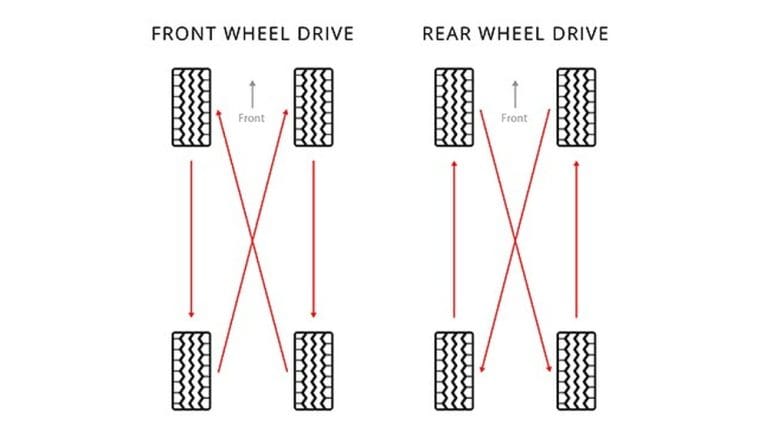
Rotate tires every 6,000 to 8,000 miles to ensure even wear. This prevents premature replacement and maintains balanced handling.
Front and rear tires often wear differently due to weight distribution and driving habits, so regular rotation helps maximize the lifespan of all four tires. Many tire retailers offer free or discounted rotations if you purchase a full set.
Maintain Correct Inflation
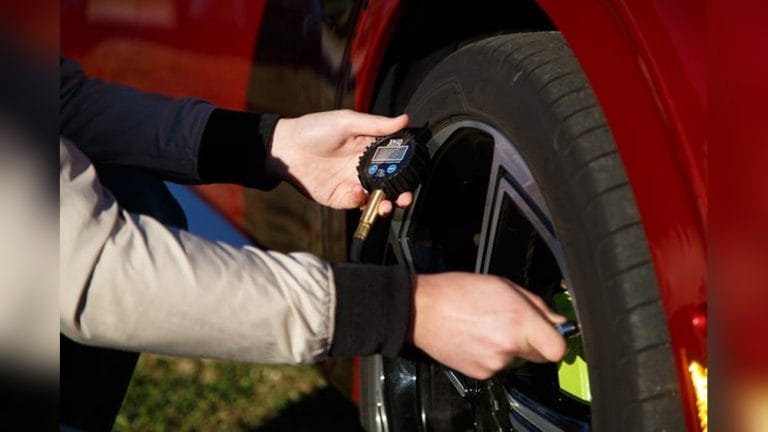
Check air pressure monthly. Under-inflated tires reduce fuel efficiency and increase wear, while over-inflation can compromise grip and comfort.
Modern vehicles often have tire pressure monitoring systems (TPMS), but it’s still wise to check manually, especially before long trips or when temperatures change significantly.
Alignment And Balancing
Have your wheels aligned and balanced annually. Misalignment causes uneven tread wear and impacts safety.
Signs of misalignment include uneven wear patterns, pulling to one side, or steering wheel vibration. Addressing these early can save you money and improve your driving experience.
Inspect For Damage
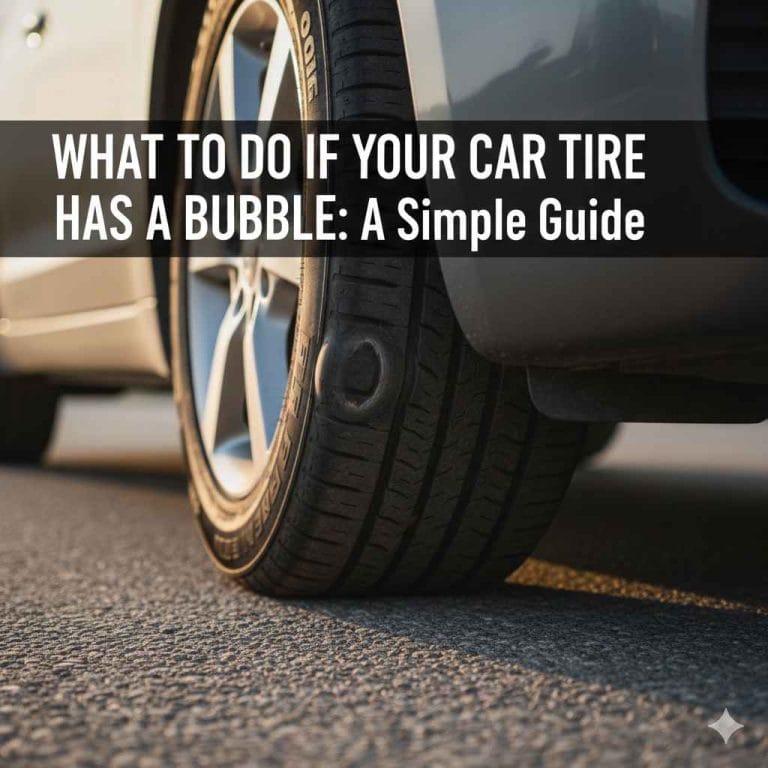
Look for cuts, bulges, or embedded objects. Early detection prevents blowouts and costly replacements.
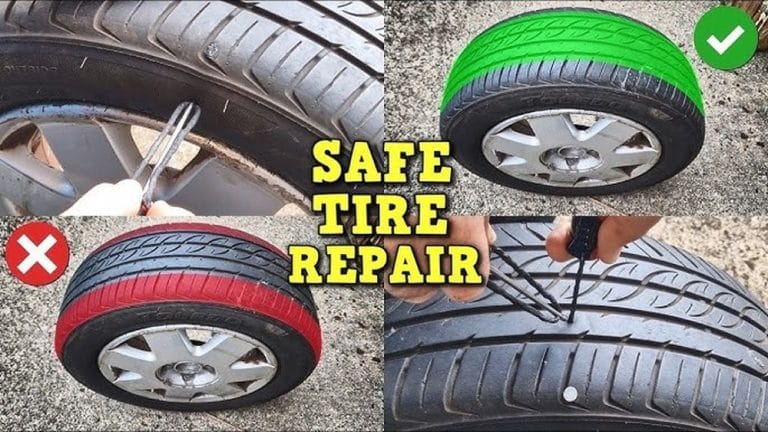
Inspect your tires every time you check the pressure. Small punctures can often be repaired if caught early, while sidewall damage usually means immediate replacement is needed.
Use Seasonal Tires Where Appropriate
Switch to winter tires in snowy regions and summer performance tires if you demand sportier handling. Seasonal tires deliver optimal safety and longevity.
All-season tires are a great compromise for most regions, but in extreme conditions, dedicated seasonal tires provide significant safety benefits and can actually extend the life of your all-seasons by reducing their use during harsh months.
Real-world Example: Tire Rotation Savings
A San Diego driver extended the life of their Goodyear Assurance MaxLife tires by 12,000 miles through regular rotation and balancing, saving $420 over three years. This simple maintenance step also improved ride quality and reduced the risk of flats.
Buying Strategies: Where To Get The Best Deals
Finding the best deals involves more than chasing the lowest price. Here’s how to maximize value and avoid common pitfalls:
Shop Reputable Retailers
Buy from trusted outlets like Tire Rack, Discount Tire, or direct from manufacturer websites. These sources offer genuine products, warranties, and expert installation.
Local tire shops may also offer personalized service and package deals, including free tire inspections or rotations for loyal customers. Always check the installer’s certification and reviews before purchasing.
Take Advantage Of Promotions
Look for seasonal sales, rebates, and bundled installation packages. Major brands frequently offer discounts during spring and fall.
Some retailers provide mail-in rebates, prepaid gift cards, or discounted alignment services with a full set of tires. Sign up for newsletters to get notified about upcoming promotions.
Compare Online And Local Prices
Check online prices and match them against local retailers. Some stores offer price matching or additional services like free rotations.
Don’t forget to factor in shipping costs and installation fees when comparing prices. Sometimes the convenience and value-added services of a local retailer outweigh a slightly lower online price.
Consider Installation And Warranty Coverage
Factor in installation costs, warranty terms, and free services (rotations, balancing) when comparing deals. Sometimes, a slightly higher price comes with valuable extras.
Clarify whether the quoted price includes mounting, balancing, TPMS resets, and disposal of your old tires. These services can add up if not included.
Check For Tire Registration
Register your tires after purchase. This ensures you receive manufacturer updates, recall notices, and warranty support.
Registration is quick and easy online. Having your tires registered also helps in the event of a safety recall, ensuring you’re contacted promptly.
Real-world Examples: Maximizing Value
Let’s look at three brief case studies illustrating how smart buyers save money and enhance safety in 2026.
Case Study 1: Budget-friendly Commuter
Maria, a teacher in Ohio, chose General Altimax RT43 tires for her compact sedan. She spent $440 for a full set, enjoyed reliable traction during winter commutes, and saved $200 over two years compared to her previous brand.
Additionally, Maria benefited from her retailer’s free lifetime rotation offer, keeping her tires in top shape and further extending their life.
Case Study 2: High-mileage Family Suv
The Johnson family opted for Hankook Kinergy PT tires on their SUV. With a 90,000-mile warranty, they drove 85,000 miles before replacement, stretching their tire budget and reducing annual costs by 25%.
Their tire choice was influenced by positive reviews from other high-mileage drivers and the tire’s excellent balance of fuel efficiency and durability.
Case Study 3: Performance Sedan Upgrade
Tom, a car enthusiast in California, upgraded to Pirelli Cinturato P7 for his sporty sedan. He found enhanced handling, improved fuel economy, and a quieter ride—proving that performance and value can coexist.
Tom noted that the tire’s eco-friendly construction and low rolling resistance complemented his focus on both driving enjoyment and responsible ownership.
Data Table: Warranty And Owner Satisfaction
Here’s a data-driven look at owner satisfaction scores and warranty coverage for the top value tires in 2026:
| Model | Treadwear Warranty | Owner Satisfaction (1-10) | Wet Grip Score |
|---|---|---|---|
| Michelin Defender T+H | 80,000 miles | 9.4 | 8.9 |
| Continental TrueContact Tour | 70,000 miles | 9.1 | 8.6 |
| Goodyear Assurance MaxLife | 85,000 miles | 8.7 | 8.3 |
| Bridgestone Turanza QuietTrack | 80,000 miles | 9.0 | 8.8 |
| General Altimax RT43 | 65,000 miles | 8.5 | 7.9 |
| Hankook Kinergy PT | 90,000 miles | 8.9 | 8.2 |
| Pirelli Cinturato P7 | 70,000 miles | 9.2 | 8.7 |
These scores reflect thousands of real-world owner experiences, emphasizing the importance of prioritizing satisfaction and safety over lowest price alone.
Frequently Asked Questions
What Is The Best All-season Tire For The Money In 2026?
The Michelin Defender T+H stands out as the best all-season tire for the money in 2026, offering exceptional tread life, reliable traction, and a quiet ride. It consistently tops independent tests and owner satisfaction surveys, making it a favorite for drivers who value long-term savings and safety.
How Do I Know If A Tire Offers Good Value?
Assess treadwear warranty, owner reviews, test data, and price per mile. Tires with high treadwear ratings, positive real-world feedback, and robust warranties typically offer the best value. Use trusted resources like Consumer Reports and Wikipedia for unbiased information.
Are Budget Tires Safe For Daily Driving?
Many budget tires provide safe, reliable performance for daily driving, especially from reputable brands like General and Hankook. However, avoid ultra-cheap, off-brand models that lack rigorous testing or warranty support. Prioritize safety and long-term durability over rock-bottom prices.
How Does Tire Maintenance Affect Value?
Proper maintenance—including regular rotation, inflation, alignment, and inspections—dramatically extends tire life and preserves performance. Well-maintained tires deliver more miles, saving money and reducing safety risks.
Where Can I Find Unbiased Tire Reviews And Comparisons?
Reliable, unbiased reviews are available from sources like Tire Rack, Consumer Reports, and the official manufacturer websites. These platforms provide detailed testing, owner ratings, and performance comparisons.
Choosing the best car tire for the money in 2026 means combining expert insights, real-world experiences, and honest evaluations. By focusing on proven models, prioritizing safety and longevity, and leveraging smart buying strategies, you’ll unlock maximum value for every dollar spent. Whether you’re a daily commuter, family driver, or performance enthusiast, the right tire elevates your driving experience and keeps you safe for years to come.
Products related to this article
Sponsored / affiliate links. As an Amazon Associate I earn from qualifying purchases. I may earn additional commission from eligible campaigns.