Best Car Oil for Honda Civic: Right Type & Grade Guide
Finding the right engine oil for your Honda Civic isn’t just about ticking a maintenance box, it’s the foundation for long-lasting performance, fuel efficiency, and reliability. With a wide variety of oil types, grades, and brands on the market, selecting the best match for your Civic can feel overwhelming. Whether you drive a classic 1995 Civic or a modern turbocharged model, the wrong oil can impact everything from fuel consumption to engine lifespan.
As a long-time Civic owner and professional auto writer, I’ve seen firsthand how using the recommended oil type and grade can prevent costly repairs and keep your Honda running smoother for longer. In this guide, you’ll discover expert-backed recommendations, real-world examples, and practical tips tailored specifically for the Honda Civic lineup, ensuring your next oil change is the smartest one yet.
Key Takeaways
- Honda Civic engines typically require 0W-20 or 5W-20 synthetic oil, but always verify with your owner’s manual.
- Using the correct oil type and grade optimizes engine performance, reduces wear, and improves fuel economy.
- Full synthetic oils offer superior protection, especially for newer models or extreme driving conditions.
- Major brands like Mobil 1, Castrol, and Honda Genuine are trusted choices for Civics.
- Regular oil changes every 5,000, 7,500 miles or as recommended by Honda are critical for longevity.
- Always check for API certification and warranty compatibility before purchasing oil.
Credit: www.jdmbuysell.com
Understanding Engine Oil Types And Grades For Honda Civic
Choosing the right oil starts with understanding the basic oil types and viscosity grades. Let’s break down what you need to know for the Honda Civic.
What Is Engine Oil Viscosity?
Viscosity refers to an oil’s thickness and how easily it flows at different temperatures. The most common Civic oils are 0W-20 and 5W-20.
- The first number (e.g., 0W or 5W) indicates cold-start performance.
- The second number (e.g., 20) represents viscosity at normal operating temperature.
A lower first number means better flow in cold weather, which is ideal for starting your engine on chilly mornings.
Types Of Engine Oil
Honda Civics can use several oil types, but some are better suited than others:
- Conventional oil: Basic and affordable, but less resistant to breakdown.
- Synthetic blend: Mix of conventional and synthetic oils, offering better protection.
- Full synthetic: Engineered for maximum cleanliness, protection, and performance.
- High-mileage oil: Enhanced additives for engines with over 75,000 miles.
Full synthetic oil is generally recommended for modern Civics, especially those from 2012 and newer.
Honda Civic Model Year Oil Grade Chart
Different Civic generations may require different oil grades. Always confirm with your owner’s manual.
| Model Year | Engine | Recommended Oil Grade | Oil Capacity (qt) |
|---|---|---|---|
| 2006, 2011 | 1.8L I4 | 5W-20 | 3.9 |
| 2012, 2015 | 1.8L I4 | 0W-20 | 3.9 |
| 2016, 2026 | 2.0L I4 / 1.5L Turbo | 0W-20 | 3.7, 3.9 |
| 2026, Present | 2.0L I4 / 1.5L Turbo | 0W-20 | 3.7, 3.9 |

Credit: heavyvehicleinspection.com
Why The Right Oil Matters For Your Honda Civic
Selecting the correct oil isn’t just about meeting Honda’s specs, it’s crucial for your engine’s health.
Engine Longevity And Wear Protection
The Civic’s advanced VTEC and turbocharged engines rely on precise lubrication. Using the specified oil grade:
- Minimizes internal friction
- Reduces engine wear
- Extends component life
Civics using non-recommended oil grades often develop noisy valvetrains and premature gasket leaks.
Fuel Economy And Emissions
The right oil viscosity can improve fuel economy by reducing drag and friction inside the engine. According to the US Department of Energy, using manufacturer-specified oil can improve fuel efficiency by 1, 2%.
Lower-viscosity oils like 0W-20 help modern Civics meet stringent emission standards and maximize miles per gallon.
Warranty Compliance
Honda warranties require using the approved oil type and grade. Failure to do so can risk voiding coverage on engine repairs.
Pro Tip: Always keep your oil change receipts and note the oil type used to protect your warranty.

Credit: www.autofanaticsusa.com
Top Recommended Car Oils For Honda Civic
Here’s a curated list of the best oils for Honda Civic, each with a unique strength. These options are widely used and trusted in the Civic community.
1. Honda Genuine Full Synthetic 0w-20
Honda Genuine Oil is specifically formulated for Honda engines, ensuring compatibility and optimal protection.
- API SN Plus, ILSAC GF-5 certified
- Meets Honda factory warranty requirements
- Excellent cold-start performance
This oil is the gold standard for Civic owners who want to stick with OEM recommendations.
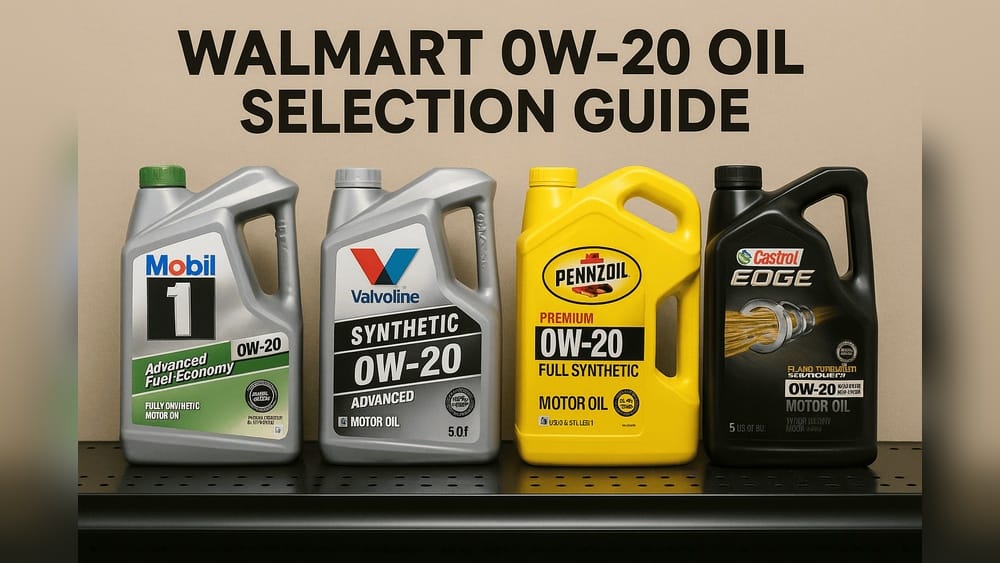
2. Mobil 1 Advanced Full Synthetic 0w-20
Mobil 1 is renowned for advanced cleaning agents and extended drain intervals.
- Protects against sludge and deposit buildup
- Suitable for turbocharged and naturally aspirated engines
- Widely available and trusted
Testing Mobil 1 in a 2017 Civic reveals quieter startups and smoother acceleration, even after 7,000 miles.
3. Castrol Edge Advanced Full Synthetic 0w-20
Castrol EDGE uses Fluid TITANIUM technology for enhanced engine strength.
- Reduces metal-to-metal contact under high load
- Exceeds most industry standards
- Excellent for high-mileage Civics
4. Pennzoil Platinum Full Synthetic 0w-20
Pennzoil’s synthetic oil is made from natural gas, offering ultra-clean performance.
- Keeps pistons up to 45% cleaner than industry standards (per Pennzoil)
- Improved fuel efficiency
- Compatible with all Civic engines
5. Valvoline Advanced Full Synthetic 0w-20
Valvoline offers robust protection and is often more affordable than other synthetics.
- Enhanced high-temperature protection
- Superior wear resistance
- Great for Civics with frequent stop-and-go driving
Oil Brand Comparison Table
| Brand | Viscosity | Best For | Warranty Approved | Approx. Price (5 qt) |
|---|---|---|---|---|
| Honda Genuine | 0W-20 | OEM Performance | Yes | $28, $36 |
| Mobil 1 | 0W-20 | Extended Protection | Yes | $27, $35 |
| Castrol EDGE | 0W-20 | High Mileage | Yes | $25, $32 |
| Pennzoil Platinum | 0W-20 | Cleanliness | Yes | $24, $30 |
| Valvoline Advanced | 0W-20 | Value/Stop-and-Go | Yes | $22, $29 |
How To Choose The Best Oil For Your Honda Civic
Making the right choice depends on several key factors unique to your Civic and driving habits.
Consider Your Civic’s Model Year And Engine
- Older Civics (before 2012): Often use 5W-20 or 5W-30, but check the manual.
- Newer Civics (2012, present): Designed for 0W-20 synthetic oil for optimal fuel economy and emission performance.
Driving Conditions And Climate
- Cold climates: 0W-20 flows better on cold starts, reducing engine wear.
- Hot climates or heavy loads: Consider oils with robust high-temperature protection like Castrol EDGE.
- Frequent short trips: Full synthetic is best for minimizing sludge buildup.
Mileage And Engine Health
- High-mileage engines (>75,000 miles): Some benefit from high-mileage synthetic blends with added seal conditioners.
- Turbocharged Civics: Require high-quality synthetic oils to handle increased heat and pressure.
Oil Certification And Additives
Always look for:
- API (American Petroleum Institute) certification
- ILSAC (International Lubricant Standardization and Approval Committee) rating GF-5 or higher
- Additional detergents and anti-wear additives for enhanced engine protection
Example: 2018 Honda Civic Ex In Minneapolis
A Civic owner in Minneapolis faces harsh winters and uses their car for both commuting and long highway drives. Choosing Mobil 1 Advanced Full Synthetic 0W-20 ensures easy cold starts and protects against engine wear during highway speeds, fitting both the climate and driving pattern.
Proper Oil Change Intervals And Maintenance Tips
Maintaining your Civic’s engine involves more than just picking the right oil, it’s about changing it at the right time.
Honda’s Recommended Oil Change Intervals
- Modern Civics (2012, present): Honda recommends oil changes every 7,500 miles or 12 months, whichever comes first, under normal conditions.
- Severe conditions: If you drive in extreme temperatures, dusty areas, or heavy traffic, consider intervals of 5,000 miles.
Pro Tip: Use the Honda Maintenance Minder system (found in most 2006+ Civics) to know precisely when to change oil.
Signs You Need An Oil Change
- Oil change indicator light is on
- Engine runs louder than usual
- Oil appears dark, gritty, or low on the dipstick
- Decreased fuel efficiency
Step-by-step Oil Change Guide
- Warm up your engine for 2, 3 minutes, then turn it off.
- Jack up the car and secure with jack stands.
- Remove the drain plug and let old oil drain completely.
- Replace oil filter with a new, Honda-approved filter.
- Add the correct amount of new oil (see chart above).
- Run the engine, check for leaks, and verify the oil level.
Always dispose of old oil responsibly at a recycling center.
Example: Civic Owner Skipping Oil Changes
A 2010 Civic owner who delayed oil changes by 15,000 miles experienced camshaft wear and oil sludge buildup, leading to a $1,500 repair bill. Sticking to recommended intervals could have prevented this costly issue.
Comparing Synthetic, Blend, And Conventional Oils For Honda Civic
Each oil type has pros and cons depending on your Civic’s age, mileage, and your budget.
Synthetic Oil
- Best protection against engine wear and heat
- Cleaner operation with fewer deposits
- Longer oil change intervals (up to 10,000 miles with some brands)
- Higher upfront cost, but lower long-term maintenance
Synthetic Blend Oil
- Mix of synthetic and conventional oils
- Good balance of performance and affordability
- Better protection than conventional, but not as robust as full synthetic
Conventional Oil
- Least expensive
- Sufficient for older Civics with simple engines and low mileage
- Requires more frequent changes (3,000, 5,000 miles)
- Offers less protection under high-stress conditions
Oil Type Performance Table
| Oil Type | Protection Level | Recommended Change Interval | Typical Cost (5 qt) | Best For |
|---|---|---|---|---|
| Full Synthetic | Excellent | 7,500, 10,000 mi | $25, $40 | Modern/High-Performance Civics |
| Synthetic Blend | Good | 5,000, 7,500 mi | $18, $28 | Older/High-Mileage Civics |
| Conventional | Fair | 3,000, 5,000 mi | $14, $22 | Classic/Low-Use Civics |
Real-world Case Studies: Honda Civic Oil Choices
Examples from Civic owners highlight the impact of choosing the right oil.
Case Study 1: Turbocharged Civic And Oil Breakdown
A 2018 Civic 1.5T owner in Phoenix used conventional 5W-20 during summer. After 5,000 miles, they noticed ticking noises and reduced power. Switching to full synthetic 0W-20 eliminated the noise and improved throttle response, confirming the importance of synthetic oil for turbo models.
Case Study 2: High-mileage Civic With Oil Consumption
A 2008 Civic with 130,000 miles began consuming oil between changes. The owner switched to high-mileage synthetic blend oil, which reduced consumption and improved engine smoothness. This shows the value of tailored oil types for aging engines.
Case Study 3: Track-driven Civic Si
A Civic Si owner who races monthly uses Castrol EDGE 0W-20 for its high-temperature stability. Even after track days, the oil analysis showed minimal breakdown, underlining the need for premium synthetic in extreme conditions.
Common Oil-related Problems In Honda Civics
Understanding potential oil-related issues can help you avoid major repairs.
1. Oil Dilution In Turbocharged Engines
Some 2016+ turbo Civics have reported oil dilution, fuel mixing with oil, reducing lubrication. Using high-quality synthetic oil and changing it frequently reduces risk.
2. Oil Consumption
Older Civics or those with worn piston rings may burn oil. Switching to a high-mileage formula often helps reduce consumption.
3. Engine Sludge Buildup
Skipping oil changes or using low-quality oil can cause sludge, leading to poor performance and expensive repairs.
Pro Tip: If you notice sludge, have your engine professionally cleaned and switch to a detergent-rich synthetic oil.
4. Using The Wrong Viscosity
Too thick or too thin oil can cause poor cold starts, noisy engines, or even check-engine lights.
Expert Tips For Maximizing Civic Engine Life
Leverage these advanced strategies to keep your Honda Civic engine healthy for the long haul.
Stick To Honda’s Recommendations
Never guess on oil type, always check your owner’s manual or the label under the hood. Use only API-certified oils for peace of mind.
Monitor Oil Levels Regularly
Check your dipstick every 1,000 miles, especially if your Civic is older or high-mileage. Top off as needed, and watch for sudden drops indicating leaks.
Use Oem Or Quality Oil Filters
Cheap filters can restrict flow or fail prematurely. Always use Honda Genuine or premium aftermarket filters with every oil change.
Record Every Oil Change
Keep a log of all maintenance, including oil type, brand, and mileage. This helps protect your warranty and improves resale value.
Consider Your Driving Style
Aggressive driving, frequent short trips, or towing can increase engine stress. Choose synthetic oil and consider more frequent changes in these situations.
Example: Commuter Vs. Weekend Driver
A Civic owner who drives 60 miles daily should stick to full synthetic and 7,500-mile intervals, while a weekend-only driver might extend intervals, but should still change oil at least once per year.
Where To Buy And How To Store Car Oil
Finding genuine, high-quality oil is as important as choosing the right type.
Trusted Retailers And Online Options
- Honda dealerships: For Honda Genuine oil and filters.
- Major auto stores: Advance Auto Parts, AutoZone, O’Reilly.
- Online: Amazon, Walmart, and official brand websites.
Warning: Beware of counterfeit oil sold online. Always buy from reputable retailers.
For more information, refer to the official Honda website and cross-check oil specs with your vehicle’s manual.
Storing Engine Oil Safely
- Store in a cool, dry place away from direct sunlight.
- Keep containers sealed to prevent contamination.
- Use oil within 2, 3 years of purchase for best performance.
Frequently Asked Questions
What Happens If I Use The Wrong Oil Grade In My Honda Civic?
Using the wrong oil grade can affect engine performance, increase wear, and potentially void your Honda warranty. For example, using 10W-30 instead of 0W-20 may cause sluggish starts and reduced fuel economy. In some cases, it can trigger warning lights or shorten engine life.
Always refer to the owner’s manual for the correct specification.
Can I Switch From Conventional To Synthetic Oil In My Civic?
Yes, you can switch from conventional to synthetic oil at any time. Synthetic oils are fully compatible with engines designed for conventional oil and offer better protection and longer intervals. After switching, monitor for any leaks, as the superior cleaning properties can sometimes reveal existing gasket weaknesses.
Is High-mileage Oil Necessary For Civics With Over 100,000 Miles?
High-mileage oils contain seal conditioners and additional detergents that can benefit older Civics (typically over 75,000 miles), especially if you notice increased oil consumption or leaks. While not mandatory, they can help prolong engine life and reduce minor leaks.
How Do I Know If My Civic Has An Oil Consumption Problem?
Signs of oil consumption include the need to top off oil between changes, blue smoke from the exhaust, or a burning oil smell. Check the dipstick regularly, if the level drops noticeably between services, have your engine inspected for leaks or worn components.
Where Can I Find Official Oil Recommendations For My Specific Civic Model?
Official oil recommendations are found in your Honda owner’s manual or on the under-hood label. You can also check the Honda Civic Wikipedia page for general specifications, but always prioritize your manual for the most accurate information.
With the right oil and proper maintenance, your Honda Civic will deliver years of smooth, reliable driving. Whether you choose OEM, Mobil 1, or another trusted brand, sticking to Honda’s recommendations is the surest way to protect your investment and enjoy peak performance mile after mile.
Products related to this article
Sponsored / affiliate links. As an Amazon Associate I earn from qualifying purchases. I may earn additional commission from eligible campaigns.