Are Car Headlights Too Bright? The Truth Behind the Glare
Every night, millions of drivers are forced to squint, shield their eyes, or even momentarily lose sight of the road due to the intense glare of oncoming headlights. For some, the sensation is just an annoyance; for others, it’s a genuine safety hazard. As modern vehicles introduce ever-brighter lighting technologies, a critical question has emerged: Are car headlights too bright? The debate isn’t just a matter of comfort, scientific studies and accident reports suggest that excessive headlight glare can have real-world safety implications, especially for older drivers or those with visual sensitivities.
Manufacturers argue that advanced headlights improve visibility and reduce nighttime accidents, while drivers, pedestrians, and safety experts express growing concern about their unintended consequences. From technological advances and regulatory gaps to the science of human vision, the issue is far more complex than it appears.
To uncover the truth behind the glare, we’ll examine the evolution of headlights, compare global standards, explore the science of light and vision, and provide actionable insights for both drivers and policymakers.
Key Takeaways
- Modern headlights, especially LEDs and HIDs, are often perceived as excessively bright, sparking concerns about road safety and glare.
- Headlight glare affects visibility, reaction time, and comfort, particularly for older drivers and those with sensitive eyes.
- Regulatory standards for headlight brightness and aim vary widely between countries, leading to inconsistent experiences.
- Improper headlight aim and aftermarket modifications significantly contribute to excessive glare on the road.
- Solutions include stricter enforcement of headlight regulations, improved headlight design, and increased driver awareness about proper maintenance.
- Studies suggest that while brighter headlights can improve visibility for the driver, they may simultaneously endanger others by causing glare.

Credit: www.independent.co.uk
The Evolution Of Car Headlights: From Dim Bulbs To Blinding Beams
The journey of automotive headlights spans over a century, reflecting both technological progress and shifting safety priorities. Understanding this evolution helps clarify why today’s headlights feel so different from those of previous generations.
Early Automotive Lighting: The Era Of Simplicity
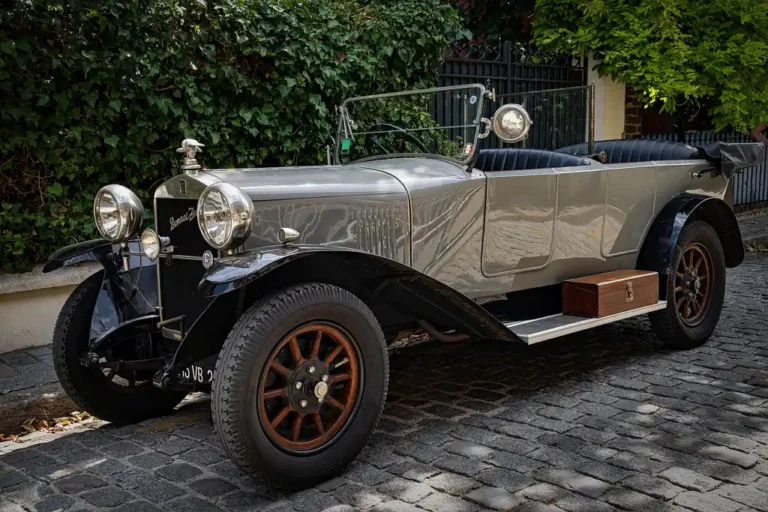
The earliest cars used acetylene gas lamps, dim, unreliable, and often extinguished by wind or rain. By the 1920s, electric headlights became standard, offering more consistent illumination but still relatively low brightness. These early systems produced a yellowish light with limited range, barely sufficient for high-speed travel.
The Halogen Revolution
The 1960s saw the introduction of halogen bulbs, which delivered up to 50% more light than traditional incandescent lamps. They quickly became the global standard due to their balance of brightness, longevity, and cost-effectiveness. Halogen lights produce a warm, yellow-white glow, with moderate risk of glare.
High-intensity Discharge (hid) And Led Advancements
The late 1990s and early 2000s marked a seismic shift with the arrival of HID (xenon) headlights. These bulbs emitted a distinctive blue-white light, nearly doubling the brightness of halogens and significantly extending the visible range. While this improved driver visibility, complaints about glare and discomfort among other road users surged.
The last decade has seen LED (light-emitting diode) headlights become mainstream. LEDs offer high energy efficiency, customizable beam patterns, and the ability to deliver extremely bright, crisp white light. However, their intensity and color temperature have reignited debates over safety and glare.
The Laser Headlight Frontier
Some luxury vehicles now offer laser headlights, which produce even more intense beams capable of illuminating hundreds of meters ahead. While these are currently rare and heavily regulated, they highlight the ongoing trend toward increased brightness in automotive lighting.
Example: The 2015 Bmw I8
The BMW i8 was one of the first production cars equipped with laser headlights. The difference in brightness compared to standard halogen bulbs is dramatic; oncoming drivers often flash their high beams, mistaking the low beams for high beams.
Data Table: Headlight Technology Comparison
| Headlight Type | Average Luminous Flux (Lumens) | Color Temperature (Kelvin) | Typical Lifespan (Hours) | Glare Risk |
|---|---|---|---|---|
| Halogen | 700, 1,200 | 3,200, 3,500 | 500, 1,000 | Low, Moderate |
| HID (Xenon) | 2,000, 3,500 | 4,000, 6,000 | 2,000, 3,000 | High |
| LED | 1,800, 4,000 | 5,500, 6,500 | 15,000, 30,000 | High |
| Laser | 4,000, 6,000 | 6,000, 8,000 | 30,000+ | Very High |
Understanding Headlight Brightness And Glare
To address the question “Are car headlights too bright?”, it’s essential to distinguish between brightness (luminous output) and glare (the visual discomfort or hazard caused by intense light).
The Science Of Brightness
- Luminous flux (measured in lumens) quantifies the total amount of visible light emitted.
- Illuminance (measured in lux) indicates how much light hits a specific area (e.g., the road surface).
- Color temperature (measured in Kelvin) describes the hue of the light, with higher values appearing “cooler” (blue-white) and lower values “warmer” (yellow).
Brighter headlights can help drivers see obstacles and road markings more clearly at night, potentially reducing accident risk.
What Is Glare?
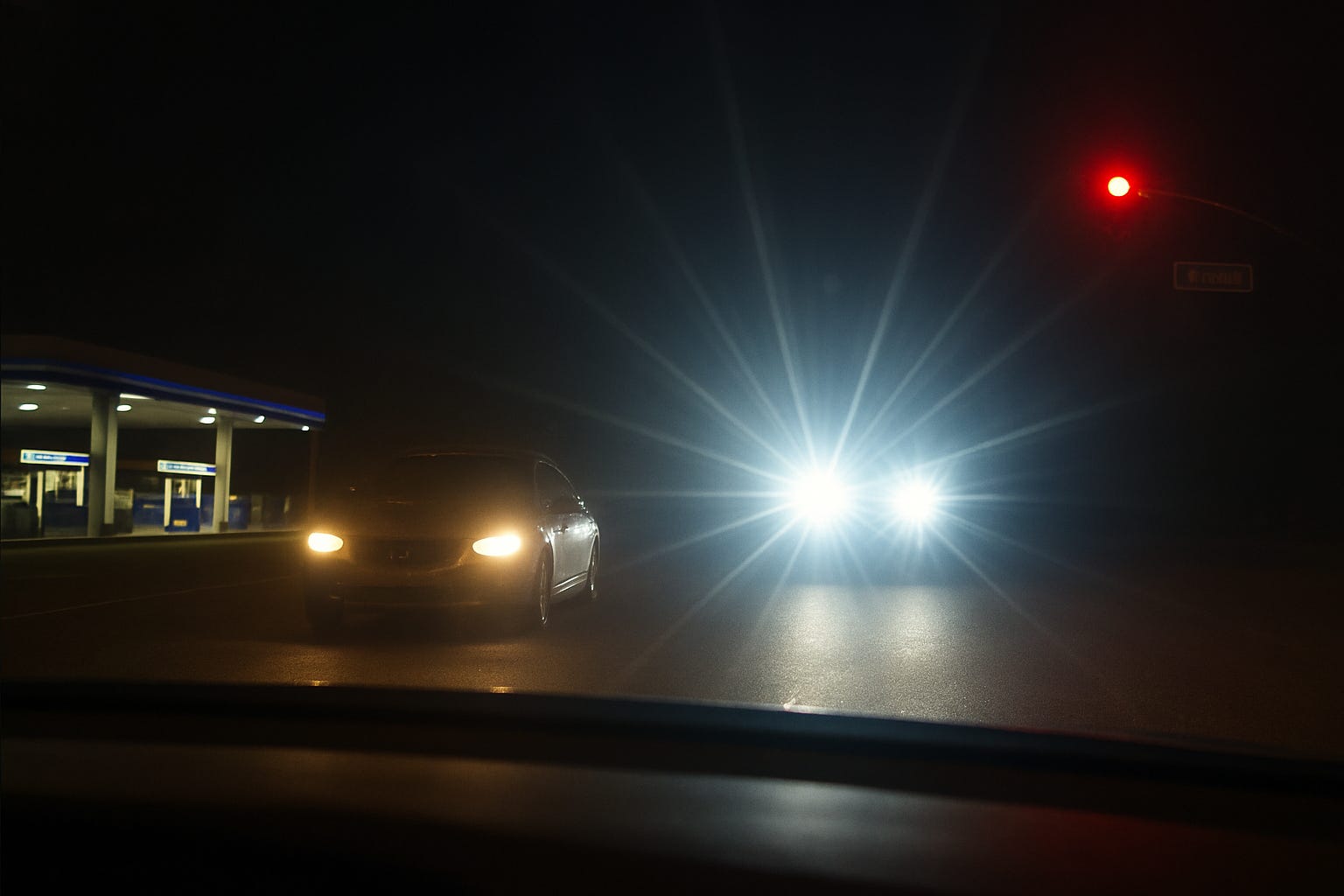
Glare occurs when a light source is too intense relative to its background, making it hard for the human eye to adapt. There are two primary forms:
- Discomfort glare: Causes annoyance or pain without necessarily reducing visual performance.
- Disability glare: Reduces visibility by scattering light inside the eye, creating a “veil” that obscures objects or road hazards.
Older drivers, those with cataracts, and individuals with certain eye conditions are particularly susceptible to glare.
Factors That Influence Glare
Several variables can exacerbate or mitigate headlight glare, including:
- Headlight aim: Misaligned headlights can direct beams into the eyes of oncoming drivers.
- Vehicle height: SUVs and trucks with higher headlight placement often cause more glare for lower vehicles.
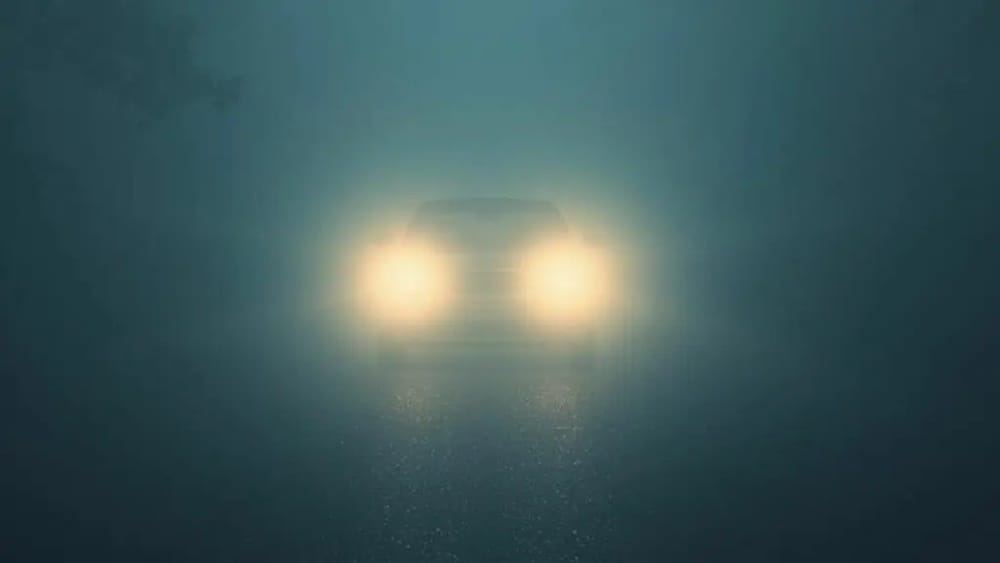
- Weather conditions: Rain, fog, and snow scatter headlight beams, amplifying glare.
- Aftermarket modifications: Installing non-compliant or overly bright bulbs in housings not designed for them increases glare risk.
Example: Suv Vs Sedan Headlight Glare
A study by the Insurance Institute for Highway Safety (IIHS) found that SUV headlights, being higher off the ground, are 30% more likely to cause disabling glare for drivers in sedans compared to sedans facing each other. This difference is especially pronounced at night and during inclement weather.
Data Table: Common Glare Triggers
| Glare Trigger | Description | Impact on Road Users |
|---|---|---|
| Improper Aim | Headlights not aligned correctly | Increases risk of blinding oncoming traffic |
| High Vehicle Height | Headlights mounted higher (SUVs, trucks) | Greater glare for smaller vehicles |
| Aftermarket Bulbs | Non-OEM bulbs in standard housings | Excessive, uncontrolled brightness and scatter |
| Weather Conditions | Rain, fog, or snow | Amplifies scatter and visual discomfort |
Credit: www.changinglanesnewsletter.com
Regulatory Standards And Gaps: How Bright Is Too Bright?
While technological advances have pushed headlight capabilities forward, regulatory standards have not always kept pace. The result is a patchwork of rules and enforcement across the globe.
United States Vs Europe: A Tale Of Two Standards
In the US, the Federal Motor Vehicle Safety Standard (FMVSS) 108 governs headlight brightness, beam pattern, and color. Maximum allowable intensity at any point is 75,000 candela. However, the US requires sealed beam patterns, limiting the use of more advanced adaptive lighting systems.
Europe, regulated by the UNECE (United Nations Economic Commission for Europe), allows matrix and adaptive headlights, which automatically adjust beam shape and intensity to avoid dazzling other drivers. The maximum intensity limit is similar, but enforcement focuses on real-world glare rather than technical specifications.
Enforcement And Compliance Challenges
- Lack of regular inspection: Unlike some European countries, the US does not require regular headlight aim checks as part of annual vehicle inspections.
- Aftermarket modification loopholes: Many aftermarket headlight kits far exceed legal limits, but enforcement is inconsistent.
- Adaptive lighting lag: US regulations restrict the use of adaptive driving beam (ADB) systems, despite evidence that they can reduce glare.
Example: Adaptive Headlights In Germany
According to a 2026 IIHS report, adaptive headlights are now standard on most new German vehicles. These systems detect oncoming vehicles and automatically dim portions of the beam, significantly reducing glare complaints compared to traditional setups.
Data Table: Us Vs Eu Headlight Regulations
| Regulation | US (FMVSS 108) | EU (UNECE R112/R123) |
|---|---|---|
| Maximum Intensity (candela) | 75,000 | 112,500 |
| Adaptive Headlights Allowed | Limited (recently approved) | Yes (widely used) |
| Annual Aim Inspection | No | Yes (in many countries) |
| Aftermarket Enforcement | Low, moderate | High |
Warning: Aftermarket Headlight Conversions
Many drivers install aftermarket HID or LED kits in vehicles not designed for them, thinking it will improve visibility. However, these setups frequently exceed legal brightness levels and create hazardous glare for others. Always consult your local regulations before modifying your headlights.
Credit: theweek.com
The Real-world Impact: Safety, Health, And Public Perception
The debate about headlight brightness extends beyond technical specifications; it’s a public safety and health issue that affects millions every night.
Accident Risk And Nighttime Driving
According to the National Highway Traffic Safety Administration (NHTSA), approximately 50% of fatal crashes occur at night, despite far less traffic compared to daylight hours. While brighter headlights can help drivers spot hazards sooner, they also contribute to glare-induced “whiteout” moments, where oncoming drivers are temporarily blinded.
A 2020 survey by the AAA Foundation for Traffic Safety found that 88% of drivers reported being “blinded” by headlights at least once in the past year, and 28% said it happened “regularly.” The effect is most severe on two-lane roads, where oncoming traffic passes in close proximity.
Health Impacts: Eye Strain And Visual Impairment
Glare from headlights is particularly problematic for:
- Older adults: Age-related changes in the eye (e.g., lens yellowing, slower adaptation) make glare more disabling.
- People with eye conditions: Cataracts, dry eyes, and post-surgical eyes are more sensitive to bright lights.
- Night shift workers: Fatigue increases glare sensitivity.
Symptoms include eye pain, headaches, reduced visibility, and increased stress, leading to higher accident risk.
Public Perception And Complaints
Consumer advocacy groups and online forums are filled with complaints about overly bright headlights. In 2026, the UK’s RAC (Royal Automobile Club) received more than 10,000 reports of headlight glare affecting driver comfort and safety, a number that has increased steadily since the widespread adoption of LEDs.
Example: Driver Experience In Rural Communities
On rural roads, a late-model pickup with factory HID headlights frequently causes oncoming drivers to flash their lights, even when the beams are correctly set to “low”. ” This highlights the mismatch between what is technically legal and what other drivers perceive as uncomfortably bright.
Pedestrian And Cyclist Safety
It’s not just drivers who suffer. Pedestrians and cyclists report difficulty judging vehicle distance and speed when faced with dazzling headlights, increasing their vulnerability at night.
Why Are Some Headlights More Problematic Than Others?
Not all bright headlights are equally troublesome. The issue is multifactorial, combining technology, installation, vehicle design, and user behavior.
Led And Hid Color Temperature
Cooler, blue-white lights (over 5,000 Kelvin) scatter more in the human eye and atmosphere, increasing glare compared to warmer, yellowish halogen lights. While they offer better contrast for the driver, they are more likely to cause discomfort to others.
Beam Pattern And Focus
Properly designed headlights concentrate light where it’s needed, on the road, while minimizing stray beams. Poorly focused or “flood” style beams, often found in aftermarket kits, spill light above the horizontal cutoff and into oncoming drivers’ eyes.
Vehicle Height And Headlight Placement
SUVs, pickups, and commercial vehicles typically have headlights mounted higher than passenger cars. This means their beams can hit the windshield and eyes of drivers in smaller vehicles directly, even if the headlights are legally compliant.
Improper Aim And Maintenance
Regular driving, suspension wear, and minor collisions can knock headlights out of alignment. A misaligned beam can easily double the amount of light directed at oncoming traffic. Yet, most drivers never check or adjust their headlight aim after purchase.
Example: A Case Of Aftermarket Led Bulbs
A 2026 test by the IIHS found that replacing standard halogen bulbs with high-output LED kits in a non-compatible reflector housing increased glare by over 300%, making the car non-compliant with federal standards, even though the driver felt the road was much brighter.
Solutions And Recommendations: Reducing Glare Without Compromising Safety
The challenge is to balance driver visibility with other road users’ comfort and safety. A multi-faceted approach is required, involving manufacturers, regulators, and individual drivers.
Stricter Regulation And Testing
- Mandate regular headlight aim checks as part of annual inspections.
- Enforce bans on non-compliant aftermarket bulbs and require clear labeling of legal products.
- Accelerate approval of adaptive beam technology in all markets to minimize unnecessary glare.
Improved Headlight Design
- Advanced optics: Use projector lenses and sharp beam cutoffs to direct light only where needed.
- Automatic leveling systems: Adjust headlight height based on vehicle load or angle.
- Selective yellow lighting: Consider offering warmer color temperature options, which reduce glare and improve contrast in fog and rain.
Driver Awareness And Best Practices
- Check your headlight aim every 12 months or after significant suspension work.
- Avoid aftermarket bulb upgrades unless your vehicle is specifically designed for them.
- Dim your high beams promptly for oncoming traffic and when following another vehicle.
- Clean your headlights regularly to maintain clarity and minimize stray light scatter.
Pro Tip: Diy Headlight Aim Check
You can roughly check your headlight aim at home by parking 25 feet from a wall on level ground and measuring the cutoff height. Consult your vehicle manual for specifications, and adjust accordingly with the provided screws.
Community And Infrastructure Solutions
- Improved road markings and signage: Reflective materials help drivers stay oriented despite glare.
- Separation barriers: Installing medians or vegetation can reduce direct exposure to oncoming headlights on busy highways.
Frequently Asked Questions
What Is The Legal Maximum Brightness For Headlights In The Us?
In the United States, the Federal Motor Vehicle Safety Standard (FMVSS) 108 limits headlight brightness to a maximum of 75,000 candela at any point in the beam. However, the actual perceived brightness and glare depend not just on the raw output, but also on beam pattern, aim, and headlight design. Enforcement of these standards varies by state, and regular inspections for headlight aim are not universally mandated.
Are Aftermarket Led Or Hid Headlight Kits Legal?
Most aftermarket LED or HID kits are not street-legal unless they are certified as compliant with federal and state regulations. Installing these bulbs in housings not designed for them often results in excessive glare and may violate local laws. Always check your state’s Department of Motor Vehicles guidelines and ensure any upgrades are labeled as DOT or SAE approved.
Do Adaptive Headlights Really Reduce Glare?
Yes, adaptive headlights use sensors and computer-controlled beam patterns to automatically adjust light output, dimming specific areas to avoid blinding other drivers. Studies from Europe, where adaptive headlights are widely used, show a notable reduction in glare-related complaints and an improvement in nighttime driving safety. However, the effectiveness depends on proper calibration and regulatory approval in your region.
Can Wearing Special Glasses Help Reduce Headlight Glare?
Special anti-glare or yellow-tinted glasses can marginally reduce discomfort from bright headlights, but they may also decrease overall visibility and contrast, especially in low-light conditions. The most effective strategies are to keep your windshield clean, adjust your mirrors to reduce reflections, and avoid looking directly at oncoming headlights.
How Can I Report Dangerously Bright Or Misaligned Headlights?
You can typically report hazardous headlights to your local law enforcement or Department of Motor Vehicles. Provide the vehicle’s license plate number, location, and a description of the issue. Some regions have dedicated hotlines or online forms for reporting automotive lighting violations. Persistent issues may prompt targeted enforcement or public awareness campaigns.
The debate about headlight brightness is a reflection of the broader tension between technological progress and public safety. As lighting technology continues to evolve, so too must our standards, enforcement, and awareness. By understanding the science behind glare and adopting best practices, both manufacturers and drivers can help ensure that brighter headlights fulfill their promise, illuminating the road ahead without endangering others. For those seeking deeper technical details or regulatory updates, the NHTSA Headlights Resource offers comprehensive, up-to-date guidance. Ultimately, a safer, more comfortable night drive is within reach, if we balance visibility with responsibility.
Products related to this article
Sponsored / affiliate links. As an Amazon Associate I earn from qualifying purchases. I may earn additional commission from eligible campaigns.