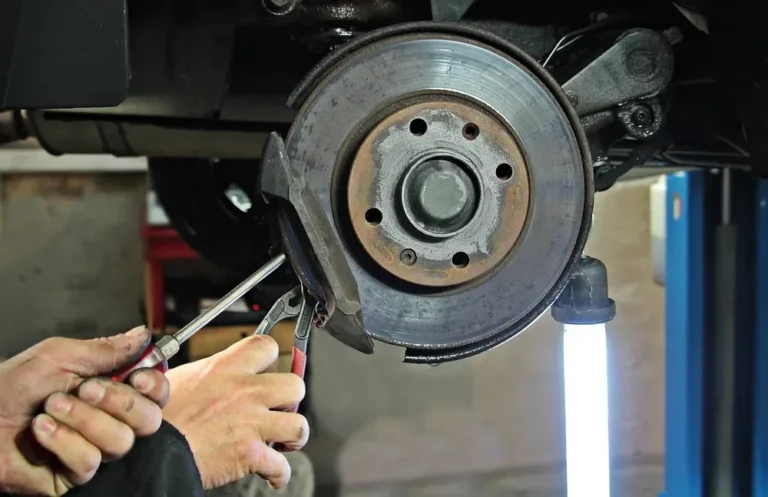
Why Is My Car Brake Smoking? Causes You Must Not Ignore
Few moments on the road are as alarming as noticing smoke billowing from your car’s brakes. Whether you catch a whiff of an acrid, burning smell or see visible vapor rising from your wheels, the sensation of panic is universal.
Many drivers dismiss this as a one-off occurrence, especially after spirited driving or descending a long hill. However, brake smoking is a red flag that should never be ignored. Beyond the unsettling visual, it’s a strong indicator of underlying issues that can compromise your vehicle’s safety and performance.
Understanding why your car brakes are smoking is not just about peace of mind; it’s about protecting yourself, your passengers, and everyone else on the road. The causes behind smoking brakes range from benign to potentially catastrophic. By learning the key reasons, warning signs, and necessary actions, you can prevent minor annoyances from becoming expensive or life-threatening problems.
This guide dissects the most common causes, offers actionable solutions, and provides expert-backed insights to help you keep your braking system in top condition.
Key Takeaways
- Brake smoking is a warning sign of excessive heat, mechanical failure, or improper maintenance.
- Common causes include overheated brakes, stuck calipers, low-quality parts, and improper driving habits.
- Ignoring smoking brakes can lead to brake fade, rotor warping, or total brake failure.
- Immediate steps include safely stopping, inspecting the brakes, and seeking professional help.
- Regular maintenance, using quality parts, and adapting your driving style can prevent most brake smoking issues.
- Learn when to DIY and when to consult a certified mechanic to avoid costly mistakes.

Credit: greatescapeparks.enchantedparks.com
Understanding Brake Smoking: What’s Really Happening?
When you see smoke emanating from your brakes, it indicates that friction has generated excessive heat in the braking components. This heat can cause the brake pads, rotors, or even brake fluid to reach temperatures high enough to vaporize, producing visible smoke and a strong burnt odor.
The underlying reasons for this phenomenon range from mechanical failure to driver behavior, each requiring specific attention.
The Science Of Brake Heat
Brakes work by converting kinetic energy (your car’s movement) into thermal energy (heat) through friction. Under normal conditions, this heat is dissipated into the air. However, when braking force is applied too long or too hard, the system can overheat. According to the Society of Automotive Engineers (SAE), normal disc brake operating temperatures range from 392°F (200°C) to over 932°F (500°C) during intense braking. Prolonged exposure to temperatures above this threshold can cause brake components to degrade rapidly.
In modern vehicles, brake systems are designed to withstand significant heat through careful engineering. Ventilated rotors, heat-resistant pad materials, and even active cooling mechanisms are used to manage temperatures. Yet, even with these advances, the basic physics remain unchanged: excessive friction equals excessive heat. When this heat is not adequately dispersed, it leads to the breakdown of friction material and potentially the vaporization of brake fluid, both of which can result in visible smoke and a noticeable drop in braking efficiency.
Heat buildup also impacts the molecular structure of brake pad materials. Organic pads may start to break down chemically, releasing gases and smoke, while semi-metallic and ceramic pads can experience glazing, where the pad surface becomes hard and shiny, further reducing friction and causing smoke.
Additionally, rotors can develop hot spots—areas of concentrated heat—that may cause warping or cracking if not addressed promptly.
Recognizing The Signs
Apart from visible smoke, other symptoms often accompany overheating brakes:
- Burning odor (chemical or metallic)
- Squealing, grinding, or hissing noises
- Spongy or fading brake pedal
- Reduced stopping power
- Excessive brake dust on wheels
- Vibration when braking
Understanding these signs is critical for taking prompt, informed action. The burning odor is typically the first sign most drivers notice, often described as similar to burning rubber or a metallic tang. Squealing or grinding noises may indicate not only overheating but also worn pads or damage to the rotor surface.
A spongy or fading brake pedal can signal that the brake fluid is boiling, leading to air bubbles and loss of hydraulic pressure. Reduced stopping power is the most dangerous symptom, as it directly affects your ability to control the vehicle.
Real-world Example: Mountain Descents
Consider a scenario where a driver navigates a long, steep mountain pass without using lower gears. The continuous brake application causes the pads and rotors to overheat, producing smoke and dramatically reducing braking performance—a condition known as brake fade. In extreme cases, this can lead to total brake failure, emphasizing the importance of proper braking techniques.
Drivers who routinely travel through mountainous regions often report brake fade after prolonged descents. In fact, according to the Colorado Department of Transportation, brake overheating is a major factor in truck-related accidents on mountain highways. Many professional drivers use engine braking and intermittent pedal applications to avoid continuous friction, illustrating the importance of technique in preventing smoking brakes.
Main Causes Of Smoking Brakes
Identifying why your brakes are smoking is essential for effective troubleshooting. Below are the most common causes, along with actionable advice for each.
Overheated Brake Pads
Overheated brake pads are the leading cause of smoke. This typically happens during:
- Prolonged braking (e.g., descending hills)
- Aggressive driving or track use
- Towing heavy loads
When the friction material gets too hot, it emits smoke and a burnt smell. High-performance pads can tolerate more heat but are not immune if abused.
Different types of brake pads have varying tolerances for heat. Organic pads, commonly used in passenger vehicles, tend to overheat more quickly than semi-metallic or ceramic pads. Once overheated, these pads can create a layer of gas between the pad and rotor—known as “outgassing”—which further reduces friction and increases the likelihood of smoking.
Drivers who frequently tow heavy loads or drive in hilly terrain should consider upgrading to pads designed for higher temperatures.
Stuck Or Seized Calipers
A stuck caliper fails to release the brake pad from the rotor, causing constant friction. Symptoms include:
- Persistent smoke from one wheel
- Vehicle pulling to one side
- Excessive heat from a single brake
A seized caliper is dangerous and should be addressed immediately by a professional.
The most common causes of stuck calipers include corrosion, worn seals, or insufficient lubrication of the caliper slides. In colder climates, salt and moisture can accelerate rust, causing calipers to seize unexpectedly. In addition, vehicles that are parked for long periods can develop seized calipers due to lack of use and lubrication.
Low-quality Or Contaminated Brake Pads
Cheap or contaminated pads can overheat and smoke under normal use. Signs of low-quality pads include:
- Excessive dust or rapid wear
- Unpleasant smells during moderate braking
- Discoloration or crumbling of pad material
Always choose pads that meet or exceed OEM specifications and replace them if contaminated by oil, grease, or brake fluid.
Contamination can also occur during routine maintenance. For example, if brake fluid leaks onto the pads, it can compromise their ability to generate friction and lead to rapid overheating. Similarly, oil or grease from nearby components can seep onto pads, especially in older vehicles, causing abnormal smoke and smell.
Worn-out Rotors Or Drums
When rotors or drums are excessively worn, they fail to dissipate heat properly, resulting in overheating. Look for:
- Deep grooves or discoloration on the rotor surface
- Pulsating brake pedal
Rotors or drums should be resurfaced or replaced according to manufacturer guidelines.
A worn rotor not only increases the risk of overheating but also can create uneven contact with the pad, leading to localized hot spots and smoke. In severe cases, rotors may become so thin that they crack under the stress, creating a safety hazard.
Improper Driving Techniques
Certain habits can accelerate brake overheating:
- Riding the brakes on long descents
- Late, hard braking in traffic
- Not downshifting in manual transmissions
Adopting proper techniques, such as engine braking and spaced-out pedal application, minimizes thermal overload.
Many drivers, especially those new to manual transmissions, neglect to use the gearbox for engine braking. This places excessive demand on the brakes, causing rapid heat buildup. Similarly, aggressive driving, such as frequent hard stops, can overwhelm even high-quality brake systems.
Educating drivers on best practices is a cost-effective way to reduce incidents.
Mechanical Failures And Other Causes
- Stuck parking brake: Driving with the parking brake engaged heats up rear brakes.
- Hydraulic issues: Faulty master cylinders or brake hoses can cause drag.
- Incorrect installation: Improperly fitted pads or missing hardware lead to uneven contact and heat.
Hydraulic issues, such as a malfunctioning master cylinder or collapsed brake hose, can cause a brake to remain engaged even when the pedal is released. This constant drag generates significant heat and smoke. Incorrect installation of brake components, such as missing anti-rattle clips or misaligned pads, can also cause uneven wear and overheating.
Case Study: Delivery Fleet Overhaul
A logistics company noticed frequent brake smoking in its fleet. Investigation revealed subpar aftermarket pads and overloaded vehicles as main culprits. Upgrading to premium pads and training drivers reduced smoking incidents by 80% within six months, according to their maintenance records.
The overhaul also included implementing a preventive maintenance schedule, where brakes were inspected every 15,000 miles and replaced proactively. Driver retraining focused on proper load distribution and braking techniques. This comprehensive approach not only reduced brake smoking incidents but also decreased overall fleet maintenance costs by 20%.
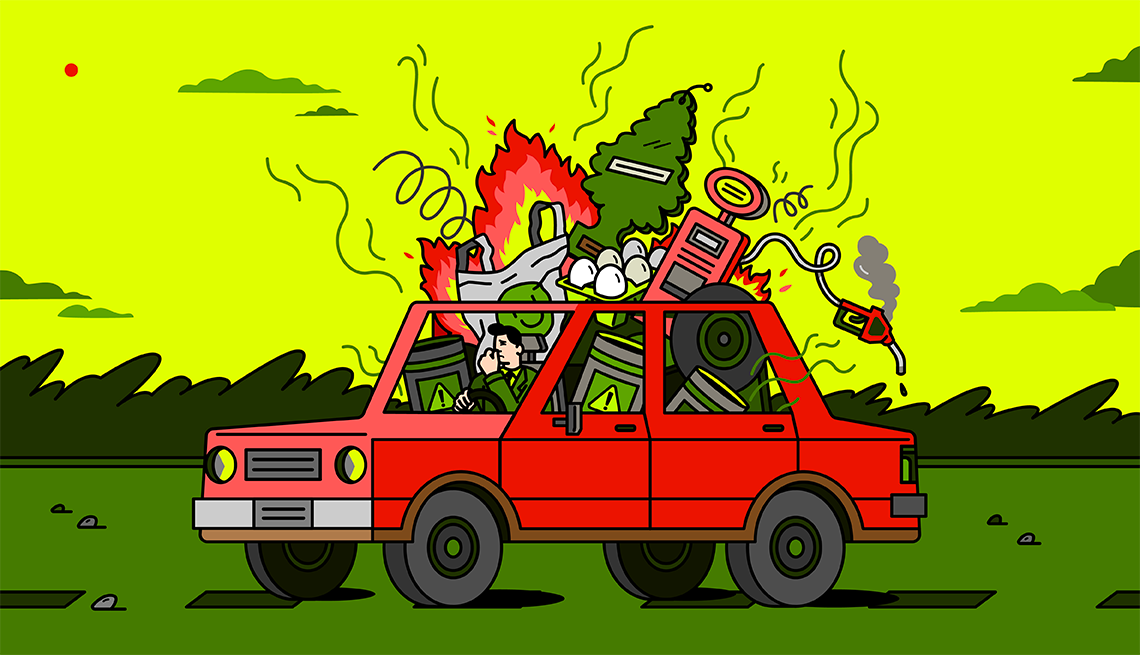
Credit: www.aarp.org
Immediate Steps To Take When You See Smoking Brakes
Reacting promptly to smoking brakes can prevent escalation from minor inconvenience to a roadside emergency.
1. Pull Over Safely
- Signal and steer to a safe location off the road.
- Avoid sudden stops unless absolutely necessary.
If possible, try to coast to a stop rather than braking hard. This minimizes additional heat and reduces the risk of further component damage. Choose a location with minimal traffic and ample space, such as a parking lot or wide shoulder.
2. Allow Brakes To Cool
- Do not pour water on hot brakes—this can warp rotors.
- Open windows and wait at least 15–30 minutes.
Allowing brakes to cool naturally helps prevent uneven cooling, which can lead to rotor warping or cracking. If the brakes are extremely hot, you may notice a hissing sound as the components cool, but avoid touching any metal surfaces, as they may cause burns.
3. Inspect Visually
- Check for obvious damage, discoloration, or fluid leaks.
- Note which wheel is affected for mechanic reference.
Look for signs such as melted or discolored pads, leaking fluid, or damaged hardware. If you notice fluid dripping from the caliper or hub area, do not attempt to drive further, as this indicates a potentially catastrophic failure.
4. Avoid Driving Further
- If the smoke persists or brakes feel abnormal, arrange for a tow.
- Do not risk driving with compromised braking ability.
Driving with overheated or damaged brakes increases the risk of brake fade, loss of control, or even fire. It is always safer to wait for professional assistance than to risk further damage or personal injury.
Real-world Example: Commuter Incident
A commuter noticed smoke from her front-left wheel after stop-and-go traffic. She pulled over, allowed the brakes to cool, and called a tow truck. The mechanic identified a seized caliper, preventing a potential accident.
This example underscores the importance of erring on the side of caution. The driver’s decision to stop and seek professional help avoided further damage and ensured her safety.
Table: Immediate Actions And Their Importance
| Action | Why It Matters | Potential Outcome |
|---|---|---|
| Pull over | Prevents further damage and ensures safety | Avoids accidents or fire |
| Let brakes cool | Reduces risk of warping or chemical breakdown | Preserves component life |
| Visual inspection | Identifies immediate hazards | Informs mechanic or roadside assistance |
| Call for help | Ensures professional repair | Prevents recurrence and escalation |
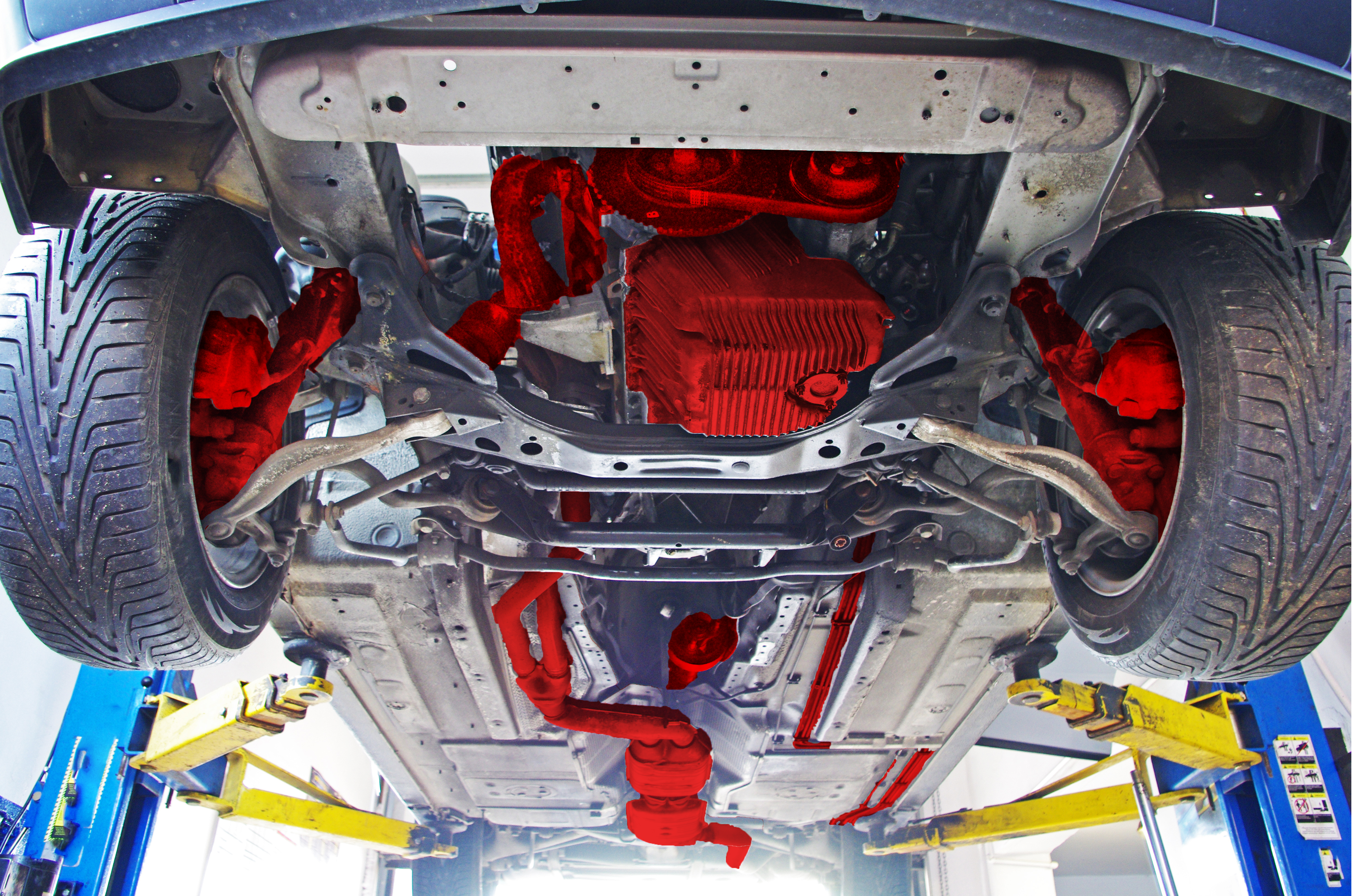
Credit: undercoatinginacan.com
Diagnosing Smoking Brakes: Diy Vs. Professional Help
Knowing when you can handle the issue yourself and when to seek expert assistance is crucial for both safety and cost-effectiveness.
Diy Diagnosis Steps
- Check for stuck calipers: Carefully touch the wheel (when cool)—a hot wheel can indicate a dragging caliper.
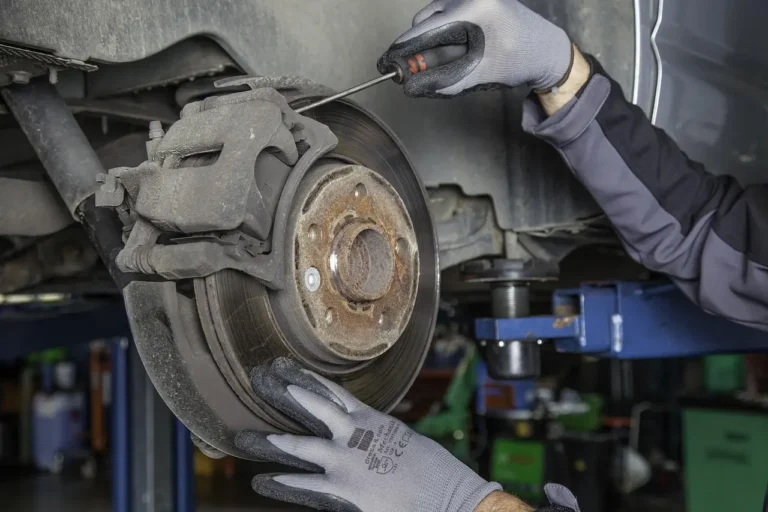
- Inspect brake pads and rotors: Look for visible wear, cracks, or discoloration.
- Test the parking brake: Ensure it is fully released and functioning properly.
If you have basic mechanical skills and tools, you can remove the wheel to inspect the brake assembly more closely. Look for signs such as uneven pad wear, broken hardware, or excessive buildup of brake dust. Also, check the brake fluid level and quality; dark or contaminated fluid may indicate overheating.
DIY repairs are feasible for:
- Replacing worn pads/rotors (if experienced)
- Cleaning contaminated components
- Adjusting the parking brake
For those comfortable with automotive maintenance, replacing pads and rotors is a straightforward job. However, ensure you follow proper torque specifications and bedding-in procedures to avoid future smoking issues.
When To Call A Professional
Seek a certified mechanic if you encounter:
- Persistent smoke after pad replacement
- Hydraulic fluid leaks
- ABS warning lights
- Advanced wear or mechanical failure
Professional mechanics have access to diagnostic tools, such as infrared thermometers and scan tools, to pinpoint issues quickly. They can also resurface rotors, replace calipers, or flush brake fluid safely and efficiently.
Case Study: Home Mechanic Pitfalls
A DIYer replaced his own pads but forgot to lubricate the caliper slides. This oversight caused a sticking caliper, resulting in smoking brakes and $300 in additional repairs—highlighting the importance of following proper procedures or consulting professionals.
Improper installation can also lead to missing anti-rattle clips or incorrect pad placement, both of which can cause uneven wear and overheating. Always consult the vehicle’s service manual or seek expert advice if unsure.
Table: Diy Vs. Professional Repair
| Issue | DIY Feasible? | Mechanic Recommended? | Average Cost (USD) |
|---|---|---|---|
| Pad replacement | Yes (if experienced) | No | $50–$200 (parts only) |
| Caliper replacement | No | Yes | $300–$500 |
| Hydraulic diagnosis | No | Yes | $100–$400 |
| Parking brake adjustment | Yes | No | $0–$50 |
Preventing Smoking Brakes: Maintenance And Driving Tips
Preventive action is the most effective way to avoid the dangers and costs associated with smoking brakes.
Regular Maintenance
- Inspect brake pads/rotors every 10,000 miles
- Replace brake fluid every 2 years
- Check for leaks, corrosion, or abnormal wear
Most automakers provide detailed maintenance intervals in their owner’s manuals. Following these can extend brake life and reduce risk.
Routine maintenance should also include checking the thickness of brake pads, examining rotors for scoring or warping, and inspecting calipers for signs of leakage or corrosion. Neglecting these checks increases the likelihood of unexpected failures and smoking brakes.
Use Quality Parts
- Choose OEM or reputable aftermarket brands
- Avoid ultra-cheap or unbranded pads
- Confirm compatibility with your vehicle’s specifications
Higher-quality pads often feature advanced friction materials, better heat dissipation, and improved longevity. Investing in premium parts may cost more upfront but reduces the risk of overheating and smoke.
Smart Driving Habits
- Use engine braking on long descents
- Brake early and gently in traffic
- Avoid unnecessary heavy loads
Educate yourself and others on proper braking techniques. For example, when driving downhill, shift into a lower gear to use the engine for braking, reducing reliance on brake pads. Anticipate stops and slow down gradually rather than braking hard at the last moment.
Periodic Professional Inspection
Schedule annual inspections, especially before road trips or if your vehicle is used for towing or heavy-duty tasks.
Professional inspections can uncover hidden issues such as worn caliper seals, contaminated fluid, or compromised hardware. Mechanics also check for proper installation and balance, which is crucial for even braking and heat dissipation.
External Resources
For further reading on brake maintenance best practices, visit the NHTSA Brake Safety Page and the AAA Brake Pad Replacement Guide.
Additionally, many local auto parts stores offer free brake inspections and advice. Leveraging these resources can help you stay proactive and informed.
Consequences Of Ignoring Smoking Brakes
Neglecting smoking brakes can have serious repercussions for both vehicle and occupant safety.
Brake Fade And Loss Of Control
Excessive heat reduces friction, resulting in brake fade—a dangerous condition where the brakes become less effective or fail completely.
Brake fade is particularly hazardous in emergency situations, where rapid stopping is required. Without adequate friction, the vehicle’s stopping distance increases dramatically, posing a risk to both occupants and other road users.
Rotor Warping And Component Damage
Sustained overheating can warp rotors, requiring expensive repairs. Severely damaged rotors may compromise the entire brake system.
Warped rotors can cause vibration, noise, and uneven braking, making the vehicle difficult to control. In severe cases, rotors may crack or break apart, leading to total brake loss.
Fire Risk
Brake fluid and pad materials are flammable under extreme heat. In rare cases, this can ignite a fire in the wheel area.
While uncommon, brake fires are most likely in vehicles with severely overheated components, such as those involved in aggressive driving or towing heavy loads. Fire can spread quickly from the wheel hub to other parts of the vehicle, necessitating immediate evacuation.
Increased Repair Costs
What starts as a $100 pad replacement can escalate into a $1,000+ repair if calipers, rotors, and hydraulic lines are damaged.
Ignoring initial symptoms leads to more extensive damage and higher costs. In some cases, insurance may not cover repairs resulting from neglect, leaving drivers with out-of-pocket expenses.
Legal And Insurance Consequences
Operating a vehicle with faulty brakes can lead to fines, failed inspections, or denied insurance claims in the event of an accident. For more details, see the Wikipedia: Brake article.
Many states require annual vehicle inspections, and brake failures are a leading cause of inspection failure. Legal consequences for driving with compromised brakes include traffic citations and liability in accidents.
Data-driven Comparison: Common Causes And Solutions
Understanding the most frequent causes and their best solutions can help you take decisive action.
| Cause | Symptoms | DIY Solution | Professional Solution | Estimated Repair Cost (USD) |
|---|---|---|---|---|
| Overheated pads | Smoke, odor, fade | Cool, inspect, replace pads | Full system check | $100–$250 |
| Stuck caliper | One hot wheel, pulling | Not recommended | Replace/rebuild caliper | $300–$500 |
| Poor quality pads | Rapid wear, smoke | Replace with quality pads | System flush, pad upgrade | $150–$300 |
| Worn rotors | Pulsing pedal, noise | Replace rotors | Resurface/replace rotors | $200–$400 |
| Parking brake engaged | Rear smoke, drag | Release/adjust brake | Repair linkage | $50–$250 |
Real-world Scenarios: Lessons From The Road
Learning from others’ experiences can provide valuable insight into preventing and addressing smoking brakes.
Long-distance Traveler
A frequent interstate traveler noticed smoke after repeated heavy braking in city traffic. After a mechanic inspection, it was found that worn-out pads and contaminated fluid caused the issue. Timely replacement prevented more costly repairs and restored confidence in the vehicle’s safety.
The mechanic also recommended switching to semi-metallic pads for better heat resistance, and flushing the brake fluid to restore hydraulic integrity. The traveler adopted new driving habits, such as avoiding hard stops and allowing more stopping distance, which minimized future brake overheating incidents.
Urban Delivery Van
A city delivery van suffered repeated brake smoking due to overloaded conditions and aggressive stop-start driving. Fleet managers implemented weight limits and scheduled more frequent brake inspections, reducing the incident rate significantly and extending brake life.
Additionally, the fleet invested in brake temperature monitoring tools, allowing drivers to check for overheating before problems escalated. This proactive approach resulted in fewer breakdowns and improved overall vehicle reliability.
Sports Car Enthusiast
A sports car owner experienced brake smoke during a track day. The cause: high-performance driving on street-grade pads. Upgrading to track-rated pads and fluid eliminated the problem, as recommended by Tire Rack experts.
After the upgrade, the owner noted improved brake performance and no smoking, even during extended track sessions. This scenario highlights the importance of matching brake components to intended vehicle use.
Frequently Asked Questions
Why Do My Brakes Smoke After Installing New Pads?
New pads may emit light smoke during their initial bedding-in period due to the curing of friction material. However, excessive or persistent smoke suggests improper installation, contaminated pads, or a stuck caliper. If smoke continues after 100 miles of normal driving, have the brakes inspected by a professional.
The bedding-in process, also known as “burnishing,” is necessary to achieve optimal friction between the pad and rotor. Light smoke and odor are normal during this phase, but if you notice noise, vibration, or persistent smoke, it may indicate a deeper problem.
Is It Safe To Drive With Smoking Brakes?
No, driving with smoking brakes is unsafe. The underlying cause could be severe, such as a stuck caliper or failing brake component, leading to reduced stopping power or complete failure. Always pull over, allow the brakes to cool, and seek professional assistance before resuming your journey.
Continuing to drive may result in brake fade, component damage, or even fire. Safety should always take precedence over convenience.
Can Wet Brakes Cause Smoking?
Wet brakes typically produce steam, not smoke. However, if water mixes with contaminated pads or overheated components, it can create the appearance of smoke. True smoke is usually a sign of excessive heat or mechanical failure, not just moisture.
Steam dissipates quickly and is usually odorless, while smoke lingers and produces a distinct burnt smell. If you are unsure, err on the side of caution and inspect your brakes.
How Can I Prevent My Brakes From Overheating On Long Downhill Drives?
Use engine braking by shifting to a lower gear, apply brakes intermittently rather than continuously, and avoid overloading your vehicle. If you frequently drive in mountainous areas, consider upgrading to high-performance pads designed for heat resistance. More tips are available from the National Park Service Brake Safety Guide.
Also, plan your route to include safe stopping points where you can allow your brakes to cool, and avoid following heavy trucks too closely, as their slower speeds may force you to brake more frequently.
What Does It Mean If Only One Wheel Is Smoking?
Smoke from a single wheel often indicates a stuck caliper, failed hose, or malfunctioning parking brake. This localized issue requires immediate attention, as it can lead to uneven braking, rotor damage, or loss of control. Have the affected brake inspected and repaired as soon as possible.
Addressing the issue quickly prevents further damage to the caliper, rotor, and surrounding components.
When To Seek Further Guidance
Smoke from your car’s brakes is never a trivial issue. While some causes—such as minor bedding-in of new pads—may resolve naturally, most require prompt inspection and intervention. If you’re unsure, err on the side of caution and consult a certified mechanic. For in-depth technical information, consult the Carfax Brake Problems Guide or the Consumer Reports Brake Maintenance Resource.
Prioritizing brake safety not only protects your vehicle but also the lives of everyone on the road. By recognizing the signs, understanding the causes, and acting quickly, you can ensure your braking system remains reliable and responsive when you need it most.
Products related to this article
Sponsored / affiliate links. As an Amazon Associate I earn from qualifying purchases. I may earn additional commission from eligible campaigns.