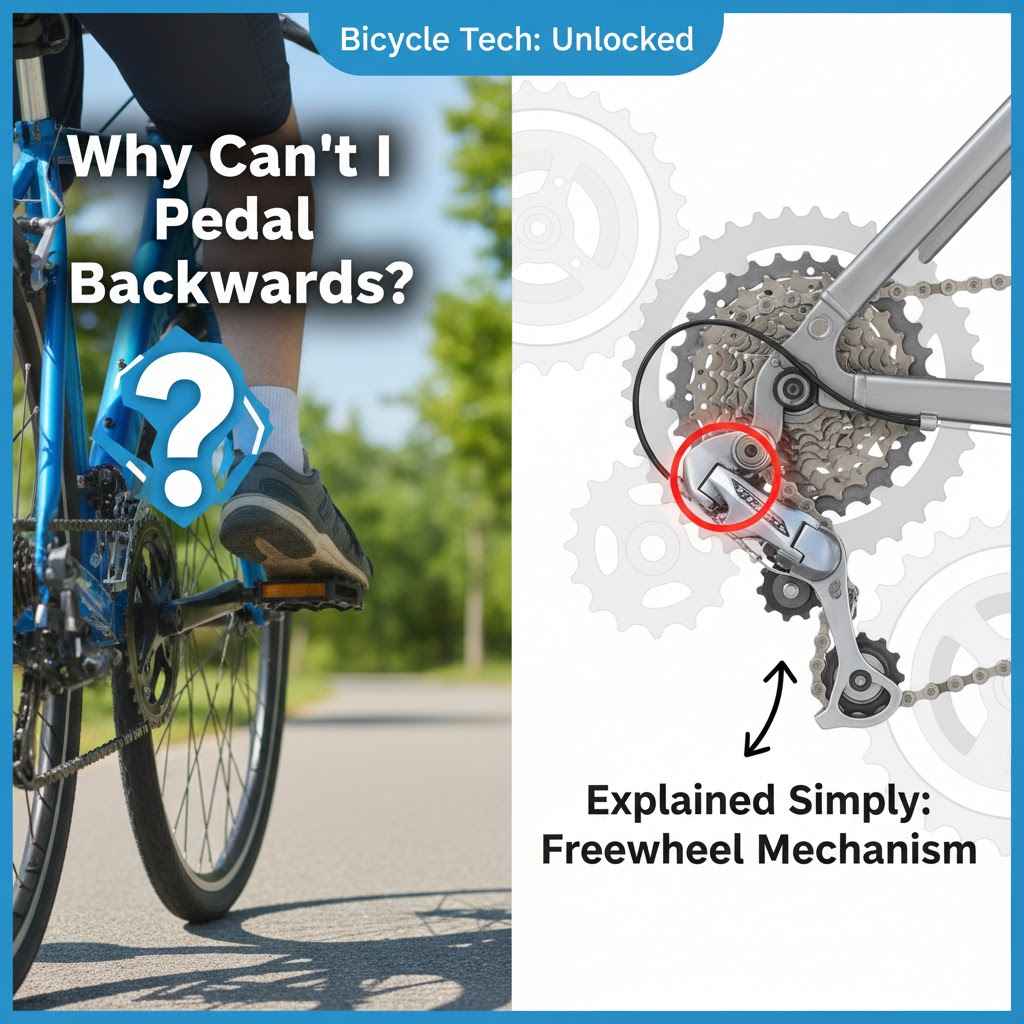
Why Can’t I Pedal Backwards on My Bike? Explained Simply
Many people who start cycling wonder about the mechanics of their bikes. One question that pops up often is, “Why can’t I pedal backwards on my bike? ” Maybe you tried pedaling in reverse and noticed nothing happened—or perhaps you heard a clicking noise, but the bike didn’t move.
This small detail confuses new and experienced cyclists alike. While it might seem like a simple issue, the answer is tied to how bicycles are designed, how power is transferred, and what kind of bike you own.
Let’s explore the real reasons behind this, how different bicycle systems work, and what it means for your cycling experience. By the end, you’ll know why most bikes work this way, when they don’t, and how this affects riding, maintenance, and safety.
How Bike Drivetrains Work
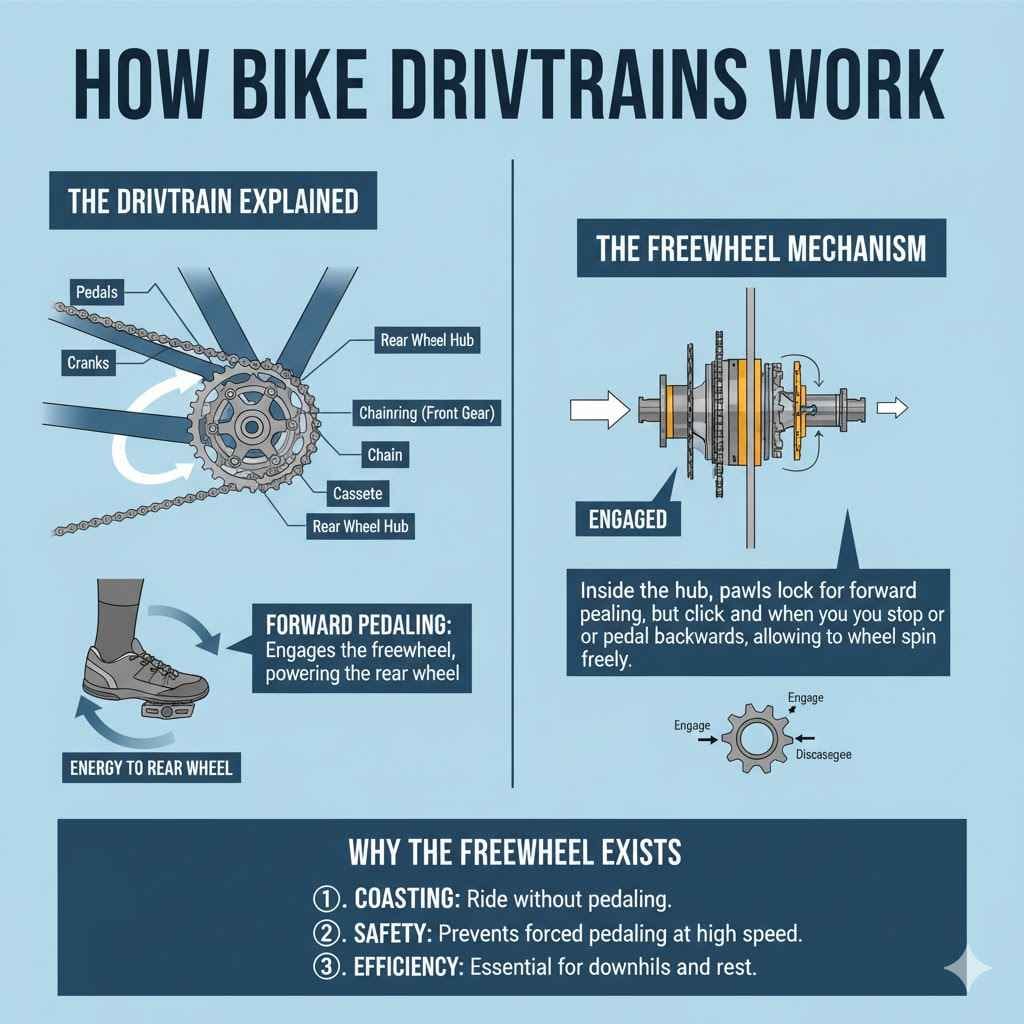
To understand why pedaling backwards doesn’t move your bike, you first need to know how a bike drivetrain functions. The drivetrain is the system that transfers your pedaling power to the wheels. It includes the pedals, cranks, chain, chainrings (front gears), cassette or freewheel (rear gears), and the rear wheel hub.
When you pedal forward, the energy goes through the chain to the rear wheel, making the bike move. But if you pedal backwards, most bikes today do not move in reverse. Why? The answer is in the rear hub.
The Role Of The Freewheel Mechanism
Almost all modern bikes use a freewheel or freehub mechanism. This part sits inside the rear wheel hub and allows the wheel to spin freely when you stop pedaling. If you pedal forward, the mechanism engages, driving the wheel. If you stop pedaling (or pedal backwards), it “freewheels,” meaning the wheel spins, but the pedals do not drive it.
A simple way to test this: lift the rear wheel off the ground and spin the pedals backwards. You’ll hear a clicking sound, but the wheel doesn’t turn. That’s the freewheel mechanism in action.
Why The Freewheel Exists
The freewheel lets you coast—ride without pedaling. This is important for safety, comfort, and efficiency, especially on downhills. Without it, your feet would be forced to move with the pedals at all times, which can be dangerous at high speed.
Types Of Bike Drivetrains And Their Effect On Backwards Pedaling
Not all bikes have the same drivetrain. Some do let you pedal backwards and move the bike (or at least move the chain and rear wheel). Let’s look at the most common types.
1. Freewheel (or Freehub) Bikes
Most modern road bikes, mountain bikes, and hybrid bikes use a freewheel or freehub. On these bikes:
- Pedaling forward powers the bike.
- Pedaling backwards does not move the bike.
- When you pedal backwards, you just spin the chain and crank—the rear wheel is unaffected.
This design is so common that many riders assume all bikes work this way.
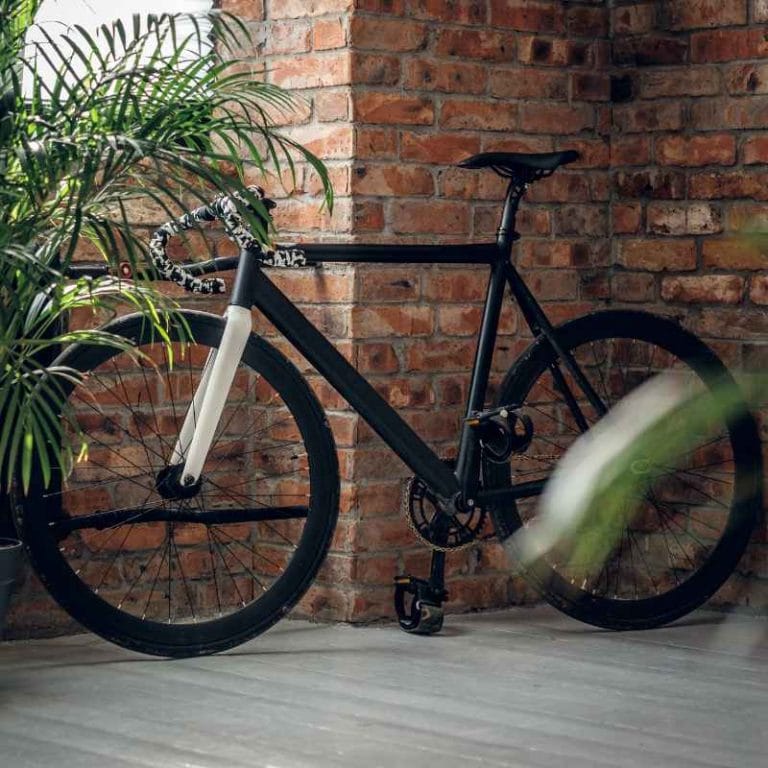
2. Fixed-gear Bikes (“fixies”)
Fixed-gear bikes work differently. In this system, there is no freewheel mechanism. The rear cog (gear) is fixed directly to the hub. If the wheel moves, the pedals move—and vice versa.
On a fixie:
- Pedaling forward moves the bike forward.
- Pedaling backwards moves the bike backwards (if you are stationary or on a stand).
- If the bike is in motion, the pedals always turn.
This allows for tricks like track stands or even riding backward, but it’s less forgiving for beginners. You cannot coast on a fixie; your feet must move with the pedals at all times.
3. Coaster Brakes
Some city bikes, kids’ bikes, and older bikes use coaster brakes. These are built into the rear hub and engage when you pedal backwards. They’re common on simple or cruiser bikes.
For these bikes:
- Pedaling forward moves the bike.
- Pedaling backwards activates the brake, stopping the bike.
- You cannot pedal backwards freely.
4. Internal Gear Hubs
A few bikes use internal gear hubs (like Shimano Nexus or Sturmey-Archer). Most of these still use a freewheel, so pedaling backwards does nothing. But some models (especially old ones) can be set up with coaster brakes.
5. Bmx Bikes
Many BMX bikes use a freewheel, but some use a freecoaster hub. With a freecoaster, the rider can roll backwards (fakie) without pedaling, but this doesn’t mean you can pedal backwards to go back; it just allows the pedals to stay still when rolling back.
Why Most Bikes Don’t Move When You Pedal Backwards
The main reason is safety and efficiency. The freewheel system lets you stop pedaling while the bike moves, especially downhill. It prevents your feet from being forced to turn at high speeds, which could lead to injuries.
Another reason is wear and tear. If you could pedal backwards and drive the bike, the drivetrain would wear out faster. Most people never need to pedal backwards to move a bike.
Common Misconceptions
There are a few myths around this topic:
- Pedaling backwards should move all bikes. Not true; only fixed-gear bikes do this.
- You can brake by pedaling backwards on all bikes. Only true for coaster-brake bikes.
- If your bike doesn’t move when pedaling backwards, it’s broken. For most bikes, this is normal and by design.
Inside The Freewheel: How It Works
If you want to know exactly why pedaling backwards does nothing, let’s look at the freewheel mechanism. Inside the hub are small parts called pawls. When you pedal forward, these pawls engage with the teeth inside the hub, transferring power to the wheel. When you stop pedaling or pedal backwards, the pawls slip over the teeth, making a clicking noise. The wheel spins independently, but the pedals do not.
This simple but clever design has been used for over 100 years, and it’s one of the reasons bikes are so safe and efficient for transport.
What Happens When You Pedal Backwards
On a typical freewheel or freehub bike:
- The pedals, cranks, chainrings, and chain move in reverse.
- The rear cassette/freewheel turns, but the pawls inside the hub slip, so the rear wheel does not move.
- The bike remains stationary unless you are on a fixed-gear bike.
If you have a coaster brake, pedaling backwards will activate the brake, which can be a surprise for new riders.
Can Pedaling Backwards Cause Problems?
Some riders worry that pedaling backwards might damage their bike. For most modern bikes, this is not a risk. Pedaling backwards at a normal speed does not hurt the drivetrain. However, there are a few things to keep in mind:
- Pedaling backwards while shifting gears can damage the derailleur or chain.
- If the chain is dry or dirty, pedaling backwards can make it fall off more easily.
- On a fixed-gear bike, pedaling backwards can cause you to lose balance if you’re not careful.
Examples: Different Bikes And Backwards Pedaling
Let’s look at how this works on different types of bikes.
Road Bike
A typical road bike uses a freehub. Pedaling backwards just spins the chain and cranks. The bike doesn’t move.
Fixie
On a fixed-gear bike, the pedals are always linked to the wheel. Pedaling backwards makes the bike move backwards (if stationary) or the pedals spin backwards as you roll back.
Cruiser With Coaster Brake
On a beach cruiser with a coaster brake, pedaling backwards quickly stops the bike.
Bmx Freecoaster
A BMX with a freecoaster hub allows you to roll backwards without the pedals turning. But you still can’t “drive” the bike backwards by pedaling in reverse.
Comparison: Freewheel Vs. Fixed-gear Vs. Coaster Brake
To help you see the differences, here’s a side-by-side look at the main types.
| Bike Type | Pedal Backwards | Can Coast? | Braking System |
|---|---|---|---|
| Freewheel/Freehub | No movement | Yes | Hand brakes |
| Fixed-Gear | Moves bike (if stationary) | No | Legs/Hand brakes |
| Coaster Brake | Activates brake | Yes | Pedal backwards |
Why Fixed-gear Bikes Allow Backwards Pedaling
Fixed-gear bikes are unique. The rear cog is threaded or bolted directly to the hub, so there’s no freewheel. Because of this, if you pedal backwards, the whole drivetrain moves, including the rear wheel. This lets you ride backwards (with skill) or do tricks. But riding a fixie on the street takes practice, as you cannot stop pedaling unless you stop the bike.
Some urban riders like fixed-gear bikes for the connection they feel to the road. Track cyclists also use them for the control they give in velodrome racing. However, they are not for everyone—especially beginners.
Unique Cases: Bmx Freecoaster Hubs
A freecoaster hub is a special BMX hub that lets the pedals stay still when rolling backwards. This is helpful for tricks, but it does not let you drive the bike backwards by pedaling. Instead, it “disconnects” the pedals from the wheel when rolling backward, so you can do fakies without your feet moving.
This is different from both freewheels and fixed-gears.
How Internal Gear Hubs Affect Pedaling Backwards
Most internal gear hubs use a freewheel, so pedaling backwards does nothing. However, some older or special models have integrated coaster brakes. If so, pedaling backwards will slow or stop the bike.
Internal gear hubs are found on city bikes, Dutch bikes, and some touring bikes. They offer low maintenance, weather protection, and smooth shifting. But for backwards pedaling, they act like any other freewheel system.
Does Backwards Pedaling Help With Chain Maintenance?
Some people spin the pedals backwards to clean or lubricate the chain. This is safe and often helpful. It lets you apply oil or check for stiff links. However, if you shift gears while pedaling backwards, you can cause the chain to drop or the derailleur to jam.
So, it’s best to shift gears only while pedaling forward.
Safety Considerations
Why did bike makers design them this way? Safety is a big reason. If bikes didn’t have a freewheel, high-speed riding would be dangerous. Imagine going down a hill and having to pedal at the same speed as the spinning wheels—your feet could fly off the pedals, or you could lose control.
With coaster brakes, the system is also safe for children or casual riders, since they can stop by pedaling backwards.
Are There Bikes That Move When You Pedal Backwards?
Yes, but they are rare. Fixed-gear bikes (and some circus or trick bikes) allow this. Some old bicycles, especially from the 1800s, were “direct drive”—the pedals connected straight to the wheel.
Today, almost all bikes use a freewheel for safety and ease of use.
The History Of The Freewheel
The freewheel was invented in the late 1800s. Before that, all bikes were direct-drive, like today’s fixies. The invention changed cycling by making long rides, hills, and high speeds much safer.
The freewheel also made cycling more comfortable. Riders could rest on downhills and avoid leg fatigue.
How To Tell What Kind Of Bike You Have
If you’re not sure which system your bike uses, here’s how to check:
- Lift the rear wheel. Spin the pedals backwards. If the wheel doesn’t move, you have a freewheel or freehub.
- Try coasting. If you can ride without the pedals moving, it’s not a fixie.
- Pedal backwards while riding. If the bike stops, you probably have a coaster brake.
- Check the rear hub. Fixed-gear hubs are usually simple, with no extra parts or levers.
If you’re still unsure, ask a local bike shop for help.
Impact On Riding Style And Skills
The type of drivetrain affects your riding experience. Freewheel bikes are easy for beginners and good for long rides. Fixed-gear bikes require more skill and attention. BMX freecoasters allow for tricks.
If you plan to do tricks, track stands, or ride in reverse, a fixie or BMX with a freecoaster is best. For commuting and fitness, a freewheel is safer.
Common Problems Related To Pedaling Backwards
Some issues can happen when spinning the pedals in reverse:
- Chain drop: The chain can come off, especially if it’s loose or the gears are dirty.
- Derailleur damage: Shifting while pedaling backwards can bend or jam the derailleur.
- Brake activation: On coaster brake bikes, pedaling backwards suddenly can cause unwanted braking.
Most of these are easy to avoid with regular maintenance and by not shifting gears while spinning backwards.
Real-world Examples
- Professional road cyclists always use freewheels, as they need to coast at high speeds.
- Urban riders sometimes choose fixed-gears for simplicity and style.
- Kids’ bikes often have coaster brakes for easy stopping.
- BMX riders use freecoaster hubs for tricks.
Each system matches the needs of the rider and the style of cycling.
Cost And Maintenance Differences
Here’s a quick look at how different systems compare for cost and upkeep.
| System | Cost (Average) | Maintenance | Durability |
|---|---|---|---|
| Freewheel/Freehub | Low–Medium | Easy | High |
| Fixed-Gear | Low | Very Easy | Very High |
| Coaster Brake | Low | Low | Medium |
| Internal Gear Hub | Medium–High | Low | High |
Two Insights Beginners Often Miss
- Backwards pedaling is not needed for riding. Many new cyclists think something is wrong if their bike doesn’t move in reverse when pedaling backwards. But this is normal for most bikes and actually keeps you safer.
- Drivetrain care matters more than pedal direction. The real key to a smooth ride is keeping your chain and gears clean and well-adjusted. Pedaling backwards is mostly harmless, but poor maintenance can cause real problems.
When Backwards Pedaling Is Useful
There are a few cases where spinning the pedals backwards helps:
- Chain lubrication: Spinning the pedals backwards lets you oil the chain without moving the bike.
- Drivetrain checks: You can check for stiff or bent links by turning the pedals backwards.
- Bike stands: On a repair stand, it’s often easier to spin the pedals backwards during service.
But on the road or trail, you won’t need to pedal backwards.
Should You Get A Fixed-gear Or Freewheel Bike?
If you want simplicity, direct connection to the wheel, and don’t mind always moving your feet, a fixed-gear can be fun. But for most riders, a freewheel bike is safer and more practical. If you’re not sure, try both at a local bike shop to see which feels better.
The Future: Will Bikes Ever Pedal Backwards?
It’s unlikely. The freewheel design is safe, reliable, and efficient. While some novelty bikes or circus bikes can move in reverse when pedaled backwards, almost all modern bikes stick with the current setup for good reasons.
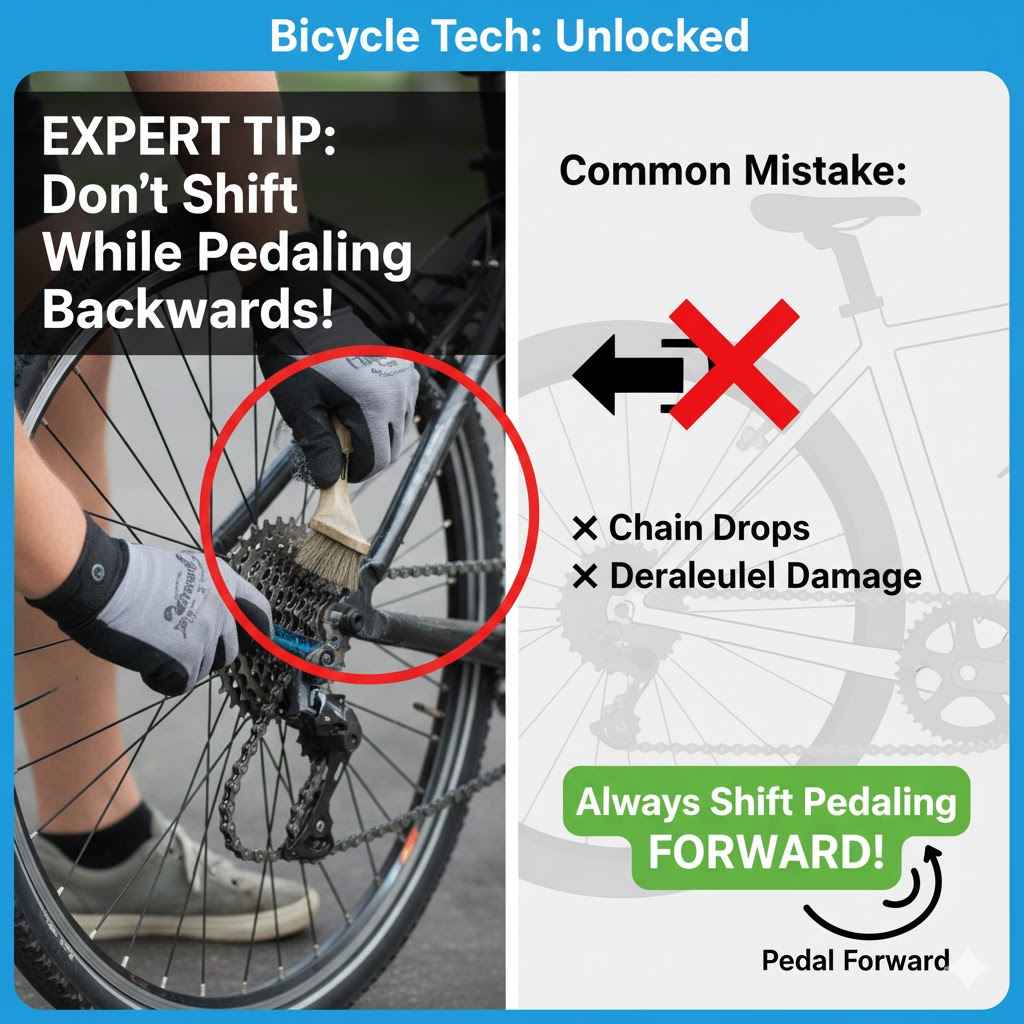
Expert Tip: Don’t Shift While Pedaling Backwards
One mistake new riders make is shifting gears while spinning the pedals backwards—often while cleaning the bike. This can lead to chain drops or derailleur damage. Always shift gears while pedaling forward.
Frequently Asked Questions
Why Does My Bike Make A Clicking Sound When I Pedal Backwards?
The clicking sound comes from the freewheel or freehub mechanism. Inside, small parts called pawls move over teeth as you pedal backwards. This is normal and means your hub is working correctly.
Can I Ride A Bike Backwards By Pedaling In Reverse?
On most bikes, you cannot ride backwards by pedaling in reverse. Only fixed-gear bikes allow this, and it takes skill and balance. Regular freewheel bikes will not move backwards when you pedal backwards.
Is It Bad For My Bike To Pedal Backwards?
For most bikes, pedaling backwards is not harmful. It won’t damage the chain or gears if you do it gently. However, avoid shifting gears while pedaling backwards, as this can cause problems.
Why Do Some Bikes Stop When I Pedal Backwards?
Bikes with coaster brakes (common on kids’ and cruiser bikes) stop when you pedal backwards. This is because the braking system is built into the rear hub and activates with backward pedal movement.
How Can I Tell If My Bike Is Fixed-gear Or Freewheel?
Lift the rear wheel and spin the pedals backwards. If the wheel doesn’t move, it’s a freewheel. If the wheel moves with the pedals, it’s a fixed-gear. You can also ask a local bike shop for help if you’re unsure.
Cycling offers many styles and technologies, but knowing how your bike works helps you ride safer and smarter. For more on bicycle mechanics, see Wikipedia: Bicycle drivetrain systems. Whether you’re coasting down a hill or learning a new trick, understanding your drivetrain gives you control and confidence on every ride. See also what are the advantages of clipless pedals for cyclists .