Ford Auto Locking Hubs Repair: Check Vacuum Lines First
Most Ford auto locking hub failures trace to a vacuum leak or kink in the line to the front axle, not a broken hub itself. This guide covers how to check the vacuum system first, before assuming you need new hubs.
Understanding Ford Auto Locking Hubs
Ford auto locking hubs are clever parts. They connect your front wheels to the drivetrain when you need four-wheel drive. They also disconnect them for better fuel economy when you don’t.

X AUTOHAUX
X AUTOHAUX 2 Pcs 4x4 Auto Locking…
- Fitment: The Auto Locking Hub fit for Ford Expedition 2003-2015, for Ford F-150 2004-2016, for Ford F-150 Heritage 2004, for Linc…
- OE Number: 4 Wheel Drive Locking Hubs replace number is 7L1Z-3C247-A, 7L1Z3C247A
- Function: The 4WD Auto Locking Hub is suitable for 4WD system vehicles, fits both front left or front right wheel hubs, help to so…
As an Amazon Associate I earn from qualifying purchases.
Most Ford trucks and SUVs from the late 80s to early 2000s use these. They work using vacuum or by sensing the wheel speed. This automatic action means you don’t have to get out and manually lock them like older trucks.
The main goal is simple: engage the front axle for power when needed. Then, disengage it when not. This saves gas and reduces wear on the 4×4 system.
When they work, you barely notice them. When they don’t, it’s a problem you can’t ignore.
Why Your Ford Locking Hubs Might Be Acting Up
Several things can go wrong with these automatic hubs. The most common culprit is wear and tear. Like any moving part, they can get dirty, rusty, or simply worn out over time.
Mud, water, and road salt are their enemies. They can seep into the hub assembly. This causes parts to stick or corrode.
Another big issue is vacuum leaks. For vacuum-operated hubs, a small leak in the hoses can stop them from engaging or disengaging. These hoses are often hidden and can crack or get loose.
Seals can also fail. This lets dirt and water inside, causing damage.
Sometimes, it’s just a simple lack of lubrication. The internal gears and springs need grease to move freely. If the grease dries out or gets contaminated, parts can bind.
This prevents them from working right. Broken springs are also a possibility. These springs help retract the locking mechanism.
The Common Problems and How They Manifest
You’ll know your hubs aren’t working right in a few ways. The most obvious sign is when your 4×4 light comes on, but you feel no difference in power. Your front wheels just keep spinning freely.
This means the front axle isn’t being driven by the transfer case.
Another symptom is a clicking or grinding noise when you turn. This can happen if the hub is partially engaged or if the internal gears are damaged. It might also make a clunking sound when you shift into or out of 4WD.
This is the sound of parts not aligning correctly.
Sometimes, the hub might stay locked when you want it unlocked. This means you might feel a drag or vibration at highway speeds. Your steering can also feel heavy.
This is because the front wheels are being forced to turn the front driveshaft. Conversely, it might not lock at all when you shift into 4WD. The front wheels won’t get power.
My Own Hub Nightmare: A True Story
I remember one particularly cold November morning. I was heading up to a campsite in the mountains. Snow was falling, and the road conditions were getting dicey.
I shifted my trusty Ford F-150 into 4WD. The dashboard light came on, but then I felt it – that familiar wheel spin. No engagement.
Panic started to set in. The road ahead was steep and slick. I was stuck on the side of the road.
I tried shifting in and out of 4WD a few times. Nothing. I even put it in reverse and backed up a bit, then tried again.
Still no luck. The grinding noise was faint but there. I could feel the truck wanting to move, but the front wheels weren’t pulling.
I had to wait for a snowplow to clear the immediate area enough for me to carefully limp back down the hill in two-wheel drive. Later, in my garage, I found the issue. A small, brittle vacuum hose had completely snapped.
A simple $5 part, but it left me stranded. That experience taught me to really understand my truck’s 4×4 system.
What’s Inside a Ford Auto Locking Hub?
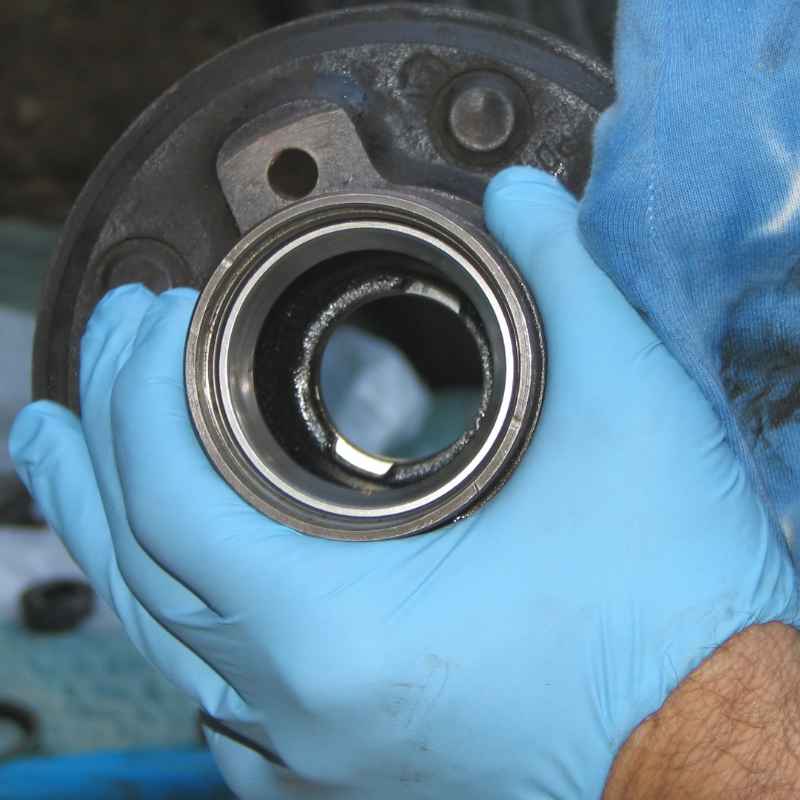
To fix them, you need to know what you’re dealing with. Inside the hub, you’ll find a few key parts. There’s a outer body, often called the hub cap or cover.
Inside this, there’s a locking ring or gear. This ring has teeth that engage with the wheel hub. A spring or diaphragm usually pushes this ring into the engaged position.
There’s also a cam or sliding mechanism. This is what moves the locking ring in and out. The automatic function usually relies on vacuum or sometimes speed sensors to tell the cam when to move.
A seal keeps dirt and water out. All these parts work together. When one fails, the whole system stops working.
Key Hub Components Explained
Outer Hub Body: This is the visible part on your wheel. It houses the internal workings.
Locking Gear/Ring: Teeth on this part connect to the wheel hub to transfer power.
Cam or Slider: This piece moves the locking gear in and out of position.
Spring or Diaphragm: Helps retract the locking gear to the disengaged position.
Seal: Keeps dirt, water, and debris out of the sensitive inner parts.
Vacuum Actuator (if applicable): Uses engine vacuum to move the cam/slider.
Step-by-Step Guide to Repairing Your Ford Locking Hubs
Let’s get down to fixing it. Remember to work safely. Use jack stands.
Make sure your truck is on a level surface.
Step 1: Gather Your Tools and Parts
You’ll need basic tools like sockets, wrenches, a pry bar, and possibly a torque wrench. You might need a special socket for the hub nut. Check your truck’s manual for specifics.
You’ll also need replacement parts. This could be a rebuild kit, a new hub assembly, vacuum lines, or seals.
Step 2: Remove the Hub Cap and Outer Components
Start by carefully prying off the hub cap. Be gentle to avoid scratching or breaking it. Once the cap is off, you’ll see the inner workings.
You might need to remove a locking nut or a series of bolts. Take pictures as you go. This helps you remember how it all came apart.
Step 3: Inspect for Visible Damage or Issues
Look for obvious problems. Are there any broken springs? Is the locking gear visibly damaged or worn down?
Is there excessive rust or dirt inside? Check the vacuum lines connected to the hub. See if they are cracked, split, or disconnected.
This is where my own problem was found.
Step 4: Disassemble the Hub Assembly
Carefully take the hub apart. There might be a specific order to removing bolts or locking rings. Use your photos to guide you.
Keep the parts organized. A magnetic tray is helpful. Note the condition of the seals.
If they look old or cracked, plan to replace them.
Quick Hub Disassembly Tips
- Take Pictures: Document each step.
- Stay Organized: Use a tray for small parts.
- Be Gentle: Avoid forcing parts.
- Note Spring Tension: Springs can pop out.
Step 5: Clean and Inspect Internal Parts
Once it’s apart, clean everything thoroughly. Use a degreaser or brake cleaner. Wipe away old grease, dirt, and rust.
Inspect the teeth on the locking gear and the mating surface on the wheel hub. Are they sharp and clean, or rounded and worn? Check the cam mechanism for smooth movement.
Step 6: Replace Damaged or Worn Parts
This is where you install new parts. If you bought a rebuild kit, use those new springs, seals, and perhaps a new locking gear. If a specific part like the locking gear is badly damaged, you might need a whole new hub assembly.
Replace any brittle or cracked vacuum lines.
Step 7: Lubricate Moving Parts
Apply a good quality, high-temperature grease to all moving parts. This includes the locking gear teeth, the cam mechanism, and any sliding surfaces. Don’t use too much.
You want them to move freely, not be caked in grease.
Step 8: Reassemble the Hub
Put everything back together in the reverse order of disassembly. Refer to your photos. Make sure the locking gear engages smoothly with its mating surface.
Ensure springs are seated correctly. Tighten bolts to the manufacturer’s specifications. If you removed a hub nut, torque it properly.
Step 9: Test the Hub Functionality
Before driving, manually test the hub. Try to engage and disengage it if possible, or have someone help you by turning the wheel while you shift the transfer case. Listen for any strange noises.
If it’s vacuum-operated, you can test the vacuum lines separately to ensure they hold pressure.
Step 10: Reinstall Hub Cap and Test Drive
Once you’re confident, put the hub cap back on. Go for a short test drive. Engage your 4WD at a slow speed.
Listen for noises and feel for any difference. Disengage 4WD and check if that feels normal too. If everything sounds and feels right, you’ve likely fixed it!
When to Consider a Full Hub Replacement
Sometimes, a simple cleaning and lubrication won’t cut it. If the internal gears of the locking hub are severely worn down, they won’t mesh properly anymore. This is especially true if the teeth are rounded off.
In such cases, a rebuild kit won’t help. You’ll need a whole new hub assembly.
Also, if the main body of the hub assembly is cracked or severely corroded, it’s time for a
If you find that vacuum actuators (if applicable) are damaged or corroded beyond repair, it might be more cost-effective to get a new hub assembly that includes a new actuator. Always weigh the cost of parts and your time against the cost of a new unit.
Signs You Need a New Hub Assembly
- Severely Worn Teeth: Locking gear teeth are rounded or chipped.
- Cracked Hub Body: The metal housing has visible cracks.
- Corroded Internals: Heavy rust that can’t be cleaned off.
- Damaged Actuator: Vacuum or electronic actuator is beyond repair.
- Persistent Issues: Multiple repairs haven’t solved the problem.
Real-World Context: Driving Conditions and Hub Wear
Where and how you drive your Ford truck greatly affects your locking hubs. If you live in an area with harsh winters, road salt and brine are major enemies. They accelerate corrosion inside the hubs.
Constantly driving through mud bogs or deep water can force contaminants into the seals.
Frequent use of 4WD in off-road situations is normal wear and tear. However, if you’re constantly engaging and disengaging at high speeds, or on dry pavement in 4WD, you’re putting undue stress on the system. This can speed up wear.
Most Ford systems recommend you only use 4WD on slippery surfaces. Driving in 4WD on dry pavement can cause drivetrain binding and damage.
The design of the hub also plays a role. Older automatic hubs might be more prone to issues than newer designs or manual hubs. Understanding your truck’s specific system and its limitations is key.
If your truck spends most of its life on paved roads, the hubs might not see much action. This can lead to seals drying out or parts seizing from lack of use. Sometimes, occasional use is needed to keep them working.
What This Means for You: When It’s Normal and When to Worry
It’s normal for locking hubs to sometimes be a bit stubborn. Especially if the truck has been sitting for a while. A little sticky feeling or a slight delay in engagement can happen.
A faint click when they engage is also typical.
You should worry if you hear loud grinding or clunking noises. This indicates metal-on-metal contact that shouldn’t be happening. If you feel a strong pull to one side when in 2WD, it could mean the hub is stuck engaged.
This is bad for fuel economy and drivetrain wear. If the 4WD light is on, but you feel no power to the front wheels, that’s a clear sign of a problem. Also, if you see grease or fluid leaking from the hub area, the seal has likely failed.
Simple Checks You Can Do:
- Visual Inspection: Look for obvious damage, rust, or leaks around the hub.
- Listen During Engagement: Pay attention to any unusual sounds when shifting into 4WD.
- Feel the Drive: Notice if the front end feels like it’s pulling or if steering is heavy in 2WD.
- Check Dashboard Lights: Ensure the 4WD light behaves as expected.
Quick Fixes and Maintenance Tips
Preventative maintenance is your best friend here. Regularly engage your 4WD, even if it’s just for a few minutes. Drive around your block on a slippery surface (like wet grass or gravel) to keep the internal parts moving and lubricated.
This is especially important for trucks that don’t see heavy off-road use.
Clean the exterior of the hub assembly periodically. Use a hose to spray away mud and dirt. If you’re comfortable, you can remove the hub cap and spray some cleaner inside.
Avoid high-pressure washing directly into the hub assembly, as this can force water past the seals.
If you notice a slight stiffness, try working the hub in and out of 4WD a few times. Sometimes, this is enough to free up a sticking mechanism. If you hear faint grinding, it might be dirt.
A quick spray of cleaner and some cycling of the hub might help before it gets worse. Always check vacuum lines if your truck uses them. Ensure they are secure and not cracked.
Hub Maintenance Checklist
Regular Use: Engage 4WD monthly for a short drive.
Cleaning: Spray off mud and debris from the exterior.
Seal Check: Look for signs of grease or fluid leaks.
Vacuum Lines: Inspect for cracks or loose connections (if applicable).
Listen Carefully: Note any new or unusual sounds.
Frequently Asked Questions About Ford Locking Hubs
What is the most common reason Ford auto locking hubs fail?
The most common reason for Ford auto locking hub failure is contamination. Dirt, water, and road salt can get into the hub assembly. This causes corrosion and wear on the internal parts, making them stick or not engage properly.
Can I convert my Ford auto locking hubs to manual hubs?
Yes, many Ford owners convert their automatic hubs to manual locking hubs. This is often done because manual hubs are generally more reliable and easier to diagnose. You’ll need a conversion kit specific to your Ford model, which
How often should I use my Ford’s 4WD to keep the hubs working?
It’s a good idea to engage your Ford’s 4WD at least once a month. Drive for a few minutes on a slippery surface like wet grass or gravel. This keeps the internal components lubricated and prevents seals from drying out or parts from seizing due to inactivity.
What does it mean if my 4WD light is on but my truck isn’t engaging 4WD?
If your 4WD light is on but you don’t feel power to the front wheels, it means the transfer case is likely sending power to the front driveshaft, but the locking hubs are not engaging. This could be due to a vacuum leak (on vacuum systems), a faulty hub actuator, or a problem with the internal locking mechanism itself.
How can I test if my Ford’s locking hubs are working correctly?
The easiest test is to shift into 4WD at a slow speed on a slippery surface. You should feel a noticeable difference in traction. If possible, have someone listen while you shift.
Also, ensure your steering doesn’t feel unusually heavy in 2WD, which could indicate a hub stuck in the locked position.
Are Ford auto locking hubs reliable?
Ford auto locking hubs are generally reliable for normal use. However, they are more complex than manual hubs and can be susceptible to issues from dirt, water, and lack of use. Many enthusiasts prefer manual hubs for their simplicity and perceived greater durability in harsh conditions.
Conclusion and Final Thoughts
Fixing Ford auto locking hubs can seem daunting, but it’s often a manageable DIY task. Understanding the components and common failure points is the first step. With careful inspection, cleaning, and replacement of worn parts, you can often restore full 4WD function to your truck.
Remember to work safely and take your time. Sometimes, a simple maintenance routine is all that’s needed to keep them working smoothly for years to come. Don’t let a stubborn hub keep you from enjoying your truck’s capabilities.
See also what is a good ford car to buy best models reviewed.
Related pick: Check today's price on Amazon
Products related to this article
Sponsored / affiliate links. As an Amazon Associate I earn from qualifying purchases. I may earn additional commission from eligible campaigns.