What Happens If an Electric Car Runs Out of Battery?
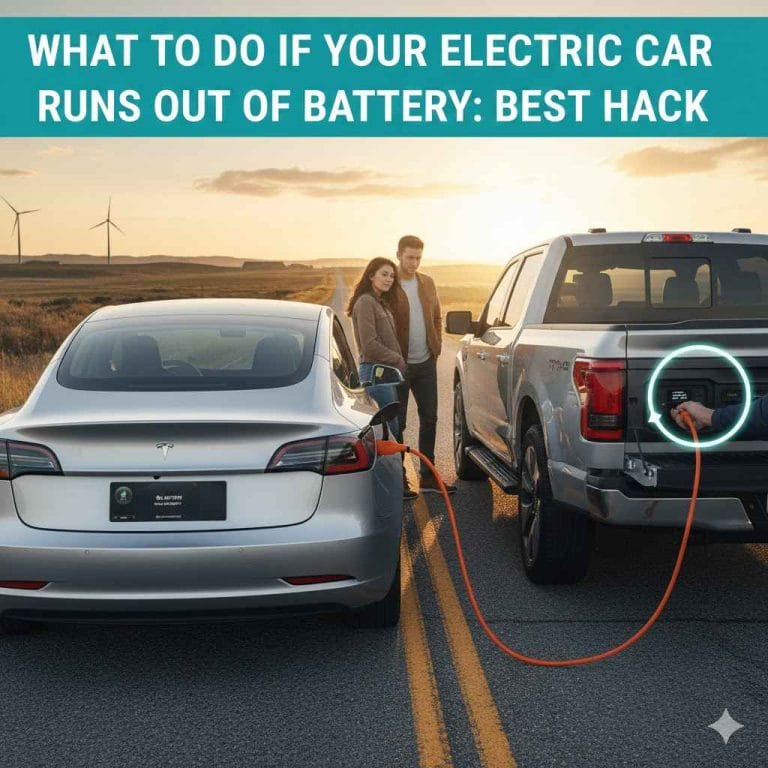
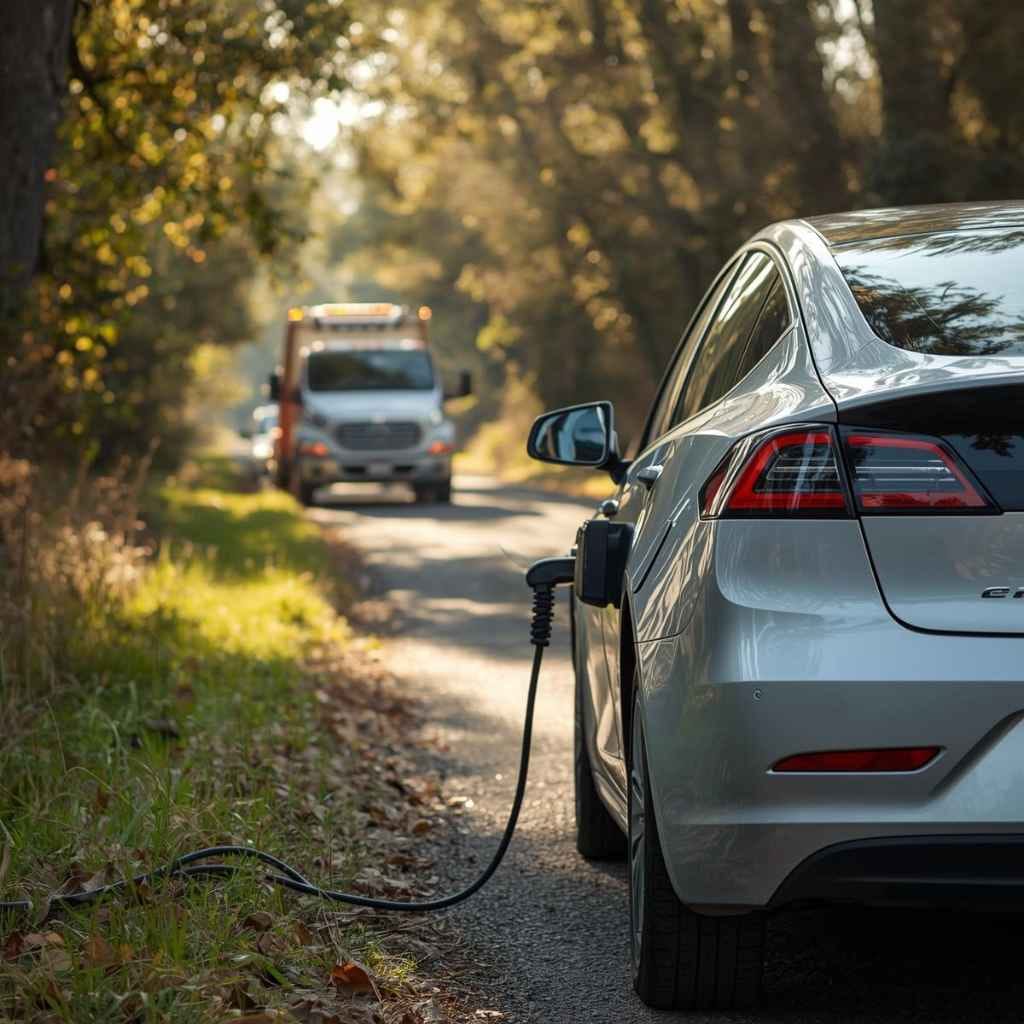
If an EV runs out of battery, it slows down and stops safely like any car running out of fuel — it does not stall suddenly or damage the motor. Turn on hazard lights, coast to the shoulder, and call roadside assistance; most EV manufacturers offer flatbed towing or an emergency mobile charging van.
Below is what actually happens as the battery hits zero, how towing works for an EV specifically, and how to avoid getting stranded in the first place.
What Happens When An Electric Car Runs Out Of Battery?
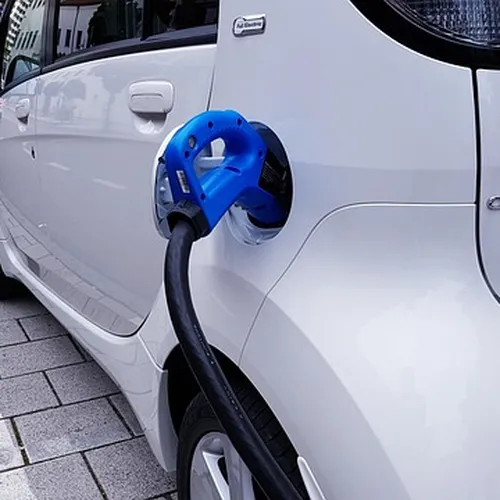
TopAutoGear Portable EV Charger, Level 1 & 2, Works with All J1772 EVs
Best for: Keeping in the trunk so a dead EV can add enough range from any standard outlet to reach a real charging station.
Why we picked it: It plugs into a normal 110V household outlet with the included adapter, so it works at a friend’s house, a hotel, or any building with power — no charging network membership needed.
Main drawback: Level 1 charging on a standard outlet only adds about 3-5 miles of range per hour, so it’s an emergency bridge, not a real charging solution.
Check Price on Amazon| Product | Best For | Price Range | Link |
|---|---|---|---|
 DEDC Roadside Safety Triangle Kit |
Making a stopped EV visible to traffic on a shoulder or highway while you wait for help | $ | View |
 NOCO Boost GB40 Jump Starter |
Reviving the separate 12V accessory battery, a different and more common cause of an EV that “won’t start” even with a charged traction battery | $$ | View |
An electric car’s battery is like its fuel tank. If the battery reaches zero, the car cannot move. But the process is not sudden. Most EVs have warning systems that tell you when the battery is low. The car gives plenty of alerts—sometimes starting at 20% charge, and then more urgently at 10% or lower. As the battery drains, you may notice:
- Reduced power: The car may drive slower to save energy.
- Limited features: Air conditioning, radio, and heated seats might turn off.
- Range estimate: The dashboard shows how far you can go.
- Warning lights and messages.
When the battery is completely empty, the car will stop. It won’t start again until it’s recharged. Usually, the car tries to protect the battery from deep damage by shutting down before it reaches absolute zero.
Example: The Nissan Leaf goes into “turtle mode” at very low battery, moving very slowly, before stopping entirely.
Can An Electric Car Be Towed Or Pushed?
If your EV stops, you might think you can just tow or push it like a regular car. However, towing electric cars is not always simple.
- Most EVs use an electric motor, not a traditional gearbox.
- Towing with wheels on the ground can damage the motor or battery.
- Many manufacturers recommend using a flatbed tow truck.
Pushing the car is usually not possible once the electronics shut down, as the car’s systems lock up for safety.
What If You Try To Jump-start An Electric Car?
Jump-starting an EV is not like jump-starting a gas car. The main battery (for driving) is high-voltage and cannot be recharged by jumper cables. You can only jump-start the 12V battery, which powers the dashboard and electronics—not the motor.
If your car stopped due to a dead main battery, jump-starting will not get you moving. You need to recharge the main battery with a proper charger.
What Should You Do If Your Electric Car Runs Out Of Battery?
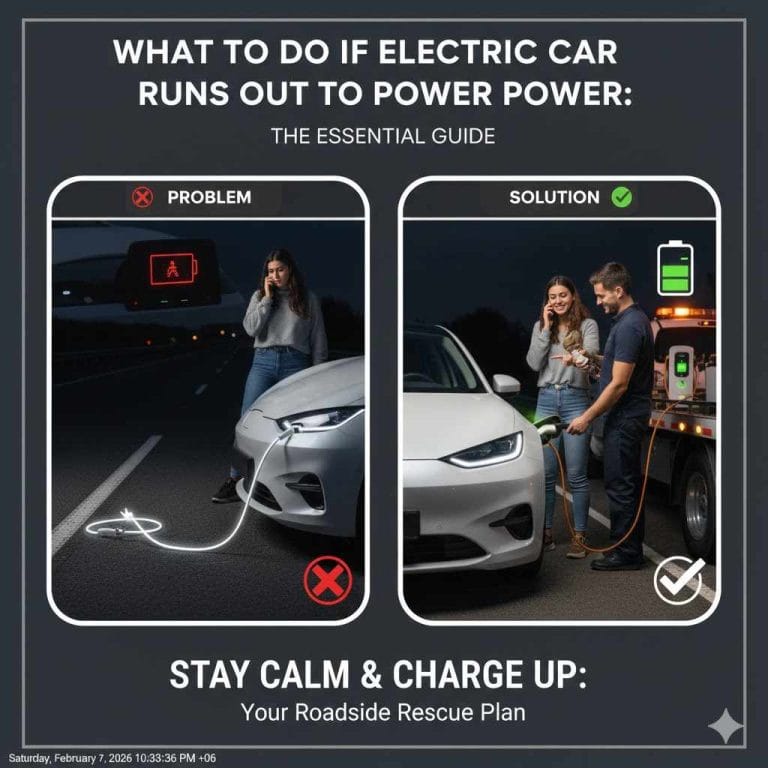
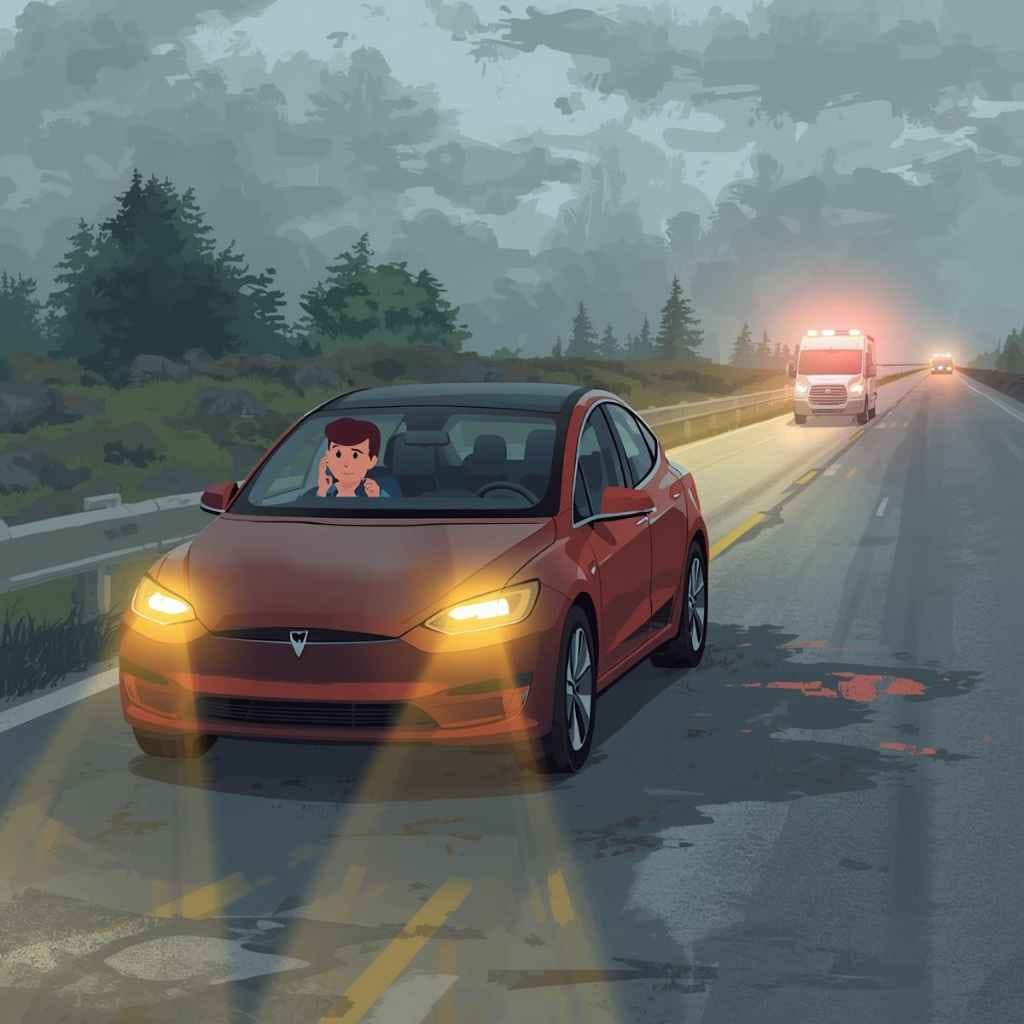
If you find yourself stopped with a dead battery, here’s what you should do:
- Pull Over Safely: If you still have some power, move to the side of the road. Turn on your hazard lights.
- Stay Calm: Your safety is most important. Stay inside the car if you are in a dangerous area (e.g., busy highway).
- Call for Roadside Assistance: Many car insurance plans and EV manufacturers offer special help for dead batteries. They can send a flatbed tow truck or, sometimes, a portable charger.
- Use Your Car’s App: Many EVs have apps that can call for help, show your location, and give battery details.
- Do Not Try to Walk for Help on Busy Roads: It’s safer to wait for assistance.
How Long Does It Take To Recharge A Dead Electric Car?
Once you’re towed or a mobile charger arrives, recharging can take time. The speed depends on the charging method:
| Charging Method | Charging Speed | Time for 30 Miles Range |
|---|---|---|
| Level 1 (Home Plug) | 2-5 miles/hour | 6-15 hours |
| Level 2 (Public/Wallbox) | 10-30 miles/hour | 1-3 hours |
| DC Fast Charger | 100-200 miles/hour | 10-20 minutes |
| Mobile Roadside Charger | Varies (Often 5-20 miles total) | 15-60 minutes |
Most roadside charging services will give you enough power to reach the nearest charging station, not a full battery.
What Damage Can Happen If Your Battery Runs Out?
Running a battery completely empty is not recommended. While most EVs are designed to protect themselves, there are potential risks:
- Battery Stress: Fully draining the battery can reduce its life over time.
- Loss of Data: Some systems may not save trip data.
- Inconvenience: You may be stranded for hours.
Manufacturers build in “buffer zones” so the battery never truly reaches zero. However, frequent deep discharges can slowly damage the battery.
Non-Obvious Insight: Some EVs hide a small reserve after “zero miles” so you have a few extra miles to find help. Don’t rely on this—it’s for emergencies only.
How Do Gas Cars And Electric Cars Compare When They Run Out Of Power?
Let’s compare what happens when both types of cars run out of energy.
| Feature | Gas Car | Electric Car |
|---|---|---|
| Refueling | Jerrycan with fuel | Needs charging equipment |
| Towing | Can be towed or pushed | Flatbed tow preferred |
| Restart Time | Minutes | Minutes to hours |
| Damage Risk | Low | Possible with deep discharge |
| Warning Systems | Fuel light | Range estimate, warnings, reduced power mode |
Practical tip: Unlike a gas car, you cannot carry a “spare battery” for your EV. Planning ahead is essential.
Why Do Drivers Run Out Of Battery? Common Causes
Even with all the warnings, some drivers still run out of battery. Here are the main reasons:
- Overestimating Range: Real-world range changes with speed, temperature, and hills.
- Ignoring Warnings: Some drivers push past low-battery warnings, hoping to make it.
- Lack of Charging Stations: In some areas, chargers are far apart or busy.
- Cold Weather: Batteries lose power faster in low temperatures.
- Unexpected Detours: Traffic, road closures, or missed turns can use more energy.
- New Owners: Many first-time EV drivers are unfamiliar with range limits.
Non-Obvious Insight: Using fast chargers too often can reduce battery health over time, making range estimates less accurate.
How To Prevent Running Out Of Battery In An Electric Car
Avoiding a dead battery is much easier than fixing one. Here’s how to reduce your risk:
- Plan Your Route: Use your car’s navigation or apps like PlugShare to find chargers along your route.
- Charge Early, Not Late: Try to recharge when you reach 20-30% battery, not when you’re nearly empty.
- Monitor Energy Use: Turn off extra features (like AC or heated seats) if you’re running low.
- Know Your Car: Every EV has its own range habits. Learn how yours performs in different conditions.
- Watch the Weather: Cold and hot weather can reduce range by 10-30%.
- Join EV Communities: Local drivers can share tips about reliable charging spots.
- Carry a Portable Charger: Some companies sell small “emergency” chargers that give a few miles of range—good for peace of mind, though slow.
What Should You Do Differently In Extreme Weather?
Cold and heat affect battery performance. In winter, batteries use more energy to stay warm and lose power more quickly. In summer, running the AC can eat up range. Here’s how to adapt:
- Precondition the Car: Warm up or cool down the interior while the car is still plugged in.
- Drive Smoothly: Sudden accelerations use more energy.
- Keep the Battery Warm: If possible, park in a garage during winter.
Example: A Tesla Model 3 can lose up to 40% range in deep winter if not managed carefully.
What Happens After An Ev’s Battery Is Dead For A Long Time?
Leaving an EV with a dead battery for days or weeks is risky. The 12V battery (which powers the car’s locks and systems) can also drain. If that happens, you may need to jump-start the 12V battery just to open the doors or start charging.
Practical Advice: If your EV runs out of battery, recharge it as soon as possible. Do not leave it dead for long periods.
Real-world Stories: What Drivers Have Experienced
Many EV drivers have shared their experiences online. Here are a few examples:
- Urban Run-Out: A Nissan Leaf owner in London ignored repeated warnings and stopped in the middle of traffic. It took 45 minutes for a tow truck to arrive. Lesson: Listen to your car’s alerts.
- Highway Breakdown: A Tesla driver misjudged the effect of cold weather and ran out of power 5 miles from the nearest charger. Mobile charging service gave them enough power to reach the station.
- Family Trip: A family in a Hyundai Kona EV relied on the car’s range estimate, but heavy traffic and hills used more power than expected. They made it to a charger with 1 mile left, proving that planning is key.
What Services Help Electric Cars That Run Out Of Battery?
EV drivers now have more help options than before:
- Roadside Assistance: Most car insurance plans and automakers (like Tesla and Nissan) offer EV-specific roadside help.
- Mobile Charging Vans: In some cities, companies offer vans with portable chargers to give you a quick boost.
- Charging Networks: Companies like Electrify America and ChargePoint have apps to locate the nearest working charger.
- Peer-to-Peer Charging: Apps like PlugShare let you find people willing to share their home charger in an emergency.
External Reference: For a global map of charging stations, check PlugShare.
What If You’re In A Remote Area With No Signal Or Help?
In rural or remote locations, getting help can take longer. Here’s what you can do:
- Keep Your Phone Charged: A dead phone makes things worse.
- Stay With the Car: It’s easier for rescuers to find you.
- Use Emergency Features: Some EVs can send your GPS location even with low power.
- Carry Emergency Supplies: Water, snacks, and a blanket can make waiting more comfortable.
How Do Modern Evs Warn You Before Running Out?
Technology helps prevent surprises. Most EVs:
- Show range estimates based on real-time driving.
- Give audible and visual warnings at 20%, 10%, and even 5% battery.
- Suggest nearby charging stations.
- Activate “limp mode” or “turtle mode” to stretch out the last few miles.
- In some cars, navigation systems automatically reroute you to the nearest charger if range is low.
Tip: Don’t ignore “limp mode”—it means you are very close to stopping.
Can Electric Cars Use Portable Generators?
Some drivers wonder if they can carry a gasoline generator to recharge their EV in an emergency. While technically possible, this is not practical for most people:
- Generators are heavy and noisy.
- Charging is very slow (hours for just a few miles).
- It partly defeats the purpose of driving electric.
However, in rare cases (like long off-grid trips), some EV owners do carry small generators as a backup.
What About Hydrogen Or Plug-in Hybrid Cars?
Hydrogen cars and plug-in hybrids have different solutions:
- Hydrogen cars can refuel quickly, but stations are rare.
- Plug-in hybrids can switch to gasoline when the battery is empty, so they are less likely to be stranded.
Pure electric cars require a charging solution. If you drive a full EV, planning is more important.
How Will This Change In The Future?
The risk of running out of battery will decrease as technology improves:
- More Charging Stations: Networks are growing every year.
- Faster Charging: New chargers can add 100 miles in under 10 minutes.
- Better Batteries: New EVs have longer ranges (300+ miles is common).
- Smart Navigation: Cars will plan charging stops automatically.
- Wireless Charging: Some roads may offer charging while you drive in the future.
Still, good habits and smart planning will always help.
Frequently Asked Questions
What Happens If An Electric Car Battery Dies Completely?
When the main battery reaches zero, the car will stop and not move until recharged. Most EVs have safety buffers to protect the battery, but you’ll need a tow or mobile charger to get moving again. It does not permanently damage the car if it happens rarely.
Can You Push Or Tow An Electric Car If It Runs Out Of Battery?
Most EVs should not be pushed or towed with wheels on the ground, as this can damage the motor. Always use a flatbed tow truck. Check your car’s manual for the right towing method.
How Do I Avoid Running Out Of Battery In My Ev?
Plan your trips, recharge early, and use your car’s navigation to find charging stations. Learn how weather and driving style affect your range. Never ignore low-battery warnings.
Is Running Out Of Battery Bad For My Electric Car?
Occasional emptying is not a disaster, but frequent deep discharges can reduce battery lifespan. Always try to recharge before reaching zero.
Are There Emergency Chargers For Electric Cars?
Yes, in some cities, mobile charging vans can give your car enough power to reach a station. Some owners carry small portable chargers, but these are slow. Roadside assistance can help in most areas.
Driving an electric car is easy and safe if you’re prepared. Modern EVs rarely leave you stranded without warning. With a little planning, you can enjoy all the benefits of electric driving and never worry about running out of battery.
Products related to this article
Sponsored / affiliate links. As an Amazon Associate I earn from qualifying purchases. I may earn additional commission from eligible campaigns.