How Much Does a Car Bulb Cost? Budget-Friendly Guide
Car headlights and interior bulbs are often overlooked until they fail, yet they play a critical role in both vehicle safety and style. If you’ve ever had a bulb burn out, you know it can be surprisingly confusing and sometimes costly to replace. From budget halogen bulbs to advanced LED and HID options, the cost of car bulbs varies widely depending on your vehicle, the bulb type, and where you buy them. Understanding the true cost of replacing a car bulb, and how to do it affordably, can save you money and prevent unnecessary stress.
This comprehensive guide explores how much a car bulb costs, which types are most budget-friendly, and how to maximize value without sacrificing safety. Drawing from real-world examples, comparisons, and actionable tips, you’ll learn how to make informed decisions, whether you’re a DIY car owner or someone who prefers to leave things to the pros. By the end, you’ll have a clear roadmap to choosing the right bulb for your needs and budget.
Key Takeaways
- Car bulb costs range from $5 for basic halogens to over $100 for high-end HIDs and LEDs.
- The main types, halogen, HID, and LED, differ in price, brightness, and longevity.
- Choosing the right bulb can save money on replacements and improve driving safety.
- DIY installation is possible for most vehicles and can reduce total cost significantly.
- Prices vary based on brand, vehicle compatibility, and purchase location.
- Pro Tip: Always check your vehicle’s manual to ensure compatibility before purchasing any bulb.

Credit: mtruhl.com
Understanding Car Bulb Types And Their Costs
Replacing a car bulb isn’t as straightforward as swapping out a household light. There are several types, each with distinct advantages, downsides, and price points. Let’s break down the main categories.
Halogen Bulbs
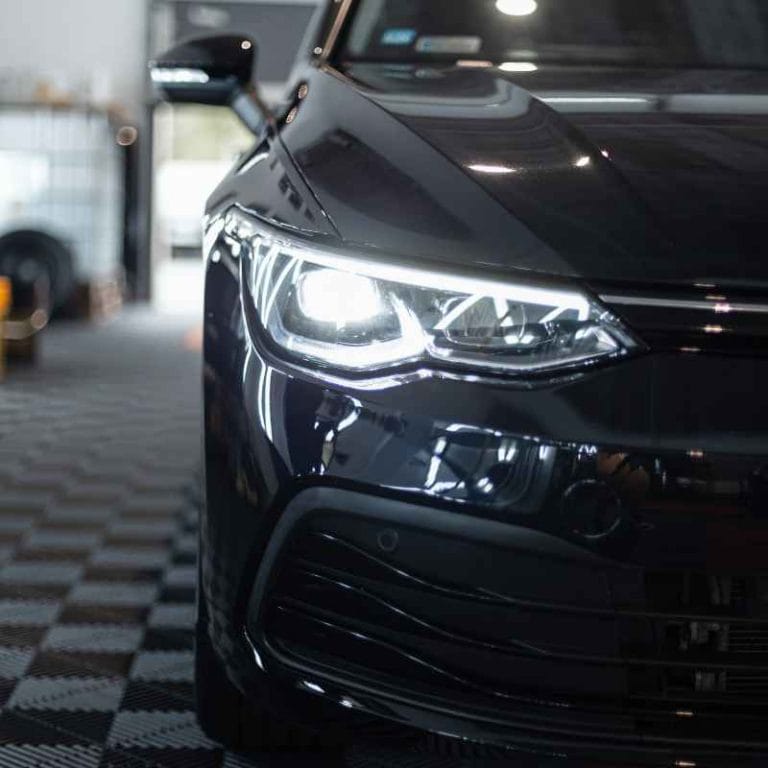
Halogen bulbs are the most common type found in vehicles manufactured before 2015. They use a tungsten filament encased in halogen gas, producing a bright, warm light.
- Typical cost: $5, $20 per bulb
- Lifespan: 400, 1,000 hours
- Pros: Inexpensive, easy to replace, widely available
- Cons: Shorter lifespan, less bright compared to newer options
Halogen bulbs are ideal if you’re looking for a quick, affordable fix. They’re sold at most auto parts stores and can usually be installed without professional help.
Hid (high-intensity Discharge) Bulbs
HID bulbs, sometimes called Xenon bulbs, produce a bright, white-blue light and are common in luxury and performance vehicles.
- Typical cost: $30, $100 per bulb
- Lifespan: 2,000, 3,000 hours
- Pros: Brighter than halogens, longer lifespan
- Cons: Expensive, may require professional installation
Due to their higher output and efficiency, HIDs are a premium choice. However, the upfront cost is higher, and compatibility varies.
Led Bulbs
LED (Light Emitting Diode) bulbs are increasingly popular due to their energy efficiency and longevity.
- Typical cost: $15, $80 per bulb
- Lifespan: 10,000, 30,000 hours
- Pros: Long-lasting, energy efficient, available in many colors and intensities
- Cons: Higher upfront cost, sometimes require adapters
Many modern vehicles now come standard with LED bulbs. While the initial investment is higher, their extended lifespan can lead to lower long-term costs.
Specialty And Interior Bulbs
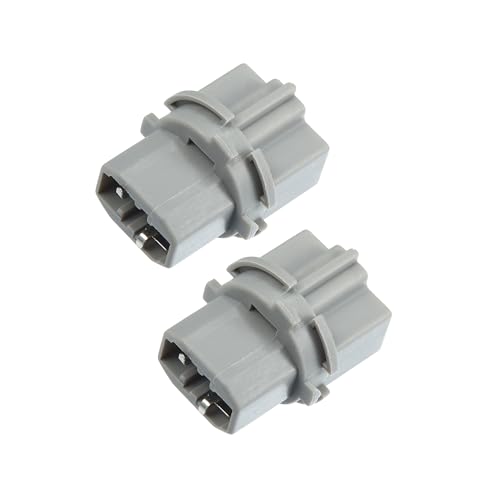
Beyond headlights, vehicles use a range of smaller bulbs for turn signals, brake lights, dome lights, and license plates.
- Typical cost: $3, $15 per bulb
- Lifespan: 1,000, 15,000 hours depending on type (halogen or LED)
- Pros: Inexpensive, easy to install
- Cons: Some specialty bulbs can be difficult to access
Example: The 2015 Honda Civic uses a standard 168 halogen bulb for its dome light, costing around $4 at most retailers.
Credit: www.elecrow.com
Factors That Affect Car Bulb Pricing
Why do prices for car bulbs vary so much? Several factors influence how much you’ll pay.
Brand And Quality
Premium brands like Philips, Osram, and Sylvania command higher prices due to their reputation for durability and performance. Budget brands offer lower prices but may sacrifice longevity or brightness.
Vehicle Make And Model
Some vehicles require specialized bulbs or have more complex headlight assemblies, raising the cost. For example, European cars often use HID or LED systems that are pricier and more difficult to replace.
Bulb Technology
- Halogen: Cheapest, widely available.
- HID: More expensive due to technology and installation requirements.
- LED: Cost varies widely, but generally more expensive than halogen.
Purchase Location
Buying bulbs from a dealership usually costs more than purchasing from an auto parts store or online retailer. Online marketplaces like Amazon and RockAuto offer competitive pricing, but be wary of counterfeit or low-quality products.
Installation Costs
If you install the bulb yourself, you’ll only pay for the part. Professional installation can add $20, $50 per bulb, depending on labor rates and vehicle complexity.
Warranty And Extra Features
Some bulbs include extended warranties, UV protection, or unique color temperatures. These features can add to the price but may be worth it for certain drivers.
Credit: www.detailingdevils.com
Real-world Price Comparison: Popular Car Bulbs
To give you a clear sense of market pricing, here’s a comparison of popular car bulb types across different sellers and brands.
| Bulb Type | Brand/Model | Retailer | Average Price (per bulb) | Installation Cost |
|---|---|---|---|---|
| Halogen Headlight | Sylvania 9003 | AutoZone | $12 | $0, $20 |
| HID Headlight | Philips D1S | Amazon | $55 | $30, $50 |
| LED Headlight | Auxito H11 LED | Amazon | $36 | $0, $25 |
| Brake Light (Halogen) | Philips 1157 | Walmart | $5 | $0, $10 |
| Dome Light (LED) | JDM ASTAR 194 | eBay | $7 | $0, $10 |
Pro Tip: Compare prices across retailers and always check for warranty coverage, especially with higher-priced HID and LED bulbs.
Diy Vs. Professional Installation: Cost, Safety, And Value
The decision to install a car bulb yourself or hire a professional impacts the total cost and your long-term satisfaction.
Diy Installation
Many car bulbs, especially halogen and interior lights, are designed for quick, tool-free replacement. Most vehicle manuals provide step-by-step instructions.
- Cost savings: Only pay for the bulb itself
- Skill required: Basic mechanical skills, patience
- Tools needed: Usually none for halogen/interior, possible screwdriver for others
Example: I replaced the halogen headlight bulb in my 2012 Toyota Corolla in under 10 minutes with only a pair of gloves, no tools needed.
Professional Installation
For HID or complex LED systems, installation may require removing bumper covers, programming, or special tools. If you’re uncomfortable with car maintenance, professional help is recommended.
- Average labor cost: $20, $50 per bulb
- Benefits: Ensures proper alignment, reduces risk of damaging headlight assembly
- Drawbacks: Higher total cost, requires appointment
When To Opt For Professional Help
- Bulb replacement requires removing wheels, fenders, or bumper
- The headlight assembly is sealed or complex
- Upgrading from halogen to HID/LED (retrofits)
Cost Comparison Table: Diy Vs. Professional
| Bulb Type | DIY Total Cost | Professional Total Cost | Difficulty Level |
|---|---|---|---|
| Halogen Headlight | $5, $20 | $25, $70 | Easy |
| HID Headlight | $30, $100 | $60, $150 | Moderate, Hard |
| LED Headlight | $15, $80 | $40, $120 | Easy, Moderate |
| Interior Bulb (LED) | $4, $10 | $15, $30 | Easy |
Pro Tip: Search YouTube for tutorials specific to your vehicle, most bulb swaps are covered in detail.
Budget-friendly Strategies For Buying Car Bulbs
You don’t have to overspend to maintain bright, safe lighting for your vehicle. Here are proven ways to keep costs down.
Shop Around Online
Online retailers like Amazon, RockAuto, and eBay often offer better prices than brick-and-mortar stores. Some even bundle bulbs for additional savings.
- Warning: Only buy from reputable sellers to avoid counterfeit products.
Buy Multipacks
Many manufacturers sell bulbs in pairs or multipacks at a discount. Since headlights are best replaced in pairs (to ensure even lighting), this can cut your cost per bulb.
Check For Rebates And Coupons
Major brands and auto parts stores often offer mail-in rebates or digital coupons for car bulbs, especially during seasonal promotions.
Use Oem-equivalent Bulbs
Original Equipment Manufacturer (OEM) bulbs are often more expensive. Aftermarket, OEM-equivalent bulbs from reputable brands can deliver similar performance at a lower price.
Avoid Dealerships Unless Necessary
Dealership parts departments generally charge a premium. For older vehicles, aftermarket bulbs are almost always sufficient.
Install Yourself When Possible
For basic bulbs, DIY installation is straightforward and eliminates labor costs.
Example: A 2010 Ford Focus owner saved $60 by purchasing an LED interior multipack online and installing all bulbs in under 30 minutes.
Maintain Headlight Assemblies
Clean and restore headlight lenses to keep bulbs shining bright; foggy lenses can make even new bulbs seem dim. Restoration kits cost $10, $25 and can significantly improve visibility.
Case Studies: Real-world Bulb Replacement Scenarios
Seeing actual examples helps clarify what to expect when replacing car bulbs.
Case Study 1: Halogen Headlight Replacement On A Honda Accord
A 2011 Honda Accord owner noticed dimming headlights. After researching, they opted for a pair of Sylvania 9006 halogen bulbs from AutoZone.
- Bulb cost: $15 each ($30 for the pair)
- DIY install: 15 minutes per side, no tools
- Total cost: $30
The owner reported improved visibility and no issues after six months.
Case Study 2: Hid Upgrade On A Bmw 3 Series
A 2015 BMW 328i’s HID bulb failed. The owner selected a Philips D1S HID bulb from Amazon.
- Bulb cost: $58
- Professional install: $40
- Total cost: $98
The repair shop handled installation due to a complex headlight assembly. The owner appreciated the warranty and brightness but noted the higher total cost.
Case Study 3: Led Interior Bulb Upgrade On A Toyota Camry
A 2017 Camry owner wanted brighter interior lighting and bought a 6-pack of JDM ASTAR LED 194 bulbs on eBay for $18.
- DIY install: 20 minutes, using a trim tool
- Total cost: $18
The owner was pleased with the transformation, much brighter, modern lighting with no reliability issues after a year.
Case Study 4: Brake Light Replacement On A Ford F-150
A 2014 Ford F-150 failed a safety inspection due to a burnt-out brake light. The owner purchased a Philips 3157 halogen bulb from Walmart for $6.
- DIY install: 10 minutes, screwdriver required
- Total cost: $6
Quick and affordable, passing inspection on the first retest.
The Impact Of Bulb Quality And Technology On Long-term Value
When choosing a car bulb, price isn’t the only consideration. The quality and technology of the bulb directly affect how often you’ll need to replace it and how safe your vehicle is on the road.
Longevity And Replacement Frequency
- Halogen: Needs replacement every 1, 2 years on average
- HID: Lasts 3, 5 years with regular use
- LED: Can last the lifetime of the vehicle
While halogen bulbs are cheapest upfront, frequent replacements can add up. If you keep your car for many years, investing in LED or HID bulbs may save money and time over the long haul.
Performance And Safety
Higher-quality bulbs offer brighter, more focused beams, improving nighttime visibility. This can reduce the risk of accidents, especially in poorly lit areas.
- Warning: Avoid ultra-high-wattage or tinted bulbs not certified for road use, as they can blind oncoming drivers or fail inspections.
Compatibility And Warranty
Always check your vehicle’s manual or use an online compatibility tool before purchasing. Reputable brands typically offer better warranty coverage, protecting your investment.
Example: Sylvania offers a limited lifetime warranty on select LED bulbs, adding peace of mind for buyers.
How To Choose The Right Bulb For Your Budget And Needs
Making the right choice involves balancing cost, performance, and compatibility.
Assess Your Driving Conditions
- City driving: Standard halogen bulbs are usually sufficient.
- Rural or highway driving: Consider upgrading to HID or LED for better visibility.
- Frequent night driving: Prioritize longevity and brightness.
Check Vehicle Compatibility
Not all bulbs fit all vehicles. Use fitment guides on retailer websites or consult your owner’s manual.
Decide On Features
Some bulbs offer higher Kelvin ratings for whiter light, increased brightness, or special coatings. Decide what matters most, cost, performance, or longevity.
Set A Realistic Budget
- Basic replacement: $5, $20 per bulb (halogen/interior)
- Premium upgrade: $30, $100 per bulb (HID/LED)
Factor in installation costs if you’re not doing it yourself.
Read Reviews And Compare Warranties
User reviews and professional tests can reveal how bulbs perform in real-world conditions. Choose products with robust warranty coverage.
Example: According to a review by Consumer Reports, high-quality LED headlights can significantly improve night driving safety.
Environmental And Legal Considerations
Car bulb technology has implications beyond price and performance.
Energy Efficiency
LED bulbs use up to 80% less energy than halogen, reducing strain on your vehicle’s electrical system and battery.
Disposal And Recycling
HID bulbs contain small amounts of mercury. Dispose of them properly at hazardous waste facilities. Some auto parts stores accept used bulbs for recycling.
Legal Compliance
- Warning: Installing non-DOT-approved bulbs can lead to failed inspections or fines.
- Pro Tip: Always choose bulbs labeled as “street legal” or DOT/SAE approved.
Regional Regulations
Some states and countries restrict certain bulb types, colors, or brightness levels. Check local regulations before purchasing.
Frequently Asked Questions
What Is The Difference Between Oem And Aftermarket Car Bulbs?
OEM (Original Equipment Manufacturer) bulbs are designed by the car manufacturer to meet specific standards for your vehicle model. Aftermarket bulbs are produced by third-party companies and may offer different performance characteristics, such as increased brightness or different color temperatures.
While OEM bulbs ensure compatibility and reliability, high-quality aftermarket bulbs from reputable brands can be more cost-effective and perform just as well, especially for standard applications.
How Can I Tell If My Car Uses Halogen, Hid, Or Led Headlights?
You can determine your bulb type by checking your vehicle’s owner’s manual, looking for markings on the headlight housing, or searching your car’s year, make, and model on retailer fitment guides. Halogen bulbs typically have a yellowish light, HIDs are bright white or blue, and LEDs are instantly bright and may be arranged in distinct patterns.
If unsure, consult your mechanic or a trusted auto parts store before purchasing replacements.
Are Expensive Car Bulbs Always Better Than Cheaper Ones?
Expensive bulbs often offer advantages such as higher brightness, longer lifespan, and enhanced warranty coverage. However, they’re not always necessary for every driver. For city drivers or those with older vehicles, standard halogen bulbs are usually sufficient. Higher-priced HIDs and LEDs are worthwhile for improved visibility, longer replacement intervals, or specific styling preferences.
Always choose bulbs from reputable brands to avoid quality issues.
Can Upgrading To Led Headlights Save Me Money In The Long Run?
Yes, upgrading to LED headlights can save money over time due to their long lifespan (often 10, 20 times longer than halogen) and lower power consumption. The higher upfront cost is offset by fewer replacements and reduced risk of electrical issues.
LEDs also generate less heat, which can prolong the life of headlight housings and wiring. However, initial installation costs and compatibility with your vehicle should be considered.
Where Is The Best Place To Buy Car Bulbs For Both Price And Reliability?
The best sources for price and reliability are large, reputable auto parts retailers (like AutoZone, Advance Auto Parts), and trusted online platforms such as Amazon or RockAuto. Always buy from sellers with high ratings and clear return policies. For specialty or OEM bulbs, consider dealer parts departments, but expect to pay more. For more information on bulb selection and compatibility, visit the Automotive Lighting Wikipedia page.
Whether you’re replacing a single halogen bulb or upgrading your entire lighting system to LEDs, understanding the costs and options empowers you to make choices that fit your budget and driving needs. With the right information, a car bulb replacement is a straightforward, affordable way to keep your vehicle safe and looking its best.
Products related to this article
Sponsored / affiliate links. As an Amazon Associate I earn from qualifying purchases. I may earn additional commission from eligible campaigns.