Ford Cars Stopped in India: Which Models & What Happened?
Ford’s exit from the Indian automotive market in 2026 sent shockwaves through consumers, industry experts, and competitors alike. Once a symbol of global car manufacturing prowess, Ford’s decision to halt local production and cease sales of many beloved models marked a pivotal moment for India’s automotive landscape.
For decades, Ford had been synonymous with rugged, reliable, and stylish vehicles, capturing the aspirations of millions. Yet, despite a promising start and a strong brand recall, the company found itself grappling with mounting losses, shifting consumer preferences, and fierce competition.
What exactly went wrong for Ford in India, and which models were discontinued as a result? From the iconic EcoSport to the family-favorite Endeavour, Ford’s portfolio was both extensive and influential. This article delves deep into the story behind Ford’s exit: analyzing the discontinued models, examining the underlying causes, and evaluating the broader impact on customers, employees, and the Indian automotive industry as a whole. Whether you’re a Ford enthusiast, a potential buyer, or an industry observer, understanding this case study offers invaluable lessons about the dynamics of one of the world’s most promising car markets.
Key Takeaways
- Ford ceased local production and sales of most of its car models in India in September 2026 due to unsustainable losses and strategic realignment.
- Popular models like the EcoSport, Endeavour, Figo, and Aspire were discontinued, impacting millions of owners and fans.
- The decision was driven by low capacity utilization, high operating costs, and fierce competition from both Indian and global automakers.
- Customers faced challenges regarding after-sales service, spare parts, and resale value, though Ford pledged continued support.
- The exit had significant ripple effects on dealerships, employees, suppliers, and the overall auto sector in India.
- Ford’s experience offers key insights into the complexities of the Indian car market and the importance of adapting to local consumer needs.
The Rise Of Ford In India
Ford’s journey in India began with high hopes and a vision to establish itself as a dominant player in one of the world’s fastest-growing automotive markets. The company’s initial investments and product launches resonated with the aspirations of Indian consumers, who were seeking global brands with reliable performance.
Early Market Entry And Investment
Ford entered India in 1995 through a joint venture with Mahindra & Mahindra, marking its re-entry after an earlier attempt in the 1950s. The joint venture, Mahindra Ford India Limited (MFIL), was Ford’s strategic move to tap into India’s emerging middle class. In 1998, Ford took majority control, renaming the entity Ford India Private Limited (FIPL).
Significant investments soon followed, with Ford pumping in over $2 billion into its Indian operations. The company built state-of-the-art manufacturing facilities in Chennai (Tamil Nadu) and later in Sanand (Gujarat). These plants had a combined annual production capacity of over 440,000 vehicles and 610,000 engines.
Popular Early Models
Ford’s initial models, notably the Ford Ikon and Ford Escort, gained traction for their robust build and driving dynamics. The Ikon, often dubbed the ‘Josh Machine,’ became a household name and was especially popular among young professionals.
Expansion And Brand Building
Ford’s subsequent launches, such as the Fiesta, Figo, and especially the EcoSport, solidified its reputation. The EcoSport, in particular, pioneered the compact SUV segment in India, capturing the imagination of urban families and young buyers. Ford’s focus on safety, driving pleasure, and global quality standards earned it a loyal customer base.
Real-world Example: The Ecosport Phenomenon
When the Ford EcoSport launched in 2013, it received over 30,000 bookings within the first 17 days. This unprecedented demand forced Ford to temporarily halt new bookings. The model’s blend of compactness, style, and advanced features set a benchmark, prompting rivals like Maruti Suzuki and Tata Motors to develop their own compact SUVs.

Credit: en.wikipedia.org
Why Did Ford Stop Making Cars In India?
Ford’s withdrawal from local manufacturing was not a sudden decision but the culmination of years of mounting challenges. To understand this move, it’s essential to examine the multi-faceted reasons behind it.
Chronic Financial Losses
Ford India incurred accumulated operating losses of over $2 billion over a decade, as per company filings. The Indian subsidiary consistently struggled to break even, with sales volumes far below expectations. According to the Society of Indian Automobile Manufacturers (SIAM), Ford’s market share hovered around 1.8% in 2020, despite its significant investments.
Underutilized Manufacturing Capacity
Both the Chennai and Sanand plants operated at below 25% capacity in the years leading up to the exit. This underutilization led to high per-unit production costs, making Ford’s cars less price-competitive. Efforts to utilize excess capacity through exports provided some relief but were not enough to offset domestic shortfalls.
Intense Competition
India’s car market is highly price-sensitive, with domestic players like Maruti Suzuki and Tata Motors dominating due to their extensive dealer networks, affordable pricing, and localization strategies. Global brands such as Hyundai and Kia also rapidly gained market share by offering feature-rich, value-driven products.
Shifting Consumer Preferences
Consumer tastes in India evolved towards compact SUVs and crossovers, a trend Ford initially capitalized on with the EcoSport. However, the lack of regular model updates and slow response to changing demands led Ford to lose its early-mover advantage.
Regulatory And Policy Challenges
India’s frequent regulatory changes, such as the transition to BS6 emission norms and safety mandates, required costly updates. Ford, with its global platforms, found it challenging to localize products quickly and cost-effectively compared to rivals.
Failed Joint Ventures And Strategic Shifts
A proposed joint venture with Mahindra & Mahindra in 2019, aimed at sharing costs and developing new products, was called off in 2026 due to strategic realignment post-pandemic. This setback left Ford without a local partner to share risks and investments, making solo operations unsustainable.
Real-world Case Study: The Mahindra-ford Jv Collapse
The Mahindra-Ford joint venture, valued at $275 million, was expected to deliver new SUVs and EVs for both brands. However, the pandemic-induced economic uncertainty and changing global priorities led to its cancellation, leaving Ford with few options to sustain its Indian operations.

Credit: www.classicautomall.com
Which Ford Models Were Discontinued In India?
Ford’s exit resulted in the discontinuation of several popular models, many of which had a devoted following. Here’s a detailed look at the affected models and their impact.
Ford Ecosport
EcoSport was Ford’s best-selling model in India, credited with kickstarting the compact SUV trend. Renowned for its sporty design, high ground clearance, and advanced features, the EcoSport was a favorite among urban buyers. Its discontinuation left a significant void in the segment.
Ford Endeavour
The Endeavour was Ford’s flagship SUV, celebrated for its imposing presence, off-road capabilities, and luxury features. Competing against the Toyota Fortuner, the Endeavour commanded respect among enthusiasts and adventurers. Its exit was widely lamented by fans of premium SUVs.
Ford Figo
Launched in 2010, the Figo hatchback won hearts with its affordability, safety features, and spirited driving experience. The model was particularly popular among first-time buyers and small families. Its discontinuation marked the end of Ford’s presence in the mainstream hatchback segment.
Ford Aspire
The Aspire, a compact sedan based on the Figo platform, offered a compelling value proposition with its spacious cabin, efficient engines, and competitive pricing. It catered to the growing demand for compact sedans among Indian families and fleet operators.
Ford Freestyle
Positioned as a crossover between a hatchback and an SUV, the Freestyle was designed for young, adventurous buyers. Its rugged styling and enhanced ground clearance set it apart, but it struggled to gain significant market traction.
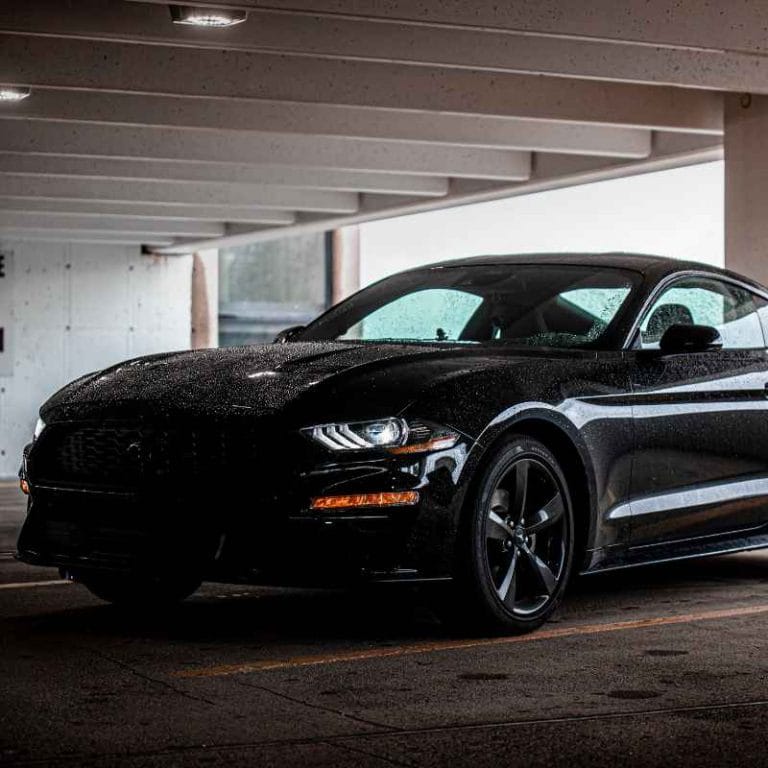
Ford Mustang
The iconic Mustang was imported as a completely built unit (CBU) and targeted niche performance enthusiasts. While its discontinuation had limited impact due to low volumes, it symbolized Ford’s commitment to offering global products in India.
Data Table: Ford Models Discontinued In India (2026)
| Model | Segment | Launch Year | Reason for Popularity | Annual Sales Peak |
|---|---|---|---|---|
| EcoSport | Compact SUV | 2013 | Stylish, feature-rich, compact | ~50,000 units (2018) |
| Endeavour | Premium SUV | 2003 | Off-road, luxury, powerful | ~7,000 units (2019) |
| Figo | Hatchback | 2010 | Affordable, safe, reliable | ~36,000 units (2011) |
| Aspire | Compact Sedan | 2015 | Spacious, efficient, value | ~18,000 units (2016) |
| Freestyle | Crossover | 2018 | Rugged, youthful, versatile | ~12,000 units (2018) |
| Mustang | Sports Car | 2016 | Performance, iconic design | <500 units |
Impact On Existing Ford Owners
The discontinuation of these models raised concerns about after-sales service, spare parts availability, and resale value. Ford assured continued support via its service network, but uncertainty lingered among owners.
Real-world Example: Ford Owners’ Club Response
The Ford Owners’ Club of India, with over 20,000 active members, mobilized online campaigns seeking clarity on service and warranty commitments. Many owners shared positive experiences about Ford’s continued service, but some reported delays in spare parts and declining resale values.

Credit: www.classicautomall.com
Impact On Customers, Dealers, And The Automotive Ecosystem
Ford’s exit had cascading effects across multiple stakeholders, from individual customers to the larger auto industry.
Customer Experience And After-sales Support
Ford committed to maintaining its service centers, ensuring availability of spare parts for 10 years, and honoring warranties. The company continues to operate over 300 service outlets across India. However, reports emerged of longer wait times for parts and limited inventory for certain models.
Impact On Dealerships
Over 170 Ford dealerships were affected, with many forced to either shut down or switch to used car operations. The Federation of Automobile Dealers Associations (FADA) estimated over 40,000 jobs were at risk due to the exit.
Supplier And Vendor Ecosystem
Hundreds of local suppliers who depended on Ford’s manufacturing plants faced significant losses. The sudden cessation of orders disrupted supply chains and created financial distress for small and medium enterprises.
Secondary Market And Resale Values
The resale value of Ford cars declined by an estimated 15-20% post-exit, as buyers became wary of long-term support. This trend was particularly noticeable in the compact SUV and premium SUV segments.
Data Table: Comparison Of Resale Values (pre And Post-exit)
| Model | Average Resale Value (Pre-Exit % of Ex-Showroom) | Average Resale Value (Post-Exit % of Ex-Showroom) |
|---|---|---|
| EcoSport | 65% | 50% |
| Endeavour | 70% | 58% |
| Figo | 60% | 45% |
| Aspire | 55% | 40% |
Employee Layoffs And Community Impact
Ford’s decision led to the layoff of over 4,000 direct employees and thousands more in ancillary roles. The company announced severance packages and retraining initiatives, but the long-term impact on affected families and communities has been substantial.
Real-world Case Study: Sanand Plant Closure
The Sanand plant in Gujarat was a critical manufacturing hub, employing over 2,500 workers and supporting hundreds of ancillary businesses. Its closure not only affected employees but also had a ripple effect on the local economy, with many small businesses reporting sharp declines in revenue.
Ford’s Ongoing Operations And Future Plans In India
Despite halting local manufacturing, Ford has not completely exited India. The company continues to maintain a presence through other business verticals.
Import And Niche Segment Sales
Ford has expressed interest in importing niche models such as the Mustang and certain EVs (Electric Vehicles) through the CBU (Completely Built Unit) route. This strategy targets affluent buyers and enthusiasts willing to pay a premium for global models.
Service And Spare Parts Commitment
Ford has pledged to provide service, maintenance, and spare parts support for at least a decade post-exit. The company is leveraging its digital platforms and authorized service centers to reassure existing customers.
Ev And Technology Focus
India’s push towards electric mobility presents opportunities for global brands. Ford has hinted at potential EV launches in the future, leveraging its global platforms and expertise in electric vehicles. However, no specific models or timelines have been announced as of mid-2026.
Strategic Partnerships And Exports
Ford may explore contract manufacturing or technology partnerships with Indian firms for future products. Its Indian plants were also considered for export-oriented manufacturing, though as of 2026, no concrete plans have materialized.
External Perspectives
According to a report by BBC News, Ford’s exit reflects broader challenges faced by global automakers in India, including regulatory hurdles, high competition, and the need for deep localization.
Lessons Learned: What Ford’s Exit Teaches About The Indian Car Market
Ford’s story in India is a classic case study in the complexities of entering and sustaining operations in a large, diverse, and evolving market. Several key lessons emerge from this experience.
Importance Of Localization
Success in India hinges on deep localization — from product design to supply chain management. Brands like Maruti Suzuki and Hyundai excelled by adapting global models to Indian conditions and price points.
Need For Agile Product Development
The Indian market is characterized by rapidly changing consumer preferences. Timely model updates, new features, and competitive pricing are essential to stay relevant.
Managing Dealer And Customer Relationships
A robust dealer network and strong after-sales support are critical differentiators. Brands that invest in training, digital support, and transparent communications build lasting trust.
Navigating Regulatory And Policy Changes
India’s regulatory environment is dynamic. Automakers must be nimble in adapting to emission, safety, and tax regulations, which often require significant investments and quick turnarounds.
Real-world Example: Hyundai’s India Success
Hyundai India entered the market around the same time as Ford but succeeded by launching the Santro, a model designed specifically for Indian tastes. Its aggressive network expansion and regular model updates propelled it to the number two spot among carmakers, demonstrating the value of a localized, customer-first approach.
Alternatives For Ford Owners And New Car Buyers
Ford’s exit has left many current and prospective buyers searching for alternatives that match the brand’s reputation for safety, performance, and value.
Compact Suv Alternatives
- Maruti Suzuki Vitara Brezza
- Hyundai Venue
- Tata Nexon
- Kia Sonet
These models offer a similar blend of style, features, and urban maneuverability as the EcoSport.
Premium Suv Alternatives
- Toyota Fortuner
- MG Gloster
- Mahindra XUV700
These SUVs rival the Ford Endeavour in terms of size, power, and luxury.
Hatchback And Sedan Alternatives
- Maruti Suzuki Swift (Hatchback)
- Hyundai i20 (Hatchback)
- Honda Amaze (Sedan)
- Tata Tigor (Sedan)
These options provide similar value propositions for city driving and family use.
Service And Resale Tips For Existing Ford Owners
- Maintain regular service records to enhance resale value.
- Use authorized service centers for genuine parts and warranty coverage.
- Join owner communities for peer support and updates.
- Monitor Ford’s official channels for service updates and policy changes.
Data Table: Feature Comparison – Ford Ecosport Vs. Key Rivals
| Feature | Ford EcoSport | Hyundai Venue | Maruti Vitara Brezza | Tata Nexon |
|---|---|---|---|---|
| Engine Options | 1.5L Petrol/Diesel | 1.2L/1.5L Petrol/Diesel | 1.5L Petrol | 1.2L Petrol/1.5L Diesel |
| Safety Rating (Global NCAP) | 4 Stars | 4 Stars | 4 Stars | 5 Stars |
| Infotainment | 8-inch Touchscreen | 8-inch Touchscreen | 7-inch Touchscreen | 7-inch Touchscreen |
| Starting Price (2026) | ₹8.19 lakh | ₹7.11 lakh | ₹7.39 lakh | ₹7.19 lakh |
External Resources For Car Buyers
For detailed reviews and comparisons, visit Autocar India and Team-BHP. For safety ratings and crash test data, refer to Global NCAP.
Frequently Asked Questions
What Happens To Existing Ford Car Owners In India After The Company’s Exit?
Existing Ford owners continue to receive after-sales support, including service, maintenance, and spare parts, through Ford’s network of authorized service centers. The company has assured support for at least 10 years post-exit. However, some owners have experienced delays in parts availability and are advised to maintain regular service records for warranty and resale purposes. More updates can be found on Ford India’s official website: Ford India.
Why Did Ford India Fail Despite Being A Global Automotive Giant?
Ford’s failure in India was primarily due to chronic financial losses, underutilized manufacturing capacity, and intense competition from price-sensitive and localized rivals. The inability to quickly adapt to shifting consumer preferences, regulatory changes, and the collapse of its joint venture with Mahindra further compounded the challenges. For an in-depth analysis, refer to Wikipedia: Ford India.
Will Ford Ever Return To Manufacturing Or Selling Cars In India?
As of June 2026, Ford has no announced plans to resume local manufacturing or large-scale sales in India. The company may consider importing niche models and electric vehicles via the CBU route, targeting a select customer base. Any future manufacturing or joint ventures will likely depend on market conditions and regulatory frameworks.
How Does Ford’s Exit Impact The Resale Value Of Their Cars?
Ford’s exit has led to a 15-20% drop in resale values for its popular models, as buyers are concerned about long-term support and parts availability. However, well-maintained cars with documented service histories continue to attract reasonable prices in the used car market, especially for models like the EcoSport and Endeavour.
What Alternatives Are Available For Ford Customers Seeking Similar Cars?
Several Indian and global brands offer alternatives in the same segments as discontinued Ford models. For compact SUVs, consider Hyundai Venue, Tata Nexon, or Kia Sonet. For premium SUVs, the Toyota Fortuner and Mahindra XUV700 are strong options. For hatchbacks and sedans, Maruti Suzuki Swift, Hyundai i20, and Honda Amaze are popular choices. Detailed comparisons are available at CarWale.
Ford’s exit from India marks the end of an era and underscores the complexities of thriving in the
Products related to this article
Sponsored / affiliate links. As an Amazon Associate I earn from qualifying purchases. I may earn additional commission from eligible campaigns.