Can Low Engine Oil Cause a Car to Stall (Complete Guide)
Yes, critically low engine oil can absolutely cause your car to stall. This happens because oil is essential for lubricating moving engine parts. Without enough oil, friction increases dramatically.
This can lead to overheating and severe engine damage, forcing the engine to shut down to prevent further harm. It’s a serious issue that needs immediate attention.
The Engine’s Lifeblood: Why Oil Matters So Much
Think of engine oil like the blood in your body. It’s absolutely crucial for your engine to run. It does a lot more than just keep things clean.
Oil flows everywhere inside your engine. It gets into all the small spaces between moving parts. This is where the magic happens.
The main job of oil is to lubricate. This means it creates a thin film between metal parts. This film stops them from grinding against each other.
Imagine two pieces of metal rubbing together at high speed. Without oil, they would wear away very quickly. This causes damage.
Oil prevents this wear and tear.
Oil also helps cool your engine. As it moves around, it picks up heat. This heat is generated by all the friction.
The oil then carries this heat away to the oil pan. From there, it can dissipate. This stops the engine from getting too hot.
Another important job is cleaning. Engine parts can create small bits of metal as they move. Oil picks these up.
It carries them to the oil filter. The filter traps these bits. This keeps the engine clean inside.
It prevents buildup that can cause problems.
Oil also helps to seal gaps. For example, between the piston rings and the cylinder walls. This seal is important for the engine to work properly.
It helps maintain pressure. This pressure is needed for power.
When Oil Levels Get Dangerously Low
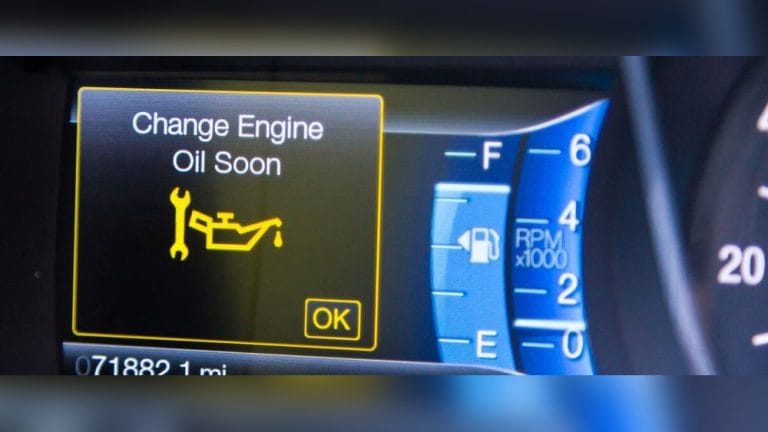
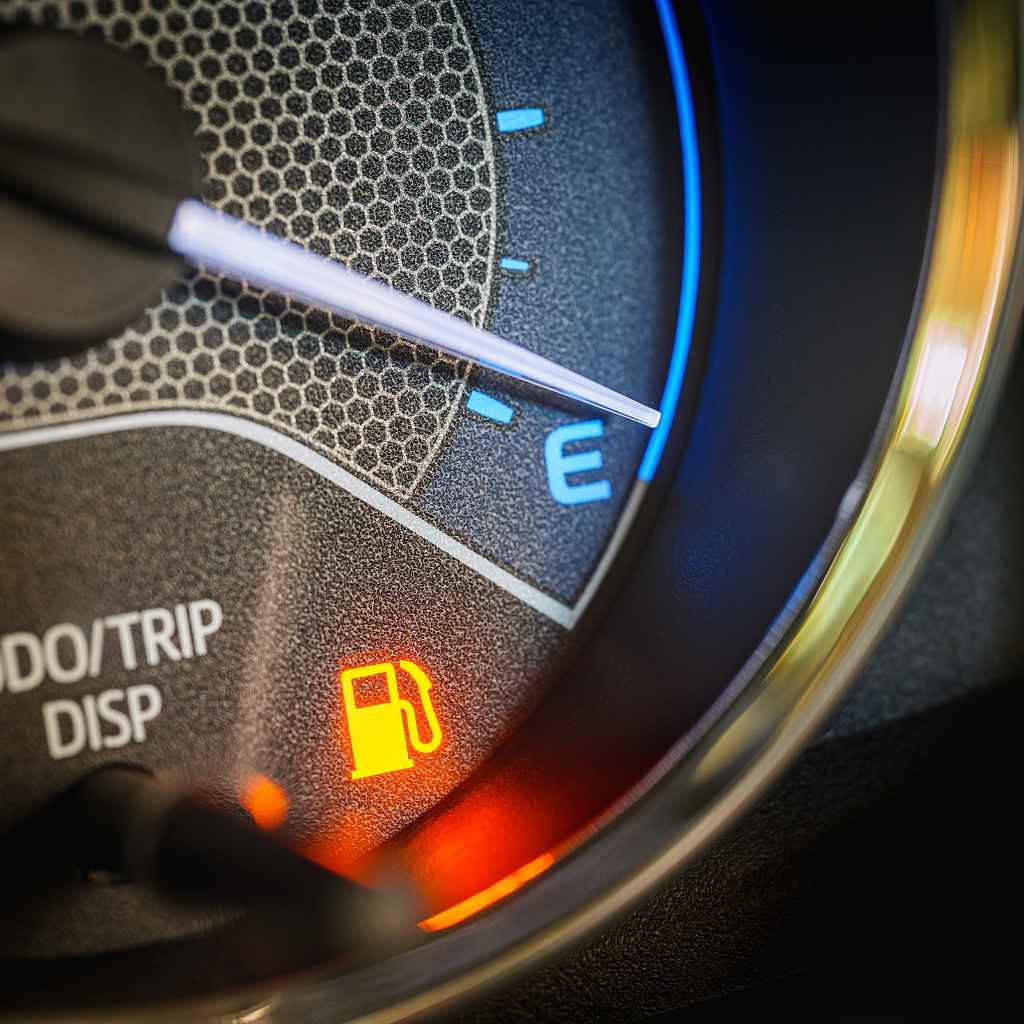
We’ve all been there. The little light on your dashboard comes on. It’s often an oil can symbol.
That light is a warning. It means your oil level is too low. Or the oil pressure is too low.
Both are serious signs.
When the oil level drops, the pump can’t pick up enough oil. It starts to suck in air. This is called oil starvation.
The parts that need oil don’t get it. They start to run dry. This is when friction goes up.
And heat starts to build.
What does this feel like? You might hear new noises. Ticking or knocking sounds are common.
These are the sounds of metal parts hitting each other. The engine might also feel weaker. It might not accelerate as well.
Sometimes, the engine light might flash. A steady light is a warning. A flashing light is an alarm.
It means stop the car as soon as it’s safe. Continuing to drive can cause huge damage.
The actual stalling happens when the damage becomes too much. Or when a critical part overheats and seizes. The engine can’t turn anymore.
So it stops. It stalls.
Signs Your Car Needs Oil (Even Without a Light)
- Unusual Noises: You might hear knocking, ticking, or grinding sounds from the engine.
- Reduced Performance: The car may feel sluggish. Acceleration might be slower than usual.
- Dashboard Warning Lights: The oil pressure light or the check engine light can turn on.
- Smell of Burning Oil: This can happen if oil is leaking onto hot engine parts.
- Exhaust Smoke: Blue smoke from the exhaust can indicate oil is burning in the combustion chamber.
My Own Scare: That Time I Ignored the Light
I remember one summer evening. I was driving home late from a friend’s house. It was a long drive on the highway.
Suddenly, the oil light on my dashboard flickered on. It was just for a second. I thought, “Oh, it’s probably nothing.” I’d heard stories about faulty sensors.
I kept driving. About twenty minutes later, the light stayed on. My stomach dropped.
I should have pulled over. But I was close to home. I told myself, “Just get home.” That’s when I heard it.
A faint ticking sound. It got louder. It sounded like a tiny hammer hitting metal.
The ticking turned into a loud clatter. The engine started to feel rough. Like it was struggling.
Then, with a final cough, the car just stopped. The engine died. I coasted to the side of the road.
It was dark. I felt so stupid. And a little scared.
I called for a tow truck. The mechanic later told me I was lucky. The engine hadn’t completely seized.
But it was very close. The oil level was extremely low. He said that clatter was the sound of my engine parts basically grinding together.
I learned a big lesson that night. Never, ever ignore that oil light.
What Happens Inside When Oil Is Low
Let’s dive a little deeper into what’s happening inside that engine. When the oil level is too low, the oil pump can’t do its job. The pump sits at the bottom of the oil pan.
It has a pickup tube. This tube draws oil up to send it through the engine.
If the oil level is below the end of the pickup tube, the pump starts pulling air. Air doesn’t lubricate. It doesn’t cool.
It doesn’t clean. So, the parts that are supposed to get a nice, smooth bath of oil are now getting nothing, or very little.
Think about the crankshaft. It spins thousands of times a minute. The connecting rods and pistons are moving up and down just as fast.
These parts have bearings. The bearings need a constant supply of oil. Without it, the metal surfaces start to touch.
This causes immediate friction. Friction creates heat. Lots of heat.
The metal parts can start to expand. They can deform. In the worst case, they can weld themselves together.
This is called seizing. When the crankshaft seizes, the engine cannot turn. It has to stop.
That’s the stall.
Even before seizing, other parts suffer. The camshafts need lubrication. The timing chain or belt needs it.
The valve train needs it. Everywhere oil is supposed to be, it’s not. This means wear.
Accelerated wear.
The oil pressure warning light is directly tied to this. The oil pump builds pressure. It pushes the oil through narrow passages.
If there isn’t enough oil to pump, the pressure drops. The sensor detects this low pressure. It sends a signal to the dashboard.
Oil’s Many Jobs Summarized
- Lubrication: Reduces friction between moving engine parts.
- Cooling: Carries heat away from hot engine components.
- Cleaning: Suspends and removes dirt, debris, and metal particles.
- Sealing: Helps create a seal between pistons and cylinder walls.
- Protection: Prevents rust and corrosion on metal surfaces.
Is It Just Stalling, Or Is It Engine Damage?
When your car stalls due to low oil, the stalling is just a symptom. The real problem is the damage that has occurred or is occurring. The engine has been starved of its essential lubricant.
Even if you add oil and the car starts again, the damage might already be done. The parts that were running dry have experienced increased wear. This wear can lead to:
- Reduced Engine Life: The engine won’t last as long as it should.
- Lowered Performance: You might notice a decrease in power or fuel efficiency.
- Increased Oil Consumption: Worn parts can allow more oil to leak or burn.
- Future Breakdowns: The weakened parts are more likely to fail later.
Severe cases of oil starvation can lead to catastrophic engine failure. This means the engine is ruined. It might need a complete rebuild or replacement.
This is a very expensive repair. It’s much more costly than regular oil changes.
It’s like not drinking water for days. Your body might keep functioning for a while. But eventually, vital organs start to shut down.
The engine is no different. It needs its “drink” of oil to survive and thrive.
Real-World Scenarios: When This Might Happen
Low oil can happen for a few common reasons. It’s not always a mystery. Understanding these can help you prevent it.
Oil Leaks: This is a big one. Gaskets and seals wear out over time. They can start to leak oil.
This might be a slow drip onto your garage floor. Or it could be a more significant leak. If you notice oil spots where you park, get it checked.
Burning Oil: Some engines, especially older ones or those with many miles, can burn oil. This happens when oil gets past the piston rings and into the combustion chamber. It burns along with the fuel.
You might notice blue smoke from the exhaust.
Neglecting Oil Changes: This is the most preventable cause. Oil degrades over time and with use. It loses its lubricating properties.
It gets dirty. If you don’t change your oil according to the manufacturer’s schedule, it can get too low or too thick to do its job.
Faulty Oil Pump: While less common than leaks or neglect, the oil pump itself can fail. If the pump isn’t circulating oil, the level might be fine, but pressure will drop, and parts won’t get lubricated.
Incorrect Oil Level During Service: Sometimes, mechanics might overfill or underfill the oil. Overfilling can cause foaming and other issues. Underfilling leaves you with low oil.
Preventing Low Oil Issues
- Regular Oil Changes: Follow your car’s maintenance schedule.
- Check Oil Level Often: Do this at least once a month, or before long trips.
- Inspect for Leaks: Look for oil spots under your car.
- Address Warning Lights Immediately: Don’t drive if the oil light is on.
What This Means For Your Car’s Health
The most immediate implication of low oil causing a stall is potential damage. Your engine has likely experienced some level of stress. The degree of stress depends on how long it ran low.
When it’s normal: It’s never “normal” for oil to be so low it causes a stall. However, engines naturally consume small amounts of oil. It’s part of their operation.
This consumption is usually very slow. You might lose a quart over several thousand miles. This is normal wear.
When to worry: You should worry if you notice:
- The oil light coming on frequently.
- A significant drop in oil level between changes.
- Visible oil leaks.
- Blue smoke from the exhaust.
- Knocking or ticking sounds from the engine.
- The car stalling unexpectedly.
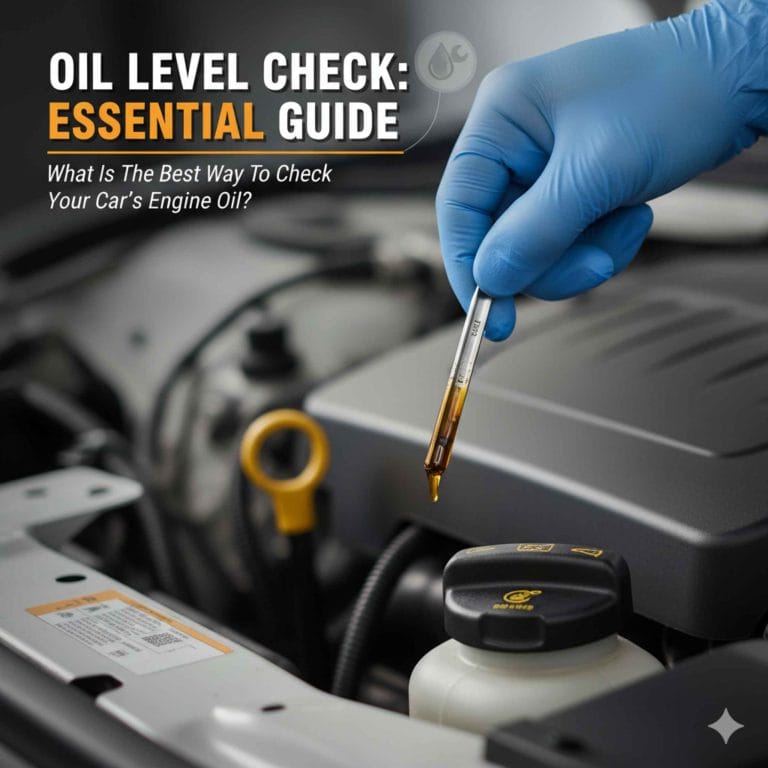
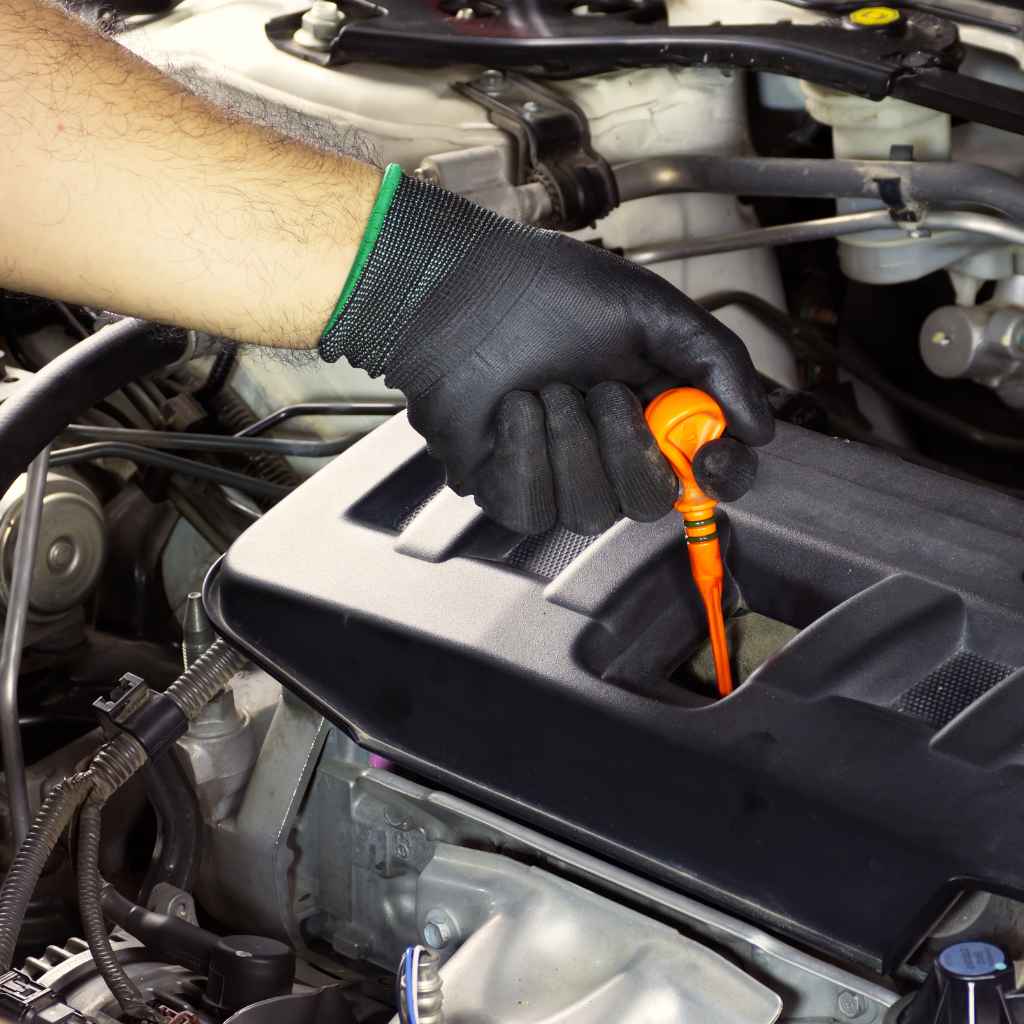
Simple checks: You can easily check your oil level. Park your car on a level surface. Wait a few minutes after the engine has cooled down.
Open the hood. Find the dipstick. Pull it out.
Wipe it clean. Re are usually two marks on the dipstick: “Add” and “Full.” The oil level should be between these two marks.
Quick Tips for Keeping Your Oil Happy
Here are some simple things you can do to keep your engine oil in good shape and prevent stalling:
- Check Your Oil Regularly: Make it a habit. Check it monthly.
- Know Your Oil Type: Use the type and weight of oil recommended in your owner’s manual.
- Change Your Oil On Time: Don’t skip oil changes. Follow the recommended intervals.
- Address Leaks Promptly: If you see oil spots, get it checked out right away.
- Listen to Your Car: Pay attention to new sounds or changes in performance.
Frequently Asked Questions About Low Engine Oil
Can I drive my car if the oil light is on?
No, you should not drive your car if the oil light is on, especially if it is flashing. Driving with low oil pressure or critically low oil levels can cause severe and expensive engine damage. Pull over safely as soon as possible and turn off the engine.
Check the oil level and add oil if needed. If the light remains on after adding oil, have the vehicle towed to a mechanic.
How much oil can a car lose before it stalls?
The amount of oil loss before a car stalls varies greatly. It depends on the engine design, the condition of the engine, and how the car is being driven. However, running a quart or more below the recommended fill level can start to cause problems.
Critically low levels, where the oil pump can no longer pick up oil, will lead to stalling.
What is the difference between the oil light and the check engine light?
The oil light usually indicates a problem with oil pressure or oil level. It’s a direct warning about lubrication. The check engine light is more general.
It can indicate hundreds of different problems, some of which might be related to oil issues, but not always. A flashing check engine light often signifies a severe issue that could damage the catalytic converter.
How often should I check my car’s oil level?
It’s a good practice to check your car’s oil level at least once a month. You should also check it before any long road trips. If you notice you’re adding oil frequently, or if your car consumes oil rapidly, it’s a sign that something might be wrong and you should have it inspected by a mechanic.
If my car stalls from low oil, will it start again after adding oil?
It might start, but that doesn’t mean the problem is fixed. If the engine stalled due to insufficient lubrication, some internal components may have been damaged. Even if it starts, it could be running with reduced efficiency or be prone to future breakdowns.
It’s crucial to have the vehicle inspected by a mechanic to assess for any damage.
Can using the wrong type of oil cause stalling?
Using the wrong type or weight of oil can cause problems, but it’s unlikely to cause immediate stalling unless it’s extremely inappropriate for the engine or climate. The wrong oil might not lubricate effectively, might not flow properly in cold temperatures, or might break down too quickly. Over time, this can lead to increased wear and potential issues, but a direct stall from just the wrong oil is less common than from a critically low level.
Wrapping It Up: Keep That Engine Humming
So, yes, low engine oil is a real cause for stalling. It’s a sign that your engine is in trouble. Oil is the heart of your engine’s health.
Keeping it at the right level is simple. But it’s incredibly important. Regular checks and maintenance are your best defense.
They help prevent those stressful moments on the side of the road. Treat your car’s oil well, and it will keep you moving reliably for a long time.