
Finding the Best Place to Take Your Car for Brake Service can feel tricky, especially if you’re new to car care. You want to be sure your brakes are fixed right so you and your family are safe. It’s easy to get confused by all the options out there.
But don’t worry! We’ll break it down simply, step by step, so you know exactly where to go and what to look for. Get ready to learn how to make a smart choice for your car’s brakes.
Why Finding the Best Brake Service Matters
Your car’s brakes are super important for safety. They stop your car and keep you from crashing. So, when they need fixing, you need to find a place you can trust.
The Best Place to Take Your Car for Brake Service will have skilled mechanics who know exactly what they’re doing. They will make sure your brakes work perfectly. This means peace of mind for you every time you drive.
The Importance of Brake System Health
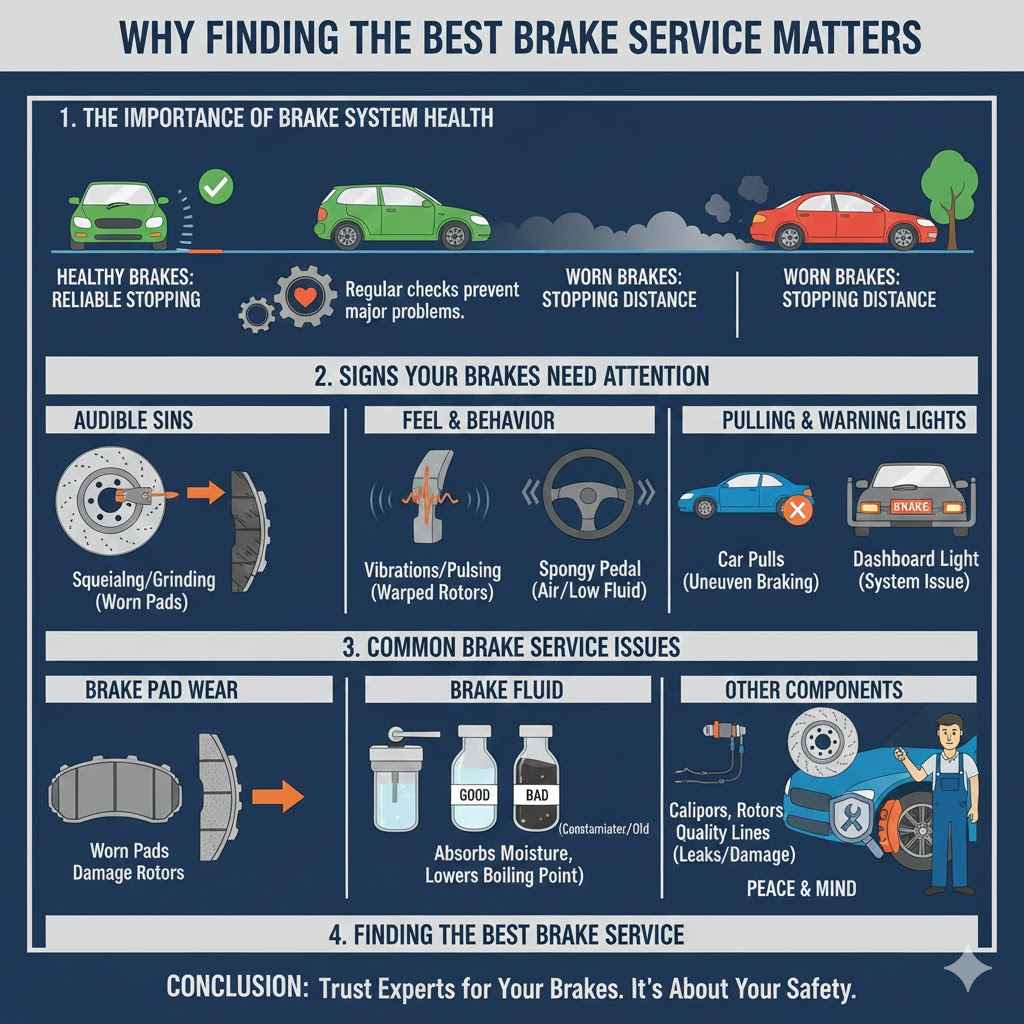
A healthy brake system is not just about stopping; it’s about stopping reliably every single time. This includes your brake pads, rotors, brake fluid, and calipers. If any part of this system is worn or damaged, it can lead to longer stopping distances or even a complete brake failure.
Regular checks can catch small issues before they become big, dangerous problems. Think of it like a check-up for your car’s most vital safety feature.
When your brakes aren’t working right, it can be a scary experience. You might hear grinding noises when you brake, or the brake pedal might feel soft or go all the way to the floor. These are clear signs that something is wrong.
Ignoring these signals is a risk no one should take. Finding a good mechanic who specializes in brakes ensures these signs are taken seriously and fixed properly.
Choosing the right service shop also affects the longevity of your vehicle. Properly maintained brakes can prevent damage to other parts of your car, like the wheels and suspension. It’s about keeping your car running smoothly and safely for years to come.
A shop that uses quality parts and skilled labor will save you money in the long run.
Signs Your Brakes Need Attention
There are several common signs that tell you it’s time to get your brakes checked. One of the most obvious is a squealing or grinding noise when you apply the brakes. This usually means your brake pads are worn down.
Another sign is if your car pulls to one side when you brake. This could indicate a problem with one of the brake calipers or lines.
A “spongy” or soft brake pedal is another big warning sign. It feels like there’s air in the brake lines, and it takes longer to stop. The brake warning light on your dashboard is also something to pay attention to.
Don’t ignore it! It means the car’s computer has detected an issue with the braking system.
Sometimes, you might notice vibrations or a pulsing feeling in the brake pedal when you slow down. This often points to warped brake rotors. These are metal discs that your brake pads squeeze to create friction.
If they become uneven, they can cause this pulsing sensation. A quick inspection can tell you if they need to be resurfaced or replaced.
Common Brake Service Issues
Brake pad wear is the most common reason for brake service. Brake pads are designed to wear down over time as they create friction to stop your car. When they get too thin, they need to be replaced.
This is a routine maintenance item for most vehicles. Ignoring worn pads can damage the brake rotors.
Brake fluid can also become contaminated or old over time. It absorbs moisture from the air, which can lower its boiling point. This means your brakes might not work as well, especially in hot conditions or during heavy braking.
Replacing the brake fluid is part of regular brake maintenance. It ensures your braking system operates at its best.
Other issues include worn brake rotors, which might need resurfacing or replacement. Brake calipers can also seize or leak, affecting braking performance. Brake lines can develop leaks or cracks.
All these problems require expert attention to fix them correctly and ensure your safety on the road.
What Makes a Brake Service Shop Great
When you’re looking for the Best Place to Take Your Car for Brake Service, you want more than just someone who can change parts. You want a place with honest mechanics, fair prices, and a good reputation. Great shops use quality parts and stand behind their work.
They explain what’s wrong with your brakes clearly and give you options for repair.
Expertise and Certifications
A truly great auto shop will have certified technicians. Certifications from organizations like ASE (Automotive Service Excellence) show that mechanics have passed rigorous tests and have proven their knowledge and skills. This means they are up-to-date on the latest automotive technology and repair techniques.
It’s a sign of professionalism and commitment to quality work.
Beyond general certifications, look for shops that specialize in brakes or offer comprehensive brake services. They will have the specific tools and diagnostic equipment needed to accurately pinpoint brake problems. This expertise is crucial because brake systems are complex and safety-critical.
A specialized shop is more likely to have seen and fixed a wider range of brake issues.
Consider if the technicians have ongoing training. The automotive industry changes rapidly, with new vehicle designs and braking systems introduced regularly. Shops that invest in continuing education for their staff are better equipped to handle modern vehicles.
This commitment to learning ensures they can provide the best possible service for your car.
Honest Diagnostics and Fair Pricing
One of the most important qualities of a good repair shop is honesty. They should explain exactly what is wrong with your brakes, why it needs to be fixed, and what options you have. They should provide a detailed written estimate before starting any work.
You should never feel pressured into unnecessary repairs. A trustworthy shop will show you the old parts they replaced.
Fair pricing is also key. While brake service is an investment, it shouldn’t break the bank. Compare prices from a few different reputable shops if you can.
However, don’t choose a shop based solely on being the cheapest. The lowest price might mean lower quality parts or less experienced labor, which can cost more in the long run. Look for a balance of quality and value.
Many shops offer free brake inspections. This is a great way to get a professional opinion on your brake system without any commitment. It allows you to understand the condition of your brakes and get an estimate for any needed repairs.
An honest shop will be transparent about what needs immediate attention versus what can wait.
Reputation and Customer Reviews
Before you take your car anywhere, check what other customers say. Online reviews on platforms like Google, Yelp, or the Better Business Bureau (BBB) can offer valuable insights. Look for shops with consistently high ratings and positive comments about their service, honesty, and quality of work.
Pay attention to reviews that mention brake service specifically.
Word-of-mouth recommendations from friends, family, or colleagues are also very reliable. If someone you trust has had a good experience at a particular shop, it’s a strong indicator that you will too. Ask them about their experience: what was the problem, how was it handled, and were they satisfied with the outcome and the cost?
A shop with a long-standing history in the community often indicates reliability and customer loyalty. While new shops can be great, established businesses have usually built a reputation over time. This history can give you added confidence in their service.
Warranty and Guarantees
A good auto shop will stand behind its work. Ask about their warranty on parts and labor. Most reputable shops offer a warranty that covers the repairs they perform for a certain period or mileage.
This guarantee provides peace of mind, knowing that if any issues arise with the repair shortly after you leave, they will address it.
Understand the terms of the warranty. What does it cover? How long does it last?
What is the process if you need to use the warranty? A clear and reasonable warranty is a strong sign of a shop’s confidence in its services. It protects you as a consumer and shows they are committed to customer satisfaction.
For example, some shops might offer a lifetime warranty on brake pads, while others might offer a 12-month or 24-month warranty on both parts and labor. This information is usually readily available on their website or by simply asking the service advisor.
Where To Find The Best Place For Your Car Brakes
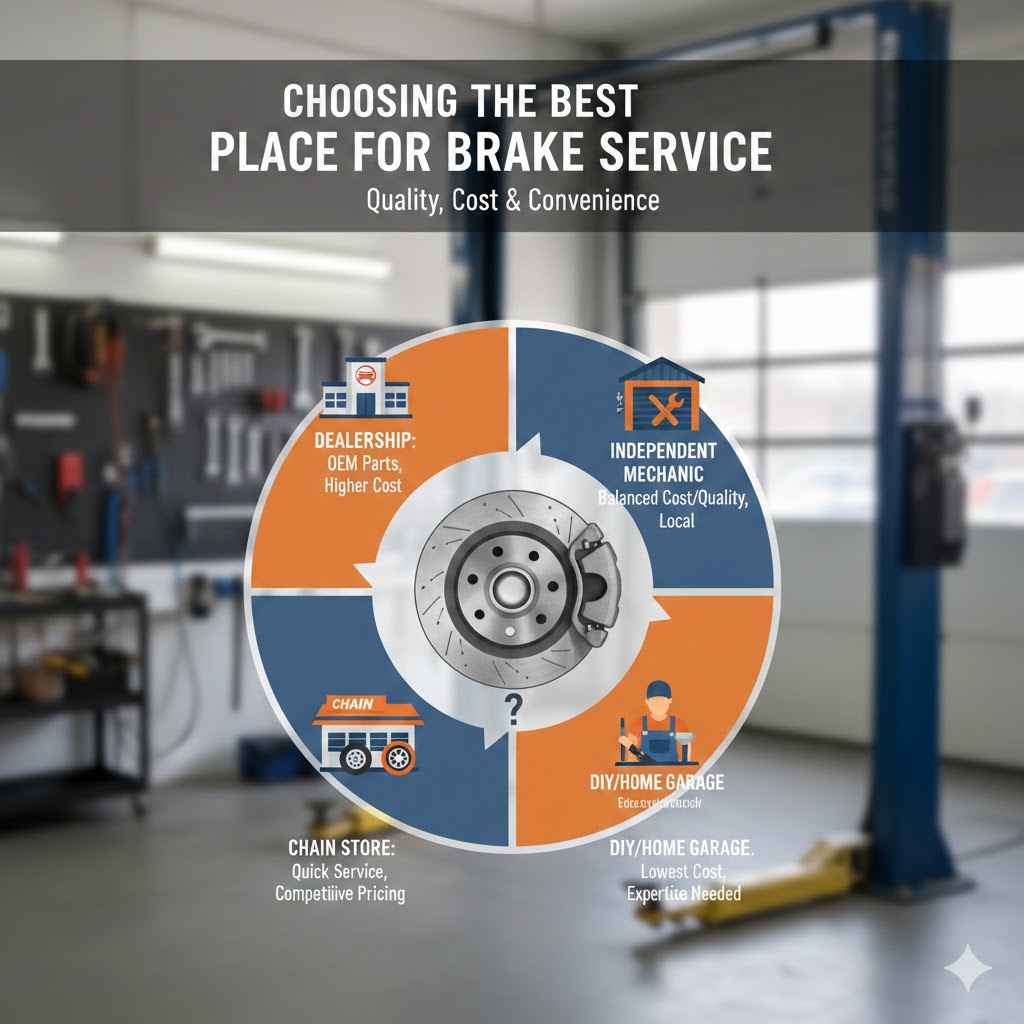
Finding the Best Place to Take Your Car for Brake Service involves looking at a few different types of service providers. Each has its own advantages and potential drawbacks. Understanding these differences helps you choose the option that best fits your needs and your car.
Dealerships vs. Independent Shops
Car dealerships are often perceived as the safest bet because they specialize in your car’s make. They have factory-trained technicians and use genuine parts designed specifically for your vehicle. This can be especially important for newer or luxury cars where specific engineering is critical.
However, dealership services often come with a higher price tag.
Independent auto repair shops can be a great alternative. Many are highly skilled and specialize in certain makes or types of repairs, including brakes. They often offer more competitive pricing than dealerships.
The quality of service can vary greatly, so reputation and certifications become even more important when choosing an independent shop.
For brake service, a well-regarded independent shop that focuses on brakes can be just as effective, if not more so, than a dealership. They may have more flexible hours and a more personal customer service approach. It’s about finding the right fit for your budget and trust level.
Specialty Brake Shops
Some shops focus solely on brakes. These are often the most knowledgeable about all things braking systems. They have specialized tools, diagnostic equipment, and a deep understanding of various brake issues.
If you have a complex brake problem, a specialty shop is likely your best option.
These shops can be particularly helpful if you’re looking for performance brake upgrades or have a classic car with unique braking needs. They understand the nuances of different braking components and how they work together. Their expertise can be invaluable in ensuring your brakes are functioning at their absolute peak performance.
A significant advantage of specialty shops is their focused expertise. They are constantly dealing with brake issues, which means their technicians are highly experienced. They are less likely to overlook a subtle problem or misdiagnose an issue.
This specialization can lead to faster and more accurate repairs.
Chain Auto Service Centers
Large auto service chains offer convenience and often have standardized pricing and procedures. They can be a good option for routine maintenance and common repairs like brake pad replacements. Many have online booking and transparent pricing structures.
They often have widespread locations, making them accessible.
However, the quality of technicians can vary between locations within a chain. While they have standard training, the depth of experience might not match that of a specialized independent shop or dealership. It’s still important to check reviews for the specific location you are considering.
Some chains excel in customer service and quality, while others may be more focused on volume.
These centers are often a good middle ground. They are typically more affordable than dealerships but may offer a higher level of standardized service than smaller, independent shops. They are convenient for quick services and routine checks.
Making Your Decision For Brake Care
Choosing where to get your brakes serviced is a decision that prioritizes safety and reliability. By considering the factors discussed, you can feel confident in your choice. Remember that the Best Place to Take Your Car for Brake Service is one where you feel informed and trust the people working on your vehicle.
What to Ask When You Call
When you call a shop to inquire about brake service, have some questions ready. Ask about their experience with your car’s make and model. Inquire about their diagnostic process for brake issues.
It’s also important to ask about their warranty on parts and labor. Understanding their pricing structure upfront, including any diagnostic fees, is also wise.
Don’t hesitate to ask for clarification if you don’t understand something. A good service advisor will be happy to explain technical terms and repair procedures in a way that’s easy to grasp. Asking these questions helps you gauge their professionalism and transparency.
For instance, you might ask: “Do you offer free brake inspections?” or “What is your warranty period for brake pad replacements?” This demonstrates that you are an informed consumer who values quality service.
Checking Your Car’s Service History
Keeping a record of your car’s maintenance is very helpful. If you have records of past brake work, bring them with you. This can give the new shop an idea of what has been done and when.
It can also help them identify recurring issues or suggest the next steps in your car’s brake maintenance schedule.
A consistent service history shows that you’ve taken care of your car. This can also be beneficial if you decide to sell your vehicle in the future. Shops that look at your service history can often provide more tailored advice based on your car’s past performance and maintenance.
For example, if your records show you
Trusting Your Gut Feeling
Ultimately, trust your intuition. If a shop makes you feel uncomfortable, pressured, or confused, it might be best to look elsewhere. The Best Place to Take Your Car for Brake Service is a place where you feel respected, informed, and confident that your car is in good hands.
Good communication and a friendly atmosphere can go a long way.
A shop that values customer relationships will make you feel welcome and valued. They will take the time to listen to your concerns and address them thoroughly. This personal touch is often a strong indicator of excellent overall service.
Understanding Brake System Components
To truly appreciate the importance of quality brake service, it’s helpful to know the main parts of your car’s braking system. Each component plays a critical role in bringing your vehicle to a safe stop. When any of these parts are not working correctly, your safety can be compromised.
Brake Pads
Brake pads are the friction material that presses against the brake rotors. They are designed to wear down over time as they rub against the rotors to slow the car. Most modern brake pads are made from a composite material, which can include organic compounds, metallic fibers, or ceramic particles.
The type of material affects their performance, durability, and noise levels.
For example, organic brake pads are quieter and cheaper but wear out faster and can generate more brake dust. Metallic brake pads offer better heat dissipation and longer life but can be noisier and cause more rotor wear. Ceramic brake pads are known for being quiet, long-lasting, and producing less dust, but they can be more expensive.
When brake pads wear down to a certain thickness, typically around 3 millimeters or less, they need to be replaced. Many brake pads have a small metal indicator that creates a squealing noise when the pads are worn low, alerting the driver. This sound is distinct from normal brake operation.
Brake Rotors
Brake rotors, also called brake discs, are the large metal plates that rotate with your wheels. When you press the brake pedal, the brake pads clamp down on these rotors, creating friction that slows and stops the car. Most rotors are made of cast iron, though some high-performance vehicles use carbon-ceramic rotors for lighter weight and better heat resistance.
Over time, brake rotors can become worn, warped, or grooved from constant friction with the brake pads. Warped rotors can cause a pulsing sensation in the brake pedal when you apply the brakes. Grooves or excessive wear can reduce braking effectiveness.
Rotors can sometimes be resurfaced (machined to create a smooth surface) if the wear is not too severe, extending their life.
The condition of your brake rotors is directly related to the lifespan and effectiveness of your brake pads. If rotors are significantly worn or warped, new brake pads installed on them will not perform optimally and may wear out faster. Therefore, brake pad and rotor inspections often go hand-in-hand.
Brake Fluid
Brake fluid is a hydraulic fluid that transmits the force from your foot on the brake pedal to the brake calipers. When you press the pedal, a piston in the master cylinder pushes the fluid through the brake lines to the calipers, which then squeeze the brake pads against the rotors. This fluid is essential for the entire braking system to function.
Brake fluid is hygroscopic, meaning it absorbs moisture from the atmosphere over time. As it absorbs water, its boiling point lowers. This can lead to “brake fade,” where the brakes become less effective, especially during hard braking or on long descents, because the fluid can boil and create air bubbles.
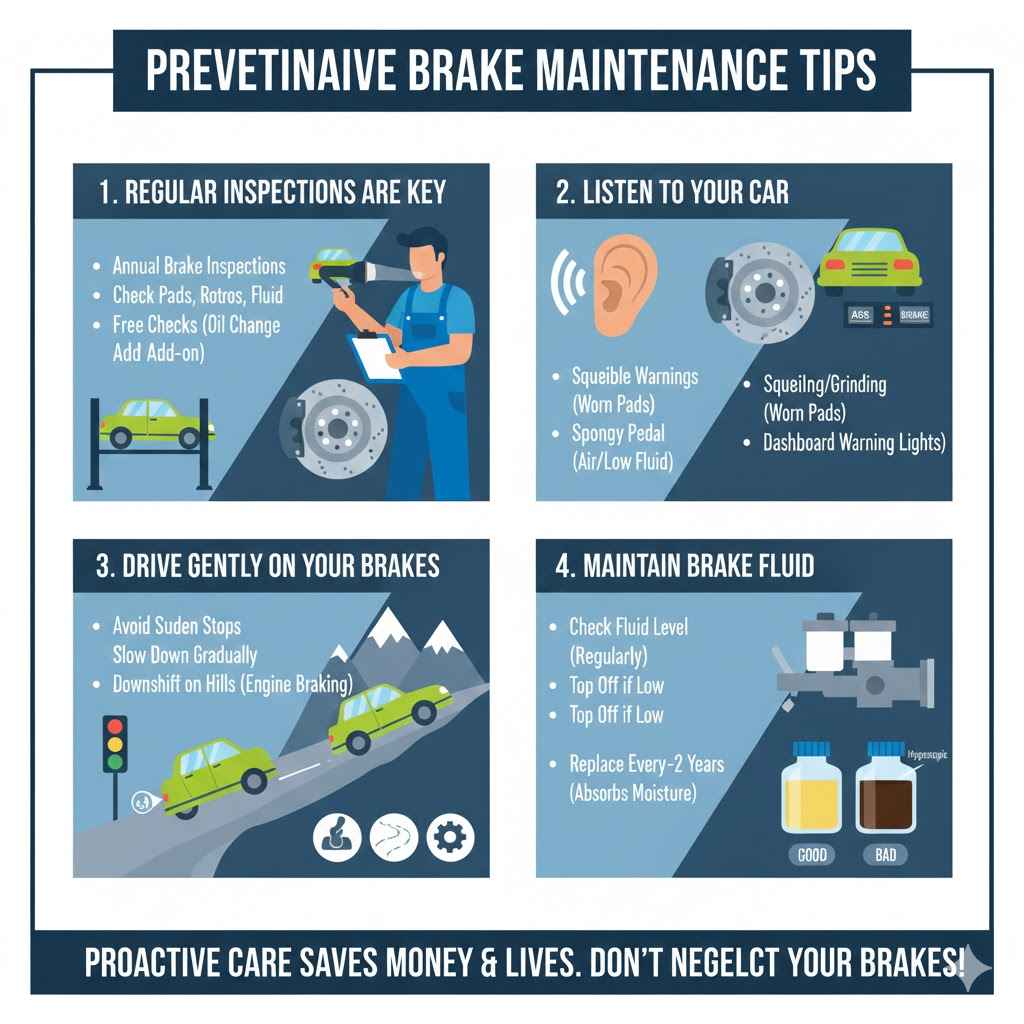
Regular flushing and replacement of brake fluid are recommended as part of routine vehicle maintenance, typically every two years or as specified by the manufacturer.
Contaminated or old brake fluid can also corrode internal brake components, leading to costly repairs. Ensuring the brake fluid is clean and at the correct level is a simple yet vital step in maintaining brake system health.
Brake Calipers
Brake calipers are the components that house the brake pads and the pistons that push the pads against the rotors. When the brake pedal is pressed, hydraulic pressure forces a piston (or multiple pistons) inside the caliper to move outward, clamping the brake pads onto the rotor. Most modern cars have disc brakes, and calipers are a key part of this system.
Calipers can sometimes seize or stick, which means the brake pads might not retract properly from the rotor. This can cause uneven brake wear, drag, and overheating. Leaks in the caliper seals can also lead to loss of brake fluid and reduced braking power.
If a caliper is not functioning correctly, it needs to be repaired or replaced to ensure balanced and effective braking on that wheel.
In some vehicles, the parking brake mechanism is integrated into the rear brake calipers. This adds another layer of complexity to caliper maintenance. A well-functioning caliper is crucial for even pressure distribution across the brake pads.
Preventative Brake Maintenance Tips
Taking good care of your brakes before they become a problem can save you money and keep you safe. Simple checks and regular maintenance can go a long way in ensuring your braking system is always ready when you need it.
Regular Inspections Are Key
Schedule regular brake inspections with your mechanic. These inspections should happen at least once a year, or more often if you drive in harsh conditions or notice any changes in your brakes. Mechanics will check the thickness of your brake pads, the condition of your rotors, the level and quality of your brake fluid, and the functionality of your calipers and lines.
During a routine oil change, ask your mechanic to quickly look at your brakes. This doesn’t take much extra time and can catch minor issues before they become major repairs. For example, seeing that your brake pads are getting thin during an oil change allows you to plan for their replacement at your convenience.
Many shops offer free brake checks. Take advantage of these offers to get a professional opinion on your brake system’s health. It’s a proactive step that can prevent unexpected and potentially costly issues down the road.
Listen To Your Car
Your car will often tell you when something is wrong with the brakes. Pay attention to any new noises, changes in pedal feel, or warning lights. Squealing, grinding, or clicking sounds when you brake are usually indicators that your brake pads are worn or there’s another issue.
A spongy or soft pedal means air might be in the brake lines or there’s a fluid leak.
Don’t ignore these signs. The sooner you address a brake problem, the less likely it is to cause damage to other components or lead to a dangerous situation. What might seem like a minor annoyance could be a sign of a more serious safety concern.
For instance, a faint squeal might just be new pads bedding in, but a loud, constant grinding sound is a serious issue that needs immediate attention. Similarly, a pedal that feels slightly different than usual warrants a closer look.
Drive Gently On Your Brakes
How you drive can impact the wear and tear on your brakes. Avoid sudden stops and hard braking whenever possible. Anticipate traffic lights and slow down gradually.
This reduces the stress on your brake pads and rotors, making them last longer.
When driving downhill, instead of relying solely on your brakes, downshift to a lower gear. This uses the engine to help slow your vehicle, reducing the strain on your braking system and preventing them from overheating. This practice is especially important for heavier vehicles or on long, steep grades.
Smooth driving habits not only save your brakes but also improve fuel efficiency and reduce overall vehicle wear. It’s a win-win for your car and your wallet.
Frequently Asked Questions
Question: How often should I get my brakes checked
Answer: It is generally recommended to have your brakes inspected at least once a year, or every 10,000 to 12,000 miles. However, you should get them checked immediately if you notice any unusual noises, changes in pedal feel, or warning lights on your dashboard.
Question: What is the difference between brake pads and rotors
Answer: Brake pads are the material that clamps down on the rotors to slow your car. Brake rotors are the metal discs that rotate with the wheels, and the pads press against them. Both are critical for stopping your car.
Question: Can I replace my own brake pads
Answer: While some experienced DIY mechanics can
Question: How much does brake service typically cost
Answer: The cost of brake service can vary greatly depending on the make and model of your car, the extent of the work needed (e.g., just pads, or pads and rotors), and your location. A basic brake pad replacement might range from $150 to $300 per axle, while replacing pads and rotors can cost $300 to $600 or more per axle.
Question: What are the signs my brake fluid needs changing
Answer: Signs your brake fluid needs changing include a darkened color, a spongy brake pedal, or if it has been more than two years since it was last flushed. Brake fluid absorbs moisture over time, reducing its effectiveness and potentially damaging brake system components.
Conclusion
Finding the Best Place to Take Your Car for Brake Service means choosing a repair shop that values your safety and your trust. Look for certified mechanics, transparent pricing, and good customer reviews. Don’t ignore warning signs; get your brakes checked regularly.
A well-maintained brake system ensures a safe drive every time.