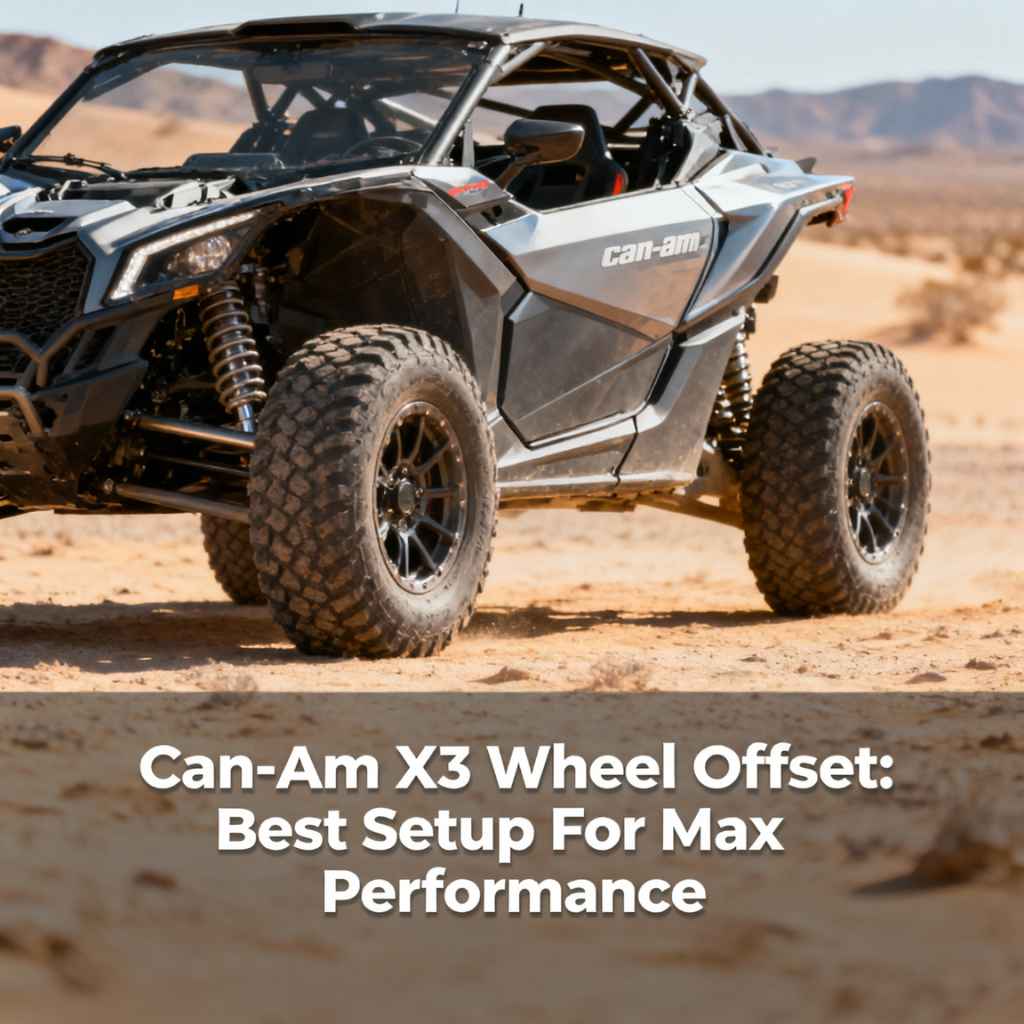
Can-Am X3 Wheel Offset: Best Setup For Max Performance
It’s like trying to find the perfect recipe. You know you want something great, but there are so many ingredients and ways to mix them. When it comes to your Can-Am X3, that mix often comes down to its wheels and how they sit.
Specifically, the wheel offset matters a lot. Get it wrong, and your ride might feel wobbly or even unsafe. Get it right, and your X3 can handle corners like a dream and look amazing too.
We’ve all been there, staring at wheel options, feeling a bit lost. Let’s clear this up together.
The best Can-Am X3 wheel offset balances handling, stability, and aesthetics. For most riders seeking improved performance without extreme modifications, a negative offset (outward from the hub) often offers a wider stance and better cornering. However, the ideal setup depends on your riding style, terrain, and desired look.
Understanding Can-Am X3 Wheel Offset
So, what exactly is wheel offset? Think of it like this: it’s how the wheel sits relative to the mounting surface. That’s the part that bolts to your vehicle.
It’s measured in millimeters (mm).
There are three types of offset. Positive offset means the wheel’s mounting surface is pushed out. It sits closer to the suspension.
Negative offset means the mounting surface is pulled in. The wheel sticks out more from the suspension. Zero offset means the mounting surface is perfectly in the middle.
For Can-Am X3 machines, we mostly talk about negative offset. This pushes the wheels outward. It makes your vehicle wider.
A wider stance means better stability. It’s especially helpful when you’re going fast or turning hard.
Why does this matter so much? Well, it changes how your vehicle handles. It affects your steering.
It also impacts your suspension. Even tire wear can change. Getting the offset right is key for your X3’s performance.
It’s not just about how it looks.
My First Off-Road Wheel Mishap
I remember my first time trying to upgrade my X3’s wheels. I wanted it to look tougher and handle better. I saw these awesome wheels online with a really aggressive offset.
They looked like they’d make my X3 super wide. I thought, “This is it! This is the upgrade I need.”
I ordered them, got them mounted, and bolted them on. The moment I took it out for a spin, I knew something was off. The steering felt heavy.
Turning was a chore. It felt like I was fighting the machine. On rough terrain, it was even worse.
The ride was bumpy and unpredictable. I was frustrated. I had spent good money, and now my X3 was harder to drive.
It was a clear lesson: looks aren’t everything. You need to understand the details, like that little number showing the offset.
Wheel Offset Basics
What is it? How far a wheel sits from its mounting point.
Measured in: Millimeters (mm).
Types:
- Positive (+): Mount sits outside the wheel’s center.
- Negative (-): Mount sits inside the wheel’s center.
- Zero (0): Mount is perfectly centered.
Why it matters: Affects handling, stability, steering feel, and tire wear.
The Impact of Wheel Offset on Handling
Let’s dive deeper into how wheel offset changes your X3’s performance. When you push the wheels out, you get what’s called a wider track width. This means the distance between your left and right tires is greater.
This is a big deal for stability.
Imagine a tall, skinny building versus a short, wide one. The wide one is much harder to tip over. The same idea applies to your X3.
A wider stance makes it less likely to roll over. This is super important when you’re climbing hills or taking sharp turns at speed.
But there’s a trade-off. Pushing the wheels out too far can put more stress on your suspension and steering components. It can also make your steering harder to turn.
The wheels are further away from the steering pivot point. This is why finding the right balance is crucial.
For many X3 owners, a slightly negative offset is the sweet spot. It gives you that extra width for stability. It doesn’t push the wheels out so far that you lose steering ease or overwork your parts.
It’s about making the machine predictable and fun to drive.
If you’re hitting trails that are really bumpy, or you like to drift through corners, that extra width is your friend. It helps keep all four tires on the ground. It makes your ride smoother and more controlled.
You can feel more confident pushing your X3 to its limits.
Offset and Your X3’s Stance
Negative Offset:
- Effect: Pushes wheels outward.
- Benefit: Wider stance, increased stability, better cornering.
- Consideration: Can increase steering effort, stress on components.
Positive Offset:
- Effect: Pulls wheels inward.
- Benefit: Narrower stance, lighter steering.
- Consideration: Reduced stability, can cause tires to rub suspension.
Common Offsets for the Can-Am X3
When you look at wheels for your Can-Am X3, you’ll see numbers like 5+2, 4+3, or even 2+5. What do these mean? This is a common way wheel manufacturers describe the offset, especially for ATVs and UTVs.
The first number is the backspacing in inches. The second number is the frontspacing in inches. They add up to the total width of the wheel in inches.
Let’s break it down with an example. A 5+2 wheel means 5 inches of backspacing and 2 inches of frontspacing. The total wheel width is 7 inches.
The mounting surface is 5 inches from the back edge and 2 inches from the front edge. This setup has more backspacing than frontspacing. This means the wheel will stick out more.
A 2+5 wheel would have 2 inches of backspacing and 5 inches of frontspacing. The wheel is still 7 inches wide. But this time, the mounting surface is closer to the front.
The wheel will sit further in. This is a positive offset situation.
For the Can-Am X3, many people prefer setups that result in a wider stance. This often means wheels with more backspacing than frontspacing. So, wheels like 5+2 or 4+3 are popular.
These are often described as having a negative offset.
These offsets help to push the tires out. This gives you that wider, more stable look and feel. It’s especially good if you plan to run larger tires or want more grip in corners.
They can make your X3 feel planted and ready for anything.
It’s important to check what your stock X3 wheels are. Knowing that starting point helps you decide how much you want to change. Most stock X3 models come with a wheel that’s fairly neutral or has a slight positive offset.
So, moving to a negative offset wheel will widen your vehicle.
Reading Wheel Specs: 5+2 Explained
Wheel Size: Often listed as 14×7 (14-inch diameter, 7-inch width).
Offset Spec: Like 5+2.
Backspacing: 5 inches (from the rim edge to the mounting surface).
Frontspacing: 2 inches (from the rim edge to the mounting surface).
Total Width: 5 + 2 = 7 inches.
Offset Type: More backspacing means negative offset (wheel sticks out).
Choosing the Right Offset for Your Needs
What’s the best offset for your Can-Am X3? This is the million-dollar question, and the honest answer is: it depends. It depends on how you ride and where you ride.
If you ride a lot of mud or sand, a wider stance from a negative offset is very helpful. It gives you more floatation. It helps you power through soft conditions.
It also keeps your tires from digging too deep and getting stuck.
For rock crawling or technical terrain, stability is key. You want your X3 to feel planted. A wider offset helps prevent tip-overs on uneven ground.
It allows you to navigate obstacles with more confidence.
If you ride mostly on trails that are tight and winding, you might not want to go too extreme. An overly wide offset can make steering difficult. It can cause your tires to rub on fenders or suspension parts.
You might find yourself fighting the wheel too much.
Also, consider your tires. Are you sticking with stock size? Or are you planning to upgrade to larger, more aggressive tires?
Larger tires naturally push outwards a bit. You need to account for that when choosing your offset. You don’t want them rubbing on your fenders or control arms.
A good rule of thumb for many X3 owners is to look at offsets that add about 1-3 inches to the overall width of the vehicle. This often means wheels in the 4+3 or 5+2 range for a 14-inch wheel, or similar ratios for 15-inch wheels.
Many people find that a 4+3 offset on a 14-inch or 15-inch wheel provides a great balance. It gives a noticeable widening effect. It improves stability without making the steering too heavy.
It’s a safe bet for most types of riding.
Remember, you can always use wheel spacers if you want to experiment with a slightly wider stance without buying new wheels. However, spacers add another point of potential failure. They can also put more stress on your wheel studs.
So, choosing the right offset wheels from the start is often the best long-term solution.
Offset Recommendations by Riding Style
Mud/Sand Riding:
- Goal: Maximize floatation, maintain momentum.
- Recommended Offset: More negative offset (e.g., 4+3, 3+3).
Rock Crawling/Technical Terrain:
- Goal: Maximize stability, prevent rollovers.
- Recommended Offset: Negative offset (e.g., 5+2, 4+3).
Fast Trail Riding:
- Goal: Balance stability and responsive steering.
- Recommended Offset: Mild negative offset (e.g., 5+2, 4+3).
Tight Trails/Woods Riding:
- Goal: Maintain maneuverability, avoid rubbing.
- Recommended Offset: Closer to stock or slight negative (e.g., 6+1, 5+2).
The Aesthetic Advantage of Wider Offset
Let’s be real. A big part of upgrading your Can-Am X3 is how it looks. And wheel offset plays a huge role in that aggressive, ready-for-anything stance.
When you choose a wheel with a negative offset, you push those tires out. This makes your X3 look wider. It looks more planted.
It gives it a sportier, more muscular appearance. It’s that classic “stance” that many off-road enthusiasts love.
Think about it. A vehicle with its wheels tucked way in can look a bit awkward. It doesn’t look as powerful or capable.
Pushing them out makes the whole machine look more balanced. It fills out the wheel wells nicely.
This aesthetic upgrade is often why people first consider changing their wheels. They see a picture of an X3 with a perfect wide stance and think, “I want mine to look like that.” And a proper negative offset is the secret sauce to achieving that look.
It’s not just about the width, though. The design of the wheel itself matters. But the way the wheel sits in relation to the fender and the bodywork is dictated by the offset.
A well-chosen offset makes the wheel design pop.
For example, a wheel with a deep lip can look amazing when it’s pushed out. It creates a strong visual line. It emphasizes the width of your X3.
It makes it stand out in the parking lot or on the trail.
So, while we focus a lot on performance, don’t underestimate the visual impact of wheel offset. It’s a simple change that can dramatically alter the entire look of your machine. It’s a way to personalize your X3 and make it truly yours.
When Does Offset Cause Problems?
While a wider stance is often desirable, there are times when the wrong wheel offset can cause headaches. The most common problem is tire rub. This happens when your tires hit the fenders, suspension arms, or body panels.
If you go with too much negative offset, especially with larger tires, you increase the chances of rubbing. This can be annoying. It can also damage your tires or your vehicle’s body.
In some cases, it can even affect steering.
Another issue is increased stress on your vehicle’s components. When wheels are pushed out, they create more leverage. This puts extra strain on your wheel bearings, hubs, and suspension joints.
Over time, this can lead to premature wear or even failure of these parts.
Steering can also become heavier. As mentioned before, the further the wheel is from the steering axis, the more force you need to turn it. This can lead to driver fatigue on long rides.
It can also make low-speed maneuvers more difficult.
Your X3’s turning radius might also be affected. A wider offset can sometimes limit how far your wheels can turn. This is especially noticeable when you’re trying to make tight turns in confined spaces.
Finally, incorrect offset can affect your vehicle’s alignment. While the X3 isn’t typically aligned like a car, the way your wheels sit can influence how your suspension components work together. This can lead to uneven tire wear.
It’s crucial to do your homework. Look at what other riders are using on similar X3 models. Check forums and ask experienced riders.
Understand the tire sizes you plan to use. This research will help you avoid common pitfalls and choose an offset that enhances, rather than hinders, your riding experience.
Potential Offset Issues to Watch For
Tire Rubbing:
- Cause: Wheel too far out, tire too large.
- Result: Damage to tires, fenders, or body.
Component Stress:
- Cause: Excessive leverage from wide stance.
- Result: Faster wear on bearings, hubs, suspension.
Difficult Steering:
- Cause: Wheel too far from steering axis.
- Result: Driver fatigue, hard to maneuver at low speeds.
Reduced Turning Radius:
- Cause: Wheel interference with body or suspension.
- Result: Less agile in tight spots.
Real-World Scenarios and Offset Choices
Let’s look at a couple of common scenarios for Can-Am X3 owners. These examples show how different riding styles lead to different offset decisions.
Scenario 1: The Mud Enthusiast.
Meet Sarah. She loves hitting the mud bogs. Her X3 is her ticket to getting through thick, soupy conditions.
For her, a wider track is essential. She wants her tires to float on top of the mud, not sink in. She’s running 30-inch tires on 14-inch wheels.
Sarah chose wheels with a 4+3 offset. This gives her a good 2-inch wider stance on each side compared to a stock setup. Her tires now sit further out.
This helps keep them from digging too deep. It also helps her X3 feel more stable when she’s powering through the muck. She sometimes gets a little rubbing on the front fenders when turning sharply, but it’s manageable for her style of riding.
For her, the added flotation and stability are worth the minor rub.
Scenario 2: The Trail Blazer.
Then there’s Mark. He prefers exploring mountain trails and open desert. His riding is fast and dynamic.
He needs his X3 to feel nimble and responsive. He’s also running 30-inch tires, but on 15-inch wheels.
Mark opted for wheels with a 5+2 offset. This still gives him a wider stance than stock, providing that extra stability for high-speed cornering and bumpy terrain. However, it’s not as extreme as Sarah’s setup.
This means his steering remains relatively light. He doesn’t have any issues with tire rub on his fenders or suspension. This offset allows him to make quick turns without fighting the steering wheel.
He feels confident tackling varied terrain with this setup.
These examples show that there isn’t one “perfect” offset. Sarah’s 4+3 works great for her muddy adventures, while Mark’s 5+2 is ideal for his fast trail riding. Both are popular choices for the X3 because they offer a good balance of performance and aesthetics.
What stands out is how they consider their tires. Sarah’s wider offset handles her specific tire choice well. Mark’s offset is chosen with his tire size in mind.
Always think about your tire size alongside your offset. That combination is what truly dictates how your X3 will perform and fit.
Offset vs. Tire Size: A Quick Look
Scenario: Upgrading to 32-inch tires.
Consideration: Larger tires naturally increase the vehicle’s width. They also have a larger rolling diameter. This means they can be more prone to rubbing.
Offset Advice:
- Less Aggressive Offset (e.g., 6+1): Might be needed to prevent rubbing, especially on stock suspension.
- Moderate Offset (e.g., 5+2): Often works well, but check clearances carefully.
- Aggressive Offset (e.g., 4+3): May cause significant rubbing without fender modifications or cutting.
Key Takeaway: Always consult tire and wheel manufacturers or experienced riders for advice specific to your tire and offset combination.
What This Means for Your Can-Am X3
So, what’s the bottom line for your Can-Am X3 when it comes to wheel offset? It’s a critical factor that impacts both how your machine performs and how it looks. Getting it wrong can lead to frustration, poor handling, and even damage.
When it’s normal to have a specific offset: If you’re looking for a slight improvement in stability and a more aggressive stance, a mild negative offset like 5+2 or 4+3 is usually a great starting point. These are common choices for a reason. They work well for a wide range of riding styles.
When to worry about offset: You should worry if your wheels are causing excessive tire rub on fenders or suspension components. Also, be concerned if your steering becomes incredibly difficult to turn, or if you feel your vehicle is unstable. If your tires are wearing out very quickly and unevenly, that’s another red flag.
Simple checks you can do: After installing new wheels, turn your steering wheel lock to lock. Watch your tires closely. See if they rub anywhere.
Also, check for clearance between the tires and suspension arms or body panels. Take your X3 for a short, slow ride. Pay attention to how the steering feels.
Listen for any unusual noises. Then, take it on a more challenging ride and see how it handles corners and bumps.
The goal is to find an offset that enhances your riding experience. You want your X3 to be stable, responsive, and fun. It should also look good.
Don’t just pick the most aggressive offset you see. Think about how you ride. Consider the tires you want to run.
This thoughtful approach will lead you to the best wheel offset for your specific needs.
Quick Tips for Choosing Your Offset
Here are some quick tips to help you pick the right wheel offset for your Can-Am X3:
- Know Your Tires: Always choose your offset based on the tire size you plan to run. Larger tires need more clearance.
- Wider is Often Better: For most X3 riders, a negative offset that widens the stance is desirable for stability and looks.
- Common Offsets: Look at 4+3 or 5+2 for 14-inch or 15-inch wheels. These are popular and proven.
- Measure Your Stock Setup: Understand your current wheel’s backspacing and offset. This gives you a baseline.
- Consider Your Riding: Tailor your offset choice to your primary riding terrain and style (mud, rocks, trails).
- Check for Rubbing: Always test for tire clearance after installation. Minor rubbing can sometimes be fixed with fender trimming or adjustments.
- Don’t Go Too Extreme: An overly aggressive offset can hurt steering and put undue stress on parts.
- Consult the Community: Ask experienced X3 owners for their recommendations and experiences.
Frequently Asked Questions about Can-Am X3 Wheel Offset
What is the most common offset for a Can-Am X3?
The most common and generally recommended offsets for the Can-Am X3 aim to widen the stance. Popular choices include 4+3 and 5+2 for 14-inch or 15-inch wheels. These typically result in a negative offset, pushing the wheels outwards for better stability and a more aggressive look.
Will a negative offset make my steering harder?
Yes, a more negative offset will generally make your steering feel heavier. This is because the wheel is further away from the steering pivot point. However, for many riders, the improved stability and handling benefits outweigh this effect.
It’s a trade-off to consider based on your riding style.
Can I use wheel spacers with my Can-Am X3?
Yes, wheel spacers can be used to adjust your X3’s track width. They effectively change the offset of your existing wheels. However, spacers add complexity and can increase stress on your wheel studs and hubs.
It’s often better to choose wheels with the correct offset from the start if possible.
How does offset affect tire wear on my X3?
An incorrect wheel offset can lead to uneven tire wear. If the wheels are too far out (excessive negative offset), it can put more stress on the wheel bearings and suspension components, potentially causing premature wear. It can also lead to tires rubbing on fenders or suspension parts, damaging the tire sidewall.
What happens if I run a positive offset on my X3?
Running a positive offset on a Can-Am X3 would pull the wheels inward, making the vehicle narrower. This is generally not desired for performance UTVs like the X3, as it reduces stability. It can also cause the tires to rub against the suspension components more easily.
Do I need to change my suspension if I change my wheel offset?
Not always. For moderate changes in offset (like going from stock to a 4+3 or 5+2), you often do not need to change your suspension. However, if you are making very aggressive offset changes or running extremely large tires, you might need to consider aftermarket suspension components to ensure proper fitment and prevent rubbing.
Conclusion
Choosing the right wheel offset for your Can-Am X3 is about finding that sweet spot. It’s where performance meets appearance. It’s about making your machine handle better.
It’s also about making it look amazing. Don’t rush this decision. Think about your riding.
Consider your tires. Do your research.
A well-chosen offset can transform your X3. It makes it more stable and capable. It gives it that aggressive stance you’re looking for.
With the right setup, you’ll feel more confident. You’ll have more fun on every ride. It’s a smart upgrade for any X3 owner.