
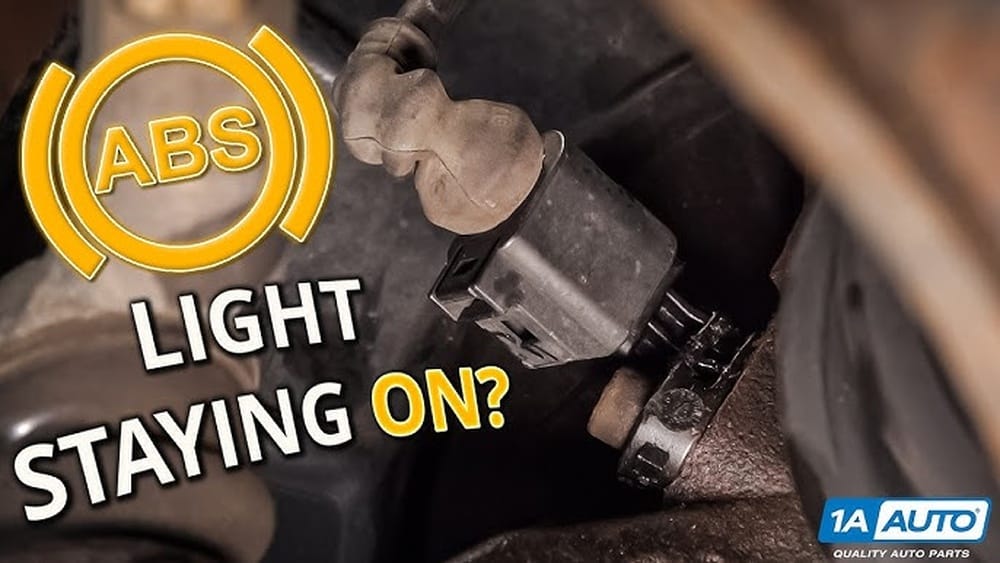
When your car refuses to start, it can feel frustrating and confusing. You turn the key, but instead of the engine roaring to life, you see the ABS light glowing on the dashboard. Many drivers start to wonder: *Can the ABS light cause a car not to start?* This is a common concern, especially as modern vehicles become more complex. Understanding what the ABS light means, why it turns on, and how it might relate to starting issues can save you time, money, and stress.
Below, you’ll find clear explanations, expert advice, and practical tips about the relationship between your car’s ABS system and starting problems. We’ll break down how the ABS system works, what triggers the warning light, and when (if ever) the ABS light itself can actually keep your car from starting.
You’ll also discover what steps to take if you’re facing this issue, with real examples and insights that are often missed by beginners. By the end, you’ll feel more confident diagnosing and solving car starting problems—ABS light or not.
What Is The Abs Light And What Does It Mean?
The ABS light is a dashboard warning indicator that relates to your vehicle’s Anti-lock Braking System (ABS). The ABS helps prevent your wheels from locking up when you brake suddenly, especially on slippery roads. This keeps your car stable and helps you steer while braking hard.
When the ABS light comes on, it means the car’s computer has detected a problem with the system. This could be a faulty sensor, damaged wiring, or an issue with the ABS control module itself. The light is designed to alert you so you can fix the problem before it becomes dangerous.
A key point: The ABS light coming on does not mean your normal brakes will stop working. It only means the anti-lock function may not work. Your car can still brake, but it might not be as safe in an emergency.
How The Abs System Works
To understand why the ABS light turns on, it helps to know the basics of the system:
- Wheel speed sensors: These small sensors read how fast each wheel is turning.
- ABS control module: This is the “brain” of the ABS. It watches the data from the wheel sensors.
- Hydraulic valves and pump: When the system detects a problem (like a wheel starting to lock), it quickly adjusts the brake pressure.
If any of these parts fail or send odd signals, the computer will trigger the ABS warning light.
Can The Abs Light Itself Cause A Car Not To Start?
For most cars, the simple answer is no: the ABS light alone does not stop a car from starting. The ABS system is independent of the engine starting process. Even if the ABS is broken, your car should still crank and run. The light is only a warning about the braking system, not the ignition or fuel systems.
However, there are exceptions and special cases that every driver should know.
When The Abs Light Might Be Linked To Starting Problems
- Shared Electrical Circuits
- Some cars, especially newer models, have complex wiring. The ABS system and the engine’s starting system may share certain power sources or fuses. A problem that triggers the ABS light (like a blown fuse) could also affect the starting circuit.
- Battery or Voltage Problems
- A weak or dead battery can cause multiple warning lights, including the ABS light. If your battery is too low, the ABS computer may not turn on, and the car may not start. In this case, the ABS light is a symptom, not the cause.
- Communication Errors (CAN Bus Faults)
- Modern vehicles use a network called the CAN bus to let different computers talk to each other. If there’s a problem with the network, both the ABS system and the engine control unit (ECU) may show errors. In rare cases, this can prevent the car from starting.
- Immobilizer or Security System Issues
- Some cars use the ABS sensors as part of their anti-theft system. If the ABS module fails, the security system might block the engine from starting.
- Severe Electrical Short
- A major wiring problem that affects the ABS can also cut power to the starter or ignition.
Real-world Example
A 2012 Ford Focus owner reported both the ABS light and the car not starting. After checking, the problem was a faulty ground connection that affected several systems. The ABS light was the first sign, but the real problem was electrical, not the ABS itself.
Common Causes Of Abs Light With No-start Condition
To help you diagnose the problem, here are the most frequent reasons you might see both an ABS light and a car that won’t start:
- Dead or Weak Battery
- If your battery is low, you may see multiple lights on the dashboard. The starter may not turn, or it may click. The ABS module is sensitive to voltage drops.
- Blown Fuse or Relay
- A fuse that powers both the ABS and the ignition could cause both systems to fail.
- Faulty Ignition Switch
- Some ignition switches supply power to both the ABS computer and the starter motor.
- Bad Ground Connection
- Poor ground wires can cause strange electrical problems, including warning lights and no-start.
- CAN Bus Communication Failure
- If the computers can’t talk, the car may refuse to start for safety reasons.
- Corroded Battery Terminals
- Corrosion can increase resistance, making it harder for the starter and ABS module to get enough power.
- Faulty ABS Module
- Rarely, a shorted ABS module can draw too much current, affecting other systems.
- Security System Malfunction
- Some anti-theft systems use data from the ABS or wheel sensors to confirm the car is safe to start.
How To Diagnose The Problem: Step-by-step
If you’re facing a no-start with an ABS warning light, don’t panic. Here’s a practical, easy-to-follow process you can use:
1. Check The Battery
- Make sure the battery terminals are clean and tight.
- Use a voltmeter to check the voltage. It should read at least 12.4 volts with the engine off.
- If the battery is low, try jump-starting the car.
2. Inspect Fuses And Relays
- Find your car’s fuse box (usually under the hood or dashboard).
- Check the owner’s manual for the location of ABS and ignition fuses.
- Look for blown fuses or burnt relays.
3. Listen For Starter Sounds
- When you turn the key, do you hear a click or nothing at all?
- A single click can mean a weak battery or bad starter.
- Rapid clicking usually means the battery is nearly dead.
4. Scan For Trouble Codes
- Use an OBD-II scanner to read error codes from the car’s computer.
- Write down any codes related to the ABS or the engine.
- Even cheap scan tools can provide helpful information.
5. Check Grounds And Connections
- Look for loose wires, especially near the battery and ABS module.
- Wiggle the cables and watch for changes in dashboard lights.
6. Try A Spare Key
- If your car uses a chip key, try a backup key. Sometimes the security system blocks starting if it can’t read the key.
7. Seek Professional Help
- If you’ve checked the above and the car still won’t start, it’s time to call a trusted mechanic.
Comparison: Abs Light Vs. Check Engine Light And Starting Problems
It’s helpful to see how the ABS light compares with other common dashboard warnings when it comes to starting issues.
| Warning Light | System Affected | Can It Prevent Starting? | Common Causes |
|---|---|---|---|
| ABS Light | Anti-lock Brakes | Rarely (only if electrical issue affects other systems) | Sensor, wiring, module faults |
| Check Engine Light | Engine/Emissions | Sometimes (if immobilizer or major fault) | Sensor, emissions, fuel/ignition |
| Security/Immobilizer Light | Anti-theft System | Yes | Key chip, module fault, communication error |
| Battery/Charging Light | Electrical/Charging | Yes (if battery is dead or alternator fails) | Alternator, battery, wiring |
Non-obvious Insights Most Beginners Miss
Many drivers focus only on the ABS system itself, missing other possible causes:
- Voltage Sensitivity: The ABS module often shows errors before other systems when the battery is weak. If you see the ABS light and other strange behavior (like slow cranking or dim lights), suspect the battery or charging system first.
- Shared Grounds: Some car designs use a single ground wire for multiple systems. Corrosion or loose connections here can make several warning lights come on at once and cause starting issues.
What To Do If Your Abs Light Is On But The Car Starts Fine
If your car starts normally but the ABS light stays on, you likely have a problem only with the anti-lock brake system. Here’s what you should do:
- Drive with Caution: Your brakes work, but you won’t have anti-lock function. Avoid hard stops, especially on wet or icy roads.
- Check for Loose Connections: Sometimes the fix is as simple as plugging in a loose wheel sensor wire.
- Scan for Codes: An OBD-II scanner will show which part of the ABS system has a fault.
- Fix Quickly: Ignoring the ABS light for too long can cause more expensive repairs later.
What To Do If The Car Won’t Start And The Abs Light Is On
If your car won’t start and you see the ABS light, follow these steps:
- Check the battery and connections first.
- Inspect all related fuses and relays.
- Try a jump-start.
- Scan for codes if possible.
- Call for professional help if the problem continues.
Cost Of Repair: What To Expect
The cost to fix a problem where the ABS light is on and the car won’t start depends on the cause. Here’s a breakdown:
| Cause | Estimated Repair Cost (USD) | DIY Possible? |
|---|---|---|
| Battery Replacement | $80–$250 | Yes |
| Fuse/Relay Replacement | $10–$50 | Yes |
| ABS Sensor Replacement | $100–$250 per sensor | Yes (with tools) |
| ABS Module Repair | $300–$1,200 | No |
| Ground Wire Repair | $50–$150 | Yes (if accessible) |
| Starter Motor Replacement | $200–$600 | Sometimes |
Preventing Abs And Starting Problems
You can avoid most ABS and starting troubles by following a few simple habits:
- Regular Battery Checks: Test your battery every year, especially before winter.
- Keep Connections Clean: Remove corrosion from battery posts and ground wires.
- Listen for Odd Noises: Clicking or grinding sounds can signal a problem before it becomes serious.
- Don’t Ignore Warning Lights: Early action saves money and keeps you safer.
- Scan for Codes: Even if the car runs fine, scan for trouble codes if any dashboard lights come on.
Expert Tips For Troubleshooting
- Start with the basics: Always check the battery and fuses before moving to more expensive parts.
- Record the sequence: Note if the ABS light comes on before, during, or after trying to start the car. This can help a mechanic find the cause faster.
- Look for patterns: Does the problem happen only when it’s cold, wet, or after driving over bumps? Environmental clues matter.
- Don’t guess: Replacing random parts gets expensive. Use a scan tool or get professional help to avoid wasted money.
When To Seek Professional Help
If you’ve checked the battery, fuses, and scanned for codes but the car still won’t start, it’s time to let an expert take over. Some ABS and starting issues need special equipment and skills. A professional mechanic can test wiring, read advanced codes, and diagnose hard-to-find faults.
Remember, driving with a broken ABS system is risky, especially in wet or icy conditions. Don’t delay repairs.
How Modern Cars Make Things More Complex
Today’s cars have dozens of computers and networks. Sometimes a problem in one system (like ABS) can affect other systems in unexpected ways. For example:
- A faulty ABS control module might confuse the car’s computer network, stopping the engine from starting.
- A bad wheel speed sensor could trigger both the ABS and security system, making the car think it’s being stolen.
This is why scanning for codes and checking all related systems is so important.
Can You Drive With The Abs Light On?
Yes, you can drive with the ABS light on, but it’s not recommended for long. Your brakes will still work, but you lose the safety benefits of anti-lock braking. On slippery roads, your car may skid or be harder to control in an emergency.
If the ABS light comes on while driving, slow down and avoid sudden stops. Get the system checked and fixed as soon as possible.
Real Data: How Often Does The Abs Light Cause No-start?
Statistics show that in over 95% of cases, the ABS light is not the direct cause of a car failing to start. Most no-start issues are due to batteries, fuses, or wiring. Only about 1 in 20 cases involve a complicated electrical or communication problem linking the ABS and engine systems.
Useful Resources
For more technical details about ABS systems and car electronics, the Wikipedia page on ABS is a good place to start.
Frequently Asked Questions
Can The Abs Light Alone Prevent My Car From Starting?
In most cars, the ABS light alone does not stop the car from starting. If your car won’t start and the ABS light is on, look for shared electrical problems or a weak battery.
Is It Safe To Drive If The Abs Light Is On?
Yes, your car will still brake, but you won’t have anti-lock braking. Drive cautiously and avoid hard stops until the ABS system is fixed.
How Do I Reset The Abs Light After A Repair?
Most ABS lights turn off automatically after the problem is fixed. In some cases, you need to use an OBD-II scanner to clear the codes, or drive a short distance to let the system reset itself.
Can A Bad Abs Module Drain My Battery?
Yes, a shorted ABS module can sometimes draw power even when the car is off, leading to a dead battery. If your battery keeps dying, have the ABS module checked.
What Does It Mean If Multiple Warning Lights Come On Together?
If you see the ABS light, check engine light, and other warnings together, suspect a shared electrical problem, bad ground, or low voltage. Scan for codes and check all connections.
If you ever find yourself with an ABS warning and a car that won’t start, remember: start with the basics, check your battery, and don’t ignore the signs. Modern cars may be complex, but with the right approach, you can solve most issues or know when to call in a pro.