
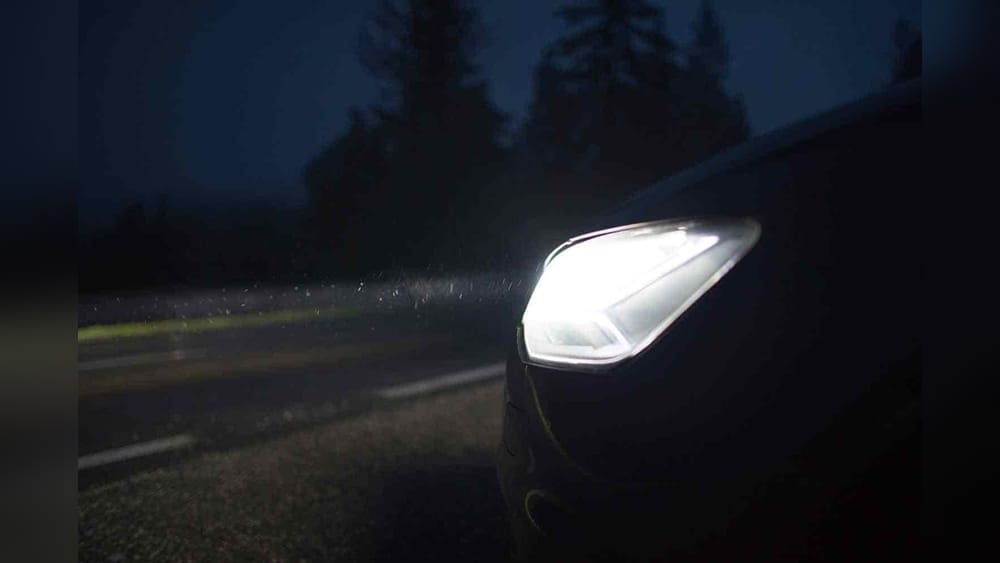
Leaving your car lights on by mistake is a situation almost every driver faces at some point. Maybe you parked in a rush and forgot to switch them off, or the daylight made it hard to notice they were still on.
You might wonder what actually happens if car lights are left on for hours or overnight. Is your battery ruined? Will your car start in the morning? Are there bigger risks involved? Understanding the real effects and what you can do about them can save you money, stress, and even keep you safer on the road.
This article explains everything that happens when you leave your car lights on. We’ll cover the science behind battery drain, how long it takes for a battery to die, which lights use more power, and what to do if you end up with a dead battery.
You’ll learn about long-term effects, safety issues, and practical steps to avoid this problem in the future. Let’s break it down, step by step.
How Car Lights Use Power
Most car lights work by drawing energy from the car battery. The battery stores electrical energy, which starts the engine and powers accessories like lights, radio, and the computer system. When the engine is running, the alternator recharges the battery and supplies power. But when the engine is off, the battery is the only power source.
Types Of Car Lights And Their Power Needs
Different lights use different amounts of power:
- Headlights (low and high beam): Use the most power, usually between 40-65 watts each.
- Parking lights: Use less power, about 5-10 watts each.
- Interior dome lights: Usually 5-10 watts.
- Trunk or glove box lights: Around 3-5 watts.
- Tail lights: 5-10 watts each.
If you leave headlights on, the battery drains much faster than if only an interior light is left on. Modern cars sometimes have LED lights, which use less energy, but they still cause a drain over time.
Data Example: Battery Capacity And Light Drain
A typical car battery has a capacity of about 45-70 amp-hours (Ah). Headlights can use roughly 8-10 amps together. That means, with headlights left on, a healthy battery could be completely drained in 4 to 6 hours. With just a small interior light, it might take 1-2 days to drain the battery.
What Happens When Car Lights Are Left On
When car lights stay on after the engine is off, the battery starts to lose its charge. The process depends on several factors:
- Battery size and age: Old batteries have less capacity and drain faster.
- Type and number of lights on: More lights or higher wattage means faster drain.
- Temperature: Cold weather reduces battery efficiency.
- Battery health: A weak battery can die in less than an hour with headlights on.
Step-by-step Effect On Your Car
- Initial hours: Battery voltage drops steadily as lights draw power.
- After 1-6 hours: Headlights may become dim as voltage falls below their operating level.
- After 6-12 hours: Battery may not have enough charge to start the engine.
- After 12+ hours: Battery can be deeply discharged, sometimes causing permanent damage.
Modern cars often have a warning system or an automatic shut-off feature for lights. But in many vehicles, especially older ones, this is not available.
Impact On The Car Battery
The most direct effect is battery drain. If the battery is new and healthy, it might survive one deep discharge. But every time a battery gets completely drained, its lifespan shortens. Lead-acid batteries (most common in cars) are designed for short, powerful bursts, not for long, slow drains.
How Deep Discharge Affects Battery Life
Every deep discharge can reduce battery capacity by 10-20%. If this happens often, a battery that should last 3-5 years might fail within a year. Batteries also sulfate when left discharged—lead sulfate crystals build up and block the battery’s ability to hold a charge.
Example Scenario
Let’s say you left your headlights on overnight. In the morning, the car won’t start. If you jump-start the battery and drive for an hour, you may restore some charge, but the battery’s overall health is now weaker. If this repeats, you’ll likely need a new battery soon.
What To Do If You Leave Car Lights On
Waking up to a car that won’t start is frustrating. Here’s how to deal with it:
1. Check Which Lights Were Left On
Sometimes, only a small light (like a dome light) is left on. In this case, the battery might not be fully dead. Try turning the ignition; if the dashboard lights up but the engine doesn’t turn over, the battery is weak but not empty.
2. Try To Start The Car
- If you hear clicking or nothing at all, the battery is probably dead.
- If the engine cranks slowly, there may be a little charge left.
3. Jump-start The Battery
You’ll need jumper cables and another car with a working battery.
Steps:
- Park the working car close to yours, but not touching.
- Turn both cars off. Connect the red cable to the positive terminals (+) on both batteries.
- Connect the black cable to the negative terminal (-) of the working battery, and the other end to an unpainted metal surface on your car (not the battery negative).
- Start the working car, let it run for a few minutes.
- Try starting your car.
If it starts, keep the engine running for at least 30 minutes to recharge the battery.
4. If It Still Won’t Start
The battery may be too deeply discharged or damaged. You might need to:
- Replace the battery.
- Use a battery charger to slowly recharge (this can take several hours).
- Call roadside assistance.
5. Check For Other Problems
If you’re sure the lights were left on, but jump-starting doesn’t help, there could be another issue, like a blown fuse, bad alternator, or loose battery cable.
Long-term Effects
Leaving car lights on repeatedly can cause more than a dead battery. Here are some possible long-term problems:
Battery Damage
As mentioned, frequent deep discharges reduce battery life. The battery may no longer hold a charge, even if recharged.
Electrical System Stress
When a battery is low, the alternator works harder to recharge it. This extra strain can wear out the alternator faster. Also, some electronic modules in modern cars can develop errors or lose settings if the battery is drained often.
Increased Risk Of Being Stranded
A weak battery can cause starting problems, especially in cold weather. This can leave you stranded, which is not only inconvenient but potentially dangerous.
Safety And Security Risks
It’s easy to focus just on the inconvenience, but there are real safety risks as well.
Stranded In Dangerous Places
If your car won’t start in an unsafe area, or at night, you might be at risk. Always keep a charged phone with you for emergencies.
Security System Failure
Some cars have alarms and immobilizers powered by the battery. A dead battery can sometimes reset these systems, making it harder to unlock or start your car, or even causing false alarms.
Loss Of Power To Essential Systems
Modern vehicles depend on battery power for many systems, including airbags, anti-lock brakes, and emergency call systems. Without battery power, these systems may be temporarily disabled.
How Long Before Car Lights Kill The Battery?
The answer depends on the type of lights and battery health. Here’s a practical comparison:
| Light Type | Average Power (watts) | Battery Drain Time (hours, healthy battery) |
|---|---|---|
| Headlights (both) | 110 | 4-6 |
| Parking lights | 20 | 15-25 |
| Interior dome light | 8 | 40-60 |
| Trunk light | 5 | 70-90 |
As you can see, headlights are the main culprit for fast battery drain. Interior or small lights can take days to fully discharge a battery.
Is Your Battery Ruined After One Time?
A single deep discharge may not completely ruin a healthy battery, but it does some damage. If your battery is already old (more than 3 years), even one deep drain can finish it off.
Signs Your Battery Is Damaged
- Car is slow to start after recharge
- Lights flicker or dim when starting
- Need to jump-start again soon after
If you notice these signs, test the battery at an auto shop. Most will do this for free.
How To Prevent Leaving Car Lights On
Prevention is always easier than fixing a dead battery. Here are some practical steps:
- Get in the habit of checking: Before leaving the car, quickly look at your dashboard and light switches.
- Use automatic lights: Many cars have an “auto” setting. If your car has this, use it.
- Install a warning chime: Some older cars don’t beep if lights are left on. Small, cheap devices are available that beep if you open the door and the lights are still on.
- Check after parking in daylight: It’s easier to forget lights in bright conditions.
- Keep a jump-starter kit: Modern portable jump-starters are small, cheap, and can save you if you forget.
Non-obvious Insight: Daylight And Forgetfulness
Many drivers forget lights when parking in bright daylight, especially if the dashboard isn’t easy to see. Make it a habit to glance at your car from outside before walking away.
Non-obvious Insight: Trunk And Glove Compartment Lights
Small lights in the trunk or glove box often get stuck on if the switch is faulty or the door doesn’t close completely. These lights drain the battery slowly but can kill it if left for a day or two.
Check these areas if your battery keeps dying and you can’t find the cause.
What To Do If You Frequently Forget
If this is a regular problem, take action:
- Set a reminder on your phone when you park.
- Use a sticky note on your dashboard as a visual cue.
- Ask a mechanic to check your car’s electrical system for faults.
Effects On Modern Vs Older Cars
Modern cars have more electronics, but they also have more safeguards. Here’s how they compare:
| Feature | Modern Car | Older Car |
|---|---|---|
| Automatic Light Shut-off | Common | Rare |
| Battery Warning Chime | Standard | Rare |
| Battery Saver Mode | Often present | Absent |
| Complex Electronics | More risk if battery dies | Less affected |
Modern cars may protect you from leaving lights on, but a dead battery can cause more electronic glitches or require resetting systems.
Myths About Leaving Car Lights On
Some drivers believe myths about battery drain and car lights. Let’s clarify a few:
- “My battery will recharge fully if I drive for 5 minutes.”
Not true. It often takes 30 minutes or more of driving to recharge a deeply drained battery.
2. “only Headlights Matter.”
Not true. Even small lights can drain the battery over time.
3. “jump-starting Always Fixes The Problem.”
Not true. If the battery is old or damaged, jump-starting may not work, or the battery will die again soon after.
4. “led Lights Can Be Left On Without Worry.”
Not true. LEDs use less power, but they still drain the battery if left on long enough.
Insurance And Warranty Issues
Most car warranties do not cover battery failure caused by leaving lights on. Insurance usually doesn’t help either, unless a roadside assistance policy covers jump-starts.
However, some extended warranties or service contracts might cover battery replacement, especially if the battery is new or recently replaced. Always check your coverage and ask your dealer for details.
Cost Of Battery Replacement
A typical car battery costs between $60 and $200. Labor to install a battery is usually $20-$50. Higher-end or specialty batteries (for hybrid or luxury cars) can cost more.
If you leave your lights on and ruin the battery, this is a direct out-of-pocket cost. Some auto parts stores will install a new battery for free if you buy from them.
Environmental Impact
Dead car batteries are a source of hazardous waste. Lead and acid from batteries can pollute the environment if not recycled properly. Always return old batteries to an auto parts store or recycling center.
By avoiding repeated deep discharges, you help the environment by making your battery last longer.
Technology Solutions
Modern technology can help you avoid this issue:
- Smartphone apps can remind you to check your lights.
- OBD-II car monitors can alert you when battery voltage drops.
- Dashcams with parking mode often have a voltage cut-off to protect the battery.
- Some cars have a “battery saver” mode that automatically turns off lights after a set time.
Check your car manual or dealer for features that can help.
Real-world Examples
Example 1:
A driver left their headlights on overnight. In the morning, the battery was dead, and the car wouldn’t start. After a jump-start, the car worked, but the battery died again a week later. Testing showed the battery lost 20% of its capacity.
Example 2:
A small trunk light was stuck on due to a faulty switch. The battery drained every few days, and the cause was hard to find. Once the switch was fixed, the problem stopped.
Steps To Recover From A Dead Battery
- Jump-start or recharge as soon as possible.
- Drive for at least 30 minutes at highway speeds.
- Test the battery at an auto parts store.
- If the battery fails the test, replace it.
- Fix any faulty switches or lights to prevent the problem.
Comparing Led Vs Halogen Lights For Battery Drain
| Type | Power Use (watts) | Battery Drain Time (hours, typical battery) |
|---|---|---|
| LED Headlight Pair | 30-40 | 12-18 |
| Halogen Headlight Pair | 110 | 4-6 |
LEDs help, but leaving them on overnight can still drain the battery.
Useful External Resource
If you want to understand more about car batteries, their types, and how they work, check this page from Wikipedia.
Frequently Asked Questions
How Long Can Car Lights Stay On Before The Battery Dies?
With headlights on, most car batteries will die in 4 to 6 hours. Small lights like dome or trunk lights may take one or two days to drain the battery. The exact time depends on battery health and temperature.
Does Leaving Car Lights On Ruin The Battery?
It can. One deep discharge shortens battery life, and repeated incidents can ruin the battery completely. If the battery is old, even one deep drain can finish it.
Can You Recharge A Battery After Leaving Lights On?
Yes, if the battery is not too old or damaged. Jump-start the car, then drive for at least 30 minutes. Have the battery tested to make sure it’s still healthy.
What If My Car Has Automatic Lights?
Automatic lights usually turn off when you remove the key or lock the car. However, check your manual—some settings or situations can override this feature, so it’s always good to double-check.
What Should I Do If My Battery Keeps Dying?
Check for small lights stuck on (trunk, glove box, interior). Have your battery and alternator tested at an auto shop. Fix any electrical faults, and consider installing a warning chime or battery monitor.
Leaving your car lights on is a common mistake, but knowing what happens next and how to prevent it can save you trouble, money, and time. Make checking your lights a habit, and your car (and wallet) will thank you.