What are the Disadvantages of Having an Electric Car: Key Insights
Electric cars are becoming more popular around the world. Many people see them as the future of transportation. They offer clean energy, lower running costs, and a quiet driving experience. Governments give incentives to push people to choose electric over traditional vehicles.
But electric cars are not perfect. While they bring many benefits, it is important to know their downsides before making a decision.
Many buyers focus on the positives, often missing the hidden challenges. Understanding the disadvantages of having an electric car will help you make a smarter choice for your lifestyle, budget, and driving needs. In this article, you will find a complete and honest look at the most important drawbacks, with real-life examples, data, and practical advice that most first-time buyers overlook.
Higher Upfront Cost
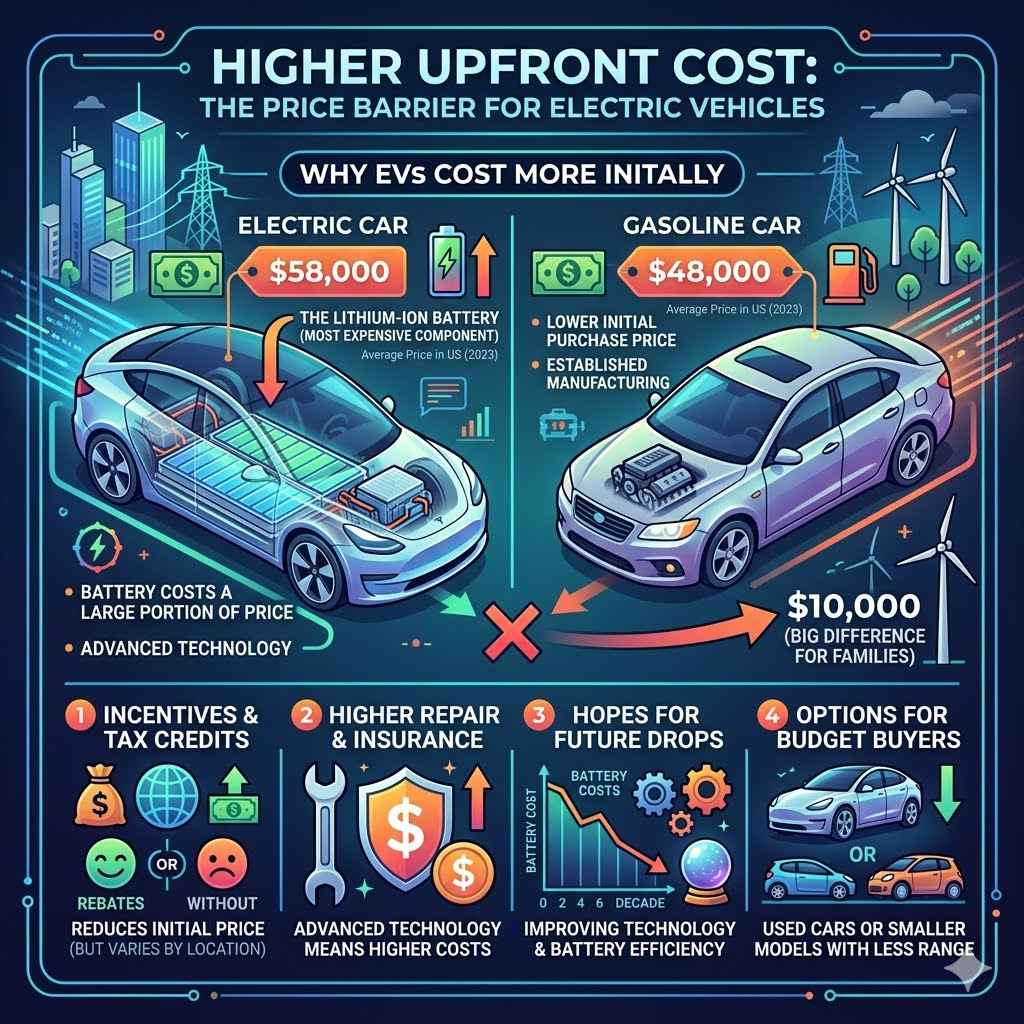
Buying an electric car is usually more expensive than buying a similar gasoline or diesel car. This price gap is one of the main reasons some people hesitate to switch. The higher cost is mainly due to the lithium-ion battery, which is the most expensive part of the vehicle. For example, the average price of a new electric car in the US in 2023 was around $58,000, while the average gas car was about $48,000. That is a big difference for many families.
Even with government incentives and tax credits, the initial price can be a barrier. Some countries offer generous rebates, but if you live somewhere with little or no support, you may face the full cost. Also, as electric cars come with advanced technology, the repair and insurance costs can be higher than what you are used to.
Many people hope prices will drop as technology improves. While battery costs have fallen over the past decade, they are still a big part of the total price. For budget buyers, this can mean settling for a used electric car or choosing a smaller model with less range.
Limited Driving Range
Range anxiety is a common worry for electric car owners. Most affordable electric cars can travel between 150 to 250 miles on a full charge. Expensive models can go further, but they come at a much higher price. If you drive long distances often, this can be a big problem.
In cold weather, driving range drops even more. For example, a car that usually drives 250 miles in warm weather may only go about 180 miles in winter. Using the heater, air conditioning, or driving at high speeds also reduces range.
This means you have to plan your trips more carefully and watch the battery level.
Traditional cars with gasoline engines can travel 400 to 500 miles on a single tank and refuel in a few minutes. With electric cars, you may have to stop more often and wait longer, which can be frustrating on long journeys.
Charging Infrastructure Challenges
Charging is one of the biggest challenges for electric car owners. Unlike gas stations, public charging stations are still limited in many areas. If you live in a city or apartment without home charging, finding a convenient place to charge can be difficult. Some parking garages and shopping centers offer chargers, but they are not everywhere.
Even when public chargers are available, they may be slow, busy, or out of service. Fast chargers can fill up your battery quickly, but they are less common and may cost more to use. In rural or remote areas, charging stations can be hundreds of miles apart.
Let’s compare charging with gas refueling:
| Type | Number of Locations (US, 2023) | Average Time to Fill/Charge |
|---|---|---|
| Gas Stations | Over 145,000 | 5 minutes |
| Public EV Chargers | About 60,000 | 30 minutes to several hours |
As you can see, gas stations are more widely available and faster to use. This difference is a big reason why some people are not ready to switch.
Longer Refueling (charging) Time
Charging an electric car takes much longer than filling a gas tank. Even with the fastest DC fast chargers, you may need 30 to 45 minutes to reach 80% charge. Home charging with a Level 2 charger can take 6 to 12 hours, depending on the battery size.
If you only drive short distances and charge overnight at home, this is not a big problem. However, for long road trips or emergency situations, waiting for your car to charge can be stressful. Charging time can also be longer if the battery is cold or if other cars are waiting for the same charger.
Some people believe charging will soon be as fast as refueling, but current battery technology has limits. Fast charging can also wear out the battery faster, which is another concern for owners.
Limited Model Choices
Although the number of electric car models is growing, your choices are still limited compared to gasoline cars. Most electric cars are compact or mid-size sedans, hatchbacks, or SUVs. If you want a pickup truck, van, sports car, or a luxury vehicle, you have fewer options.
Some brands only sell electric cars in certain regions or countries, which can make it harder to find the model you want. The used electric car market is also much smaller. If you want a specific color, trim, or feature, you may have to wait longer or pay more.
For buyers with special needs, such as large families or people who need to tow heavy trailers, electric cars may not fit. While more models are coming, it will take years before electric cars offer the same variety as traditional vehicles.
Battery Life And Replacement Cost
The battery is the heart of any electric car. While modern batteries are designed to last many years, they do not last forever. Most manufacturers offer warranties for 8 to 10 years or about 100,000 miles. After this, the battery may start to lose capacity, reducing the car’s driving range.
Replacing a battery can cost between $5,000 and $20,000, depending on the model. This is a major expense that surprises many owners. Even though battery prices are dropping, they are still a big part of the car’s total value. Some people choose to sell their electric car before the warranty ends to avoid the risk.
Another point to remember is that batteries degrade faster in hot or very cold climates. Fast charging also puts extra stress on the battery. Some owners see a 10–20% drop in range after five years, which can affect resale value.
Let’s see how battery replacement compares to traditional engine replacement:
| Vehicle Type | Major Component Replacement Cost | Expected Lifespan |
|---|---|---|
| Electric Car (Battery) | $5,000 – $20,000 | 8–10 years |
| Gas Car (Engine) | $3,000 – $7,000 | 12–15 years |
This shows that electric car batteries can be more expensive to replace and may not last as long as a well-maintained engine.
Resale Value Uncertainty
Selling a used electric car can be tricky. Many buyers worry about the remaining battery life and the cost of replacement. As a result, used electric cars often lose value faster than gas cars, especially older models with small batteries or short range.
The market for used electric cars is also smaller. If technology improves quickly, your car can become outdated in just a few years. For example, a car with 100 miles of range may be hard to sell when newer models can do 300 miles or more.
Another factor is government incentives. If new buyers get big tax credits, used cars may look less attractive. This can push prices down even further. If you plan to keep your car for a long time, this may not matter.
But if you want to sell or trade in after a few years, it is important to consider.
Cold Weather Performance Issues
Electric cars do not like cold weather. Low temperatures make batteries less efficient, so your car’s driving range drops. In some cases, you can lose up to 40% of your range in freezing conditions. Starting the car, using the heater, or even charging the battery can be slower.
Here are some reasons why cold weather is a problem:
- Chemical reactions in the battery slow down, giving less power.
- The heater uses a lot of electricity, further reducing range.
- Charging times increase because the battery needs to warm up before charging.
If you live in a cold climate, you may need to preheat your car while it is still plugged in, use seat warmers instead of the cabin heater, or plan for extra charging stops. For people in warm areas, this is less of a problem, but it’s something all buyers should know.
Towing And Hauling Limitations
Electric cars are not yet the best choice for towing or carrying heavy loads. Towing a trailer or carrying extra weight uses more power, which cuts your range sharply. For example, an electric SUV rated for 300 miles may only travel 120–150 miles when towing a medium-sized trailer.
There are fewer electric trucks and vans available, and the ones that exist are often more expensive. If you need a vehicle for work, camping, or moving heavy items, you may find electric cars do not meet your needs. Charging while towing can also be a challenge, as not all charging stations are designed for vehicles with trailers.
Manufacturers are working to improve towing capacity, but for now, traditional trucks and SUVs are more practical for these tasks.
Higher Insurance Costs
Many electric cars cost more to insure than their gasoline counterparts. This is because repairs can be more expensive, especially if the battery, electronics, or special parts are damaged. Mechanics need special training, and not all repair shops can handle electric vehicles.
Insurance companies also look at the price of replacement parts and the cost of a total loss. Since electric cars are often built with lightweight materials and advanced safety features, repairs may cost more after a crash. Some brands have higher theft rates or are targeted for their batteries, which can also raise premiums.
Over time, as more mechanics are trained and parts become cheaper, insurance rates may drop. But for now, you should check insurance costs before buying.
Limited Home Charging Access
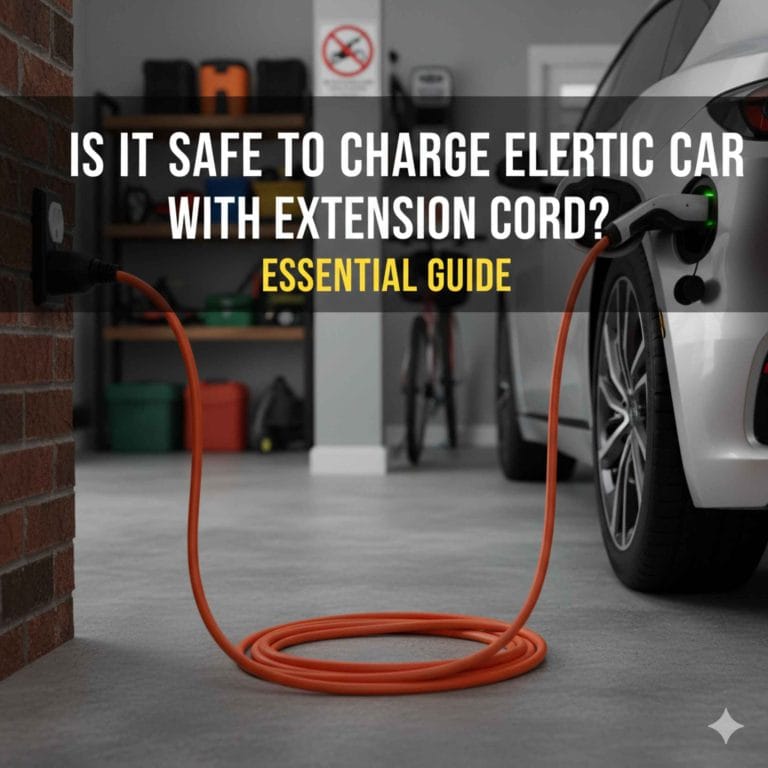
Having a home charger is the most convenient way to own an electric car. But not everyone has a garage, driveway, or safe place to install a charger. If you live in an apartment, rent your home, or park on the street, charging at home can be impossible.
Installing a Level 2 charger costs between $500 and $2,000, plus any upgrades to your electrical system. Some older homes cannot handle the extra power without expensive rewiring. Even if you can install a charger, you need permission from your landlord or homeowners’ group.
Without home charging, you rely on public stations, which are less reliable and more expensive. This can turn a simple daily routine into a headache.
Grid Demand And Power Outages
As more people buy electric cars, local power grids face extra demand. Charging a car at home uses as much electricity as running several appliances at once. If many neighbors charge at the same time, it can strain the grid, leading to higher electricity costs or even blackouts.
During storms or power outages, you cannot charge your car unless you have backup power, like solar panels or a generator. Gas stations usually get power back faster, so drivers of traditional cars may have fewer problems.
Some experts worry that if millions of electric cars plug in at the same time, cities will need to upgrade their electrical systems, which takes time and money. Planning when to charge (like at night) helps, but it is a challenge for the future.
Limited Roadside Assistance
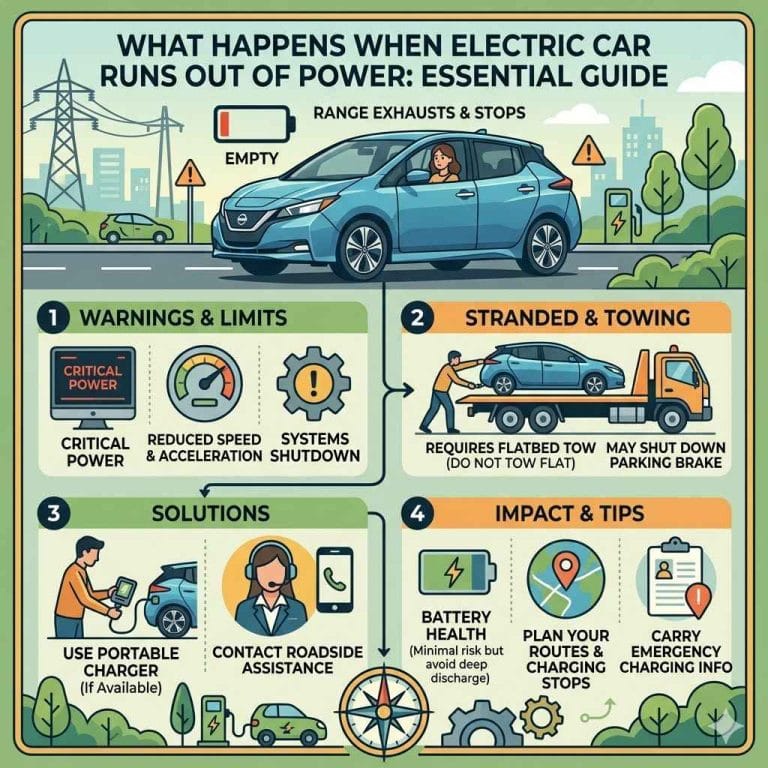
Not all roadside assistance services are ready for electric cars. If you run out of charge, you cannot just bring a can of gas. Most tow trucks need to take your car to the nearest charger, which can be far away. Some companies are starting to offer mobile charging, but this is rare and often costs extra.
Flat tires, accidents, and mechanical problems can also be harder to fix on the road. Electric cars may need to be lifted carefully to avoid damaging the battery. In rural areas, finding a qualified mechanic can be difficult.
If you often drive in remote places, you may need extra planning and safety equipment.
Repair And Maintenance Challenges
While electric cars have fewer moving parts, repairs can still be a headache. Many mechanics do not have the tools or training to fix high-voltage systems. If something goes wrong with the battery, motor, or electronics, you may need to visit a dealer or a specialist.
Getting spare parts can take longer, especially for new models or brands with limited service networks. Some repairs are more expensive because of the advanced technology.
On the other hand, electric cars need less regular maintenance (no oil changes, fewer filters, etc. ), but when something does break, it can be more complex and costly.
Here’s a quick look at maintenance differences:
| Task | Gas Car | Electric Car |
|---|---|---|
| Oil Changes | Yes, every 5,000 miles | No |
| Brake Service | Frequent | Less frequent (regenerative braking) |
| Battery Checks | No | Yes, regular checks needed |
| High-Voltage Repairs | No | Specialist needed |
This shows that while routine care is easier, complex repairs can be more difficult.
Shorter Driving Range For Older Models
Early electric cars had much smaller batteries and shorter range. Even today, older models on the used market may only travel 70 to 100 miles on a full charge. For city driving, this might be enough, but for longer trips or rural areas, it is very limiting.
As batteries age, range continues to drop. This is a key reason why older electric cars lose value quickly. If you buy used, check the battery’s health and get a range test before making a deal.
Buying a newer model with a bigger battery is usually better, but costs more up front.
Lack Of Aftermarket Customization
For car lovers who enjoy customizing their ride, electric cars offer fewer options. Most aftermarket parts, like performance upgrades, engine tuning, or sound systems, are designed for gas cars. While you can change wheels, tires, or add some accessories, modifying the motor or battery is harder and often voids the warranty.
As the electric car market grows, more custom parts will appear, but for now, choices are limited. If you enjoy personalizing your car, this might be disappointing.
Environmental Impact Of Battery Production
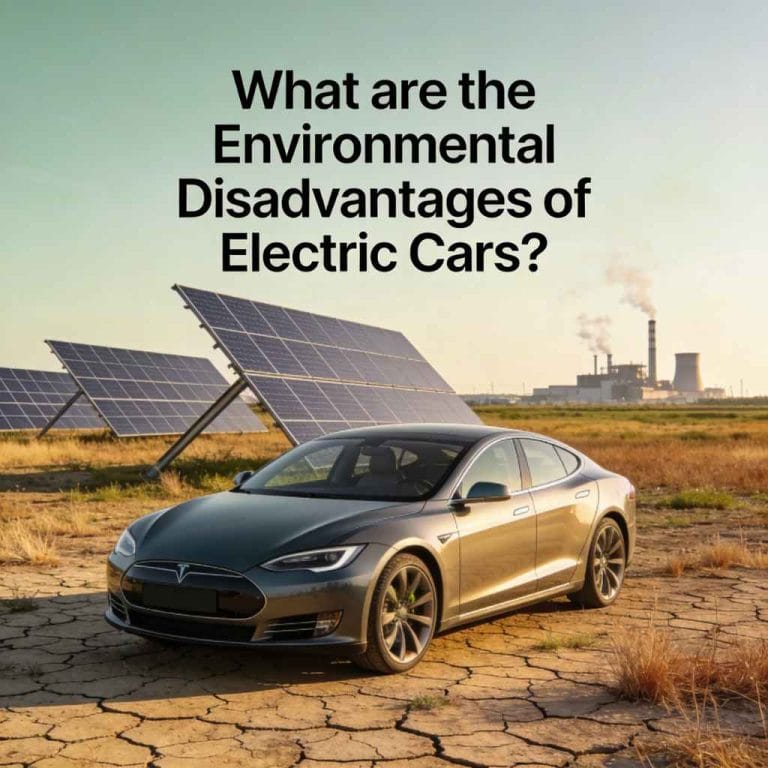
Many people buy electric cars to help the environment. But making batteries has its own problems. Mining for lithium, cobalt, and nickel uses a lot of energy and can harm local ecosystems. Factories that build batteries often use electricity from coal or gas, adding to pollution.
Recycling old batteries is still a challenge. While some companies are building recycling plants, millions of batteries will need to be processed in the future. Until then, battery waste is a concern.
Electric cars are still cleaner than gas cars over their lifetime, but their environmental impact is not zero. If you want to learn more about the challenges of battery production, you can read about it at this Wikipedia page.
Limited Long-distance Travel Flexibility
Electric cars are less flexible for long road trips. You need to plan your route around charging stations and allow extra time for charging breaks. If you like spontaneous travel or often drive in areas with few chargers, this can be frustrating.
Apps and navigation systems are getting better at helping you plan, but unexpected delays (like busy chargers or technical problems) can add stress. In some countries or regions, the charging network is still growing, so options are limited.
For city or local driving, electric cars work well. For cross-country trips or remote adventures, they are not as convenient.
Higher Taxes And Fees In Some Areas
Some governments are starting to add extra fees or taxes to electric cars. This is because they do not pay gas taxes, which fund roads and bridges. To make up for lost revenue, states like Georgia and Washington in the US charge annual fees of $200–$225 for electric cars.
These fees can reduce or cancel out the savings you get from not buying gas. As more people switch to electric cars, expect more places to introduce similar charges.
It is important to check local laws before buying, so you understand the total cost of ownership.
Quiet Operation Risks
Electric cars are much quieter than gasoline cars. While this is usually a benefit, it can be a safety risk. Pedestrians, cyclists, and other drivers may not hear your car coming, especially at low speeds.
To solve this, many countries now require electric cars to make artificial sounds below a certain speed. But some older models are still very quiet, so drivers need to be extra alert in parking lots, school zones, or busy streets.
Fewer Diy Repair Options
If you enjoy fixing your own car, electric vehicles are not the best choice. High-voltage systems can be dangerous, and many repairs need special tools or training. Even simple tasks, like changing a headlight or fuse, can be harder due to compact design and electronic controls.
Most owners have to visit a dealer or certified shop for repairs. This can mean higher costs and longer wait times. If you like to do your own maintenance, this is a big change.
Battery Recycling And Disposal Concerns
As electric cars become more common, the question of what to do with old batteries grows. Recycling technology is improving, but it is still expensive and not widely available. Some batteries end up in landfills, which is bad for the environment.
Governments and companies are working on better recycling systems, but for now, battery disposal is a challenge. If you care about the full life cycle of your car, this is something to keep in mind.
Software And Technology Issues
Electric cars rely on complex software to control everything from driving to charging. While this brings many benefits, it can also cause problems. Bugs, glitches, or updates can affect how your car works. Sometimes, a software problem can disable key features or even prevent the car from starting.
Manufacturers can fix many issues with remote updates, but not always. Some owners have faced long waits for software fixes or needed to visit a dealer. As cars become more connected, risks like hacking or data privacy also grow.
Final Thoughts
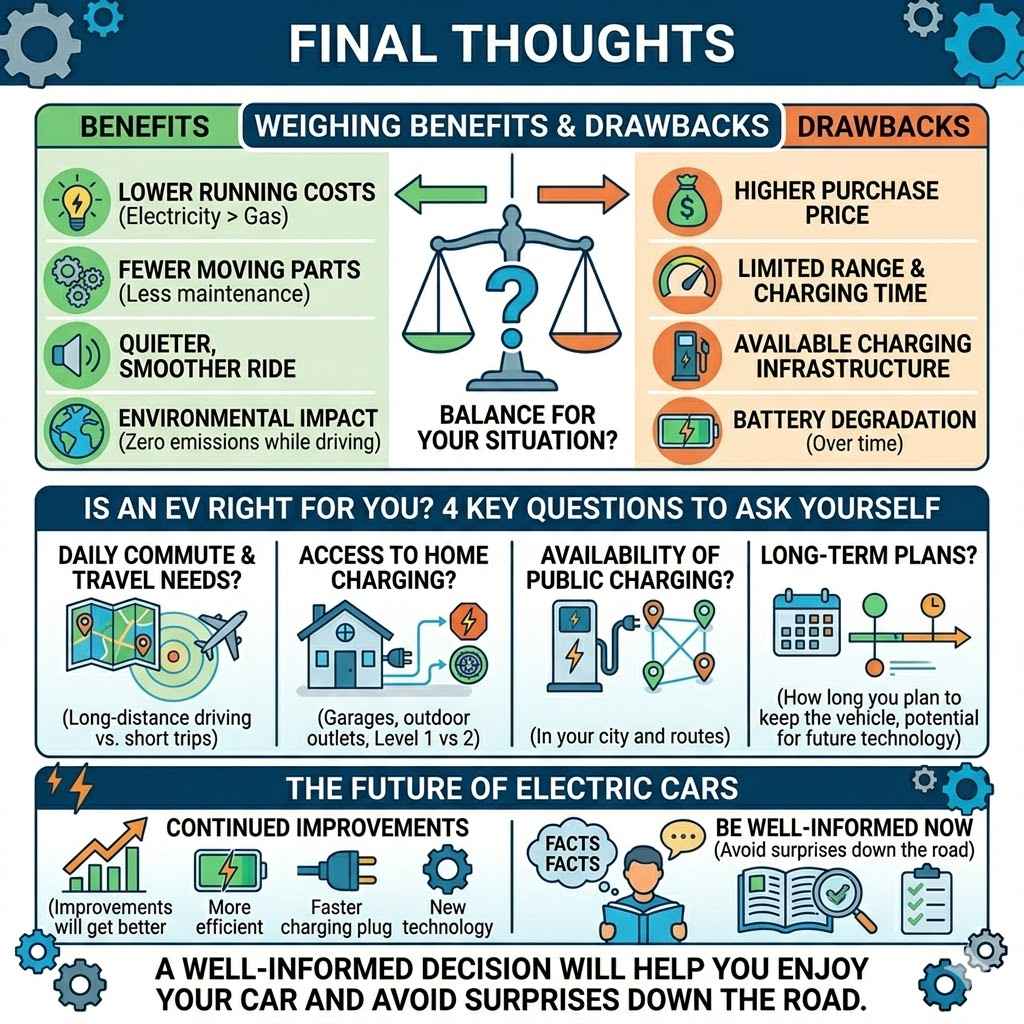
Owning an electric car offers many advantages, but it is not the right choice for everyone. The disadvantages listed above are real and can affect your daily life, budget, and driving experience. Before buying, think about your needs, location, and long-term plans.
Ask yourself if the benefits outweigh the drawbacks for your situation.
Electric cars are improving quickly, and many problems will get better over time. But it is smart to know the downsides before you invest. A well-informed decision will help you enjoy your car and avoid surprises down the road.
Frequently Asked Questions
Is An Electric Car Cheaper To Run Than A Gas Car?
Yes, electric cars are usually cheaper to run day-to-day because electricity costs less than gasoline, and there are fewer parts to maintain. However, higher upfront costs, insurance, and battery replacement can add up. You should calculate total costs over several years.
How Long Does An Electric Car Battery Last?
Most batteries last 8–10 years or about 100,000 miles. Over time, they lose capacity, so range drops slowly. Proper care (charging habits, avoiding extreme temperatures) can extend battery life.
Can I Charge An Electric Car At Home?
If you have a garage or private driveway, you can install a home charger. This is the most convenient way to own an electric car. If you rent, live in an apartment, or park on the street, home charging may not be possible.
Are Electric Cars Good For Long Road Trips?
Electric cars can do long trips, but you need to plan charging stops and allow extra time. In areas with fewer chargers, it may be less convenient compared to a gasoline car.
Is It Safe To Drive An Electric Car In Cold Weather?
Yes, but you should expect shorter driving range and longer charging times in very cold weather. Preheating the car while plugged in and careful planning can help reduce problems.