How To Stop Pedals From Moving In Sim Racing For Good
To stop sim racing pedals from moving, address the root cause: lack of grip between the pedals and the floor. Solutions range from simple grip enhancers like rubber mats and anti-slip tape to more robust methods like DIY pedal stops, dedicated pedal mounts, or even bolting your pedal set directly to a sturdy rig. The best method depends on your budget and existing setup.
Understanding Why Your Pedals Move
It’s not magic. Pedals move for clear reasons. Your feet push them.
They exert force. This force goes through the pedals. It also goes to the floor.
If the floor and pedals can’t grip, they slide. Think about pushing a rug. If it’s slick, it moves.
Your pedals are similar. The forces from braking are often the strongest. But accelerating and clutch use also push them.
This movement is bad for your lap times. It’s even worse for your immersion.
The type of floor matters a lot. Hardwood floors can be slick. Tile is even slicker.
Laminate can also be a problem. Carpet is often better. But even carpet can have issues.
Some carpets are very short. They don’t offer much grip. Heavy-duty rubber mats are great.
They give a good base. But sometimes, even with a mat, pedals can creep. This is especially true for high-end, powerful pedal sets.
They create big forces.
The pedals themselves matter too. Some are lighter. They have less weight to hold them down.
Others are heavy. They use metal construction. These are usually more stable.
But even heavy pedals need a good base. The design of the pedal feet also plays a role. Some have small rubber nubs.
Others have larger, textured pads. These can make a difference. But often, it’s not enough on their own.
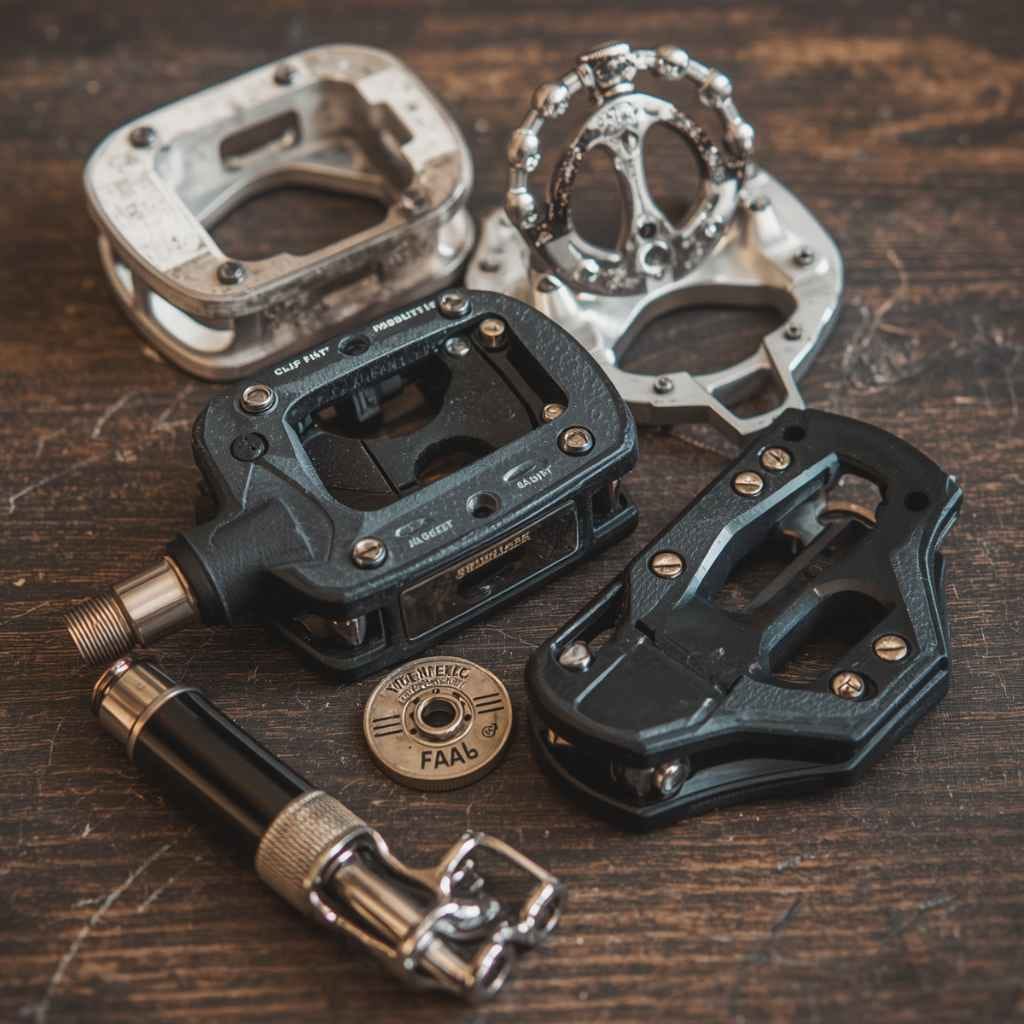
My Own Pedal Sliding Nightmare
I remember my first real sim rig. It was a budget setup. I got a wheel and pedals.
I set them up on my living room carpet. It was a nice, thick carpet. I thought it would be fine.
I started playing Assetto Corsa. The first few laps were great. Then I hit the brakes hard.
My whole pedal set slid forward. It was maybe six inches. I almost fell off my chair.
My heart skipped a beat.
I tried to adjust. I pushed the pedals back. I tried to brace my feet against the desk.
But every hard braking zone was a gamble. Sometimes they’d slide. Sometimes they’d just lift one corner.
It was so distracting. I’d miss apexes. I’d brake too early or too late.
The immersion was gone. I was more focused on keeping the pedals in place. It was like trying to drive with one hand tied behind your back.
I got really annoyed. I tried putting books behind them. That worked for a little while.
But the books would get pushed aside. Then I tried old towels. They just made it slicker.
It felt hopeless. I almost gave up. Then I started researching.
I saw people using all sorts of things. Some were complex. Some were simple.
I decided I had to find a good way. I couldn’t race like that anymore.
Common Causes of Pedal Slippage
Force vs. Friction: Your feet push pedals. This creates force.
If the force is more than the friction, pedals move. Hard braking creates big forces.
Surface Issues: Smooth floors like tile or wood offer little grip. Even short carpets can be too slick.
Pedal Design: Small rubber feet or slick pedal bases don’t grip well.
User Weight/Force: Heavier racers or those who brake very hard put more stress on the setup.
Simple Solutions: Quick Wins for Pedal Grip
You don’t always need complex fixes. Start with the easy things. These can make a big difference.
They are also very cheap. Or sometimes, they are free. You might have these things already.
Check your garage or your home. You might find a quick solution.
Rubber Mats: A thick rubber mat is a game-changer. Think about gym mats. Or even a sturdy doormat.
Make sure it’s textured. Place it under your pedals. This adds a layer of grip.
It helps absorb some force too. A mat that is slightly sticky is best. Some people use old yoga mats.
They work pretty well. Ensure the mat is big enough. It should cover the area where your pedals sit and where your feet push.
Anti-Slip Tape: This tape is amazing. You can buy it at hardware stores. It’s often used for stairs.
Or for tool handles. It has a very rough, gritty surface. You can cut pieces of it.
Stick them to the bottom of your pedals. Make sure the area is clean first. Apply the tape firmly.
This creates a strong grip point. It’s a very effective solution for many setups.
Weight: Sometimes, adding weight helps. If your pedal set is light, it’s more likely to move. You can place heavy objects around the pedals.
But this isn’t ideal. It can get in the way. It might look messy.
A better way is to ensure your pedals are designed to be weighted. Some have a base plate. You can add weights to that.
Or you can screw them to a solid board.
Quick Grip Enhancers
- Rubber Mat: A thick, textured mat under your pedals.
- Anti-Slip Tape: Apply to the bottom of your pedal feet.
- Yoga Mat: Offers good grip and cushioning.
- Carpet Scraps: If you have a thick carpet remnant, try that.
DIY Pedal Stops: The Next Level of Stability
If simple solutions aren’t enough, you can build your own stops. This means creating something that physically stops the pedals from moving. It’s a bit more involved.
But it’s very effective. It creates a barrier. The pedals hit this barrier.
They can’t go further. This is great for serious racers.
Wood Blocks: This is a popular method. Get a sturdy piece of wood. A 2×4 works well.
Cut it to a size. It should be wide enough. It should also be tall enough.
You want it to block the pedals. Place it in front of your pedals. You might need to secure it.
You can screw it into the floor. Or use strong adhesive. If you don’t want to damage the floor, use a heavy base.
A thick plywood board can work.
Metal Brackets: For a more professional look, use metal brackets. You can buy L-shaped brackets. Or angle brackets.
Attach them to a base. This base could be wood. Or it could be a metal plate.
Position them so they stop the pedals. This is a strong and durable solution. It looks much cleaner than random blocks.
Securing to a Surface: The best DIY solution is to attach your pedals. You can attach them to a board. This board can then be secured.
Or you can attach them directly to a rig. If you have a wheel stand or a full racing rig, use that. Most rigs have mounting points.
Bolt your pedals to the rig. This is the most stable option. It will never move.
DIY Pedal Stop Ideas
- Simple Wood Block: Secure a block of wood to the floor or a base.
- Angled Brackets: Use metal L-brackets on a sturdy base.
- Plywood Base: Screw pedals to a plywood sheet for easy placement and securing.
When Pedals Are Bolted Down: Ultimate Stability
For the most dedicated sim racers, bolting pedals down is the ultimate solution. This means your pedal set is permanently attached to something solid. This could be a dedicated racing rig.
It could be a custom-built setup. This method removes almost all possibility of movement. It provides the most realistic feel.
It’s what you get in real cars.
Racing Rigs: Most gaming chairs with wheel stands or full racing cockpits have mounting options. These are designed to hold wheels and pedals securely. They often have pre-drilled holes.
You match these holes to your pedal set. Use strong bolts and nuts. Ensure they are tightened properly.
This is a fantastic way to get a stable setup. It also improves your overall racing posture.
Custom Solutions: Some racers build their own rigs. They might use aluminum extrusion. Or steel tubing.
They design it to fit their space. And their needs. The pedals are bolted directly to a plate.
Or to the frame itself. This requires some DIY skill. But the result is a rock-solid pedal experience.
You can tailor it exactly. Think about the angles. Think about the distance.
It’s all customizable.
Direct Floor Mounts: If you don’t have a rig, you can still bolt pedals down. You need a very solid floor. Or you can create a heavy base.
A thick piece of plywood or MDF is good. You drill holes in the pedals. You also drill holes in the base.
Then you bolt them together. You might still need to secure the base itself. You could use heavy-duty Velcro.
Or even small anchors if you have a concrete floor.
Bolting Down: Pros and Cons
Pros:
- Ultimate Stability: No movement at all.
- Enhanced Immersion: Feels like a real car.
- Consistent Performance: No distractions from shifting pedals.
- Durability: A well-bolted setup lasts.
Cons:
- Cost: Rigs can be expensive.
- Space: Rigs take up room.
- DIY Effort: Custom setups require tools and skills.
- Permanence: Harder to move or adjust later.
Considering Your Pedal Set and Floor Type
Not all pedals are created equal. And not all floors are the same. Your choice of solution should match your gear.
And your environment. A light, plastic pedal set won’t need the same fix as a heavy, all-metal unit. Likewise, a smooth tile floor needs more help than a thick carpet.
Pedal Set Weight and Material: Heavier pedals have more weight. This naturally helps them stay put. Pedals made of metal are usually heavier than plastic ones.
If you have a lighter set, you’ll need more grip. Or a way to physically stop them. If you have a high-end pedal set, it’s likely well-built.
But even these can move. The forces they can generate are huge.
Floor Surfaces:
- Hardwood/Laminate: These are very slick. Expect pedals to slide easily. You’ll need strong grip solutions.Or physical stops.
- Tile: Similar to hardwood, but often even smoother. Requires aggressive anti-slip measures.
- Carpet: Generally better than hard floors. But thin carpets offer less grip.Thick carpets are good. Some carpets have a pile that can grab. Others are very smooth.
- Concrete: Usually offers good grip if clean.But can be cold and hard.
Floor Protection: If you plan to bolt things down, consider your floor. You don’t want to damage it. Using a thick mat or a plywood base can protect your floor.
This is especially important if you rent your home. Or if you have nice flooring you want to keep pristine.
Matching Solutions to Your Setup
For light, plastic pedals on a hard floor:
- Priority: Maximum grip.
- Best Bets: Heavy-duty rubber mat, lots of anti-slip tape. Consider a DIY pedal stop.
For heavy, metal pedals on carpet:
- Priority: Prevent creeping.
- Best Bets: Thick rug or carpet underlay. Ensure pedal feet are clean. A DIY stop might still be useful for very aggressive driving.
For high-end pedals on any floor:
- Priority: Secure mounting.
- Best Bets: Bolting to a rig or a solid base. DIY pedal stops are a minimum.
Advanced Techniques: The Rigorous Approach
For those who demand perfection, there are more advanced methods. These often involve custom builds. Or specific accessories.
They offer the highest level of stability. And often, the most integrated feel.
Dedicated Pedal Plates: Many racing rigs come with a pedal plate. This is a flat surface. It’s designed for pedals.
You bolt your pedals to this plate. Then you bolt the plate to the rig. This is a clean and effective solution.
It ensures your pedals are always in the right place. And angle. Some aftermarket pedal plates are available.
They are often made of thick steel or aluminum.
DIY Pedal Boxes: Some racers build a full pedal box. This is like a small enclosure. It holds the pedals.
It also provides a base. And often, it includes stops. These are usually built from wood or metal.
They can be quite elaborate. Some even have built-in footrests. This offers extreme stability.
And a very tidy look. You can design them to fit your specific pedals.
Using Industrial Fasteners: When bolting down, use the right hardware. Think about washers. Use locking washers.
Or Nylock nuts. These prevent bolts from vibrating loose. Over time, even tight bolts can loosen.
Especially with strong forces. Use bolts that are the correct length. Not too short, not too long.
And made of strong steel.
Mounting to Furniture (with caution): Some people try to mount pedals to desks. Or heavy cabinets. This can work.
But you need to be very careful. The furniture must be incredibly stable. And heavy.
You might need to reinforce it. Also, consider the vibration. It can transfer through the furniture.
And make noise. It’s generally better to have a dedicated solution.
Advanced Stability Checklist
Checklist:
- Rig Integration: Are pedals bolted directly to your rig?
- Pedal Plate: Is it sturdy and properly attached?
- DIY Box: Is it robust and securely placed?
- Hardware: Are locking nuts and washers used? Are bolts tight?
- Vibration Dampening: Is there any excessive vibration?
Real-World Scenarios and What to Expect
Let’s look at how this plays out for different people. Your racing habits matter. So does your home setup.
It’s not a one-size-fits-all problem.
The Casual Racer: You play a few times a week. You use your existing desk and chair. You might play on a rug.
Your pedals might be a simpler set. For you, a good rubber mat is often enough. Maybe some anti-slip tape.
You don’t need to spend a lot. Or make big changes. The goal is to stop annoying slides.
To improve your fun.
The Enthusiast: You race more often. You might have a dedicated seat. Or a wheel stand.
You use a mid-range or high-end pedal set. You’re looking for better performance. And more immersion.
You might consider DIY pedal stops. Or a dedicated pedal plate for your stand. You want a setup that feels solid.
And consistent. You want to feel every brake application.
The Sim Racing Pro: You race competitively. You spend hours practicing. You have a full racing cockpit.
Your pedal set is top-tier. You demand absolute realism. For you, bolting pedals directly to a robust rig is essential.
You might even use shims. Or custom mounting plates. Every detail matters.
You want zero movement. And perfect feedback.
The Renter: If you can’t drill holes. Or make permanent changes to your floor. You need solutions that are removable.
And non-damaging. Heavy mats work well. A large, weighted plywood base can be placed.
And then removed. Strong Velcro straps can hold it in place. The key is to avoid damage.
And to still get stability.
Scenario Match-Up
Scenario: Casual gamer, simple pedals, plays on living room carpet.
Likely Need: Good quality rubber mat. Clean pedal feet.
Scenario: Serious sim racer, mid-range pedals, uses a wheel stand.
Likely Need: DIY pedal stops, or bolting pedals to the wheel stand.
Scenario: Competitive racer, high-end pedals, owns a full cockpit.
Likely Need: Bolting pedals directly to the cockpit frame, using a pedal plate.
What This Means for Your Racing
Pedals that move are more than just an annoyance. They directly impact your driving. And your enjoyment.
Fixing them means better control. And deeper immersion.
Improved Braking: When pedals are stable, you can brake harder. And more consistently. You don’t have to worry about them sliding away.
This means shorter braking distances. And better turn-in. You can trust your inputs.
Your lap times will improve.
More Consistent Inputs: Smooth acceleration. Precise clutch use. Stable pedals mean you can apply force reliably.
Every time. You won’t over-rev your engine. Or stall it.
You can manage the throttle perfectly. This is key for racecraft.
Deeper Immersion: When your setup feels solid, you get lost in the game. You forget it’s a game. You feel like you’re in the car.
Moving pedals break this illusion. Stable pedals enhance it. This makes racing much more fun.
Reduced Frustration: Let’s be honest. It’s incredibly frustrating when things don’t work right. Especially when you’re trying to have fun.
Fixing pedal movement removes a major source of this frustration. You can just focus on driving. And winning.
Quick Fixes and Tips Summary
Here’s a quick rundown of what we’ve discussed. These are the most effective ways to get stable pedals.
- Start Simple: Always try a thick rubber mat first. Or anti-slip tape. These are cheap and easy.
- Clean Everything: Make sure the bottom of your pedals and the floor surface are clean. Dust and dirt reduce grip.
- Consider Weight: If your pedals are very light, adding weight or using a heavier base can help.
- DIY Stops are Great: Wood blocks or metal brackets offer excellent physical resistance.
- Secure is Best: Bolting pedals to a rig or a solid base is the ultimate solution for stability.
- Match Your Setup: Choose solutions that fit your pedals, your floor, and your budget.
- Protect Your Floor: Use mats or bases if you can’t or don’t want to drill into your floor.
- Lock Your Bolts: If you bolt your pedals down, use locking nuts to prevent them from loosening.
Frequently Asked Questions
Why do my racing pedals slide forward when I brake hard?
This happens because the force of your braking action is greater than the friction between your pedal set and the floor surface. If the floor is slick, or the pedals have little grip, they will slide forward.
What is the cheapest way to stop my pedals from moving?
The cheapest methods involve using items you might already have. Try placing a thick, textured rubber mat under your pedals. You can also use a piece of thick carpet or an old yoga mat.
Ensure the surface is clean.
Is anti-slip tape effective for sim racing pedals?
Yes, anti-slip tape is very effective. It’s designed to create a rough, grippy surface. Applying it to the bottom of your pedal feet significantly increases friction with the floor, preventing movement.
Should I bolt my pedals directly to my floor?
Bolting directly to the floor is generally not recommended unless you own the property and are okay with permanent holes. It’s better to bolt pedals to a sturdy base, like a plywood board, which can then be secured or moved as needed.
How do I stop my pedals from moving if I live in an apartment?
If you can’t make permanent changes, focus on removable solutions. A heavy-duty rubber mat or a thick plywood base with your pedals bolted to it works well. You can secure this base with heavy-duty Velcro or by placing heavy objects around it.
What if my pedals still move after trying these tips?
If pedals still move after trying simple fixes, it’s time for more robust solutions. This usually means physically stopping the pedals with DIY stops, or securely mounting them to a racing rig or a very solid, weighted base.
Conclusion
Stable pedals are key to a great sim racing experience. Don’t let slipping pedals ruin your fun. Or your performance.
Start with simple fixes. If they don’t work, try more advanced methods. You can achieve a rock-solid setup.
One that feels amazing. And helps you drive your best. Enjoy the race!
See also how to improve brake pedal feel without spending much. See also should you pedal with toes or heels the right technique.
Products related to this article
Sponsored / affiliate links. As an Amazon Associate I earn from qualifying purchases. I may earn additional commission from eligible campaigns.