
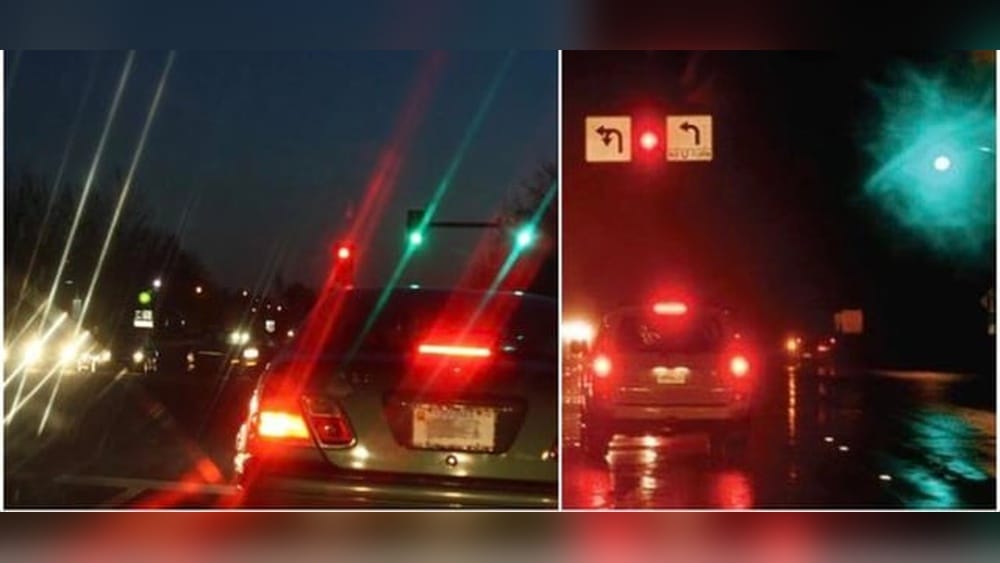
How Do People See Car Lights At Night
Night driving feels different from daytime. The world outside the windshield changes when the sun goes down. One key part of this experience is how we see car lights at night. Headlights, taillights, brake lights, and turn signals help us stay safe. But our eyes, brain, and the road environment all shape how we see these lights in darkness.
If you’ve ever wondered why some car lights seem to glare, or why certain colors stand out, this guide will help you understand the science, the challenges, and even the surprises behind night-time car lights. Let’s explore how our vision works at night, why some lights seem brighter or harder to see, and what you can do to drive more safely after dark.
How Our Eyes Work At Night
Human vision is powerful, but it changes in the dark. At night, our eyes use different cells and processes to detect light. This affects how we see car lights, colors, and brightness.
Rods And Cones: The Basics
The retina in our eyes contains two main types of light-sensitive cells:
- Cones: These work best in bright light and let us see color.
- Rods: These are more sensitive to low light, but only see shades of gray.
At night, rods do most of the work. That’s why colors are less clear and everything seems less sharp. We rely on the brightness and contrast of car lights rather than their true color.
Adaptation To Darkness
When you move from a bright area to a dark one, your eyes need time to adjust. This is called dark adaptation. It can take up to 30 minutes for your eyes to fully adapt to darkness. Until then, car lights may seem extra bright or even blinding.
The Purkinje Effect
You might notice that some colors stand out more at night. This is due to the Purkinje effect. In low light, blue and green colors seem brighter, while red appears dimmer. That’s why red taillights can be harder to see than white headlights in some situations.
Types Of Car Lights And How We See Them
There are several types of car lights you see on the road at night, each with a unique purpose and design.
Headlights
Headlights are the most important lights for night driving. They help you see the road and let other drivers see you. There are three main types:
- Halogen headlights: Most common, yellowish light, not too bright.
- Xenon (HID) headlights: Whiter and brighter, but can cause glare.
- LED headlights: Very bright, energy efficient, becoming more popular.
Each type affects visibility differently. For example, LED headlights often seem dazzling because they have a sharp, bluish light that our eyes find intense at night.
Taillights And Brake Lights
Taillights are red and always on when your headlights are. Brake lights are also red but much brighter, turning on only when you press the brake pedal. At night, these red lights can seem less visible due to the Purkinje effect, especially if they are dirty or dim.
Turn Signals
Turn signals (also called indicators) are usually yellow or amber. This color stands out well at night and is easy for our eyes to detect, even in the dark.
Fog Lights
Fog lights are low-mounted, wide-beam lights. They are usually yellow or white and help you see the road in fog or heavy rain. Their color and position make them less likely to blind other drivers.
Daytime Running Lights
Some cars have daytime running lights (DRLs) that are on whenever the car is running. At night, these are usually dimmer than regular headlights and not meant for night vision.
Comparison: Headlight Types And Visibility
Here’s a quick comparison of common headlight types and how they affect what we see at night:
| Type | Color | Brightness | Common Issues |
|---|---|---|---|
| Halogen | Yellowish | Medium | Less range, less glare |
| Xenon (HID) | White/Blue | High | Glare, can blind |
| LED | Cool White | Very High | Glare, sharp beam |
Why Some Car Lights Seem Too Bright
It’s common to feel blinded by oncoming headlights, especially newer cars. Several factors make some lights seem brighter than others.
Intensity And Beam Pattern
Modern headlights, especially LEDs and HIDs, can be much brighter than older halogen lights. Their focused beams can cause glare if not aimed correctly. Some drivers may use high beams by mistake, making the problem worse.
Headlight Height And Angle
SUVs and trucks have headlights mounted higher off the ground. This can shine directly into the eyes of drivers in smaller cars, causing discomfort or even temporary blindness.
Dirty Or Scratched Headlights
Over time, headlights can become cloudy or dirty. This scatters the light, making beams less focused and causing more glare for others.
Wet Roads And Reflections
Rain or wet pavement reflects light, making car headlights appear brighter and more scattered. This increases glare and makes it harder to see clearly at night.
Age And Eye Health
As we age, our eyes become more sensitive to glare. Conditions like cataracts or dry eyes can also make headlight glare worse.
Glare Comparison: Factors That Increase Headlight Glare
| Factor | Effect on Glare | Who Is Most Affected? |
|---|---|---|
| LED/Xenon Headlights | High | All drivers, especially older adults |
| Misaligned Beams | Very High | Oncoming traffic |
| Dirty Lenses | Medium | Drivers in front |
| Wet Roads | Medium | All drivers |
How Weather Changes The Way We See Car Lights
Night vision is already challenging, but weather can make it even harder. Rain, fog, snow, and dust all affect how car lights appear.
Rain
Raindrops on your windshield scatter light. Headlights from oncoming cars can create starburst effects, making it difficult to judge distance and speed. Wet roads also reflect light, causing extra glare.
Fog
In fog, light bounces off tiny water droplets in the air. This can make headlights seem like glowing balls, reducing visibility even more. That’s why fog lights are mounted lower and are usually yellow—they cut through fog better without reflecting as much.
Snow
Snow reflects and scatters light, especially if it’s falling heavily. Car lights can appear diffused, and brake lights may be hidden by snow buildup.
Dust And Smoke
In areas with dust storms or smoke (from wildfires), light from car headlights can scatter, reducing visibility. In these cases, using low beams and fog lights is safer than high beams.
Example: Visibility Range In Different Weather
Here’s an approximate comparison of how far you can see car lights in different weather conditions:
| Weather | Headlight Visibility | Notes |
|---|---|---|
| Clear Night | 100-200 meters | Best visibility |
| Rain | 50-100 meters | Reflections, glare |
| Fog | 10-50 meters | Use fog lights |
| Snow | 30-80 meters | Scattered light |
Color Perception And Car Lights
At night, our ability to see color is limited. This affects how we respond to different car lights on the road.
Why Red Is Used For Taillights And Brake Lights
Red is less visible in low light, but it’s used for brake lights and taillights because it’s a universal warning color. Our brains associate red with stopping or danger. Also, red light is less likely to blind other drivers.
Why White Or Blue-white Is Used For Headlights
White or blue-white light is the most visible at night. It helps drivers see farther ahead. However, blue light can also increase glare and make it harder for older drivers to see.
Amber For Turn Signals
Amber or yellow is easy to spot at night and in fog. It stands out from the red and white of other car lights.
Non-obvious Insight: Color Blindness
Some drivers are color blind. For them, red and green lights may look similar. This is why the position and brightness of car lights are carefully regulated.
Common Problems Seeing Car Lights At Night
Not everyone sees car lights the same way. Here are some common challenges and what causes them.
Night Blindness
Some people have a condition called nyctalopia or night blindness. They struggle to see in low light and may have trouble noticing car lights until they are very close. Causes include vitamin A deficiency, diabetes, or certain genetic conditions.
Astigmatism
Astigmatism is a common vision problem where the eye doesn’t focus light evenly. At night, car lights may look stretched out or have starbursts around them.
Dirty Windshields
A dirty windshield scatters incoming light, making glare worse. Even a thin film of dirt or fog on the glass can reduce contrast and make car lights harder to see.
Fatigue
Tired drivers have slower reaction times and may not notice car lights quickly. Fatigue can also make eyes more sensitive to glare.
Prescription Glasses And Windshields
Some glasses can cause reflections or halos around lights at night. Anti-reflective coatings help, but not all glasses have them. Scratched or cheap windshields can also scatter light.
How Technology Is Changing Night Vision
Car and headlight technology keeps improving, and these changes affect how we see lights at night.
Adaptive Headlights
Modern cars may have adaptive headlights. These can move left or right with the steering wheel or adjust brightness to avoid blinding other drivers. They help you see around corners and reduce glare.
Automatic High Beams
Some cars have automatic high beams. Sensors detect oncoming traffic and switch between high and low beams automatically. This prevents accidental blinding and helps maintain good visibility.
Matrix Led Headlights
Matrix LED headlights use many tiny LEDs that can turn on or off individually. The system shapes the beam so you see the road clearly, but other drivers don’t get glare. This is an advanced feature mostly found in luxury cars.
Night Vision Cameras
Some luxury cars offer night vision cameras. These use infrared sensors to show pedestrians, animals, or obstacles ahead that your headlights might not reveal. They display the image on the dashboard, giving you extra warning.
Improved Reflectors And Lenses
Better reflector and lens designs in headlights help focus light where it’s needed. This reduces wasted light and glare for other drivers.
Example: Adaptive Vs. Fixed Headlights
Adaptive headlights can improve reaction time at night by up to 1. 5 seconds compared to fixed headlights. This means you can spot hazards sooner and stop faster.
Tips For Seeing Car Lights Clearly At Night
You can take steps to improve your vision and safety when driving after dark.
- Clean your windshield and headlights often. Dirt and fog reduce visibility and increase glare.
- Check your eye health. Get regular eye exams, especially if you notice night driving is harder.
- Adjust your mirrors to reduce glare from cars behind you. Many cars have a night mode for rearview mirrors.
- Use your headlights properly. Use low beams when there’s oncoming traffic. Use fog lights only in fog or heavy rain.
- Slow down. Your reaction time is slower at night, and distances can be harder to judge.
- Avoid looking directly at oncoming headlights. Focus on the right edge of your lane until the car passes.
- Wear anti-reflective glasses if you need prescription lenses. They help reduce halos and glare.
- Replace old or dim bulbs. Headlights lose brightness over time.
- Don’t drive when tired. Fatigue makes glare and slow reactions worse.
- Check headlight aim. Misaligned lights can blind others and reduce your own visibility.
Non-obvious Tip: Interior Lighting
Dim your dashboard and interior lights. Bright lights inside your car make it harder for your eyes to adjust to the darkness outside.
Non-obvious Tip: Polarized Sunglasses
While polarized sunglasses are great for daytime, do not use them at night. They reduce the amount of light entering your eyes, making night vision worse.
Regulations And Standards For Car Lights
There are rules for how bright and what color car lights can be. These standards help keep everyone safe.
International Standards
Most countries follow standards set by the United Nations Economic Commission for Europe (UNECE) or their own road safety authorities. These rules define:
- Maximum brightness for headlights and taillights
- Allowed colors for each light
- Height and angle of headlight beams
Why Standards Matter
Without standards, some cars would have blinding lights and others would be too dim to see. These rules help balance visibility and safety for everyone.
Example: Eu Vs. Us Headlights
European regulations focus on sharp cut-off lines to reduce glare. US regulations allow slightly more upward spread, which can help see road signs but may cause more glare for oncoming drivers.
If you want more details about how headlights are regulated worldwide, visit the Automotive Lighting Wikipedia page.
Human Factors: Why We Sometimes Miss Car Lights
Even with good lights and clean windshields, people sometimes fail to notice car lights at night. Here’s why:
Peripheral Vision
At night, our peripheral vision is less sensitive to light. We may miss cars approaching from the side.
Divided Attention
Driving at night requires more focus. If you’re distracted by your phone, GPS, or radio, you’re more likely to miss important signals like brake lights or turn signals.
Alcohol And Medication
Even small amounts of alcohol or certain medications can slow reaction times and make it harder to see car lights clearly.
Fatigue
Tiredness reduces your ability to process information quickly. You may notice a car’s lights too late, especially if they are dim or dirty.
The Future: How Night Driving May Improve
Technology and research are making night driving safer. Here are some changes you might see soon:
- Laser headlights: Even brighter and more focused than LEDs, but carefully controlled to prevent glare.
- Car-to-car communication: Cars may soon warn each other about hazards, helping drivers react before they see brake lights.
- Better road markings: Reflective paint and signs help drivers see the road and car lights more easily at night.
- Smart glasses or HUDs: Some automakers are testing displays that highlight car lights and obstacles directly on the windshield.
Frequently Asked Questions
What Makes Some Headlights Look Blue Or Extra Bright At Night?
Some modern headlights use LED or Xenon (HID) bulbs, which emit a bluish-white light. This color is more intense for our eyes, especially at night, and the focused beam can cause more glare compared to traditional halogen headlights.
Why Do I See Starbursts Or Halos Around Car Lights At Night?
This is often due to astigmatism or other vision problems. Dirty windshields, scratched glasses, or even dry eyes can also cause starburst or halo effects around lights.
Are Led Headlights Better For Night Driving?
LED headlights are brighter and more energy efficient. They can help you see farther, but if not aimed properly, they can cause glare for other drivers. Always make sure your headlights are correctly aligned.
How Can Older Drivers Reduce Glare From Car Lights?
Older drivers should keep their windshields and glasses clean, use anti-reflective coatings, and avoid looking directly at oncoming headlights. Regular eye exams are also important to check for conditions like cataracts.
Is It Safe To Use High Beams All The Time At Night?
No. High beams should only be used when there’s no oncoming traffic and you’re not following another car closely. Using high beams at the wrong time can blind other drivers and is unsafe.
Seeing car lights at night involves much more than just switching on the headlights. Our eyes, the type of car lights, weather, and even our health all play a role. By understanding these factors and following good safety habits, you can make night driving less stressful and much safer for everyone.