
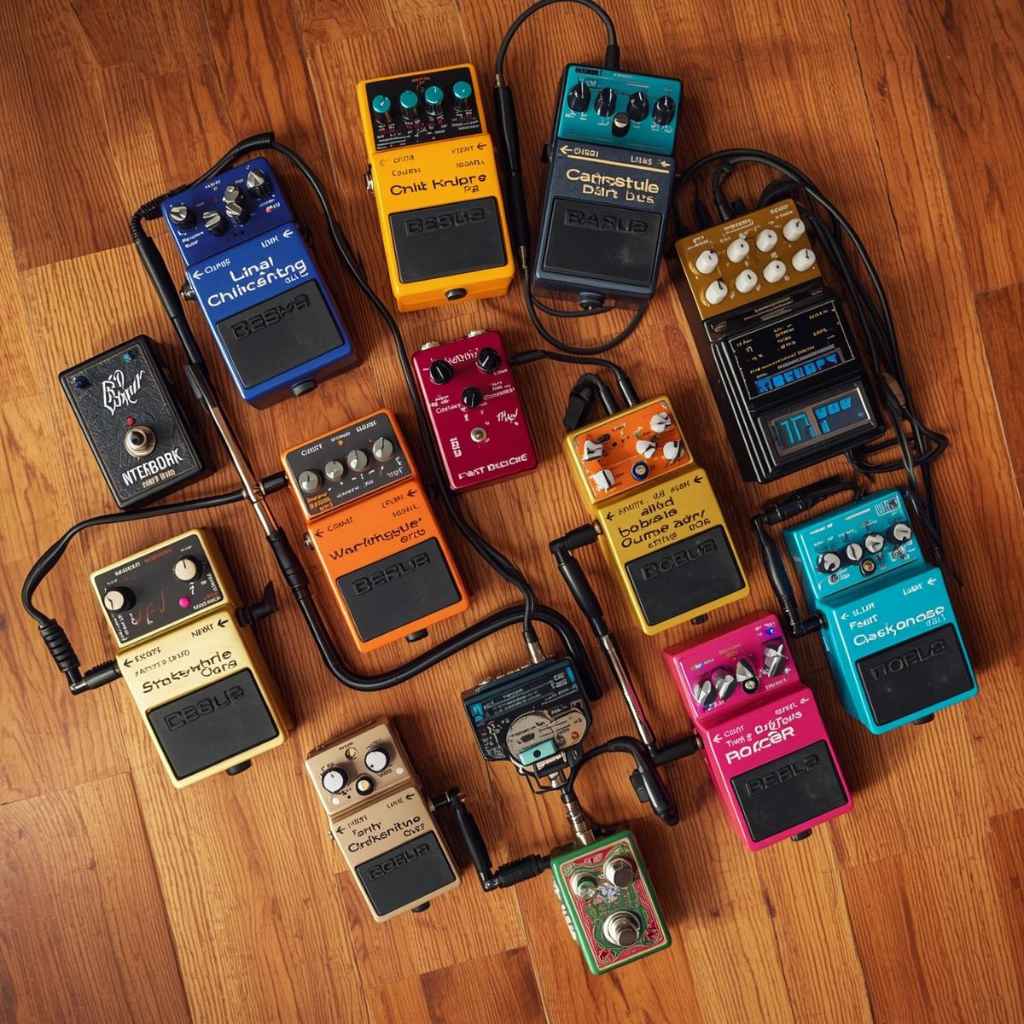
If you play guitar, you have probably seen a huge range of pedals on shelves, in online stores, or at live shows. Some guitarists have boards full of pedals, while others use none at all. This might make you wonder: Do I need a pedal for my guitar? The answer depends on your goals, your style, and the sound you want. Let’s break down everything you need to know, so you can decide if pedals are right for you.
What Is A Guitar Pedal?
A guitar pedal (or effects pedal) is a small device that changes the sound of your guitar. You connect it between your guitar and amp, usually with cables. When you step on the pedal, it adds an effect, like distortion, echo, or chorus. Some pedals are simple, with just one knob. Others are complex, with many controls and settings.
Pedals come in many types, shapes, and prices. Some are made for beginners, while others are built for professionals. You can use a single pedal or combine many pedals to create unique sounds. Pedals are used in almost every kind of music, from rock and blues to pop and metal.
Why Do Guitarists Use Pedals?
The main reason is sound control. Pedals let you shape your tone in ways that are not possible with just a guitar and amp. Here are some key reasons guitarists love pedals:
- Expand Your Sound: Pedals give you new sounds, from classic distortion to spacey delays.
- Personal Expression: They help you find your own voice and style.
- Change Tone Quickly: You can switch effects with a foot tap, making live playing easier.
- Solve Problems: Some pedals fix issues, like noise or weak signal.
- Recreate Famous Tones: Many famous songs use specific pedals. Pedals help you match those sounds.
Not every player needs or wants pedals, though. Some prefer a pure, direct guitar sound. Others use only amp settings. The choice is personal, and there’s no right or wrong answer.
Types Of Guitar Pedals And Their Effects
There are many kinds of pedals, each with a different job. Understanding these types will help you decide what (if any) pedal you might want.
1. Distortion, Overdrive, And Fuzz Pedals
These change your clean guitar sound into something heavier or more aggressive. Distortion pedals are popular in rock and metal, while overdrive gives a warmer, bluesy sound. Fuzz is a rough, buzzy effect used in classic rock.
- Distortion: Think of the sound in Nirvana or Metallica songs.
- Overdrive: Used in blues, classic rock, and country.
- Fuzz: Jimi Hendrix and The Rolling Stones used fuzz a lot.
2. Delay And Reverb Pedals
Delay pedals repeat your notes after you play them, like an echo. Reverb pedals simulate the sound of playing in a big hall or room.
- Delay: Great for solos or adding depth.
- Reverb: Makes your sound bigger, like you’re on stage.
3. Modulation Pedals
These include chorus, flanger, phaser, and vibrato. They change your sound in moving or swirling ways.
- Chorus: Makes your guitar sound like more than one is playing.
- Phaser/Flanger: Add swooshing, swirling effects.
- Vibrato: Changes the pitch up and down.
4. Wah And Filter Pedals
Wah pedals make a “wah-wah” sound by sweeping frequencies. Used in funk, rock, and solos. Envelope filters respond to your playing and give funky, auto-wah sounds.
5. Compression Pedals
A compressor evens out your playing. Quiet notes get louder, loud notes get softer. This is useful for clean rhythm guitar, funk, and country.
6. Boost Pedals
A boost pedal increases your volume or pushes your amp for more gain. Great for solos or when you want to stand out.
7. Eq (equalizer) Pedals
An EQ pedal lets you control bass, mid, and treble frequencies. You can fix muddy sounds or add brightness.
8. Tuner Pedals
A tuner pedal helps you keep your guitar in tune on stage. It mutes your signal while tuning.
9. Multi-effects Pedals
A multi-effects pedal combines many effects in one box. These are good for beginners or players who want many sounds without buying lots of pedals.
Do You Need A Pedal? Key Questions To Ask Yourself
Before buying a pedal, consider these questions. Your answers will help you decide if you truly need one.
What Style Of Music Do You Play?
Some music styles rely on pedals, others do not.
- Rock, metal, punk: Distortion and overdrive pedals are almost a must.
- Blues, jazz, country: Overdrive, reverb, and compression are common.
- Pop, indie, alternative: Modulation and delay effects are popular.
- Classical, acoustic folk: Usually fewer pedals, sometimes just a tuner or light reverb.
If your favorite songs have effects, pedals will help you get closer to those sounds.
Are You Playing Live Or Recording?
Live shows often need effects to fill out your sound or match recordings. Pedals help you switch sounds instantly. In the studio, you might use software instead of pedals, but many players prefer hardware pedals for their unique character.
What Gear Do You Already Have?
Some amplifiers have built-in effects. Digital amps often include reverb, delay, or even modulation. If your amp covers your needs, you might not need pedals. But if your amp is basic, a pedal can open new possibilities.
What Is Your Budget?
Pedals can be cheap or expensive. Some cost less than $30, others over $300. For beginners, starting with one or two basic pedals is usually enough. Multi-effects units are often better value if you want many sounds.
Are You Still Learning The Basics?
If you are just starting, focus on good playing technique first. Pedals can be fun, but they can also distract you from learning chords, scales, and timing. Once you are comfortable, try adding effects.
Comparing Guitar Without Pedals Vs. With Pedals
Seeing the differences can help you decide. Here’s a simple comparison:
| Playing Without Pedals | Playing With Pedals |
|---|---|
| Simple setup and fewer cables | More options for sound shaping |
| Focus on pure guitar and amp tone | Can recreate many classic and modern tones |
| Less gear to carry | Some setups can be large and heavy |
| Lower cost overall | Extra expense for each pedal |
| Faster to set up at gigs or practice | Time needed to connect and adjust effects |
| Good for learning basic playing skills | Great for creative exploration |
Pros And Cons Of Using Guitar Pedals
Let’s look at the upsides and downsides in more detail.
Advantages
- Creative Sound Options: Pedals unlock new tones and effects.
- Performance Flexibility: Change sounds quickly during songs.
- Personalized Tone: Build a signature sound.
- Match Song Requirements: Play covers or originals as intended.
- Fix Issues: Compressors, EQ, and noise gates solve sound problems.
Disadvantages
- Cost Adds Up: Pedals and cables can be expensive.
- Complicated Setup: More gear means more things to go wrong.
- Learning Curve: Some pedals are confusing at first.
- Distraction: Beginners can focus too much on gear, not playing.
- Maintenance: Pedals need power, cables, and can break.
Real-life Example
Consider two guitarists: one plays blues at home, using just an amp with reverb. The other plays in a band and needs distortion, delay, and chorus to cover their setlist. The first guitarist may not need pedals, while the second almost certainly does.
How To Choose Your First Pedal
If you decide you want to try pedals, start simple. Here’s how to choose:
Step 1: Identify The Sound You Want
Listen to your favorite artists. Do they use distortion, delay, or something else? Try to find out which pedals or effects they use. Youtube demos can help you hear what each pedal does.
Step 2: Set Your Budget
Decide how much you want to spend. Many good beginner pedals cost between $40 and $100. Used pedals are also a good option.
Step 3: Read Reviews And Watch Demos
Check trusted websites, watch demo videos, and read user experiences. This helps you avoid pedals that are hard to use or unreliable.
Step 4: Buy One Pedal First
Start with the effect you need most. For example, most beginners choose a tuner, overdrive, or delay pedal. Get used to how it changes your sound before adding more.
Step 5: Experiment And Learn
Play with the settings. Try different combinations with your amp. Learn how to use the pedal musically, not just as a toy.
Popular Pedals For Beginners
Some pedals are classics and work well in almost any setup. Here are three that many new players start with:
- Boss DS-1 Distortion: Simple, classic rock sound.
- Electro-Harmonix Big Muff: Fuzz used in many styles.
- TC Electronic Hall of Fame Reverb: Flexible reverb with many settings.
- Boss TU-3 Tuner: Reliable, easy to use.
- Ibanez Tube Screamer: Famous overdrive, great for blues and rock.
These pedals are known for durability, good sound, and value for money.
Essential Tips For Using Pedals
If you use pedals, a few tips will help you get the most from them.
- Use Good Cables: Cheap cables cause noise and signal loss.
- Power Your Pedals Properly: Use a good power supply or batteries.
- Learn Pedal Order: The order you connect pedals changes your sound. A common order is: tuner > overdrive/distortion > modulation > delay > reverb.
- Adjust Levels Carefully: Make sure your effects are not too loud or too quiet compared to your clean sound.
- Practice Without Pedals: Don’t rely on effects to cover mistakes. Good playing comes first.
Common Mistakes When Buying And Using Pedals
Many beginners make the same errors. Here’s what to watch for:
- Buying Too Many Pedals at Once: Start with one or two. Learn them well before adding more.
- Ignoring Pedal Order: Wrong order can make your sound muddy or noisy.
- Neglecting Power Needs: Each pedal needs power. Too many pedals on one power supply can cause problems.
- Not Using a Tuner: Always have a way to tune quietly, especially for live shows.
- Copying Others Blindly: What works for one guitarist may not work for you. Build your own sound.
Do Pedals Make You A Better Guitarist?
This is a common question. Pedals can inspire you, but they cannot replace skill. Great players sound good even with basic gear. Pedals are tools, not magic. Use them to enhance your playing, not to cover up weak technique.
In fact, some famous guitarists use very few pedals. For example, Angus Young from AC/DC mainly uses his guitar and amp. Others, like The Edge from U2, use many pedals as part of their signature sound.
The Rise Of Multi-effects Units
Modern technology means you don’t always need lots of single pedals. Multi-effects units combine many effects in one box. These are popular for beginners and gigging musicians.
| Single Pedals | Multi-Effects Units |
|---|---|
| One effect per pedal | Many effects in one device |
| Customizable pedalboard | Easy to carry and set up |
| Usually better sound quality per effect | Good value for money |
| More expensive to build a full setup | Cheaper for many effects |
| Can swap out or upgrade pedals | Less flexible, but improving |
Modern multi-effects units like the Line 6 Helix or Boss GT series include amp models, effects, and even recording features. They can be a smart choice if you want to explore many sounds without buying lots of gear.
Are There Genres Where Pedals Are Essential?
Certain music styles almost require pedals. For example:
- Metal: Heavy distortion is a must.
- Shoegaze/Dream Pop: Uses layers of delay, reverb, and modulation.
- Funk: Wah and envelope filters are common.
- Ambient: Delay and reverb create big soundscapes.
If you want to play these genres, pedals are nearly essential. For other styles, they may be optional.
When You Might Not Need Pedals
Not every guitarist needs pedals. Here are situations where you might skip them:
- You love the natural sound of your guitar and amp
- You play only at home and don’t need to change sounds quickly
- Your amp already has built-in effects you like
- You are just starting and want to focus on basic skills
- You play acoustic guitar and only need light reverb or a tuner
Remember, many classic recordings were made with very few effects.
Pedals Vs. Amp Effects: What’s The Difference?
Some amps include built-in effects. How do they compare to pedals?
| Pedals | Amp Effects |
|---|---|
| More choices and brands | Limited to what amp includes |
| Can be used with any amp | Stuck with one amp’s sounds |
| Easier to upgrade or swap | Must buy new amp for new effects |
| Can combine many effects easily | Mixing effects may be limited |
| More control over effect settings | Basic controls only |
For many, pedals offer more flexibility and higher quality. But if your amp sounds good to you, there’s nothing wrong with using its effects.
Two Insights Beginners Often Miss
Here are two things many beginners don’t realize:
- Pedal Order Matters: The sequence of your pedals changes your sound a lot. For example, putting delay before distortion sounds very different than after. Take time to experiment.
- Power and Noise Problems: Using the wrong power supply, or cheap cables, can create hum or buzzing. Investing in a good power source and cables makes a big difference.
The Role Of Pedals In Home Recording
If you record at home, you have more options than ever. You can use pedals, amp simulators, or software plugins. Many modern audio interfaces let you connect pedals directly for recording. Some plugins even model famous pedals, so you can try before you buy the real thing.
For beginners, it’s smart to learn both hardware (pedals) and software (plugins). This gives you the most tools for creating your music.
Do Pedals Hold Value Over Time?
Some pedals become classics and even rise in value. Vintage models from Boss, Electro-Harmonix, or Ibanez are highly sought after. If you buy quality pedals and take care of them, you can often sell them later for a good price. Cheap, off-brand pedals lose value quickly.
How To Avoid Getting Overwhelmed By Choices
The pedal market is huge. To avoid confusion:
- Start with your favorite sound or artist as a reference.
- Buy one pedal at a time.
- Test before you buy, if possible.
- Don’t believe hype—trust your own ears.
Trusted Resources For Learning More
If you want deep knowledge about effects, check out the Wikipedia Effects Unit page. It explains the science and history behind the gear.
So, Do You Need A Pedal For Your Guitar?
There’s no single answer. If you crave new sounds, want to play songs that use effects, or perform live, pedals can be a game-changer. If you are happy with your guitar and amp, or just starting out, you can wait.
The best approach is to try things at your own pace, focusing on your music first.
Pedals are tools for expression and creativity. They can inspire you, but they are not required to become a great guitarist. The most important thing is to play, practice, and find the sounds that move you.
Frequently Asked Questions
What Is The First Pedal I Should Buy?
Most beginners start with a tuner, overdrive, or distortion pedal. These are versatile and fit many styles. A tuner pedal is always useful, while overdrive/distortion helps you play rock and blues.
Can I Use Pedals With Any Guitar And Amp?
Yes, pedals work with electric guitars and most amplifiers. Acoustic guitars can use pedals too, but effects work best with amps designed for acoustics. Always check that your cables and power supply fit your gear.
Are Digital Multi-effects As Good As Single Pedals?
Modern multi-effects units are very good and offer many sounds. However, some single pedals have higher quality or unique sounds. For most beginners, multi-effects are a smart, affordable choice.
Is It Ok To Use Just One Or Two Pedals?
Absolutely. Many great players use only a few pedals. It’s better to know your gear well than to have too many unused effects.
Do Pedals Work For Acoustic Guitar?
Some pedals, like reverb, chorus, or EQ, can improve acoustic sound. Avoid heavy distortion or effects that sound unnatural. Use pedals designed for acoustic guitar for best results.