
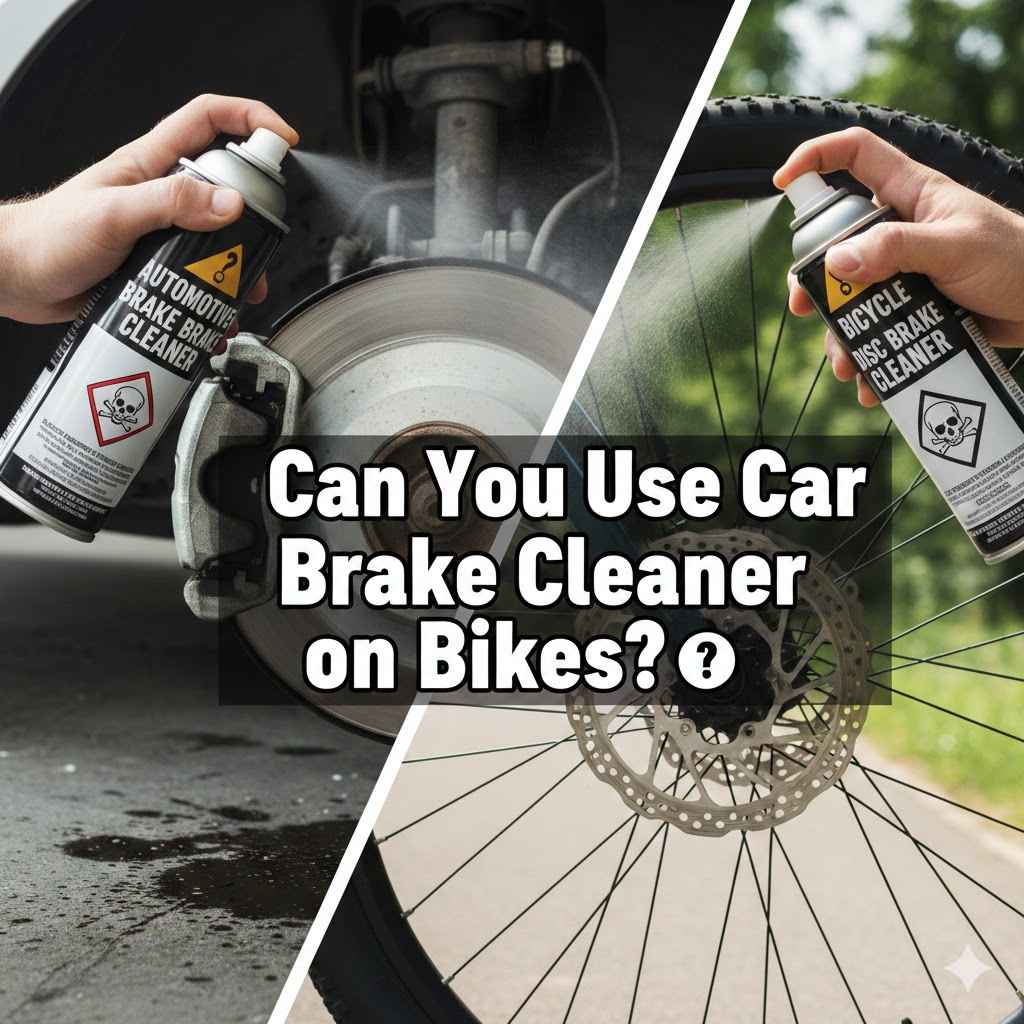
Many people wonder Can You Use Car Brake Cleaner on Bikes? It sounds like an easy way to clean bike parts, but there’s a bit more to it than just spraying and wiping. For folks new to bike maintenance, this question can feel tricky because bike parts are different from car parts. We’re here to make it super simple.
We’ll walk you through exactly what you need to know, step by step, so you can get your bike clean safely and effectively. Let’s get started on making your bike shine!
Understanding Brake Cleaner for Bikes
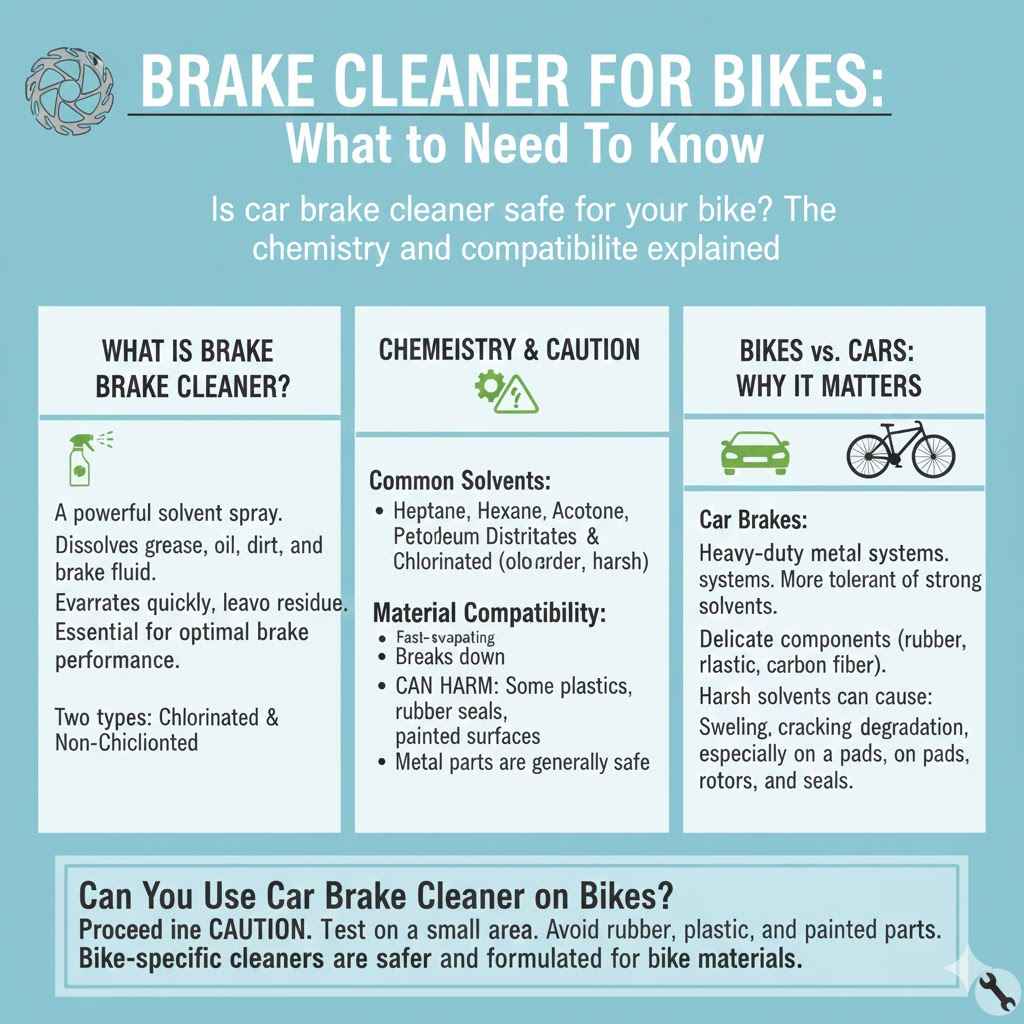
Brake cleaner is a powerful solvent used to remove grease, oil, and brake dust. This is essential for keeping brakes working well. When people ask Can You Use Car Brake Cleaner on Bikes?, they are often looking for a quick and effective cleaning solution.
Car brake cleaners are designed for heavy-duty automotive brake systems, which can be quite different from the more delicate components found on bicycles. This section explores what brake cleaner is and why its suitability for bikes is a common point of discussion.
What is Brake Cleaner?
Brake cleaner is a solvent-based spray designed to rapidly dissolve and remove contaminants like brake fluid, oil, grease, and dirt from brake components. It works by breaking down these substances, allowing them to be wiped away or evaporate quickly, leaving the brake surfaces clean. This is crucial for optimal braking performance and safety.
The formulation often includes fast-evaporating solvents to minimize drying time and residue, ensuring that brake pads and rotors are ready for use shortly after cleaning. Different types exist, including chlorinated and non-chlorinated versions, each with its own properties and safety considerations.
A key aspect of brake cleaner is its ability to clean without leaving a residue. This is because the solvents used have a low boiling point and evaporate very quickly. This property is highly desirable for brake systems, as any leftover film could reduce friction, causing brakes to slip.
The aggressive nature of brake cleaner, while effective for removing stubborn grime, also means it can sometimes be too harsh for certain materials found on bicycles. This is where the distinction between automotive and bicycle applications becomes important.
The Chemistry of Brake Cleaner Solvents
Brake cleaners primarily consist of a blend of organic solvents. The most common active ingredients include substances like heptane, hexane, acetone, and petroleum distillates. Chlorinated brake cleaners historically used chemicals like trichloroethylene, but due to environmental and health concerns, non-chlorinated formulas are now more prevalent.
Non-chlorinated brake cleaners often rely on aliphatic hydrocarbons and other less aggressive solvents. These solvents work by dissolving the bonds within grease and oil molecules, essentially breaking them down into a liquid state that can then be wiped away or evaporate.
The evaporation rate is also a critical characteristic. Fast-evaporating solvents ensure that the cleaned parts are dry almost immediately. This is a major advantage when working on anything from car brake rotors to bicycle chains.
However, the same solvents that quickly dissolve grease can also affect other materials. For instance, some plastics and rubber compounds can be degraded, softened, or swelled by strong solvents. This is a primary reason for caution when considering Can You Use Car Brake Cleaner on Bikes? The specific formulation of a car brake cleaner is optimized for metal-on-metal brake systems, which are generally more tolerant of strong solvents than the varied materials on a bicycle.
Example: A mechanic cleaning car brake rotors might use a heavy-duty, fast-evaporating chlorinated cleaner. This is safe because rotors are made of hard metal. However, if this cleaner were sprayed onto a bicycle’s rubber brake pads or plastic derailleur components, it could cause them to swell, crack, or disintegrate over time.
This highlights the importance of material compatibility.
Why the Question Arises
The question, “Can You Use Car Brake Cleaner on Bikes?” surfaces frequently among cyclists, especially those who are DIY enthusiasts or have experience working on cars. The appeal lies in the perceived efficiency and availability of automotive brake cleaner. Many people have access to it, either in their garage or from automotive supply stores, making it a convenient option.
Furthermore, the effectiveness of brake cleaner in its intended automotive application suggests it could be a powerful tool for cleaning the grimy parts of a bicycle.
Bicycles, much like cars, rely on friction for their braking systems. Keeping brake pads, rotors, and rims clean is vital for safe and effective stopping power. When these components get dirty with road grime, oil, or lubricant, their performance suffers.
Therefore, cyclists naturally seek potent cleaning agents. The desire to use a product that is known to work well on automotive brakes often leads to the consideration of using it on bicycle brakes or other drivetrain components. This often overlooks the subtle but significant differences in materials and engineering between car and bike parts.
This common inquiry stems from a desire for simple, effective maintenance. People want to know if a readily available product can solve a common problem, without needing to purchase specialized bicycle-specific cleaners. The simplicity of a spray-and-wipe application is very attractive.
However, the answer isn’t always a straightforward yes or no. It depends heavily on what specific parts of the bike you intend to clean and the formulation of the brake cleaner itself.
Assessing the Risks of Using Car Brake Cleaner on Bikes
Using car brake cleaner on your bicycle is not always a straightforward “yes.” While it can be effective for certain tasks, the primary concern revolves around the harsh chemicals present in many automotive formulations. These chemicals, while excellent for removing stubborn brake dust from metal car parts, can cause significant damage to the materials commonly found on bicycles. Understanding these risks is key to making an informed decision about whether and how to use such products.
This section will break down the potential dangers.
Material Compatibility Issues
Bicycles are constructed from a diverse range of materials, including various metals, plastics, rubber, and composites. Car brake cleaners, particularly strong solvent-based ones, are formulated to tackle tough automotive brake systems, which are typically made of robust metals like cast iron or steel. These cleaners can be too aggressive for the softer, more sensitive materials found on bikes.
For instance, rubber is commonly used for brake pads, seals, and O-rings on bicycles. Many solvents in car brake cleaners can attack and degrade rubber, causing it to swell, soften, become brittle, or even dissolve over time. This compromises the integrity of the component and can lead to brake failure.
Similarly, plastics are used extensively in bicycle components, from shifters and derailleurs to chain guides and even some brake levers. Strong solvents can leach the plasticizers out of plastics, making them brittle and prone to cracking. This can ruin expensive components and create safety hazards.
Even painted or anodized surfaces on bicycle frames or components can be damaged. Aggressive solvents can strip paint, dull anodizing, or weaken adhesives used in carbon fiber parts. Therefore, when considering Can You Use Car Brake Cleaner on Bikes?, it’s crucial to identify the materials of the specific part you intend to clean.
Example Scenario: A cyclist tries to clean their mountain bike’s disc brake rotors with a general car brake cleaner. While the metal rotors might look clean, if overspray lands on the rubber seals within the brake caliper or on the plastic lever housing, these parts can be damaged. The rubber seals might swell, causing the brake caliper to stick, or the plastic lever might become discolored and brittle.
- Rubber Components: Brake pads (rim brake and disc brake), O-rings, seals, tire sidewalls. Harsh solvents can cause swelling, hardening, cracking, and reduced lifespan. This directly impacts braking performance and component durability.
- Plastic Parts: Shifters, derailleurs, brake lever bodies, chain guards, housing. Solvents can make plastics brittle, discolored, or deformed, leading to premature failure and compromised functionality.
- Painted and Anodized Surfaces: Bike frames, rims, handlebars, cranks. Aggressive cleaners can strip paint, dull anodized finishes, and potentially weaken coatings, affecting both appearance and structural integrity.
- Carbon Fiber: While generally robust, some resins or finishes on carbon fiber components could be affected by prolonged exposure to harsh solvents, though this is less common than damage to rubber or plastic.
Specific Components at Risk
When thinking about Can You Use Car Brake Cleaner on Bikes?, it’s vital to pinpoint which parts are most vulnerable. The most sensitive components are those made of rubber or plastic. On a road bike, rim brake pads are directly exposed.
On a mountain bike, disc brake pads are made of organic, metallic, or semi-metallic compounds that can absorb solvents. Over-application or overspray can contaminate these pads, reducing their friction and braking power. This is a serious safety concern.
The brake caliper itself often contains rubber seals. If a car brake cleaner is sprayed liberally, it can seep into these seals, causing them to swell and potentially seize the caliper. Similarly, brake levers, shifters, and derailleur bodies are often made of plastic or painted aluminum.
Harsh chemicals can degrade these materials, leading to discoloration, brittleness, or compromised finish. Even the delicate seals on suspension forks and rear shocks can be damaged by aggressive solvents, leading to leaks and reduced performance.
The wheels and tires are another area of concern. While cleaning tire sidewalls with a mild cleaner might be acceptable, aggressive brake cleaner could degrade the rubber compounds, leading to premature wear or cracking. For rims, especially those with special coatings or tubeless setups involving specific sealants, using a harsh cleaner could potentially interfere with their performance or integrity.
Potential for Contamination
One of the most significant risks of using car brake cleaner on bicycles, even on metal parts, is the potential for contamination. Bicycle braking systems, especially disc brakes, rely on precise friction between brake pads and rotors. Even a minute amount of residue left behind by a car brake cleaner can significantly alter this friction.
If the cleaner is not fully evaporated or is not wiped away properly, it can create a slippery film on the rotor surface or impregnate the brake pads.
This contamination can lead to several problems. The most common is a reduction in braking power, known as “glazed” brakes. This means the brakes feel weak and unresponsive, significantly compromising rider safety.
In severe cases, contamination can make brakes completely ineffective. For rim brakes, if the cleaner gets onto the rim braking surface, it can cause similar issues with reduced friction. The effectiveness of brake cleaner is its rapid evaporation, but this doesn’t always mean zero residue, especially if used carelessly or if the formulation is particularly aggressive.
Furthermore, the solvents in car brake cleaners can sometimes react with lubricants. Many bicycle components, especially the drivetrain (chain, cassette, derailleurs), are lubricated with specific oils or greases. Spraying car brake cleaner indiscriminately can strip away this essential lubrication, leaving parts dry and susceptible to wear.
Re-lubricating after using such a cleaner becomes absolutely essential, but the initial stripping of lubricants is detrimental.
Impact on Braking Performance
The direct impact of using the wrong cleaner on braking performance is critical for rider safety. Bicycle brakes are engineered to provide reliable stopping power under various conditions. When brake pads or rotors become contaminated with substances like residual brake cleaner, the coefficient of friction between them is altered.
This means that when you apply the brakes, less force is translated into slowing the wheel down. Instead of a strong, predictable grip, you might experience a spongy lever feel, reduced stopping distance, or even complete brake fade, where the brakes stop working altogether.
For disc brakes, the pads are porous to some extent and can absorb contaminants. If car brake cleaner soaks into the pad material, it can permanently alter its friction characteristics. Sometimes, replacing the contaminated pads is the only solution.
Even if the pads are not directly contaminated, a film on the rotor can transfer to the pads during braking, leading to similar issues. Rim brakes, which rely on rubber pads pressing against the metal rim, can also suffer from contamination if the cleaner is applied to the rim or if overspray affects the pads.
It is essential to understand that while car brake cleaner is designed to clean car brakes, the materials and operating conditions are different. Car brake systems operate at higher temperatures and pressures, and their components are typically made of materials that can withstand more aggressive solvents. Bicycles, with their lighter-duty components and diverse material makeup, require a more nuanced approach to cleaning, especially for critical safety systems like brakes.
Safe Alternatives and Bicycle-Specific Cleaners
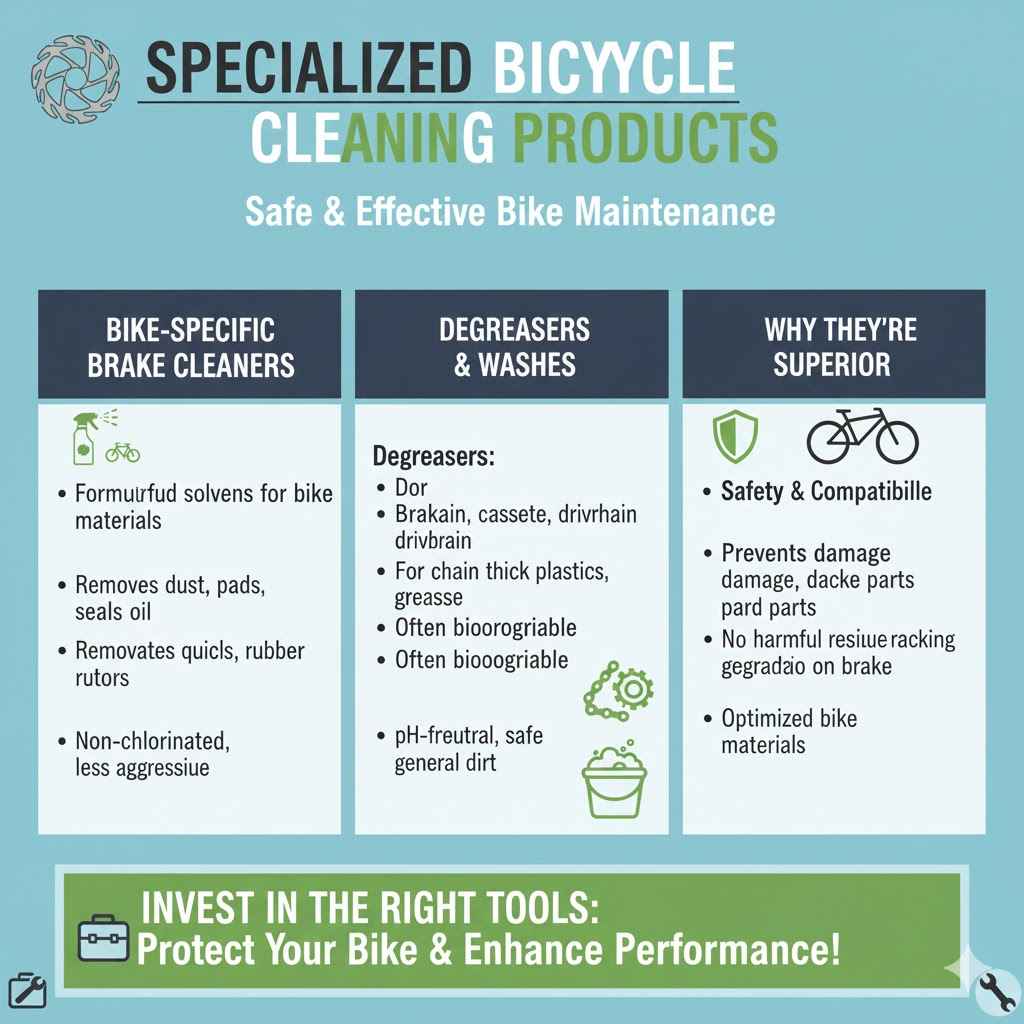
Given the risks, it’s important to know that safer and more effective alternatives exist for cleaning bicycles. Bicycle manufacturers and aftermarket companies have developed a range of cleaning products specifically formulated for the unique materials and components found on bikes. These products are designed to be tough on grime but gentle on rubber, plastic, paint, and delicate finishes.
Using products designed for bicycles ensures that you maintain the performance and longevity of your bike’s parts without risking damage.
For cleaning brake components, there are bicycle-specific brake cleaners. These are formulated to remove brake dust and contaminants without harming pad material, seals, or rotors. They often evaporate quickly and leave no residue.
For general bike cleaning, there are degreasers and all-purpose bike washes that are biodegradable and safe for most bicycle materials. When tackling the drivetrain, specialized degreasers can effectively remove chain lube and grime without damaging seals or painted surfaces.
The cost difference between a general-purpose car brake cleaner and a bicycle-specific cleaner is often minimal, especially when considering the potential cost of replacing damaged bike parts. Investing in the right tools for the job is a smart move for any cyclist who performs their own maintenance. The peace of mind that comes with using products specifically designed for your bike is invaluable, especially when it comes to critical safety systems like brakes.
How to Safely Clean Bike Parts (If Using Car Brake Cleaner)
While it’s generally recommended to use bicycle-specific cleaners, there might be situations where you find yourself with only car brake cleaner and need to clean certain parts of your bike. If you decide to proceed, doing so with extreme caution is paramount. The key is to isolate the cleaner to only the compatible materials and to ensure thorough rinsing and drying afterward.
This section will guide you through a careful approach, emphasizing how to minimize risks.
Identify Compatible Components
The first and most crucial step before using any car brake cleaner on your bike is to identify which components are actually made of materials that can withstand such a harsh solvent. As mentioned, aggressive solvents can damage rubber, plastic, and painted surfaces. Therefore, you should strictly avoid spraying car brake cleaner anywhere near these materials.
This means steering clear of brake pads, brake levers, shifters, derailleurs, and any plastic or painted parts of the bike frame or components.
Generally, the only parts of a bicycle that are reliably safe for direct application of car brake cleaner are the metal brake rotors (on disc brake systems) and possibly the metal brake rotors or aluminum rims (on rim brake systems). These are typically made of metals like steel or aluminum, which are far more resistant to solvent damage than rubber or plastic. Even with these metal parts, caution is advised to prevent overspray onto surrounding sensitive components.
Always check the specific material of the part you intend to clean. If in doubt, do not use car brake cleaner on it.
Metal Brake Rotors (Disc Brakes)
Disc brake rotors are usually made from stainless steel or a steel alloy. These are robust materials designed to withstand significant heat and friction. Therefore, car brake cleaner can be an effective tool for cleaning the metal surface of disc brake rotors to remove grease, oil, or other contaminants that can cause squealing or reduced braking power.
The fast-evaporating nature of brake cleaner is particularly useful here, as it dries quickly, leaving a clean surface ready for the brake pads to grip.
However, even with rotors, it is essential to be careful. Ensure that the application is precise. Use a dedicated nozzle or direct the spray carefully to avoid misting the surrounding areas.
The brake caliper, which contains delicate rubber seals and pistons, should be protected. Similarly, the brake pads themselves, even if you intend to clean the rotor, can be accidentally contaminated by overspray. It is a good practice to remove the wheel and rotor assembly for cleaning, or at least to shield the caliper and pads effectively with rags or plastic sheeting.
A thorough wipe-down with a clean, lint-free cloth after application is also recommended.
Aluminum Rims (Rim Brakes)
For bicycles with rim brakes, the braking surface is the side of the aluminum wheel rim. Aluminum is generally more resistant to many common solvents than rubber or plastic. Therefore, carefully applied car brake cleaner can be used to clean the rim’s braking surface to remove dirt, oil, or residue that might be affecting braking performance.
This is especially helpful if the rims have become particularly grimy from road spray and lubricants.
Again, extreme caution is necessary. Rim brake pads are typically made of rubber or a rubber compound. You must prevent any brake cleaner from coming into contact with the brake pads.
If the pads become contaminated, they will likely need to be replaced. When cleaning the rim, use a cloth or paper towel to apply the cleaner directly to the braking track, or spray the cleaner onto the cloth rather than directly onto the wheel. This methodical approach helps to ensure that only the intended surface is cleaned and reduces the risk of unintended damage to other bike parts.
Application Techniques and Precautions
When attempting to use car brake cleaner on compatible bike components, specific application techniques are vital to minimize risk. The overarching principle is containment and precision. Never spray brake cleaner indiscriminately.
Instead, treat it as a potent chemical that requires careful handling. If you are cleaning disc brake rotors, it is highly advisable to remove the wheel from the bike. This gives you much better access and control, allowing you to properly shield the brake caliper and pads.
Use a clean rag or paper towel as a shield around the area you are cleaning. Spray the brake cleaner onto the rag or directly onto the metal rotor, but do so in a controlled manner, using short bursts. Ensure the spray does not atomize and drift onto nearby rubber or plastic parts.
For rim brake rims, it’s best to spray the cleaner onto a clean, lint-free cloth first and then wipe down the braking surface of the rim. This provides the highest level of control and prevents overspray.
Always work in a well-ventilated area. Car brake cleaners often have strong fumes. Wear protective gloves, as the solvents can irritate the skin and strip natural oils.
After cleaning, always use a separate clean, dry cloth to wipe down the cleaned area thoroughly. This removes any loosened grime and ensures that any residual cleaner is wiped away. This step is critical for ensuring the brake surfaces are truly clean and ready to provide optimal grip.
- Ventilation: Always use in a well-ventilated space. The fumes can be strong and irritating.
- Protective Gear: Wear gloves to protect your skin from the solvents and eye protection to prevent splashes.
- Controlled Application: Spray cleaner onto a cloth rather than directly onto the bike part whenever possible to avoid overspray.
- Shielding: Use rags or plastic sheeting to cover and protect sensitive components like brake pads, seals, and painted surfaces.
Rinsing and Drying Procedures
After applying any cleaning agent, especially a strong solvent like car brake cleaner, thorough rinsing and drying are absolutely essential. For metal parts like disc brake rotors or aluminum rims, it’s not always necessary to “rinse” with water, as water can introduce rust or require more drying. However, you must ensure all traces of the cleaner and dissolved grime are removed.
The best way to do this is with a clean, lint-free cloth. Wipe the cleaned surface repeatedly with a fresh cloth until no residue or grime is transferred.
Drying is equally important. While brake cleaner evaporates quickly, you want to ensure the surface is completely dry before reassembling or using the bike. For disc brake rotors, after wiping them down, allow them to air dry for a few minutes.
You can also use a clean, dry cloth to wipe them dry. For aluminum rims, ensure they are also wiped dry. The goal is to leave a perfectly clean, dry, and residue-free surface for your brake pads to grip effectively.
Any lingering moisture or cleaner residue can compromise braking performance.
If you did use water for rinsing (which is generally not recommended for brake components due to potential rust issues unless it’s a specialized bike cleaner that requires it), ensure every bit of moisture is removed. Compressed air can be useful for blowing moisture out of nooks and crannies. However, for most brake cleaner applications on metal parts, a thorough wipe-down with clean cloths is sufficient to achieve a dry and clean state.
The Ultimate “Can You Use Car Brake Cleaner on Bikes?” Verdict
So, to directly answer “Can You Use Car Brake Cleaner on Bikes?” the most accurate answer is: cautiously, and only on specific metal components, with great care taken to avoid sensitive materials. It is not a universal cleaner for your bicycle. Its aggressive nature makes it unsuitable for rubber, plastic, painted surfaces, and anything that requires lubrication.
While it can be used on metal disc brake rotors or aluminum rims, there are much safer and more effective bicycle-specific cleaners available. These products are formulated to do the job effectively without the risk of damaging your bike’s components.
If you are new to bike maintenance or unsure about the materials of your bike’s parts, it is always best to err on the side of caution. Stick to products specifically labeled for bicycle use. This will save you potential headaches and costly repairs down the line.
The effectiveness of a product is only one part of the equation; its compatibility with the materials it’s used on is equally, if not more, important for the longevity and safety of your bicycle.
Specialized Bicycle Cleaning Products
For cyclists who want to maintain their bikes effectively and safely, opting for specialized cleaning products is the best approach. These products are engineered with the specific materials and needs of bicycles in mind. They offer powerful cleaning action without the harshness that can damage delicate components.
This section will introduce you to the variety of bicycle-specific cleaners available and explain why they are the superior choice for bike maintenance.
Bicycle-Specific Brake Cleaners
When it comes to cleaning brake components on a bicycle, using a cleaner specifically designed for bikes is highly recommended. These products are formulated to tackle brake dust, road grime, and oily residue without harming the sensitive materials found in bicycle brake systems. Unlike harsh automotive brake cleaners, bicycle brake cleaners are typically designed to be compatible with rubber brake pads, caliper seals, and various rotor materials (like stainless steel or aluminum).
They often evaporate quickly, leaving behind a clean surface that ensures optimal braking performance.
These specialized cleaners are readily available at local bike shops and online retailers. They come in spray cans, similar to their automotive counterparts, making application straightforward. However, the key difference lies in their chemical composition.
They are usually less aggressive, often non-chlorinated, and may contain milder solvents that are less likely to degrade rubber or plastic. Using a bicycle-specific brake cleaner is the safest way to ensure that your brakes remain in top condition, providing reliable stopping power and preventing potential damage to expensive components.
Benefits of Using Bike-Specific Formulas
The primary benefit of using bicycle-specific brake cleaners is safety and compatibility. These cleaners are formulated to be gentle on the varied materials found on bikes. This includes rubber brake pads, plastic caliper housings, and delicate seals.
Automotive brake cleaners can degrade these materials, leading to swelling, brittleness, or complete failure. Bicycle cleaners avoid this risk, ensuring that your brake system functions correctly and lasts longer.
Furthermore, bicycle brake cleaners are designed to leave no harmful residue. This is crucial for maintaining the precise friction needed for effective braking. Any leftover film from an automotive cleaner can lead to glazed pads, reduced stopping power, and potentially dangerous situations.
Bicycle-specific formulas ensure that the brake pads and rotors are left clean and ready to perform optimally. They also often work well with bicycle lubricants, meaning they won’t strip away essential oils from other parts of your bike if accidental overspray occurs.
Degreasers and All-Purpose Bike Washes
Beyond specialized brake cleaners, a variety of degreasers and all-purpose bike washes are available to keep your entire bicycle clean. Degreasers are essential for tackling the oily and greasy buildup on your bike’s drivetrain, which includes the chain, cassette, chainrings, and derailleurs. These products are formulated to break down lubricants and road grime effectively, allowing them to be rinsed away.
Many bicycle degreasers are biodegradable and safe for use on various bike materials, including painted frames, carbon fiber, and aluminum.
All-purpose bike washes are milder cleaning solutions designed for general cleaning of the frame, wheels, and other surfaces. They help to remove dirt, mud, and everyday road film, restoring your bike’s shine. These washes are typically pH-neutral and won’t strip protective waxes or coatings from your frame.
Using these dedicated bike cleaning products ensures that you are using the right tool for the job, prolonging the life of your components and keeping your bike looking its best. They represent a smart investment for any cyclist who performs their own maintenance.
Choosing the Right Bike Cleaner
Selecting the correct bike cleaner depends on the specific task at hand. For heavy grease and oil buildup on the drivetrain, a dedicated bicycle degreaser is the most effective option. These come in various forms, from spray-on liquids to immersion baths.
For general cleaning of the frame, wheels, and components after a ride, an all-purpose bike wash is ideal. It’s designed to be gentle on surfaces while lifting dirt and grime.
When it comes to brakes, as discussed, a bicycle-specific brake cleaner is the safest bet for ensuring optimal performance and preventing damage. Some cyclists also use rubbing alcohol (isopropyl alcohol) in a pinch for cleaning disc brake rotors, as it evaporates quickly and leaves minimal residue. However, even with alcohol, caution is advised to avoid contact with rubber or plastic parts.
Ultimately, using products specifically made for bicycles minimizes the risk of damage and ensures your bike’s components function as intended.
Example Scenario: A cyclist finishes a muddy trail ride. They would first use a bicycle degreaser on their chain and cassette to remove the caked-on mud and lube. Then, they would use an all-purpose bike wash with water and a sponge to clean the frame, wheels, and other external parts.
If their disc brakes were contaminated or needed a deep clean, they would use a bicycle-specific brake cleaner on the rotors.
These specialized products are developed by companies with a deep understanding of bicycle mechanics and materials. They offer a balance of cleaning power and material safety that general-purpose cleaners, like automotive brake cleaner, cannot match. Investing in a small collection of these products ensures you have the right tool for every cleaning task, making bike maintenance easier and more effective.
Frequently Asked Questions
Question: Is it safe to spray car brake cleaner on bicycle brake pads
Answer: No, it is generally not safe to spray car brake cleaner on bicycle brake pads. Most bicycle brake pads are made of rubber or a composite material that can be damaged by the harsh solvents in automotive brake cleaner. This can lead to reduced braking power or complete failure.
It’s best to use bicycle-specific brake cleaners or mild cleaning methods for pads.
Question: Can I use car brake cleaner on my bike’s metal chain
Answer: While car brake cleaner can technically remove grease from a metal bike chain, it is not recommended. Brake cleaner strips away all lubrication, leaving the chain dry and prone to rust and excessive wear. It’s better to use a dedicated bicycle degreaser for the chain, which is designed to remove grime while being gentler on the metal and its lubrication.
Question: What happens if car brake cleaner gets on my bike’s paint
Answer: If car brake cleaner gets on your bike’s paint, it can potentially damage it. The strong solvents can strip paint, dull the finish, or weaken adhesives, especially on carbon fiber frames. It’s always best to avoid spraying brake cleaner near painted surfaces and to wipe up any accidental overspray immediately with a clean cloth.
Question: Are there any car brake cleaners that are safe for bikes
Answer: While some automotive brake cleaners might be less aggressive than others (e.g., non-chlorinated formulas), none are specifically formulated or guaranteed to be safe for all bicycle components, especially rubber and plastic parts. It is always safer to use products specifically designed for bicycles to avoid potential damage.
Question: How often should I clean my bike brakes
Answer: You should clean your bike brakes whenever they appear dirty or when you notice a decrease in braking performance. For most riders, a light cleaning of the rotors or rims every few months is sufficient. If you ride in wet or muddy conditions frequently, you may need to clean them more often.
Regular checks and cleaning help ensure your brakes are always working reliably.
Summary
When asking “Can You Use Car Brake Cleaner on Bikes?“, the answer is a cautious no for most parts. While it can clean metal rotors and rims, harsh chemicals risk damaging rubber, plastic, and paint. Specialized bicycle cleaners are safer and more effective, protecting your bike’s components and ensuring optimal performance for a secure ride.