
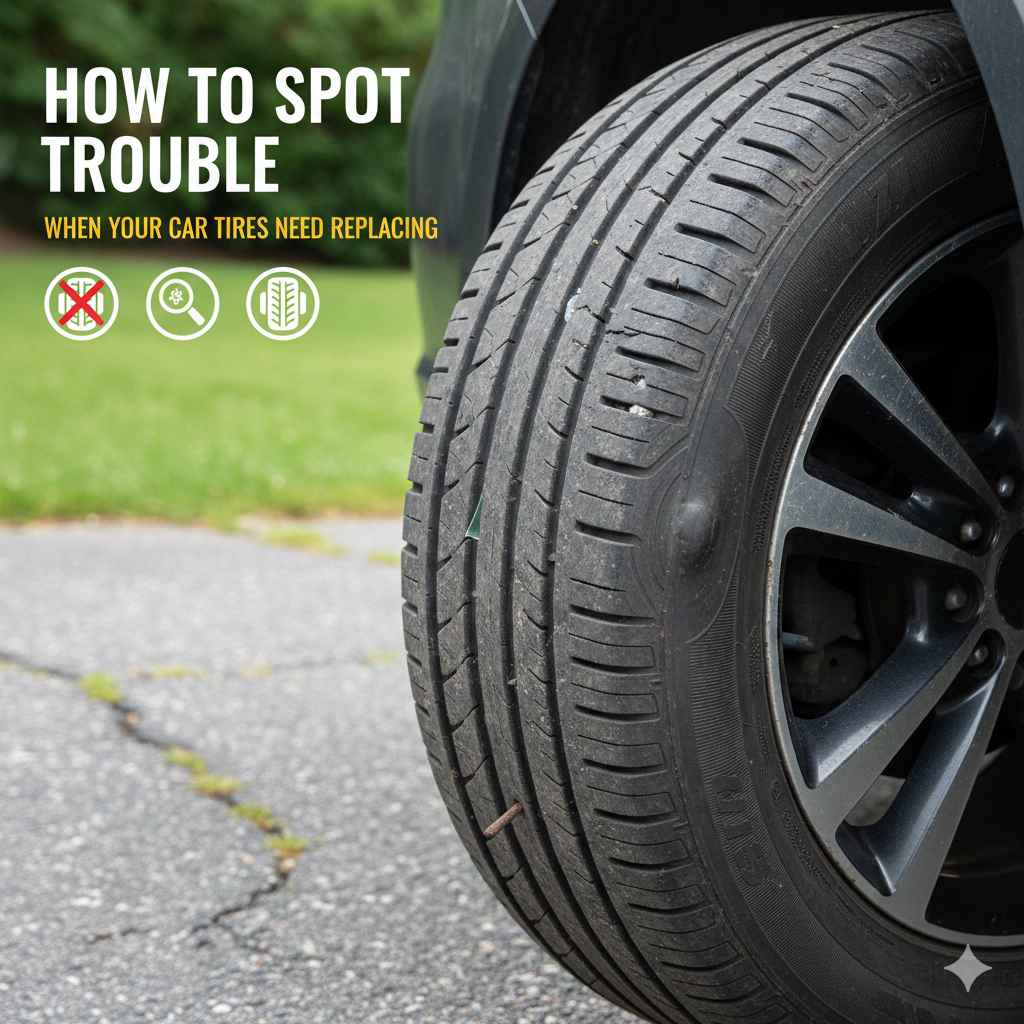
Figuring out How Do You Know If Your Car Tires Are Bad? can seem tricky. Many people find it a little confusing because it’s not always obvious. But don’t worry! We’ll explore the signs and what they mean in simple terms. This post will give you a clear, step-by-step guide to help you know when it’s time for new tires. Get ready to learn how to keep your car safe on the road!
Signs Your Tires Might Be Ready for Retirement
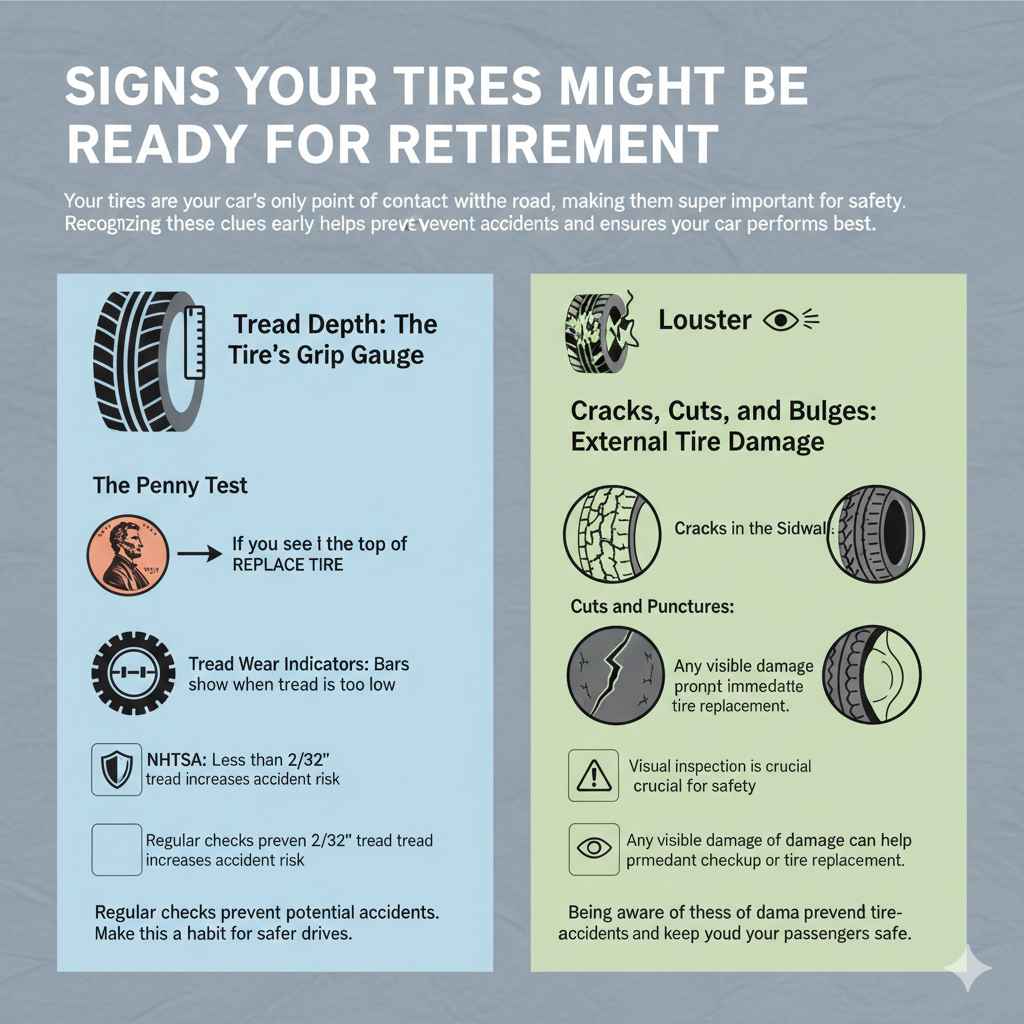
Your tires are your car’s only point of contact with the road, making them super important for safety. They need to grip the road, steer the vehicle, and cushion your ride. But tires wear out over time, and knowing the warning signs can keep you safe. Recognizing these clues early helps prevent accidents and ensures your car performs its best. We’ll explore easy ways to see if your tires need attention and what those signs indicate. This is your initial check-up.
Tread Depth: The Tire’s Grip Gauge
Tread depth is how deep the grooves in your tire are. These grooves are very important because they help remove water and give your tires grip on the road. When the tread wears down, your tires can’t do their job well, especially in rain or snow. Measuring tread depth is a simple way to assess the tire’s ability to grip. A worn tread can significantly increase your stopping distance and make your vehicle less stable.
- The Penny Test: This is an easy trick! Place a penny into the tread with Lincoln’s head facing down. If you can see the top of his head, your tires need replacing.
- Tread Wear Indicators: These are small bars in the grooves of your tire. When the tread wears down to these bars, it’s time for new tires.
- Importance of Tread Depth: According to the National Highway Traffic Safety Administration (NHTSA), tires with less than 2/32 of an inch of tread depth significantly increase the risk of accidents.
Keeping a close eye on your tread depth is a simple and proactive approach to vehicle safety. Regularly checking your tires can prevent loss of control and other issues that worn treads may cause. Regular checks prevent potential accidents. Make this a habit for safer drives.
Cracks, Cuts, and Bulges: External Tire Damage
External damage to your tires can be a clear signal that something is wrong. Cracks, cuts, and bulges can compromise the tire’s structure and affect its performance. Ignoring these visual cues can lead to more serious issues like blowouts, resulting in a loss of control. Regular inspection of your tires for signs of wear and tear is essential for safety. Understanding what to look for can help you stay safe on the road. This section will focus on these external symptoms.
- Cracks in the Sidewall: These often appear due to age and exposure to the sun. If you see cracks, replace the tire quickly.
- Cuts and Punctures: Any cuts that are deep or large enough to expose the tire’s internal cords can be dangerous. Punctures should be professionally assessed.
- Bulges or Blisters: These often signify internal damage, such as a separation in the tire’s layers. Driving on a tire with a bulge is very risky, and that tire needs to be replaced.
- Checking for Damage: Visually inspect your tires regularly. Look for any unusual bumps or any damage to the tire.
Inspecting your tires regularly is a very important part of vehicle maintenance. Being aware of these signs of damage can help prevent tire-related accidents and keep you and your passengers safe. Remember, any visible damage to a tire should prompt an immediate checkup or tire replacement.
Understanding Tire Wear Patterns
Tire wear isn’t always even. The way your tires wear can tell you a lot about your car and how you drive. Uneven wear patterns can indicate problems with your car’s alignment, suspension, or even your driving habits. Knowing the differences can help you fix potential issues before they become bigger problems. Learning about these patterns can save you money and keep you safe on the road. We will look at ways to recognize and address these wear patterns.
Identifying Common Wear Patterns
Different wear patterns on your tires can tell different stories. The way a tire wears can be affected by factors like how you drive, the condition of your car’s suspension, and even the type of tires you have. By understanding these wear patterns, you can address problems and get your tires to last longer. Knowing the meanings behind the patterns helps maintain tire health and vehicle safety. Let’s dive into those wear patterns.
- Wear on the Edges: This often indicates underinflation or aggressive cornering.
- Wear in the Center: This usually results from overinflation.
- One-Sided Wear: Can be caused by misaligned wheels.
- Cupping: This bumpy wear pattern may suggest issues with your car’s suspension.
Understanding these wear patterns is key to maintaining your tires and keeping your car running smoothly. Regular inspection and addressing any issues promptly can extend the life of your tires. This also will help ensure your safety. Addressing these issues can help improve your fuel efficiency, too. Always check your tires and address wear patterns immediately.
What Your Tires Say About Your Car
Your tires are talking to you, telling you things about your car! Their wear patterns offer clues about the condition of your car’s components, from suspension to wheel alignment. By interpreting these patterns, you can take action to keep your car performing at its best and prevent potential issues. Listen to what your tires are telling you and address any problems.
- Alignment Problems: If you notice wear on one side of the tires, your car may need an alignment. This keeps the tires parallel.
- Suspension Issues: Cupping or uneven wear can mean there is a problem with your car’s suspension components.
- Driving Habits: Aggressive driving, such as quick acceleration or sharp turns, can cause unusual tire wear.
- Tire Inflation: Maintaining the correct tire pressure is important for even wear and optimal performance.
Interpreting what your tires are saying is an important skill to learn. Regular inspections and proper maintenance can keep your tires, and your car, in great shape. Keep your tires healthy to protect the other components of your car. By recognizing these issues early, you can take steps to fix them and save money.
Other Reasons to Replace Your Tires
Besides tread depth and wear patterns, other factors can also determine when you need new tires. Age, road conditions, and how you drive can all influence how long your tires last. Being aware of these additional factors will help you make informed decisions about tire replacement. Let’s explore these other reasons and how they influence tire replacement.
Tire Age and Rubber Deterioration
Even if your tires have plenty of tread, age can affect their performance. Rubber naturally breaks down over time, which affects grip and safety. Tires that look perfect on the outside might still be unsafe. It is important to know how to spot the signs of aging tires. Here are some of the signs.
- Dry Rot: This is when the rubber dries out and cracks.
- Expiration Dates: Tires typically have a lifespan of about six years from their production date.
- Storage Conditions: How tires are stored can impact their aging.
Keep your tires’ age in mind when you are considering replacement. Check the date code on your tires. A tire’s age can be a key factor in your tire’s ability to maintain grip. Knowing what to look for will ensure that you have safe tires.
Seasonal Considerations and Tire Choices
The time of year and the climate you live in can greatly affect your tire choices. Different tires are designed to handle different road conditions. Choosing the right tires for the season can improve safety and performance. Consider where you live, and what your options are. We will explore how weather can influence your tire choices.
- All-Season Tires: Good for year-round use in areas with mild weather.
- Winter Tires: Designed for cold temperatures and snow.
- Summer Tires: Provide great grip in warm weather.
- Road Conditions: Consider the types of roads you drive on when selecting tires.
Selecting tires that are right for your location is a crucial step in ensuring your safety. Considering seasonal changes and road conditions can help you choose the best tires. Make sure your tires match the seasonal weather in your area. This is essential for safe driving.
Professional Tire Inspections and Maintenance
While you can do a lot to monitor your tires, it’s a good idea to seek help from the professionals. A qualified tire technician can spot problems you might miss. Regular maintenance and checkups can keep your tires in excellent condition and make them last. Professional help can ensure your tires last longer and that your car is safe. Let’s learn more about what that entails.
Why Professional Checkups Matter
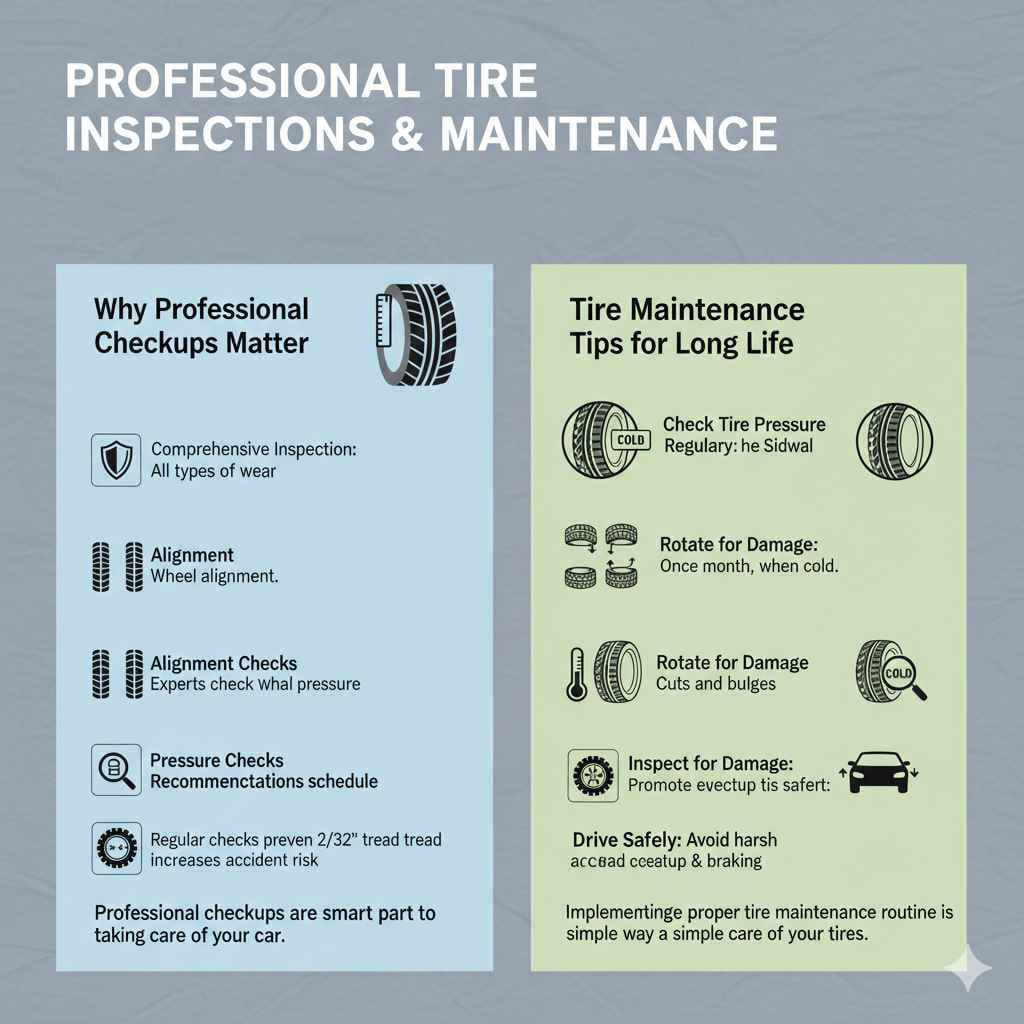
A professional tire inspection is more thorough than a simple visual check. Experts can identify problems that you might not notice. They also have the knowledge and tools to assess your tires. Regular visits to the professionals can catch issues early on. Here is what you should expect from a professional tire checkup.
- Comprehensive Inspection: Professionals check for all types of wear and damage.
- Alignment Checks: Technicians will check your car’s wheel alignment.
- Pressure Checks: Experts always check tire pressure.
- Rotation Recommendations: They can advise on the right rotation schedule.
Professional tire checkups are a smart part of taking care of your car. These checkups provide peace of mind. Regular maintenance ensures that your tires are in top condition, which is critical for your safety. Make professional inspections part of your regular car maintenance schedule. Get regular tire checkups from a trusted professional for reliable service.
Tire Maintenance Tips for Long Life
You can do several things to help your tires last longer. Proper maintenance will help reduce wear and extend their lifespan. Following a few simple steps can help you protect your tires. By incorporating these maintenance tips into your routine, you can increase tire life. Let’s look at some important maintenance activities.
- Check Tire Pressure Regularly: Do this once a month. Make sure to do this when the tires are cold.
- Rotate Tires: Rotate your tires regularly to promote even wear.
- Inspect for Damage: Examine your tires regularly for cuts and bulges.
- Drive Safely: Avoid harsh acceleration and braking.
Implementing a proper tire maintenance routine is a simple way to take care of your tires. This will extend their life and improve your car’s safety and performance. Following these easy tips will give you a smooth, safe ride for a longer period. Take good care of your tires and your vehicle will reward you.
Frequently Asked Questions
Question: How often should I check my tire pressure?
Answer: Check your tire pressure at least once a month, and before long trips.
Question: What does a bulge in my tire mean?
Answer: A bulge in the tire usually indicates internal damage, and the tire should be replaced immediately.
Question: Can I fix a tire puncture?
Answer: Small punctures can sometimes be repaired. However, consult a tire professional to see if it is fixable.
Question: How can I tell when my tires are too old?
Answer: Check the date code on your tires. Tires are generally considered too old after six years.
Question: What is tire rotation and why is it important?
Answer: Tire rotation involves moving your tires to different positions on your car to promote even wear. This extends their lifespan and can improve your car’s handling.
Final Thoughts
Knowing How Do You Know If Your Car Tires Are Bad? is very important for every driver. You can spot the signs of problems like low tread, cuts, or uneven wear patterns. Regularly checking your tires, and understanding the causes of wear, can help keep you safe. Remember to consider factors such as tire age and seasonal conditions when it is time to