
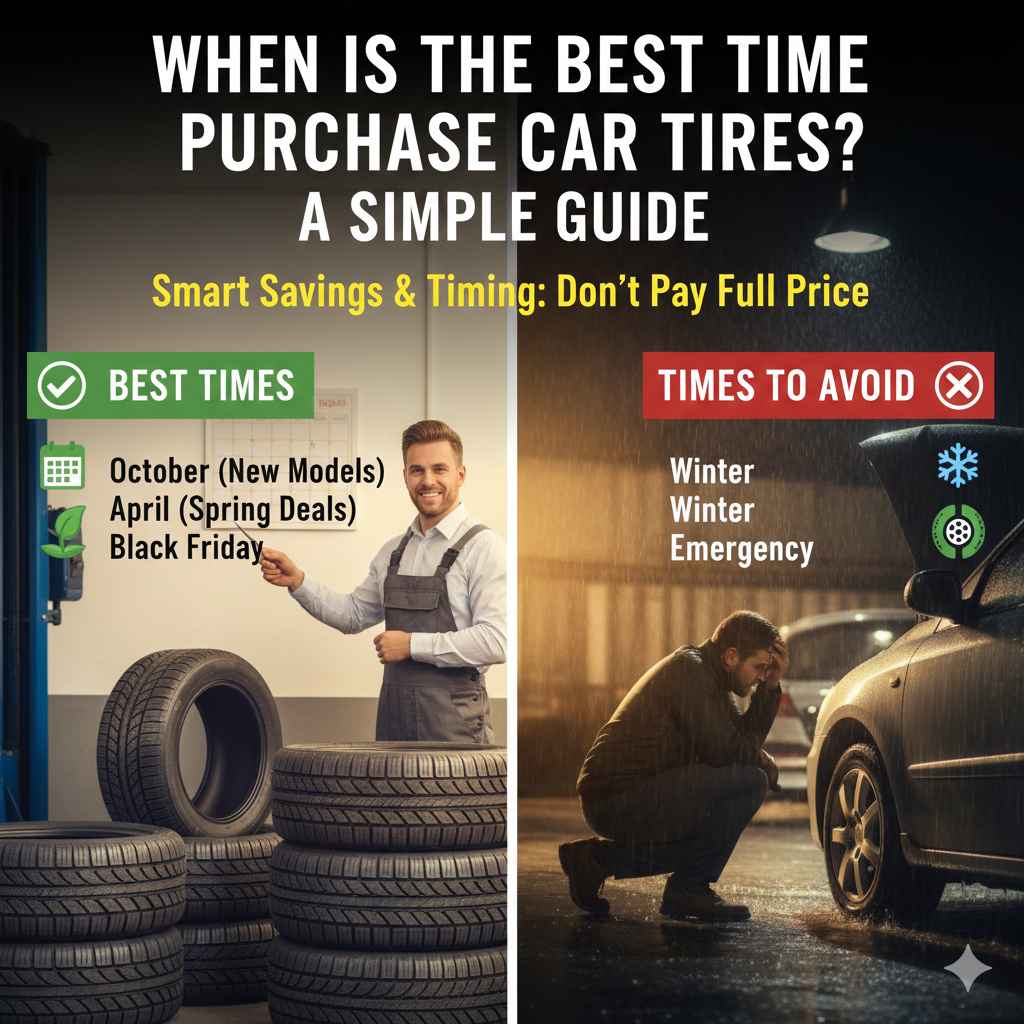
Buying new tires for your car is something everyone needs to do, but it can seem tricky. Figuring out When Is the Best Time to Buy New Car Tires? can feel like a puzzle. Don’t worry, it’s simpler than you think! This guide will break down all the important details so you can get the best deals and make a smart choice. We’ll explore the things you should look out for, and then show you exactly how to save money. Let’s get started!
Best Times to Get New Tires
There are certain times of the year and specific situations that often provide better opportunities for purchasing tires. Knowing these can help you save money and find the best options for your needs. We’ll explore the common seasonal sales, promotional periods, and other scenarios that might present the perfect moment to buy your new car tires. This section will guide you through strategic planning.
Seasonal Sales and Promotions
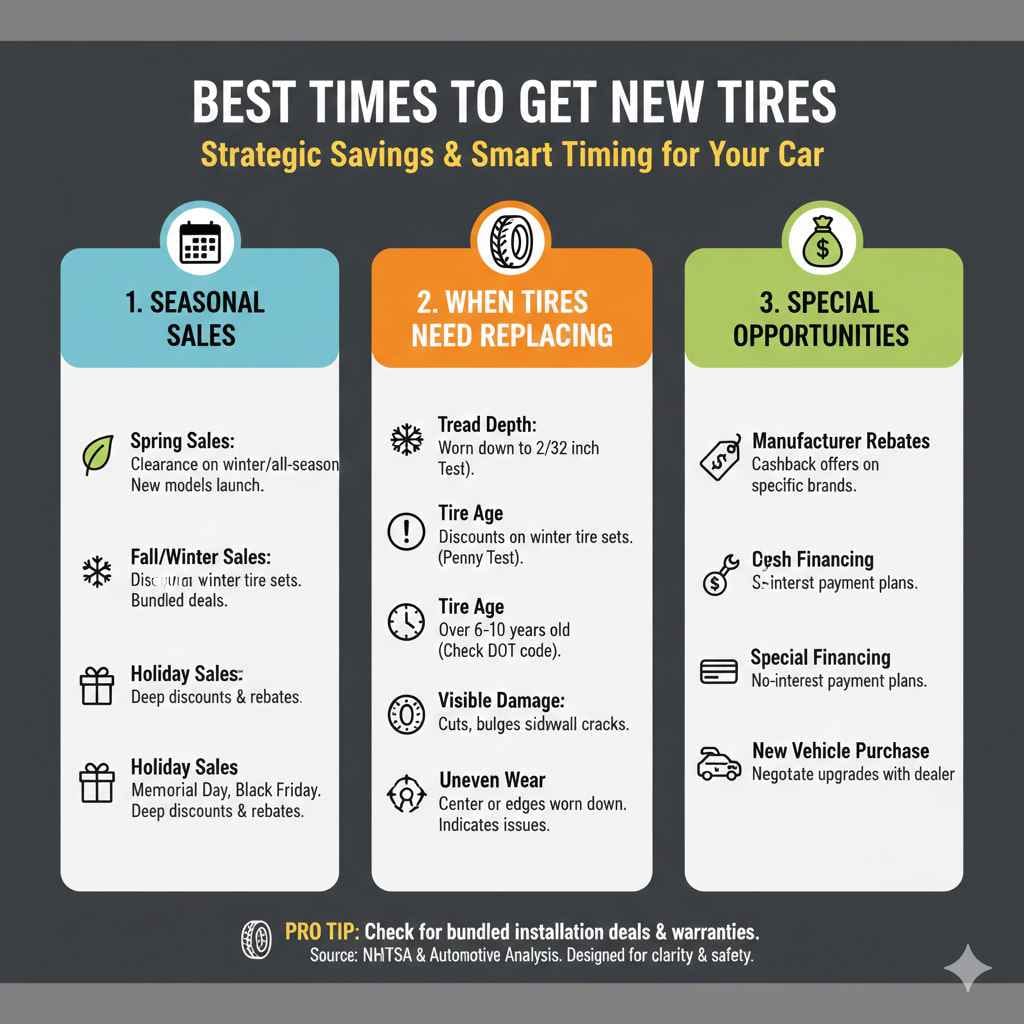
Seasonal sales are the most common time when you’ll find the best discounts. These promotions often coincide with changes in weather or major holidays. Retailers and tire manufacturers usually offer deals during these periods to boost sales. By knowing when these sales happen, you can plan ahead and get the tires you need at a lower cost.
Spring Tire Sales: As the weather warms up and people prepare for summer road trips, many retailers offer significant discounts on tires. This is often a good time to
During spring, stores want to clear out their winter stock and promote all-season and summer tires, leading to discounts. Tire manufacturers often launch new product lines in spring, further driving promotional pricing.
Summer Tire Promotions: Summer is a popular time for driving, so tire retailers and manufacturers often have sales. These sales will let you prepare for your trips and keep your car safe. You can expect to find good deals on all-season tires, since many drivers need tires that handle both wet and dry conditions well.
Summer tires are specifically made for the heat and dry conditions. This is the optimal time to upgrade your tires if you live in an area with hot weather.
Fall and Winter Tire Sales: As temperatures drop and snow becomes a concern, tire retailers often offer sales on winter tires. This is a good opportunity if you need tires designed for snow and ice. These sales also sometimes include discounts on all-season tires as people prepare for winter driving conditions.
Fall tire sales frequently involve bundled offers, such as rebates or installation packages. It is also an excellent time to buy all-season tires if you’re expecting some winter weather.
Holiday Sales: Major holidays, such as Memorial Day, Labor Day, and Black Friday, are frequently used to promote sales. These promotions will help you find the best prices. Many retailers and tire manufacturers offer great deals around these periods.
These sales are popular because they are designed to attract more customers. Deals include discounts, rebates, and special financing. Black Friday sales are one of the most prominent, frequently with deep discounts on a variety of tires.
When Your Current Tires Need Replacing
It’s important to know the signs that indicate your tires need replacement, no matter the time of year. Ignoring these signs can lead to dangerous driving conditions and increased risk of accidents. We’ll explore the main clues you should be looking for.
Tread Depth: Check your tire’s tread depth regularly. If the tread is worn down to 2/32 of an inch, it’s time for new tires. You can use a penny test to check the tread depth. If you can see the top of Lincoln’s head, your tires need replacing.
Tire tread is essential for gripping the road and for removing water to avoid hydroplaning. Worn tread increases the likelihood of sliding and can reduce braking efficiency.
Tire Age: Tires have a lifespan, regardless of how much they’re driven. Most tires are good for about 6 to 10 years from the manufacturing date, even if they have plenty of tread left. Check the DOT code on the tire sidewall to find the manufacturing date.
Over time, tires dry rot. They lose their flexibility, and can develop cracks or bulges. These issues make your tires unsafe to drive on.
Visible Damage: Look for any visible damage on your tires, such as cuts, bulges, or cracks. Any damage should be inspected by a professional to ensure safety. These are indicators that your tires can fail suddenly while driving.
Cuts or bulges can weaken the tire structure, and cracks can indicate the tire is aging or has been exposed to extreme conditions.
Uneven Wear: Uneven wear on your tires can indicate issues with your vehicle’s alignment, suspension, or tire pressure. If you notice unusual wear patterns, have your tires checked. Addressing these problems is important to ensure your tires wear evenly.
Uneven wear can reduce tire life and impact driving performance. Rotating your tires can help to even out wear.
Special Events and Circumstances
Beyond seasonal sales, there are other situations that present good opportunities for buying tires. These opportunities are not seasonal but are specific to events or circumstances that can impact tire prices. Keeping an eye on these scenarios will also help you save money.
Manufacturer Rebates: Tire manufacturers frequently offer rebates as a way to promote sales. These rebates provide an immediate discount or a cashback incentive. Keeping an eye on manufacturer rebate programs can lead to significant savings.
Rebates can be offered for specific tire brands, models, or during specific times of the year. Make sure you complete the rebate form and submit it on time to get your savings.
Special Financing Offers: Many tire retailers partner with credit card companies to offer special financing deals. These promotions may include no-interest financing or payment plans. These can be helpful if you want to spread out the cost of your tires.
Consider the terms carefully. Be sure to pay off the balance before the interest-free period ends.
When Purchasing a New Vehicle: If you’re buying a new car, you might be able to negotiate a tire upgrade as part of the deal. Many dealers can offer tire upgrades at a better price when it is bundled with the vehicle purchase.
Negotiate and compare prices before deciding. Make sure the tires offered meet your needs and driving style.
During Tire Retailer Promotions: Tire retailers, such as national chains or local shops, often run their promotions. These promotions can be timed with special events. It is a good idea to check for deals and promotions at various stores.
These promotions might vary. Compare prices, check for installation fees, and look for any warranties that are included.
Ways to Find the Best Deals on Tires
Now that you know the best times to buy, let’s explore how to find the specific deals that will save you the most money. This is an important part of the process, and we will cover the various ways you can shop for tires.
Comparing Prices
Comparing prices is an essential step in finding the best deals. By taking the time to shop around, you can often find significant price differences for the same tires. This process involves a bit of research, but it will pay off by helping you get the best deal.
Online Price Comparison: There are many websites that let you compare tire prices from different retailers. Websites will show prices for various brands and models, and often include user reviews. This lets you quickly compare prices from the comfort of your home.
Make sure you consider the shipping and installation costs. Also, read reviews to learn about the experiences of other customers.
Local Tire Shops: Local tire shops often have competitive prices. They can give you personalized service and can often match or beat online prices. Supporting a local business helps your community and you might get better service.
Ask for quotes from a few different local shops. Check their reputations and customer reviews.
National Tire Retailers: National retailers often have competitive prices and special promotions. They often have a wide selection of tires. Because they buy in large volumes, they often get the best deals from manufacturers.
Check the prices, compare the warranties, and be sure to consider the installation costs.
Consider the Total Cost: When comparing prices, always include all costs, such as installation, balancing, and disposal fees. A lower tire price doesn’t mean the best deal if other fees are high.
Ask for a full, itemized quote to understand all the charges. This way, you can compare the overall costs.
Understanding Tire Specifications
Buying tires isn’t only about getting the lowest price. It’s also important to understand tire specifications to make sure you’re getting the right tires for your car and driving needs. Knowing these details will help you make a better decision. Let’s look at the important aspects of tire specifications.
Tire Size: The tire size is the most important factor. You can find the right size on the sidewall of your current tires or in your car’s owner’s manual. Your car’s performance is affected when tires are the wrong size.
Make sure you understand the numbers and letters in the tire size code. These show the width, aspect ratio, construction type, rim diameter, and load and speed ratings. The wrong size can affect the car’s handling and safety.
Tire Speed Rating: The speed rating indicates the maximum speed at which a tire is designed to perform safely. Match the speed rating to your vehicle and driving habits. Choosing the wrong speed rating can lead to decreased performance and safety.
You can find the speed rating on the tire sidewall. It’s shown by a letter, such as “H” or “V.” A higher speed rating means the tire can handle higher speeds.
Tire Load Index: The load index shows the maximum weight a tire can carry when it is properly inflated. It’s essential to select tires with a load index that meets or exceeds the requirements for your vehicle. Using tires with the wrong load index can result in tire failure.
Check your owner’s manual for the required load index. Higher load index means the tire can handle more weight.
Tire Type: There are different types of tires, including all-season, summer, and winter tires. Choosing the right tire type is vital for your driving conditions and needs. The wrong tire type can reduce the car’s performance and safety.
All-season tires are a good option for all-year use, but they don’t perform as well in extreme weather conditions as tires designed for those conditions. Summer tires work best on dry and wet roads, while winter tires are best for snow and ice.
Installation and Additional Costs
When buying tires, don’t overlook installation and any extra costs. These can add to the total expense and should be considered when looking for the best deal. We’ll explore the things to keep in mind about installation and related charges.
Installation Costs: Installation costs include mounting the tires on your wheels, balancing the wheels, and disposing of your old tires. These fees can vary, so it’s a good idea to compare prices from different retailers.
Ask for a complete quote that includes all installation charges. Some stores may have lower tire prices but higher installation fees. Also, ask about the qualifications of the installation team.
Wheel Balancing: Balancing is necessary to ensure even weight distribution in the tire. This helps the car run smoothly. The cost of balancing is usually included in the installation fee.
If your wheels are not balanced, you might notice vibrations while driving, and tires will wear unevenly.
Alignment: A wheel alignment is another service that can be necessary when installing new tires. Proper alignment ensures that your wheels are correctly aligned, which extends the life of your tires and improves the vehicle’s handling.
If your car pulls to one side, or if your tires are wearing unevenly, it’s a sign your car needs an alignment. This is separate from the installation and balancing costs, but it can be essential for a long-lasting and effective tire replacement.
Tire Disposal Fees: Most tire retailers charge a fee to dispose of your old tires. These fees are usually small, but they add to the total cost. You might also dispose of your old tires at a local recycling center.
Check for disposal fees before you buy tires. Recycling tires helps the environment and can prevent them from ending up in landfills.
Planning and Strategy for Tire Purchases
Buying tires is not a spontaneous event; instead, it is a task that benefits from good planning. By thinking ahead, you can take advantage of sales, find the best deals, and get the right tires for your vehicle. Good planning makes the buying process easier.
Timing Your Purchase
Timing your tire purchase can have a big impact on the final price and your overall experience. Taking the time to understand when to buy will make the process easier.
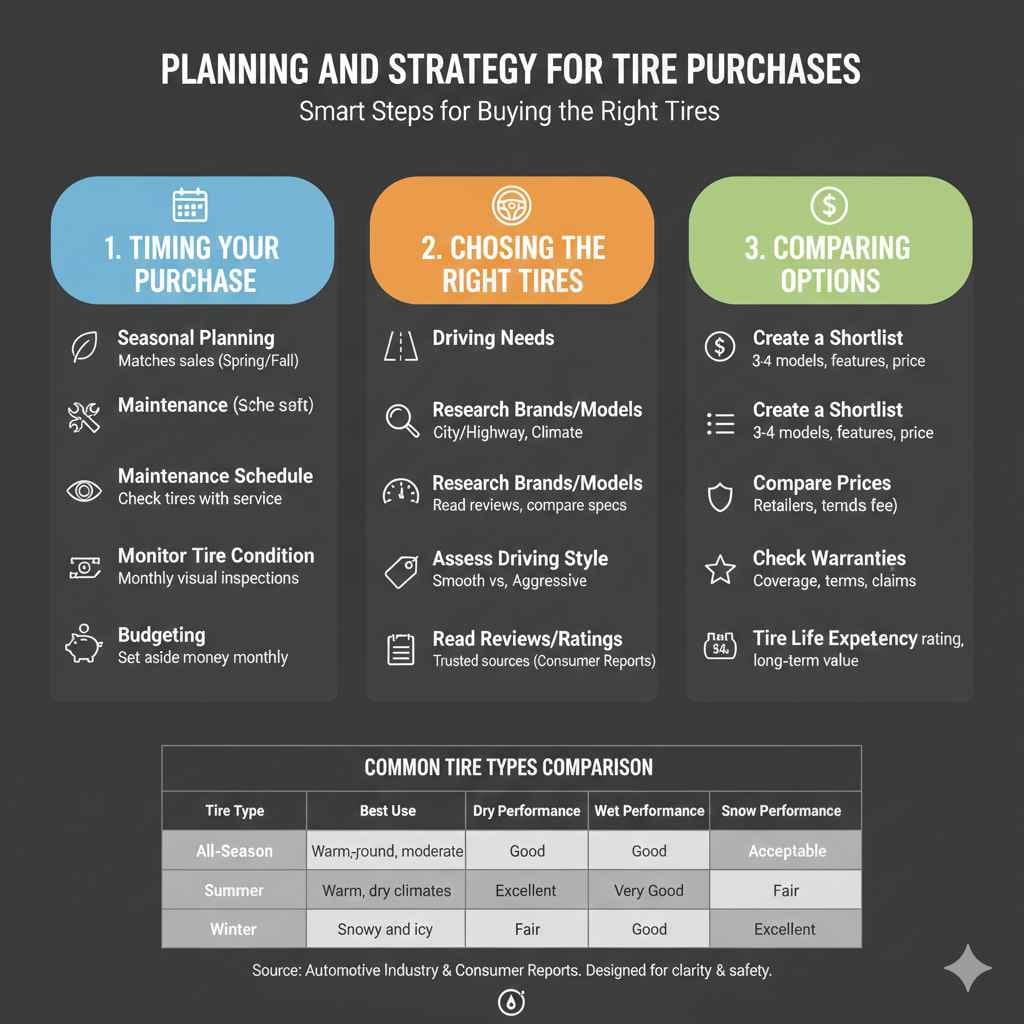
Seasonal Planning: Plan your tire purchase to line up with seasonal sales and promotional periods. Buying in the spring or fall, when discounts are common, will let you save money. Consider when you need your tires and when the best sales are.
Set a reminder to check prices and promotions before the seasons change. Planning ahead allows you to take advantage of sales before the rush.
Vehicle Maintenance Schedule: If you follow a regular vehicle maintenance schedule, consider checking your tires during your scheduled service appointments. Doing so ensures you can replace your tires before they become unsafe.
Coordinate your tire purchase with other maintenance tasks. This will help you manage the costs and keep your car in top shape.
Monitor Tire Condition: Check your tires regularly for tread depth, wear patterns, and any signs of damage. If you notice problems, it is best to address them immediately. Monitoring your tires will help you avoid safety issues and save money.
Conduct a visual inspection every month. This helps you catch potential issues before they become serious.
Budgeting for Tire Replacement: Tire replacement can be expensive, so it is a good idea to budget for it. You can set aside money each month to help cover the costs. Planning ahead will help you make the purchase.
Consider the cost of tires, installation, and any additional services. This way, you won’t be caught by surprise when it’s time to buy new tires.
Choosing the Right Tires
Selecting the right tires involves more than just finding the lowest price. It means choosing tires that meet your vehicle’s needs, your driving conditions, and your personal preferences. This section will guide you through this process.
Consider Your Driving Needs: Think about where you drive most of the time. If you drive mainly on city streets or highways, you might have different requirements than someone who drives on gravel roads. Your choice will influence your selection.
Consider the type of driving you mostly do, the climate where you live, and what’s most important to you—handling, fuel efficiency, or ride comfort.
Research Tire Brands and Models: Tire brands and models vary in performance, quality, and price. Investigate what others say about the tire brands and models. Read reviews from trusted sources and compare specifications.
Look at different tire brands, such as Michelin, Goodyear, Bridgestone, and others. Each brand offers many options, so read reviews and compare the key features.
Assess Your Driving Style: Your driving style can influence the kind of tires you need. If you drive smoothly, comfort might be more important. If you drive aggressively, you might need tires with better grip and handling. Your choice will change your driving experience.
Consider how you drive and the kind of driving you do. If you drive in wet or snowy conditions, you will need all-season or winter tires.
Read Reviews and Ratings: Before buying, look at tire reviews and ratings from reliable sources, such as Consumer Reports or tire retailers. Reviews give helpful information. Reading reviews can help you make an informed decision.
Focus on reviews that talk about the things that matter to you. Pay attention to comments about tire performance, durability, noise, and overall value.
Comparing Tire Options
When you have a better idea of what you need, it’s time to compare your options. This will help you make a final decision. By comparing prices and features, you can make the best choice for your vehicle.
Create a Shortlist: Narrow down your choices to a short list of tire models that match your requirements. Consider the features, performance characteristics, and price. Having a shortlist lets you focus your research.
After you’ve done your research, select three or four tire models that look good. Review reviews again and compare specifications.
Compare Prices: Compare prices from different retailers to find the best deals. Don’t only consider the tire price. Also, include installation, balancing, and disposal fees. Price comparison can save you money.
Get quotes from various sources. Make sure you compare the overall costs, not just the tire prices. Be sure to check for any special offers or rebates.
Check Warranties: Check the warranties on the tires you’re considering. Warranties will protect you if the tire fails prematurely. See if any of the warranties apply to you.
Warranties can vary. Know what’s covered, what’s not, and how to make a claim. Understand the warranty’s terms and conditions.
Consider Tire Life Expectancy: Look at the expected lifespan of the tires. Consider how many miles you drive each year. Then, see if a more expensive tire with a longer life might save you money in the long run. Choosing tires with a long life is important.
The tire’s treadwear rating provides insight into its durability. Tires with a higher treadwear rating should last longer.
Here’s a sample comparison table for tire types, showcasing a basic comparison:
| Tire Type | Best Use | Performance in Dry Conditions | Performance in Wet Conditions | Performance in Snow |
|---|---|---|---|---|
| All-Season | Year-round, moderate climates | Good | Good | Acceptable |
| Summer | Warm, dry climates | Excellent | Very Good | Poor |
| Winter | Snowy and icy conditions | Fair | Good | Excellent |
Frequently Asked Questions
Question: When is the best time to buy tires to get the lowest prices?
Answer: The best times to buy tires are during seasonal sales (spring, summer, fall), holiday promotions (Memorial Day, Labor Day, Black Friday), and when manufacturers offer rebates.
Question: How often should I replace my tires?
Answer: You should replace your tires when the tread is worn down to 2/32 of an inch, or approximately every 6 to 10 years, regardless of how much you’ve driven them.
Question: How do I find my tire size?
Answer: Your tire size can be found on the sidewall of your current tires or in your car’s owner’s manual. The size will be indicated by a series of numbers and letters, such as “205/55R16”.
Question: What do I need to know about tire speed ratings and load indexes?
Answer: The speed rating indicates the maximum speed the tire is designed for. The load index indicates the maximum weight the tire can carry when properly inflated. Both should match or exceed the specifications for your vehicle.
Question: Are there any extra costs I should be aware of when buying tires?
Answer: Yes, in addition to the tire price, you should factor in installation costs, wheel balancing, wheel alignment, and tire disposal fees. Always ask for a detailed quote to see all the costs.
Final Thoughts
Choosing when to buy new car tires doesn’t have to be confusing. By keeping an eye on seasonal sales, special promotions, and the condition of your tires, you can find great deals. Remember, planning ahead and taking the time to compare prices and tire specifications is key. Knowing the best times to buy, the things to consider, and the strategies for comparing options will help you make a good decision. Don’t rush into a purchase. Instead, do some research and find the best fit for your vehicle and budget. That way, you’ll be driving safely and saving money!