
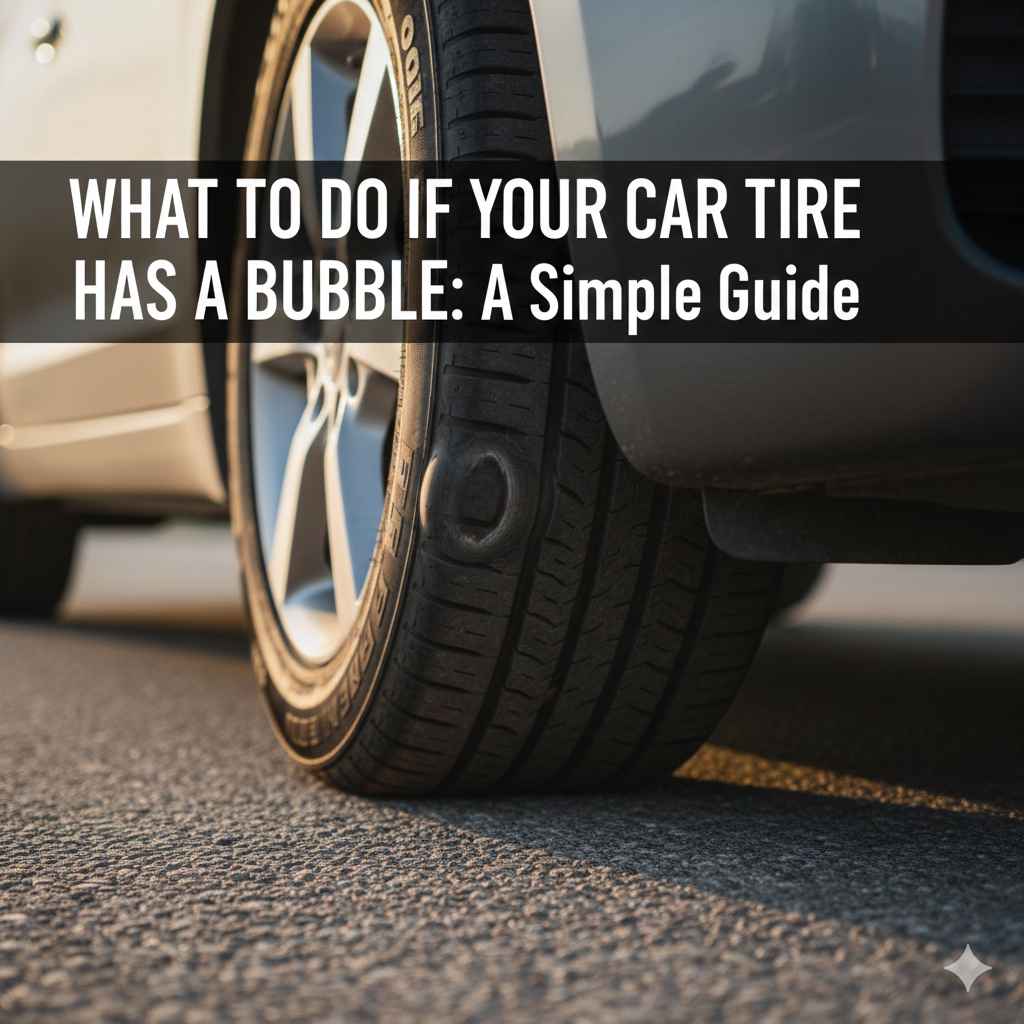
Having a tire bubble can be a worry, especially if you’re new to cars. What to Do If Your Car Tire Has a Bubble might seem tricky at first, but it’s important to know how to deal with it for your safety. This guide will take you step-by-step through what you need to do, making sure everything is clear and easy to grasp. Ready to find out what to do?
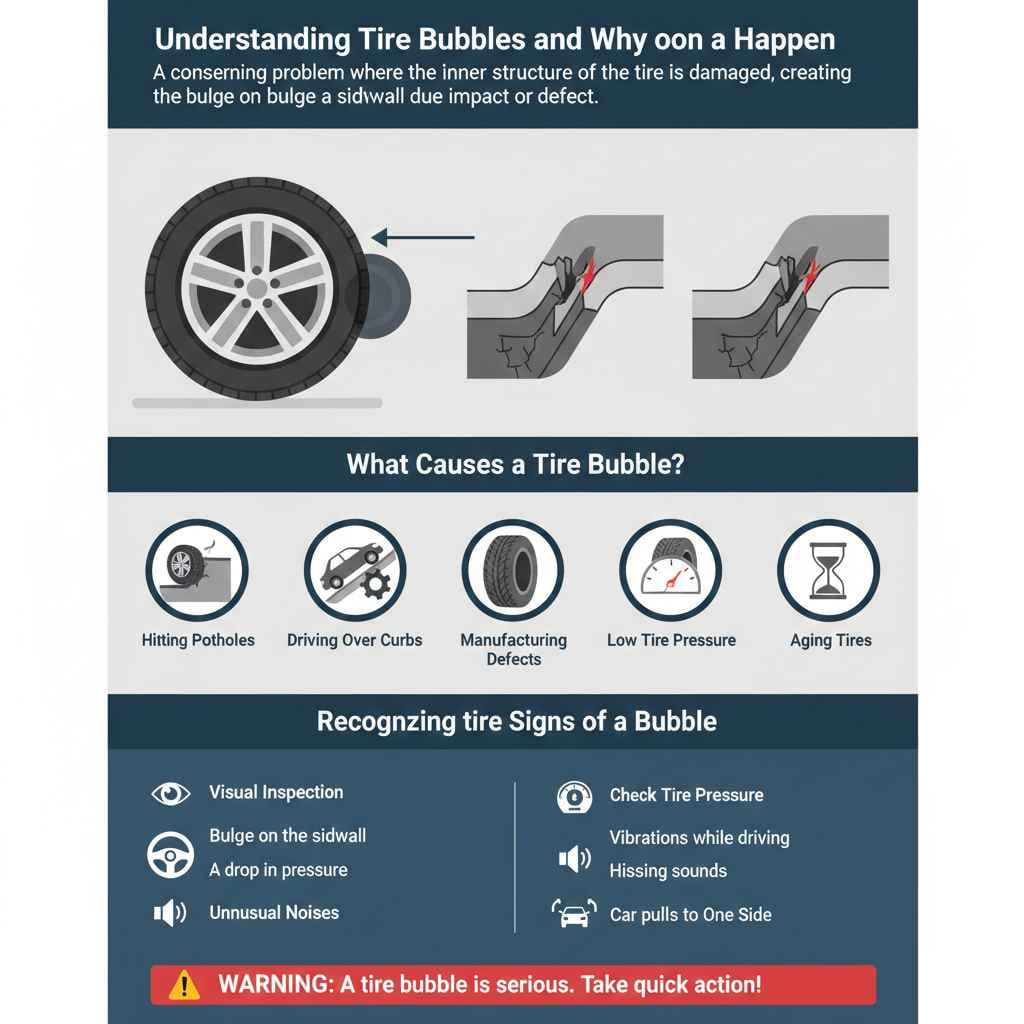
Understanding Tire Bubbles and Why They Happen
A tire bubble, also called a sidewall bulge, is a concerning problem. It looks like a bump or a bulge on the side of your tire. This bubble happens when the inner structure of the tire gets damaged. Usually, this damage is due to impact or a defect, and it weakens the tire’s ability to hold air. It’s often caused by hitting a pothole, curb, or other road hazard. When the tire’s internal layers are broken, air pushes through the weakened spot, creating the bubble. Ignoring a tire bubble can be dangerous because it could lead to a sudden blowout. Knowing how tire bubbles develop is the first step in handling them.
What Causes a Tire Bubble?
Several things can lead to a tire bubble, and figuring out the cause can help you prevent it from happening again. Most bubbles are caused by impacts from the road. The force of hitting a pothole or curb can easily damage the inner layers of the tire. These layers, made of strong materials like nylon or polyester, are designed to protect the tire. Another cause might be defects in the tire’s manufacturing process. Improperly made tires might have weak spots that can give way over time. Sometimes, even the way you drive can affect the tires. Driving too fast over rough surfaces puts a lot of stress on the tires, increasing the chance of damage. Finally, damage can also result from a collision with another vehicle or object.
- Hitting Potholes: Potholes are a common cause. When you hit a pothole, the force can pinch the tire between the road and the wheel rim, damaging the inner layers.
- Driving Over Curbs: Driving over curbs, especially at an angle or speed, can also lead to bubbles. The impact can damage the sidewall.
- Manufacturing Defects: Some tires have defects from the factory. These weak spots can cause a bubble to form.
- Low Tire Pressure: Driving with low tire pressure can also increase the risk of tire damage. Low pressure allows the tire to flex more, making it more vulnerable to impacts.
- Aging Tires: As tires age, the rubber degrades. This makes them more prone to damage and bubbles.
Understanding the causes behind these bubbles is very important because it helps you to act and prevent them.
Recognizing the Signs of a Bubble
Identifying a tire bubble early is very important. There are clear visual signs to look for when inspecting your tires. The most obvious sign is a bulge or a bump on the tire’s sidewall. This bulge can vary in size, from a small lump to a very noticeable protuberance. You should also regularly check your tire pressure. Any drop in pressure could mean a problem. Sometimes, you might notice vibrations while driving. These vibrations can be a warning sign of a tire issue. Listen for unusual noises. Hissing sounds or other strange noises from a tire could be a sign of air escaping.
- Visual Inspection: The most clear sign is a visual bulge on the sidewall.
- Check Tire Pressure: Keep an eye on the tire pressure. A drop in pressure can be a sign.
- Vibrations: Vibrations while driving can suggest a tire issue.
- Unusual Noises: Listen for strange sounds, like hissing.
- Pulling to One Side: If your car pulls to one side, it could be tire-related.
Regular checks can help spot a bubble early, keeping you safe on the road. Remember, a tire bubble is a serious problem and you should always take quick action.
Immediate Steps to Take When You Find a Tire Bubble
Discovering a tire bubble requires immediate action. Safety should be your first concern. You should avoid driving on a tire with a bubble because it could lead to a dangerous blowout. Pull over to a safe place as soon as you can, away from traffic. This could be a parking lot or the side of the road with enough space. After parking safely, assess the situation. Check all the tires for damage. If you find a bubble, it’s very important to not drive on that tire. Call for help, either a roadside assistance service or a tow truck, to have the tire replaced or the car brought to a mechanic.
Why You Shouldn’t Drive on a Bubbled Tire
Driving on a tire with a bubble is extremely unsafe. A bubble means the tire’s structure is compromised. The tire could blow out at any moment. This can result in a loss of control of the vehicle, which can lead to a crash. The risk is even higher at higher speeds or on highways. The sidewall of a tire with a bubble is weak. Hitting a bump or pothole could make the bubble burst. This is why you must avoid driving on a tire with a bubble and make sure you do not delay getting it replaced.
- Risk of Blowout: The tire could fail suddenly.
- Loss of Control: A blowout can make you lose control of the car.
- Increased Danger: The risk rises at high speeds.
- Sidewall Weakness: The bubble indicates a weak sidewall.
- Unpredictable Failure: The tire can burst without any warning.
Remember, your safety and the safety of other road users is the most important thing.
What to Do If You’re Stranded
If you’re stranded with a tire bubble, follow these steps to stay safe. First, pull over to the side of the road, or a safe area away from traffic. Turn on your hazard lights. This alerts other drivers to your situation. Next, if you have roadside assistance, call them for help. They can either change the tire or have the car towed to a repair shop. If you don’t have roadside assistance, you’ll need to call a tow truck or a mechanic. Stay inside your vehicle while you wait, especially at night or in a dangerous area. If you must get out, stay away from traffic. Have a reflective vest or a warning triangle if you have them. Always stay calm and alert.
- Move to Safety: Get the car out of traffic.
- Turn on Hazards: Warn other drivers of your car.
- Call for Help: Contact roadside assistance or a tow truck.
- Stay Inside: Remain in the vehicle until help arrives.
- Safety First: Be very careful near traffic.
By following these steps, you can deal with the situation safely and efficiently. Remember, safety should always be your number one concern.
Getting Your Tire Replaced or Repaired
When you have a tire bubble, the correct action is almost always tire replacement. While some tires can be repaired, a tire bubble means the tire’s structure is damaged, and is very unsafe. Don’t try to repair the bubble itself. The damage is on the inside, which can’t be fixed safely. The cost of a replacement depends on the size and type of tire your car needs. Typically, the cost can range from $100 to $400, or more, depending on the brand and size. It’s best to have a professional replace the tire to ensure it’s done safely. They will also inspect the wheel for any damage caused by the bubble.
Choosing the Right Replacement Tire
Choosing a good
- Tire Size: Make sure the sizes match.
- Speed Rating: Check the maximum speed the tire can handle.
- Load Index: Check the weight capacity.
- Tire Type: Choose based on your driving conditions.
- Brand and Quality: Pick a trusted brand.
Choosing the right replacement tire will ensure your safety on the road.
The Tire Replacement Process
The tire
- Lift the Vehicle: Use a jack or a lift to raise the car.
- Remove the Wheel: The mechanic removes the wheel with the damaged tire.
- Remove the Old Tire: Detach the old tire from the wheel.
- Inspect the Wheel: Check the wheel for damage.
- Mount the New Tire: Place the new tire on the wheel.
- Inflate the Tire: Add air to the right pressure.
- Balance the Wheel: Make sure the wheel spins smoothly.
- Reinstall the Wheel: Put the wheel back on the car.
- Tighten Properly: Secure the wheel with lug nuts.
This process guarantees that the replacement is done safely and correctly, keeping you safe on the road.
Preventing Future Tire Problems
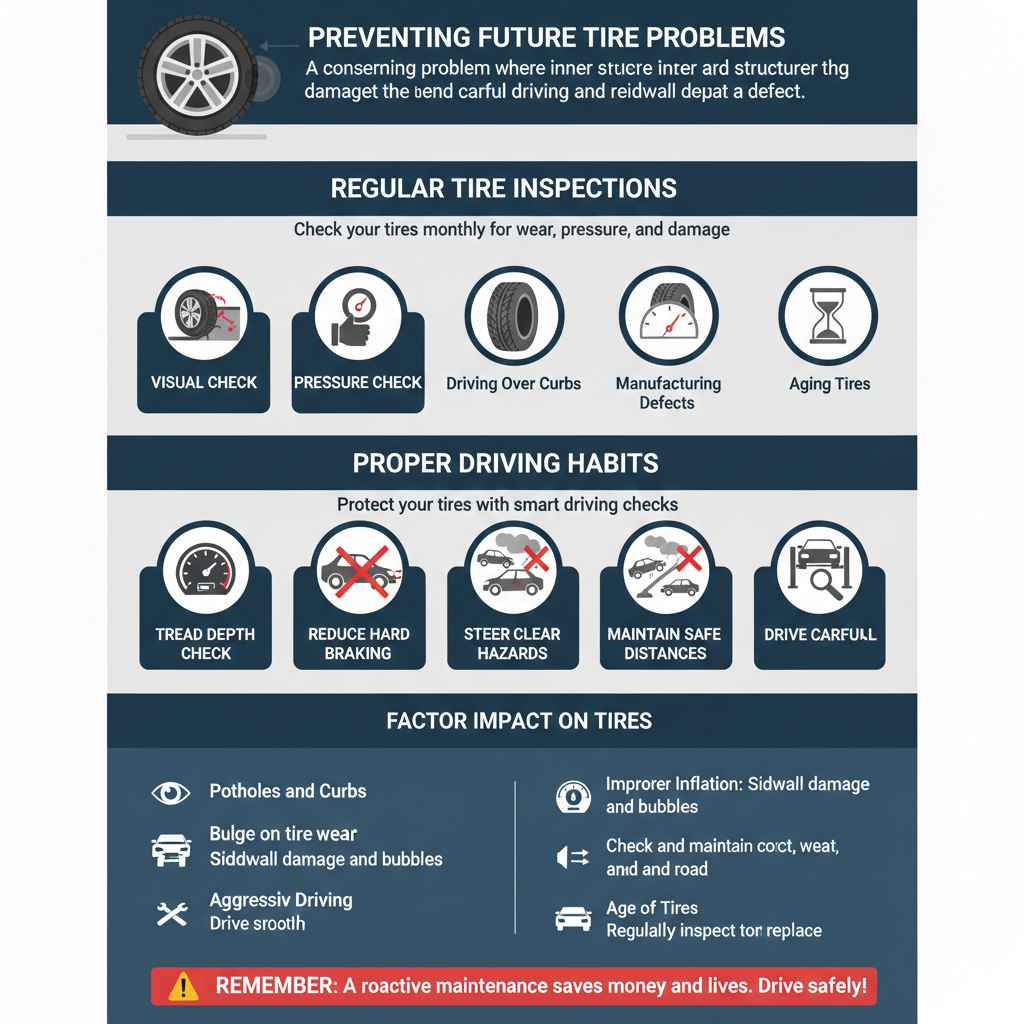
Preventing tire problems is a blend of careful driving and regular tire checks. The most important thing is to make sure your tires have the right pressure. Underinflated or overinflated tires can cause damage and make tire bubbles happen. Avoid hitting potholes and curbs. Watch out for road hazards like debris and sharp objects. Regular tire inspections are very important. Look for any signs of wear, such as cuts, bulges, or uneven tread wear. Rotate your tires every 5,000 to 8,000 miles to spread the wear and tear evenly. Consider your driving habits. Reduce fast starts, hard braking, and aggressive turning, which can put extra strain on the tires.
Regular Tire Inspections
Regular tire inspections are a simple, but key part of car maintenance. Check your tires regularly, at least once a month. Look for any cuts, bulges, or uneven wear on the tread. Check the tire’s sidewalls for any signs of damage. Make sure the tires are inflated to the right pressure. The right pressure is usually located on a sticker on the driver’s side doorjamb or in your car’s manual. Use a tire pressure gauge to check the pressure. You should also check the tread depth. Use the penny test: place a penny head-first into the tread. If you can see the top of Lincoln’s head, it’s time to get new tires. Always have your tires inspected by a professional if you notice anything unusual.
- Visual Check: Look for cuts, bulges, and wear.
- Sidewall Inspection: Examine the sidewalls.
- Pressure Check: Make sure the tires are inflated correctly.
- Tread Depth: Use the penny test.
- Professional Check: Get expert inspection if needed.
These simple checks will help you to catch problems early, keeping you safe on the road.
Proper Driving Habits
Good driving habits can make a big difference in the life and condition of your tires. Avoid driving too fast, especially on roads with hazards like potholes or uneven surfaces. Reduce hard braking and fast acceleration, because they put extra stress on tires. Try to avoid hitting curbs or driving over debris. Give yourself enough distance from other cars so you can react safely to problems. Drive smoothly and carefully, especially in bad weather conditions. These driving habits will help to protect your tires and extend their life.
- Avoid Fast Driving: Drive at reasonable speeds.
- Reduce Hard Braking: Brake gently.
- Steer Clear of Hazards: Avoid potholes and curbs.
- Maintain Safe Distances: Give yourself space.
- Drive Carefully: Especially in bad weather.
These simple habits will improve tire safety and make your driving experience safer.
| Factor | Impact on Tires | How to Mitigate |
|---|---|---|
| Potholes and Curbs | Cause sidewall damage and bubbles | Drive slowly and carefully, avoid them if possible |
| Improper Inflation | Accelerated wear, and risk of damage | Check and maintain correct tire pressure |
| Aggressive Driving | Excessive heat, wear and tear | Drive smoothly, avoid quick starts and stops |
| Road Debris | Cuts and punctures | Watch the road, avoid hazards |
| Age of Tires | Rubber degradation, and cracking | Regularly inspect and replace tires as needed |
Frequently Asked Questions
Question: Can I drive a short distance on a tire with a bubble?
Answer: It’s generally not safe to drive on a tire with a bubble, even for a short distance. The bubble indicates a structural weakness that could lead to a blowout.
Question: How can I tell if a tire bubble is serious?
Answer: Any tire bubble is serious. It means the tire’s internal structure has been damaged and could fail at any time. It should be assessed and replaced.
Question: Can a tire bubble be repaired?
Answer: No, a tire bubble cannot be safely repaired. The damage is within the tire structure, and any repair attempt will not fix the existing problem. The tire needs to be replaced.
Question: How often should I check my tires?
Answer: You should check your tires at least once a month. Look for damage, check the pressure, and assess the tread wear.
Question: What’s the cost to
Answer: The cost of a replacement tire depends on the type, brand, and size. Expect to pay between $100 and $400, or more, depending on your vehicle’s specifications.
Final Thoughts
Dealing with What to Do If Your Car Tire Has a Bubble is important for all drivers. Recognizing the issue, from the initial bulge to the concerning vibrations, is the first step. Knowing the key causes, like hitting potholes or even manufacturing defects, helps you prevent future problems. The most important action when you find a bubble is to stop driving and make arrangements for a new tire. Choosing the right replacement and having it properly installed are essential steps, and regular checks can protect your tires and keep you safe.
By understanding the causes, knowing what to do immediately, and understanding how to protect your tires, you can stay safe on the road. Remember, a proactive approach to tire care is a key investment in your safety and the longevity of your car. Keep your tires in great shape for a smooth and worry-free ride.