

Figuring out the Transmission Control Module Cost: What to Expect can be a tricky thing, especially if you’re new to car repairs. It’s a pretty important part of your car, and problems with it can cause a lot of headaches. This guide breaks down what you should know in simple terms. We’ll explore the different factors affecting prices, how to identify problems, and some helpful tips to avoid surprises. We’ll walk through everything step by step, so you’ll feel prepared when dealing with this issue.
What is a Transmission Control Module?
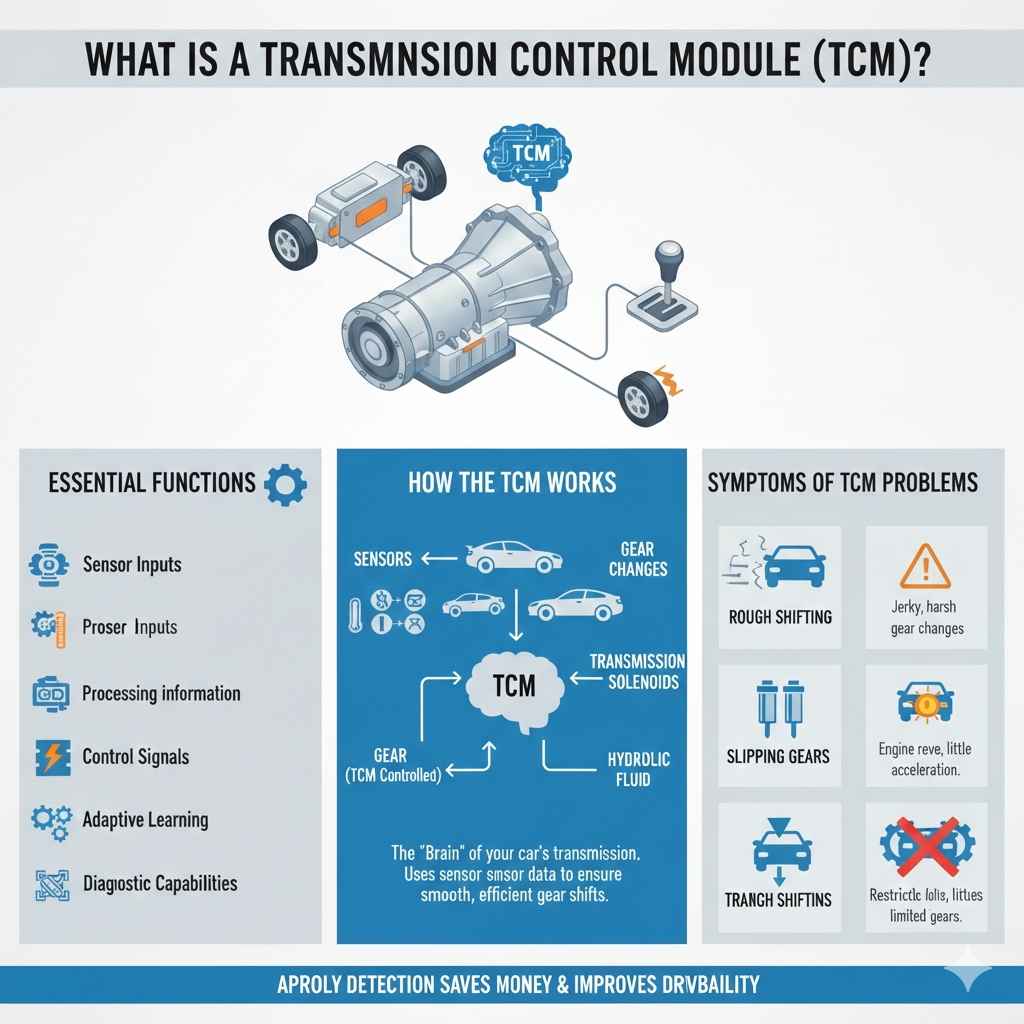
The transmission control module (TCM) is like the brain of your car’s transmission. It’s a computer that monitors various sensors and controls how your transmission shifts gears. Think of it as the conductor of an orchestra, ensuring everything runs smoothly. Without the TCM, the transmission can’t change gears correctly, leading to rough shifting, sluggish acceleration, and, eventually, complete transmission failure. The TCM is a critical component for the proper operation of your car’s automatic transmission. It receives information from sensors to determine the optimal time to change gears, ensuring the best performance and fuel efficiency.
How the TCM Works
The TCM gathers data from various sensors around your car. These sensors provide information on engine speed, throttle position, vehicle speed, and more. Based on this information, the TCM makes decisions about when to shift gears. It then sends signals to the transmission to execute those shifts. This process is happening constantly while you drive, and it ensures smooth and efficient gear changes. The TCM is typically located near the transmission, either inside or outside the transmission housing, making it easier to monitor and control its functions.
- Sensor Inputs: The TCM relies on multiple sensors. These include the engine speed sensor (RPM), the vehicle speed sensor (VSS), the throttle position sensor (TPS), and the transmission temperature sensor.
- Processing Information: The TCM processes the data from these sensors. This includes calculations regarding gear ratios, shift points, and torque converter lockup. It uses pre-programmed algorithms to make decisions about gear changes.
- Control Signals: The TCM sends electrical signals to solenoids within the transmission. These solenoids control the flow of hydraulic fluid, which is what physically actuates the gear changes.
- Adaptive Learning: Many modern TCMs have adaptive learning capabilities. This means they can adjust their behavior over time to compensate for wear and tear in the transmission. This helps optimize shift quality and transmission performance as the car ages.
- Diagnostic Capabilities: TCMs have built-in diagnostic features. When a problem is detected, the TCM can store diagnostic trouble codes (DTCs), which can be retrieved with a diagnostic tool to help pinpoint the issue.
Symptoms of TCM Problems
When the TCM goes bad, it can cause various issues. Identifying these symptoms early can help prevent more significant problems. These symptoms will affect your car’s performance. The car’s drivability is changed, which is why it’s so important to be aware of how your car functions. If you observe any of the following, a malfunctioning TCM might be the problem. Ignoring these signs can lead to further damage to your car. Early detection and fixing the TCM issues can save money and extend the life of your car.
- Rough Shifting: One of the most common symptoms is rough, jerky, or delayed gear changes. You’ll feel the car struggling to shift gears smoothly.
- Check Engine Light: A malfunctioning TCM often triggers the check engine light. A mechanic can then use a diagnostic tool to retrieve diagnostic trouble codes (DTCs) that point to the problem.
- Transmission Slipping: The transmission might slip out of gear, especially when accelerating or going uphill. This can feel like a loss of power.
- Limited Gear Selection: Your car may be stuck in a specific gear, or it might not be able to shift into all gears. This can seriously limit your driving ability.
- Erratic Behavior: The transmission may shift randomly or at inappropriate times. This will cause driving problems, making it unsafe.
Factors Affecting Transmission Control Module Cost
Several factors influence the Transmission Control Module Cost: What to Expect. Understanding these elements can help you prepare for the potential expenses involved in the replacement or repair of the TCM. The cost can vary, but being aware of the causes will help in the financial planning. Factors include the make and model of your vehicle, the type of replacement needed, the labor costs, and the location of the repair shop. When it comes to automotive repairs, these aspects play a huge part in the final bill.
Vehicle Make and Model
The make and model of your car are significant factors in determining the cost of a TCM. Luxury vehicles or those with more advanced features typically have more complex and expensive TCMs. Older cars may have simpler, more affordable TCMs. You’ll find that if your car is more popular, it may be easier to find parts and save costs. Certain brands also charge more for parts. These differences are because of various reasons, from manufacturing complexities to the materials used.
- Luxury Brands: Vehicles from brands like BMW, Mercedes-Benz, and Audi often have more sophisticated and costly TCMs. Their high-end tech makes them more expensive to replace.
- Specialty Models: Cars with unique transmissions or high-performance models may have more specialized and pricier TCMs. These are made for high-performance needs.
- Common Vehicles: For popular, mainstream cars like Honda, Toyota, or Ford, TCM replacements are generally less costly because of greater availability. This makes the parts more readily available.
- Age of the Vehicle: Newer vehicles generally have more advanced TCMs with more features, which might come at a higher price. Older cars might have more basic TCMs.
New vs. Remanufactured TCMs
When you need to replace your TCM, you can choose between a new or a remanufactured unit. Each option has its own pros and cons concerning cost and reliability. Understanding the differences will help you decide the best choice for your vehicle. New TCMs are made from scratch, which means they are in perfect condition and have a full warranty. Remanufactured TCMs are used units that have been restored to working condition. They usually come at a lower price.
- New TCMs: New TCMs come directly from the manufacturer. They are brand new, unused, and designed to meet the exact specifications of your vehicle.
- Remanufactured TCMs: Remanufactured TCMs are used units that have been refurbished and tested. They are often a more affordable choice, but the quality can vary based on the refurbishment process.
- Warranty: New TCMs typically come with a longer warranty, often up to several years. Remanufactured units might have a shorter warranty period, covering defects for a limited time.
- Cost: New TCMs are usually the most expensive option. Remanufactured TCMs offer a more budget-friendly solution, saving you some cash.
- Reliability: New TCMs generally offer higher reliability because they haven’t been previously used. Remanufactured units can be reliable but depend on the quality of the refurbishment process.
Labor Costs for TCM Replacement
Labor costs are a crucial part of the total Transmission Control Module Cost: What to Expect. The labor cost depends on the complexity of the job, the location of the TCM in your vehicle, and the rates charged by the repair shop. The job can range from a couple of hours to a full day of work. Labor costs can vary widely depending on where you live. This means you will need to research your local repair shops to find a good price.
- Complexity of Installation: The location of the TCM is a major factor. If it’s easily accessible, labor costs will be lower. If it’s located deep within the vehicle, it might take longer to get to it.
- Shop Rates: Different repair shops charge different hourly rates. Independent shops often have lower rates than dealerships. This gives you room to shop around for the best value.
- Diagnostic Time: Before replacing the TCM, a mechanic will need to diagnose the problem. The diagnostic time will be included in the labor charges, even if the TCM is the issue.
- Special Tools: Some TCM replacements might need specialized tools or equipment. This might increase the labor costs, as the technician requires unique tools.
- Experience: The expertise of the technician can also influence labor costs. A more experienced mechanic might charge more, but can also complete the job more quickly and efficiently.
Average Transmission Control Module Cost: What to Expect
The total cost for a TCM replacement usually combines the price of the part and the labor charges. The combined expenses can range depending on the factors discussed earlier, such as your car’s make and model, the type of TCM, and the location. Having a clear idea of these costs beforehand is useful in budgeting for the repair. Always seek quotes from several repair shops to help you make a decision.
Cost Breakdown
Understanding the costs involved in replacing a TCM is essential for budget planning. The actual cost will differ depending on several factors, including whether you select a new or remanufactured unit. The labor expenses will differ based on the shop’s rates and the complexity of the installation process. Keep in mind that prices are always subject to change.
| Component | Estimated Cost | Factors Influencing Cost |
|---|---|---|
| New TCM | $300 – $1,200+ | Vehicle make/model, features, brand |
| Remanufactured TCM | $150 – $600+ | Vehicle make/model, quality of remanufacturing |
| Labor | $100 – $400+ | Hourly rate of repair shop, access to TCM |
| Diagnostic Fee | $50 – $150+ | Shop’s diagnostic rate, time required |
| Total Estimated Cost | $500 – $1,750+ | Combination of all the factors above |
Real-Life Examples of TCM Replacement Costs
Examining real-life examples can help you understand the variability of the Transmission Control Module Cost: What to Expect. Keep in mind that the exact costs may differ, but these instances illustrate the range of prices depending on various car models and situations. Always get a written estimate from your mechanic before the job starts. This protects you from unexpected costs. These examples are taken from real cases, but prices fluctuate.
- Honda Civic: A 2012 Honda Civic owner experienced rough shifting. They diagnosed the TCM as the problem and
- Ford F-150: A 2015 Ford F-150 owner found that the transmission was shifting erratically. After diagnosis, the TCM was replaced. The total cost, including a new TCM and labor, was about $1,100. The TCM itself cost around $700, and labor charges were roughly $400.
- BMW 3 Series: A 2018 BMW 3 Series driver had issues with gear changes, leading to a faulty TCM diagnosis. The repair involved a new TCM, with the total cost being $1,600. The TCM part was priced at $1,000, with $600 for the labor.
Tips for Managing Transmission Control Module Cost
When facing TCM issues, there are ways to manage the Transmission Control Module Cost: What to Expect. Being well-prepared and making smart decisions can help you reduce the financial burden. Knowing what to expect, comparing options, and choosing the right solutions can save you money. Always get multiple quotes and verify the quality of the parts and service. You will find that taking the right steps makes the process less stressful.
Getting Multiple Quotes
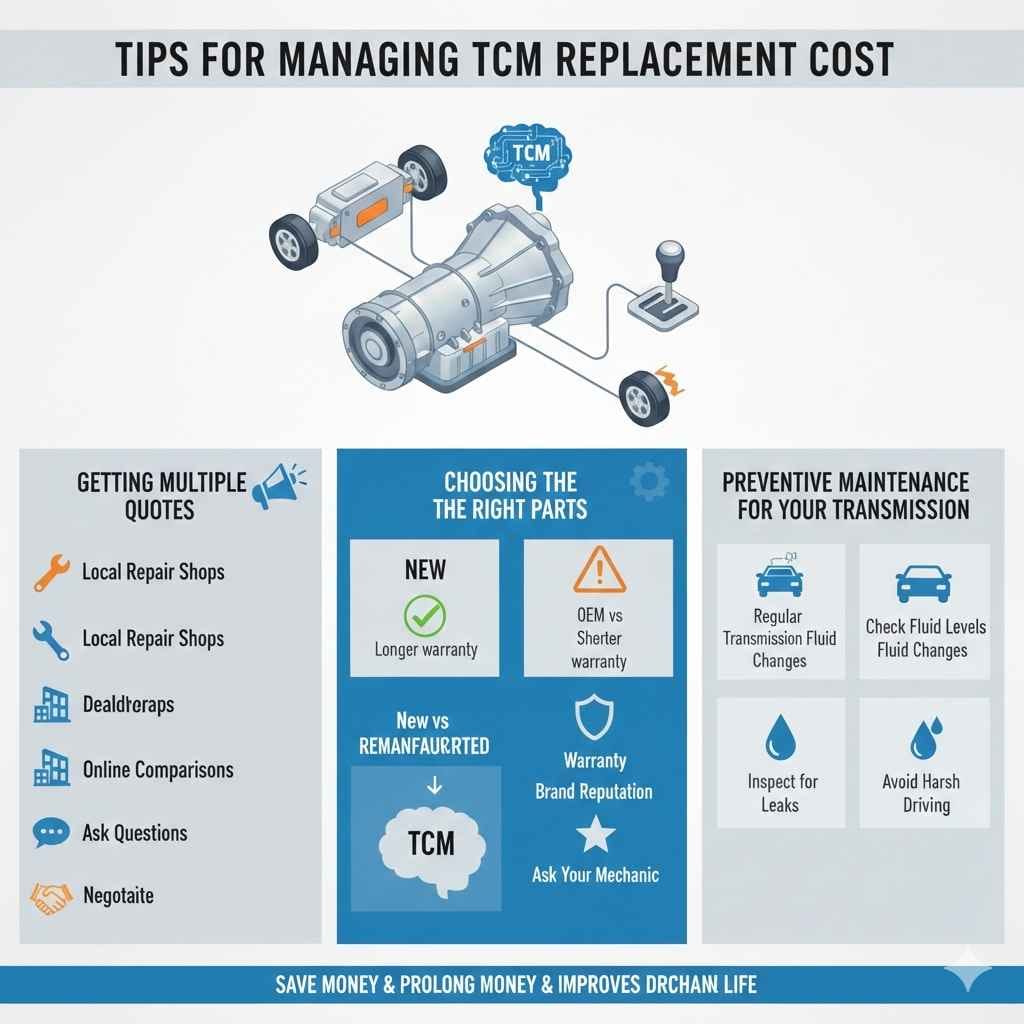
One of the best strategies for managing costs is to shop around and get quotes from multiple repair shops. This helps you compare prices and services before making a decision. You will find that prices vary, and getting several quotes lets you get the best deal. Ask the shops to provide written estimates so that you have a clear idea of what the costs are.
- Local Repair Shops: Start by getting quotes from local repair shops. This includes both independent mechanics and any chain repair stores near you.
- Dealerships: Obtain quotes from your car’s dealership. Dealerships usually charge more, but they may provide extra services.
- Online Comparisons: Check online review sites and comparison tools to see average prices and customer reviews for repair shops in your area.
- Ask Questions: When you get a quote, ask about the parts they will use, the warranty, and any hidden fees. This will help you make a well-informed choice.
- Negotiate: Try to negotiate the price. Some repair shops are willing to lower their prices, especially if you’re comparing quotes.
Choosing the Right Parts
Carefully choosing parts for your TCM replacement can influence the total cost. You will want to weigh the pros and cons of new vs. remanufactured parts, consider the brand, and consider the warranties that are available. Making the right choices can save you money. It can also ensure that the job gets done right. Always make sure you research different parts to find the best balance of cost and reliability.
- New vs. Remanufactured: As previously noted, new TCMs are generally more expensive but offer more extended warranties. Remanufactured units are more budget-friendly but might have shorter warranties.
- OEM vs. Aftermarket: Original Equipment Manufacturer (OEM) parts are made by the vehicle manufacturer. Aftermarket parts are produced by third-party companies. OEM parts usually cost more, but are built to fit your car.
- Warranty: Check the warranty on the TCM, whether it’s new or remanufactured. A longer warranty can offer peace of mind. It may also provide coverage for any potential problems later on.
- Brand Reputation: Consider the brand of the TCM. Research brands and check for reliability. Some brands are known for producing higher-quality parts.
- Ask Your Mechanic: Get recommendations from your mechanic regarding the best parts for your car and budget. This can help you choose the best replacement options.
Preventive Maintenance for Your Transmission
Preventive maintenance can go a long way in avoiding TCM problems. Regular maintenance of your transmission will help ensure it lasts longer. Following the manufacturer’s suggestions can help you keep your car in top condition. This involves keeping the transmission fluid clean. You will want to schedule routine inspections, which will help avoid issues. Routine transmission maintenance can help identify potential issues before they become serious.
- Regular Transmission Fluid Changes: Regularly changing your transmission fluid helps keep the transmission clean and well-lubricated. The frequency depends on your vehicle. But following the manufacturer’s recommendations is best.
- Check Fluid Levels: Keep an eye on the transmission fluid level. Low fluid levels can indicate leaks or other issues that need attention. Checking regularly will give you a heads-up.
- Inspect for Leaks: Regularly check the transmission for leaks. Leaks can cause low fluid levels and damage internal components, including the TCM.
- Avoid Harsh Driving: Harsh driving habits, such as quick starts, sudden stops, and aggressive shifting, can put additional stress on the transmission.
- Professional Inspections: Have a mechanic check your transmission during routine service. A professional can identify potential problems early on. This will help prevent more costly repairs later.
Frequently Asked Questions
Question: How can I tell if my TCM is failing?
Answer: Common signs include rough shifting, the check engine light turning on, transmission slipping, and the car staying stuck in one gear.
Question: Can I drive my car with a faulty TCM?
Answer: It’s best to avoid driving with a faulty TCM, as it can cause further damage to your transmission. Get it fixed right away to avoid more issues.
Question: Are remanufactured TCMs a good option?
Answer: Remanufactured TCMs can be a cost-effective choice. They offer a good balance of cost and performance, but be sure to check the warranty.
Question: How long does a TCM replacement take?
Answer: The replacement time can range from a few hours to a full day, depending on the car’s make and model and the accessibility of the TCM.
Question: How do I find the best price for a TCM replacement?
Answer: Get quotes from multiple repair shops, compare prices, and ask about warranties. Choosing the best option takes some research.
Final Thoughts
Understanding the Transmission Control Module Cost: What to Expect will assist in your car maintenance. Knowing the factors that influence the total expenses, from the car’s make and model to the choice of new or remanufactured parts, helps you plan ahead. Remember to get multiple quotes, make informed decisions about parts, and keep up with regular maintenance to help manage expenses. Knowing the common symptoms can help you catch problems early. Armed with this knowledge, you are better equipped to deal with a TCM issue. You’re now well on your way to making informed decisions and keeping your car running smoothly.