
Figuring out How to Reset a Transmission Control Module Without a Scanner can seem tricky, especially if you’re just starting. It’s common to feel a little lost when your car’s transmission isn’t working as it should. Don’t worry, though! This guide will explain everything in simple steps. We’ll show you how to solve this problem without needing any fancy tools, making the process easy to follow. Get ready to learn!
What a Transmission Control Module Does
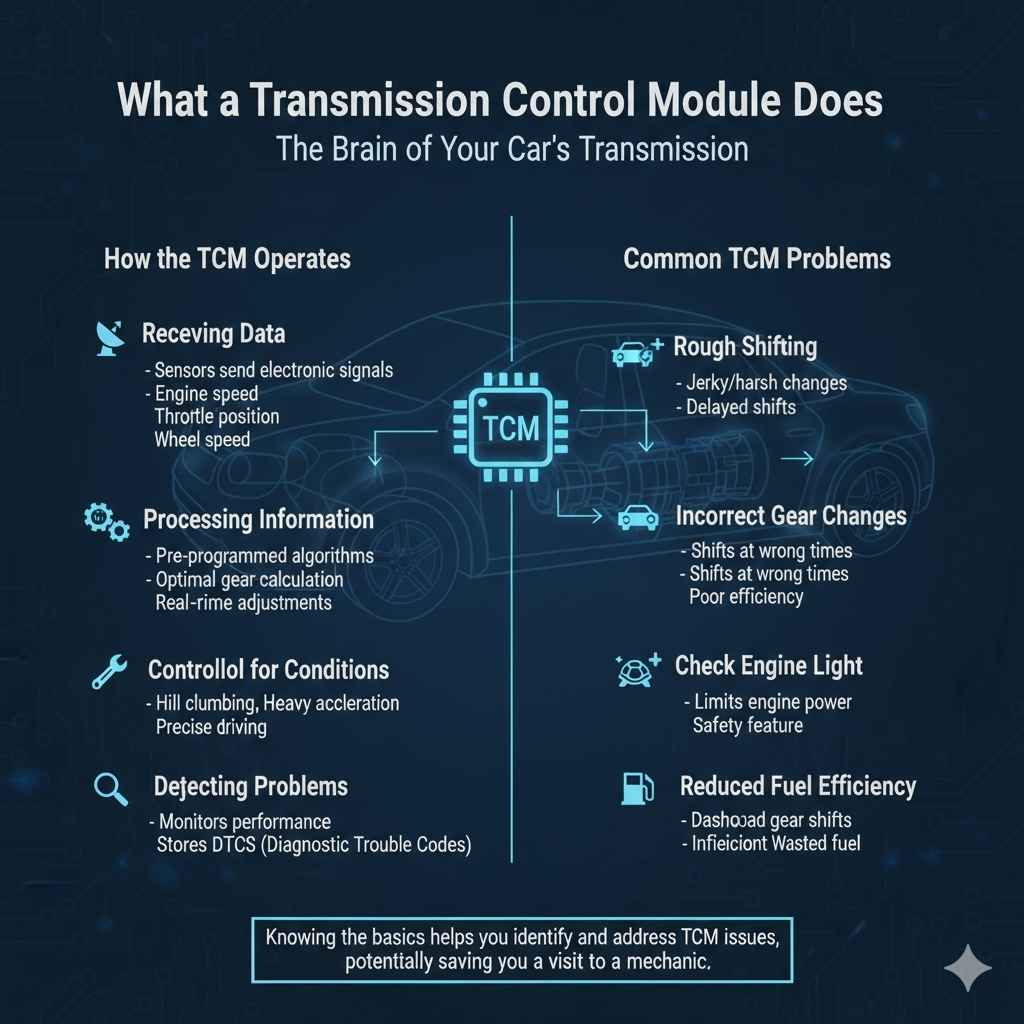
The Transmission Control Module, or TCM, is like the brain of your car’s transmission. It’s a small computer that makes decisions about when to shift gears. It gets information from different sensors around the car. These sensors monitor things like engine speed, throttle position, and vehicle speed. The TCM uses this data to decide the best time to change gears. It makes your car run smoothly and efficiently. Without the TCM, the transmission wouldn’t know when to shift gears, making driving difficult.
This little computer is essential for a comfortable and fuel-efficient ride. If there’s a problem with the TCM, or if it needs to be reset, your car’s performance can suffer. That is why learning about how it works and what to do when something goes wrong is helpful. Knowing the basics gives you a better chance of handling issues yourself. It can also save you a visit to a mechanic.
How the TCM Operates
The TCM is connected to several sensors. These sensors provide vital information that allows the TCM to make decisions. The sensors include speed sensors that measure how fast your wheels are turning. They also have throttle position sensors that tell the TCM how much you’re pressing the gas pedal. Another key component is the engine speed sensor, which monitors the engine’s RPM. These are just some examples of the sensors that feed information to the TCM, enabling it to control the transmission. The TCM processes this information to make real-time adjustments. It ensures smooth gear changes and optimal performance.
- Receiving Data: The TCM constantly gathers information from various sensors. These sensors send electronic signals. The signals include data related to engine speed, throttle position, and wheel speed.
- Processing Information: Once the TCM receives the data, it processes it. It uses pre-programmed algorithms to make decisions about gear changes. The algorithms analyze the sensor data and determine the optimal gear for any driving situation.
- Controlling the Transmission: After processing the information, the TCM sends signals to the transmission. The signals activate solenoids and actuators. These components physically shift gears. The TCM precisely controls the timing and duration of gear changes.
- Adjusting for Conditions: The TCM can adapt to different driving conditions. For example, when climbing a hill, the TCM may delay upshifting to maintain power. During heavy acceleration, it might downshift for quicker response.
- Detecting Problems: The TCM monitors the transmission’s performance. It will also store diagnostic trouble codes (DTCs) if it detects any faults. These codes can help pinpoint specific issues.
Common TCM Problems
Problems with the TCM can show up in several ways. Some common signs include rough shifting. You might feel a jerk or a bump when your car changes gears. You could also notice your car shifting gears at the wrong times. For example, it might shift too early or too late. Other indicators include your car going into “limp mode,” where it limits the engine’s power. The check engine light might also come on. These are some common signs that something may be off. Being aware of these signs can help you identify and address TCM-related issues.
- Rough Shifting: Experiencing rough or jerky gear changes is a primary symptom. The shifts can feel delayed or harsh. This could be due to incorrect timing or solenoid problems.
- Incorrect Gear Changes: The transmission shifts at unusual times. For instance, shifting too early at low speeds or delaying shifts at high speeds. This disrupts the car’s efficiency.
- Limp Mode: The car’s engine goes into limp mode. This is a safety feature that limits performance to protect the transmission. This is often triggered when the TCM detects a serious fault.
- Check Engine Light: The check engine light comes on. This alerts you to potential problems. It may include DTCs (Diagnostic Trouble Codes) related to the transmission.
- Reduced Fuel Efficiency: If the TCM isn’t working correctly, it can impact fuel economy. The transmission might not shift gears efficiently.
Why You Might Need to Reset the TCM
There are several reasons why you might need to reset your TCM. Sometimes, the TCM stores incorrect information or gets confused. This can be caused by a temporary glitch or a recent repair. Resetting the module clears its memory and allows it to start fresh. This can often fix minor issues like sluggish shifting or erratic behavior. Also, after repairing a transmission-related problem, you might need to reset the TCM. This will clear the codes related to the issue and allow the TCM to relearn the car’s driving patterns. This helps the transmission operate optimally after maintenance.
Another common situation is when you replace a sensor or component that affects the transmission. In these cases, the TCM needs to adapt to the new hardware. A reset will allow the TCM to recalibrate itself. It can also adjust to the changes and ensure the transmission functions smoothly. Regularly resetting the TCM can help prevent issues. It also helps to maintain the transmission’s performance and efficiency. It is a good practice to consider.
When to Reset the TCM
Knowing when to reset the TCM is vital for maintaining your car’s performance. You should reset it after making any repairs or
- After Repairs: Reset the TCM after fixing any transmission problems. This ensures that the TCM operates with the new components.
- Replacing Components: Reset the TCM after replacing components like solenoids or sensors. This allows the TCM to adapt to the changes.
- Erratic Shifting: If your car is shifting roughly or at the wrong times, a reset might help. It can clear the old data and allow it to learn again.
- Check Engine Light: When the check engine light comes on with transmission codes, a reset can be needed. It clears the stored codes.
- Routine Maintenance: You may also reset the TCM during regular maintenance. This practice helps keep your transmission in good working order.
The Importance of Resetting
Resetting the TCM is a step that’s important for keeping your car running correctly. When you reset the TCM, you clear any stored fault codes. This allows the TCM to operate with the latest information. It also ensures it’s using the correct settings. Additionally, resetting the TCM allows it to relearn the driving conditions. This is especially helpful after making repairs or replacing parts. Resetting the TCM is an easy task that can have a big impact on your car’s performance and the life of your transmission.
Resetting can also prevent your car from going into “limp mode”. Limp mode limits the engine’s power to protect the transmission from further damage. Resetting the TCM can often resolve the issue. It allows your car to run at full power again. Consider this action as part of your regular maintenance routine. Doing so will help your car run better and last longer.
How to Reset a Transmission Control Module Without a Scanner
You can reset the TCM without any special tools or scanners. It usually requires a few steps, often involving disconnecting the car’s battery. This process clears the TCM’s memory and forces it to start fresh. It helps when fixing transmission problems. This is a common and helpful method that many car owners use. It is a great way to fix minor transmission issues without going to a mechanic. Remember to follow the steps precisely to avoid any issues.
Before you begin, ensure you have the necessary tools and safety gear. Gather a wrench to disconnect the battery terminals. Always disconnect the negative (black) terminal first. Have gloves and safety glasses ready. Make sure you’re in a well-ventilated area. This ensures your safety while working on your car. Disconnecting the battery clears the codes and gives the TCM a fresh start.
Step-by-Step Instructions
The method to reset a TCM without a scanner usually involves disconnecting the car’s battery. It will clear the stored data. Then, it forces the TCM to restart. Here’s a simple guide to follow. Remember to follow the steps carefully to ensure a smooth process.
- Locate the Battery: Find your car’s battery. It’s usually under the hood, but it can sometimes be in the trunk or under the back seat. Check your car’s manual if you’re unsure.
- Disconnect the Negative Terminal: Use a wrench to loosen the nut on the negative (-) terminal. Once it’s loose, carefully remove the cable from the terminal.
- Wait: Leave the negative cable disconnected for about 15-30 minutes. This allows the TCM to clear its memory and reset.
- Reconnect the Battery: After waiting, reconnect the negative terminal. Make sure it’s firmly attached. Tighten the nut with the wrench.
- Start Your Car: Start your car and let it idle for a few minutes. This allows the TCM to relearn the necessary parameters.
- Test Drive: Take your car for a short test drive to see if the problem is fixed. Drive at different speeds and conditions.
Other Methods to Reset the TCM
Besides disconnecting the battery, there are a few other methods to reset the TCM. Some cars have specific procedures. These involve using the ignition switch. One method is to turn the key to the “on” position without starting the engine. Then, wait for a few seconds before turning it off. Repeat this process a few times. This can often reset the TCM. Check your car’s manual for specific instructions. Some vehicles may also have a fuse that you can remove to reset the TCM. Be cautious when using these methods.
- Ignition Cycle: Turn the ignition key to the “on” position without starting the engine. Wait a few seconds, then turn it off. Repeat this several times.
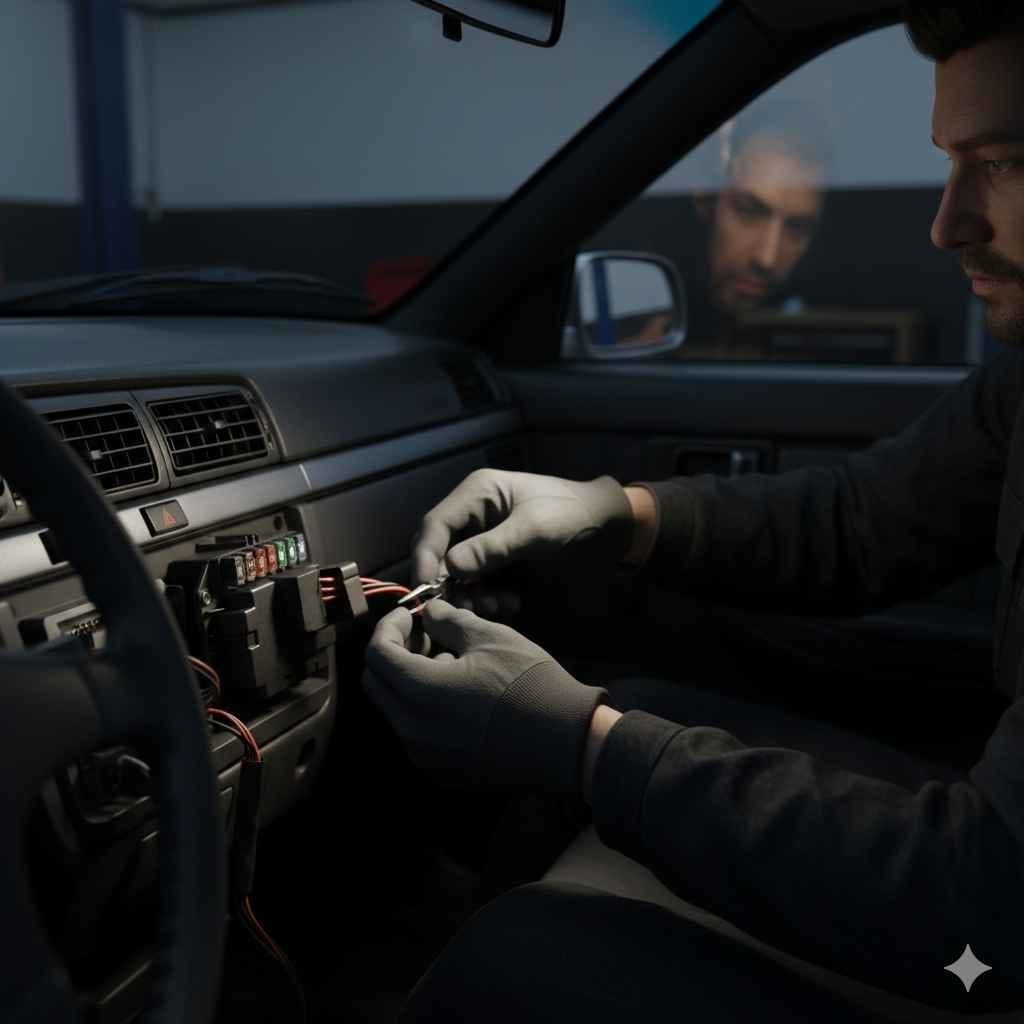
- Fuse Pulling: Locate the fuse related to the TCM. Remove it for a few minutes. Then, put it back in. Check your car’s manual for the correct fuse.
- OBDII Port Trick: Some people use a special connector. The connector plugs into the OBDII port and performs a reset function.
- Driving Cycle: Sometimes, a specific driving cycle is needed. This involves driving at different speeds and conditions to help the TCM recalibrate.
- Professional Assistance: If other methods fail, consider visiting a mechanic. They have specialized equipment and can accurately reset the TCM.
Precautions and Safety Tips
When working on your car, your safety is important. When disconnecting the battery, always remove the negative (black) cable first. This prevents any accidental shorts. Wear safety glasses and gloves to protect your eyes and hands. If you’re unsure about any step, always consult your car’s manual or seek professional help. Ensure you’re in a well-ventilated area. Working in a garage or outside is best. Following these safety tips will keep you safe and prevent any accidents.
Always double-check that you’ve reconnected the battery cables correctly after resetting the TCM. If the connections are loose, your car may not start or could have electrical problems. Also, be careful when handling any tools. Always unplug the negative terminal before working on any electrical components. Keep a fire extinguisher nearby just in case of any accidents.
Troubleshooting Common Issues After a Reset
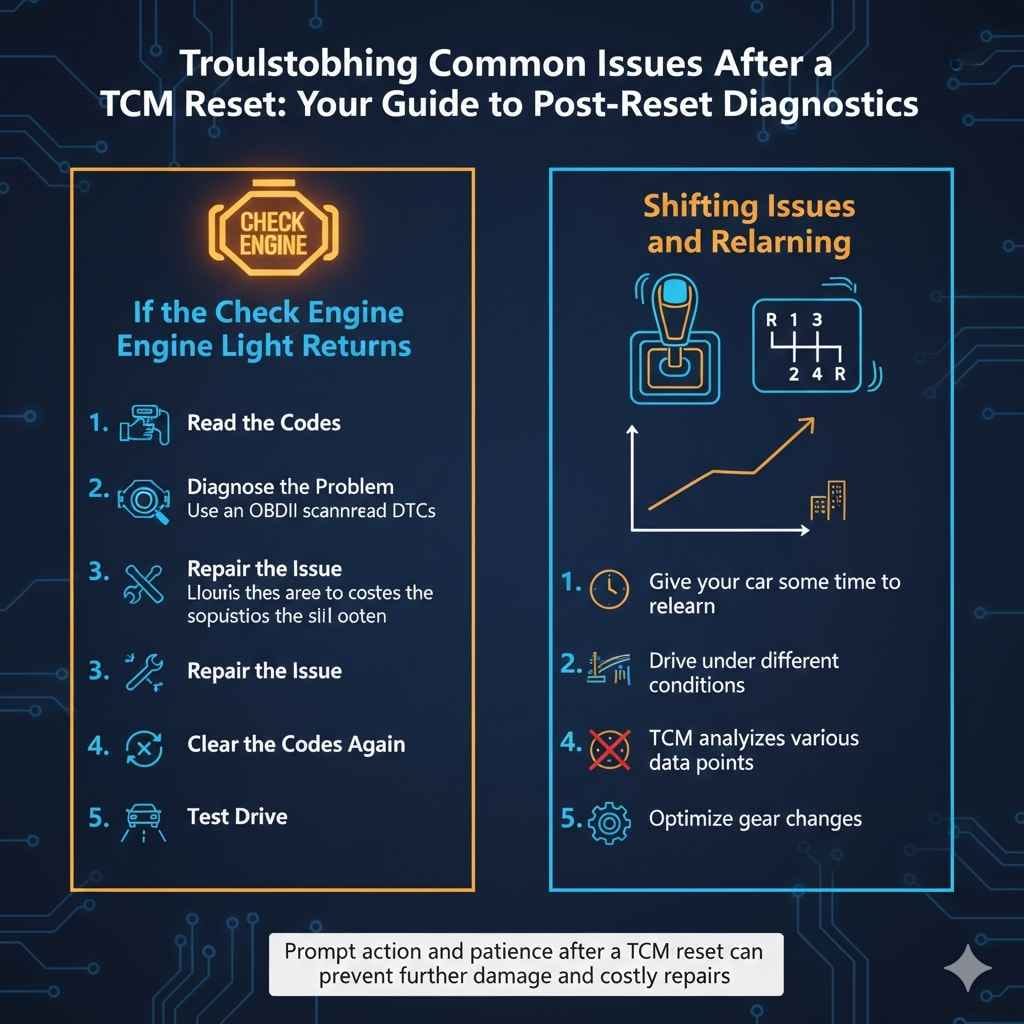
After you reset the TCM, you may encounter a few issues. If your car’s check engine light comes back on, there might still be a problem. This means the underlying issue that triggered the original code hasn’t been fixed. You may need to have your car checked by a mechanic. Another thing you might notice is that your transmission may shift differently. The TCM has to relearn your driving habits. Sometimes, the car needs some driving time to adjust to your driving style.
It’s also possible that the reset didn’t solve the problem. If you still have rough shifting or other issues, there may be a deeper issue in the transmission. This requires more investigation. Always check for any new fault codes after the reset. This provides clues about the remaining problems. If you’re not comfortable diagnosing the problems, get help from a mechanic. They have the equipment to fix it correctly.
If the Check Engine Light Returns
If the check engine light returns after resetting the TCM, it means the underlying issue persists. The light will illuminate because the same fault is still being detected. This indicates that the initial problem hasn’t been fixed. The check engine light will return the stored Diagnostic Trouble Codes (DTCs). Use a scanner to read the codes. The codes will help you pinpoint the cause. You may need to have your car diagnosed by a professional. The codes can give insights into the nature of the issue. You should address them as soon as possible to prevent further problems.
- Read the Codes: Use an OBDII scanner to read the DTCs. This will tell you what triggered the check engine light.
- Diagnose the Problem: Identify the root cause of the DTCs. This could be a sensor issue, mechanical failure, or electrical problem.
- Repair the Issue: Fix the problem. This might involve replacing a faulty sensor or repairing a damaged component.
- Clear the Codes Again: After the repair, clear the codes again using a scanner.
- Test Drive: Drive your car. Then, check if the check engine light stays off.
Shifting Issues and Relearning
After a TCM reset, you may experience changes in your car’s shifting. It’s common for the transmission to shift differently. The TCM has to relearn your driving patterns. The TCM adapts to your driving style over time. This is called the “relearning” process. After the reset, the transmission may shift firmly. It might seem like the shifts are rough. However, this is temporary as the TCM adjusts to your driving habits. The shifting should become smoother after a period of driving.
Give your car some time to relearn. It generally takes a few days. Driving under different conditions can speed up this process. Driving on the highway and in stop-and-go traffic is key. The TCM analyzes various data points to optimize gear changes. The data includes throttle position, engine speed, and vehicle speed. Also, avoid aggressive driving during the relearning phase. This allows the TCM to properly adjust to your driving style. This will help you get the best performance and fuel efficiency.
Frequently Asked Questions
Question: What does a TCM do?
Answer: The Transmission Control Module (TCM) is a computer that controls your car’s transmission. It manages when your car shifts gears.
Question: Why do I need to reset my TCM?
Answer: You may need to reset it after repairs. It can also be a solution for rough shifting and other transmission problems.
Question: How do I reset the TCM without a scanner?
Answer: You can disconnect your car’s battery for about 15-30 minutes. This will clear the TCM’s memory.
Question: What should I do if the check engine light comes back on after the reset?
Answer: If the check engine light returns, it means there is an issue that needs to be addressed. Have the car checked by a mechanic.
Question: Will my car shift differently after the reset?
Answer: Yes, your car may shift differently at first. The TCM needs time to relearn your driving habits.
Final Thoughts
You now have a better idea of how to reset a TCM without a scanner. You’ve also learned why it is sometimes necessary. Remember, the TCM controls your car’s transmission and ensures smooth gear changes. Sometimes, problems may arise, which can cause poor performance. Knowing how the TCM functions and what issues you might face is key to maintaining your car’s efficiency. With the simple battery disconnection method, you can often solve common transmission problems yourself. This guide breaks down the process to make it easy to follow.
You’re now equipped with the knowledge and steps to perform this task yourself. If you’re facing transmission problems, take action. Start by disconnecting your car’s battery and resetting the TCM. Give your car a chance to relearn your driving habits. If the issue remains, seek help from a mechanic. With your new knowledge, you’re ready to tackle transmission problems. That way, you can keep your car running smoothly. This will boost the life of your vehicle. You now have the skills to handle many transmission-related issues on your own.