
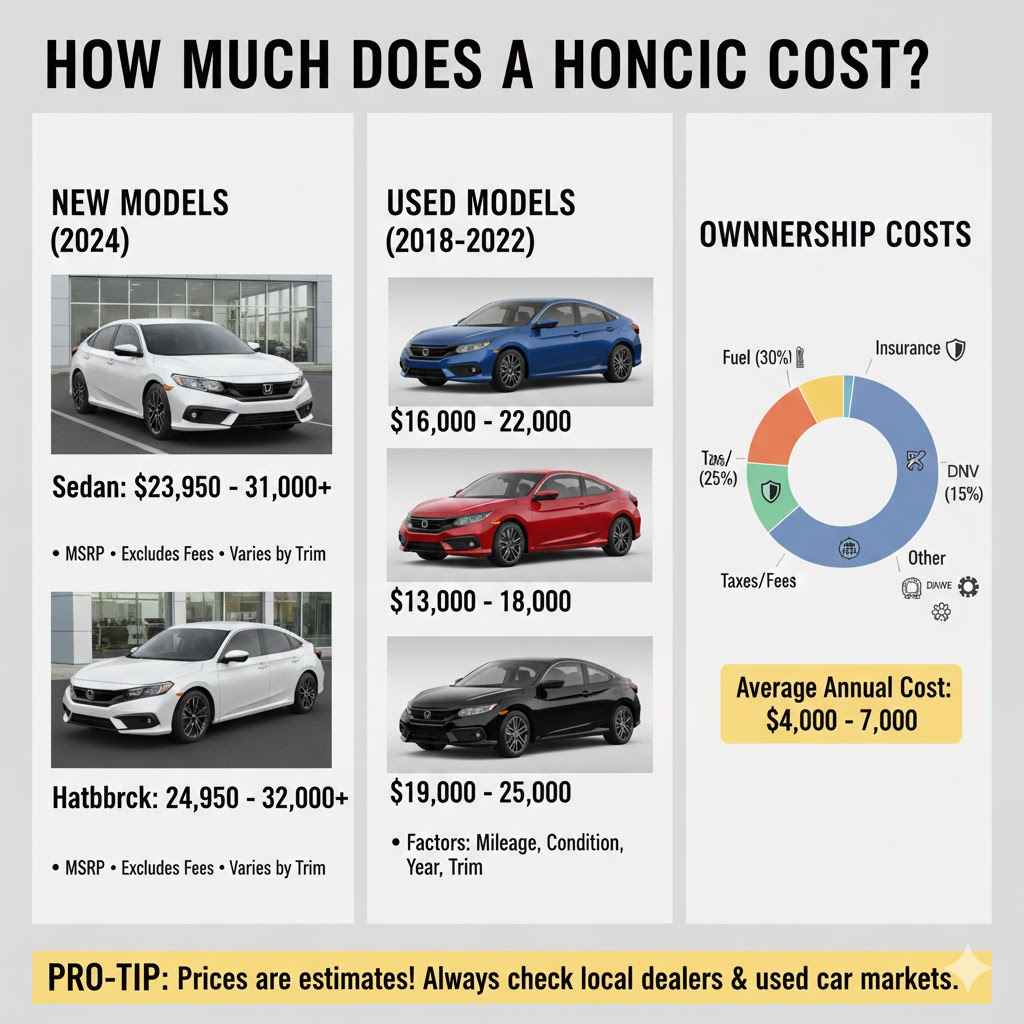
Figuring out how much a car will cost can be tricky, especially when you’re just starting out. Many people wonder, “How Much Does a Honda Civic Cost?” because it’s such a popular car. You might see different prices and feel a bit confused about where to begin.
Don’t worry, this guide will make it simple. We’ll walk through everything you need to know step by step.
Understanding Honda Civic Pricing
The price of a Honda Civic can vary quite a bit. This section will help you see why. We will look at the different things that affect how much you’ll pay.
This includes the specific model you choose and where you buy it. Knowing these factors is key to finding a Civic that fits your budget.
New Honda Civic Models
Honda offers the Civic in several different trims. Each trim level has unique features and a different starting price. Think of them like different versions of the same car, with some having more bells and whistles than others.
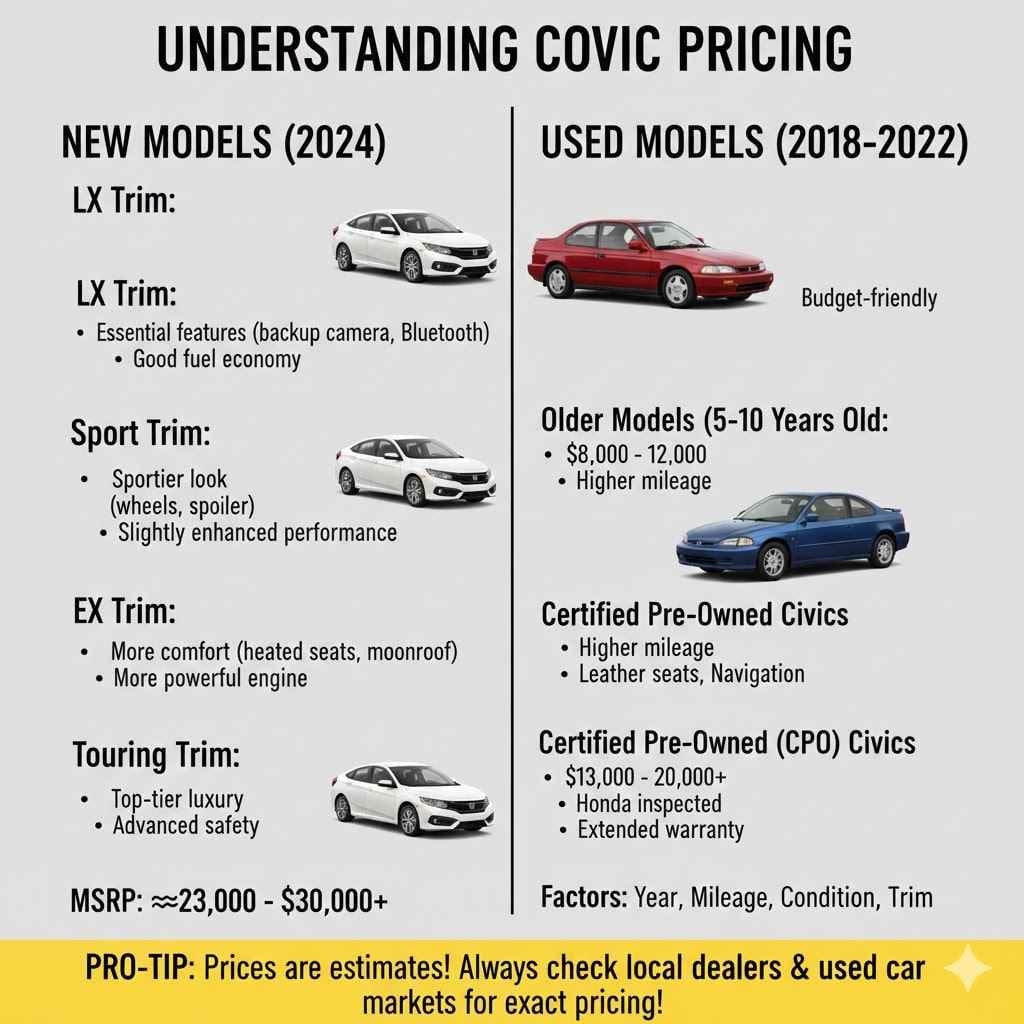
LX Trim: This is usually the most basic and affordable version. It has all the essentials for a comfortable and safe drive. You get good fuel economy and Honda’s reputation for reliability. It’s a great starting point for many buyers.
The LX trim often includes features like a backup camera, Bluetooth connectivity, and automatic climate control. It’s designed to be a no-frills option that still offers a pleasant driving experience.
Sport Trim: This model adds a sportier look and feel. It might have different wheels, a spoiler, and some interior upgrades. The engine performance might also be slightly enhanced.
Buyers choosing the Sport trim often want a car that looks a bit more exciting. It bridges the gap between the base model and more premium options.
EX Trim: This trim usually offers more comfort and convenience features. You might find a better sound system, heated seats, and perhaps a moonroof. The engine might also be more powerful than the LX.
The EX is popular because it offers a good balance of features and value. It feels more upscale without reaching the highest price points.
Touring Trim: This is typically the top-tier model. It comes with all the premium features available. This can include leather seats, a larger touchscreen, navigation, and advanced safety technologies.
If you want the most luxurious and feature-rich Civic, the Touring is the way to go. It offers the most refined experience.
The Manufacturer’s Suggested Retail Price (MSRP) for a new Honda Civic can range from around $23,000 for a base LX model to over $30,000 for a top-tier Touring model. These prices can change slightly based on the model year and any special packages.
Used Honda Civic Options
Buying a used Honda Civic is a great way to save money. These cars are known for lasting a long time, so a pre-owned one can still be a fantastic choice. The price will depend heavily on how old the car is, its mileage, and its overall condition.
Older Models (5-10 Years Old): You can find these Civics at much lower prices. They might have higher mileage but can still offer reliable transportation. A well-maintained older Civic can be a real bargain.
These cars often represent the best value for budget-conscious buyers. They’ve already gone through their initial depreciation, making them more affordable.
Certified Pre-Owned (CPO) Civics: These are used cars that have been inspected and approved by Honda. They often come with an extended warranty, giving you extra peace of mind. CPO vehicles are typically in excellent condition.
While CPO cars cost more than regular used cars, they offer a safety net. You know you’re getting a car that has met strict quality standards.
A used Honda Civic can cost anywhere from $8,000 to $20,000 or more. A 2018 Civic with average mileage might be around $15,000, whereas a 2010 model could be closer to $9,000.
Factors Affecting Honda Civic Price
Several factors go into determining the final price you pay for a Honda Civic. Understanding these will help you get the best deal. It’s not just about the sticker price; there are other costs and considerations.
Trim Level and Features
As mentioned before, the trim level is a major price driver. Higher trims come with more advanced technology, comfort features, and cosmetic upgrades. These additions naturally increase the cost.
Technology Packages: Features like premium sound systems, larger infotainment screens, navigation, and advanced driver-assistance systems add to the price. These are often found in higher trims like the EX-L or Touring.
For example, a navigation system might add a few hundred dollars to the cost of a new car. Similarly, upgraded audio can cost an extra $500-$1000.
Interior Materials: The type of upholstery also impacts the price. Cloth seats are standard on lower trims, while leather or premium synthetic materials are usually reserved for higher trims.
Leather seats, for instance, can add $1,000 to $2,000 to the price of a new vehicle. They offer a more luxurious feel and are easier to clean.
Exterior Styling: Things like alloy wheels, LED headlights, fog lights, and body kits can also increase the price. These are often part of sportier or more premium packages.
Larger, more stylish alloy wheels can cost more than standard steel wheels with hubcaps. These aesthetic choices appeal to buyers looking for a more distinctive vehicle.
Optional Add-ons and Packages
Dealerships and manufacturers offer various optional add-ons. These can include things like extended warranties, paint protection, or all-weather floor mats.
Extended Warranties: These cover repairs after the original manufacturer’s warranty expires. They can add several hundred to a few thousand dollars to the purchase price.
An extended warranty is a form of insurance for your car. It can provide peace of mind, especially for newer or more complex vehicles.
Protection Packages: These might include things like rustproofing, paint sealant, or fabric protection. While they can help maintain the car’s appearance, they are often high-margin items for dealerships.
Consumers should carefully consider if these protection packages are truly necessary for their needs. Often, good car care can achieve similar results.
Accessories: This category covers a wide range of items like roof racks, bike carriers, and upgraded all-weather floor mats. These are usually purchased separately but can be bundled into financing.
These accessories are purely optional and depend on your lifestyle and intended use of the vehicle.
Location and Dealerships
Where you buy your car can also influence the price. Prices can vary slightly by region due to local market demand, taxes, and shipping costs. Dealerships also have their own pricing strategies.
Regional Pricing Differences: In areas with high demand for sedans, Civic prices might be slightly higher. Conversely, in areas where SUVs are more popular, you might find better deals.
For example, a Civic might cost a bit more in a densely populated urban area compared to a rural town. This is due to supply and demand dynamics.
Dealership Markups and Incentives: Some dealerships may add a markup to the MSRP, especially for popular models. Others might offer discounts or special financing deals to attract buyers.
It’s wise to shop around at different dealerships to compare prices and incentives. Some dealerships might be more willing to negotiate than others.
Taxes and Fees: Don’t forget to factor in sales tax, registration fees, and any dealer fees. These can add a significant amount to the total cost.
Sales tax rates vary by state and sometimes even by city. Registration fees are typically annual and depend on the vehicle’s type and value.
New vs. Used Pricing Comparison
Let’s look at how new and used Civic prices stack up. This can help you decide which option is best for your budget.
| Vehicle Type | Average Price Range (USD) | Key Considerations |
|---|---|---|
| New Honda Civic (Base LX) | $23,000 – $25,000 | Full warranty, latest features, higher initial cost. |
| New Honda Civic (Top Touring) | $29,000 – $32,000 | Premium features, highest price for new, advanced tech. |
| Used Honda Civic (3-5 Years Old) | $16,000 – $22,000 | Good value, some depreciation passed, may need minor repairs soon. |
| Used Honda Civic (5-10 Years Old) | $10,000 – $16,000 | Significant savings, reliable if well-maintained, potential for more repairs. |
| Certified Pre-Owned Honda Civic | $18,000 – $25,000 | Inspected, warranty included, peace of mind, higher cost than non-CPO used. |
As you can see, there’s a significant price difference between new and used models. A used Civic can save you thousands of dollars upfront. However, a new Civic offers the latest technology and the assurance of a full warranty.
Calculating Total Ownership Costs
The price you pay at the dealership is only part of the story. To truly know how much a Honda Civic costs, you need to consider ongoing expenses. These are the costs of owning and operating the car over time.
Insurance Costs
Car insurance is a mandatory expense for all drivers. The cost of insuring a Honda Civic can vary based on your driving record, age, location, and the specific coverage you choose. Civics are generally considered affordable to insure.
Factors Influencing Premiums: Insurers look at many things, including your age, how many accidents you’ve had, and where you live. Higher risk factors mean higher insurance premiums.
Younger drivers and those with recent tickets or accidents typically pay more for car insurance.
Coverage Levels: You can choose different levels of coverage, from basic liability to comprehensive and collision. More coverage means higher costs but better protection.
Liability insurance covers damage you cause to others. Comprehensive and collision cover damage to your own car.
Civic’s Safety Rating: The Honda Civic generally has good safety ratings, which can sometimes lead to lower insurance costs. Insurers see safer cars as less of a risk.
Cars with advanced safety features like automatic emergency braking might even qualify for discounts.
On average, you might expect to pay between $1,200 and $1,800 per year for full coverage insurance on a Honda Civic. This can be as low as $900 for a younger driver with a clean record or go up to $2,500+ for older drivers in high-risk areas or with less coverage.
Fuel Efficiency and Costs
The Honda Civic is well-known for its excellent fuel economy. This makes it a very economical choice for daily driving. Lower fuel costs mean more money in your pocket each month.
MPG Ratings: Different Civic models and engines have different miles per gallon (MPG) ratings. Generally, Civics get great MPG, often in the high 30s or even low 40s on the highway.
For example, a 2023 Civic Sedan with the 1.5L turbocharged engine is EPA-rated at 33 MPG city and 42 MPG highway.
Calculating Fuel Expenses: To estimate your fuel costs, multiply your estimated annual mileage by the average cost of gasoline and divide by your car’s MPG.
If you drive 12,000 miles per year and gas costs $3.50 per gallon, and your Civic gets 35 MPG, your annual fuel cost would be about ($3.50 * 12,000) / 35 = $1,200.
With gas prices fluctuating, it’s smart to use a fuel cost calculator. However, the Civic’s efficiency consistently makes it a leader in fuel savings for its class.
Maintenance and Repair Costs
Honda vehicles, including the Civic, are renowned for their reliability and relatively low maintenance costs. This is a major advantage for long-term ownership.
Regular Maintenance Schedule: Following Honda’s recommended maintenance schedule is key. This includes oil changes, tire rotations, brake checks, and filter replacements. These services are generally affordable.
An oil change might cost $50-$100, while a tire rotation could be $20-$50.
Common Repairs and Longevity: While Civics are reliable, like any car, they can eventually need repairs. Common issues as cars age might include brake replacements, battery issues, or exhaust system repairs.
However, major repairs are less common with Civics compared to many other brands. Their parts are also widely available and reasonably priced.
Cost of Parts: Honda parts are readily available through dealerships and aftermarket suppliers. Their pricing is generally competitive, making repairs more affordable than for some luxury or European brands.
For example, a set of new brake pads for a Civic might cost $100-$200 for parts, plus labor.
J.D. Power consistently ranks Honda highly for dependability, and the Civic is a prime example. This means you can likely expect fewer surprise repair bills over the years.
Depreciation
Depreciation is the loss of a car’s value over time. The Honda Civic holds its value very well, meaning it depreciates slower than many other vehicles. This is good news if you plan to sell or trade in your car later.
How Depreciation Works: A new car loses a significant portion of its value the moment it’s driven off the lot. This loss continues over the years as the car ages and accumulates mileage.
The first year often sees the steepest depreciation, sometimes 15-20% of the car’s value.
Civic’s Strong Resale Value: Due to its reputation for reliability, fuel efficiency, and popularity, the Civic maintains a higher resale value than many competitors. This means you’ll get more money back when you sell it.
This strong resale value makes the Civic a smart financial choice for many car owners.
Tips for Buying a Honda Civic
Now that you know more about how much a Honda Civic can cost, here are some practical tips to help you make a smart purchase. These tips will guide you through the buying process and help you get the best value.
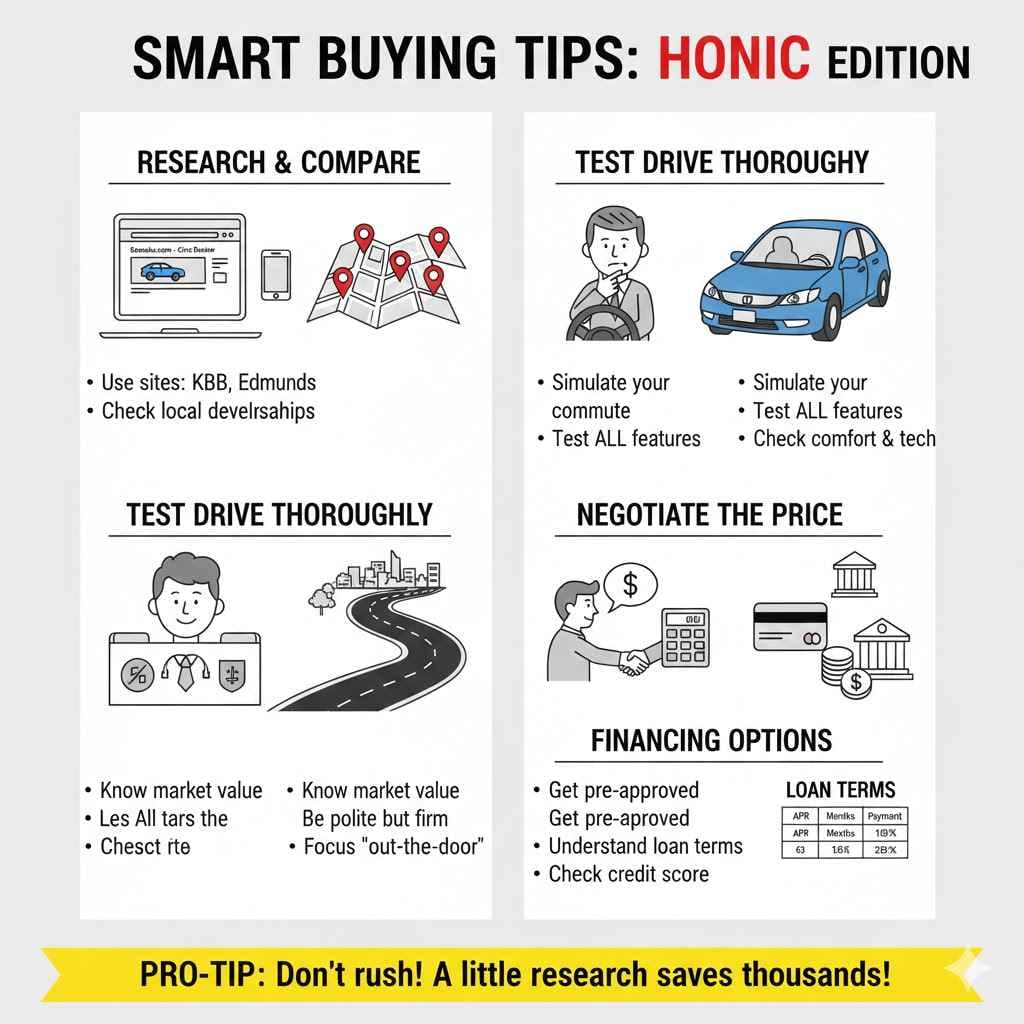
Research and Compare
Before you even step into a dealership, do your homework. Compare different Civic models, trims, and model years. Also, check prices at various dealerships in your area.
Online Resources: Use websites like Honda’s official site, Edmunds, Kelley Blue Book (KBB), and Consumer Reports. These sites offer pricing information, reviews, and comparisons.
You can get an idea of fair market value for both new and used Civics using these tools.
Dealership Websites: Most dealerships list their inventory online. This allows you to see what cars they have and their listed prices before visiting.
This can save you time by filtering out dealerships that don’t have what you’re looking for or have prices outside your range.
Test Drive Thoroughly
A test drive is crucial. It’s your chance to experience the car firsthand and see how it feels to drive. Pay attention to comfort, visibility, and how the car handles.
Simulate Your Daily Commute: Try to drive on roads similar to those you use every day. This includes city streets, highways, and any bumpy or uneven surfaces.
Does the suspension feel comfortable? Is road noise manageable at highway speeds?
Test All Features: Make sure the infotainment system, climate controls, and any other features work as expected. Check that the seats are comfortable for longer drives.
You’ll want to be sure that the technology is easy to use and that the driving position suits you well.
Negotiate the Price
Don’t be afraid to negotiate. The sticker price is often just a starting point. Be polite but firm, and be prepared to walk away if you don’t get a price you’re comfortable with.
Know the Market Value: Armed with your research, you know what a fair price is. Use this knowledge to negotiate from a position of strength.
Mentioning competitor prices or recent sales data can be effective negotiation tactics.
Focus on the “Out-the-Door” Price: This is the total price including all taxes, fees, and add-ons. Negotiate this final figure rather than just the vehicle’s base price.
This ensures there are no hidden costs that surprise you at the last minute.
Financing Options
Understand your financing options before you go to the dealership. Knowing your credit score and getting pre-approved for a loan can give you leverage.
Get Pre-Approved for a Loan: Apply for a car loan at your bank or credit union before visiting the dealership. This lets you compare the dealership’s financing offer with an independent one.
Having a pre-approved loan shows you are a serious buyer and gives you a benchmark interest rate.
Understand Loan Terms: Pay close attention to the interest rate (APR), loan term (number of months), and monthly payment. A longer loan term means lower monthly payments but more interest paid over time.
Make sure you can comfortably afford the monthly payments for the entire loan period.
Frequently Asked Questions
Question: What is the average price for a new Honda Civic?
Answer: The average price for a new Honda Civic typically ranges from about $23,000 for a base model to over $30,000 for a top trim like the Touring, depending on options and model year.
Question: Is buying a used Honda Civic a good idea?
Answer: Yes, buying a used Honda Civic is often a great idea because they are known for their reliability and tend to hold their value well. You can save a lot of money compared to buying new.
Question: How much does insurance typically cost for a Honda Civic?
Answer: Insurance costs for a Honda Civic can vary, but generally fall between $1,200 and $1,800 per year for full coverage, depending on your driving record, age, and location.
Question: Are Honda Civics expensive to maintain?
Answer: No, Honda Civics are known for their low maintenance costs. Regular maintenance like oil changes and tire rotations are affordable, and major repairs are less common than with many other car brands.
Question: Do Honda Civics hold their value well?
Answer: Yes, Honda Civics have excellent resale value. They depreciate slower than most cars due to their strong reputation for reliability, fuel efficiency, and popularity.
Summary
When asking “How Much Does a Honda Civic Cost?”, remember it’s more than just the sticker price. You’ll find new Civics from around $23,000 to over $30,000, while used models can range from $8,000 to $22,000. Factor in insurance, fuel, and maintenance, which are generally quite affordable for this reliable car.
Its strong resale value also makes it a smart long-term investment.