
Figuring out How Long Does It Take to Check a Transmission? can seem tricky. For beginners, it’s often confusing because transmissions are complicated machines with many parts. But don’t worry! We’ll break it down so it’s easy to follow. We’ll explore what’s involved, from quick visual checks to more detailed inspections, ensuring you feel confident. Let’s start by looking at what goes into a transmission check and what the different types of checks involve.
Basic Checks and Preliminary Assessments
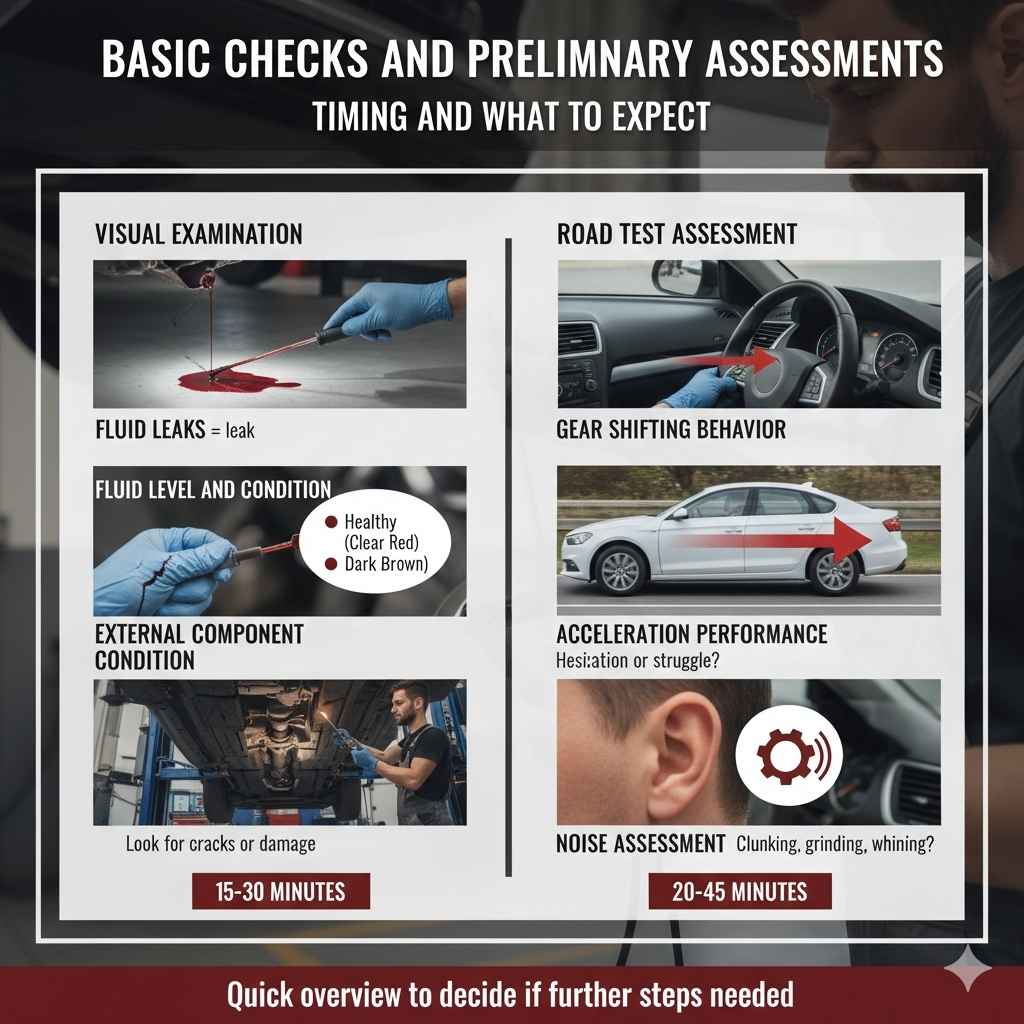
Before any in-depth diagnostics, there are basic inspections that a mechanic will usually perform. These initial steps give them a quick idea of what’s happening. These are the things they look for, and how long they typically take. A simple visual inspection is usually the first step to pinpointing the origin of a transmission issue, since it doesn’t take a long time, and might reveal obvious problems right away.
Visual Examination
A visual examination is a quick look-over of the transmission area. It helps the mechanic spot any obvious problems. This includes looking for leaks. Leaks are often the first sign of trouble. They can indicate seals that are worn out or other damage. Checking fluid levels is a critical step, since low fluid levels can cause all kinds of transmission problems. The mechanic also inspects the transmission pan for any metal shavings. These shavings can signal internal wear and are a red flag. Checking the overall condition of the transmission’s exterior components, such as the housing and connectors, is also part of this process.
- Fluid Leaks: Examining for fluid leaks can quickly reveal significant issues. Red fluid, for example, typically indicates a transmission fluid leak. The inspection involves looking at the area under the transmission and along its casing to check for drips or stains. Even a slow leak can lead to serious damage, as it reduces lubrication and can cause overheating.
- Fluid Level and Condition: The mechanic will check the transmission fluid level using a dipstick. They’ll also inspect the fluid’s color and smell. Healthy transmission fluid is typically a clear red color and doesn’t have a burnt smell. Discolored or burnt-smelling fluid can point to overheating or internal damage within the transmission.
- External Component Condition: The mechanic will visually inspect the transmission’s casing, connectors, and any exposed components. This includes looking for cracks, damage from impacts, or loose connections. Problems spotted during this inspection can help identify potential issues that could impact the transmission’s operation.
The time needed for a basic visual inspection is usually minimal, often just 15 to 30 minutes. It’s a fundamental step that helps the mechanic to gather initial information quickly. This quick overview can help you and the mechanic decide if further steps are needed.
Road Test Assessment
A road test is an important step to assess how the transmission operates under real-world conditions. During the road test, the mechanic will pay attention to how the car accelerates, shifts gears, and responds to different driving situations. They’ll also listen for any unusual noises that may point to issues, and pay attention to how the vehicle behaves during various driving maneuvers. These observations, combined with the initial visual checks, will inform the next steps, like more detailed diagnostics.
- Gear Shifting Behavior: The mechanic will observe how the transmission shifts gears. Is the shifting smooth and seamless, or are there delays, harshness, or slipping? Any of these issues could point to potential problems within the transmission.
- Acceleration Performance: During the road test, the mechanic will assess the car’s acceleration. Does the vehicle hesitate or struggle when accelerating? This can indicate problems with the transmission’s ability to transfer power effectively.
- Noise Assessment: The mechanic will listen for any unusual noises coming from the transmission, such as clunking, grinding, or whining. These sounds can provide valuable clues about what’s going on inside.
A road test usually takes about 20 to 45 minutes, depending on the route and the specific issues the mechanic is checking for. The purpose is to observe the transmission’s performance under regular driving conditions, allowing the mechanic to spot performance issues.
Deeper Inspection Procedures for Your Transmission
After the initial checks, the mechanic might need to dive deeper. This could involve more detailed inspections. These advanced diagnostic steps help to pinpoint the exact cause of any issues. This more detailed work will take longer, but it’s important to get an accurate diagnosis. The specific diagnostic procedures will depend on the symptoms the car is showing. The mechanic will choose the most useful tests based on what they’ve seen so far.
Diagnostic Scan
Modern vehicles use computers to control various systems, including the transmission. A diagnostic scan involves plugging a special tool into the car’s computer system to read error codes. These codes provide valuable information about what might be wrong, since they can point to specific sensors or components that are malfunctioning. The scan also lets the mechanic see live data, which helps them see how the transmission is working in real time. This can include things like the transmission temperature, gear positions, and the speed of the input and output shafts.
- Retrieving Error Codes: This reveals any trouble codes stored in the transmission control module. These codes help identify problems, like faulty sensors or internal transmission issues.
- Live Data Monitoring: The scan tool can monitor real-time data from the transmission, such as fluid temperature, gear position, and solenoid function, giving a view of how the transmission operates under different conditions.
- Component Testing: Some scan tools have the capability to perform tests on individual components. This might involve activating solenoids or checking the performance of sensors to determine if they are working correctly.
A diagnostic scan usually takes around 30 minutes to an hour. It is a quick and efficient way to gather important information about your transmission. This process is a key step in quickly identifying specific issues or confirming suspicions from prior checks.
Transmission Fluid Analysis
Analyzing the transmission fluid is an important diagnostic step to evaluate the health of the transmission. It gives detailed information about the fluid’s condition and can detect evidence of wear or other problems inside the transmission. This analysis usually involves sending a fluid sample to a lab for testing. The lab results give a thorough look at the fluid’s properties and can uncover hidden issues that might not be visible during a visual inspection. Testing is especially useful in situations where there are unusual symptoms, like slipping gears or noises.
- Contaminant Detection: The lab looks for any contaminants in the fluid, such as metal particles, dirt, or water. Increased metal content, for example, is a sign of internal wear.
- Fluid Viscosity and Breakdown: The lab measures the fluid’s viscosity to see if it is still at the right thickness. The test also checks for the breakdown of the fluid, which can mean the additives that protect the transmission are wearing out.
- Additive Analysis: The lab determines how much of the additives are still present in the fluid. These additives prevent corrosion and reduce wear. Reduced additive levels can lead to transmission problems.
Fluid analysis usually takes between one to three days, as the sample has to be sent to a lab for testing. This process allows for a detailed view of the condition of the transmission’s most important fluid.
Internal Inspection
Sometimes, the mechanic needs to look inside the transmission to get a good diagnosis. This may involve removing the transmission pan to check for debris, or even taking the transmission apart to see the internal components. It’s often necessary if the other tests don’t reveal the cause of the problem. This is a more involved process. The mechanic will check all the parts for wear and damage, using their experience to identify what’s going on. This type of inspection usually takes longer, but it is necessary for some problems.
- Transmission Pan Removal: The mechanic removes the transmission pan to look for metal particles or debris. This gives information about the condition of the internal components.
- Component Inspection: The mechanic examines specific parts for signs of wear and tear, like the gears, clutches, and bands. They look for damage or excessive wear that could be causing transmission problems.
- Valve Body Examination: The valve body controls the flow of fluid in the transmission. The mechanic checks it for clogs, wear, or other problems that can affect shifting.
Internal inspections usually take several hours or even a full day. The amount of time depends on the complexity of the transmission and the types of problems being diagnosed. These internal checks give the mechanic the details they need for a complete evaluation.
Factors Influencing Transmission Check Time
Several things can affect how long it takes to check a transmission. These factors can influence the type of checks needed and how long they will take. The mechanic’s skill, the car’s age, and the severity of the problem all play a role. Being aware of these influences can give you a better idea of what to expect and what to ask your mechanic.
Vehicle Type and Model
The type of vehicle and its model year can affect the time required for a transmission check. Different vehicles have different designs, and some transmissions are more complex than others. For example, some transmissions have more components, making them more difficult to examine. The availability of information also varies by model, since newer vehicles might have more advanced diagnostic systems, while older cars might have simpler systems. This is why the make and model of a car are always a key factor when estimating how long a transmission check will take.
- Transmission Design: Automatic transmissions, for instance, have many parts, including gears, clutches, and valve bodies. Manual transmissions are different and may take less time to inspect.
- Accessibility: The accessibility of the transmission’s components can affect how long it takes to diagnose issues. Some vehicles have transmissions that are difficult to access, which will add time to the job.
- Diagnostic Capability: Newer vehicles often have more advanced diagnostic systems and can be checked quicker. The diagnostic capability of a vehicle affects the tools that can be used and how easy it is to find the problem.
The specific model of the car affects how long it takes to check a transmission, with more complex models often taking a longer time.
Mechanic Experience and Skill
The experience and skill of the mechanic affect how quickly and accurately a transmission can be checked. A mechanic with a lot of experience will have encountered a wider variety of problems and will have a better idea of how to diagnose them. They are likely to use the right tools and steps, which makes the whole process faster and more effective. A mechanic’s know-how helps with more detailed inspections, such as internal diagnostics, since these require a solid understanding of the transmission’s workings.
- Diagnostic Abilities: Experienced mechanics can quickly identify the possible causes of a problem. They are able to go straight to the most useful tests.
- Tool Proficiency: Skillful mechanics know how to use all kinds of tools, including diagnostic scanners and specialized equipment, so they can find the problem quickly and with precision.
- Efficiency: Experience makes a mechanic more efficient, allowing them to carry out inspections in a shorter time.
The experience and skill of the mechanic play a big role in the length and quality of a transmission check. It is helpful to pick a mechanic with a proven track record.
Severity of the Issue
The severity of the transmission issue will significantly influence the time it takes to check the problem. Simple problems, such as low fluid levels or loose connections, can be fixed quickly. More serious issues, like internal damage or component failure, require much more time. More severe problems often involve more complex procedures, such as complete disassembly of the transmission. It’s important to understand that the more complex the problem, the more time will be needed to diagnose it.
- Minor Problems: Problems that are easy to spot and fix, such as leaks or low fluid levels, usually take less time to diagnose and repair.
- Moderate Problems: Problems that require more detailed inspection, such as issues with shifting or unusual noises, can take more time, since the source of the problem may not be as obvious.
- Major Problems: Severe issues, like internal damage or component failures, usually need an in-depth diagnosis. This type of inspection often takes more time to identify and fix the issue.
The severity of the issue has a direct impact on the time required for a transmission check, with more serious problems taking longer to diagnose.
Real-Life Examples and Scenarios
Real-life examples can help you to understand how long a transmission check might take in different situations. These examples give you a picture of what can happen, from quick fixes to more complicated repairs. Understanding these scenarios can help you know what to expect. Each case shows the steps taken, how long they took, and what the ultimate result was.
- Scenario 1: Fluid Leak and Low Fluid Level
A driver notices a red fluid stain under their car and has difficulty shifting gears. The mechanic quickly performs a visual inspection, which reveals a leak from a transmission seal and confirms low fluid. The mechanic tops off the fluid and checks the shifting. They can then replace the seal. This whole process, including diagnosis and repair, took about two hours. The quick detection and straightforward fix meant that the car was back on the road the same day. - Scenario 2: Slipping Gears
A driver notices that their car is slipping gears. They take the car to the mechanic. The mechanic begins with a road test and diagnostic scan, retrieving error codes that point to a faulty solenoid. After confirming the solenoid issue, the mechanic replaces the solenoid. The entire process, from diagnosis to repair, took about five hours. This example emphasizes the need for a targeted approach to locate the root problem and make a specific fix.
These scenarios highlight how the problem and the steps needed to fix it affect the total time needed. The speed of a fix depends on what the problem is and how easily it can be found. Each situation demonstrates the importance of a clear assessment and a strategy to get the car back to normal.
Tips for a Faster and Better Transmission Check
There are ways to make sure the transmission check goes well and is efficient. Taking these steps can help save time, and also help ensure a complete diagnosis. Being prepared helps your mechanic do their job more efficiently. Effective communication is also important for getting the best results. These tips will help you manage the process and get your car back on the road in good condition.
Preparing Your Vehicle
Preparing your car for a transmission check helps the process go more smoothly. This includes things like having all the necessary information, such as the car’s history, and being sure that you can leave the car with the mechanic. Taking these preliminary steps can minimize delays and ensure that the mechanic can focus on the job. Doing these things in advance speeds up the process and leads to better results.
- Provide a Detailed Description: Give the mechanic as much information as you can about the problem. This includes the symptoms, when they started, and under what conditions they appear.
- Gather the Service History: Give the mechanic your car’s service history, including any previous transmission work. This can help the mechanic spot patterns and better understand what’s happening.
- Ensure Accessibility: Make sure the car is easy for the mechanic to access and test. This may mean clearing space around the car, and making sure the car is at the shop when it is expected.
Preparing the vehicle before the check can save time and help the mechanic to quickly diagnose the problem. It allows them to start the diagnostic work right away.
Choosing a Qualified Mechanic
Picking the right mechanic is a key decision to ensure your transmission check goes smoothly. Select someone who knows how to diagnose and repair transmissions and who has experience with your car’s make and model. You should seek out shops with modern diagnostic tools and equipment, and also consider how they communicate with you. Choosing the right mechanic is an important first step.
- Check Credentials: Check the mechanic’s certifications and experience, to make sure they are qualified to work on your car. Look for mechanics with experience in transmission repairs.
- Read Reviews: Search for reviews and testimonials from other customers. This can give you information about the mechanic’s reputation and customer satisfaction.
- Ask Questions: Don’t hesitate to ask the mechanic questions about their diagnostic processes, their experience, and the time they think the repair will take. This is a chance to get to know the mechanic.
Choosing a qualified mechanic can significantly affect the efficiency and precision of a transmission check, leading to accurate diagnostics and effective repairs.
Clear Communication with the Mechanic
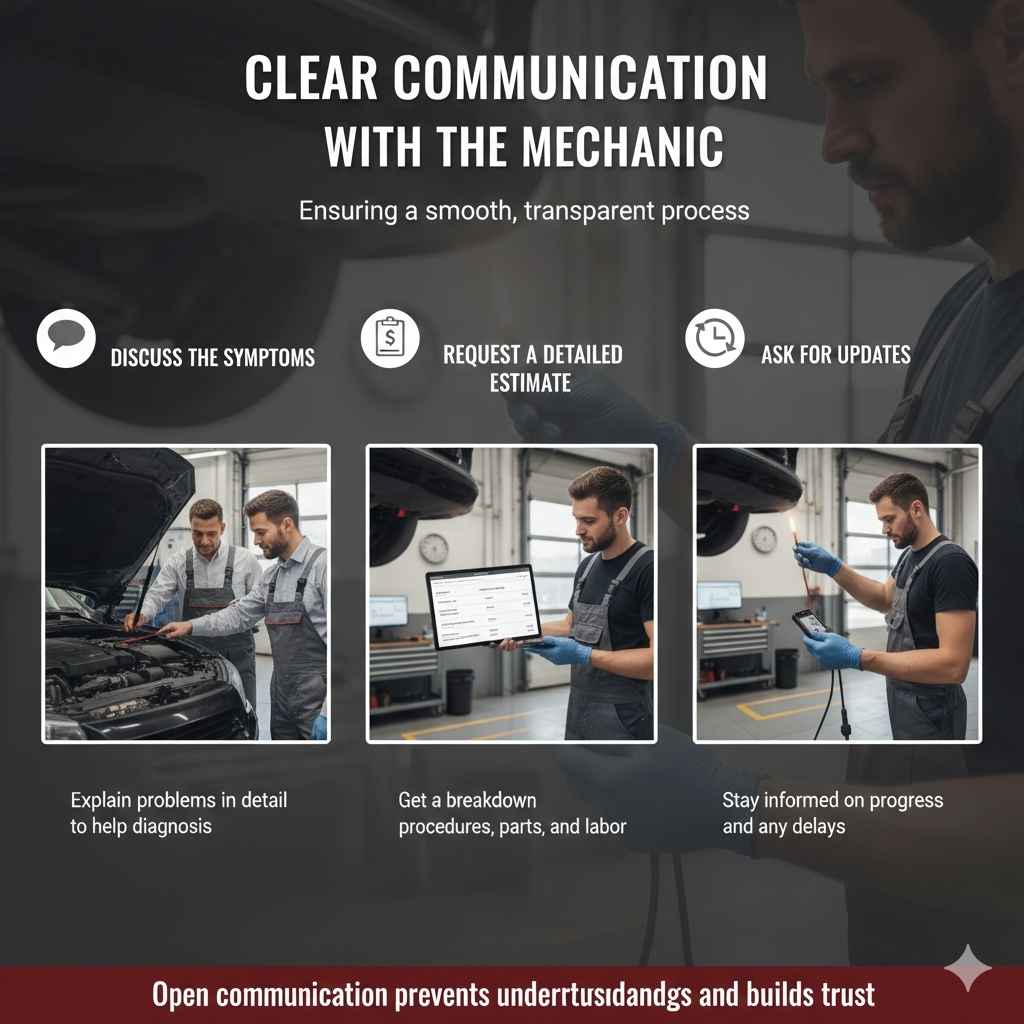
Being able to communicate with your mechanic will help make the whole process easier. Talk about what the problem is and any questions you have. Asking for clear explanations of the steps being taken can also help. Make sure the mechanic gives you an estimate of the time and cost involved. This helps to make sure you’re both on the same page and helps keep everything running smoothly. Open communication helps prevent misunderstandings, ensures transparency, and supports a good experience.
- Discuss the Symptoms: Clearly explain the problems you are experiencing with your transmission, so the mechanic knows what to look for. Provide as much detail as possible.
- Request a Detailed Estimate: Ask for a detailed estimate that lists the procedures, the cost of parts, and the labor costs. This will give you a clear idea of how much it will cost.
- Ask for Updates: Ask your mechanic to provide regular updates on the progress of the check, especially if any delays or unexpected issues arise.
Being able to communicate with the mechanic plays a significant role in making sure the transmission check is effective and trouble-free. It can also help to build a good relationship between you and your mechanic.
Frequently Asked Questions
Question: What’s the typical time for a basic visual transmission inspection?
Answer: A basic visual inspection usually takes about 15 to 30 minutes, where the mechanic will check for leaks, fluid condition, and external component damage.
Question: How long does a diagnostic scan typically take?
Answer: A diagnostic scan usually takes around 30 minutes to an hour, allowing the mechanic to read any error codes and monitor the transmission’s functions.
Question: How long does a full transmission fluid analysis take?
Answer: A complete transmission fluid analysis, which includes lab testing, often takes one to three days, since the fluid has to be shipped to a lab.
Question: What affects the time it takes to check a transmission?
Answer: The time is affected by the vehicle’s model, the mechanic’s skill and experience, and the severity of the problem.
Question: Is it possible to get a quick estimate of how long a transmission check will take?
Answer: Yes, by talking to the mechanic, providing details about the issue, and asking for a detailed estimate of the time needed.
Final Thoughts
Understanding how long it takes to check a transmission can help you plan and manage your car repairs. From a quick look-over to a more in-depth assessment, each step provides important information about the transmission’s health. Initial visual and road tests usually offer a quick view. More extensive checks, like diagnostic scans and fluid analyses, require more time. Factors such as the car’s model, the mechanic’s skills, and the problem itself will all affect the process. By being prepared, selecting a qualified mechanic, and staying in communication, you can ensure a smoother experience. Remember that clear communication and a good relationship with your mechanic are very important for a successful repair. Take the time to discuss the car’s issues and get a clear estimate before the work starts. If you have any doubts, don’t hesitate to ask questions. With the right approach, you can manage the transmission check with confidence and get your car back on the road safely.