
The Importance Of Winter Tyres
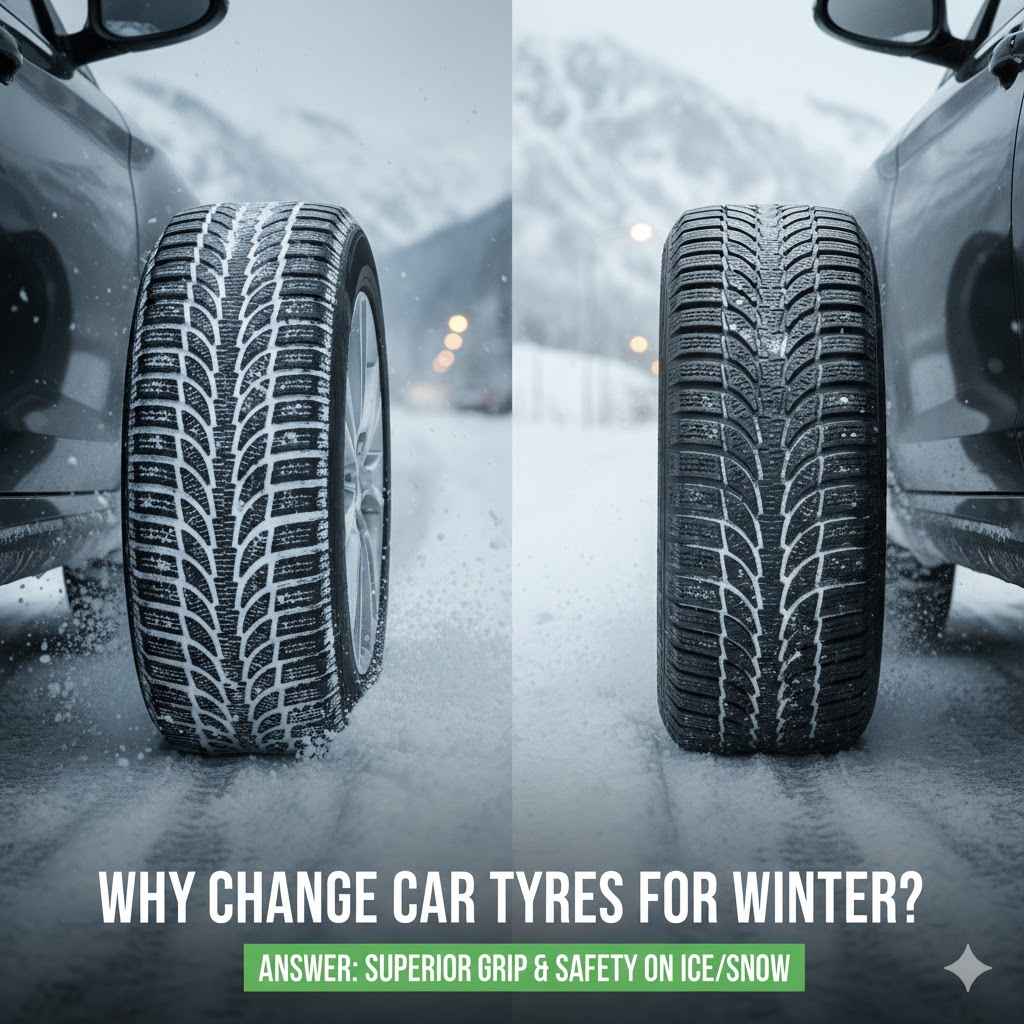
Winter tyres are specifically designed to handle cold weather conditions, offering better grip and control when temperatures drop below 7 degrees Celsius. Their unique rubber compound stays flexible in the cold, unlike regular tyres which can become stiff and lose traction. This improved flexibility allows them to conform better to the road surface, providing a more secure connection.
This section will explore the core reasons why these special tyres are so beneficial for safe driving during the colder months.
How Winter Tyres Improve Safety
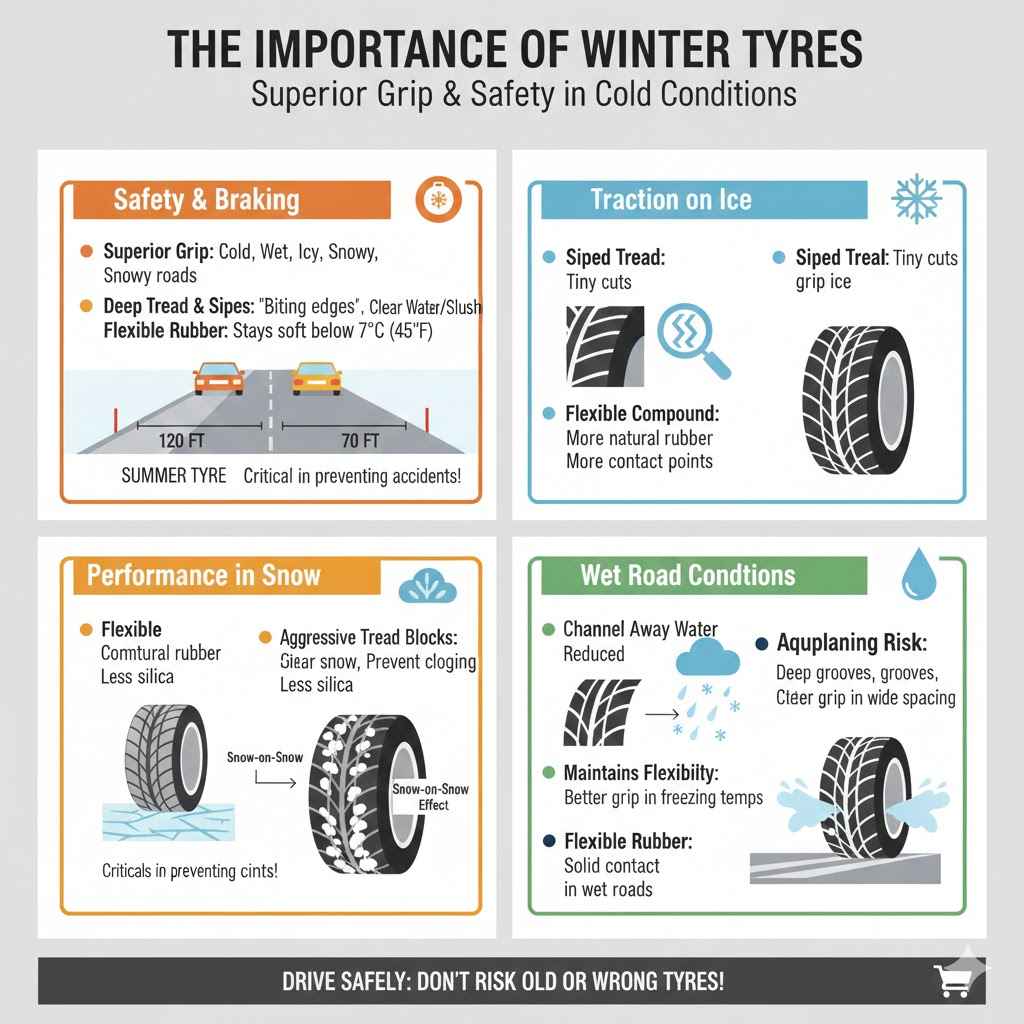
Winter tyres significantly boost safety by providing superior grip on cold, wet, icy, and snowy roads. Their tread patterns are deeper and have more sipes, which are small slits that act like tiny biting edges. These sipes help to channel away water and slush, reducing the risk of aquaplaning, and also provide extra grip on ice and compacted snow.
The special rubber compound used in winter tyres remains soft and pliable even in freezing temperatures, ensuring better contact with the road surface.
This enhanced grip translates directly into shorter braking distances. Studies have shown that winter tyres can stop a vehicle significantly faster than all-season or summer tyres on snow and ice. For example, a typical car travelling at 30 miles per hour on snow might take an average of 120 feet to stop with summer tyres, but with winter tyres, that distance can be reduced to as little as 70 feet.
This difference can be critical in preventing accidents.
Traction On Icy Surfaces
Icy surfaces present one of the biggest challenges for drivers. Ordinary tyres can easily lose grip on ice, leading to skidding and loss of control. Winter tyres have a special tread designed with many small cuts, called sipes.
These sipes create thousands of tiny gripping edges that dig into the ice, similar to how the cleats on a runner’s shoes provide traction. This mechanical grip is essential for preventing slips and slides when the road is covered in a thin layer of ice.
The rubber compound in winter tyres is also crucial. It contains more natural rubber and less silica compared to summer tyres. This makes the tyre softer and more flexible, even at very low temperatures.
A softer tyre can better mould itself around the small imperfections of the icy road surface, creating more contact points and therefore more grip. Without this flexibility, a tyre would become hard and brittle in the cold, acting more like a solid disc that easily slides over ice.
Performance In Snow
Snow, whether it’s fresh powder or packed and icy, requires tyres that can effectively bite into the surface and expel the snow. Winter tyres feature aggressive tread blocks with deep grooves. These grooves are designed to scoop up snow and compact it into the tyre tread itself.
This compacted snow then acts like a form of natural grip against the snow on the road, a phenomenon known as the “snow-on-snow” effect. It’s like the tyre is grabbing onto itself for better traction.
The wider spacing between the tread blocks also helps to prevent snow from building up and clogging the tyre. This allows the tyre to maintain its ability to grip and clear snow effectively. Furthermore, the special compound of winter tyres helps them resist becoming overly hard in freezing temperatures, which would reduce their ability to flex and grip the snowy terrain.
This combination of tread design and rubber compound makes a significant difference in how well a vehicle performs in snowy conditions, allowing for better acceleration, steering, and braking.
Wet Road Conditions
While we often think of ice and snow, winter also brings frequent rain and slush. These conditions can be just as dangerous due to aquaplaning, where a layer of water builds up between the tyre and the road, causing a complete loss of traction. Winter tyres are designed with special tread patterns that excel at clearing water and slush.
The deep grooves and wider spacing between the tread blocks help to efficiently channel water away from the contact patch.
Additionally, the sipes in winter tyres help to break the surface tension of the water, allowing it to be more easily dispersed. This dramatically reduces the risk of aquaplaning, keeping the tyre in contact with the road surface for better control. The flexible rubber compound also plays a role by ensuring the tyre can maintain a solid contact with the wet road, even when the temperature is low.
This all contributes to a safer driving experience on wet winter roads.
The Science Behind Winter Tyre Compounds
The secret to winter tyres’ superior performance lies in their unique rubber compound. Unlike summer or all-season tyres, winter tyre rubber contains a higher percentage of natural rubber and a different blend of chemical additives. This specific formulation allows the tyre to remain flexible and grippy even when temperatures plummet below freezing.
Understanding this material science helps to explain why a simple tyre change can make such a substantial difference in winter driving safety.
What Makes Winter Rubber Different
The primary difference in winter tyre rubber is its ability to stay soft and pliable in cold temperatures. Standard tyre rubber compounds are designed to perform well in a wider range of temperatures but tend to harden significantly below 7 degrees Celsius. When tyre rubber hardens, its ability to grip the road surface is severely compromised.
It becomes less able to flex and conform to the microscopic textures of the asphalt or ice, leading to reduced traction.
Winter tyre compounds, on the other hand, are engineered to maintain their flexibility at much lower temperatures. This is achieved through a higher concentration of natural rubber, which is inherently more flexible in the cold than synthetic rubber. Additionally, special additives are incorporated.
These can include silica, but in different proportions and forms than used in summer tyres, along with other compounds that prevent the rubber from becoming brittle. This keeps the tyre “grippy” and responsive even on frozen surfaces.
The Role Of Silica
Silica is a common ingredient in many modern tyre compounds, including those for winter tyres. However, its role and proportion differ significantly. In summer and all-season tyres, silica is often added to improve rolling resistance and wear, and to enhance grip in dry and wet conditions at higher temperatures.
In winter tyres, silica is used in a carefully balanced amount. It helps to maintain the flexibility of the rubber compound at low temperatures, which is a primary goal.
When used correctly in winter compounds, silica can help to reinforce the rubber and improve its wet grip by attracting water molecules. This helps to reduce the insulating layer of water that can form on the road surface. However, too much silica can make the rubber harder at very low temperatures, counteracting the desired flexibility.
Therefore, winter tyre manufacturers use specific types and amounts of silica in conjunction with other chemical ingredients to achieve the optimal balance of cold-weather flexibility and grip.
Natural Rubber Content
Natural rubber, derived from rubber trees, is the backbone of many winter tyre compounds due to its inherent flexibility in cold conditions. Unlike synthetic rubber, which is petroleum-based, natural rubber retains its elasticity and grip-enhancing properties even when temperatures drop well below freezing. When the temperature drops, synthetic rubber can become stiff and brittle, reducing its ability to conform to the road surface.
Natural rubber, however, remains supple and “sticky.”
The higher the percentage of natural rubber in a tyre’s compound, generally the better its performance will be in freezing temperatures. This is why dedicated winter tyres often contain a significantly higher proportion of natural rubber than all-season or summer tyres. This increased natural rubber content is a key factor in allowing the winter tyre to maintain optimal contact with cold roads, providing the crucial grip needed for safe acceleration, braking, and steering when ice and snow are present.
When To Make The Switch
Knowing the right time to switch to winter tyres is essential for maximizing their benefits and ensuring safety. While there’s no single universal date, there are clear indicators and guidelines to follow. This section will help you determine the optimal period for changing your tyres, making the process less of a guessing game and more of a proactive safety measure.
The Seven Degree Celsius Rule
A widely accepted guideline for changing to winter tyres is the “seven-degree Celsius rule.” This rule suggests that when the average daily temperature consistently drops below 7 degrees Celsius (around 45 degrees Fahrenheit), it’s time to switch from your summer or all-season tyres to winter tyres. At this temperature, the rubber in standard tyres begins to harden, reducing its grip.
This temperature threshold is significant because it marks the point where the chemical compounds in regular tyres start to lose their optimal performance characteristics. The flexibility decreases, and the ability of the tyre to bite into the road surface is diminished. By adhering to this rule, drivers can ensure their tyres are providing the best possible traction and safety before the more severe winter conditions of ice and snow arrive.
It’s a proactive approach to winter driving preparation.
Seasonal Weather Indicators
Beyond the temperature rule, other seasonal weather indicators can signal the need to change tyres. These include the first signs of frost on mornings, the presence of lingering ice in shaded areas even after the sun is up, or if local weather forecasts consistently predict below-freezing temperatures. Even if the average temperature hasn’t quite hit seven degrees, these signs suggest that icy patches or light snow could be imminent.
Many regions experience unpredictable weather shifts in late autumn. A sudden cold snap can occur unexpectedly, catching drivers unprepared. Therefore, it’s wise to monitor local weather patterns and news.
If there’s a significant dip in temperatures or the possibility of snow or ice, even if it’s slightly before the strict seven-degree rule, it’s prudent to make the change. Early preparation can prevent dangerous situations and ensure you’re not caught off guard by winter’s first icy blast.
Preparing For The Change
Once you’ve decided it’s time to switch, there are a few things to consider. Ideally, you should have a separate set of wheels for your winter tyres, making the swap much quicker and easier. If not, you’ll need to have the tyres professionally dismounted and remounted on your existing wheels.
It’s also a good time to check the tread depth and condition of your winter tyres to ensure they are still in good shape.
If you are using a separate set of wheels, it’s beneficial to check the tire pressure in your winter tyres before installation. Proper inflation is crucial for optimal performance and wear. You should also consider getting your wheels balanced.
This ensures that the weight is evenly distributed around the tyre and wheel assembly, preventing vibrations and uneven wear. This preparation ensures that your winter tyres are ready to provide maximum safety from the moment they are installed.
Types Of Winter Tyres
When you decide to switch to winter tyres, you’ll find there are a few different types available, each suited to slightly different conditions and driver needs. Understanding these variations helps you choose the best option for your specific driving environment and vehicle. This section breaks down the main categories of winter tyres to help you make an informed decision.
Studless Ice & Snow Tyres
Also known as “cold weather tyres” or “winter performance tyres,” studless ice and snow tyres are the most common type of winter tyre. They are designed to provide excellent grip on cold, dry roads, as well as on snow and ice. Their tread patterns feature a high density of sipes and biting edges, along with a special rubber compound that stays flexible in frigid temperatures.
These tyres offer a good balance of performance and comfort. They are generally quieter and provide a smoother ride than studded tyres. Their advanced tread designs effectively channel away water and slush, and the numerous sipes create thousands of small contact points that dig into ice and packed snow, offering significant grip.
They are an excellent choice for most drivers who experience typical winter conditions, including frequent snow, ice, and cold temperatures.
Performance In Different Conditions
Studless ice and snow tyres are engineered to excel across a range of winter conditions. On cold, dry pavement, their flexible compound and tread design ensure good contact and stability. In wet conditions, the sipes and grooves work together to evacuate water, reducing the risk of aquaplaning.
Their real strength, however, is on snow and ice. The aggressive tread blocks bite into snow, providing traction for acceleration and braking, while the multitude of sipes on the tread surface act like tiny claws on ice, offering remarkable grip.
A notable advantage is their versatility. They can often handle light to moderate snowfall and icy conditions effectively. For drivers who encounter varied winter weather, from cold and damp to occasional snow and ice, these tyres offer a comprehensive solution.
They provide a significant safety upgrade over all-season tyres without the noise or potential road damage associated with studded tyres.
Studded Winter Tyres
Studded winter tyres have small metal studs embedded in the tread. These studs are made of hard metal, typically tungsten carbide, and are designed to penetrate ice and hard-packed snow, providing exceptional grip in the most extreme winter conditions. They are particularly effective on sheer ice, where the studs dig in to create a secure anchor point.
However, studded tyres come with some drawbacks. They can be noisier on dry pavement due to the sound of the studs hitting the road. They can also cause damage to road surfaces, which is why their use is restricted or banned in some regions.
Despite these limitations, for drivers who frequently encounter very icy roads and severe winter weather, studded tyres can offer an unparalleled level of traction and safety.
When Are Studded Tyres Necessary
Studded tyres are generally necessary for drivers who live in areas that experience prolonged periods of extreme cold, heavy snowfall, and particularly icy conditions. If you regularly drive on untreated roads, or if your commute involves steep, icy hills, studded tyres can be a lifesaver. They are especially beneficial for drivers who must travel regardless of weather conditions, such as emergency service personnel or those with critical jobs.
The effectiveness of studded tyres is most pronounced on sheer ice, where the metal studs can physically dig into the frozen surface. This provides a level of grip that even the best studless tyres cannot match in such extreme scenarios. However, it’s important to check local regulations regarding the use of studded tyres, as they are not permitted everywhere due to their potential to damage roads.
All-Weather Tyres (Not A True Winter Tyre)
It’s important to distinguish true winter tyres from all-weather tyres. All-weather tyres are designed to be a compromise, offering acceptable performance in a broader range of temperatures and conditions than summer or winter tyres alone. They have a tread pattern that’s more aggressive than summer tyres but less so than dedicated winter tyres, and their rubber compound is formulated to remain somewhat flexible in the cold, but not as much as a winter tyre.
While all-weather tyres can be a viable option for drivers in regions with mild winters or those who want to avoid the hassle of seasonal tyre changes, they do not offer the same level of safety and performance as dedicated winter tyres in severe winter conditions. They are not a substitute for true winter tyres when temperatures consistently drop below 7 degrees Celsius, or when driving on snow and ice is frequent and unavoidable.
The Benefits Of Changing Your Tyres
The decision to change your car tyres for winter isn’t just about following a rule; it’s about significant improvements in safety, performance, and even potential cost savings. Understanding these advantages can help solidify why this practice is so important for responsible car ownership during the colder months.
Enhanced Driving Control
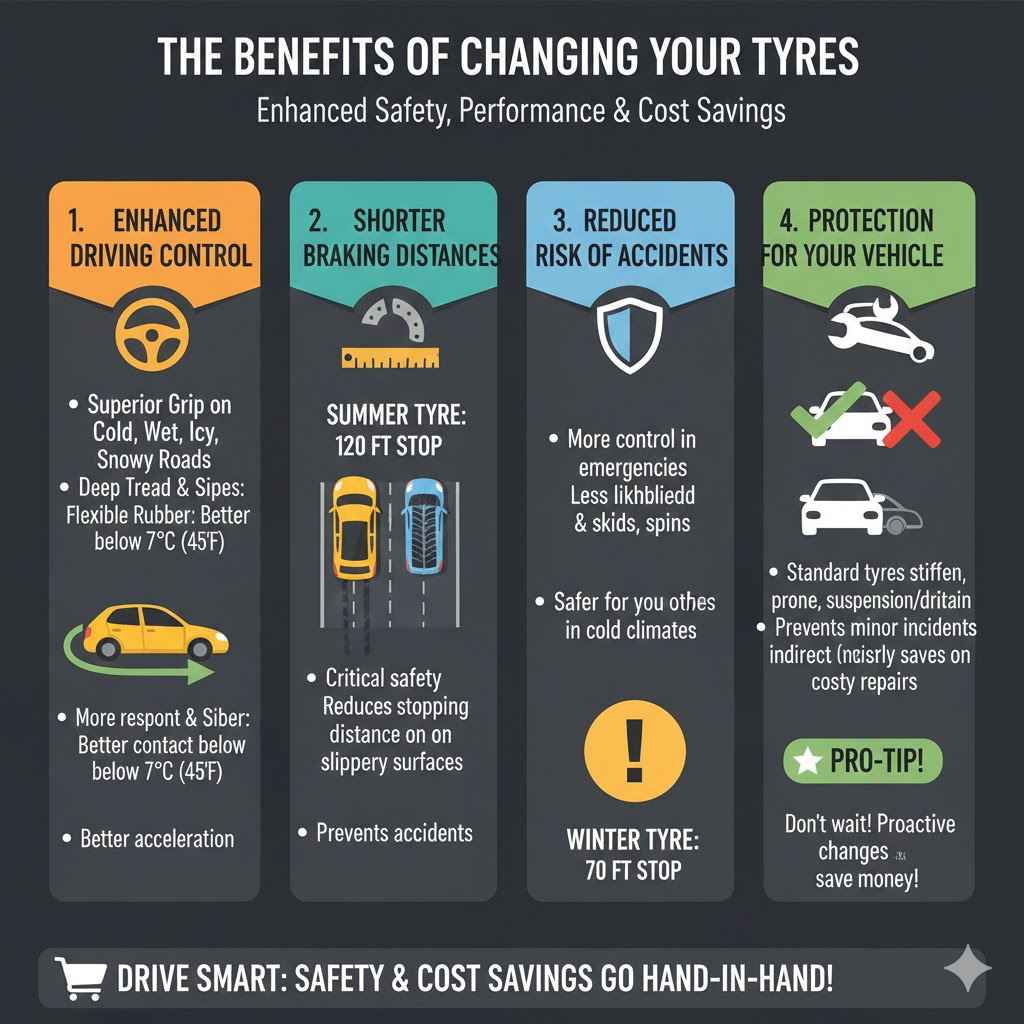
The most significant benefit of winter tyres is enhanced driving control. The specialized tread and compound allow your car to grip the road surface much more effectively, even in slippery conditions. This means better acceleration without wheel spin, more responsive steering, and crucially, shorter braking distances.
When you can control your vehicle more precisely, especially in emergencies, you dramatically reduce the risk of accidents.
Imagine a situation where you need to brake suddenly to avoid an obstacle. With winter tyres, your car will stop much sooner than it would with standard tyres. This difference in stopping distance can be the difference between a near miss and a collision.
Similarly, the improved traction allows for smoother cornering and better stability when changing lanes, making your overall driving experience more secure and predictable, even in challenging winter weather.
Shorter Braking Distances
As mentioned, stopping distance is a critical safety factor. Winter tyres are specifically designed to reduce this distance on cold, wet, icy, and snowy surfaces. The advanced tread patterns with their numerous sipes create more biting edges, and the flexible rubber compound conforms better to the road, all of which contribute to a more effective grip on the brake.
Real-world tests consistently demonstrate the superiority of winter tyres in braking. For instance, a study by the UK’s Motor Industry Research Association (MIRA) showed that winter tyres could reduce braking distances by up to 25% on snow compared to standard tyres. This means that at 50 mph on snow, a car with winter tyres might stop several car lengths sooner than one with standard tyres, a vital advantage in avoiding accidents.
Reduced Risk Of Accidents
By providing superior grip and control, winter tyres significantly reduce the overall risk of getting into an accident. The ability to brake effectively, steer accurately, and accelerate smoothly in slippery conditions is paramount. When your tyres can do their job properly, you are less likely to skid, spin out, or lose control of your vehicle.
This enhanced safety directly translates into fewer collisions and a safer journey for you and other road users.
The statistics often bear this out. In regions where winter tyre use is common, accident rates during winter months tend to be lower. For example, countries like Canada and those in Scandinavia, which experience harsh winters, often see a correlation between widespread winter tyre use and reduced winter road fatalities and injuries.
This proactive measure directly addresses the increased risks associated with cold-weather driving.
Protection For Your Vehicle
While the primary benefit is safety, using the correct tyres for the season can also protect your vehicle. Standard tyres, when used in very cold temperatures, can become brittle and prone to damage. Driving on hardened tyres can also put extra strain on your vehicle’s suspension and drivetrain.
By switching to winter tyres, you ensure your car is operating with components best suited for the conditions, potentially reducing wear and tear.
Furthermore, the longer braking distances and reduced control associated with using inappropriate tyres can lead to situations where minor incidents might occur, such as scraping a curb or a minor fender bender. While not a direct mechanical protection, ensuring optimal tyre performance minimizes the likelihood of such events, thereby indirectly protecting your vehicle from minor damage and costly repairs associated with loss of control.
Frequently Asked Questions
Question: Do I really need winter tyres if I don’t drive much in winter
Answer: Even if you don’t drive extensively, your tyres are your only contact with the road. When temperatures consistently drop below 7 degrees Celsius, standard tyres harden and lose grip. This means even short trips on cold roads can be more dangerous.
Winter tyres provide essential safety for all driving, no matter how little you drive.
Question: Can all-season tyres be used instead of winter tyres
Answer: All-season tyres are a compromise. They perform better than summer tyres in light snow or cold but do not offer the same level of grip and safety as dedicated winter tyres in freezing temperatures, ice, or heavy snow. For optimal safety in true winter conditions, winter tyres are recommended.
Question: How long do winter tyres typically last
Answer: Winter tyres are designed for cold-weather performance and will wear faster than all-season or summer tyres when used in warmer temperatures. If used only during winter months and stored properly, they can last several seasons. Many manufacturers suggest replacing them when the tread depth reaches 4mm.
Question: Can I put winter tyres on the front of my car only
Answer: No, it is strongly advised against mixing tyre types. Always fit winter tyres on all four wheels. Fitting them only on the front or rear can create an imbalance in grip, making the car unpredictable and dangerous to drive, especially during braking or cornering.
Question: When should I switch back to my regular tyres
Answer: You should switch back to your regular tyres when the average daily temperature consistently rises above 7 degrees Celsius again. This typically happens in spring. Continuing to use winter tyres in warm weather will cause them to wear out much faster and can also reduce your car’s fuel efficiency and handling performance.
Summary
Changing car tyres in winter is essential for safety. Winter tyres offer superior grip on cold, icy, and snowy roads due to their special rubber compounds and tread designs. They provide better traction, shorter braking distances, and enhanced control, significantly reducing the risk of accidents.
Adhering to the seven-degree Celsius rule and monitoring weather conditions helps determine the best time to switch. Opting for dedicated winter tyres ensures your vehicle is prepared for the challenges of cold-weather driving.