
It can be really worrying when your car’s brakes don’t feel as strong as they should. If you’re asking, “Why Are My Car Brakes Taking Too Long to Stop,” you’re not alone. Many car owners wonder about this, especially if they’re new to car care.
It’s a common problem that can make driving feel unsafe. Don’t worry, though; figuring this out is usually quite simple. We’ll walk through the most common reasons step-by-step so you can understand what’s happening and what to do next.
Common Reasons Your Car Brakes Take Too Long to Stop
When your car’s braking system seems sluggish, it’s a clear sign something needs attention. This section explores the most frequent culprits behind reduced braking performance. These issues range from simple wear and tear to more complex system malfunctions, all of which can contribute to your car taking longer to come to a complete halt.
Understanding these common causes is the first step in diagnosing and resolving the problem, helping you feel more confident and safe on the road.
Brake Pad Wear
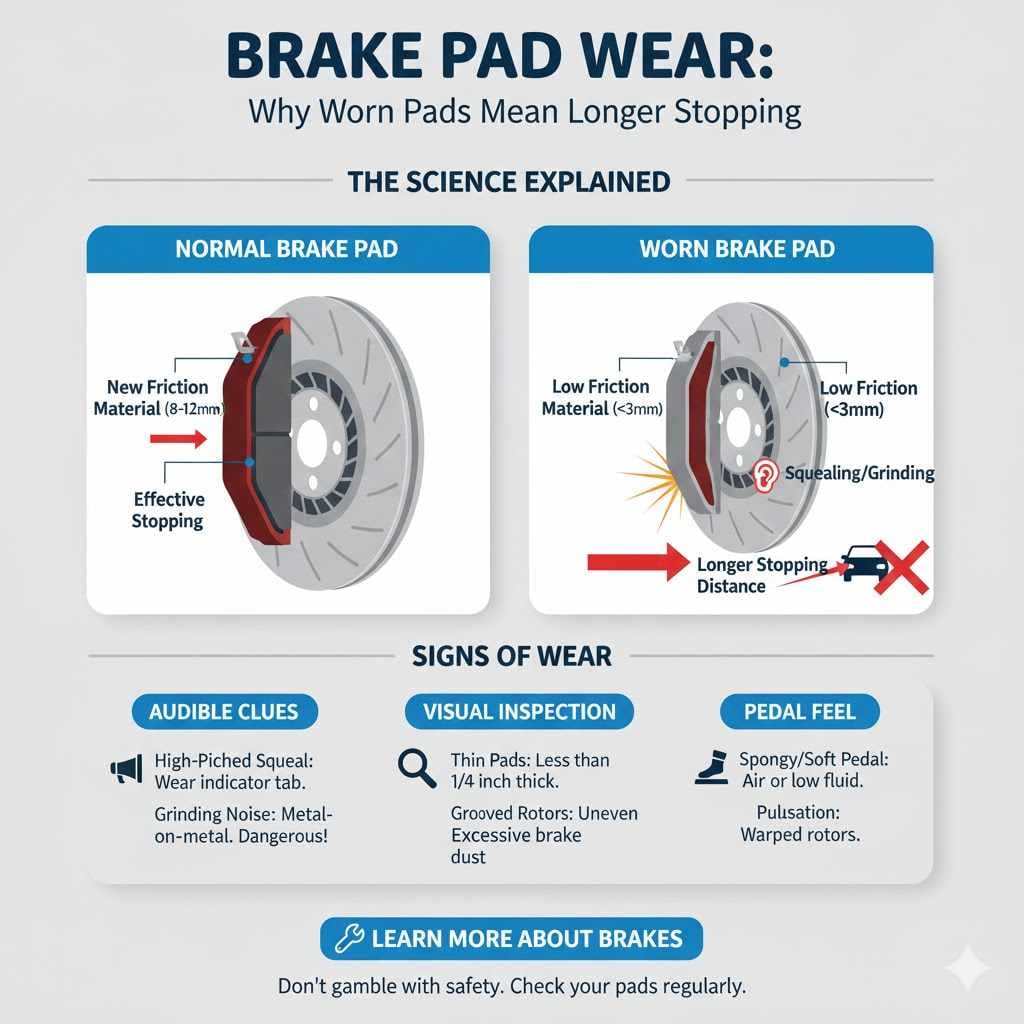
Brake pads are a critical component of your braking system. They are the friction material that presses against the brake rotor to slow down your vehicle. Over time, this friction material wears away.
Think of it like the tread on your tires; it gets used up with every stop. When the pads become too thin, there’s less material to create the necessary friction. This directly impacts how quickly your car can stop.
Worn brake pads mean longer stopping distances. The metal backing plate of the brake pad might even start to rub against the rotor, causing a grinding noise and further damage. This is a serious safety concern and requires immediate attention.
Many brake pads have a small metal indicator that will start to squeal when the pads are getting low, giving you an audible warning.
- Reduced Friction Material: The primary reason brake pads cause longer stops is the simple fact that there’s less material to create resistance. As the pads wear down, the surface area and thickness that can make contact with the rotor diminish. This means more force is needed from the driver pressing the pedal, and even then, the friction generated is less effective.
- Metal-on-Metal Contact: If brake pads wear down completely, the metal backing plate will grind against the brake rotor. This is not only very noisy and damaging to the rotor but also significantly reduces braking effectiveness. The metal surface is much harder than the friction material and doesn’t create the same gripping action.
- Signs of Wear: Visually inspecting your brake pads is key. If you can see very little red or brown friction material left on the pad, it’s time for a replacement. You might also hear squealing or grinding sounds when you brake. Sometimes, you’ll feel a pulsation in the brake pedal.
Brake pad wear is a normal part of vehicle maintenance, but it’s one that can’t be ignored. Most manufacturers recommend checking brake pads during regular service intervals, usually every 10,000 to 20,000 miles, and replacing them when they reach about 3 millimeters of thickness.
Brake Fluid Issues
Brake fluid is the hydraulic fluid that transfers the force from your foot on the brake pedal to the brake calipers or wheel cylinders. This fluid is essential for the entire braking system to work. If there isn’t enough brake fluid or if the fluid itself is contaminated or old, your brakes won’t function properly.
This is a common reason why Why Are My Car Brakes Taking Too Long to Stop becomes a pressing question for drivers.
Low brake fluid can occur due to leaks in the system or simply from normal wear as brake pads thin. When fluid levels drop, there’s less hydraulic pressure available to push the brake pads against the rotors. Old or contaminated brake fluid can absorb moisture, which lowers its boiling point.
In hot conditions or during heavy braking, this moisture can turn to vapor, creating air bubbles in the lines. Air is compressible, unlike fluid, so your brake pedal will feel spongy and less responsive, requiring more travel to engage the brakes.
- Low Fluid Level: The brake fluid reservoir is typically located under the hood. If the fluid level is below the “MIN” line, it indicates a problem. This could be a leak somewhere in the brake lines, calipers, or wheel cylinders. A low fluid level means less hydraulic pressure is being generated, leading to weaker braking.
- Contaminated or Old Fluid: Brake fluid is hygroscopic, meaning it absorbs moisture from the air over time. This moisture lowers the fluid’s boiling point, making it more likely to boil under heavy braking. Boiling fluid creates vapor, which is compressible. This leads to a spongy brake pedal and reduced braking power. Regular flushing and replacement of brake fluid, usually every two years, is recommended.
- Air in the Brake Lines: If air gets into the brake lines, for example, after a brake fluid flush or a leak repair, it needs to be purged. This process is called bleeding the brakes. Air bubbles compress easily, resulting in a soft or spongy brake pedal that travels further down before the brakes engage, making stopping distances longer.
In a study by AAA, they found that brake system failures caused about 22% of all vehicle accidents. Proper maintenance of brake fluid is a vital preventative measure. The Society of Automotive Engineers (SAE) recommends that brake fluid should not contain more than 3% water by volume.
Brake Rotor Issues
Brake rotors, also called brake discs, are the shiny metal plates that spin with your wheels. The brake pads clamp onto these rotors to slow the car down. Over time, rotors can develop problems that affect braking performance.
This is another key factor when considering Why Are My Car Brakes Taking Too Long to Stop.
Rotors can become warped, glazed, or develop grooves. Warped rotors are not perfectly flat anymore; they might have slight curves or unevenness. When the brake pads try to grip a warped rotor, they can’t make consistent contact.
This leads to a pulsating feeling in the brake pedal and reduced stopping power. Glazing happens when the rotor surface gets overheated and a hard, shiny layer forms. This glaze prevents the brake pads from getting a good grip.
Grooves can form if debris gets stuck between the pad and rotor or if the pads are excessively worn.
- Warped Rotors: Heat from braking can cause rotors to expand and contract unevenly. Over many cycles, this can lead to warping, where the rotor surface is no longer perfectly flat. This causes the brake pads to lose consistent contact with the rotor, resulting in a pulsating brake pedal and longer stopping distances.
- Glazed Rotors: When rotors get very hot, the surface can become hardened and smooth, creating a glassy or “glazed” finish. This glazed surface does not provide an ideal surface for the brake pads to grip effectively. It essentially creates a barrier between the pad and the rotor, diminishing friction.
- Scored or Grooved Rotors: If debris gets between the brake pad and rotor, or if worn brake pads have allowed metal-on-metal contact, the rotor surface can become scored or develop deep grooves. These imperfections disrupt the smooth contact needed for optimal braking and can even damage new brake pads prematurely.
It’s common for rotors to need resurfacing or
Brake Caliper Problems
Brake calipers are like the clamps that hold the brake pads. They contain pistons that push the pads against the rotors when you press the brake pedal. If the calipers are not working correctly, the brakes won’t engage as they should.
This is a common reason for concerns about Why Are My Car Brakes Taking Too Long to Stop.
A common caliper issue is a stuck piston or a seized caliper. If a piston is stuck, it might not retract properly when you release the brake pedal, meaning the brake pad stays partially engaged with the rotor. This causes drag, reduces fuel economy, and can lead to overheating.
On the other hand, if a piston is stuck in the retracted position, it might not extend fully when you apply the brakes, meaning less force is applied to the pads, resulting in longer stopping distances. Calipers can also develop leaks in their seals, allowing brake fluid to escape and reducing hydraulic pressure.
- Stuck Caliper Pistons: Brake calipers have pistons that move to press the brake pads against the rotor. If these pistons become corroded or stuck, they may not move freely. A piston that doesn’t extend properly means less pressure is applied to the brake pads, leading to weaker braking.
- Seized Calipers: Sometimes, the entire caliper can seize up. This means it doesn’t allow the brake pads to fully retract from the rotor when you’re not braking. This constant drag can cause overheating, wear out the pads and rotors prematurely, and significantly reduce your car’s acceleration and fuel efficiency.
- Leaking Seals: The seals around the caliper pistons can degrade over time. If these seals start to leak, brake fluid can escape. This reduces the hydraulic pressure needed for effective braking and can allow air and moisture to enter the system, further compromising performance.
A simple test for a stuck caliper is to feel your wheels after a short drive. If one wheel feels significantly hotter than the others, it might indicate a brake that isn’t releasing properly. This issue requires prompt attention from a mechanic.
Problems with the Brake Lines or Hoses
The brake lines and hoses are the pathways through which brake fluid travels from the master cylinder to the calipers and wheel cylinders. These components are crucial for delivering the hydraulic force needed to activate the brakes. When these parts fail, braking performance is severely impacted, making it a significant factor in Why Are My Car Brakes Taking Too Long to Stop.
Brake lines can be made of metal or flexible rubber hoses. Metal lines can corrode and develop leaks over time, especially in areas with road salt. Rubber hoses can crack, swell, or degrade internally, restricting the flow of brake fluid.
Internal damage to a hose can cause it to act like a one-way valve, allowing fluid to flow when you brake but preventing it from returning smoothly, leading to a spongy pedal and extended stopping distances. A leak anywhere in this system will result in a loss of hydraulic pressure.
- Corroded Metal Brake Lines: Over time, especially in areas exposed to moisture and road salt, metal brake lines can rust and corrode. This can lead to small leaks, allowing brake fluid to escape and air to enter the system. Even minor corrosion can compromise the integrity of the lines and affect braking.
- Degraded Rubber Hoses: Flexible rubber brake hoses connect the rigid metal lines to the calipers or wheel cylinders. These hoses can crack, split, or swell with age and exposure to brake fluid and road grime. Internal degradation can cause them to collapse inward, restricting fluid flow.
- Kinked or Damaged Lines: Physical damage, such as hitting a curb or road debris, can kink or severely damage brake lines. A kink restricts the flow of brake fluid, reducing braking pressure. This can happen suddenly or develop over time, leading to inconsistent or weak braking.
The integrity of your brake lines is paramount. A thorough inspection of all brake lines and hoses is part of routine brake service. Any signs of corrosion, cracks, swelling, or kinks warrant immediate replacement.
Master Cylinder Issues
The master cylinder is the heart of your car’s hydraulic braking system. It’s where the hydraulic pressure is generated. When you press the brake pedal, a piston inside the master cylinder forces brake fluid out into the lines.
If the master cylinder isn’t working correctly, your brakes will be weak or may not work at all. This is a critical point when addressing Why Are My Car Brakes Taking Too Long to Stop.
The master cylinder has seals that can wear out or fail. If these internal seals leak, brake fluid can bypass the piston, meaning the necessary hydraulic pressure is not built up. This often results in a brake pedal that sinks to the floor when you apply firm pressure.
In some cases, the master cylinder can become contaminated with debris, further hindering its function. A failing master cylinder is a serious safety hazard and requires immediate repair or replacement.
- Internal Seal Leaks: The master cylinder contains rubber seals that prevent brake fluid from leaking past the piston. Over time, these seals can wear out, crack, or become damaged. When they fail, brake fluid can bypass the piston, preventing the buildup of adequate hydraulic pressure to the brake system.
- Worn Piston or Cylinder Bore: The piston and the cylinder bore inside the master cylinder can also become worn. This wear can create gaps that allow fluid to leak, reducing the effectiveness of the hydraulic system and leading to a soft or sinking brake pedal.
- Contamination: Brake fluid can become contaminated with debris over the years, or if the master cylinder reservoir cap is left off for an extended period. This debris can scratch the internal surfaces of the master cylinder or clog small passages, affecting its ability to generate consistent pressure.
A common symptom of a failing master cylinder is a brake pedal that slowly sinks to the floor even when you’re applying steady pressure. This indicates that the hydraulic pressure is not being maintained. It’s crucial to have this checked by a professional immediately.
Brake Booster Malfunction
The brake booster is a component that assists your efforts when you press the brake pedal. It uses vacuum pressure or hydraulic power from the engine to multiply the force you apply, making it much easier to stop your car. Without a properly working brake booster, you would need to exert significantly more force on the pedal for the same braking effect.
This directly contributes to the feeling that Why Are My Car Brakes Taking Too Long to Stop.
If the brake booster is failing, you’ll notice that the brake pedal feels very hard and requires a lot of leg strength to press down. This is because the booster is not providing the necessary assistance. Vacuum leaks, diaphragm tears within the booster, or problems with the check valve that controls vacuum can all lead to booster malfunction.
A faulty booster doesn’t just make stopping harder; it can also affect how quickly you can stop in an emergency situation.
- Vacuum Leaks: Most brake boosters rely on engine vacuum to operate. A leak in the vacuum hose connected to the booster, or a leak within the booster itself, means there isn’t enough vacuum pressure to assist braking. This makes the brake pedal feel hard and requires much more force to operate.
- Diaphragm Failure: Inside the brake booster is a rubber diaphragm. If this diaphragm tears or cracks, it can prevent the booster from functioning correctly. This can lead to a loss of vacuum assist and a significant increase in the effort needed to brake.
- Check Valve Issues: A check valve ensures that vacuum is maintained in the booster. If this valve fails, vacuum pressure can leak out, leading to reduced or no assist. When the engine is off, the brake pedal might feel normal for one or two pumps as the stored vacuum is used, but then it becomes very hard.
You can test for a failing brake booster by pumping the brakes a few times with the engine off. Then, hold your foot firmly on the pedal and start the engine. If the pedal sinks down slightly under your foot, the booster is likely working.
If it stays hard or doesn’t move, there’s probably an issue with the booster or its vacuum supply.
Brake Adjustment Issues
In some older vehicles or specific types of braking systems, like drum brakes on the rear wheels, there are adjustment mechanisms. These mechanisms ensure that the brake shoes are positioned correctly near the brake drums. If these adjustments become loose, the brake shoes will have to travel further before they contact the drums, leading to a longer stopping distance.
This is a factor when asking Why Are My Car Brakes Taking Too Long to Stop.
Automatic adjusters are common, but they can sometimes fail or become misaligned. Manual adjusters, if present, need to be checked periodically. When the brake shoes are too far from the drum, it requires more pedal travel and hydraulic pressure to engage them.
This makes the brakes feel less responsive and can increase stopping distances. While most modern cars use disc brakes on all wheels which don’t require manual adjustment in the same way, understanding this concept is still relevant for many vehicles.
- Drum Brake Adjustment: Older vehicles, and some trucks, may have drum brakes on the rear axle. These use brake shoes that pivot outward to contact the inside of a brake drum. If the automatic or manual adjusters fail, the brake shoes can sit too far from the drum, requiring more pedal travel to engage them.
- Parking Brake System: The parking brake system often works in conjunction with the main braking system. If the parking brake cables are stretched or improperly adjusted, it can affect the overall braking performance, sometimes contributing to a feeling of reduced effectiveness even when using the main brake pedal.
- Wear and Tear on Adjustment Components: The small parts that make up brake adjustment mechanisms can wear out or get clogged with brake dust. This wear can prevent the adjusters from functioning correctly, leaving the brake shoes in an suboptimal position relative to the drum.
If your car has drum brakes, they should be inspected and adjusted as part of regular maintenance. A mechanic can check if the brake shoes are properly positioned and if the adjusters are working as intended.
Low-Quality Brake Components
Not all brake parts are created equal. Using low-quality or counterfeit brake pads, rotors, or fluid can significantly impact your car’s braking performance. This is a less obvious but important reason when considering Why Are My Car Brakes Taking Too Long to Stop.
Cheaper brake pads might be made with less effective friction materials that don’t provide as much grip or might wear out much faster. Low-quality rotors might be more prone to warping under heat, leading to inconsistent braking. Using the wrong type or poor-quality brake fluid can result in its boiling point being too low, leading to vapor lock and spongy brakes.
Always choose reputable brands and ensure your mechanic uses quality parts.
- Inferior Friction Materials: Low-cost brake pads often use inferior friction compounds that don’t offer the same stopping power or longevity as premium ones. These materials may overheat more easily, reduce friction, and wear out much faster, leading to a decline in braking performance.
- Poorly Manufactured Rotors: Cheap brake rotors might not be manufactured to precise tolerances. They could be more susceptible to warping under heat, having uneven surfaces, or being made of lower-grade metal that doesn’t dissipate heat effectively. This leads to vibrations and reduced braking effectiveness.
- Substandard Brake Fluid: Using brake fluid that doesn’t meet the required specifications can be dangerous. Fluid with a lower boiling point will vaporize more readily under heavy braking, creating air bubbles in the system and a spongy pedal. Always use fluid that meets DOT 3, DOT 4, or DOT 5.1 standards as recommended by your vehicle manufacturer.
When it comes to safety systems like brakes, it’s always best to invest in quality components. While the initial cost might be higher, the peace of mind and reliable performance are well worth it.
Troubleshooting Steps for Longer Stopping Distances
If you’ve noticed your car taking longer to stop, it’s wise to go through a few checks. These steps will help you pinpoint the issue and understand what needs to be done. Addressing these problems promptly ensures your safety and the safety of others on the road.
Let’s break down how you can start to diagnose the situation and find solutions.
Visual Inspection of Brake Pads and Rotors
The first and often easiest step is to look at your brake pads and rotors. You can usually see them through the spokes of your wheels. This visual check can tell you a lot about the condition of your braking system.
It’s a great way to start if you’re asking Why Are My Car Brakes Taking Too Long to Stop.
Look for how much friction material is left on the brake pads. If they appear very thin, they likely need replacing. Also, examine the surface of the brake rotors.
Do they look smooth and shiny, or do you see deep grooves, rust buildup, or a glazed appearance? Any of these signs can indicate a problem that’s affecting your braking. Sometimes, you might even see brake dust caked onto the components, which is normal, but excessive buildup or unusual colors could be a warning sign.
- Checking Brake Pad Thickness: Most brake pads have a minimum thickness specification. If your pads look like they’re only a few millimeters thick, or if you can see the metal backing plate, they are worn out and need replacement.
- Examining Rotor Surface: Look for signs of wear, such as deep grooves, scoring, or a hardened, shiny “glazed” appearance. Warped rotors might not show visible signs but can cause a pulsating brake pedal.
- Identifying Leaks or Damage: While looking, check for any signs of brake fluid leaks around the calipers or hoses. Also, look for any obvious damage to the brake lines or other components.
If you’re unsure about what you’re looking at, it’s always best to have a qualified mechanic perform a thorough inspection. They have the tools and expertise to accurately assess the condition of your brakes.
Checking Brake Fluid Level and Condition
Brake fluid is vital for your car’s braking system. Checking its level and condition is a straightforward step that can reveal significant issues. Low or contaminated fluid is a common reason for diminished braking power.
This check is essential when trying to understand Why Are My Car Brakes Taking Too Long to Stop.
Locate the brake fluid reservoir, usually a translucent plastic container under the hood. Check the fluid level against the “MIN” and “MAX” markings. If it’s low, it could mean there’s a leak, or your brake pads are very worn.
Also, observe the color of the fluid. Fresh brake fluid is typically clear or slightly amber. If it’s dark brown or black, it’s likely old and contaminated with moisture and debris and should be flushed and replaced.
- Locating the Reservoir: The brake fluid reservoir is typically a small, white or translucent plastic container found in the engine bay, usually near the driver’s side firewall.
- Reading the Fluid Level: Most reservoirs have clear markings for minimum and maximum fluid levels. If the fluid is below the minimum line, it indicates a potential issue.
- Assessing Fluid Color: New brake fluid is clear or light amber. Dark or cloudy fluid signifies contamination and a need for replacement. This contamination can lower the fluid’s boiling point and lead to spongy brakes.
Never use brake fluid from an old or unsealed container. Always use the type recommended by your vehicle manufacturer, usually specified in your owner’s manual.
Listening for Unusual Noises
Your car often tells you when something is wrong through sounds. Unusual noises during braking can be a strong indicator of underlying problems. Paying attention to these sounds is a key part of diagnosing braking issues and answering Why Are My Car Brakes Taking Too Long to Stop.
A high-pitched squealing noise when you apply the brakes often means your brake pads are worn down to their wear indicators. A grinding or scraping sound usually suggests metal-on-metal contact, meaning the brake pads are completely gone and are damaging the rotors. A clicking sound might indicate a loose component or a problem with the brake caliper.
Any strange noise during braking should be investigated.
- Squealing: A high-pitched squeal is often an intentional warning from the brake pad’s wear indicator. This metal tab scrapes against the rotor when the pad material is getting thin.
- Grinding or Scraping: This is a serious sound, usually indicating that the friction material on the brake pads has completely worn away, and the metal backing plate is grinding against the brake rotor. This requires immediate repair to prevent further damage.
- Clicking or Clunking: These sounds might indicate a loose brake caliper, worn suspension components affecting the brake system, or a problem with the brake hardware.
Don’t ignore these sounds. They are your car’s way of signaling that it needs attention, and early diagnosis can prevent more costly repairs.
Feeling for Pedal Symptoms
The feel of your brake pedal is a direct communication from the braking system to your foot. Changes in its feel can tell you a lot about what’s going on. A soft, spongy, or hard pedal are all significant indicators when troubleshooting Why Are My Car Brakes Taking Too Long to Stop.
A spongy or soft pedal usually means there’s air in the brake lines or a problem with the brake fluid level or condition. When you press the pedal, it feels mushy and travels further than it should before engaging the brakes. A hard pedal, on the other hand, indicates that the brake booster isn’t providing enough assistance, requiring you to push much harder.
A pedal that sinks to the floor when you apply steady pressure often points to a failing master cylinder.
- Spongy or Soft Pedal: This typically means there is air in the brake lines, or the brake fluid is low or contaminated. The compressibility of air (or vapor from overheated fluid) causes the pedal to feel soft and require more travel.
- Hard Pedal: If the brake pedal feels very stiff and requires significant leg strength to press down, it often indicates a problem with the brake booster, such as a vacuum leak or internal diaphragm failure.
- Pedal Sinks to Floor: If the brake pedal slowly sinks towards the floor while you maintain steady pressure, it’s a strong sign of a failing master cylinder or a leak in the hydraulic system that’s allowing pressure to bleed off.
These pedal symptoms are critical indicators. If you experience any of them, it’s essential to have your braking system inspected by a professional.
When to Seek Professional Help
While basic checks are helpful, some braking issues require expert diagnosis and repair. Knowing when to hand over the reins to a mechanic is crucial for your safety. Ignoring signs of brake trouble can lead to dangerous situations.
This is especially true if you’re concerned about Why Are My Car Brakes Taking Too Long to Stop.
If you hear grinding noises, feel a pulsating pedal, notice a significant change in pedal feel (spongy, hard, or sinking), or if your brake warning light comes on, it’s time to visit a qualified technician. These are not issues to ignore or attempt to fix without proper knowledge and tools, as brake systems are complex and critical for safety. A mechanic can perform a comprehensive inspection, identify the exact cause, and perform the necessary repairs.
- Persistent Strange Noises: If you hear grinding, squealing, or clicking that doesn’t go away, it’s a sign of a serious problem that needs professional attention.
- Altered Pedal Feel: Any significant change in brake pedal feel—whether it becomes spongy, hard, or sinks to the floor—is a red flag that demands a mechanic’s inspection.
- Brake Warning Light Illumination: The dashboard warning light for the brakes is a direct alert from your car’s system that something is wrong and requires immediate service.
A professional mechanic has the specialized tools and diagnostic equipment to accurately assess brake system health, including testing hydraulic pressure, checking caliper function, and inspecting the condition of all components.
The Importance of Regular Brake Maintenance
Brakes are one of the most important safety features on your vehicle. Just like changing your oil or checking your tire pressure, regular brake maintenance is essential. It helps prevent problems from developing and ensures your car stops reliably.
This proactive approach is the best way to avoid asking Why Are My Car Brakes Taking Too Long to Stop in the first place.
Regular inspections allow technicians to catch small issues before they become major, costly repairs. They can identify worn brake pads, check brake fluid levels and condition, and inspect rotors, calipers, and hoses for any signs of wear or damage. This routine care ensures your braking system is always in optimal condition, providing you with the confidence and safety you need on the road.
Skipping these checks can lead to unexpected failures and put you in danger.
Scheduled Inspections
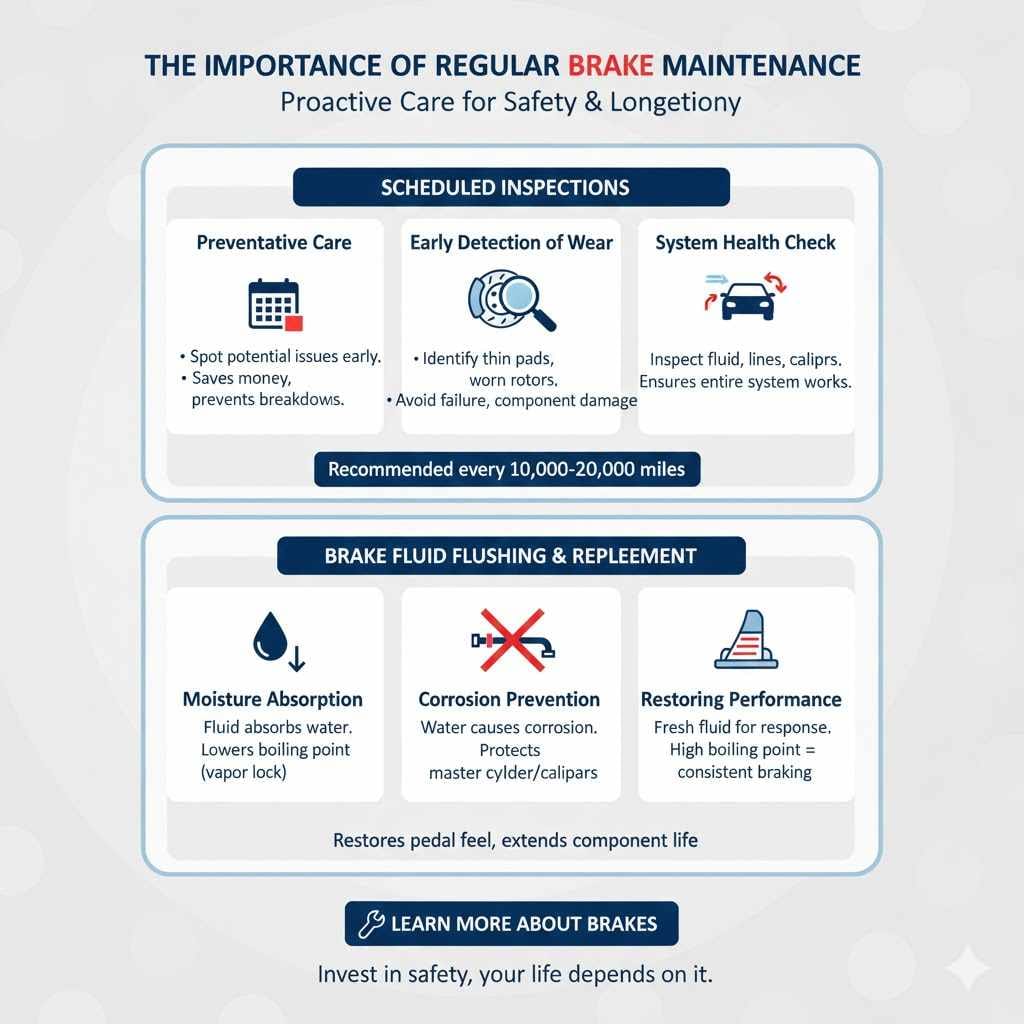
Most car manufacturers recommend having your brakes inspected at regular intervals. These inspections are usually tied to your vehicle’s routine maintenance schedule, such as every oil change or every 10,000 to 20,000 miles. During these checks, a mechanic will visually inspect the brake pads, rotors, calipers, and brake fluid.
They will also check for any leaks, listen for unusual noises, and assess the overall performance of the braking system.
These scheduled inspections are designed to catch problems early. For example, a mechanic might notice that your brake pads are getting thin, even if you haven’t heard any squealing yet. They can also identify corrosion on brake lines or leaks in the system that could lead to brake failure if left unaddressed.
Early detection often means simpler and cheaper repairs.
- Preventative Care: Regular inspections allow mechanics to spot potential issues before they become serious problems. This proactive approach saves money and prevents breakdowns.
- Early Detection of Wear: Technicians can identify brake pads and rotors nearing the end of their lifespan. This allows for planned replacement, avoiding the risk of complete failure and damage to other components.
- System Health Check: Inspections cover all aspects of the braking system, including fluid, lines, calipers, and the master cylinder, ensuring the entire system is functioning correctly.
The specific interval for brake inspections can vary by vehicle make and model, so it’s always best to consult your owner’s manual for the recommended schedule.
Brake Fluid Flushing and Replacement
Brake fluid absorbs moisture over time, which lowers its boiling point and can lead to corrosion within the braking system. Therefore, it’s recommended to flush and
Old, contaminated brake fluid can cause the pedal to feel spongy and reduce braking efficiency, especially under heavy use. It can also lead to internal corrosion of brake components like the master cylinder and calipers. Replacing the fluid ensures that the hydraulic system operates with clean fluid that has a high boiling point, maintaining optimal braking performance and protecting your vehicle’s components from damage.
- Moisture Absorption: Brake fluid is hygroscopic, meaning it absorbs moisture from the atmosphere. This moisture can cause the fluid to boil at lower temperatures, leading to vapor lock and reduced braking power.
- Corrosion Prevention: Water in the brake fluid can cause corrosion within the brake lines, master cylinder, and calipers. Flushing and replacing the fluid removes this moisture and helps prevent damage to these critical components.
- Restoring Performance: Fresh brake fluid with a high boiling point ensures consistent and effective braking, even under demanding conditions, and helps maintain the responsiveness of the brake pedal.
A brake fluid flush is a relatively inexpensive maintenance item that can significantly prolong the life of your braking system and ensure its reliable operation.
Frequently Asked Questions
Question: What are the first signs that my brakes need attention
Answer: The first signs usually include squealing or grinding noises when you brake, a spongy or soft brake pedal, or a noticeable increase in the distance it takes to stop your car.
Question: Can I drive my car if my brakes feel weak
Answer: Driving with weak brakes is extremely dangerous. It’s best to have your car inspected and repaired immediately before driving it further, even for short distances.
Question: How often should brake pads be replaced
Answer: Brake pad replacement intervals vary widely depending on driving habits and the type of pads, but they typically need replacement every 20,000 to 50,000 miles.
Question: What is brake fade
Answer: Brake fade is a temporary loss of braking effectiveness, often caused by overheating of the brake components. This can happen during prolonged or heavy braking, like going down a steep hill.
Question: Can my driving style affect how long my brakes last
Answer: Yes, aggressive driving, such as frequent hard braking and rapid acceleration, will cause your brake pads and rotors to wear out much faster than gentle, smooth driving.
Summary
When your car’s brakes take too long to stop, it’s usually due to worn pads, low or contaminated brake fluid, or issues with rotors, calipers, lines, or the master cylinder. Regular maintenance, including inspections and fluid changes, is key to preventing these problems. Addressing any unusual noises or pedal feel promptly ensures your braking system remains safe and reliable.