
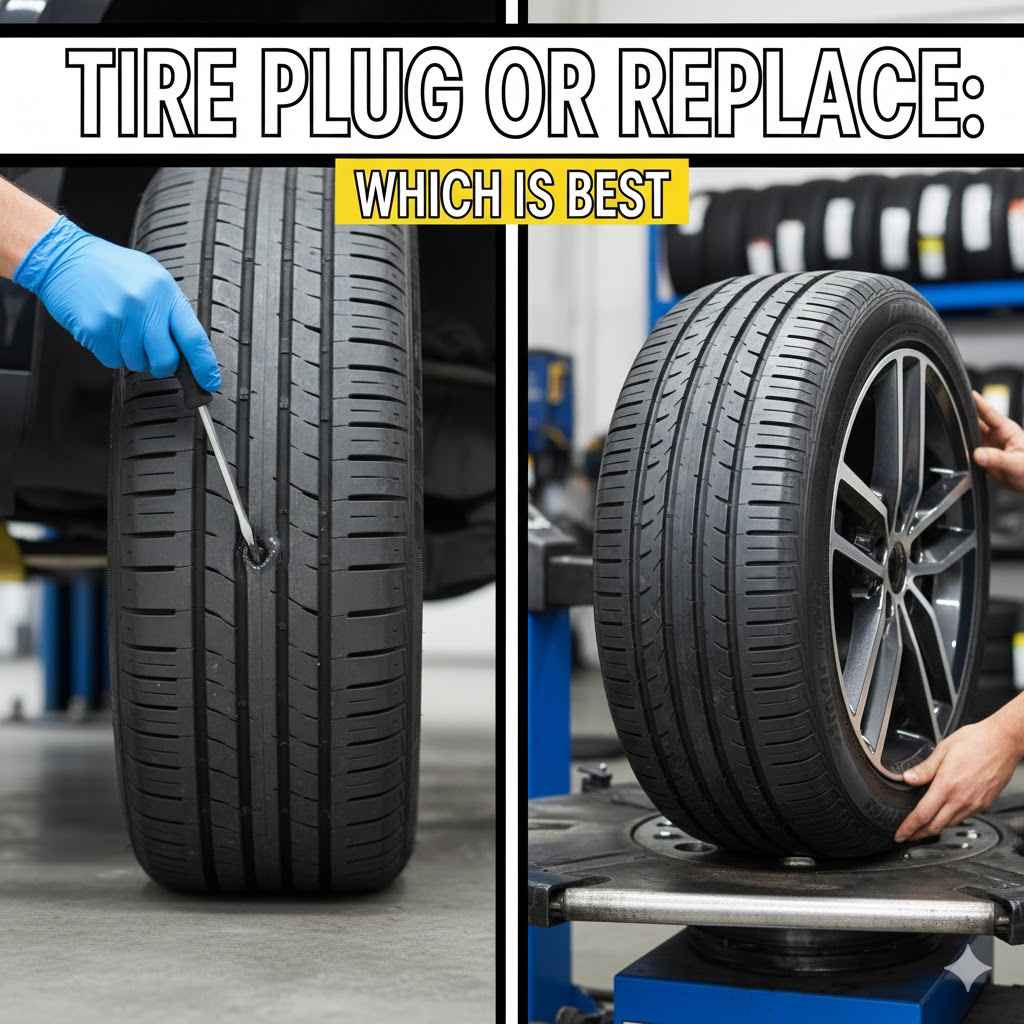
It is common for drivers, especially those new to car care, to wonder if it is better to plug a tire or replace it after getting a puncture. This question often comes up when you notice a slow leak or a nail in your tire. It can feel tricky to know the right thing to do for your safety and your wallet.
We’ll make this simple for you. We will walk through how to decide, what makes a difference, and what to look for so you can feel confident. We will cover everything you need to know to make a smart choice for your vehicle.
Is It Better To Plug A Tire Or Replace It Deciding Factors
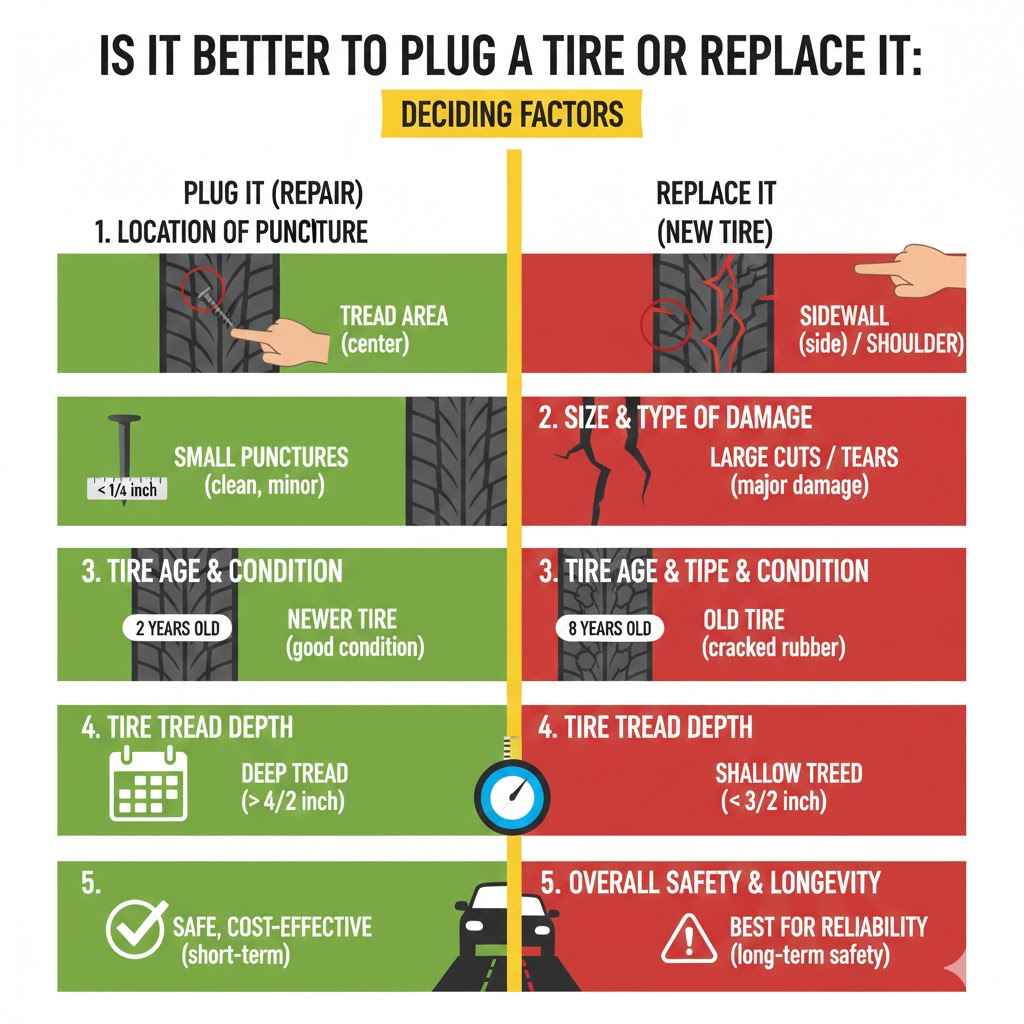
When faced with a punctured tire, the question of whether it is better to plug a tire or replace it is a common one. This decision hinges on several key factors that determine the safety and longevity of the tire. Understanding these factors helps drivers make informed choices, saving money while ensuring they do not compromise their safety on the road.
It is not always a straightforward yes or no answer; rather, it depends on the specifics of the damage and the tire itself. We will break down these elements so you can easily assess your situation.
Location Of The Tire Puncture
The spot where your tire is damaged plays a huge role in deciding if a plug is a good fix or if a full replacement is needed. Tire manufacturers and safety experts agree that plugs are generally only safe for punctures in the tire’s tread area. This is the part of the tire that touches the road.
A puncture here is usually easier to seal effectively.
When a nail, screw, or other sharp object goes into the sidewall of a tire, it is almost always a no-go for plugging. The sidewall flexes a lot as the tire rolls. Any repair made here is very likely to fail because of this constant movement and stress.
A failed repair on the sidewall can lead to a sudden blowout, which is extremely dangerous.
Tread Area Punctures
Punctures in the main tread, the thick rubber surface that grips the road, are the most common and often the most repairable. If the puncture is relatively small and caused by a simple object like a nail or screw, a plug can be a very effective solution. This type of repair is designed to seal the hole from the inside or outside, preventing air from escaping.
Think of the tread as the sturdy, flat part of your tire that makes contact with pavement. When something sharp punctures this area, it creates a small opening. A plug, whether it is a patch from the inside or a plug inserted from the outside, aims to fill this opening securely.
The tread is built to withstand a lot of pressure and movement, which helps a good plug stay in place.
Sidewall Punctures
The sidewall is the part of the tire that curves from the tread down to the rim. It is much thinner and more flexible than the tread. This flexibility is what allows your tire to absorb bumps and provide a comfortable ride.
However, it also makes the sidewall extremely vulnerable to damage and very difficult to repair safely.
When the sidewall is punctured, the repair is generally considered unsafe. This is because the sidewall experiences significant flexing and stress with every rotation of the wheel. Any plug or patch in this area would be under constant strain, increasing the risk of it failing.
A failure here could lead to a sudden loss of air pressure, causing a dangerous situation for the driver.
Size And Type Of Tire Damage
Beyond just where the damage is, how big the hole is and what caused it matters a lot. A small nail or screw creates a clean puncture that is easier to fix. Larger cuts or tears are much harder to seal properly.
If the tire has a large gash, a jagged tear, or multiple holes, it is usually too damaged to be safely plugged. These kinds of injuries compromise the tire’s structure. A plug might not be able to hold enough air pressure or might not prevent further damage from spreading.
In such cases, replacement is the only safe option.
Small Punctures
Small punctures are typically caused by objects like nails, screws, or small pieces of glass that penetrate the tire in a relatively straight line. These types of injuries create a clean hole that can often be sealed effectively with a plug or patch. The key here is that the object entered and exited cleanly, without causing excessive tearing or deformation of the tire material.
For example, if you drive over a common roofing nail, it might leave a hole about the size of a pencil lead. This is the ideal scenario for a tire plug. The plug fills this small hole, creating a seal that prevents air from leaking out.
The tire’s internal structure in the tread area is usually strong enough to support this type of repair without issues.
Large Cuts And Tears
Large cuts or tears in a tire are a different story. These can happen from hitting potholes, curbs, or sharp debris on the road. Unlike a clean puncture, a cut or tear can widen and weaken the tire’s structure.
It can also damage the internal cords that give the tire its strength.
If a tire has a gash that is more than a quarter of an inch long, or if it looks like the tire has been ripped, it is generally not safe to repair. These larger damages can be difficult to seal completely, and the integrity of the tire might be compromised. A plug might not be strong enough to hold under the pressures the tire experiences during driving.
Tire Age And Condition
Even if a puncture is in a good spot and is small, the overall condition of the tire matters. Old tires, even those with good tread, can become brittle and prone to failure. If your tires are old, plugging might not be worth the risk.
Tires degrade over time due to exposure to sunlight, heat, and general wear and tear. Rubber loses its flexibility and can develop small cracks, especially on the sidewalls. If a tire is nearing the end of its lifespan, even a seemingly minor repair might put undue stress on already weakened material.
It is always wise to inspect your tires for signs of aging.
Tire Tread Depth
Tread depth is a critical indicator of a tire’s remaining life and its ability to grip the road. Tires come with a certain amount of tread depth when new, and this wears down with use. If the tread is already very shallow, plugging a tire might not be a long-term solution.
For example, many safety guidelines suggest replacing tires when the tread depth reaches 2/32 of an inch (about 1.6 mm). If your tire has a puncture and the tread is already close to this limit, even a successful plug might not give you much more usable life. You would likely be looking at replacing it again soon anyway.
Rubber Degradation
Rubber does not last forever. Over time, it can become dry, cracked, and less flexible. This is known as rubber degradation.
Tires that are several years old, even if they have plenty of tread, can suffer from this. Factors like exposure to sunlight, heat, and ozone can speed up this process.
If you notice small cracks in the rubber of your tire, especially on the sidewall, it is a sign of degradation. Even if you plug a puncture in the tread of an aged tire, the surrounding rubber might not be strong enough to handle the stress. This can lead to the plug failing or the tire developing other issues.
Most manufacturers recommend replacing tires that are older than six to ten years, regardless of tread depth.
How To Plug A Tire Safely
Plugging a tire can be a cost-effective way to fix a puncture, but it must be done correctly. A DIY tire plug kit can be a lifesaver if you are stuck on the side of the road. However, it is crucial to follow the steps precisely to ensure a safe and lasting repair.
Improper plugging can lead to tire failure.
The process involves using a tool to insert a sticky, rubbery plug into the hole. This plug expands and seals the puncture. Many people opt for external plug kits because they are quick and do not require removing the tire from the rim.
We will cover the general steps involved in using one of these common kits.
Materials Needed For Tire Plugging
Before you start, make sure you have all the necessary tools and supplies. Having everything ready will make the process smoother and safer. A good tire plug kit is designed for easy use, even for someone who has never done it before.
The most important item is a tire plug kit. These kits typically include a reamer tool to clean and enlarge the puncture hole, an insertion tool to push the plug into the hole, and the plugs themselves. You will also need a pair of pliers to remove the puncturing object and a portable air compressor or pump to reinflate the tire afterward.
Some people also like to have a tire pressure gauge to ensure the correct pressure.
- Tire plug kit: This is essential and usually contains a reamer, an insertion tool, and plugs.
- Pliers: To pull out the nail or screw.
- Portable air compressor or pump: To reinflate the tire.
- Tire pressure gauge: To check the air pressure is correct.
- Gloves: To keep your hands clean.
Step By Step Tire Plugging Process
Plugging a tire involves a few key steps. First, you need to find the puncture and prepare the hole. Then, you insert the plug and finally, reinflate the tire.
Safety is important throughout this process.
Start by locating the exact spot of the puncture. Sometimes you can hear the air escaping. If you cannot find it, you might need to use soapy water to see where the bubbles form.
Once found, remove the object causing the puncture with pliers. Then, use the reamer tool to clean out the hole. This makes the hole smooth and ready for the plug.
- Locate the puncture.
- Remove the puncturing object carefully with pliers.
- Use the reamer tool to clean and widen the puncture hole slightly, making it uniform.
- Thread a plug through the eye of the insertion tool, folding the plug in half.
- Push the insertion tool with the plug firmly into the puncture hole until only about half an inch of the plug remains exposed.
- Quickly pull the insertion tool straight out, leaving the plug embedded in the tire.
- Trim any excess plug material that is sticking out.
- Inflate the tire to the recommended pressure using an air compressor.
- Check for leaks with soapy water.
When To Seek Professional Tire Repair
While DIY tire plugs can be a useful temporary fix, there are times when it is absolutely necessary to take your vehicle to a professional. Professionals have specialized tools and expertise to assess tire damage accurately and perform more robust repairs. They can also offer guidance on whether a tire needs replacement.
If the puncture is large, if it is in the sidewall, or if you are unsure about the tire’s condition, it is always best to consult a tire shop. They can perform an internal inspection of the tire, which is more thorough than an external plug. They can also replace the tire if needed, ensuring you have a safe and reliable option.
Tire Replacement When It Is The Only Option
There are clear situations where a tire plug is not an option, and a full tire replacement is the only safe choice. These scenarios often involve significant damage that compromises the tire’s structural integrity. Ignoring these signs can lead to dangerous blowouts.
The most common reasons for replacement include damage to the sidewall, large punctures, or if the tire is simply too old and worn out. Replacing a tire ensures that your vehicle maintains optimal safety and performance. It is an investment in your well-being on the road.
Severe Tire Damage Requiring Replacement
When a tire suffers severe damage, it is no longer safe to drive on and must be replaced. This type of damage goes beyond a simple puncture that a plug can fix. It affects the fundamental strength and stability of the tire.
Examples of severe damage include large cuts, bulges or blisters on the sidewall, or damage caused by driving on a flat tire for an extended period. These issues mean the internal structure of the tire has likely been compromised. A plug cannot fix these kinds of problems, and attempting to do so would be very risky.
Sidewall Damage
As discussed, sidewall damage is a non-negotiable reason for tire replacement. The sidewall is critical for the tire’s flexibility and its ability to handle loads. Any puncture, cut, or bulging in this area signifies a serious problem.
Imagine the sidewall as the flexible shoulder of the tire. When it is damaged, this flexibility is compromised, and the structural integrity is weakened. Driving on a tire with sidewall damage is like driving on a balloon that has a weak spot.
It is highly likely to fail suddenly and catastrophically, leading to a loss of control.
Driving On A Flat Tire
Driving on a flat tire, even for a short distance, can cause irreversible damage. The weight of the vehicle is then borne by the rim, not the tire, leading to the destruction of the tire’s internal structure. The tire’s cords can be torn, and the rubber can be severely abraded.
If you have driven on a flat tire, the tire’s internal structure is likely ruined. The cords that hold the tire together can be broken. Even if you were to patch or plug a hole, the tire would not be able to hold air pressure reliably or withstand the stresses of driving.
It must be replaced.
Tire Lifespan Considerations
Tires do not last forever. They have a finite lifespan based on mileage and age. Even if a tire is not punctured, it will eventually need to be replaced.
Understanding these limits is crucial for safety.
Most tire manufacturers recommend replacing tires after about six years, regardless of tread wear. Rubber degrades over time, becoming brittle and less safe. While mileage is a factor, so is the age of the tire.
Mileage And Wear
Tires wear down with every mile driven. The tread wears away, reducing its ability to grip the road, especially in wet conditions. Most tires are designed to last between 40,000 and 60,000 miles, but this can vary widely depending on the tire type, driving habits, and road conditions.
A simple way to check for wear is to look at the tread wear indicators, which are small raised bars in the grooves of the tire. When the tread wears down to the level of these indicators, it is time for new tires. Driving on tires with worn-out tread is dangerous because it significantly increases braking distances and the risk of hydroplaning.
Age Of The Tire
Even if a tire has plenty of tread left, its age is a significant safety factor. The rubber compounds in tires break down over time due to exposure to UV rays, oxygen, and heat. This process can lead to cracks in the rubber, making the tire more prone to failure.
It is a good practice to check the DOT (Department of Transportation) code on your tire. This code includes a four-digit number that indicates the week and year the tire was manufactured. For example, “3522” means the tire was made in the 35th week of 2022.
Most experts recommend replacing tires that are six years or older, even if they look good.
Is It Better To Plug A Tire Or Replace It Cost Comparison
When deciding if it is better to plug a tire or replace it, cost is a major consideration for many drivers. Plugging a tire is generally much cheaper than buying a new one, making it an attractive option for temporary repairs. However, the long-term value and safety of each option should be weighed.
A tire plug can be a very inexpensive fix, especially if you do it yourself. A professional plug service is also relatively affordable. Replacing a tire, on the other hand, involves the cost of the new tire itself, plus mounting and balancing fees.
Cost Of Tire Plugging
The cost of plugging a tire varies depending on whether you do it yourself or have a professional do it. For drivers looking for the most budget-friendly solution, a DIY plug kit is incredibly cheap. These kits are a one-time purchase and can be used multiple times for different punctures.
A typical DIY tire plug kit costs around $10 to $20. It includes everything needed for several repairs. If you take your car to a tire shop for a plug or patch, the cost is usually between $20 and $40 per tire.
This is a small fraction of the cost of a new tire, making it a very appealing option for minor damages.
DIY Tire Plug Kit Costs
Doing the repair yourself offers the most significant cost savings. A single tire plug kit purchased from an auto parts store or online retailer is an investment that can resolve multiple tire issues over time. These kits are designed for ease of use and are readily available.
The price for these kits typically ranges from $10 to $25. They contain the necessary tools like a reamer, insertion tool, and a supply of plugs. Considering that a single tire can cost several hundred dollars, a $15 repair kit offers exceptional value.
It empowers drivers to fix minor issues themselves without needing immediate professional help.
Professional Tire Plug Service Costs
If you prefer professional service or do not have the time or tools for a DIY repair, a tire shop can plug your tire. This option ensures the repair is done correctly by experienced technicians. The cost is higher than a DIY kit but still significantly less than a new tire.
Expect to pay between $20 and $40 for a professional tire plug or patch. This price usually includes the labor and the repair materials. Some shops might offer a free inspection of your tire to ensure the plug is the right solution for your specific damage.
This is a good balance between affordability and professional assurance.
Cost Of Tire Replacement
Replacing a tire is a more substantial expense. The price of a new tire can range from $100 to $300 or more, depending on the brand, size, and type of tire. This cost does not include the additional fees for mounting the tire onto the wheel, balancing it, and disposing of the old tire.
When you buy new tires, you are investing in safety, performance, and peace of mind. If one tire needs replacement, many recommend replacing the tire on the same axle to ensure even wear and handling. This means you might end up paying for two new tires.
New Tire Prices
The price of a single new tire varies greatly. Basic all-season tires for smaller cars might start around $100. For larger vehicles like SUVs or trucks, or for high-performance tires, prices can easily climb to $200-$300 per tire.
Premium brands and specialized tires can even exceed these figures.
When purchasing tires, it is important to consider factors like tread life expectancy, fuel efficiency ratings, and traction capabilities. These features contribute to the overall value and performance of the tire. A higher upfront cost for a quality tire might mean longer life and better performance, potentially saving money in the long run.
Mounting And Balancing Fees
Beyond the cost of the tire itself, you will incur additional fees for mounting and balancing. Mounting is the process of fitting the new tire onto the wheel rim. Balancing is crucial to ensure the tire rotates smoothly and evenly, preventing vibrations and uneven wear.
These services typically add another $20 to $50 per tire to the total cost. So, a $150 tire could end up costing $170-$200 once it is installed and balanced. If you are replacing all four tires, these fees can add up significantly.
Is It Better To Plug A Tire Or Replace It Safety And Longevity
When considering if it is better to plug a tire or
A properly done plug can last a long time, but it is not always a permanent fix. A tire
Safety Implications Of Tire Plugs
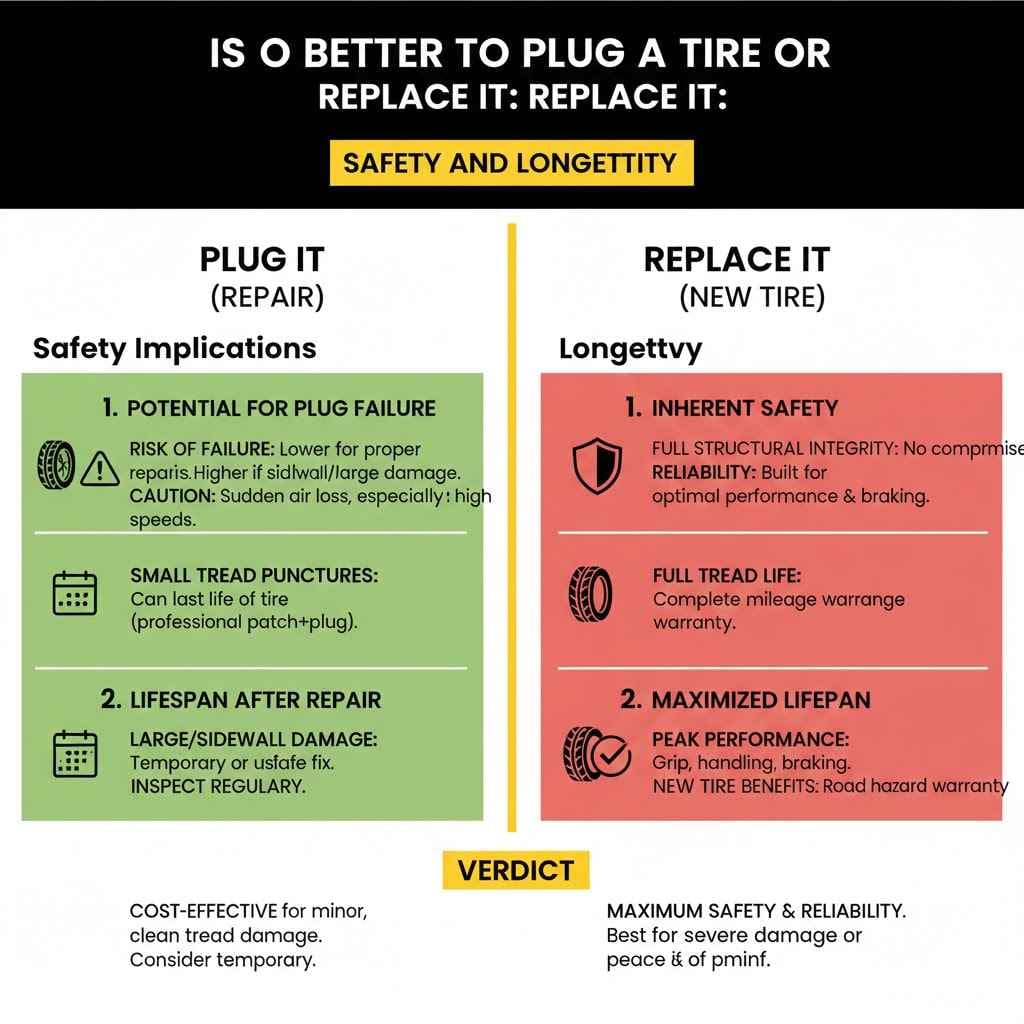
Tire plugs, while effective for certain types of punctures, do come with safety considerations. The primary concern is that they might not be as robust as the original tire structure. If a plug is not installed perfectly or if the damage is more severe than it appears, it could fail.
A plug that fails can lead to a sudden loss of air pressure, which can be very dangerous, especially at high speeds. This is why it is so important to follow the correct procedures and to only plug tires in the tread area. Sidewall plugs are universally considered unsafe.
Potential For Plug Failure
The risk of plug failure exists, although it is lower for properly installed plugs in the tread area. Factors like extreme temperature changes, heavy impacts, or driving on underinflated tires can put stress on the plug. A plug is essentially a patch on the tire’s wound, and while it seals the hole, it doesn’t restore the tire’s original structural strength in that spot.
Many tire professionals recommend that tire plugs be considered a temporary repair. While some plugs can last for the remaining life of the tire, others may fail prematurely. It is always wise to have the tire inspected regularly by a professional after a plug repair.
When A Plug Is A Permanent Solution
In many cases, a plug or a patch (applied from the inside) can indeed be a permanent solution. This is especially true for small punctures in the tread that are properly sealed. The key is that the puncture must be clean, relatively small (typically less than 1/4 inch in diameter), and located in the tread area, away from the sidewall.
When a tire shop repairs a puncture from the inside with a patch-plug combination, it provides a very strong and reliable seal. This type of repair is designed to last the life of the tire. It addresses the hole and reinforces the area from the inside.
Longevity Of Repaired Vs. Replaced Tires
The longevity of a repaired tire depends heavily on the type of repair and the original damage. A small, clean puncture properly plugged or patched from the inside can last for many thousands of miles, potentially for the entire remaining life of the tire. However, it is still an area that has been compromised.
A new tire, on the other hand, comes with its full rated mileage warranty and its original structural integrity. You know exactly what you are getting: a tire built to perform for its intended lifespan. If a tire has been plugged and you are concerned about its long-term performance, replacing it is the safest bet.
Lifespan After A Professional Patch And Plug
A professional patch and plug combination, performed correctly from the inside of the tire, is designed to be a permanent repair. This type of service involves not just plugging the hole but also applying a patch to the inner liner of the tire. This reinforces the damaged area and provides a robust seal.
Many reputable tire shops will guarantee these types of repairs for the life of the tire. This means if the plug or patch fails, they will repair it again or offer credit towards a new tire. This professional service offers a high degree of confidence in the repair’s longevity.
Benefits Of New Tires
Buying new tires offers several distinct benefits that a repaired tire cannot fully match. The most obvious is the peace of mind that comes with knowing you have a tire in perfect condition. New tires provide optimal grip, handling, and braking performance.
They are also covered by manufacturer warranties, which can include tread-life guarantees, road hazard protection, and other benefits. This adds an extra layer of security for your investment. For maximum safety and performance, new tires are always the ideal choice.
Frequently Asked Questions
Question: Is it safe to plug a tire myself
Answer: Yes, it can be safe if the puncture is in the tread area and is small. You must use a proper tire plug kit and follow the instructions carefully. Sidewall punctures should never be plugged by yourself or a professional.
Question: How long can a plugged tire last
Answer: A properly plugged tire in the tread area can last for thousands of miles, potentially for the remaining life of the tire. However, it is considered a repair, and its lifespan can be unpredictable compared to a new tire.
Question: Can I plug a tire that has been driven on flat
Answer: No, driving on a flat tire often causes internal structural damage that cannot be repaired by plugging. The tire must be replaced.
Question: What if the nail is still in my tire
Answer: Leave the nail in place until you are ready to plug or repair the tire. The nail itself can help seal the hole temporarily. Remove it carefully just before inserting the plug.
Question: When is it absolutely necessary to replace a tire
Answer: You must replace a tire if it has damage to the sidewall, if it has a large cut or tear, if it has been driven on flat, or if it is too old (usually over 6 years) and degraded.
Summary
Deciding whether it is better to plug a tire or replace it depends on the damage. Small punctures in the tread are often safely plugged, offering a cost-effective solution. However, sidewall damage, large cuts, or old, degraded tires require replacement for safety.
A professional patch-plug is a strong repair, but a new tire provides maximum safety and longevity.