
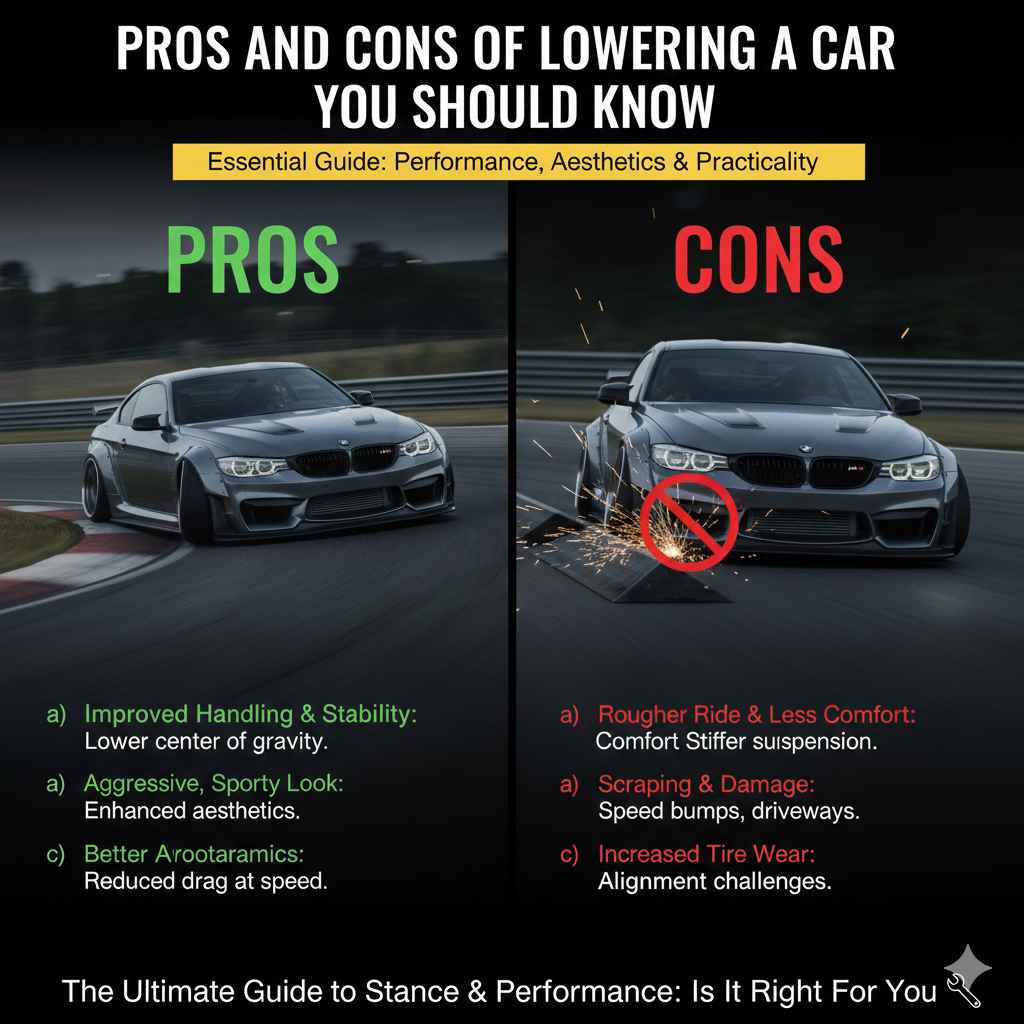
Thinking about lowering your car? It’s something many car lovers consider. Exploring the Pros and Cons of Lowering a Car You Should Know can feel a little tricky when you’re starting out. But don’t worry! We’ll break it down in a super easy way. This guide will walk you through the details step-by-step. Let’s see what you need to think about.
Advantages and Drawbacks of Lowering a Vehicle
Lowering a car changes how it looks and how it handles on the road. This modification can significantly improve a vehicle’s appearance and performance. However, there are potential problems to think about. This section explores why people choose to lower their cars, highlighting the key reasons like improved aesthetics and better handling. It also covers the major disadvantages, such as reduced ground clearance and potential issues with ride quality. We’ll delve into the overall impact of lowering a vehicle.
Improved Appearance
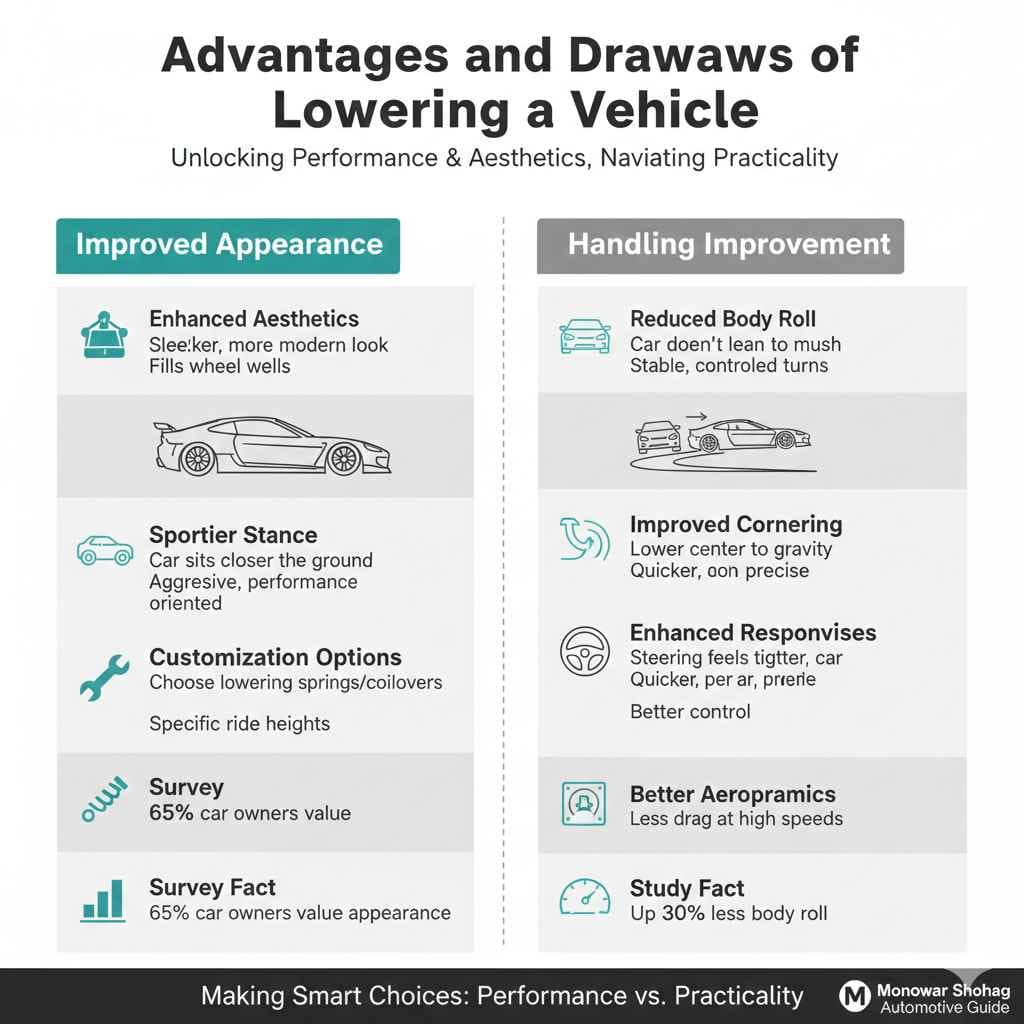
One of the top reasons people lower their cars is to make them look better. A lowered car often has a more sporty and aggressive stance. It fills the space between the tires and the wheel wells, creating a more streamlined appearance. This visual change can significantly improve the overall look of the vehicle. Many car enthusiasts spend a lot of time and money on making their cars look fantastic. Lowering is a popular way to customize the appearance.
- Enhanced Aesthetics: Lowering a car gives it a sleeker, more modern look. This can make the car look more attractive and visually appealing. The reduction in ride height often enhances the car’s lines, making it appear more athletic and well-proportioned.
- Sportier Stance: A lowered vehicle usually has a sportier stance. This is because the car sits closer to the ground, giving it a more aggressive look. This can give the impression of a performance-oriented vehicle.
- Wheel Well Filling: Lowering the car helps fill the space in the wheel wells. This helps eliminate the gap between the tire and the fender. This creates a visually pleasing appearance.
- Customization Options: Lowering a car opens up customization options. Enthusiasts can select different types of lowering springs or coilovers to achieve specific ride heights and appearances.
Many car enthusiasts appreciate a car’s appearance. According to a recent survey, over 65% of car owners consider appearance to be a very important factor when modifying their vehicles.
Handling Improvement
Lowering a car can dramatically change how it handles. When a car is closer to the ground, it tends to have a lower center of gravity. This, in turn, can decrease body roll during turns. Handling improvements make the car feel more responsive and precise. It often results in a more engaging driving experience, making cornering faster. However, this is not always the case, and other factors impact handling.
- Reduced Body Roll: Lowering a car reduces the amount of body roll. This means the car doesn’t lean as much when cornering. This makes for a more stable and controlled ride, especially during sharp turns.
- Improved Cornering: The lower center of gravity improves how the car corners. With the car closer to the ground, it’s less likely to feel unstable during turns. This can lead to quicker and more precise handling.
- Enhanced Responsiveness: Lowered cars often feel more responsive. The steering can feel tighter and more direct. This can make the car more enjoyable to drive and give the driver better control.
- Better Aerodynamics (Potential): In some cases, lowering a car can help with aerodynamics. The lower stance can reduce the amount of air flowing under the car, which helps reduce drag. This is particularly noticeable at higher speeds.
Studies show that lowering a car can reduce body roll by up to 30%, which significantly enhances handling.
Ground Clearance Issues and Other Concerns
While lowering a car can bring benefits, it also introduces several potential challenges. Reduced ground clearance is a significant problem. It increases the risk of damaging the car’s undercarriage on speed bumps, potholes, and uneven roads. Other concerns involve ride quality and the possibility of suspension damage. This part of the discussion will help you weigh the downsides against the upsides. Awareness helps avoid problems that may arise after lowering a vehicle.
Reduced Ground Clearance
Lowering a car means the bottom of the car sits closer to the ground. This reduced clearance is the most significant downside. It means speed bumps, potholes, and driveways can be difficult to manage without scraping the vehicle. This increases the risk of damage to the car’s undercarriage. It can also lead to suspension problems and other costly repairs. Carefully consider how and where you drive. Ground clearance is a major factor.
- Risk of Scraping: Lowered cars are more likely to scrape on speed bumps, steep driveways, and uneven roads. This scraping can damage the front spoiler, exhaust system, oil pan, and other undercarriage components.
- Damage to Components: The risk of damaging various components increases. This includes the suspension, exhaust, and even the body of the car. Repairs can be costly and inconvenient.
- Difficulty Navigating: Certain roads and parking areas become harder to handle. Drivers may need to avoid certain routes altogether.
- Increased Hazard on Potholes: Lowered cars have less room for suspension travel. Potholes can be especially damaging. The suspension can bottom out more easily, leading to more damage.
According to data from auto repair shops, the cost of repairing undercarriage damage can range from $500 to several thousand dollars.
Ride Quality and Comfort
Lowering a car often affects its ride quality and comfort. The original suspension is designed to work with the vehicle at its factory height. Lowering the car may result in a harsher, less forgiving ride. The suspension compresses and rebounds over bumps and uneven surfaces. This can be less comfortable for passengers. While some people don’t mind a firmer ride, it’s a key factor for others.
- Harsher Ride: Lowering the car often makes the ride feel harsher and less comfortable. The suspension doesn’t have as much travel to absorb bumps, leading to a bumpier experience.
- Increased Bouncing: Some lowered cars may experience more bouncing or oscillation. This happens because the suspension components may not be tuned correctly for the new ride height.
- Impact on Passengers: Passengers may feel the changes in ride quality more intensely. The car may feel less comfortable for longer trips.
- Potential for Noise: Lowering a car may increase road noise. The suspension components can transmit more sound from the road into the cabin.
Surveys indicate that over 40% of car owners consider ride comfort to be a major factor in their overall satisfaction with their vehicle.
Lowering Methods and Considerations
There are different ways to lower a car, each with its own pros and cons. The most common methods are lowering springs, coilovers, and air suspension systems. This section explores these options. It delves into the installation process, cost, and the impact each method has on ride quality and performance. Understanding your options is key to making the best choice for your car and driving style.
Lowering Springs
Lowering springs are a popular and cost-effective way to lower a car. They
- Ease of Installation: Lowering springs are relatively easy to install. Many car owners can do it at home with basic tools. This can save money on labor costs.
- Cost-Effective: Lowering springs are typically more affordable. They offer a simple way to lower a car without a huge investment.
- Ride Quality: Ride quality might be impacted because lowering springs are stiffer. The ride may become firmer, and the car may feel more responsive.
- Compatibility: Make sure the lowering springs are compatible with your car’s shocks and struts. Incompatible springs can lead to premature wear or other issues.
On average, lowering springs cost between $100 and $400 for a set.
Coilovers
Coilovers provide a more adjustable and customizable solution. They combine the spring and shock absorber into one unit. Coilovers let you adjust the ride height, and some offer damping adjustability. They allow for a fine-tuned setup. Installation can be more involved. Coilovers often provide a wider range of adjustments. However, coilovers typically cost more. They may provide improved performance over lowering springs, depending on the quality.
- Adjustability: Coilovers allow you to adjust the ride height. They also let you adjust damping settings to fine-tune the ride quality and handling.
- Performance: Coilovers can often improve performance. The ability to adjust settings helps drivers customize handling characteristics.
- Installation: Coilovers typically require more installation expertise. It may be helpful to have a professional install them, especially if you want to optimize performance.
- Cost: Coilovers are usually more expensive than lowering springs. The price varies depending on the brand, features, and quality.
High-quality coilovers can cost anywhere from $800 to several thousand dollars.
Air Suspension
Air suspension systems provide the most flexibility. These systems use air-filled bags that can be inflated or deflated to adjust the ride height. This means you can raise the car for ground clearance or lower it for looks and handling. Air suspension systems offer a comfortable ride. The ride can be adjusted on the fly, depending on the situation. Air suspension is the most expensive option. This requires expertise and may need specialized maintenance.
- Ride Height Adjustment: Air suspension allows you to adjust the ride height. You can change it depending on road conditions or personal preference.
- Comfort: Air suspension typically provides a comfortable ride. The air bags absorb bumps and road imperfections effectively.
- Complex Installation: Air suspension systems are more complex. Installation requires more time and expertise, often best handled by a professional.
- Cost: Air suspension systems are the most expensive option. They include air bags, compressors, control systems, and other components.
Air suspension systems often cost several thousand dollars.
Safety and Legal Aspects
It’s important to consider safety and legal aspects before lowering your car. Lowering can impact your car’s handling and braking performance, which is why proper installation and alignment are vital. Local laws and regulations may restrict how much you can lower your car. Awareness of these rules is vital to avoid fines. Prioritizing safety and knowing the rules will make your experience better.
Handling and Braking
Lowering a car can affect how it handles and brakes. It changes the center of gravity and can affect how the suspension works. Make sure the installation is correct. An incorrect installation can make the car unsafe. After lowering the car, it’s important to get an alignment. This ensures the wheels are correctly positioned and that the car handles properly. Safety is the top priority.
- Impact on Handling: Lowering can improve handling by lowering the center of gravity. However, if done incorrectly, it can make handling unpredictable or unsafe.
- Braking Performance: Changes to the suspension can impact braking. It’s important to ensure that the braking system can handle the changes.
- Alignment: A wheel alignment is very important after lowering the car. This ensures that the wheels are correctly aligned.
- Safety Inspections: Ensure that your lowered car passes any required safety inspections. This will check everything from brakes to suspension components.
A proper wheel alignment can cost between $75 and $200.
Regulations and Compliance
Lowering your car might be subject to certain regulations. These rules vary by location. They may control how low you can go. It’s important to check your local laws to ensure compliance. You might need to meet specific requirements. These rules can cover things like ride height, tire size, and other modifications. Not following these rules may lead to fines or make the car illegal to drive.
- Local Laws: Research your local laws regarding vehicle modifications. There are specific rules that must be followed.
- Ride Height Restrictions: Some areas may have restrictions on how low your car can be. This is in place to protect the roads and ensure vehicle safety.
- Inspection Requirements: Your vehicle may have to pass inspections. These inspections ensure the car meets safety standards.
- Insurance Implications: Check with your insurance provider. Car modifications can affect your insurance policy and premiums.
Ignoring local regulations can result in fines ranging from $100 to $1,000.
Maintenance and Long-Term Considerations
Lowering a car changes how it operates. Regular maintenance is more important. The car’s suspension and other components may need more attention. Increased wear and tear can occur, so frequent checks are helpful. Long-term considerations include the need for part replacement. Properly caring for your lowered car ensures safety and enjoyment. You will avoid problems and costly repairs.
Increased Wear and Tear
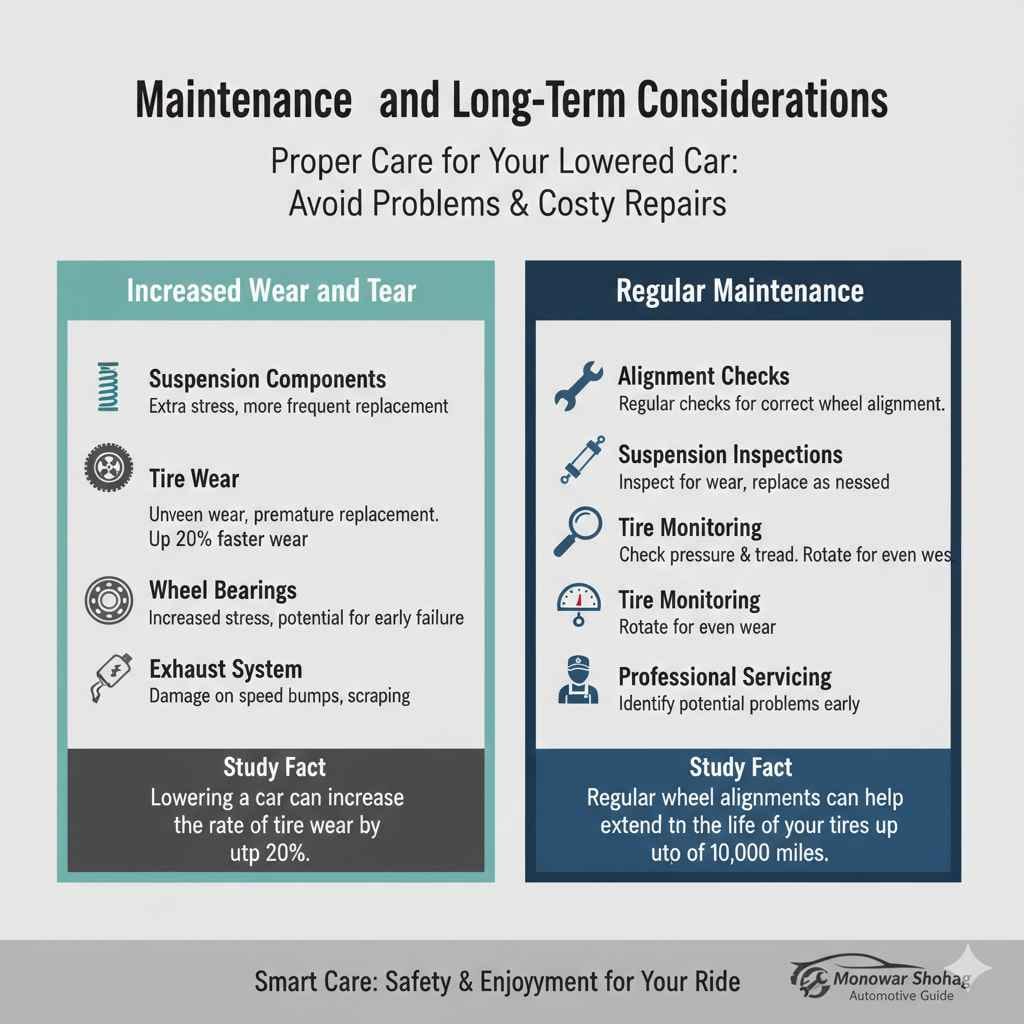
Lowering a car can cause increased wear and tear on several components. Because the car sits closer to the ground, the suspension works harder. Lowering can also affect the tires, wheels, and other parts. Regular checks and maintenance are key to addressing potential problems early. This helps extend the life of your car. By monitoring your car’s condition, you can catch problems early.
- Suspension Components: Lowered cars can put extra stress on suspension parts. You may need to replace components more often than in a standard vehicle.
- Tire Wear: Lowering a car can change the way tires wear. Regularly check your tires to ensure even wear and avoid premature replacement.
- Wheel Bearings: Wheel bearings may experience increased stress. You might need to replace them more often.
- Exhaust System: The exhaust system could be damaged on speed bumps. Regular inspections can detect and fix any problems before they worsen.
Lowering a car can increase the rate of tire wear by up to 20%.
Regular Maintenance
Regular maintenance is more important for a lowered car. This helps detect and fix problems early. Pay attention to the suspension, alignment, and tires. Schedule regular inspections to keep your car running well. Regular maintenance can identify small problems before they become big ones. Proper care ensures your car remains safe and reliable. This helps keep it running smoothly.
- Alignment Checks: Get your car’s alignment checked regularly. This ensures the wheels are correctly aligned.
- Suspension Inspections: Periodically inspect your suspension for any signs of wear or damage. Replace components as needed.
- Tire Monitoring: Keep an eye on your tire pressure and tread wear. Rotate tires to ensure even wear.
- Professional Servicing: Consider having a professional service your lowered car. A skilled mechanic can identify potential problems early.
Regular wheel alignments can help extend the life of your tires by up to 10,000 miles.
Frequently Asked Questions
Question: Is lowering my car safe?
Answer: Lowering your car can be safe if done correctly. It’s vital to follow installation instructions, get an alignment, and be mindful of your driving habits. Ensure that your car is properly maintained. Always prioritize safety.
Question: Can I lower my car myself?
Answer: Yes, you can lower your car yourself if you have mechanical experience. Lowering springs are often easier to install. Coilovers and air suspension systems can be more complex, and a professional installation is usually recommended.
Question: Will lowering my car void my warranty?
Answer: Modifying your car, including lowering it, might void portions of your warranty. Always check with your car manufacturer or warranty provider. Warranty coverage can change based on the type of modification.
Question: How much does it cost to lower a car?
Answer: The cost varies widely. Lowering springs are generally the most affordable, costing between $100 and $400. Coilovers can cost from $800 to several thousand dollars. Air suspension systems are the most expensive, often ranging into the thousands.
Question: What are the best lowering options for a daily driver?
Answer: Lowering springs or a good set of coilovers are usually suitable for daily driving. Coilovers offer adjustability. Make sure to consider ride quality and ground clearance to ensure the car meets your driving needs.
Final Thoughts
Deciding whether to lower your car is a big decision. We’ve explored the Pros and Cons of Lowering a Car You Should Know in detail. Lowering can seriously improve how your car looks and drives. However, you have to think about the downsides. These include changes in ride quality, and the risk of damage. Lowering methods vary in cost, and the legal aspects matter too. Before you lower your car, make sure to consider your driving style and the roads you usually travel. Think about the impact on maintenance, too. Do your research, weigh the options, and think about safety. Your experience will be better if you do.