
Figuring out How Do You Know If You Need New Car Tires? can seem tricky, especially if you’re new to car ownership. There’s a lot to consider, from tread depth to tire age. Don’t worry, it’s not as hard as it looks. This post will break down the signs to watch for and guide you through a straightforward, step-by-step approach to keep your car safe and your tires in good shape. Let’s get started and learn how to keep you and your passengers safe on the road!
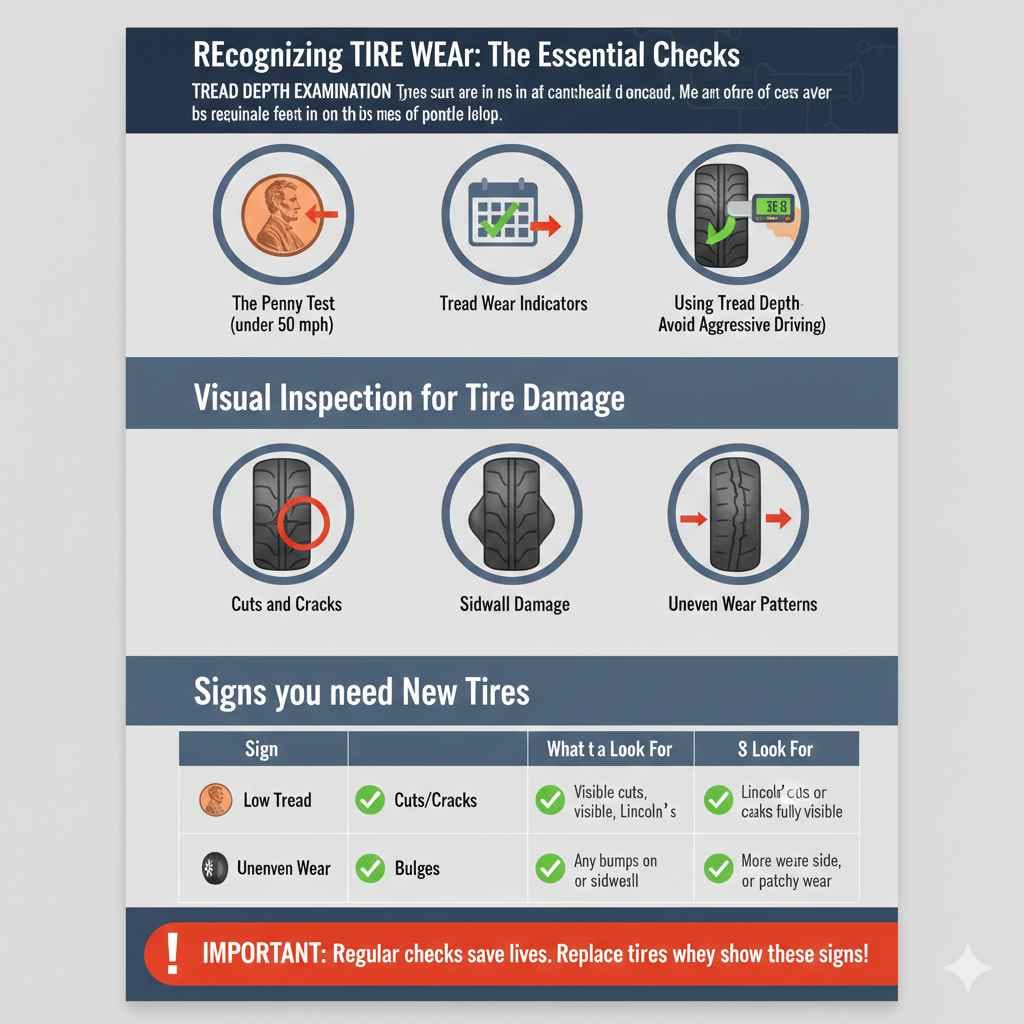
Recognizing Tire Wear: The Essential Checks
Knowing when to replace your tires is a vital part of car maintenance. It affects your safety, fuel efficiency, and overall driving experience. But how do you know if it’s time for new ones? Several easy-to-spot signs can help you determine the condition of your tires. This part covers the basics of tire health and what to look for, offering a clear path to ensure your car is ready for the road.
Tread Depth Examination
The tread depth is one of the most critical aspects of tire health. The tread is the grooved part of the tire that helps with grip and channels water away from the tire surface. A low tread depth dramatically reduces your car’s ability to stop quickly, especially on wet roads. You can easily check the tread depth using a simple tool or a method.
- The Penny Test: Place a penny, with Lincoln’s head facing down, into one of the tire’s tread grooves. If you can see the top of Lincoln’s head, your tread is less than 2/32 of an inch, and you need new tires. This is a quick and easy visual check you can do anywhere.
- Tread Wear Indicators: Most tires have built-in tread wear indicators. These are small bars of rubber that appear in the grooves when the tread wears down to the minimum safe level. When the tread is even with these bars, it’s time for new tires.
- Using a Tread Depth Gauge: A tread depth gauge provides a more precise measurement of your tire’s tread. They are inexpensive and can be found at any auto parts store. Measure the tread in several places across the tire for an accurate reading.
Remember that the legal minimum tread depth is 2/32 of an inch in most places. However, experts often recommend replacing tires before they reach this point, especially if you live in an area with a lot of rain or snow. Regular tread checks are one of the most proactive steps you can take to maintain tire safety.
Visual Inspection for Tire Damage
Beyond tread depth, a visual inspection of your tires can reveal other issues that require attention. Cuts, bulges, and sidewall damage can severely compromise a tire’s integrity, making it dangerous to drive on. A quick look around your tires before you drive can catch problems before they become serious.
- Cuts and Cracks: Carefully examine the tire’s surface and sidewalls for any cuts, cracks, or bulges. These can be caused by impacts with curbs, potholes, or sharp objects. Any significant cuts or bulges mean the tire is at risk of a blowout.
- Sidewall Damage: The sidewalls of your tires are particularly vulnerable. Look for any signs of damage like abrasions, bulges, or cuts. Sidewall damage often indicates that the tire has been hit or scraped, which can weaken its structure.
- Uneven Wear Patterns: Inspect the tire’s surface for any unusual wear patterns. These can be a sign of alignment issues, incorrect tire pressure, or mechanical problems with your vehicle. Uneven wear means the tire is wearing out faster in certain spots.
Regularly checking your tires for visible damage is a crucial step in ensuring your safety. Damage can lead to sudden tire failure, causing accidents. Don’t hesitate to consult a tire professional if you notice any concerning issues. They can determine if the damage is severe enough to warrant tire replacement.
Understanding Tire Age and Performance Decline
Tires don’t last forever, even if they have plenty of tread. The rubber compounds in tires degrade over time due to exposure to sunlight, heat, and ozone. This process, called aging, can lead to cracks, reduced grip, and an increased risk of tire failure. Knowing the age of your tires is as critical as checking their tread depth.
Decoding Tire Manufacturing Dates
Every tire has a manufacturing date code, usually located on the sidewall. This code provides crucial information about when the tire was made. Understanding this code is one of the easiest ways to determine the tire’s age. The manufacturing date helps you make informed decisions about tire replacement.
- The Tire Identification Number (TIN): The TIN is a series of letters and numbers molded into the tire sidewall. The last four digits of the TIN represent the week and year the tire was manufactured.
- Decoding the Code: The first two numbers indicate the week of the year (1 to 52), and the last two numbers indicate the year. For example, the code “2018” means the tire was made in the 20th week of 2018. Tires older than six years old, regardless of tread wear, are often at risk and should be replaced.
- Identifying Tires Before 2000: Tires made before the year 2000 have a three-digit date code. The first two digits represent the week, and the third digit represents the year. If a triangle follows this code, it indicates a tire made in the 1990s.
Tire age is a significant factor in tire performance. Even if a tire has been stored properly, the rubber compounds degrade over time. Checking the manufacturing date is a simple step that helps you stay safe.
The Impact of Tire Aging on Performance
As tires age, their performance characteristics change. The rubber loses its flexibility and grip, increasing braking distances and reducing handling capabilities. These changes can go unnoticed by the average driver until a critical situation arises.
- Reduced Grip: Older tires may lose grip, especially on wet or icy roads. This can significantly increase the risk of skidding and loss of control.
- Increased Risk of Blowouts: The rubber in older tires becomes brittle and prone to cracking, increasing the risk of a blowout. Blowouts can happen suddenly and cause severe accidents.
- Handling and Braking Changes: Aging tires can affect your car’s handling and braking performance. You may notice longer stopping distances and reduced responsiveness when steering.
The best practice is to replace tires that are more than six years old, even if they still have sufficient tread. Regular inspection and understanding the manufacturing date can help you ensure that your tires provide optimal performance and safety.
Addressing Common Tire Problems and Solutions
Beyond regular wear and tear, other factors can lead to tire problems, including improper inflation, alignment issues, and impacts with road hazards. Addressing these problems is essential for extending your tires’ life and ensuring safe driving. Early detection and intervention can often prevent more serious issues.
The Role of Tire Inflation
Maintaining the correct tire pressure is one of the most important things you can do to keep your tires healthy and ensure safe driving. Underinflated or overinflated tires can cause numerous problems, impacting performance, fuel efficiency, and tire longevity. Understanding how tire pressure affects your car is essential.
- Correct Pressure: Check the recommended tire pressure for your car, which you can usually find on a sticker on the driver’s side doorjamb or in your owner’s manual. Use a reliable pressure gauge to check the tires when they are cold (before driving).
- Effects of Underinflation: Underinflated tires can cause uneven wear, reduce fuel efficiency, and increase the risk of tire failure. The tire’s sidewalls flex more, generating heat and accelerating wear.
- Effects of Overinflation: Overinflated tires can also cause uneven wear, reduce ride comfort, and decrease the tire’s ability to grip the road. The tire’s contact with the road is reduced, affecting handling and braking performance.
Regularly checking and adjusting your tire pressure, at least once a month and before long trips, is a simple maintenance task. Keeping the right tire pressure will maximize your tires’ lifespan and help ensure safe and efficient driving.
Alignment and Suspension Impacts
Proper wheel alignment ensures that your tires are correctly positioned concerning each other and the road surface. Misalignment can cause uneven tire wear, reduced handling, and increased fuel consumption. The suspension system also plays a significant role in tire wear and overall driving stability.
- Symptoms of Misalignment: If your car pulls to one side, the steering wheel isn’t centered, or you notice uneven tire wear, your vehicle may need an alignment. These are common signs that something is wrong.
- Alignment Benefits: Having your wheels aligned helps your tires wear evenly, improves handling, and enhances fuel efficiency. Regular alignment checks can catch issues early and prevent more severe problems.
- Suspension System: The suspension system, which includes shock absorbers, struts, and springs, affects your car’s ride and tire wear. Worn suspension components can cause uneven wear, poor handling, and increased tire stress.
Regularly inspect your tires for any unusual wear patterns and address these issues promptly. Addressing alignment and suspension problems will help your tires last longer and contribute to a safer driving experience.
Making Informed Tire Replacement Decisions
When you determine it’s time to replace your tires, a little planning can help you choose the right tires for your needs and budget. Several factors to consider include the type of tires, the specific requirements of your vehicle, and the driving conditions you typically encounter. This section will guide you through the process.
Selecting the Right Tire Type
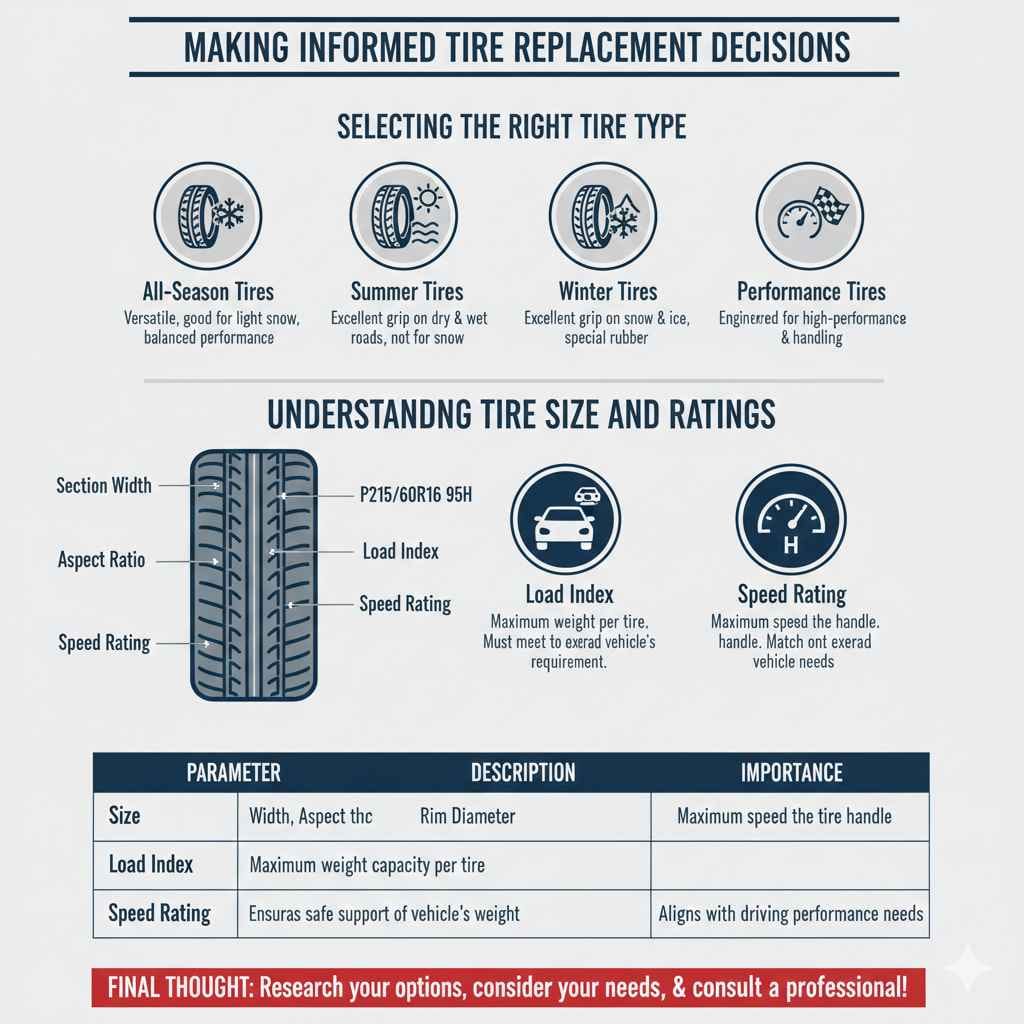
There are different types of tires, each designed for specific driving conditions and vehicle types. Choosing the right type of tire is essential for optimal performance, safety, and comfort. Understanding the different types available will help you make an informed choice.
- All-Season Tires: These are a popular choice for their versatility, offering good performance in various conditions, including light snow. They provide a balance of grip, handling, and tread life.
- Summer Tires: Designed for warm weather, summer tires provide excellent grip and handling on dry and wet roads. They are typically not suitable for driving in snow or icy conditions.
- Winter Tires: Specifically designed for cold weather and snowy conditions, winter tires have special rubber compounds and tread patterns that provide superior grip on snow and ice.
- Performance Tires: These tires are engineered for high-performance driving, providing excellent handling and grip. They are often used in sports cars and vehicles that demand high-speed performance.
Choose the tire type based on your typical driving conditions and the type of vehicle you have. You should also consider your driving habits and budget. Consult a tire professional if you are unsure which tire type best suits your needs.
Understanding Tire Size and Ratings
Knowing your tire size and understanding tire ratings is vital for selecting the right tires. Tire size determines whether the tire fits your vehicle, and tire ratings provide information on the tire’s performance capabilities. This section will cover the essential aspects of tire size and ratings.
- Reading Tire Size: Tire size information is printed on the sidewall of your tire, and it looks something like this: P215/60R16 95H. The “P” indicates a passenger tire, “215” is the section width in millimeters, “60” is the aspect ratio (height-to-width ratio), “R” means radial construction, “16” is the rim diameter in inches, “95” is the load index, and “H” is the speed rating.
- Load Index: The load index indicates the maximum weight each tire can support when properly inflated. Ensure the tires you choose have a load index equal to or greater than what your vehicle requires.
- Speed Rating: The speed rating indicates the maximum speed at which the tire can carry a load under specified conditions. Choose tires with a speed rating that meets or exceeds your vehicle’s requirements.
Make sure you select the correct tire size and ratings for your vehicle. Using incorrect tires can affect handling, performance, and safety. Always consult your owner’s manual or a tire professional when choosing new tires.
| Tire Parameter | Description | Importance |
|---|---|---|
| Size | Width, Aspect Ratio, Rim Diameter | Ensures fit to the vehicle and affects handling. |
| Load Index | Maximum weight capacity per tire. | Ensures the tire can safely support the vehicle’s weight. |
| Speed Rating | Maximum speed the tire can handle. | Ensures the tire’s performance capabilities align with driving needs. |
Frequently Asked Questions
Question: How often should I check my tire pressure?
Answer: Check your tire pressure at least once a month and before any long road trips.
Question: What is the penny test?
Answer: The penny test is a quick way to check your tire tread. Place a penny with Lincoln’s head down into the tread. If you can see the top of Lincoln’s head, you need new tires.
Question: How do I find my tire size?
Answer: Your tire size is printed on the sidewall of your tire. It looks like a series of numbers and letters, such as P215/60R16.
Question: What do the numbers in the manufacturing date code mean?
Answer: The last four digits of the Tire Identification Number (TIN) represent the manufacturing date. The first two digits indicate the week of the year, and the last two digits indicate the year the tire was made.
Question: What is the speed rating of a tire?
Answer: The speed rating is a letter that indicates the maximum speed the tire can safely handle under specified conditions.
Final Thoughts
Keeping an eye on your tires is essential for safe driving. By recognizing the telltale signs of wear, understanding tire age, and addressing common problems like improper inflation, you can extend your tires’ life and avoid dangerous situations. Remember to check your tread depth regularly, inspect your tires for damage, and pay attention to their age. Make sure your tires are properly inflated and aligned. With a little care, you can ensure that your tires are ready for the road. Regular checkups and quick actions can help prevent accidents and keep you and your passengers safe. Staying informed is the best way to maintain your tires and enjoy a smoother, safer driving experience.