
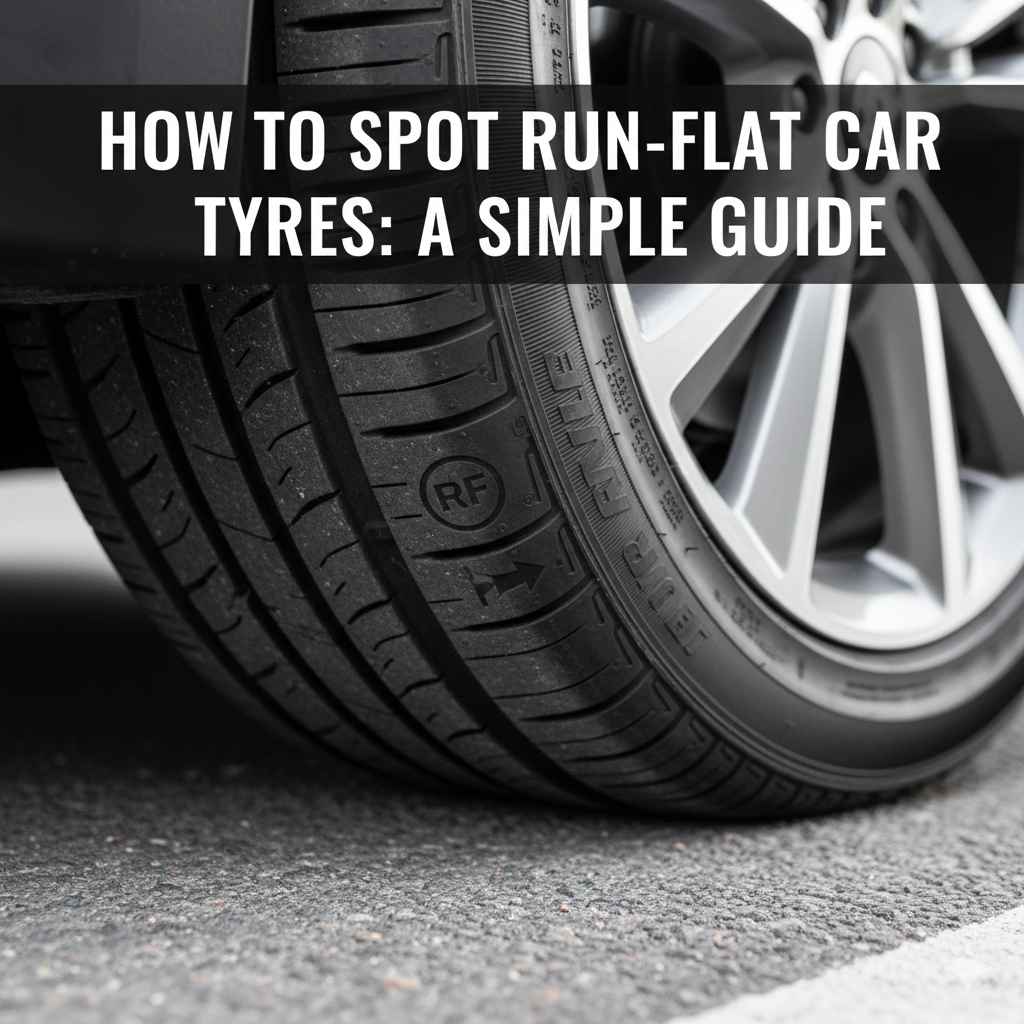
Figuring out How Do You Know If Car Tyres Are Run-Flat? can be tricky, especially if you’re new to car maintenance. Run-flat tyres have some special features that aren’t obvious at first glance, and knowing what to look for can save you a lot of hassle. Don’t worry, it’s not as complicated as it seems. This guide will walk you through the simple steps, so you can easily identify them. Let’s get started and learn how to recognize these special tyres.
What Are Run-Flat Tyres and Why They Matter
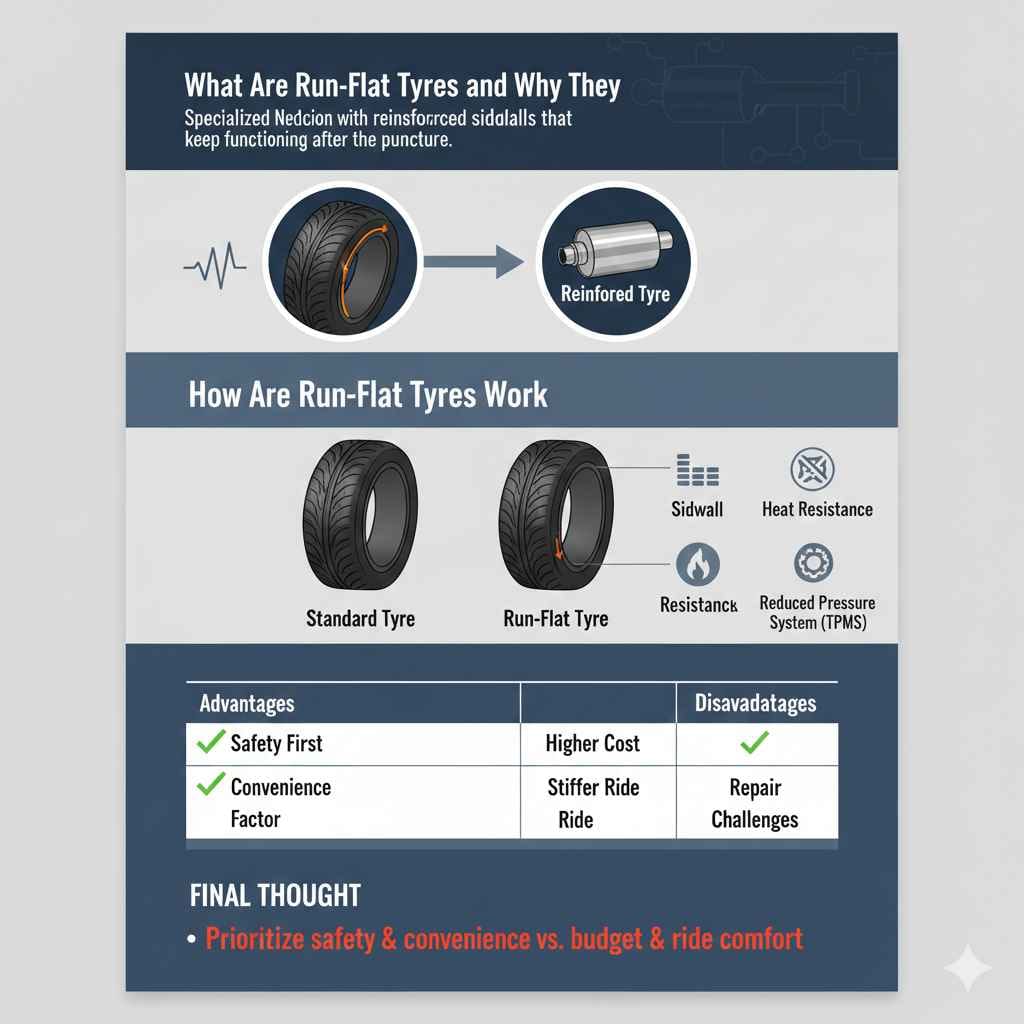
Run-flat tyres (RFTs) are a special type of tyre built to keep functioning, even after a puncture or loss of air pressure. Unlike standard tyres, RFTs have reinforced sidewalls that support the vehicle’s weight. This allows the driver to continue driving for a limited distance and at a reduced speed, usually around 50 miles (80 km) at 50 mph (80 km/h), after a puncture. This feature provides a significant safety advantage by allowing drivers to reach a safe place to repair or replace the tyre, avoiding the immediate need to change a tyre on a busy road or in a hazardous area. It also eliminates the need for a spare tyre, saving space and weight.
How Run-Flat Tyres Work
The core of a run-flat tyre’s operation lies in its construction. Unlike standard tyres that rely on air pressure to maintain their shape and support the vehicle’s weight, run-flat tyres have significantly reinforced sidewalls. These sidewalls are made from a harder rubber compound or incorporate inserts that resist deformation. When a standard tyre loses air, the sidewalls collapse, making the tyre unstable and difficult to control. However, the reinforced sidewalls of a run-flat tyre maintain their structure, allowing the tyre to continue supporting the vehicle’s weight even without air pressure.
- Sidewall Reinforcement: The key is the reinforced sidewalls, offering support when air pressure drops. They are thicker and made of tougher rubber to maintain shape.
- Special Construction: Run-flat tyres use unique materials and designs to handle the heat generated during a loss of pressure. This prevents them from breaking apart.
- Heat Resistance: When deflated, tyres generate extra heat. Run-flats are designed to dissipate this heat efficiently, ensuring they don’t fail immediately.
- Reduced Pressure Warning System (TPMS): Most vehicles with run-flat tyres have a TPMS to alert the driver of pressure loss. This is essential, since you might not easily see a flat.
Run-flat tyres also feature specialized rubber compounds designed to withstand the heat generated when running on low or no air pressure. When a tyre is deflated, the friction between the tyre and the road increases dramatically, creating excessive heat. Without the ability to dissipate this heat effectively, the tyre could break apart, leading to a dangerous situation. The special rubber compounds in run-flat tyres are engineered to handle these higher temperatures, allowing the tyre to function for a limited time.
Advantages and Disadvantages of Run-Flat Tyres
Run-flat tyres offer several benefits, but also some drawbacks. They offer a safer driving experience after a puncture, as you can maintain control of the vehicle and drive to a safe location. They eliminate the need for a spare tyre, reducing vehicle weight and increasing storage space. On the downside, run-flat tyres can be more expensive than standard tyres. Also, they can sometimes provide a firmer ride due to their reinforced construction. Replacing them requires specific tools and knowledge, and not all repair shops can service them. It is important to weigh the pros and cons before making a decision.
- Safety First: The ability to drive after a puncture is a major safety benefit, allowing you to avoid dangerous roadside tyre changes.
- Convenience Factor: No more roadside tyre changes, giving you peace of mind on long journeys.
- Space Savers: Run-flats remove the need for a spare tyre, freeing up valuable trunk space.
- Higher Cost: Often, run-flat tyres cost more to purchase and replace than standard tyres.
- Stiffer Ride: Due to their reinforced sidewalls, they might offer a firmer driving experience.
- Repair Challenges: Some repair shops do not repair run-flat tyres, requiring you to replace them.
Choosing between run-flat and standard tyres involves trade-offs. The key is to consider your priorities: safety, convenience, budget, and driving comfort. Many drivers value the added safety and convenience of run-flats, especially those who frequently travel long distances or live in areas with poor road conditions. Others find the cost and ride quality drawbacks unacceptable. The best decision depends on individual needs and preferences.
Identifying Run-Flat Tyres Visually
The easiest way to determine How Do You Know If Car Tyres Are Run-Flat? is to look closely at the tyre itself. Run-flat tyres often have specific markings on the sidewall. These markings, combined with a visual inspection, can help you quickly identify them. Even if you are not very familiar with car tyres, these methods are simple and quick to use. Many drivers will never have had to learn these things, but it’s worth the knowledge.
Tyre Sidewall Markings
Manufacturers use different symbols to indicate run-flat tyres, so you need to look for specific markings on the sidewall. These symbols will be near the tyre size and other data. If you are unsure, consult your car’s owner’s manual or contact the tyre manufacturer. Always check each tyre individually to confirm.
- Run-Flat Symbols: The most common symbol is “RFT” (Run-Flat Tyre), which is easily identifiable. Other symbols include “SSR” (Self-Supporting Run-Flat), “ZP” (Zero Pressure), and “DSST” (Dunlop Self-Supporting Tyre).
- Manufacturer Logos: Some manufacturers, like Michelin (with their ZP tyres) and Pirelli (with their Run Flat System tyres), use their brand logo or specific model names to identify run-flat tyres.
- Tyre Size and Specifications: Run-flat tyres have standard tyre size information like width, aspect ratio, and rim diameter, which can help in your search.
These markings can be found on the sidewall of the tyre. They often appear alongside other important tyre specifications, such as tyre size, speed rating, and load index. The placement of these markings can vary slightly depending on the tyre manufacturer, but they are usually located in a prominent spot for easy identification. Familiarizing yourself with these symbols is essential for correctly identifying run-flat tyres.
Visual Inspection of the Sidewalls
Beyond the markings, there are a few visual clues that can help you identify run-flat tyres. Examine the sidewalls for any unique design features. A standard tyre may also show signs of wear or damage, indicating a need for replacement or repair.
- Reinforced Sidewalls: Look for thicker sidewalls compared to standard tyres. Run-flat tyres have reinforced sidewalls that help support the vehicle’s weight.
- Run-Flat Tyre Inserts: Some run-flat tyres have visible inserts near the rim. These inserts provide additional support.
- Tyre Condition: Check the tyre for any bulges, cuts, or uneven wear that might indicate a problem.
- Tread Pattern: While the tread pattern is not a direct indicator, run-flat tyres usually have different tread patterns.
The sidewalls of run-flat tyres often look different. They might appear more robust. You might see a wider profile or a more substantial overall appearance. These characteristics result from the special construction that allows them to support the vehicle’s weight even with a loss of air pressure. Look closely at the sidewalls and compare them to any other tyres you might have. It can also be very helpful to look at the tyres of other vehicles.
Checking Your Vehicle’s Documentation
Another reliable way to determine How Do You Know If Car Tyres Are Run-Flat? is to check your car’s documents. These sources can provide definitive information on your vehicle’s tyre specifications, including whether it came equipped with run-flat tyres from the factory. This method is especially helpful if the tyre markings are unclear or the tyres are worn. You have a few options to discover the specific information about your vehicle’s tyres.
Owner’s Manual as a Guide
Your vehicle’s owner’s manual is an excellent starting point. The manual contains detailed information about your vehicle’s specifications, including the recommended tyre type. The manual will often list the specific type of tyres your vehicle should use. Reading through the tyre section will help you confirm whether your car originally came with run-flat tyres.
- Tyre Section: Search for the “Tyres” or “Wheels and Tyres” section of your manual.
- Factory Specifications: The manual typically includes details about the original tyres installed by the manufacturer.
- Run-Flat Tyre Identification: The manual may explicitly state if run-flat tyres were included. If they were, they will provide the correct symbols or brand names.
The owner’s manual provides essential details. It is a key tool in understanding your vehicle’s components. It’s also very important to check this documentation if you have purchased your car used, as someone may have switched out the tyres for standard ones without your knowledge.
Checking the Vehicle Information Label
The vehicle information label, often found on the door jamb, can provide another way to identify the tyres your vehicle uses. This label lists various details, including the tyre size and recommended tyre pressure. This label may include information about run-flat tyres if the vehicle was originally equipped with them.
- Door Jamb Label: The vehicle information label is often located on the driver’s side door jamb.
- Tyre Specifications: The label lists the original tyre size and pressure.
- Run-Flat Indicator: Some labels may specify if the vehicle was factory-equipped with run-flat tyres.
This label provides quick access to vital information. This information is typically printed directly on the label. This makes it an easy reference. Always check the label when changing or inspecting your tyres. The label ensures that you get the correct size tyres with the right amount of air.
Consulting a Tyre Professional or Dealer
If you are still unsure, consulting a tyre professional or your vehicle’s dealer is an excellent way to get accurate information. They have access to specific vehicle data. They can quickly confirm whether your car is equipped with run-flat tyres. They also have the knowledge to examine your tyres and verify their type.
- Tyre Shop Inspection: A tyre shop can physically inspect your tyres and advise you on the type.
- Vehicle History Check: The dealer can access your vehicle’s service history.
- Expert Advice: They can provide professional advice and answer any questions about tyres.
Tyre professionals and dealers can provide precise guidance. They can help you in determining whether you have run-flat tyres, the correct type for your vehicle, and any special considerations you need to be aware of. Their knowledge and expertise will ensure that your tyres are safe and suitable for your vehicle.
What to Do if You Have Run-Flat Tyres
If you have identified run-flat tyres, it’s vital to know how to handle them properly. Run-flat tyres have unique characteristics, and knowing what to do in different situations is essential. The right handling can ensure safety and maintain the performance of your tyres. Here’s what you should know after discovering How Do You Know If Car Tyres Are Run-Flat?
Driving After a Puncture
Run-flat tyres allow you to continue driving after a puncture, but there are specific guidelines you must follow. It is very important to adhere to these rules for safety. If you have a tyre issue, there are things you can do to address the situation.
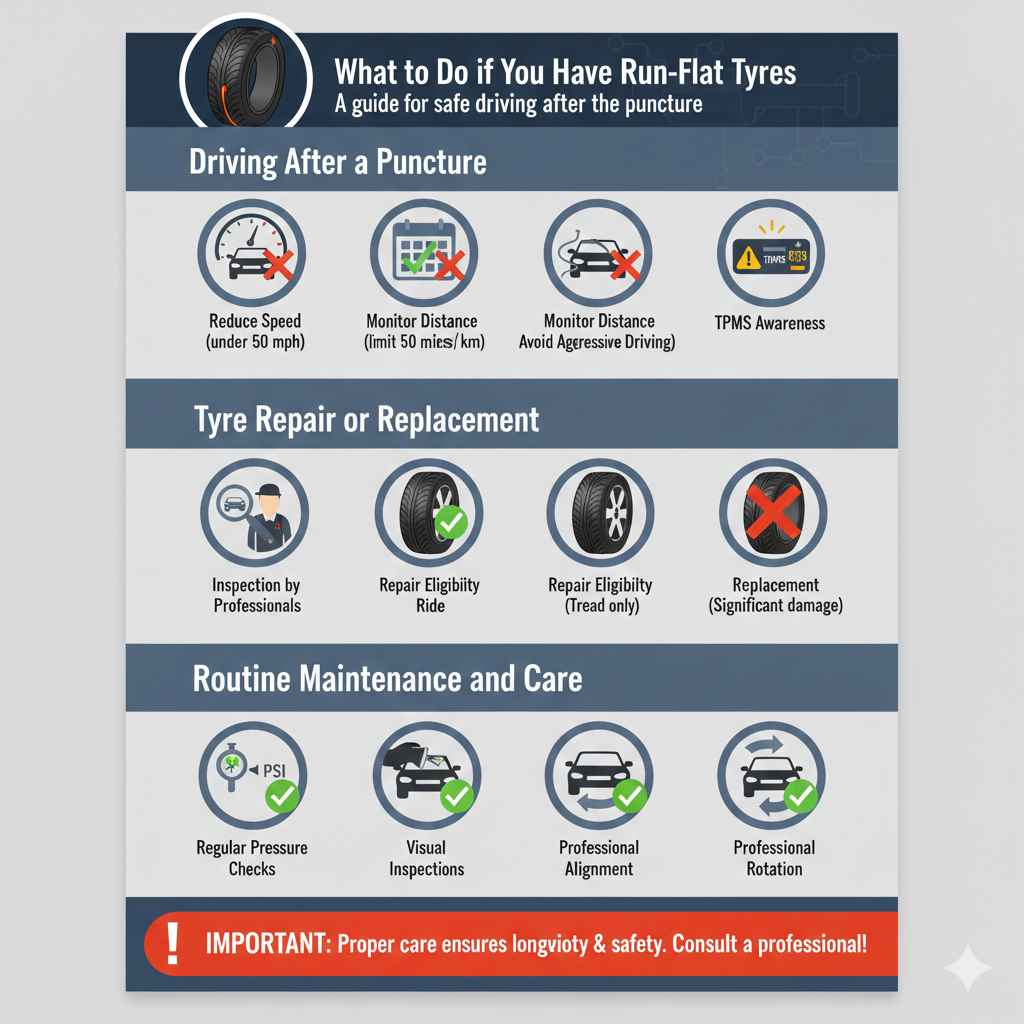
- Reduce Speed: Immediately reduce your speed to under 50 mph (80 km/h). This helps to minimize the stress on the damaged tyre.
- Monitor Distance: Limit your driving distance to about 50 miles (80 km). The tyres can only handle a limited distance.
- Avoid Aggressive Driving: Steer clear of harsh acceleration, braking, or sharp turns.
- TPMS Awareness: If your vehicle has a TPMS, pay close attention to the alerts.
Driving with a flat tyre is different than driving with a fully inflated tyre. Be ready for a potential change in steering. It is important to drive safely and to avoid any actions that will put further stress on the tyres. The goal is to reach a safe place to stop or replace the tyres.
Tyre Repair or Replacement
After driving on a run-flat tyre after a puncture, you will need to determine whether the tyre can be repaired or if it needs to be replaced. Proper assessment of the damage is necessary. The rules are very different from the standard tyres.
- Inspection by Professionals: Always have a tyre professional inspect the tyre. Not all run-flat tyres can be repaired.
- Repair Eligibility: If the puncture is small and within the tread area, the tyre may be repaired. Repairing the sidewall is usually not an option.
- Replacement: If the damage is significant, or the tyre has been driven on while flat for too long, replacement is required.
Run-flat tyres often cannot be repaired. It depends on the location and severity of the puncture. A tyre professional will assess the damage. They’ll tell you whether the tyre can be fixed or if you need to replace it. Never attempt a repair yourself if you are unsure.
Routine Maintenance and Care
Proper maintenance of run-flat tyres is essential to ensure their longevity and safety. Follow these guidelines to maintain your run-flat tyres in good shape. Like any tyres, run-flats require regular attention. This will help them perform as expected and avoid problems.
- Regular Pressure Checks: Check the tyre pressure regularly, as directed by your car’s manual. Maintain the correct pressure to optimize performance.
- Visual Inspections: Regularly inspect your tyres for wear and any damage, such as cuts or bulges.
- Professional Alignment: Get your tyres professionally aligned to prevent uneven wear.
- Professional Rotation: Rotate your tyres regularly to promote even wear.
Regular maintenance will help you get the most out of your run-flat tyres. This includes checking for proper inflation and for any damage, such as cuts or bulges. Make sure your vehicle is properly aligned. Following this routine helps keep your tyres in good condition. The right care helps to maximize their performance.
Frequently Asked Questions
Question: What’s the main difference between run-flat tyres and standard tyres?
Answer: Run-flat tyres have reinforced sidewalls that support the weight of the vehicle even when they lose air pressure, allowing you to continue driving for a limited distance. Standard tyres collapse when they lose pressure.
Question: How can I tell if my tyres are run-flats just by looking at them?
Answer: Look for “RFT,” “SSR,” or other run-flat symbols on the sidewall. Also, run-flat tyres usually have thicker sidewalls than normal tyres.
Question: Can run-flat tyres be repaired?
Answer: Sometimes, if the puncture is in the tread area and is not too large, a run-flat tyre can be repaired. However, a tyre professional needs to inspect the tyre to determine the best course of action.
Question: Do I need a TPMS with run-flat tyres?
Answer: Yes, because you might not notice a flat tyre, a Tyre Pressure Monitoring System (TPMS) is very important for vehicles with run-flat tyres.
Question: How far can I drive on a run-flat tyre after it’s punctured?
Answer: You should limit your driving to approximately 50 miles (80 km) at a speed not exceeding 50 mph (80 km/h) to avoid further damage.
Final Thoughts
So, you’ve explored How Do You Know If Car Tyres Are Run-Flat?, and you’re now equipped to identify these tyres and understand their unique features. You’ve learned how to spot run-flat tyres by looking for the telltale markings and physical characteristics, and you’ve learned to check your vehicle’s documentation to confirm their presence. Furthermore, you now know the driving guidelines to follow in case of a puncture. Remember to reduce your speed, limit your distance, and seek professional assessment. With this new knowledge, you are better prepared to handle tyre-related issues. Now you can hit the road with more confidence.