
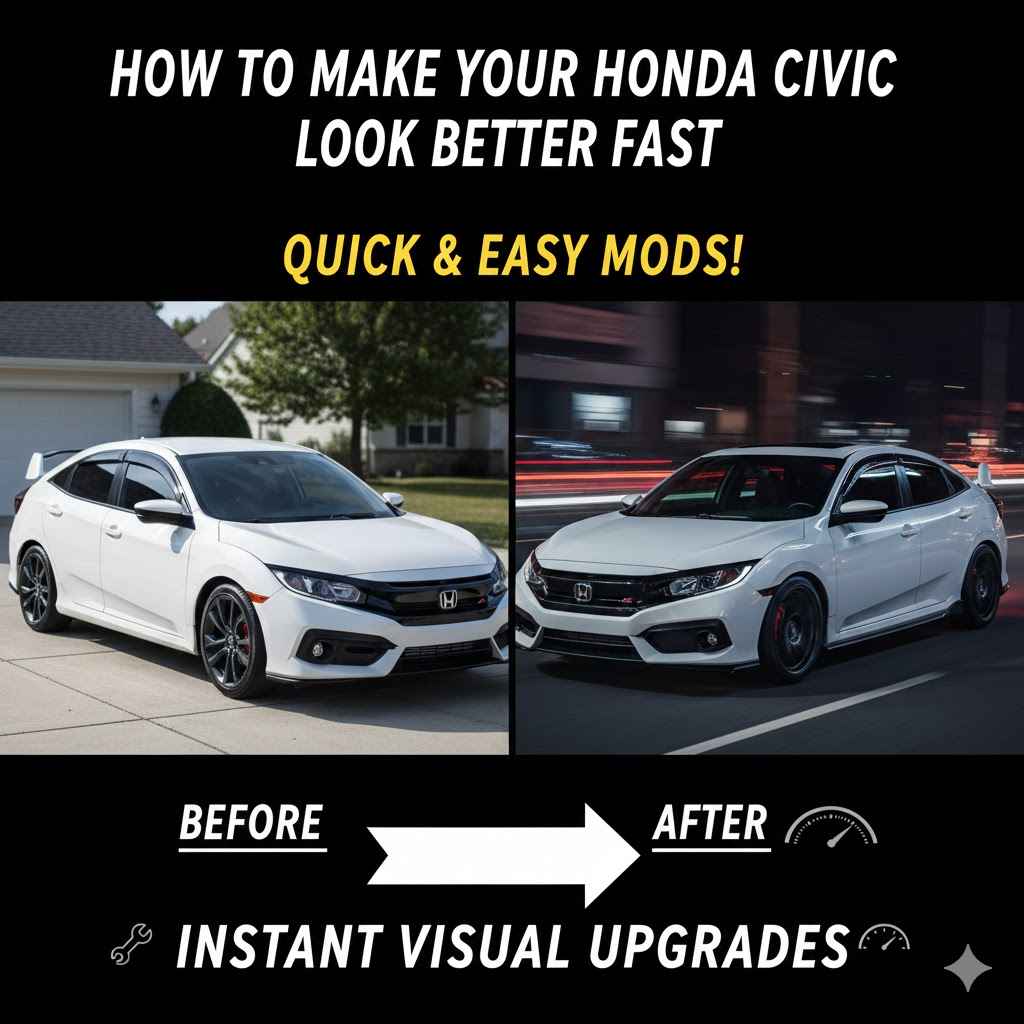
Figuring out How to Make Your Honda Civic Look Better Fast can feel tricky when you’re just starting out. There are so many ideas, and it’s hard to know what will actually make a difference without costing too much time or money. But don’t worry! This guide will walk you through simple steps. We’ll show you easy ways to give your Civic a fresh, new look that you’ll love.
Quick Civic Style Upgrades
Giving your Honda Civic a stylish refresh doesn’t have to take ages. These quick upgrades focus on impactful changes that are easy for anyone to do. We’ll cover simple exterior tweaks and interior touches that make a big difference. You’ll be surprised how fast you can transform your car’s look.
Exterior Enhancements for a Fresh Look
Making your Civic look better starts with its outside. A few simple changes can give it a much sportier or more refined appearance. Think about cleaning, polishing, and adding small visual accents.
- Deep Cleaning and Detailing
A spotless car always looks better. Start with a thorough wash and wax. Use a good quality car shampoo and a soft microfiber cloth. Don’t forget to clean the wheels and tires thoroughly. A clay bar treatment can remove embedded dirt and grime, leaving the paint incredibly smooth. This is often overlooked but makes a huge difference.
- Tire Shine and Trim Restoration
Don’t underestimate the power of well-maintained tires. A good tire shine product can make your tires look brand new, adding a glossy finish. For faded plastic trim around the windows or bumpers, use a trim restorer. This brings back the deep black color and protects the plastic from further sun damage.
- Window Tinting for a Sleek Profile
Tinted windows give almost any car a more aggressive and sophisticated look. They also help reduce heat inside the car and protect your interior from UV rays. Check your local laws regarding the legal tint percentages for your windows. Professional installation ensures a smooth, bubble-free finish.
- Upgrading Exterior Lighting
Clear, bright headlights make a big impact. Consider replacing old, yellowed headlight bulbs with new ones. Some people opt for LED or HID bulb upgrades for a modern, brighter light. Even replacing your license plate bulbs with bright white LEDs can add a subtle, clean touch.
Interior Comfort and Style Updates
The inside of your Civic is where you spend most of your time. Making it a more pleasant and stylish space can greatly improve your driving experience. Focus on cleanliness, comfort, and small, personalized touches.
- Interior Cleaning and Organization
Just like the outside, a clean interior is key. Vacuum all the carpets and seats. Wipe down all the dashboard surfaces, door panels, and consoles with an interior cleaner. Remove any clutter and consider using car organizers for your glove box or trunk. A tidy car feels more luxurious.
- Seat Covers or Upgraded Floor Mats
If your seats are worn or not the color you prefer, good quality seat covers can totally change the interior feel. Many options are available, from sporty racing styles to comfortable fabric. Similarly, replacing old, worn-out floor mats with new, all-weather mats or stylish carpet mats can make a big difference.
- Steering Wheel Cover and Shift Knob Upgrade
Your steering wheel and gear shift are touched constantly. A new steering wheel cover can improve grip and add a touch of style, especially if the original is worn. Upgrading the shift knob to a heavier, more ergonomically designed one can also enhance the driving feel and interior look.
- Adding Ambient Lighting or Accents
Subtle interior lighting can add a premium feel. Many affordable LED strip kits can be installed under the dashboard or seats. These can be set to various colors or even change with your music. Small chrome or carbon fiber trim pieces can also add a sporty touch to the dashboard or door panels.
Wheels and Tires Making a Difference
The wheels and tires are arguably the most important part of a car’s exterior styling. They are the foundation of its look and can dramatically alter its stance and personality. Even minor changes here can have a massive impact on How to Make Your Honda Civic Look Better Fast.
Choosing the Right Wheels
Wheels come in countless styles, sizes, and finishes. The right set can make your Civic look aggressive, elegant, or unique. It’s important to consider both aesthetics and practicality.
- Wheel Size and Offset
Wheel size is measured in inches, referring to the diameter. Larger wheels can give a more imposing presence but can also lead to a harsher ride if not paired with appropriate tires. The offset of a wheel refers to how it sits in relation to the hub. Proper offset ensures the wheels sit flush with the fenders or have a slight, attractive stance without rubbing. Incorrect offset can cause suspension issues or cosmetic problems.
- Wheel Design and Finish
From classic five-spoke designs to intricate mesh patterns, the style of the wheel is personal. Finishes range from bright chrome and polished aluminum to matte black, gunmetal, and even custom colors. A popular choice for a sporty look is a darker, matte finish. For a more luxurious feel, polished or chrome wheels might be preferred.
- Material and Weight Considerations
Most common car wheels are made from aluminum alloy. This material is strong, relatively lightweight, and can be molded into complex designs. For performance-oriented vehicles, lighter forged aluminum or even magnesium wheels are available, though they are significantly more expensive. Lighter wheels can improve acceleration and handling.
Tire Choices for Performance and Looks
Tires are not just for gripping the road; their profile and size also affect the car’s appearance. The relationship between wheel size and tire sidewall height is key to achieving a desired look.
- Tire Profile and Sidewall
The tire profile, or aspect ratio, is the height of the tire’s sidewall as a percentage of its width. A lower profile tire has a shorter sidewall, making the wheel appear larger and the car look more planted and sporty. However, low-profile tires offer less cushioning, leading to a firmer ride. A common upgrade is to go from a higher profile tire to a lower one when changing wheel sizes.
- Tire Tread Pattern and Branding
While the main job of a tire is safety and performance, some tread patterns can look more aggressive. Also, the sidewall branding and the tire manufacturer can subtly add to the car’s perceived quality. Some enthusiasts choose tires known for their performance reputation, even if the visual difference is minimal.
Case Study: The Civic Sport Upgrade
Many Honda Civic owners look to replicate the sporty aesthetic of the “Sport” trim models. This often involves changing from standard wheels to a larger, darker alloy wheel, perhaps 17 or 18 inches. They might also opt for a slightly lower profile tire, like a 215/40R17, compared to a stock 205/55R16. This combination visually lowers the car, fills the wheel wells better, and gives it a much more dynamic stance. The result is a car that looks faster and more premium, often achieved with a budget of around $800-$1500 for a full set of wheels and tires.
Aerodynamics and Exterior Accessories
Adding aerodynamic parts can not only make your Honda Civic look sportier but can also subtly improve its performance. These accessories give your car a more aggressive and finished appearance, contributing to How to Make Your Honda Civic Look Better Fast.
Front Lip Spoilers and Splitters
A front lip spoiler or splitter is an attachment that fits to the bottom of your front bumper. It’s one of the most popular and effective ways to give a car a lower, more aggressive stance.
- Purpose of Front Lips
Front lips work by directing airflow under the car more smoothly, reducing drag and increasing downforce at higher speeds. Visually, they make the car appear closer to the ground, creating a sportier profile. They are available in various materials, from durable ABS plastic to lightweight carbon fiber, and come in different styles, from subtle lip extensions to more aggressive splitters that extend further forward.
- Installation and Materials
Installation typically involves bolting or screwing the lip to the underside of the front bumper. Many aftermarket lips are designed for specific car models, ensuring a good fit. ABS plastic is a common choice for its durability and cost-effectiveness, while carbon fiber offers a premium look and weight savings but at a higher price point.
Side Skirts and Fender Flares
Side skirts run along the bottom of the car between the front and rear wheels. Fender flares extend outwards from the wheel arches. Both add visual width and aggression.
- Visual Impact of Side Skirts
Side skirts visually lower the car’s profile, making it appear more streamlined and sporty. They help to connect the front bumper to the rear bumper, creating a cohesive, aggressive look. They can also help reduce the amount of dirt and road spray kicked up by the tires.
- Fender Flares for a Wider Stance
Fender flares add width to the car, giving it a more muscular and rally-inspired appearance. They are particularly popular for off-road builds but can also be used on street cars to accommodate wider wheels or simply for aesthetic effect. Some flares are bolt-on, giving a more rugged look, while others are designed to be molded into the bodywork for a cleaner finish.
Rear Spoilers and Diffusers
At the back of the car, spoilers and diffusers can add flair and functionality. They complete the aerodynamic package and can significantly change the car’s rear end appearance.
- The Role of Rear Spoilers
A rear spoiler is designed to create downforce, pushing the rear of the car down at speed. This improves stability and grip. Visually, spoilers add a sporty, performance-oriented look. They come in many styles, from subtle lip spoilers that sit on the trunk lid to large, aggressive wing spoilers that mount above the trunk.
- Diffusers for Enhanced Airflow
A rear diffuser is usually mounted under the rear bumper. It helps to manage the airflow exiting from under the car, smoothing it out and reducing turbulence. This can contribute to better stability. From a visual standpoint, diffusers, often with vertical fins, add a functional, race-car-like element to the rear of the car.
Sample Scenario: The Civic Track Day Look
Imagine a Honda Civic owner wanting to give their car a track-inspired look for occasional spirited drives or car meets. They might start with a black polyurethane front lip spoiler that follows the lines of the factory bumper. Then, they add subtle side skirts that are body-colored to match the car. For the rear, a small, factory-style trunk lip spoiler in black can add a touch of sportiness without being over the top. This combination enhances the car’s visual appeal significantly, making it look lower, wider, and more aggressive, all while staying relatively practical for daily driving.
Lighting and Cosmetic Details
Beyond the main body and wheels, smaller details can make a huge difference in polishing the look of your Honda Civic. These are often the finishing touches that tie everything together and contribute to the overall goal of How to Make Your Honda Civic Look Better Fast.
Headlight and Taillight Enhancements
The lighting units on a car are like its eyes and expressions. Upgrading them can drastically change the car’s front and rear appearance.
- Headlight Restoration and Upgrades
Over time, headlights can become cloudy and yellowed from UV exposure and road debris. Restoring them using a headlight restoration kit involves sanding and polishing the plastic. This makes them look clear and bright again, instantly improving the car’s face. For a more significant upgrade, consider replacing the entire headlight assembly with aftermarket versions that feature LED daytime running lights or a different projector style for the main beams.
- Taillight Tinting or Replacements
Similar to headlights, taillights can be tinted for a darker, sleeker look. This can be done with a spray tint or a vinyl film. It’s important to ensure the tint is legal in your area and doesn’t compromise light output. Aftermarket taillights with smoked lenses or unique LED patterns are also popular options that can give your Civic a distinct rear signature.
Grille Swaps and Emblems
The front grille is a prominent design element. Changing it can alter the car’s entire front-end personality.
- Aftermarket Grille Styles
Many aftermarket grilles are available for the Honda Civic, ranging from simple mesh designs to more aggressive, angular styles. A black mesh grille can give a sportier, more modern look, especially when paired with a dark exterior color. Some grilles also feature integrated lighting or distinctive chrome accents.
- Emblem Overlays or Deletes
The Honda “H” emblems are iconic, but some owners prefer to customize them. Emblem overlay kits come in various colors and finishes, allowing you to change the emblem’s appearance. For a cleaner, more minimalist look, some people opt for an emblem delete, which involves removing the emblems entirely. This often requires filling and repainting the area, but the result is a very smooth, custom appearance.
Window Deflectors and Visors
These accessories serve a practical purpose but also add a subtle styling element to the car’s profile.
- Functionality and Aesthetics
Window deflectors allow you to crack your windows open a bit for ventilation, even in light rain, without water getting inside. They also help to reduce wind noise when driving with the windows down. Visually, they add a subtle dark accent along the top edge of the windows, creating a slightly more purposeful look.
Chrome Delete and Vinyl Wrapping
For a modern, stealthy look, many enthusiasts opt for “chrome delete.” This involves covering or replacing chrome trim pieces with black vinyl.
- The “Blackout” Look
Chrome trim, like around the windows or on the grille, can sometimes look dated. Covering these parts with matte or gloss black vinyl creates a cohesive, monochromatic, or “blacked-out” appearance. This can make the car look more aggressive and premium. Full car wraps in unique colors or finishes are also an option for a dramatic transformation, though this is a more involved and costly process.
Statistics on Car Modifications
According to a 2023 survey by Auto Accessories Hub, approximately 35% of car owners in the US have made at least one exterior modification to their vehicle. Of those, wheel and tire upgrades were the most common (55%), followed by lighting modifications (40%) and body kits/spoilers (25%). This highlights the significant impact these changes have on car aesthetics.
DIY vs. Professional Installation
Deciding whether to tackle modifications yourself or hire a professional is a key consideration for How to Make Your Honda Civic Look Better Fast. Each approach has its pros and cons, affecting cost, time, and the final result.
DIY Installation Benefits and Drawbacks
Doing it yourself can save money and provide a great sense of accomplishment. However, it requires patience, the right tools, and a willingness to learn.
- Cost Savings and Learning Experience
The primary benefit of DIY is cost. You avoid labor charges, which can be substantial, especially for more complex installations like body kits or performance parts. It also offers a hands-on learning experience. You gain a better understanding of your car’s mechanics and how different parts function. Many online tutorials and forums provide detailed instructions for specific modifications.
- Time Commitment and Potential Errors
DIY projects take time. What might take a professional a few hours could take a novice a full weekend or more. Mistakes can happen. Improper installation can lead to parts not fitting correctly, damage to your car, or even safety issues. For example, incorrect wheel installation could lead to vibrations or even a wheel coming loose.
Professional Installation Advantages
Professional installers have the expertise, tools, and experience to ensure a perfect fit and finish.
- Expertise and Quality Assurance
Professionals have seen and done it all. They know the best methods for installing various parts and can anticipate potential problems. This leads to a higher quality finish, whether it’s a perfectly applied vinyl wrap or a flawlessly fitted body kit. You get peace of mind knowing the job is done right.
- Specialized Tools and Warranty
Many modifications require specialized tools that the average car owner doesn’t possess, such as hydraulic lifts, welding equipment, or advanced diagnostic tools. Professional shops have these readily available. Furthermore, many professional shops offer warranties on their labor, meaning if something goes wrong with the installation, they will fix it at no extra cost.
When to Choose Which
For simple upgrades like applying a sticker, changing floor mats, or installing a new shift knob, DIY is usually straightforward. For more complex or critical installations, like major body kit fitting, suspension work, or anything involving electrical systems, professional installation is often recommended to ensure safety and optimal results. For exterior aesthetic mods like spoilers, window tint, or simple body kit pieces, it often comes down to your comfort level with tools and your budget.
Example Scenario: Installing Window Visors
Let’s consider installing window visors. These are typically self-adhesive and clip into the window frame. For a DIYer, this is a very manageable task. The steps usually involve cleaning the window frame area thoroughly, peeling off the adhesive backing, and carefully pressing the visor into place. A professional could do this in 10-15 minutes per side, ensuring perfect alignment. For a DIYer, it might take 30-45 minutes to do all four windows, carefully lining them up. The cost savings for DIY can be significant, perhaps $50-$100 in labor on a $100-$200 set of visors.
Frequently Asked Questions
Question: What is the fastest way to make my Honda Civic look better?
Answer: The quickest ways usually involve a thorough cleaning and detailing of the exterior and interior, applying tire shine, and perhaps adding a sporty decal or a new set of floor mats. These are simple, low-cost changes that offer immediate visual improvement.
Question: Can I change the color of my Honda Civic without painting it?
Answer: Yes, you can change the color of your Honda Civic using vinyl car wraps. This is a temporary and reversible option that protects the original paint underneath and comes in a vast array of colors and finishes.
Question: How much does it typically cost to upgrade the wheels on a Honda Civic?
Answer: The cost varies greatly depending on the wheel size, material, design, and brand. Basic aftermarket alloy wheels can range from $600 to $1200 for a set of four, not including tires. More premium or performance wheels can cost significantly more.
Question: Are aftermarket spoilers legal on a Honda Civic?
Answer: Most aftermarket spoilers are legal, but it’s important to check local regulations. Some very large or excessively angled spoilers might be restricted due to safety concerns or visibility issues. Always ensure your modifications comply with your local traffic laws.
Question: What’s the best way to improve my Honda Civic’s interior without spending a lot?
Answer: Focus on deep cleaning, organizing, and adding small, impactful items. New, stylish floor mats, a comfortable seat cover, a fresh steering wheel cover, and even some ambient LED lighting can significantly enhance the interior feel and look without a large expense.
Wrap Up
You now have a clear guide on How to Make Your Honda Civic Look Better Fast. Simple cleaning, exterior accents like wheels and lighting, and interior comfort upgrades offer big visual wins. You can choose DIY for savings or professional help for perfect results. Enjoy your refreshed Civic!