How To Fix ESP On A Car Ford Focus: A Easy Fix
Generic
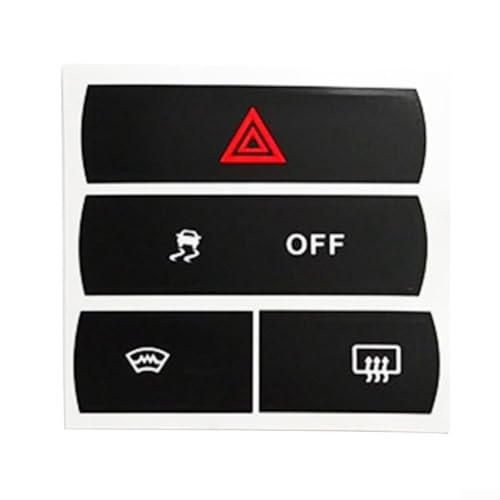
Button Repair Decal Sticker For Ford S-Max…
- 【Sticker Repair Kit】This product is a sticker repair kit designed specifically for the hazard button, defroster, and for esp butto…
- 【Enhanced Visibility】The stickers feature a black overlay with white lettering and characters, which effectively reduces the "ligh…
- 【Secure Adhesion】The stickers adhere perfectly and firmly to the control cells of your car, even reaching the edges. They are desi…
As an Amazon Associate I earn from qualifying purchases.
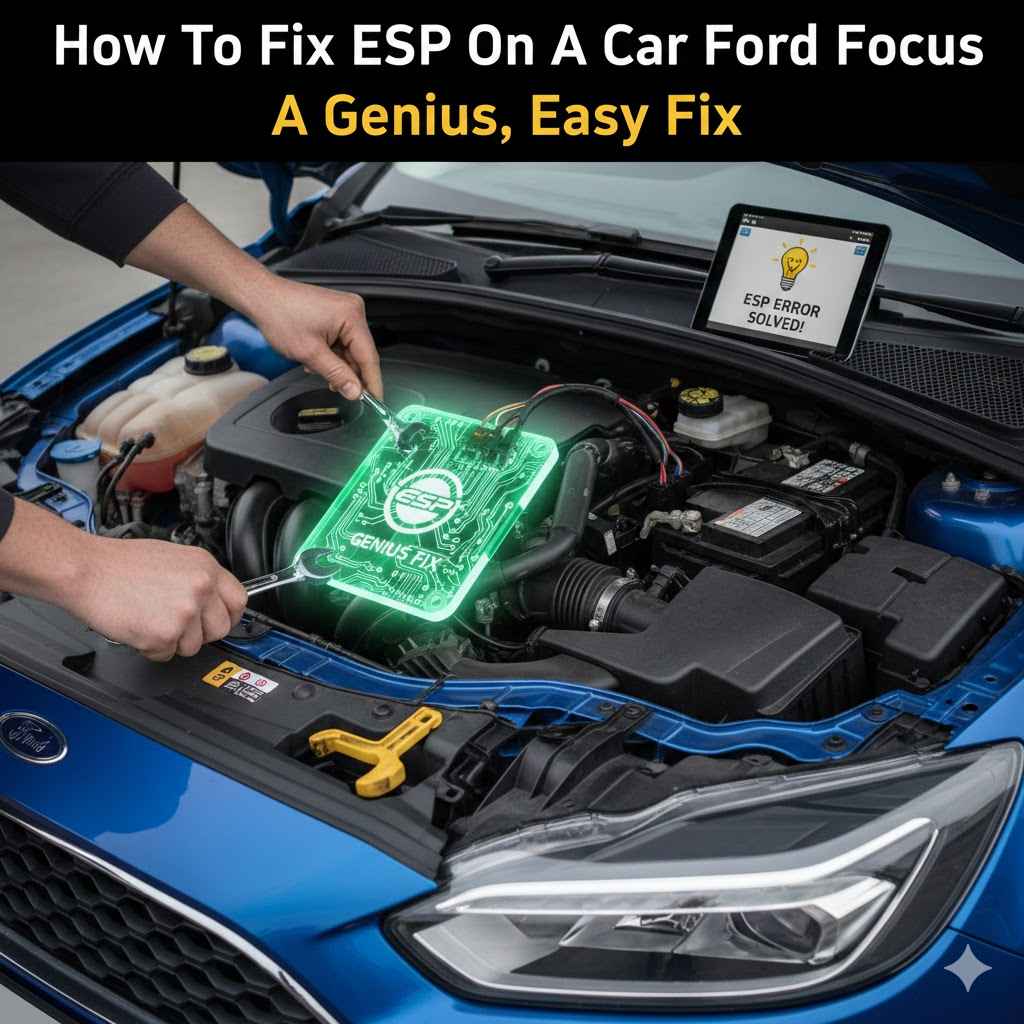
To fix the ESP on a Ford Focus, first try resetting the steering angle sensor by turning the steering wheel fully left, then fully right, and back to center. If that fails, the most common fix is replacing the faulty brake light switch located above the brake pedal, a simple and inexpensive part to change yourself.
Seeing an “ESP System Fault” warning light flash on your Ford Focus dashboard can be worrying. It sounds serious and expensive. But don’t panic! More often than not, this scary-looking warning is caused by a very small, simple issue that you can fix yourself in just a few minutes. You don’t need to be a master mechanic or have a garage full of fancy tools.
We’re here to walk you through it, step by step. This guide will show you the most common and easiest fixes for the ESP light on your Ford Focus. You’ll save money, learn a new skill, and get that peace of mind back. Let’s get your car back in top shape!
What is ESP and Why Is It So Important?
Before we dive into the fix, let’s quickly talk about what ESP is. ESP stands for Electronic Stability Program. Think of it as a smart safety feature that acts like a guardian angel, especially on slippery roads or during a sudden swerve. It helps keep your car from skidding or spinning out of control.
Your car’s computer uses a set of sensors to constantly check if your steering matches the direction the car is actually going. If it senses a mismatch (like the start of a skid), the ESP system jumps into action. It can apply the brakes to individual wheels and even reduce engine power to help you regain control.
Here’s what ESP monitors to keep you safe:
- Your steering wheel’s angle and speed.
- The speed of each individual wheel.
- The car’s rotation and sideways motion.
This system is a crucial safety feature. According to the National Highway Traffic Safety Administration (NHTSA), Electronic Stability Control significantly reduces the risk of fatal single-vehicle crashes. So, when that light comes on, it’s important to get it sorted out.
Common Reasons Your Ford Focus Shows an ESP Fault
The good news is that an ESP fault warning doesn’t always mean a catastrophic failure. The system is very sensitive, and many different things can trigger the light. Most of the common causes are surprisingly simple and cheap to fix.
Top Culprits Behind the Warning Light
Let’s look at the usual suspects, starting with the most likely and easiest to fix:
- A Faulty Brake Light Switch: This is the number one cause. This small switch tells the car’s computer when you’re pressing the brakes. If it fails, it sends confusing signals to the ESP system, triggering the fault light.
- Steering Angle Sensor Needs a Reset: Sometimes, after changing the battery or getting a wheel alignment, the steering angle sensor just needs to be recalibrated. This is a tool-free fix you can do in 60 seconds.
- A Dying or Weak Battery: Modern cars are full of electronics. Low battery voltage can cause all sorts of weird warning lights to appear, including the ESP fault.
- A Blown Fuse: The ESP system is protected by a fuse. If that fuse blows, the system will shut down and turn on the warning light.
- Faulty Wheel Speed Sensor: Each wheel has a sensor that tells the ESP system how fast it’s spinning. If one of these sensors gets dirty or fails, it will trigger the light. This is a bit more involved but still a manageable DIY job for many.
To help you narrow it down, here’s a table of common symptoms and what they might point to.
| Symptom | Possible Cause | Fix Difficulty |
|---|---|---|
| ESP light is on, but brake lights don’t work. | Faulty Brake Light Switch or Blown Fuse | Easy |
| ESP light came on after a battery change or alignment. | Steering Angle Sensor needs a reset. | Very Easy |
| ESP light and ABS light are both on. | Faulty Wheel Speed Sensor or ABS Module | Moderate to Hard |
| Car struggles to start, and ESP light is on. | Weak or Failing Car Battery | Easy |
| ESP light comes on intermittently, especially when turning. | Failing Wheel Speed Sensor or Steering Angle Sensor | Moderate |
Before You Begin: Safety First!
Even for the simplest jobs, it’s always smart to put safety first. It only takes a moment and ensures everything goes smoothly. Before you start any work, follow these simple steps:
- Park your Ford Focus on a flat, level surface. Avoid slopes or soft ground.
- Put the car in Park (for automatic) or in gear (for manual) and engage the parking brake firmly.
- Turn off the engine and remove the key from the ignition.
- If you’re working near electrical components, wearing a pair of mechanic’s gloves is a good idea.
The Genius, Easy Fix #1: Replacing the Brake Light Switch
Let’s start with the most common and simple solution. The brake light switch is a small, inexpensive part that often fails over time. When it does, it can cause the ESP warning light to appear because the stability system relies on knowing when you’re braking. Replacing it is a perfect job for a beginner.
Tools and Parts You’ll Need
- New Brake Light Switch: Make sure you get the correct part for your specific year and model of Ford Focus. You can find this at any auto parts store.
- Flashlight or Headlamp: It can be a bit dark in the driver’s footwell.
- Possibly a Small Flathead Screwdriver: You might need this to help release a clip on the electrical connector.
Step-by-Step Guide to Replacing the Switch
This process should take you less than 15 minutes. Just follow these steps carefully.
- Find the Brake Light Switch: The switch is located directly above the brake pedal arm. You’ll need to look up into the dashboard area from the driver’s side footwell. Use your flashlight to spot it. It will have a small electrical connector plugged into it.
- Disconnect the Electrical Connector: Before removing the switch, you need to unplug it. There is usually a small tab or clip you need to press down on with your thumb or a small screwdriver. Once you press the tab, gently pull the connector away from the switch. Don’t force it.
- Remove the Old Switch: Most brake light switches on a Ford Focus are held in place by a simple mechanism. You’ll typically need to rotate it about a quarter-turn counter-clockwise and then pull it straight out of its mounting bracket. It should come out easily.
- Install the New Switch: Take your new switch and insert it into the bracket. Push it in and turn it clockwise about a quarter-turn until it locks securely into place. You should feel a click.
- Reconnect the Electrical Plug: Line up the connector with the pins on the new switch and push it on firmly. You should hear it click into place, letting you know it’s secure.
- Test Your Work: Now for the moment of truth! Put the key in the ignition and start the car. The ESP warning light should now be off. To be sure, have a friend stand behind the car while you press the brake pedal to confirm that your brake lights are working correctly.
If the light is gone, congratulations! You just saved yourself a trip to the mechanic and a diagnostic fee. That’s a huge win!
Another Simple Fix #2: Resetting the Steering Angle Sensor
If the brake light switch wasn’t the issue, don’t worry. The next easiest fix is resetting the steering angle sensor. This sensor tells the ESP system which way you’re steering. Sometimes, things like disconnecting the battery, getting a wheel alignment, or even hitting a big pothole can confuse it. A simple reset is often all it needs.
How to Perform the Reset (No Tools Needed!)
This procedure is incredibly simple and takes less than a minute. You don’t even have to get out of the driver’s seat.
- Start your Ford Focus and let the engine run. Make sure your wheels are pointing straight ahead.
- Slowly turn your steering wheel all the way to the full left lock position. Hold it there for two seconds.
- Now, slowly turn the steering wheel all the way to the full right lock position. Hold it there for two seconds.
- Turn the steering wheel back to the center position so the wheels are pointing straight again.
- Turn the engine off and wait about 10 seconds.
- Start the engine again. For many Ford Focus models, this procedure resets the sensor, and the ESP light will be gone.
Checking the Basics: Fuses and Battery
If the first two fixes didn’t solve the problem, it’s time to check a couple of other basic items before considering more complex issues. Often, a simple blown fuse or a weak battery is the hidden cause of electronic gremlins.
How to Check the ESP/ABS Fuses
Your car’s electrical systems are protected by fuses. If the fuse for the ESP system blows, the system will lose power and trigger the warning light.
- Find the Fuse Box: Your Ford Focus likely has two fuse boxes. One is usually under the hood, and the other is inside the car, often behind the glove box or in the passenger footwell. Check your owner’s manual to find the exact locations.
- Identify the Correct Fuse: The inside of the fuse box cover usually has a diagram that shows what each fuse is for. Look for fuses labeled “ESP,” “ABS,” or “ESC.”
- Inspect the Fuse: Use the fuse puller tool (often included in the fuse box) or a pair of small pliers to gently pull the fuse out. Hold it up to the light. You should see a small metal strip inside. If that strip is broken or looks burnt, the fuse is blown.
- Replace if Necessary: If the fuse is blown, replace it with a new one of the exact same amperage rating. The rating is printed on top of the fuse. Using a fuse with the wrong amperage can cause serious electrical damage.
Checking Your Car Battery
A car battery that is old or weak might still have enough power to start the car, but its low voltage can confuse sensitive electronic modules like the ESP controller.
It’s hard to test a battery’s health just by looking at it. The easiest way to check is to drive to a local auto parts store. Most of them offer free battery testing services. They can tell you in a few minutes if your battery is healthy or if it’s time for a replacement.
When It’s Time to See a Professional Mechanic
You’ve tried the easy fixes, and that stubborn ESP light is still on. At this point, it’s a good idea to let a professional take a look. While it’s empowering to fix things yourself, some problems require specialized diagnostic tools and expertise.
Here are some signs that it’s time to book an appointment with a trusted mechanic:
- The ESP light remains on after you’ve replaced the brake light switch, reset the steering angle sensor, and checked the fuses and battery.
- The ABS (Anti-lock Braking System) warning light is also on. These two systems are closely related, and this could point to a faulty wheel speed sensor or the ABS control module itself.
- You notice a change in how your brakes feel or if the car pulls to one side.
- You’re just not comfortable proceeding with more advanced diagnostics. There’s no shame in knowing your limits!
This table can help you decide whether to tackle a task yourself or call in a pro.
| Task | When to DIY | When to Call a Pro |
|---|---|---|
| Replacing Brake Light Switch | Always a great first step for beginners. | If you are physically unable to access the area. |
| Resetting Steering Angle Sensor | Everyone can and should try this. It’s free and easy. | Never, it’s a simple user procedure. |
| Checking Fuses & Battery | A fundamental and easy check for any car owner. | If you’re unsure how to read the fuse diagram. |
| Diagnosing & Replacing a Wheel Speed Sensor | If you have a code reader and are comfortable lifting the car. | If you don’t have the tools or experience. |
| Diagnosing a Faulty ABS/ESP Module | This is not a DIY task for beginners. | Always. This requires specialized diagnostic equipment. |
Frequently Asked Questions (FAQ)
Is it safe to drive my Ford Focus with the ESP light on?
You can usually drive the car, but you should do so with extra caution. When the ESP light is on, the electronic stability control system is disabled. This means the car will not assist you in a skid. Drive more slowly, especially in wet or slippery conditions, and avoid sudden maneuvers until you can get it fixed.
How much does it cost to fix an ESP fault?
The cost can vary wildly. If it’s a simple fix like a brake light switch, the part might cost $10-$25, and you can do it yourself for free. A steering angle sensor reset is also free. However, if the problem is a faulty wheel speed sensor or ABS module, the repair could cost several hundred dollars at a mechanic’s shop.
Can a weak battery really cause an ESP fault?
Absolutely. Modern cars rely on a steady supply of electricity. A battery that provides low or inconsistent voltage can cause errors in various electronic systems, including the ESP. It’s one of the first things to check because it’s so common.
What is the difference between ESP and ABS?
ABS (Anti-lock Braking System) prevents your wheels from locking up during heavy braking, allowing you to maintain steering control. ESP (Electronic Stability Program) is more advanced; it uses the ABS components and adds more sensors to prevent skids and slides during cornering or swerving. They work together to keep you safe.
How do I turn off the ESP on my Ford Focus?
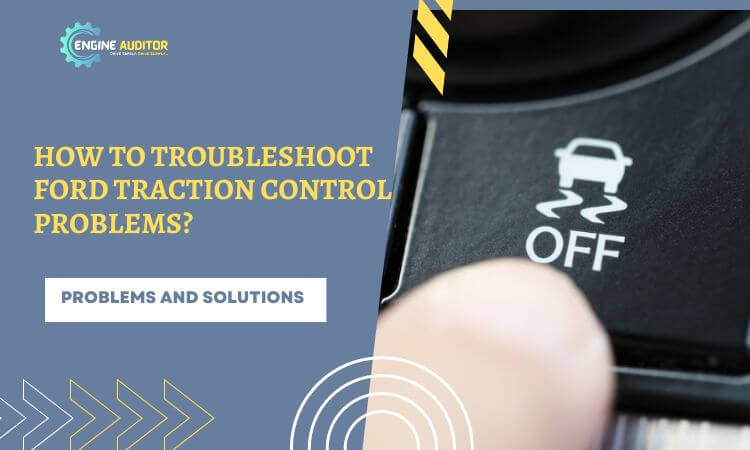
Most Ford Focus models have a button on the center console that allows you to temporarily disable the ESP system (often called traction control). Pressing it will turn the system off and illuminate a different indicator light (usually a car with squiggly lines). However, this does not fix an ESP fault. The system will typically re-engage automatically the next time you start the car.
Will disconnecting the battery reset the ESP light?
Sometimes, disconnecting the battery for about 15-20 minutes can clear fault codes from the car’s computer. However, if the underlying problem that caused the light to come on still exists (like a faulty switch), the light will just come back on again. Also, be aware that disconnecting the battery may require you to reset your steering angle sensor afterward.
Why did my ESP light come on after changing a tire?
This could be due to a few reasons. The most likely is that the wheel speed sensor or its wiring near the wheel hub was accidentally bumped or damaged during the tire change. It could also be that the new tire is a significantly different size from the others, which can confuse the ESP system.
Conclusion: You’ve Got This!
That “ESP System Fault” message on your Ford Focus dashboard can seem intimidating, but as you’ve seen, the solution is often much simpler than you think. By starting with the easiest and most common fixes—like resetting the steering angle sensor or replacing the brake light switch—you can often solve the problem yourself in minutes, with minimal cost and no trip to the garage.
Tackling a small repair like this is a fantastic way to build your confidence and get more familiar with your car. You’ve learned what the ESP system does, what can cause it to act up, and how to troubleshoot the issue logically. Even if you end up needing a mechanic for a more complex problem, you’re now a more informed car owner.
So next time a warning light pops up, take a deep breath. Remember this guide, start with the basics, and trust that you have the ability to figure it out. Happy driving!
Related pick: Check today's price on Amazon