
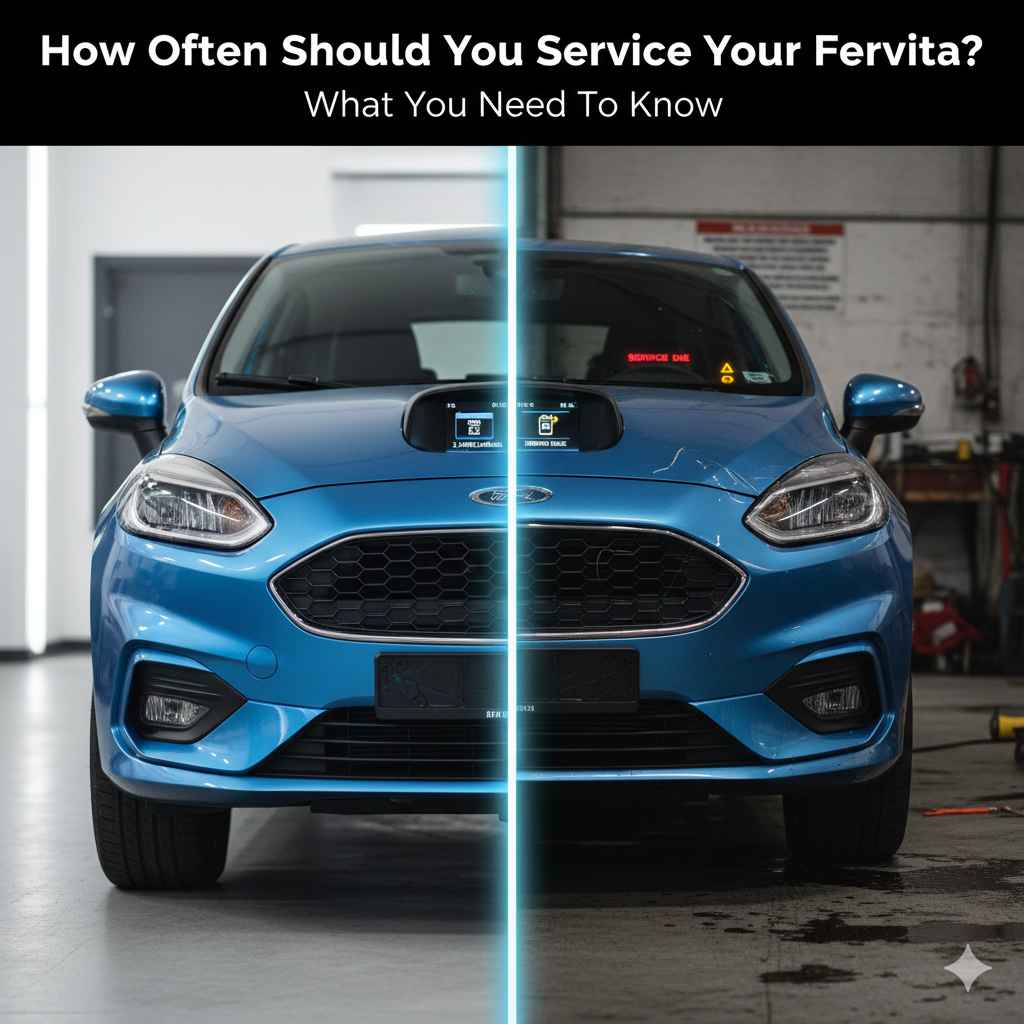
Figuring out How Often Should You Service Your Ford Fiesta? can feel tricky, especially if you’re new to car ownership. There’s a lot of advice out there, and it can be hard to know what’s really important. Don’t worry, though! We’ll break down everything in a simple way, so you know exactly when to get your car checked. We’ll explore the different service needs and how often you should handle them. Let’s get started and make car maintenance easier to grasp.
Key Maintenance for Your Ford Fiesta
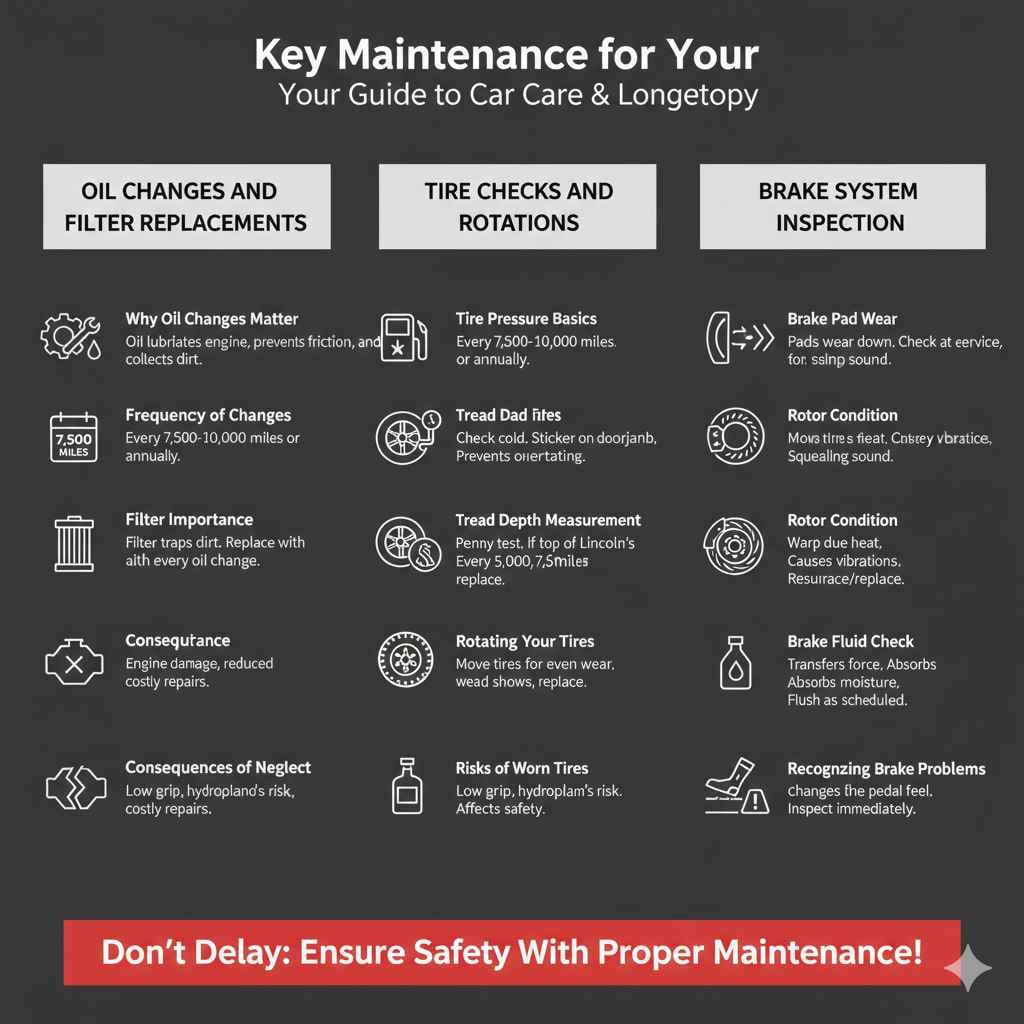
Keeping your Ford Fiesta running smoothly means following a regular maintenance plan. This isn’t about being a car expert; it’s about making sure your car stays reliable and lasts a long time. These maintenance steps cover important parts, like the engine, brakes, and tires. Ignoring them can lead to problems later on, which can be costly and inconvenient. Regular servicing helps prevent those issues, keeping your car in great shape.
Oil Changes and Filter Replacements
Oil changes are like giving your Fiesta a fresh start. Engine oil keeps the moving parts working together smoothly, reducing friction and preventing wear. Over time, the oil gets dirty and loses its ability to protect the engine. Changing the oil and the oil filter removes these contaminants and ensures the engine runs efficiently. This is one of the most basic but important services for your vehicle. Using the right type of oil for your Fiesta is very important, so check your owner’s manual for the specifications.
- Why Oil Changes Matter: Oil lubricates the engine’s components, which prevents friction. When oil gets old, it loses its ability to do this, leading to wear and tear. It also collects dirt and debris.
- Frequency of Changes: Most Ford Fiesta models should have their oil changed every 7,500 to 10,000 miles or about once a year, depending on your driving habits. Older models might need them more often.
- Filter Importance: The oil filter traps dirt and particles from the oil, preventing them from circulating and causing damage. Replace the oil filter every time you change your oil.
- Consequences of Neglect: Skipping oil changes can lead to engine damage, reduced performance, and costly repairs. Over time, it can cause the engine to seize, rendering the car useless.
Tire Checks and Rotations
Tires are what connect your Fiesta to the road, so keeping them in good shape is essential. Regular tire checks involve checking the air pressure and tread depth. Ensuring the correct tire pressure improves gas mileage and handling. Tire rotations make sure your tires wear evenly. Uneven wear can reduce tire life and affect your safety. Proper tire maintenance helps you drive more safely and saves you money in the long run.
- Tire Pressure Basics: Always check the tire pressure when the tires are cold. The right pressure for your Fiesta can be found on a sticker on the driver’s side doorjamb or in your owner’s manual. Under-inflated tires can lower gas mileage and cause the tires to overheat.
- Tread Depth Measurement: The tread depth helps your tires grip the road, especially in wet conditions. You can check the tread with a penny. If you can see the top of Lincoln’s head, it’s time to replace the tires.
- Rotating Your Tires: Tire rotations involve moving the tires to different positions on your car. This helps them wear evenly, extending their lifespan. Follow the rotation pattern recommended in your owner’s manual, usually every 5,000 to 7,500 miles.
- Risks of Worn Tires: Tires with low tread are dangerous because they can lose grip, especially on wet roads. They also increase the risk of hydroplaning, where the tires lose contact with the road surface.
Brake System Inspection
Your brakes are vital for your safety. Regular inspection of your brakes ensures they can stop your car effectively. This includes checking brake pads, rotors, and the brake fluid. Brake pads wear down over time and need to be replaced. Rotors can become damaged or warped. Brake fluid absorbs moisture, which can reduce braking performance. Any issues need immediate attention to maintain your safety on the road. The earlier issues are caught, the cheaper they are to fix.
- Brake Pad Wear: Brake pads are designed to wear down as they apply friction to stop your car. They should be checked at every service. If they get too thin, you’ll hear a squealing sound. Replace them before they wear through completely.
- Rotor Condition: Rotors, also known as brake discs, can warp or become damaged due to heat and wear. This can cause vibrations when you brake. Rotors might need to be resurfaced or replaced.
- Brake Fluid Check: Brake fluid is essential for transferring the force you apply to the brake pedal to the wheels. It absorbs moisture over time, which can reduce its effectiveness. Brake fluid should be flushed and replaced according to your Fiesta’s service schedule.
- Recognizing Brake Problems: Be aware of any unusual noises, like squealing or grinding, or changes in how the brake pedal feels. Regular brake inspections are key to your safety.
Service Schedules and Recommendations
Understanding when to service your Ford Fiesta is key to making sure it keeps running well. Knowing the right intervals for maintenance, like oil changes and spark plug replacements, will keep your car in top shape. You can use your owner’s manual and the suggestions of your mechanic to keep a maintenance schedule. The proper intervals are different based on your car’s model and the way you drive it. Let’s see how you can make sure your Fiesta gets the service it needs.
Owner’s Manual as Your Guide
Your owner’s manual is the go-to source for understanding your Ford Fiesta’s needs. It details the recommended service schedule, which includes the recommended times for oil changes, filter replacements, and other vital maintenance tasks. It also gives you advice on tire rotations and brake inspections. Checking your manual regularly is the best way to keep your Fiesta in top shape and know what needs to be done, when. Following its advice helps your car last longer and saves you money in the long run.
- Why the Manual Matters: The owner’s manual is specific to your car and gives you the maintenance recommendations based on its specific features and needs. It helps you keep your car in great shape.
- Reading the Schedule: Look at the maintenance schedule section. It outlines different maintenance tasks based on mileage or time, such as every 7,500 miles, or annually, whichever comes first.
- Customizing for Driving Habits: The manual might provide different schedules, depending on how you drive. If you often drive in severe conditions, such as stop-and-go traffic or very dusty environments, you might need more frequent servicing.
- Keeping Records: Write down all the service work you do, as well as the dates. This gives you a clear history of your car’s maintenance.
Mileage-Based Service Intervals
Many maintenance tasks are based on the number of miles you drive. The service schedule in your owner’s manual usually gives a list of tasks and the intervals for them. Knowing these intervals helps you plan your service appointments. This helps you keep up with what your car needs to run smoothly. Regular service ensures that all the parts of your Fiesta are working together. Let’s explore some common mileage-based service tasks.
- 7,500-Mile Service: This often includes oil and filter changes, tire rotations, and general inspections of fluids and brakes. These tasks are critical to keeping the car operating correctly.
- 30,000-Mile Service: This might add things like cabin air filter replacement, and further checks of the brake system. It ensures that the air quality is great inside the car.
- 60,000-Mile Service: At this mileage, you might need to change your spark plugs and inspect the belts. This helps your engine run more efficiently and stops future issues.
- 100,000-Mile Milestone: At this point, you might need to replace your timing belt, which is a big deal for the engine’s operation. This helps prevent major engine damage.
Time-Based Maintenance Tasks
Some maintenance tasks depend on time, not just mileage. Even if you don’t drive your Fiesta much, certain parts wear out over time due to age and environmental factors. For example, brake fluid can absorb moisture over time, reducing its effectiveness, so it needs to be replaced periodically, even if you don’t drive many miles. Knowing time-based tasks will help you avoid problems and keep your car safe. Let’s look at some examples of time-based service needs.
- Oil Changes: Even if you don’t reach the mileage limit, change your oil once a year. This keeps the engine clean and operating well.
- Brake Fluid Flush: Replace your brake fluid every two to three years, no matter how many miles you have driven. This maintains the brake performance.
- Coolant Flush: Coolant helps your engine stay cool and prevents corrosion. It should be flushed and replaced every few years, based on your owner’s manual.
- Battery Replacement: Car batteries usually last a few years. Keep an eye on its performance. Replace it before it dies.
Special Considerations for Ford Fiesta Service
Your Ford Fiesta may have some special service requirements based on the way you use it. If you regularly drive in tough conditions, like city traffic, or tow heavy loads, you might need more frequent service. Being aware of these special considerations helps you keep your car in top shape. Let’s look at some things you should know about your car.
Driving Conditions and Their Effects
How you drive your Fiesta can change how often it needs service. City driving with a lot of stop-and-go traffic can make your car work harder. Towing and driving in dusty conditions, or extreme heat or cold, also affects its needs. Being aware of these issues can help you protect your car and save money on repairs. Let’s look at how your driving style impacts your car.
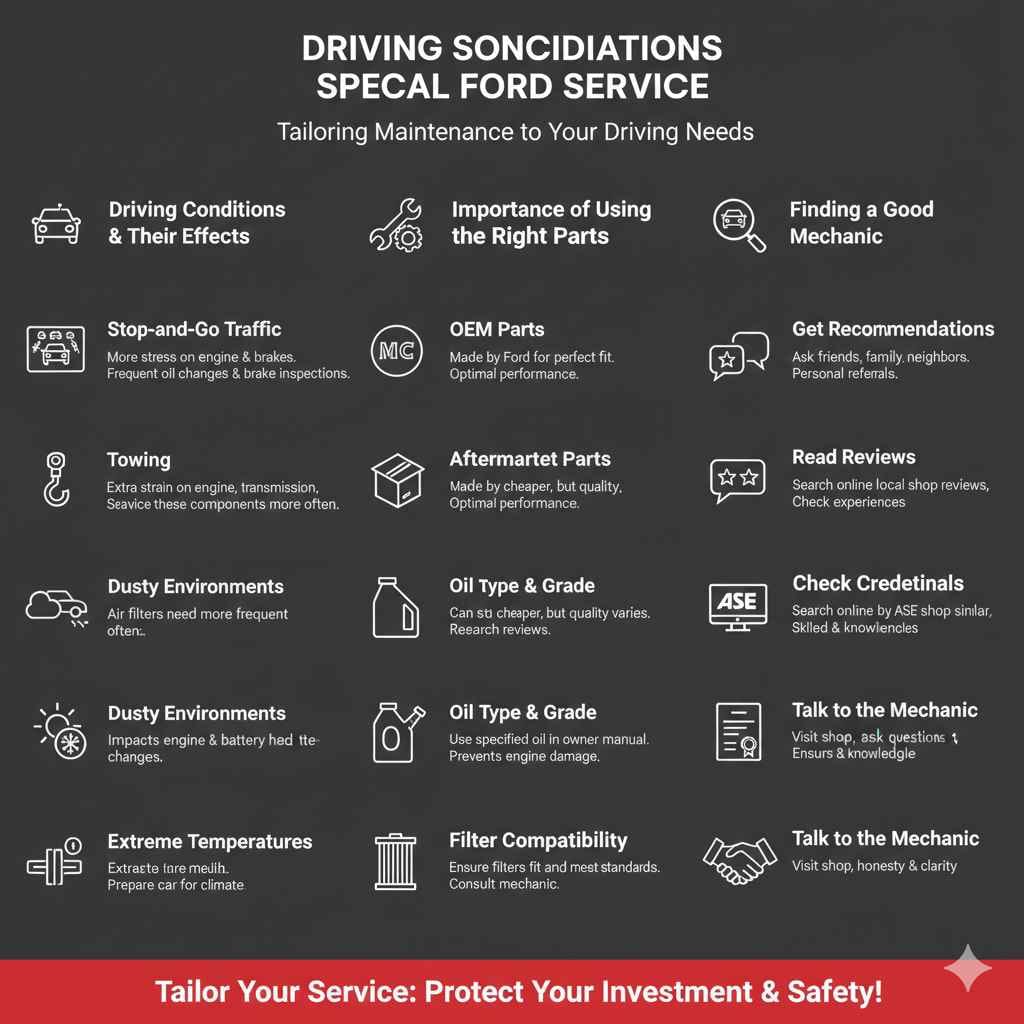
- Stop-and-Go Traffic: Frequent starts and stops in city driving put more stress on your engine and brakes. You might need more frequent oil changes and brake inspections.
- Towing: Towing puts extra strain on your engine, transmission, and brakes. You should service these components more often.
- Dusty Environments: If you often drive on dirt roads or in dusty areas, your engine air filter and cabin air filter may need to be changed more often.
- Extreme Temperatures: Driving in very hot or very cold conditions can impact your engine and battery. Make sure your car is prepared for the conditions you drive in.
Importance of Using the Right Parts
Using the right parts for your Ford Fiesta is key to making sure it runs well. If you get the wrong parts, they might not fit correctly or work well. This can lead to problems, from poor performance to major damage. Using the correct parts, like oil, filters, and spark plugs, keeps your car running correctly. It can also help keep your car’s value.
- Original Equipment Manufacturer (OEM) Parts: OEM parts are made by the same company that made your car. They are made to fit and work perfectly. Choosing them helps your car run exactly as it should.
- Aftermarket Parts: Aftermarket parts are made by other companies. They can be cheaper, but they might not be of the same quality. Look at customer reviews before using these parts.
- Oil Type and Grade: Use the oil type and grade listed in your owner’s manual. Using the wrong oil can damage your engine.
- Filter Compatibility: Make sure the oil filter, air filter, and cabin filter fit your car and meet the right standards. Ask a trusted mechanic to confirm that you are using the correct parts.
Finding a Good Mechanic
A good mechanic is crucial to keeping your Ford Fiesta in excellent condition. Finding a reliable mechanic who is qualified and has experience with Ford vehicles will make a big difference in the long run. Good mechanics can spot problems before they get serious, provide proper service, and offer valuable tips to help you keep your car running well. Let’s explore some tips for finding a great mechanic.
- Get Recommendations: Ask friends, family, and neighbors for recommendations. Personal recommendations are a great place to start.
- Read Reviews: Search online for reviews of local mechanics. See what other customers have to say about their experiences. Look at both the good and the bad reviews.
- Check Credentials: Check to see if the mechanic is certified by organizations like the National Institute for Automotive Service Excellence (ASE). This shows they have the right skills and knowledge.
- Talk to the Mechanic: Visit the shop and talk to the mechanic. See if they explain things clearly and are willing to answer your questions. This way, you know the mechanic is open and honest.
Frequently Asked Questions
Question: How often should I change the oil in my Ford Fiesta?
Answer: Most Ford Fiesta models need an oil change every 7,500 to 10,000 miles, or about once a year, depending on your driving habits. Check your owner’s manual for specific recommendations.
Question: How often should I rotate my tires?
Answer: Tire rotations are typically recommended every 5,000 to 7,500 miles. This helps your tires wear evenly, extending their lifespan.
Question: How can I tell if my brake pads need replacing?
Answer: You might hear a squealing sound when you brake, or notice a grinding noise. You might also find your brakes aren’t as effective at stopping the car.
Question: What’s the main function of the cabin air filter?
Answer: The cabin air filter cleans the air that comes into your car through the vents. This improves the air quality inside the car, helping remove dust, pollen, and other pollutants.
Question: Where can I find my Ford Fiesta’s service schedule?
Answer: Your owner’s manual has a detailed service schedule, which tells you when to have the different parts of your car serviced.
Final Thoughts
Keeping up with the service for your Ford Fiesta is not complicated. By sticking to the recommended schedule in your owner’s manual, you will keep your car in great shape. Regular oil changes, tire checks, and brake inspections are the foundation of good car care. Consider how you drive and the conditions you drive in, which affects the servicing needed. Don’t forget that using the right parts and finding a mechanic you can trust can make all the difference. Regular maintenance helps prevent big problems. By taking these steps, you will enjoy your Ford Fiesta for years to come.