
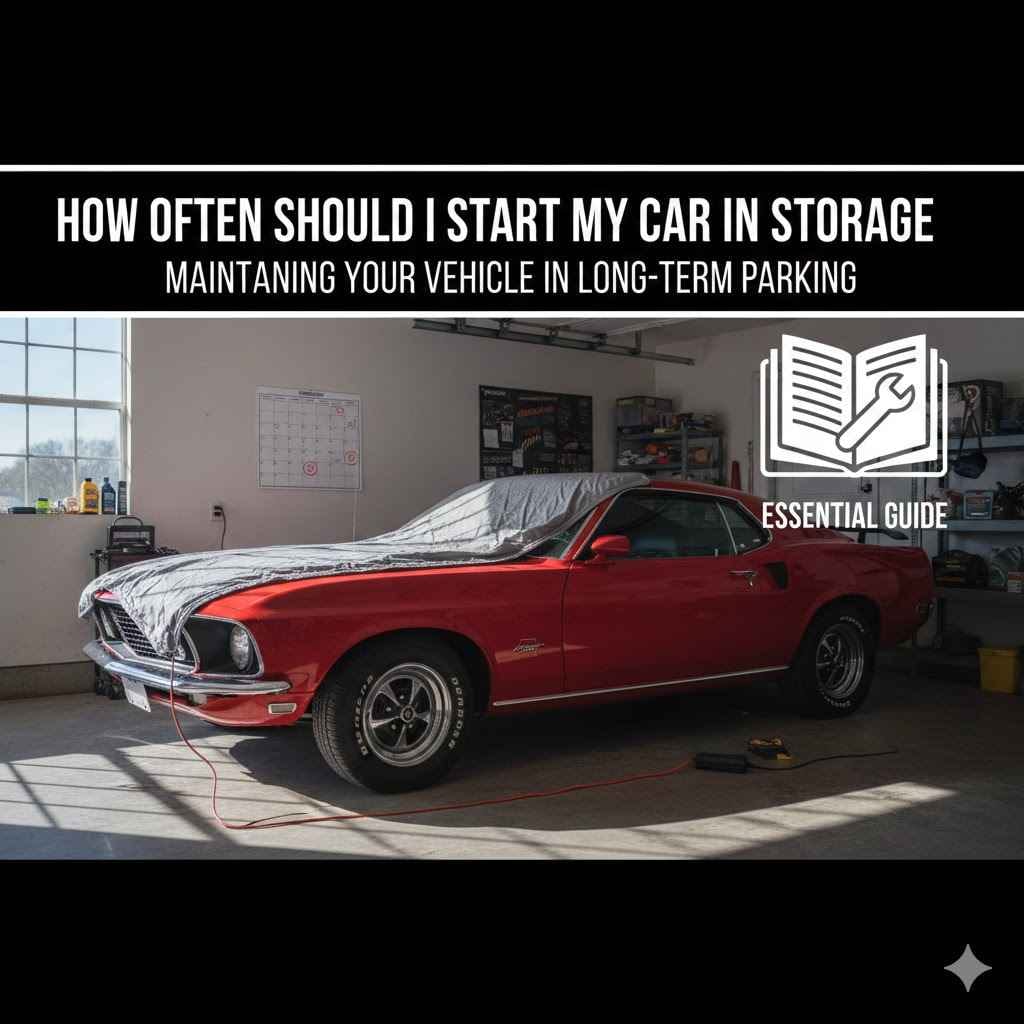
For storage over 30 days, you should not start your car periodically. Instead, prepare it properly using a battery tender, a fuel stabilizer, and correct tire inflation. Starting a stored car for short periods can cause more harm by creating engine moisture and failing to fully charge the battery. Proper preparation is safer and more effective.
Putting your car away for a while? Maybe you’re going on a long trip, storing a summer car for the winter, or just don’t need to drive it for a few months. A common question I hear is, “How often should I start it to keep it in good shape?” You might be surprised to learn that the old advice of starting it every week or two is actually not the best idea.
It can feel a little scary to just let your car sit. You worry about the battery dying or things breaking down. Don’t worry! I’m here to walk you through the simple, correct way to store your car so it’s perfectly fine and ready to go when you need it again. We’ll cover why just starting it isn’t enough and what you should do instead.
The Big Myth: Why Just Starting Your Car Isn’t the Answer
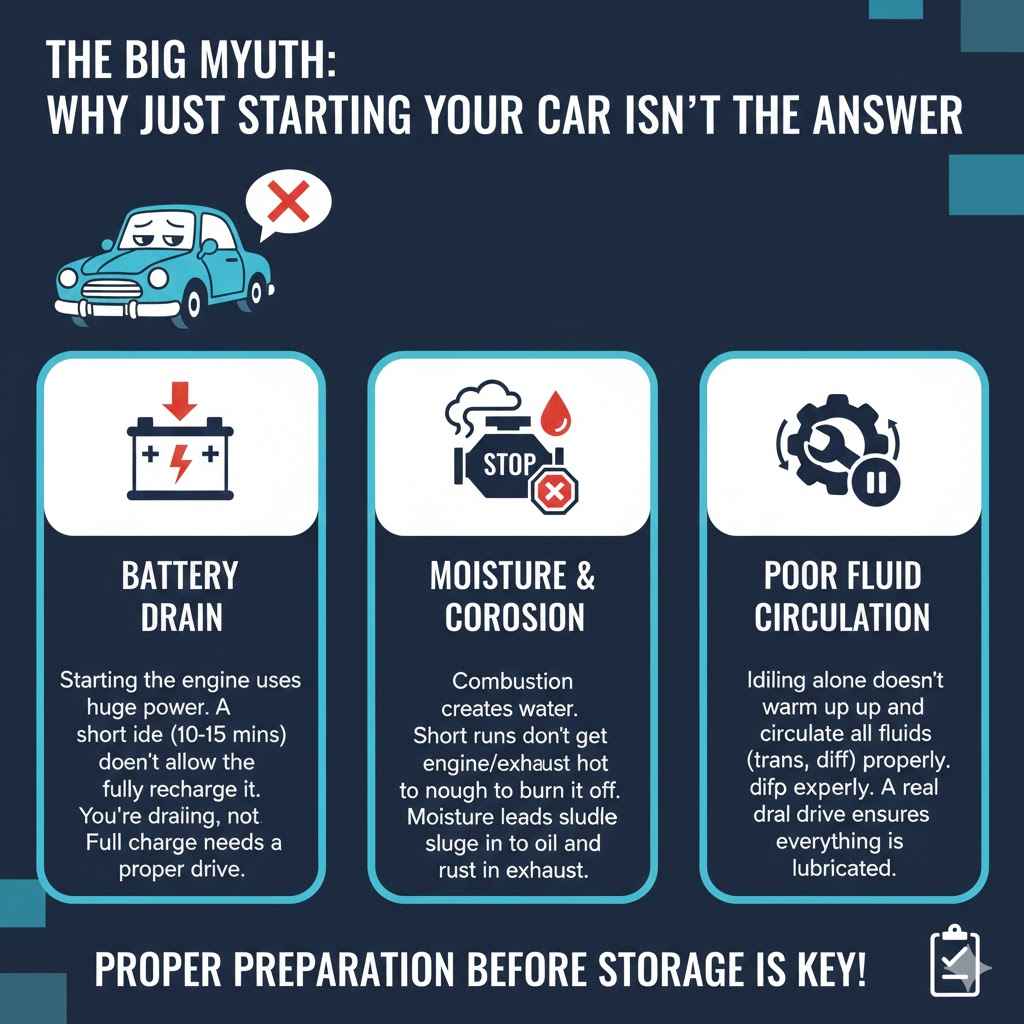
Many people believe that starting a stored car for 10-15 minutes every couple of weeks is good for it. The thinking is that this circulates the oil and charges the battery. Unfortunately, this simple action often creates more problems than it solves. Think of it like this: you wouldn’t wake someone from a deep sleep for five minutes and expect them to feel rested. Your car feels the same way.
Here’s what really happens during a short, idle start:
- The Battery Doesn’t Fully Charge: Starting the engine uses a huge amount of battery power. A short idle in the driveway, even for 15 minutes, isn’t enough for the alternator to fully replenish that charge. You are likely draining the battery more than you are charging it. To get a full charge, you need to drive the car at normal speeds for a good while.
- Moisture Builds Up: When your engine runs, it creates water as a byproduct of combustion. A short run doesn’t allow the engine and exhaust system to get hot enough to burn off all this moisture. This water can then sit in your engine oil and exhaust pipes, leading to sludge, corrosion, and rust.
- Fluids Don’t Circulate Properly: Idling alone doesn’t get all the car’s fluids—like transmission fluid and differential fluid—warmed up and moving as they should. A real drive ensures everything is properly lubricated and maintained.
So, what’s the better way? It’s all about proper preparation before you walk away.
The Smarter Approach: How to Properly Prepare Your Car for Storage
The right way to store your car depends on how long it will be sitting. We can break it down into two simple categories: short-term (less than a month) and long-term (more than a month).
Short-Term Storage (Less Than 30 Days)
If you’re only storing your car for a few weeks, you don’t need to do much. Modern cars are built to handle sitting for a short period. Here are a few quick and easy steps:
- Give It a Good Clean: Wash the exterior to remove things like bird droppings or tree sap that can damage the paint. Clean the interior to get rid of any food wrappers or crumbs that might attract pests.
- Top Off the Fluids: Make sure fluids like windshield washer fluid and coolant are at the proper levels.
- Find a Safe Spot: If possible, park it in a garage or under a carport to protect it from the weather.
For a period this short, your battery should be fine, and you don’t need to worry about fuel or tires beyond a basic check.
Long-Term Storage (More Than 30 Days)
This is where proper preparation makes all the difference. Following these steps will keep your car safe and sound, so you can have total peace of mind. You won’t need to start it at all!
Step 1: Choose the Right Storage Location
Where you store your car is your first line of defense. The ideal spot is a climate-controlled, dry, and secure garage. This protects your vehicle from temperature swings, humidity, sun damage, and theft. If a garage isn’t an option, a covered carport or a high-quality, breathable, and waterproof car cover is the next best thing.
Step 2: Take Care of the Battery
The battery is the most vulnerable part of a stored car. It naturally loses its charge over time as it powers the car’s computers and alarm system. You have two great options to prevent it from dying.
- Option A (Best): Use a Battery Tender. A battery tender, or maintainer, is a smart device that plugs into the wall and connects to your battery. It monitors the battery’s charge and delivers a slow, steady trickle of power only when needed. This keeps it at a perfect charge without overcharging and damaging it. It’s a true “set it and forget it” solution.
- Option B (Good): Disconnect the Battery. If you don’t have access to a power outlet, you can simply disconnect the negative battery terminal. This will stop the slow drain from the car’s electronics. Be aware that this will likely reset your radio presets, clock, and onboard trip computer.
Step 3: Manage the Fuel and Oil
Leaving fuel and oil to sit for months can cause issues, but they are easy to prevent.
- Fuel System: Gasoline can go bad over time. According to the U.S. Department of Energy, gasoline can degrade and form gums and varnishes that can clog your fuel system. To prevent this, fill your gas tank to about 90% full and add a quality fuel stabilizer. A full tank prevents moisture from building up inside, and the stabilizer keeps the fuel fresh for up to two years. Follow the instructions on the stabilizer bottle—you’ll usually add it to the tank and then run the engine for a few minutes to circulate it.
- Engine Oil: Before you store your car, get an oil change. Used oil contains contaminants and acids that can damage internal engine components if left to sit for a long time. Starting with fresh, clean oil is like putting your engine to bed with a clean bill of health.
Step 4: Protect Your Tires
When a car sits in one spot for months, the tires can develop flat spots from the constant pressure on one area. Here’s how to prevent that:
- Inflate to Max Pressure: Check the sidewall of your tire for the maximum recommended PSI (pounds per square inch). Inflate your tires to this pressure. This helps the tires maintain their round shape. Just remember to put a note on your steering wheel to deflate them back to the normal operating pressure (found on the sticker inside your driver’s door jamb) before you drive the car again.
- Use Jack Stands (For Very Long Storage): If you plan on storing the car for a year or more, consider using jack stands to lift the car and take the weight completely off the tires. This is a more advanced step but is the ultimate way to prevent flat spots.
Step 5: Keep Pests Out
A quiet, dark car can look like a perfect new home for mice and other critters. They can chew through wires and upholstery, causing a lot of damage.
- Clean Everything: A spotless interior with no food crumbs is your best defense.
- Block Entry Points: Place a bit of steel wool in the exhaust pipe and air intake snorkel. Critters can’t chew through it. CRITICAL: Place a large, bright reminder note on the steering wheel to remove these before you ever try to start the car!
- Use Repellents: Mothballs, peppermint oil-soaked cotton balls, or commercially available rodent repellents placed inside and around the car can help deter pests.
Step 6: Handle the Brakes
If you engage your parking brake and let the car sit for months, especially in a humid climate, the brake pads can actually rust to the brake rotors. When you try to drive, you might hear a loud pop as they break free, or they might not release at all.
Instead of using the parking brake, use wheel chocks to secure the car and keep it from rolling. Just place them firmly behind and in front of a tire.
Long-Term Storage Checklist
Here is a simple table to summarize your long-term storage plan.
| Task | Why It’s Important | Tools Needed |
|---|---|---|
| Clean Inside and Out | Prevents paint damage and deters pests. | Car wash supplies, vacuum |
| Use a Battery Tender | Keeps the battery healthy and fully charged. | Battery tender, extension cord |
| Fill Fuel Tank & Add Stabilizer | Prevents fuel degradation and moisture buildup. | Gasoline, fuel stabilizer |
| Change the Oil | Removes harmful contaminants from the engine. | Fresh oil and filter |
| Inflate Tires to Max PSI | Helps prevent flat spots on tires. | Tire pressure gauge, air compressor |
| Block Entry Points | Keeps rodents and pests out. | Steel wool, reminder note |
| Use Wheel Chocks | Secures the car without engaging the parking brake. | Wheel chocks |
| Contact Your Insurer | You may be able to lower your insurance premium. | Phone or computer |
Waking Your Car Up After Storage
When you’re ready to drive your car again, don’t just hop in and go. A few quick checks will ensure a smooth and safe first drive.
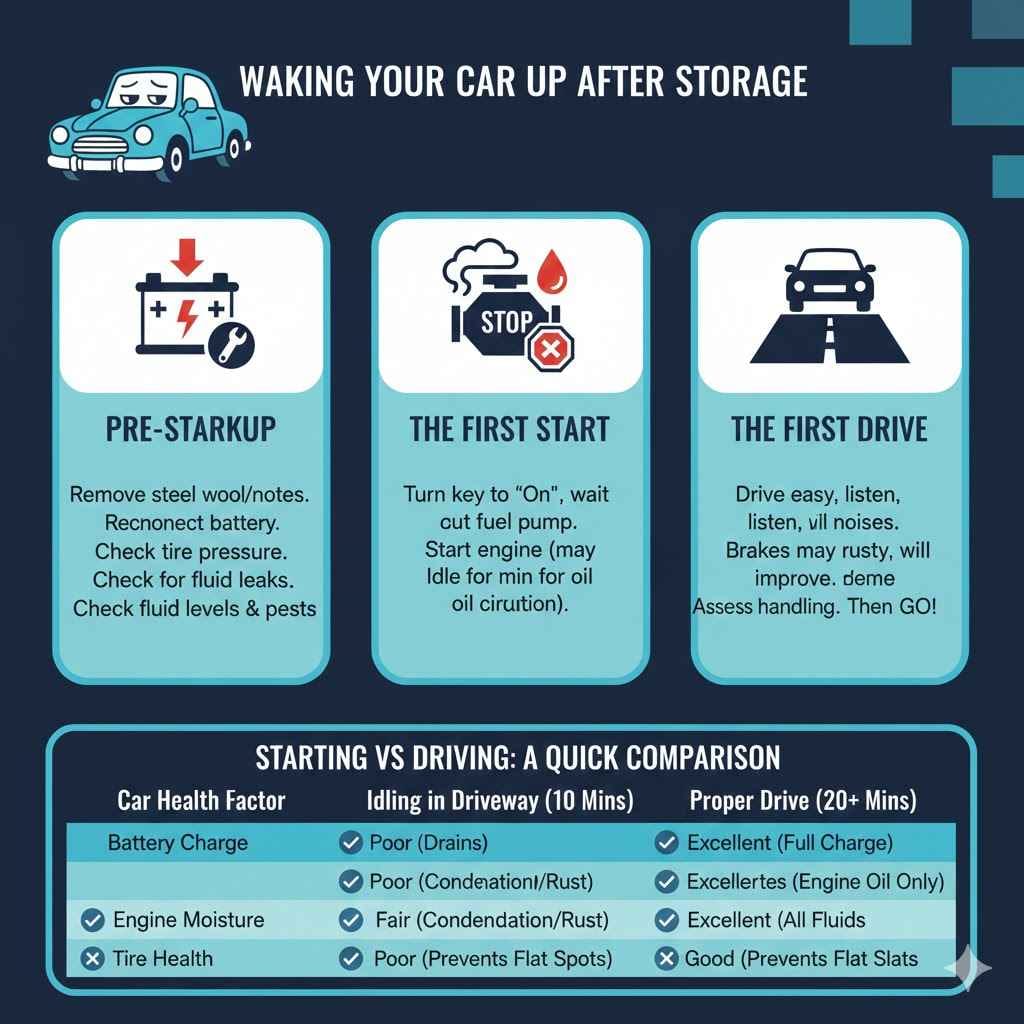
The Pre-Start Checkup: Walk around the car and do a quick inspection.
CRITICAL: Remove the steel wool from the exhaust and air intake! Take down your reminder note.
Reconnect the battery’s negative terminal if you disconnected it, or unplug the battery tender.
Check the tire pressure and adjust it back to the normal recommended level.
Check under the car for any signs of fluid leaks.
Pop the hood and check the levels of the engine oil, coolant, and brake fluid. Also, check for any signs of nesting critters.
The First Start: Turn the key to the “On” position (without starting the engine) and wait a few seconds. This allows the electric fuel pump to prime the system. Then, start the engine. It might take a little longer to crank than usual, which is normal. Let it idle for about a minute to allow the oil to circulate fully.
The First Drive: Take it easy on your first drive. The brakes may feel a bit rusty or make a grinding noise at first—this is just surface rust being scraped off and should go away after a few stops. Listen for any unusual noises and pay attention to how the car drives and handles. Once everything feels normal, you’re good to go!
Starting vs. Driving: A Quick Comparison
This table clearly shows why a proper drive is always better than just letting the car idle in the driveway.
| Car Health Factor | Idling in Driveway (10 Mins) | Proper Drive (20+ Mins) |
|---|---|---|
| Battery Charge | Poor (May drain more than it charges) | Excellent (Fully recharges the battery) |
| Engine Moisture | Poor (Creates condensation that doesn’t burn off) | Excellent (Gets hot enough to evaporate moisture) |
| Fluid Circulation | Fair (Only circulates engine oil) | Excellent (Circulates all vital fluids) |
| Tire Health | Poor (Does not prevent flat spots) | Good (Rotates tires and prevents flat spots) |
Frequently Asked Questions (FAQ)
1. How long can a car sit without being started?
Most modern cars can sit for at least two to three weeks without any issues. If you plan on leaving it for more than a month, you should follow the long-term storage steps, especially using a battery tender.
2. Will my car battery die if I don’t start it for a month?
It’s very likely. A car battery will slowly drain over time to power the onboard computers and security system. After a month, especially in cold weather, it may not have enough power left to start the engine. A battery tender is the best way to prevent this.
3. Is it bad to start a car and turn it right off?
Yes, this is very hard on your car. It drains the battery significantly without giving the alternator a chance to recharge it. It also introduces moisture into the engine and exhaust that doesn’t get burned off, which can lead to corrosion over time.
4. Do I need a fuel stabilizer for winter storage?
If you are storing the car for three months or more, a fuel stabilizer is a great idea. Gasoline can begin to degrade after about 30 days. A stabilizer keeps the fuel fresh and protects your entire fuel system. It’s cheap insurance against expensive fuel system problems.
5. What is a battery tender and do I need one?
A battery tender is a small, smart charger that hooks up to your car battery. It provides a low-voltage charge to keep your battery topped off without overcharging it. If you are storing your car for more than a month, a battery tender is the single best investment you can make for its health.
6. Can I just disconnect the battery for storage?
Yes, disconnecting the negative battery terminal is a good alternative if you don’t have access to a power outlet for a battery tender. It will prevent the battery from being drained by the car’s electronics. Just be aware you will lose your radio and clock settings.
7. What happens if I don’t start my car for 6 months?
If you don’t prepare your car for storage, several things could happen. The battery will almost certainly be dead. The tires may develop permanent flat spots. The fuel could go bad, and moisture could cause corrosion in the engine and exhaust. However, if you follow the proper storage steps, your car will be perfectly fine after 6 months or even longer.
Conclusion
So, how often should you start your car in storage? The surprising answer is: you shouldn’t. The old advice of starting it every few weeks is outdated and can cause more harm than good. A much better and safer strategy is to prepare your vehicle for its downtime.
By taking a few simple steps—caring for the battery, managing the fuel, and protecting the tires—you ensure your car remains in great shape, no matter how long it’s stored. When you’re ready to drive it again, it will be ready for you. Taking an hour to prepare your car properly will give you complete peace of mind and save you from the headaches of a dead battery or other preventable problems down the road. Happy storing!