
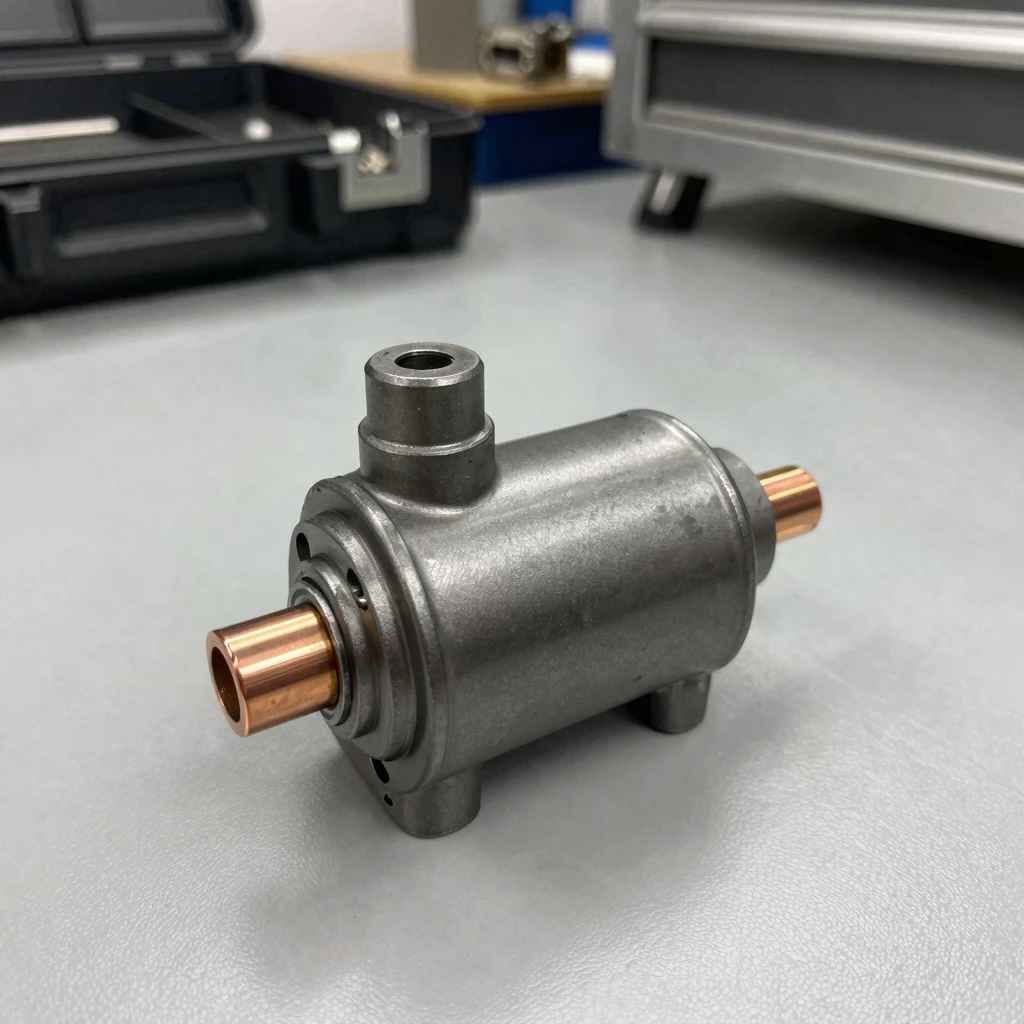
If your car is shifting gears strangely or won’t move as it should, you might be facing a problem with the transmission control solenoid. This small but important part controls the flow of transmission fluid and helps your car shift gears smoothly. When it fails, you could be looking at a costly repair. But how much should you expect to pay to replace a transmission control solenoid? In this guide, you’ll find everything you need to know—from what affects the price, to how the job is done, and tips to avoid overpaying.
What Is A Transmission Control Solenoid?
A transmission control solenoid is an electronic valve inside your transmission. It opens and closes based on signals from your car’s computer, letting transmission fluid flow to different parts of the system. This fluid pressure is what allows your car to shift gears at the right time.
When the solenoid works properly, gear changes are smooth and almost unnoticeable. If it fails, you might notice hard or delayed shifts, the check engine light, or even a car that won’t go anywhere. Because modern transmissions depend on electronic controls, a bad solenoid can cause a range of confusing problems.

Signs You Need To Replace A Transmission Control Solenoid
Many drivers first notice something is wrong because the car starts acting strangely. Here are common symptoms that suggest a failing solenoid:
- Harsh or delayed shifting: Gears may slam or take longer to engage.
- Check engine light: The dashboard warning could mean many things, but solenoid issues are common.
- Transmission stuck in one gear: Sometimes called “limp mode,” this prevents further damage.
- No movement when in drive or reverse: The car may not move at all.
- Erratic shifting or skipping gears: The car may jump unexpectedly between gears.
It’s important to confirm the problem with a scan tool or mechanic, as these symptoms can come from other transmission issues too.
Factors That Affect The Replacement Cost
The cost to replace a transmission control solenoid can vary widely. Here are the main factors that determine the price:
1. Vehicle Make And Model
Luxury and imported cars, such as BMW, Mercedes-Benz, and Audi, often have higher parts and labor costs. Common brands like Toyota, Honda, and Ford are usually less expensive.
2. Number Of Solenoids Replaced
Some transmissions use a single solenoid, while others use a “solenoid pack” with several valves. Replacing a single solenoid costs less than swapping out the whole pack.
3. Transmission Type
Automatic transmissions are more complex and costly than manual ones. Some newer cars have CVTs (continuously variable transmissions), which can also affect the price.
4. Labor Costs
Labor rates differ by location. Big cities or dealerships tend to charge more than small shops in rural areas.
5. Parts Quality
You can choose between OEM (original equipment manufacturer) parts or aftermarket ones. OEM parts are usually more reliable but cost more.
6. Shop Type
Dealerships often charge more than independent mechanics. Transmission specialty shops might offer better prices and expertise.
7. Warranty Coverage
If your car is still under warranty, the repair might be free or discounted. Extended warranties can also help.
Typical Price Range For Solenoid Replacement
For most vehicles, the transmission control solenoid replacement will cost between $150 and $700. This includes both parts and labor. However, in some cases, the price can be higher or lower.
| Type of Vehicle | Parts Cost | Labor Cost | Total Estimated Cost |
|---|---|---|---|
| Economy Car (e.g., Toyota Corolla) | $50 – $120 | $100 – $250 | $150 – $370 |
| Luxury Car (e.g., BMW 3 Series) | $150 – $400 | $200 – $400 | $350 – $800 |
| Truck/SUV (e.g., Ford F-150) | $75 – $200 | $150 – $300 | $225 – $500 |
| CVT Transmission (e.g., Nissan Altima) | $150 – $350 | $200 – $400 | $350 – $750 |
These prices are for guidance only. Actual costs can change based on your location, parts used, and how much work is needed.
Detailed Breakdown Of Costs
Let’s look at what you’re actually paying for:
Parts Cost
- Single solenoid: $40 – $150
- Solenoid pack: $150 – $400
- Gaskets, seals, and fluid: $20 – $70
Labor Cost
- Time needed: 1 to 4 hours, depending on the car
- Hourly rate: $80 – $150 at most shops
Labor is often the biggest part of the bill. For some cars, the mechanic must remove parts of the transmission or even drop the whole unit, which takes more time.
Total Cost Example
If you drive a Honda Accord, the solenoid itself may cost $80. Labor for two hours at $100/hour adds $200. Add $30 for fluid and gaskets. Your total would be about $310.
What Does The Replacement Involve?
Replacing a transmission control solenoid is a technical job. Here’s how the process usually goes:
- Diagnosis: A mechanic scans your car’s computer for error codes and tests the solenoid’s function.
- Removing the transmission pan: The mechanic drains the fluid and removes the pan to access the solenoid.
- Replacing the solenoid: The faulty part is removed and replaced. If your car uses a solenoid pack, the whole unit comes out.
- Replacing gaskets and seals: New gaskets are installed to prevent leaks.
- Refilling transmission fluid: New fluid is added to the system.
- Testing: The mechanic checks for leaks and ensures the transmission shifts smoothly.
Some vehicles make the job easier by allowing access without removing the entire transmission. Others require more labor, which raises the price.
Can You Replace A Transmission Control Solenoid Yourself?
If you’re handy with cars and have the right tools, replacing a solenoid is possible for some models. Here’s what to consider:
Pros
- Save money on labor
- Learn more about your car
- Satisfaction of fixing it yourself
Cons
- Messy work: Transmission fluid is slippery and can stain.
- Special tools may be needed
- Risk of mistakes: Improper installation can cause leaks or damage.
- Warranty concerns: DIY work may void your warranty.
For most beginners, it’s safer to let a professional handle the job. But for common vehicles with easy access, you could save $100–$400 by doing it yourself.
Real-world Cost Examples
Let’s look at some actual cases:
- 2012 Ford Fusion: Solenoid pack replaced at a local shop for $400 (parts and labor).
- 2015 Nissan Altima (CVT): Dealer quoted $750 for solenoid replacement and fluid change.
- 2008 Toyota Camry: Independent mechanic charged $320 for a single solenoid and new fluid.
- 2017 Chevrolet Silverado: Dealer price was $680 for a solenoid pack and gaskets.
Prices often depend on how easy it is to reach the solenoid and whether the whole pack must be replaced.
Additional Costs And Considerations
It’s easy to forget about extra costs. Here are a few to watch for:
- Transmission fluid replacement: Always use the correct fluid. Some types can cost $10–$20 per quart.
- Gasket or filter replacement: New gaskets and filters keep your transmission working well.
- Diagnostic fees: Some shops charge $50–$150 for scanning your car.
- Towing: If your car won’t move, you may need a tow.
When More Than The Solenoid Is Bad
Sometimes, a failing solenoid is a sign of deeper problems. If your transmission is old or has metal shavings in the fluid, you might need more repairs—or even a full rebuild. Always ask for a full diagnosis before spending money.
How To Save Money On Solenoid Replacement
Nobody likes to pay more than they have to. Here are tips to keep costs down:
- Get multiple quotes: Prices can vary a lot between shops. Call at least three places.
- Use independent mechanics: They’re usually cheaper than dealerships.
- Ask about aftermarket parts: Good quality aftermarket solenoids can save money.
- Provide your own parts: Some shops let you buy the part and only charge for labor.
- Look for coupons or specials: Some shops offer discounts on labor or diagnostics.
- Check your warranty: Repairs might be covered under a powertrain warranty.
How To Prevent Transmission Solenoid Failure
While some failures are just bad luck or age, you can reduce your risk:
- Change transmission fluid regularly: Old fluid causes wear and clogs.
- Fix leaks early: Low fluid can burn out the solenoid.
- Drive gently: Hard driving and towing increase stress.
- Get problems checked quickly: Early repairs often cost less.
Comparison: Dealership Vs Independent Shop Vs Diy
Let’s see how the costs stack up in different scenarios.
| Repair Option | Parts Cost | Labor Cost | Typical Total Cost |
|---|---|---|---|
| Dealership | $80 – $400 | $200 – $500 | $280 – $900 |
| Independent Mechanic | $60 – $350 | $100 – $300 | $160 – $650 |
| DIY | $40 – $200 | $0 | $40 – $200 |
This table makes it clear why many people prefer independent shops or DIY for older cars out of warranty.
Common Mistakes To Avoid
When dealing with transmission control solenoids, beginners often make these mistakes:
- Ignoring early warning signs: Small problems can grow expensive quickly.
- Choosing the cheapest part: Low-quality solenoids may fail sooner.
- Forgetting about fluid and gaskets: These are necessary for a proper repair.
- Letting anyone work on your car: Not all mechanics are transmission experts. Choose someone with experience.
- Not confirming the diagnosis: Solenoids are often blamed, but sometimes the real problem is wiring, sensors, or the transmission computer.
Should You Repair Or Replace Your Transmission?
If you have an old car with many miles and other transmission problems, replacing the solenoid might not be enough. In these cases, you may need a full rebuild or replacement. Ask your mechanic:
- How is the rest of the transmission?
- Are there metal shavings in the fluid?
- Will a new solenoid fix the problem?
- What will the warranty be on this repair?
A good shop will be honest about whether the repair is worth it. Sometimes, it’s better to save your money for a more serious fix.
How To Choose The Right Mechanic
A quality repair depends on the person doing the work. Here’s how to find a good mechanic:
- Check reviews online: Look at ratings and comments for local shops.
- Ask about experience with your car: Some shops know certain brands better.
- Get a written estimate: This avoids surprises later.
- Ask about warranty: Good shops guarantee their work.
- Trust your gut: If a shop seems untrustworthy, go elsewhere.
Is It Worth Replacing The Solenoid In An Older Car?
If your car is more than 10 years old or has over 150,000 miles, think carefully. Here are some questions to ask:
- What is the car worth? If the repair costs more than 25% of the car’s value, it may not be worth it.
- Are other parts failing? Old transmissions often have more than one problem.
- Is the rest of the car in good shape? If yes, it may make sense to repair.
In many cases, fixing the solenoid can add years of life to your car for a reasonable cost.
Advanced Tip: Diagnosing Solenoid Problems Yourself
Even if you’re not a mechanic, you can use an OBD-II scanner to read trouble codes. Codes like P0750, P0755, or P0760 often point to solenoid issues. However, remember that a code doesn’t always mean the solenoid is bad—wiring, computer, or fluid problems can cause similar codes.
If you want to learn more about how these codes work, you can check out resources like the On-board diagnostics page on Wikipedia.
Frequently Asked Questions
How Long Does It Take To Replace A Transmission Control Solenoid?
The job usually takes 1 to 4 hours, depending on the vehicle. Some cars have easy access, while others require removing the transmission, which adds time.
Can I Drive With A Bad Transmission Solenoid?
It’s not recommended. You might damage your transmission further, and you could end up stranded. It’s best to repair the solenoid as soon as possible.
Will Replacing The Solenoid Fix All Shifting Problems?
Not always. If there is damage elsewhere in the transmission, or if the problem is with wiring or the computer, just replacing the solenoid may not fix everything.
Is It Safe To Use Aftermarket Transmission Solenoids?
Many aftermarket solenoids are high quality, but some are not. Always buy from a trusted brand and ask your mechanic for advice.
How Do I Know If My Solenoid Or My Entire Transmission Is Bad?
A mechanic can check error codes and inspect the transmission fluid for signs of damage. If the fluid is full of metal or smells burnt, you may have bigger problems than just the solenoid.
Fixing a transmission control solenoid can seem costly, but it’s often much cheaper than replacing the whole transmission. By understanding the factors that affect price, asking smart questions, and choosing the right mechanic, you can save money and get your car shifting smoothly again. If you’re ever unsure, get a second opinion—peace of mind is worth it, especially for such an important repair.