
Figuring out How Much Is a New Car Battery for a Honda Civic? can feel tricky when you’re starting. The prices change, and it’s hard to know where to begin. This blog post will break it down in simple terms. We’ll show you exactly what to expect and what affects the cost, so you can make a smart choice. We’ll also provide you with a step-by-step approach to make the process easy. Let’s get started.
What Influences New Battery Pricing?
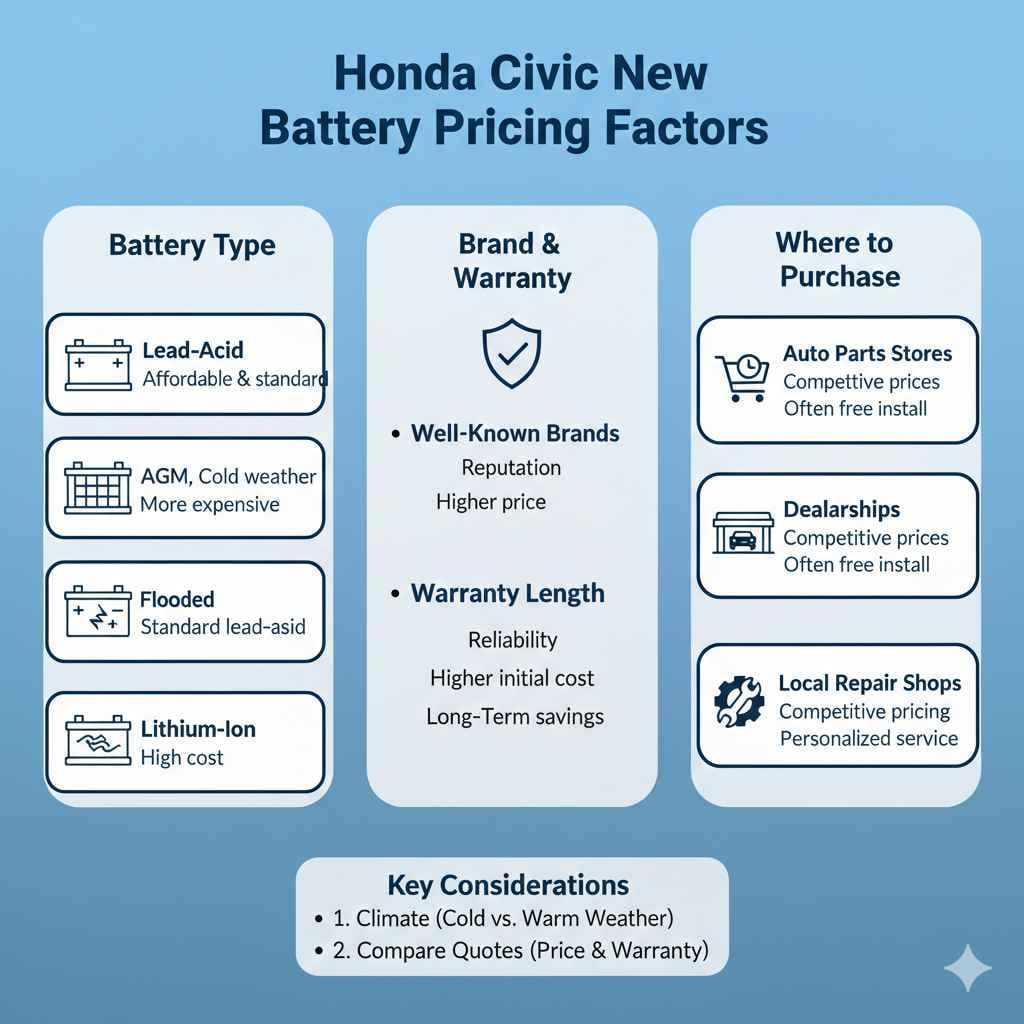
Several things affect the price of a car battery, including the one your Honda Civic needs. The type of battery is a major factor, with different chemistries and designs influencing the cost. The brand you choose matters too; well-known brands often have higher prices due to their reputation and warranty offerings. Where you buy the battery (auto parts store versus a dealership) can also lead to price differences.
Moreover, the battery’s cold cranking amps (CCA), which is a measure of its ability to start the engine in cold weather, will influence the cost. Knowing about these factors helps you make informed choices about your purchase.
Battery Type and Chemistry
The type of battery is the first thing to consider. Most Honda Civics use a lead-acid battery, which is the most common and typically the most affordable option. There are also newer types, like AGM (Absorbent Glass Mat) batteries, which may offer advantages like longer life and better performance, especially in extreme temperatures. These often come at a premium price. Additionally, some vehicles might be equipped with Lithium-ion batteries, which are used in hybrid or electric models, and these have a significantly higher cost due to the technology involved.
- Lead-Acid Batteries: These are the standard for many vehicles. They are relatively inexpensive but may require more frequent replacement.
- AGM Batteries: AGM batteries are an upgraded lead-acid variant. They are more durable and can handle extreme temperatures better, but cost more.
- Lithium-Ion Batteries: Found in some hybrids, they are efficient but expensive. They offer long life and lighter weight.
- Flooded Batteries: These are a type of lead-acid battery, with liquid electrolyte inside.
Think about where you live and the typical weather conditions. If you experience very cold winters, an AGM battery might be a smart investment because it can maintain its power better in freezing temperatures. If you live in a warmer climate, the benefits of an AGM battery might not be as noticeable, and a standard lead-acid battery could suffice. This decision will impact the final cost, so consider the environment your car operates in.
Brand and Warranty Considerations
The brand of the battery can also affect the final price. Well-known and established brands such as Interstate, DieHard, and Optima often come with a higher price tag. This is partially due to the brand’s reputation for quality, but also because of the warranty offered. A longer warranty often means a higher upfront cost, but it can protect you if the battery fails sooner than expected. Buying from a reputable brand also offers peace of mind.
- Well-Known Brands: These brands often have good reputations, reliable products, and solid warranties, which adds to the price.
- Warranty Lengths: Longer warranties can increase the price, but may save you money in the long run.
- Brand Research: Doing some research on different brands can help you find a balance between price and quality.
- Customer Reviews: Check reviews from other customers to get a sense of the battery’s performance and reliability.
When comparing batteries, review the warranty terms closely. Some warranties cover the entire battery replacement, while others may offer a prorated replacement. A prorated warranty means you might have to pay a portion of the cost if the battery fails after a certain time. A strong warranty can mean a higher cost initially, but provides protection, and is beneficial.
Where to Purchase a New Battery
The place you decide to buy your new battery impacts the cost. Auto parts stores such as AutoZone, Advance Auto Parts, or O’Reilly Auto Parts usually offer competitive prices and often provide installation. Dealerships might be more expensive, but could offer specialized service and genuine parts. Also, you could consider local repair shops, which sometimes offer competitive pricing. Always compare prices before making a decision.
- Auto Parts Stores: These stores often offer good deals and sometimes install the battery for free.
- Dealerships: Dealerships can offer genuine parts but may be more costly.
- Local Repair Shops: Local shops may provide competitive pricing and personalized service.
- Online Retailers: Some online stores offer competitive prices, but ensure they ship batteries correctly.
Before you commit to a purchase, explore all your available options. Auto parts stores usually offer free testing to determine if your battery needs to be replaced, and they can sometimes install it for you. Dealerships often provide a full-service experience. Weigh the pros and cons of each option based on your budget and what level of service you need. Consider shipping costs if you’re buying online.
Average Costs for a New Battery for Your Honda Civic
Understanding the usual pricing will help you get an idea of how much you’ll need to spend. The average price can change based on the factors we’ve discussed, but here’s a general overview. It is helpful to know these figures to budget accordingly.
Price Ranges for Different Battery Types
The price of a new battery for your Honda Civic varies depending on the type you need. Lead-acid batteries are typically the most economical. AGM batteries are generally more expensive due to their advanced technology. Lithium-ion batteries, when used, are the priciest option. The cost can change due to your car’s model year, any special requirements, and the brand you select.
- Lead-Acid Batteries: Expect to pay anywhere from $75 to $150. This can shift depending on the store and brand.
- AGM Batteries: These typically range from $150 to $300. They usually provide extra features and durability.
- Lithium-Ion Batteries: If your Civic uses these (usually in hybrid models), the price could be anywhere from $500 to $1,000 or more.
Remember that these are just general price ranges. The exact cost will depend on the factors we talked about earlier: brand, warranty, and where you buy it. Do a little research to find a battery that meets your needs and fits your budget. Keep in mind that the prices may change depending on location.
Factors Affecting the Final Price
Several factors can push the final cost of the battery up or down. These include the cold cranking amps (CCA) the battery provides. Higher CCA batteries usually cost more but may be needed, particularly in colder climates. Additional factors include labor costs if you have the battery installed. Sales tax and any core charges (a fee you pay that you get back when you return your old battery) must also be included.
- CCA Ratings: Batteries with higher CCA ratings tend to cost more, but can be helpful for cold starts.
- Installation Fees: If you need assistance with installation, the service fee will add to the total cost.
- Core Charges: Most retailers charge a core fee, which is refunded when you turn in your old battery.
- Sales Tax: Sales tax is added to the price, which varies depending on your location.
When you’re comparing prices, be sure to take all these costs into consideration. Ask about any extra fees upfront to avoid surprises. The total cost should include the battery price, installation if needed, core charge, and sales tax. Make sure you fully understand what the final price covers, so you can make an informed choice.
Example Scenarios and Costs
Here are a few example scenarios showing how the price could change based on different choices:
- Scenario 1: Basic Replacement: You have a standard Honda Civic. You go to an auto parts store and get a basic lead-acid battery. You opt to install the battery yourself. The total cost, including the battery, core charge, and tax, is around $100.
- Scenario 2: Upgraded Battery: You live in a cold region and opt for an AGM battery from a well-known brand, and you have the shop install it. The cost comes out to be about $275.
- Scenario 3: Dealership Service: You take your Civic to the dealership for a new battery. They install a brand-name lead-acid battery for $200.
These examples give you a picture of what to anticipate. Remember that these are just estimates, and the real cost can change based on the specific circumstances. Always get a quote before making a purchase.
Replacing a Honda Civic Battery
The good news is that replacing your Honda Civic’s battery is usually not too hard, and you may be able to handle it yourself, potentially saving money on labor. Below are the steps involved, from getting your tools ready to safely removing and installing the new battery. Remember, always review your Honda Civic’s owner’s manual for specific instructions.
Tools and Preparations
Before you start, you’ll need to gather the right tools. You’ll need a wrench set to fit the battery terminals, a wrench to loosen the hold-down clamp (which keeps the battery in place), and safety glasses and gloves to protect yourself. Make sure your car is off and the keys are removed from the ignition. Have the new battery ready. If you have any sensitive electronics in your Civic, you may want to have a memory saver tool to keep your radio settings intact. A memory saver connects to the car’s 12V power supply (usually the cigarette lighter), to supply power during the battery swap.
- Wrench Set: This will include the sizes needed to disconnect the battery terminals and hold-down clamp.
- Safety Glasses and Gloves: These will help protect your eyes and hands during the battery replacement.
- Memory Saver (Optional): Useful for keeping your radio and other settings.
- New Battery: The right size and type, ready to be installed.
Safety is key. Always wear safety glasses and gloves to protect yourself from any acid or sparks. It’s also smart to work in a well-ventilated area. Review your owner’s manual for specific safety instructions or any special recommendations related to your model of Honda Civic. These steps ensure you can complete the process safely and efficiently.
Step-by-Step Battery Replacement
Now, let’s look at the actual process of replacing the battery. First, disconnect the negative terminal (usually black) using the correct wrench. Then, disconnect the positive terminal (usually red). Remove any hold-down clamps or brackets. Carefully take out the old battery, being cautious not to spill any acid. Install the new battery in the tray and secure it with the hold-down clamp. Connect the positive terminal first, then the negative terminal, making sure they are tight. Finally, check that everything is secure.
- Disconnect the Negative Terminal: Use the wrench to loosen the nut on the negative terminal, then remove the cable.
- Disconnect the Positive Terminal: Do the same for the positive terminal.
- Remove the Hold-Down Clamp: Loosen the clamp holding the battery in place.
- Take Out the Old Battery: Lift out the old battery carefully, being careful not to spill anything.
- Install the New Battery: Place the new battery in the tray.
- Secure the New Battery: Fasten the hold-down clamp.
- Connect the Positive Terminal: Attach the positive cable and tighten the nut.
- Connect the Negative Terminal: Attach the negative cable and tighten the nut.
When connecting the terminals, ensure they are tightly connected, but do not over-tighten them. Loose connections can cause starting problems or electrical issues. Double-check all connections to ensure everything is secure before attempting to start your car. After you’ve connected the battery, start your engine to confirm it works correctly and all the electronics function as they should.
Potential Issues and Solutions
While replacing a battery is often easy, some problems may occur. Sometimes, the terminals might be corroded. You can use a wire brush or battery terminal cleaner to remove corrosion. If the battery is stuck, ensure the hold-down clamp is completely loose. If you accidentally connect the terminals backward, do not try to start the car, and immediately correct the connection. If you’re not sure about any step, don’t hesitate to seek professional help from a mechanic.
- Corroded Terminals: Clean them with a wire brush or terminal cleaner before reconnecting the cables.
- Battery Stuck: Make sure the hold-down clamp is completely loose.
- Wrong Terminal Connection: Immediately fix the connections. If you’re not sure, get assistance.
- Car Doesn’t Start: Double-check that all connections are correct and secure.
If you have any uncertainty during the replacement, don’t hesitate to seek advice from an experienced mechanic. Mistakes can cause damage to the car’s electrical systems. Taking your car to a professional mechanic is an alternative option if you’re not comfortable working on your car. They can ensure the battery is replaced safely and correctly.
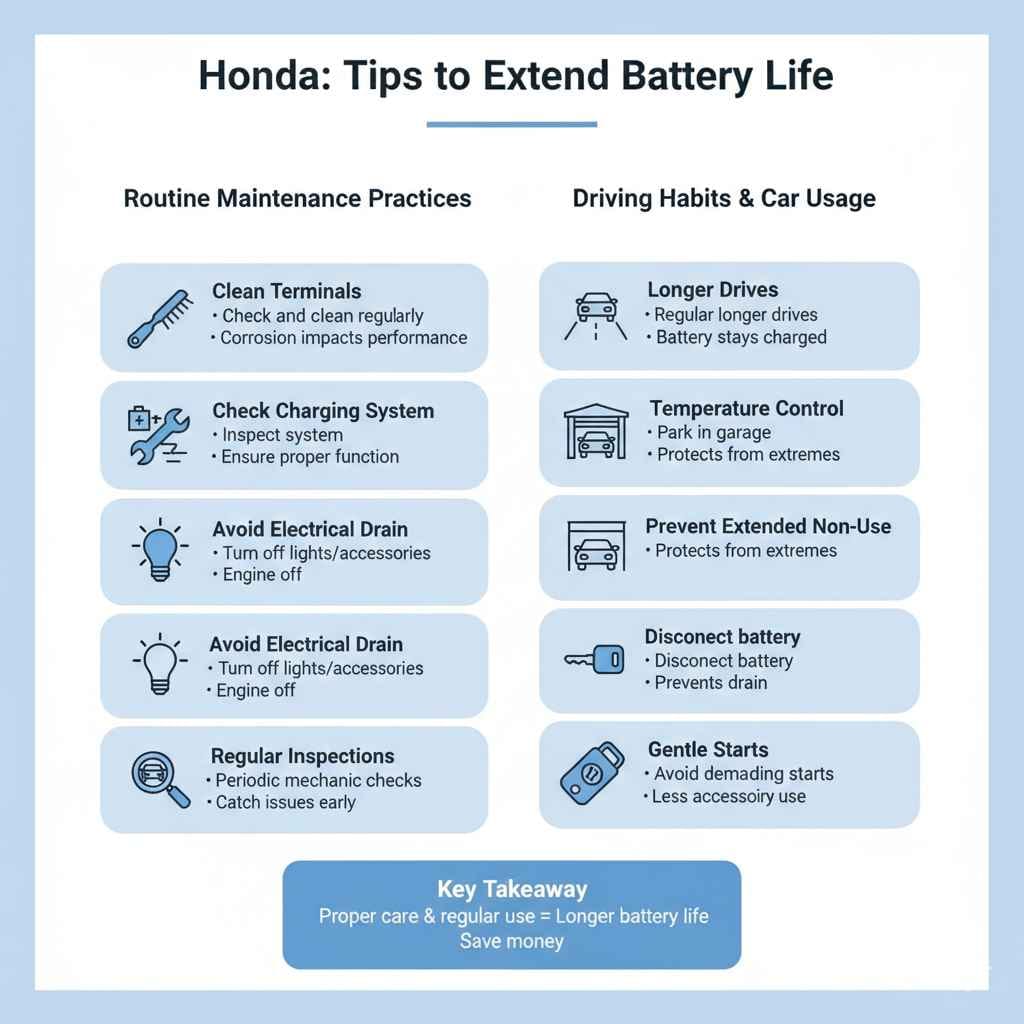
Tips to Extend Battery Life
To get the most value out of your new battery and avoid early replacement, there are things you can do to help it last longer. Proper care and regular maintenance are key. Simple steps will help preserve the life of your battery and decrease the likelihood of needing a replacement sooner than required. These habits will save you money.
Routine Maintenance Practices
Simple maintenance practices can extend the life of your battery. Clean the battery terminals regularly to remove corrosion. Ensure your car’s charging system is working correctly. Avoid leaving lights or electrical devices on when the car is off, as this drains the battery. Regular inspections by a mechanic can also spot possible problems before they become bigger.
- Clean Terminals: Check and clean the terminals regularly. Corrosion can impact performance.
- Check Charging System: Have your car’s charging system inspected to ensure it’s working properly.
- Avoid Electrical Drain: Make sure lights and accessories are turned off when the engine is off.
- Regular Inspections: Periodic inspections by a mechanic can help catch potential issues early.
Cleaning battery terminals is easy. Just disconnect the cables (always start with the negative terminal first), clean the terminals with a wire brush, and then reconnect. Checking your car’s charging system, and having it tested yearly can detect issues like a failing alternator. Preventative maintenance can avoid unexpected battery failure. Taking these actions can help you avoid problems.
Driving Habits and Car Usage
How you use your car and your driving habits affect battery life. Short trips, where the battery does not get a chance to fully recharge, may shorten its life. Extreme temperatures also impact the battery. Avoid letting your car sit unused for long periods. If you will not be driving it for a while, consider disconnecting the battery to prevent drain. Using your car regularly, combined with responsible habits, will help you maximize your battery life.
- Longer Drives: Regular longer drives help ensure the battery stays fully charged.
- Temperature Control: Park your car in a garage when possible.
- Prevent Extended Non-Use: If you’re not using your car for long periods, consider disconnecting the battery.
- Gentle Starts: Avoid demanding starts (like excessive use of accessories) when starting the car.
Short trips can drain the battery without giving it enough time to recharge. If you frequently make short trips, consider taking longer drives or using a battery charger now and then. Parking your car in a garage in extreme weather is helpful. It will protect the battery from freezing temperatures. Proper car usage and making good driving choices can significantly help to prolong your battery life.
Frequently Asked Questions
Question: How often should I replace my Honda Civic battery?
Answer: Usually, a car battery needs to be replaced every three to five years. However, this may change depending on how you use your car, your driving habits, and the climate.
Question: What are the signs my Honda Civic battery needs replacing?
Answer: Key signs include slow engine starts, dim headlights, issues with electrical components, and the battery warning light coming on. If your battery is old and showing these symptoms, it’s probably time for a replacement.
Question: Can I jump-start my Honda Civic if the battery is dead?
Answer: Yes, you can jump-start your Honda Civic. You’ll need jumper cables and another car with a working battery. Connect the cables in the correct order (positive to positive, negative to a metal part of your engine). Then, start the other car and let it run for a few minutes before trying to start your Civic. Always check your owner’s manual before jump-starting your car.
Question: What battery size does a Honda Civic need?
Answer: The exact battery size can vary by year and the model of your Honda Civic. You can find the correct size by looking in your owner’s manual or by checking the sticker on your current battery. When purchasing a new battery, make sure it has the same group size as your current battery.
Question: Is it safe to replace my Honda Civic battery myself?
Answer: Yes, it is typically safe, as long as you take precautions. Wear safety glasses and gloves and be careful to disconnect the terminals in the right order (negative first). Review the owner’s manual before starting, and make sure everything is connected correctly. If you’re uncomfortable doing it yourself, have a professional replace the battery.
Final Thoughts
Knowing How Much Is a New Car Battery for a Honda Civic? is important for any Civic owner. The cost hinges on several factors, including the type of battery, the brand, and where you choose to purchase it. By exploring these options, you’ll be prepared to get the right battery without overspending. Replacing the battery yourself is an option that can save you money, but safety comes first, so if you’re uncertain, you can always ask a mechanic. Remember to maintain your battery through regular cleaning and care. By doing so, you can make sure your Civic keeps running reliably for years to come. With the information in this post, you now possess the knowledge you need to choose, replace, and care for your car’s power source. Start comparing prices today and find the best battery for your Civic.