

Figuring out How Much Does Ford Charge to Diagnose a Problem? can seem tricky at first. Many people worry about unexpected costs when their car needs work. Don’t stress! This guide will break down what you need to know about Ford’s diagnostic fees in a simple, easy-to-follow way. We’ll explore the factors affecting the price and give you a better idea of what to expect before you go to the dealership. Let’s get started!
Ford’s Diagnostic Process: What to Expect
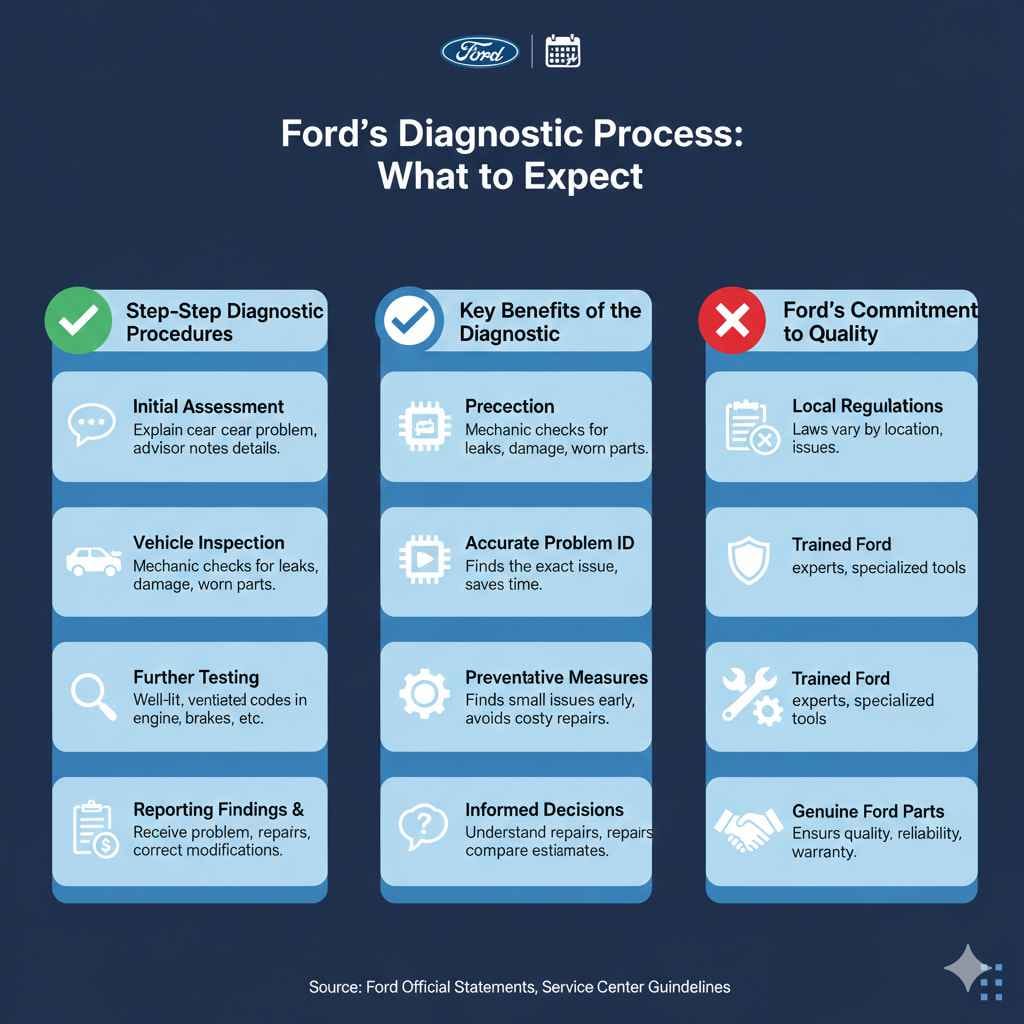
When you bring your Ford in for a problem, the first step is often a diagnostic check. This is where the mechanics use special tools to figure out what’s wrong with your vehicle. They might connect your car to a computer that reads codes and checks different systems. This helps them pinpoint the issue. Think of it like a doctor running tests to find out why you’re not feeling well. Ford’s process typically involves a visual inspection, a scan with diagnostic equipment, and potentially a road test. The goal is to provide an accurate assessment of the problem before any repairs are done.
A diagnostic fee is charged for this service, which is separate from the cost of the actual repairs. The mechanic will check the engine, transmission, brakes, and other systems. Once they’ve identified the problem, they’ll give you an estimate for the repairs. This initial assessment is very important because it helps prevent more significant issues down the line. Preventative measures and early intervention can also help avoid larger expenses.
Step-by-Step Diagnostic Procedures
The diagnostic process can vary slightly depending on the issue and the Ford dealership or service center. However, the core steps typically remain the same. These steps are a standard method for assessing any vehicle’s health before a repair.
Initial Assessment: The process usually begins with a conversation between you and the service advisor. You’ll explain the problem you’re experiencing, such as unusual noises, warning lights, or performance issues. The advisor will note down these details and any other relevant information to help the mechanic.
During this stage, the service advisor will gather as much information as possible from you. This helps them to understand the nature of the issue. Clear communication at this point is important to make sure the technicians focus on the right areas. This can save time and money later during the diagnosis.
- Vehicle Inspection: Next, the mechanic will visually inspect your vehicle. This includes checking under the hood, looking for leaks, damage, and other visible signs of trouble. They will look over the entire vehicle for anything unusual.
A visual inspection can help them spot obvious issues that might be causing the problem. This can include checking fluid levels, looking for worn-out parts, or examining the condition of belts and hoses. If the technician can see the problem, they will immediately inform you and provide an estimate for the repair. These inspections frequently catch the problem quickly and save customers money on a longer diagnosis.
- Computer Diagnostics: The mechanic will connect your Ford to a diagnostic computer. This tool reads the vehicle’s onboard computer to identify any stored error codes. These codes provide clues about what’s gone wrong.
The diagnostic computer is a very important tool for modern vehicles. It can quickly pinpoint areas that need attention. This system can detect problems in the engine, transmission, brakes, and other systems. After a diagnosis is complete, the mechanic will explain the codes and how they relate to the symptoms you described.
- Further Testing: Based on the initial findings, the mechanic might need to perform further tests. These could include checking specific sensors, testing the electrical system, or conducting a road test.
These tests confirm the root cause of the problem. If there is more than one code, the technician must analyze the data. This might involve using a multimeter to check voltage, or an oscilloscope to check waveforms. This step ensures that the repair will fully resolve the issue. If the initial testing is inconclusive, the mechanic may request more time to determine the source of the problem.
- Reporting Findings and Estimates: Finally, the mechanic will share the diagnosis with you. This will include the identified problem, the recommended repairs, and an estimate of the cost. They will explain everything clearly. They will also answer any questions.
You’ll receive a written estimate of what the repairs would cost. This will include the parts and labor. The technician will offer their professional judgment. It is recommended to compare these estimates with other repair shops. That way, you’ll feel confident in your decision.
Factors Influencing the Diagnostic Fee
Several factors affect how much Ford charges to diagnose a problem. These things influence the final cost. Understanding these elements can help you prepare for the expenses you might face. These factors influence how much a Ford dealership charges to find out what’s wrong with your vehicle.
Labor rates, complexity of the problem, and the location of the service center all play a role in determining the cost. Knowing what goes into the diagnostic fee will empower you to make informed decisions about your car’s maintenance.
Dealership Labor Rates and Cost of Diagnostics
Labor rates are a big part of the diagnostic fee. Each dealership sets its own rate for labor. These rates may vary based on location, overhead costs, and the expertise of the technicians. The type of vehicle and the complexity of the diagnosis influence the time required to diagnose a problem.
Geographic Location: Dealerships in areas with a higher cost of living will usually charge more per hour for labor. Rent, utilities, and other expenses factor into these rates. The rates can be very different between a large city and a rural area.
For example, a dealership in a major metropolitan area might have higher overhead costs than one in a smaller town. This can directly impact the labor rates they charge.
Dealership Brand: While Ford sets the standards for service, each dealership can set its own prices. Dealerships that specialize in high-end vehicles often have different pricing strategies than those that focus on more mainstream models.
Some dealerships may have higher overhead costs, such as special equipment or advanced diagnostic tools. This may affect the labor rates.
Technician Expertise: Highly trained and certified technicians often command higher wages. This is because they have the experience and knowledge to diagnose and repair complex issues quickly. This expertise can affect the hourly rate you pay.
Dealerships will often highlight their technicians’ qualifications, which could translate into a higher labor charge per hour.
Diagnostic Time: The amount of time required to diagnose the problem also impacts the cost. Simple issues that can be quickly identified will typically cost less than complex issues that need more time. This is also why they need the time to examine the vehicle.
More difficult problems that require advanced diagnostics or troubleshooting will take more time, increasing the labor cost. Diagnostic time can vary widely.
Problem Complexity and Its Impact on Price
The difficulty of the problem is another factor. Some issues are easy to find, while others require more time and effort. More complex problems might require special equipment or additional testing, which increases the labor cost. This makes the diagnostic fee more expensive. When something is tricky to find, it can take longer to figure out.
Simple Issues: Simple problems, such as a dead battery or a blown fuse, are typically quicker to diagnose. The mechanic can often identify the problem immediately with a quick inspection or a simple test. This means they will not charge you as much.
Easy-to-find problems will cost less in terms of labor hours. These fixes usually only need a quick replacement part or a simple adjustment.
Complex Issues: On the other hand, complex problems, such as engine misfires or electrical system faults, take more time and effort to diagnose. These issues might need several tests and inspections to identify the root cause. This adds to the cost.
Diagnosing complex issues can involve advanced equipment and specialized knowledge. This complexity can quickly increase the cost.
Vehicle Age and Condition: The age and condition of your vehicle can also influence the complexity of the diagnosis. Older vehicles might have more wear and tear, making it harder to pinpoint the exact problem. This can increase diagnostic time.
Vehicles that are not well-maintained may have multiple issues contributing to the problem. This can add to the time and cost.
Availability of Information: The availability of diagnostic information also matters. Some problems might need specific technical bulletins or diagnostic procedures to be solved. This can also affect the time required for diagnosis.
Access to Ford’s online resources and databases can help speed up the diagnostic process. This is something that only the best technicians can use.
Location of the Service Center
Where you take your Ford for service can also affect the diagnostic fee. Different locations have different operating costs. Prices can vary a lot between different cities and regions. The location of the service center impacts the cost you will pay.
Dealership vs. Independent Shop: Dealerships usually charge higher rates than independent repair shops. This is because they have higher overhead costs and a bigger investment in specialized equipment. Dealerships often offer more specialized services.
Independent shops may provide more affordable diagnostic services. However, they might not have access to the same level of diagnostic equipment or specialized training.
Urban vs. Rural Locations: Service centers in urban areas often have higher labor rates than those in rural locations. Rent, utilities, and other business expenses are often higher in cities. This raises the costs.
Rural areas might have lower labor rates. However, they might lack the resources or specialization found in urban areas.
Shop Reputation: Service centers with a good reputation for quality and expertise might charge a bit more. Many customers are willing to pay a premium for high-quality service. This factor can affect the cost.
Highly regarded shops usually have skilled technicians. They also invest in the latest diagnostic tools. These shops can provide better diagnostics and more reliable repairs.
Availability of Parts and Services: The availability of parts and services in a specific area can influence diagnostic fees. If a service center is in an area where parts are hard to find, the diagnosis might take longer.
If parts need to be ordered from out of state, there may be shipping costs and added labor while the vehicle sits in the shop.
Real-Life Examples of Ford Diagnostic Costs
Let’s explore some examples. These will help you better understand what to expect. These cases show how the different factors influence the cost of diagnostics.
These scenarios illustrate the practical aspects of diagnostic fees. They can help you prepare for potential costs and make better decisions.
Case Study 1: Simple Engine Misfire: A customer reported a rough idle and a check engine light. The mechanic used a diagnostic tool to find a misfire in cylinder number 3. This led to a simple spark plug replacement.
The diagnostic fee was $120. The mechanic spent about 30 minutes examining the vehicle and running diagnostics. This allowed them to pinpoint the source of the problem easily.
This repair also included the cost of the new spark plug and labor. The total bill was $200. This is a common and relatively quick fix. The diagnostic process helped identify the cause quickly.
Case Study 2: Electrical System Issue: A customer reported that their headlights were not working. The mechanic spent more time running tests. It took them about 2 hours to figure out that a damaged wire was the problem.
The diagnostic fee was $240. The mechanic did a visual inspection. They also used a multimeter and checked the electrical system. Locating the damaged wire took a bit of extra time.
The repair involved replacing the damaged wire and additional testing to make sure everything worked. This repair cost $350. The diagnostic process was critical in finding and fixing this problem.
Case Study 3: Complex Transmission Problem: A customer described issues with shifting gears in their vehicle. This problem took longer to diagnose due to its complexity. This meant more testing and research were needed.
The diagnostic fee was $360. This reflects the 3 hours needed to check the transmission. The technician also tested all related components. This took the time needed to thoroughly investigate.
The diagnosis led to the conclusion that a transmission rebuild was necessary. The total repair bill reached $4000. This example shows that complex issues involve more time and expertise.
How to Lower Ford Diagnostic Costs
You can do some things to make the diagnostic fee less expensive. By taking these steps, you can help control the costs and get the best service.
Here are several ways to lower the cost when your Ford needs a diagnosis. These methods can save you money.
Provide Detailed Information to the Mechanic
Give the mechanic as much information as possible about the problem. This can help them quickly narrow down the possible causes. Being clear and specific can save both time and money. It can also help the mechanic pinpoint the cause of the issue.
Describe the Symptoms: Be precise when describing the symptoms you’re experiencing. Note when the problem started, what triggers it, and how often it happens. Also, describe any unusual sounds, smells, or other signs.
Provide all this information. This will help the technician identify the issue more efficiently. This will also reduce the time needed for the diagnosis.
Share the History: Tell the mechanic about any repairs or maintenance that you’ve done recently. Give them a history of the vehicle. Mention any work that’s been done before. This helps them eliminate potential causes.
This history provides valuable context. It can prevent the mechanic from repeating tests or looking in areas that have already been examined.
Check for Warning Lights: If any warning lights are on, make sure you know what they mean. Take a picture of the dashboard. Share the dashboard image with the technician. This information helps speed up the process.
The more information you provide, the better. This gives the mechanic a clear starting point. This ensures they don’t have to start from scratch.
Note the Timing of the Issue: When you describe the problem, be specific about the timing. Did the problem happen after a specific event, like hitting a pothole? Also, note the conditions where it happens, such as during acceleration or when turning.
Details about the conditions are important. This will give the mechanic the clues they need to start the diagnostic procedure.
Compare Quotes from Different Repair Shops
Don’t just go to the first shop you find. Get quotes from several places. This can help you find the best value for your money. Also, make sure you compare the services and prices offered by different shops.
Get Multiple Estimates: Before you commit to having the work done, request estimates from multiple repair shops. Compare prices and services to make the best choice. This will also get the best prices.
Getting different estimates allows you to compare labor rates, and what the mechanic is suggesting. These are all things to consider when deciding.
Check Online Reviews: Look up reviews for the repair shops you’re considering. These reviews can give you insights into other customers’ experiences. This can help you make a good choice.
See what other customers have to say about the shop. This includes the quality of service, and how the diagnostic process was performed. This will help you make a decision.
Ask About Diagnostic Procedures: Inquire about how the shop performs its diagnostics. Also, find out what diagnostic tools and methods they use. This helps in the selection of the right shop.
Also, ask the repair shop to explain how they diagnose problems. Ask about the procedures they use. This ensures they have the right equipment.
Question Additional Charges: Be clear about any additional fees that might be added to the final bill. Ask if there are any extra charges. This helps you avoid unwelcome surprises.
Make sure you understand all the costs before you allow them to start the work. This makes for a more transparent experience.
Consider the Issue and Its Severity
Not every problem needs to be addressed immediately. Weigh the importance of the issue against the cost. Consider whether the issue is crucial for safety or performance, and make your decisions.
Prioritize Urgent Repairs: Address issues that affect your safety or vehicle performance first. Serious issues should be checked as soon as possible. Your vehicle’s performance will be better as well.
Problems that compromise safety, such as brake problems or steering issues, should be addressed quickly. Ignoring these problems can lead to more serious issues. This can also pose a safety risk.
Assess the Problem: Determine the severity of the problem. Some issues can wait. Others require immediate attention. Make sure to assess all the symptoms.
If the issue is minor and doesn’t affect your vehicle’s safety or how it performs, you might be able to delay the repair. In those cases, schedule the diagnostic at your convenience.
Get a Second Opinion: If you’re uncertain about the diagnosis or estimate, get a second opinion. A second mechanic can help confirm the original diagnosis. It may also provide a different solution.
Sometimes, a second opinion can confirm the original diagnosis or offer a less expensive solution. This gives you more options.
Weigh the Cost Against the Benefit: Before proceeding with a repair, consider the long-term benefits. Does the repair increase the vehicle’s life or value? Make sure to consider those things.
Consider the long-term benefits of the repair before you commit. This includes fuel efficiency, or any potential future problems. Making a decision that fits your budget is key.

Frequently Asked Questions
Question: What is a diagnostic fee?
Answer: A diagnostic fee is a charge for the mechanic’s time and expertise in finding out what’s wrong with your vehicle. It covers the cost of using specialized tools and equipment to identify the problem before any repairs are done.
Question: Why is the diagnostic fee separate from the repair cost?
Answer: The diagnostic fee is separate because it pays for the initial assessment and the labor required to find the problem. This is a crucial first step. The repair cost covers the actual labor and parts needed to fix the issue.
Question: Can I avoid the diagnostic fee if I know what’s wrong with my car?
Answer: Usually, you still need to pay the fee because the mechanic needs to confirm the problem. They use their tools to make sure the diagnosis is correct. This step prevents incorrect repairs and potential future issues.
Question: What happens if I decide not to have the repairs done after the diagnosis?
Answer: You still need to pay the diagnostic fee, but you aren’t required to have the repairs done. The diagnostic fee covers the time and effort spent in identifying the problem. The shop will return your vehicle with the diagnosis.
Question: Are diagnostic fees the same at all Ford dealerships?
Answer: No, diagnostic fees can vary. They’re influenced by the labor rates, the complexity of the problem, and the location of the dealership. Compare quotes from different dealerships to find the best deal.
Final Thoughts
Understanding How Much Does Ford Charge to Diagnose a Problem? is an important step when you need to maintain your Ford. The diagnostic process can seem difficult, but knowing the steps and the factors that influence the cost can help you be prepared. Remember, the fee is not just a random price; it represents the labor, tools, and expertise needed to identify the issue with your car. The cost is often determined by the shop’s labor rates and the complexity of the problem.
When you take your car in for a diagnosis, make sure you provide the mechanic with detailed information about the issue. Explore different options to compare quotes and consider the severity of the problem. This will help you make decisions that fit your budget. With a little preparation and research, you can make the whole process easier to handle. These actions will help you navigate car repairs. So, stay informed and take control of your vehicle’s maintenance. Make a plan to give your Ford the care it needs.