
Figuring out How Much Does a Transmission Control Module Replacement Cost? can feel tricky, especially if you’re new to car repairs. Prices can be confusing, and it’s tough to know where to begin. Don’t worry, though! This guide will break down everything you need to know in a straightforward way. We’ll explore the factors that affect the cost and provide a step-by-step look at what to expect. Let’s start by looking at what a TCM actually does.
What a Transmission Control Module Does
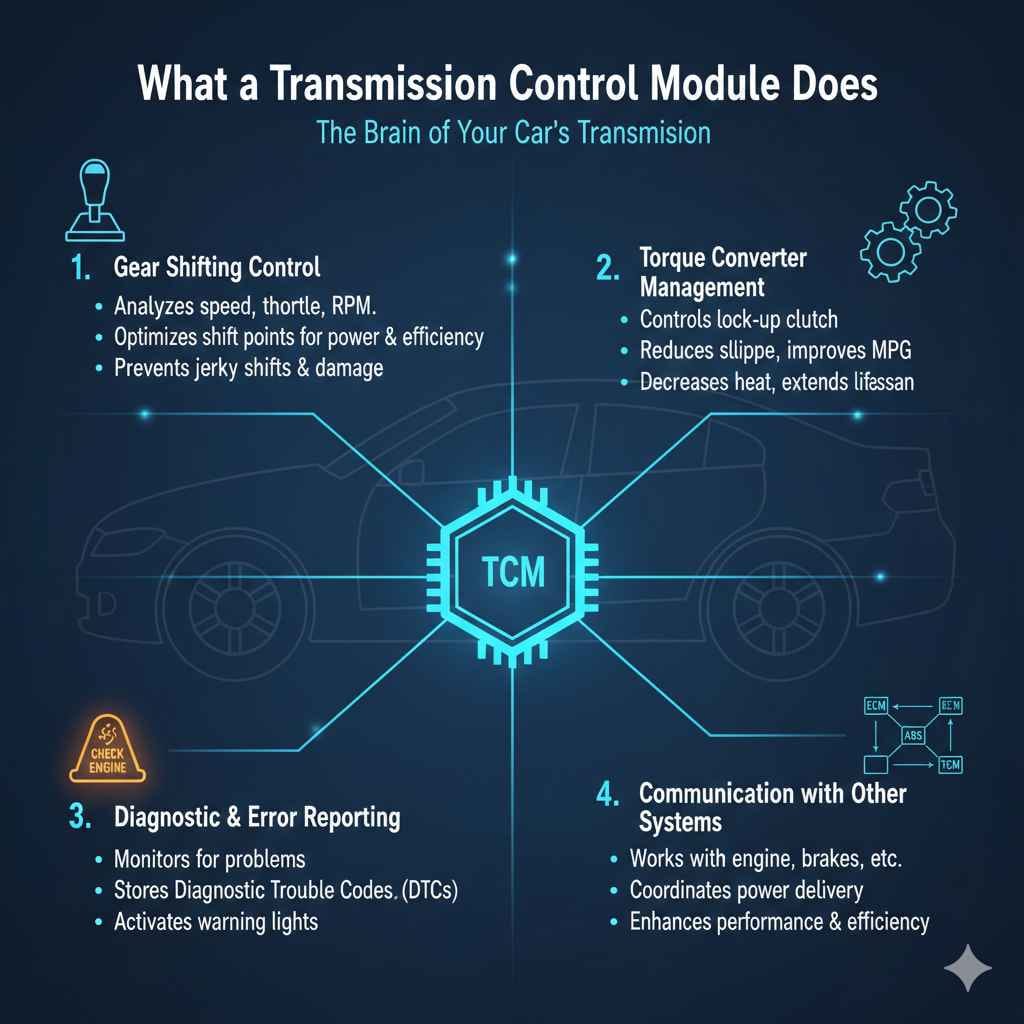
The transmission control module (TCM) is like the brain of your car’s transmission. It’s a small computer that makes important decisions about how your gears shift. This helps your car run smoothly and efficiently. The TCM gets information from different sensors all over your car, such as speed sensors, throttle position sensors, and engine RPM. It uses this information to decide when to change gears for the best performance and fuel economy. The TCM is really important because it makes sure the transmission works correctly, which keeps your car running and prevents damage.
Key Functions of the TCM
Gear Shifting Control: The primary job of the TCM is to control when the transmission shifts gears. This is based on factors like your car’s speed, how hard you’re pressing the gas pedal, and the engine’s RPM. The TCM analyzes all this data and tells the transmission when to shift up or down. This ensures that the engine runs at its most efficient, and that your driving experience is smooth.
The TCM optimizes the shift points to make your car run in a way that provides both power and efficiency. Without the TCM working correctly, you might notice jerky shifts, or the transmission might not shift at all. The TCM’s gear-shifting control also helps prevent damage to the transmission by ensuring that shifts happen at the right times and under the right conditions.
Torque Converter Management: The TCM also manages the torque converter, which helps your engine transmit power to the transmission. It does this by controlling the lock-up clutch inside the torque converter. When the clutch is locked, it directly connects the engine to the transmission, improving fuel efficiency. The TCM activates the clutch when the car reaches a certain speed and the engine is operating efficiently.
This lock-up feature reduces slippage in the torque converter, which wastes energy. By precisely controlling the torque converter, the TCM helps improve your car’s fuel economy. It also reduces heat generated by the transmission, which can prolong the life of the transmission components. The TCM’s control over the torque converter is an important part of the overall efficiency of your car.
Diagnostic and Error Reporting: The TCM monitors the transmission for problems. If it detects any issues, it stores diagnostic trouble codes (DTCs) and may turn on the check engine light. These DTCs help mechanics diagnose what is wrong with the transmission. The TCM can also communicate with other computer systems in your car, such as the engine control module (ECM), to coordinate engine and transmission operations.
When the check engine light comes on, it usually means the TCM has detected a problem. By retrieving the DTCs, mechanics can identify the specific issue and make the correct repairs. The TCM’s ability to communicate with other systems is also helpful for overall car performance. By sharing information, the engine and transmission can work together more effectively.
Communication with Other Systems: The TCM doesn’t work alone; it connects with other parts of your car’s computer system. The TCM shares data with the ECM, anti-lock braking system (ABS), and other modules. This teamwork is important for the car to run smoothly. When the transmission is shifting gears, the TCM needs to work with the engine control unit to make sure the engine’s power is managed correctly.
For example, when the TCM tells the transmission to shift, it may also signal the engine to slightly reduce power to make the shift smoother. This coordination helps improve fuel economy, reduce emissions, and boost the lifespan of your transmission. Without these connections, your car would not function properly.
Factors That Influence How Much Does a Transmission Control Module Replacement Cost?
The total cost of replacing a TCM isn’t just one number; it can change based on several different things. These are the main factors that affect the final price, which can vary quite a bit.
The Price of the TCM Unit Itself
Brand and Quality: The brand of the TCM makes a big difference in cost. You can choose from the original equipment manufacturer (OEM) parts, which are made by the same company that made your car, or from aftermarket parts made by other companies. OEM parts usually cost more, but they are designed to fit your car perfectly and often have a warranty. Aftermarket parts can be less expensive, but the quality can vary.
OEM parts can provide a level of reliability and compatibility. Aftermarket parts could potentially save you money, it is important to check the ratings and reviews for quality. The best choice depends on what you’re looking for, but always keep in mind that the quality of a TCM will impact how well your car drives and for how long.
Vehicle Make and Model: Different cars need different TCMs, and the cost will vary. Luxury cars or models with more advanced features typically need more advanced and, therefore, more expensive TCMs. Older car models may have TCMs that are simpler and, hence, cheaper to replace. The TCM’s design must match the car’s electronics and software.
The market for the TCM in your particular car plays a role in the price, too. If the part is in high demand, it may cost more. The year your car was made is also a factor. Newer cars will need newer TCMs, which may cost more because of the advancements in technology. When buying a TCM, make sure the part fits your specific car, including the model year.
New vs. Refurbished: You might choose a brand new TCM or a refurbished one. Refurbished TCMs are used parts that have been cleaned, tested, and sometimes repaired. They are cheaper than new parts, but might not last as long. A new TCM will cost more but is likely to come with a warranty.
When considering a refurbished TCM, ask the seller about the inspection and testing process. Make sure it is from a trusted supplier. A new part is the safest bet for maximum reliability and lifespan. The choice depends on your budget, but weigh the long-term reliability and peace of mind when deciding.
Availability: If a TCM is hard to find, it can cost more. This is especially true for older cars or cars with specialized transmissions. If the part is in high demand, this may also raise the cost. Some cars need special TCMs that aren’t available everywhere.
Before you buy, check with several auto part stores and mechanics to find the best price. The time it takes to get a replacement TCM may also change the overall cost, as this could lead to the need for a rental car if the repair takes a long time. Having a TCM replaced as soon as possible is also important for the life of your car.
Labor Charges for TCM Replacement
Hourly Rate of the Mechanic: The hourly rate charged by the mechanic or repair shop is a big part of the total cost. Rates can vary depending on where you live and the mechanic’s experience. Mechanics in big cities usually charge more because their operating costs are higher. A mechanic’s experience and specialty may also influence the hourly rate.
Ask about the hourly rate before you authorize any work. Some shops have a set fee for replacing a TCM, which might be a better deal than paying by the hour. Good mechanics will have the skills and tools to diagnose the problem quickly, but labor costs will still be a significant part of the cost.
Complexity of the Job: Replacing a TCM can be easy or hard, depending on where it is located in your car and how easy it is to access. Some cars have the TCM located in an easy-to-reach area, while others have it in a tricky spot, making the job take longer. Also, if there are any other problems with your car, like electrical issues, it can add time and cost to the repair.
If there are many parts that need to be removed to get to the TCM, the labor time and cost go up. The mechanic’s experience can make a difference. If they’ve replaced the TCM in your specific car model, they can often complete the job faster. Always ask your mechanic to give you a rough estimate of the labor time.
Diagnostic Time: Before the TCM is replaced, the mechanic needs to determine if it is the problem. This means they will use diagnostic tools to check the car’s computer system and look for error codes. This takes time, and the mechanic will charge for the time spent diagnosing the issue.
If the mechanic can quickly diagnose the problem, this will save you time and money. If the problem is hard to find, the diagnostic time will be longer and more costly. Clear communication from your mechanic about the diagnosis helps make the repair process easier to understand.
Additional Services: Besides replacing the TCM, a mechanic might need to do other things, such as reprogramming the new TCM or checking other parts of the transmission. The reprogramming is crucial because the new TCM needs to be set up to work correctly with your car’s computer systems. Any additional service will add to the overall labor costs.
Always ask your mechanic what the total cost will be, including any extra services. This helps you know what to expect. Sometimes, other parts of the transmission are damaged because of a faulty TCM. These parts may also need to be replaced, which will raise the cost.
Finding the Right TCM Replacement Service
When you need to have your TCM replaced, it is key to find a trustworthy mechanic or service. Doing some research and asking the right questions can help you make a good choice.
Choosing a Reputable Mechanic
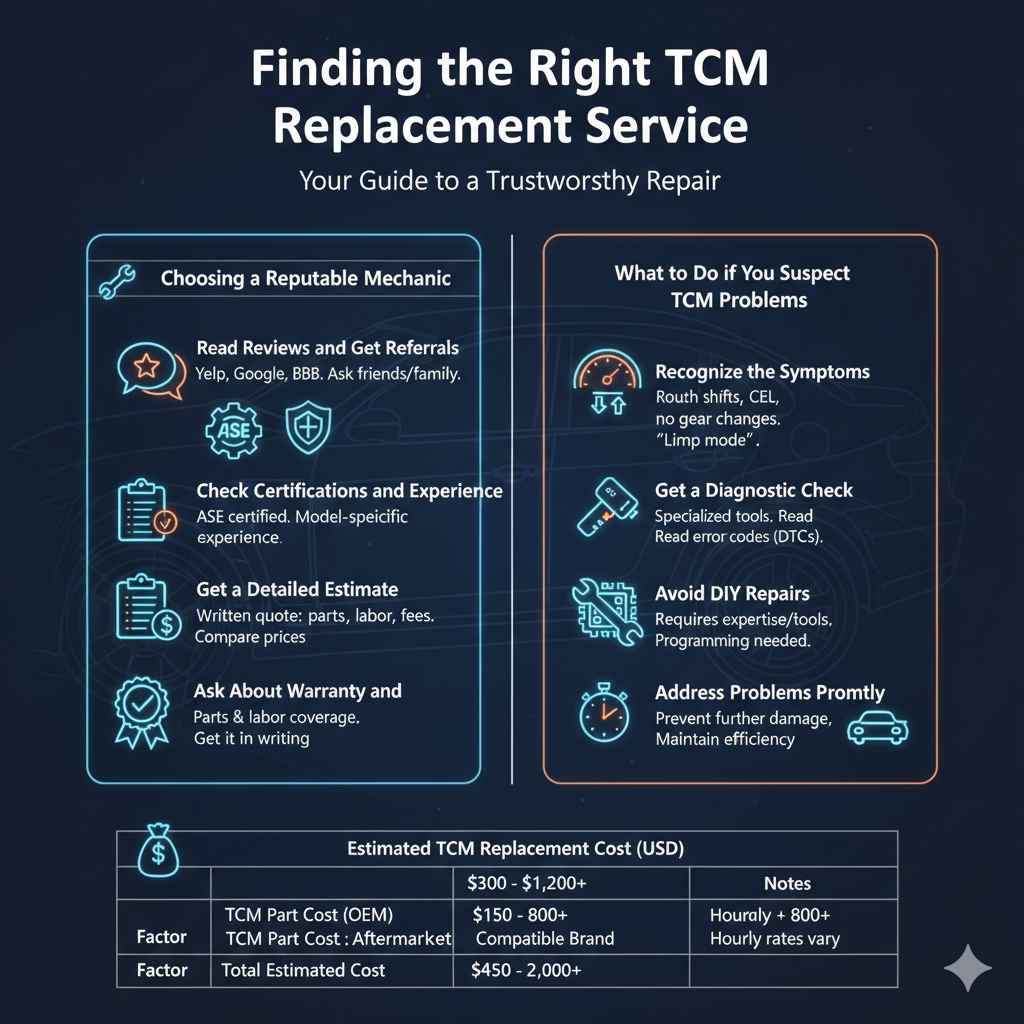
Read Reviews and Get Referrals: Find out what others say about different mechanics by reading online reviews. Websites like Yelp, Google Reviews, and the Better Business Bureau can give you an idea of a shop’s reputation. Asking friends, family, and neighbors for recommendations can lead you to trusted mechanics.
Look for reviews that mention the quality of service, the mechanic’s honesty, and the prices. Referrals from people you know can be a good way to find a mechanic you can trust. Check for common comments about how mechanics have worked with customers in the past and how they have dealt with problems.
Check Certifications and Experience: Make sure the mechanic has the proper certifications, such as those from the National Institute for Automotive Service Excellence (ASE). ASE-certified mechanics have passed tests that show they have the knowledge and skills to perform automotive repairs. Look for mechanics with experience working on your car’s make and model.
The more experienced a mechanic is with your specific car, the better. They will understand its unique features and potential problems. Ask to see a mechanic’s credentials and find out how long they have been in business. Look into the mechanic’s experience working with car computer systems and transmission repairs.
Get a Detailed Estimate: Before letting any mechanic work on your car, get a written estimate. The estimate should list all the parts needed, the labor costs, and any additional fees. A reliable mechanic will be happy to provide a complete estimate. Ask the mechanic to explain anything you don’t understand and confirm the pricing details.
Make sure the estimate includes any possible extra costs. When comparing estimates, check that they include similar things. Comparing a few estimates will help you see if the prices are fair. Make sure the estimate includes the cost of the TCM, the labor, and any other parts or services needed.
Ask About Warranty and Guarantees: Ask the mechanic about warranties on the parts and labor. A good mechanic will stand behind their work and offer a warranty. This will protect you if the new TCM fails or if there are any problems with the repair. Get the details of the warranty in writing.
Find out what the warranty covers, how long it lasts, and what you need to do to make a claim if something goes wrong. A warranty gives you peace of mind and assures that the mechanic is confident in their work. If the shop offers a warranty on labor and parts, this is usually a good sign of their confidence.
What to Do if You Suspect TCM Problems
Recognize the Symptoms: Problems with the TCM can show up in many ways. You might feel rough gear shifts, the check engine light might turn on, or you might find that your car won’t shift gears properly. The TCM controls how your car’s transmission works. Being familiar with these signs will help you recognize when you might have a problem.
If you notice any of these signs, don’t ignore them. The sooner you get your car checked, the less likely it is that you will have more problems. Other signs might include the car going into “limp mode,” where it runs slowly to protect the transmission. Pay close attention to how your car performs.
Get a Diagnostic Check: If you suspect a TCM problem, take your car to a mechanic for a diagnostic check. A mechanic will use special tools to scan your car’s computer system and find out if there are any error codes related to the TCM. This will help them decide whether the TCM is the cause of the problem.
A diagnostic check is a good first step to finding out what is wrong with your car. The mechanic will check the entire transmission system. This check may also uncover other problems that you were not aware of. This will prevent you from making unnecessary repairs.
Avoid DIY Repairs: While it can be tempting to fix your car yourself, replacing a TCM usually needs special tools and know-how. Also, TCMs often need to be programmed to work with your car, and it can be hard to do this without the proper equipment. It’s usually best to leave this job to a certified mechanic.
If you don’t have experience with car repairs, you could make the problem worse. DIY repairs also can void your car’s warranty. Working with a professional mechanic ensures the job is done right and that your car’s systems will work correctly. It may save you time and money in the long run.
Address Problems Promptly: Transmission problems can get worse if you delay getting them fixed. A failing TCM could cause further damage to your car’s transmission, which could lead to more expensive repairs. Taking care of the issue quickly can help protect the overall condition of your car and prevent problems in the future.
Fixing problems as soon as they arise can help keep your car safe and dependable. Also, a faulty TCM can impact the car’s fuel efficiency and performance. Addressing the problem quickly will ensure your car runs at its best and keeps you safe. Also, it can prevent you from being inconvenienced and getting stranded.
Here’s a table showing an estimated price range for the total cost of a TCM replacement, including the part and labor. Remember that these prices are estimates, and the actual cost can vary based on the factors we’ve discussed. The prices are in US dollars and are rounded for simplicity. This table will assist you in figuring out How Much Does a Transmission Control Module Replacement Cost?
| Factor | Estimated Cost Range (USD) |
|---|---|
| TCM Part Cost (OEM) | $300 – $1,200+ |
| TCM Part Cost (Aftermarket) | $150 – $800+ |
| Labor Costs | $100 – $800+ |
| Total Estimated Cost | $450 – $2,000+ |
Here are some sample scenarios:
- You have a common car model and find an aftermarket TCM. The mechanic’s labor rates are reasonable. The total cost might be closer to the lower end of the range, around $450 – $800.
- You have a more expensive or luxury car. The OEM part is more expensive, and the labor is higher. You could be looking at a cost between $1,200 and $2,000 or more.
Frequently Asked Questions
Question: What are the main signs of a bad TCM?
Answer: Common signs include rough gear shifting, the check engine light coming on, the car not shifting gears properly, or the car going into “limp mode.”
Question: How can I tell if the TCM is really the problem?
Answer: A mechanic can use a diagnostic tool to check for error codes related to the TCM and analyze your car’s performance.
Question: Can I replace the TCM myself?
Answer: It’s generally best to have a certified mechanic replace the TCM, as it often requires specialized tools, and might need reprogramming.
Question: Will replacing the TCM fix all transmission problems?
Answer: Replacing the TCM can fix problems caused by a faulty TCM, but it may not address other transmission issues. A full diagnostic check is needed to determine the root cause of the problem.
Question: Do I need to reprogram the TCM after replacing it?
Answer: Yes, in many cases, the new TCM needs to be reprogrammed to work correctly with your car’s systems.