
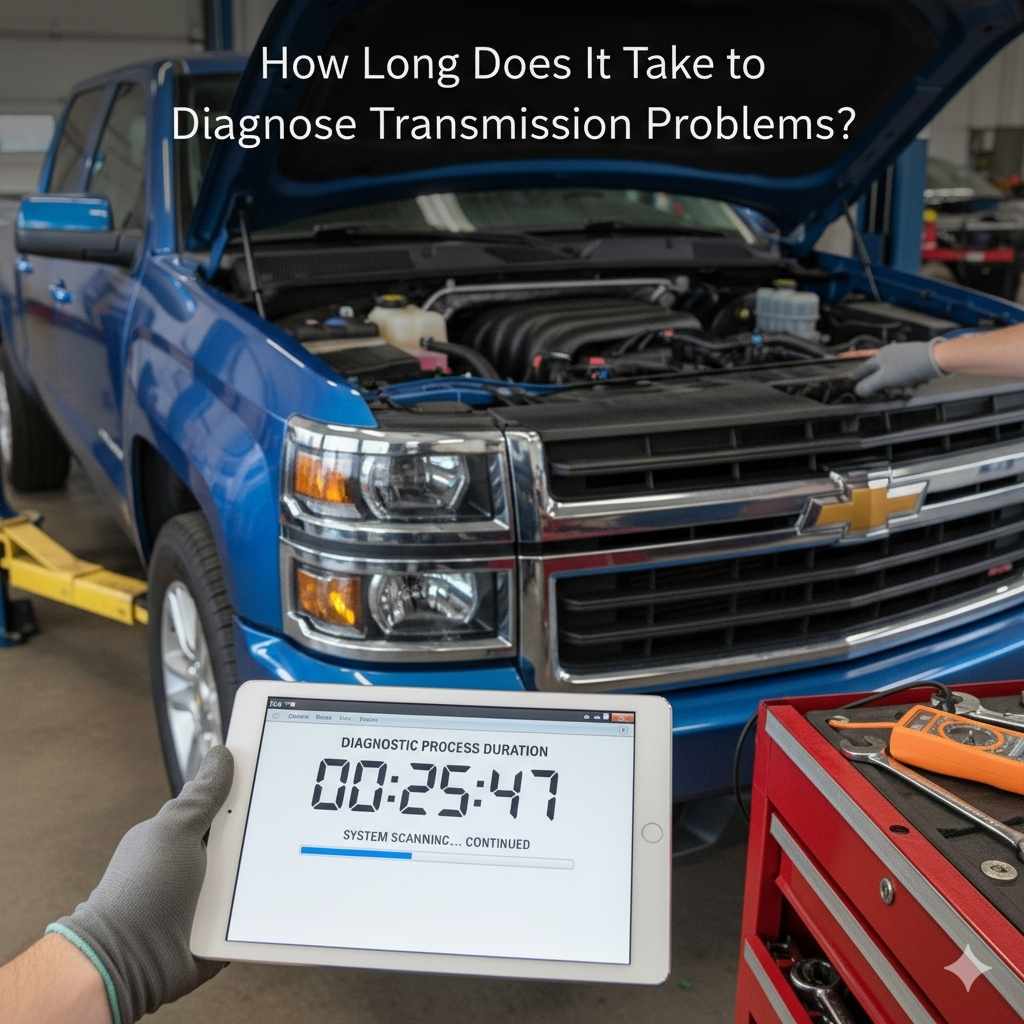
Figuring out How Long Does It Take to Diagnose Transmission Problems? can feel tricky, especially if you’re new to car repair. You might worry about the time involved, or if you’re being taken for a ride. Don’t sweat it! This post breaks down the process in a simple, easy-to-follow way. We’ll go step by step, so you’ll know what to expect. You’ll soon see it’s all about checking things and knowing the signs. Let’s get started!
What Signals a Transmission Issue?
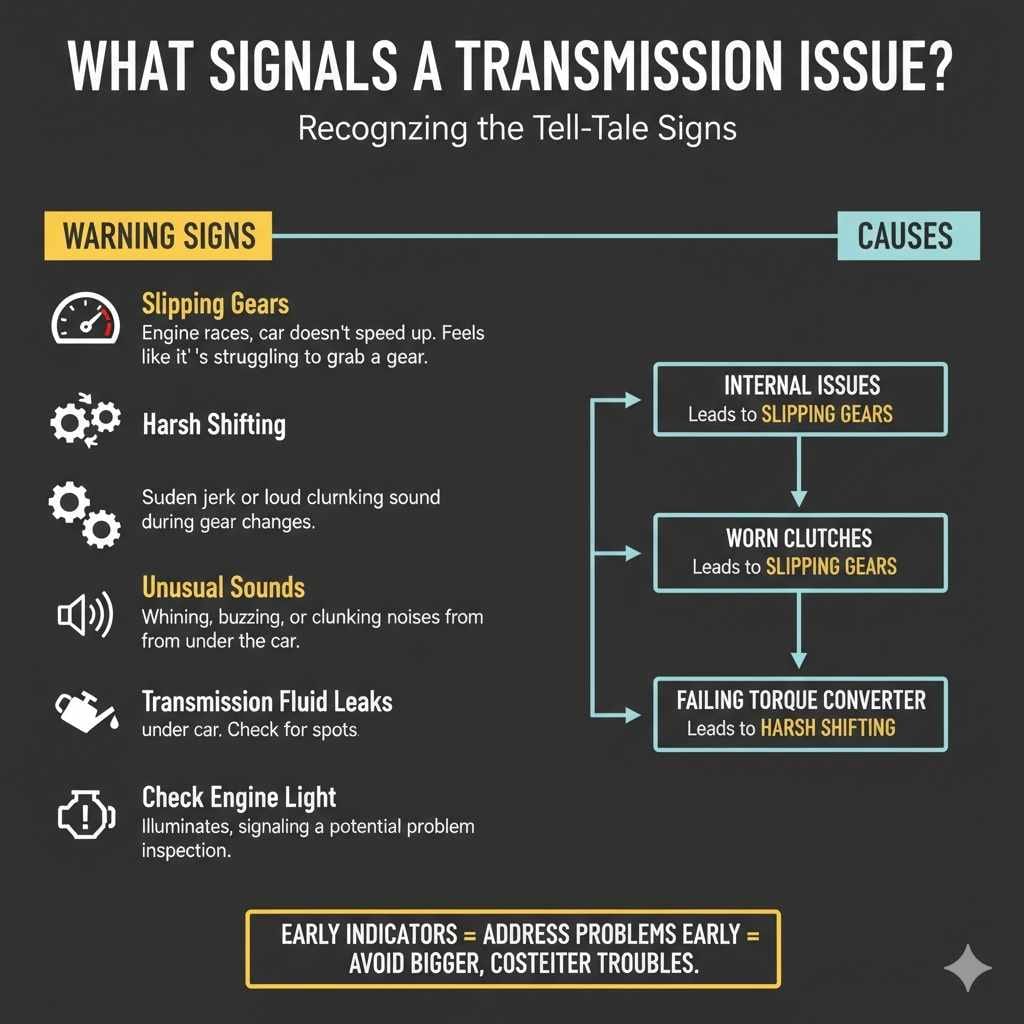
Before even thinking about how long a diagnosis takes, it’s key to recognize the warning signs. These clues can range from subtle changes in your car’s behavior to more dramatic failures. For example, a vehicle’s transmission might begin slipping, where the engine revs up, but the car doesn’t speed up accordingly. Another common sign is harsh shifting, where gear changes feel jerky or clunky instead of smooth. Strange noises, such as whining or clunking sounds, can also point to transmission issues. Moreover, leaking transmission fluid, usually red or pink, is another clear indication of a problem. Finally, the “check engine” light might illuminate, signaling a potential problem with your transmission. Knowing these early indicators will help you address problems early and avoid bigger, costlier troubles.
Recognizing the Tell-Tale Signs
- Slipping Gears: This happens when the engine races, but the car doesn’t go faster. It feels like the transmission is struggling to grab the right gear.
- Harsh Shifting: Instead of smooth gear changes, you might feel a sudden jerk or a loud clunking sound when the gears switch.
- Unusual Sounds: Strange noises, like whining, buzzing, or clunking from under the car, can be related to transmission troubles.
- Transmission Fluid Leaks: Transmission fluid is usually red or pink and has a sweet smell. If you see spots of this under your car, you need to have it checked.
- Check Engine Light: If the check engine light comes on, it may signal an issue that needs inspection, even if the transmission seems fine.
Many of these signs stem from internal issues like worn clutches or a failing torque converter. For example, a worn clutch can cause slipping, while a failing torque converter may lead to harsh shifting. Identifying these early warning signs helps you address problems promptly.
Checking for Fluid Issues
Checking your transmission fluid is a simple, proactive way to look after your vehicle. First, park your car on a level surface and let the engine warm up. Many cars have a dipstick for the transmission fluid, similar to the one for your engine oil. Pull out the dipstick, wipe it clean, and reinsert it fully. Then, pull it out again to see the fluid level. If the level is low, you might have a leak. Also, check the fluid’s appearance. It should be clean, not too dark, and have a reddish color. If it looks dark, burnt, or smells bad, it may be time for a change. It’s smart to consult your owner’s manual to find the right fluid type for your car. Regular fluid checks can help you spot potential troubles before they get serious, possibly reducing the time needed for a complete diagnosis later.
Diagnostic Tools and Equipment
Mechanics use several tools to diagnose transmission problems. One of the most important is an OBD-II scanner, which plugs into your car’s computer to read trouble codes. These codes provide clues about what’s gone wrong. Mechanics also utilize a lift to get a better view of the underside of the car for inspections. Other tools might include pressure gauges to check fluid pressure, and specialized diagnostic software to run tests and analyze data. Moreover, mechanics use hand tools, such as wrenches and screwdrivers, to check components and take parts apart if necessary. Having access to these tools is key, providing a more precise and accurate diagnosis. Different manufacturers also offer their proprietary tools. These tools allow mechanics to do a full evaluation of the vehicle’s problems.
The Diagnostic Steps and Timeline for Transmission Issues
The time it takes to diagnose a transmission issue can depend on several factors, including the type of problem, the mechanic’s skill, and the tools available. A basic scan for trouble codes might take only a few minutes, while a more in-depth diagnosis could take several hours or even a couple of days. The process usually involves several key steps, starting with a review of the symptoms reported by the owner. Then, the mechanic conducts a visual check, looking for any obvious leaks or damage. After that, they may use diagnostic tools to read trouble codes and run tests. Finally, they give you an assessment of the problem and the needed repairs. Being aware of these steps will help you better understand what to expect when you take your car in for service.
Initial Examination: Gathering Info
The first step in diagnosing transmission issues involves collecting information. This includes asking the driver detailed questions about the problems they are experiencing. For example, when did the issues start? What happens when the car shifts gears? Where and when do you notice problems? The mechanic might also take a test drive to experience the problems firsthand. During this initial step, the mechanic carefully examines the symptoms the vehicle shows. They can use this information to narrow down the potential issues. They then begin their exploration.
Visual and Functional Checks
A visual check is a basic inspection. The mechanic visually inspects the transmission for any obvious damage or leaks. This involves looking for signs of physical damage or external problems. They check fluid levels and the fluid’s appearance. Low levels or a dark color may point to a problem. Also, they look for damaged hoses, connections, and other external components. This kind of assessment gives the mechanic clues about where to look deeper. Functional checks may include checking gear selection. Mechanics check the different gears to ensure that they engage correctly. They might also assess how the transmission responds to acceleration. This basic evaluation helps to identify obvious external problems.
Using Diagnostic Equipment
Modern vehicles use computers to monitor their systems. A mechanic will use an OBD-II scanner to read codes from your car’s computer. This tool is a key part of the process. The tool plugs into your car’s computer, and it retrieves data about the transmission. It helps mechanics to identify specific parts that are malfunctioning. Also, mechanics can use it to view live data. They can watch how the transmission works while the car is running. They may also use pressure gauges to test fluid pressure within the transmission. Furthermore, specialized software may be used to carry out tests, such as shift solenoid tests and torque converter tests. Using these tools helps them to find the root of the problem.
Estimate and Repair Planning
After finding the problem, the mechanic will give you an assessment of what’s wrong and how to fix it. This often includes a written estimate that details the needed repairs and how much it will cost. This gives you a clear idea of what to expect. The mechanic will discuss the repairs with you and address any questions you may have. It is essential to understand what is involved in the repair. For example, some repairs may be quick, like replacing a sensor, while others, like a transmission rebuild, may be extensive. The mechanic will also tell you how long the repairs will take. This will help you plan accordingly. Remember to get all the details in writing so that you can feel comfortable about the process.
What Factors Impact Diagnostic Time?
Several factors can affect how long it takes to diagnose a transmission issue. The complexity of the problem, the mechanic’s experience, and the tools available are all key. Simple issues, like low fluid, may be easy to fix quickly. However, more complex problems, such as internal component damage, could require more detailed analysis and more time. The mechanic’s skill level also plays a role, with experienced mechanics often diagnosing problems faster. Also, the availability of specialized tools and equipment can also speed up the process. A shop with the latest technology is usually more efficient than one that lacks the advanced tools.
Complexity of the Problem
The complexity of the transmission issue is a big factor in how long a diagnosis takes. Simple problems, such as low fluid levels or a faulty sensor, can often be identified and fixed quickly. These issues might take an hour or two to diagnose and repair. However, more complex problems, such as internal damage to gears or clutches, can take longer. These internal problems will usually require a more in-depth analysis. The mechanic may have to take the transmission apart to find the root problem. This process may need several hours or even days to complete. The more complex the problem, the more time will be needed for diagnosis. The severity of the damage has a great effect on the diagnostic time.
Mechanic Expertise and Experience
The skill and experience of the mechanic are also essential. Experienced mechanics can often diagnose problems more efficiently. They have a good understanding of how transmissions work, and they’ve seen and fixed a wide range of issues. They know how to quickly spot patterns and quickly identify potential problems. They may have a faster diagnostic time. They may also be able to explain the problem and the fix more clearly. A mechanic who has experience with several makes and models can more easily diagnose problems. A mechanic who has seen similar issues before can make a more accurate diagnosis more quickly. The experience of the mechanic is a key factor.
Availability of Advanced Tools
The tools and equipment available in the repair shop have an effect on how fast a diagnosis can happen. Modern shops use advanced diagnostic tools. These tools help them identify problems more quickly. An OBD-II scanner, which reads diagnostic trouble codes, is essential for every shop. Specialized tools, such as pressure gauges and diagnostic software, can help mechanics find problems. A shop that has access to the latest tools can diagnose problems faster. They can quickly read data and run tests to find problems. A shop that has these tools has a better chance of identifying the cause of the problem rapidly. This helps make the diagnostic process more efficient.
Vehicle Model and Year
The make and model of your car can also play a role in how long a diagnosis takes. Some cars have more complex transmission systems than others. Cars with complex systems may be more difficult to diagnose. Finding information for older models may be a challenge. Newer cars often have more sophisticated diagnostic systems. The mechanic needs to be familiar with the specifics of your car. The diagnostic time may be influenced by the availability of repair manuals and specialized tools. A mechanic who is used to working on your kind of car might also be able to diagnose the problem faster. Your car’s specific build can either make diagnosis fast or slow.
Typical Diagnostic Durations and Case Studies
While the time to diagnose a transmission issue can vary, there are some common time frames you can expect. For a basic scan and inspection, it might only take an hour or two. However, a full diagnosis of a more complex problem, including taking the transmission apart, may take several hours, or perhaps even a day or two. Remember that these are just estimates, and the actual time can differ depending on the factors already covered. To help show the different time frames, let’s look at some real-life cases, demonstrating what happened and how long it took.
Common Scenarios and Durations
Here are some examples of what to expect in terms of diagnostic time:
- Simple Sensor Failure: A car’s “check engine” light came on, indicating a transmission sensor problem. The mechanic used an OBD-II scanner to read the code, identified a faulty speed sensor, and replaced it. Total diagnosis and repair time: about 1-2 hours.
- Fluid Leak Inspection: A customer noticed a transmission fluid leak. The mechanic performed a visual inspection, found a cracked seal, and replaced it. The entire process, from checking to fixing the leak, was finished in about 2-3 hours.
- Slipping Gears Diagnosis: A car experienced slipping gears and harsh shifting. The mechanic began with a scan and test drive to check the symptoms. Next, they checked fluid levels and conditions, plus ran pressure tests. The mechanic diagnosed worn clutches and recommended a transmission rebuild. The complete diagnosis and the estimate took about 4-6 hours.
- Complex Internal Damage: In this case, the car made unusual noises while shifting. The mechanic had to drop the transmission and take it apart to inspect the components. This more involved process, which included a full examination and a complete rebuild estimate, took around 1-2 days.
Real-Life Case Studies: Results and Timeframes
Here are a few real-life examples of how long transmission diagnoses took, along with what happened:
- Case 1: The Erratic Shifting Issue: A driver brought in their car due to erratic shifting behavior. The mechanic started by reading the trouble codes and performing a road test. Next, the mechanic assessed the fluid levels and conducted pressure tests. The diagnosis showed a faulty solenoid. After replacing the solenoid, the problem vanished. The total time for diagnosis and repair was about 3.5 hours.
- Case 2: The Mysterious Leak: A customer observed a transmission fluid leak but didn’t notice any changes in how the car drove. After a visual check, the mechanic discovered a leaky seal. The technician replaced the seal. They also reviewed the fluid for its condition. The entire procedure, from visual inspection to the repair, took about 2 hours.
- Case 3: The Harsh Shifting Complaint: A car was shifting gears harshly. The mechanic ran a full diagnostic process, including a test drive, scan and fluid check. Pressure tests revealed issues with the valve body. The mechanic gave the owner a choice to replace the valve body or to rebuild the whole transmission. This extensive evaluation, including the customer explanation, took approximately 6 hours.
Tips to Prepare for a Transmission Diagnosis
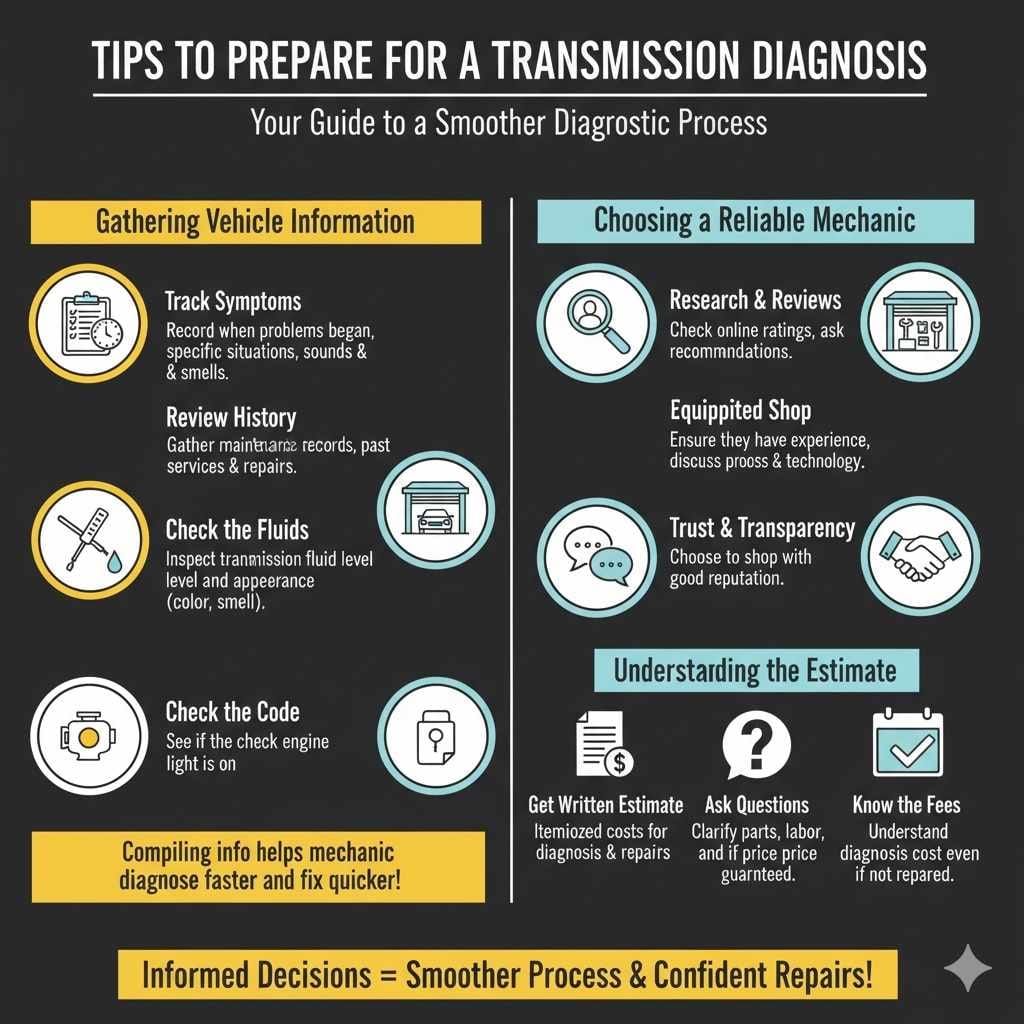
Preparing for a transmission diagnosis can help make the process smoother and faster. First, gather any details about the problems you are experiencing. Be ready to explain the symptoms, when they started, and under what conditions. Secondly, try to have your vehicle’s maintenance records available, as this provides a timeline of the car’s care. Thirdly, be ready to leave your car at the shop, as many diagnostic procedures need time. Finally, find a reliable shop and discuss the diagnosis process and estimated costs. You are setting yourself up for a good experience if you get ready.
Gathering Vehicle Information
- Track Symptoms: Keep a record of what your car is doing. Note when the problems began, the specific situations where they occur, and any noticeable sounds or smells.
- Review History: Before taking your car in, gather any maintenance records that can help the mechanic. Records of past transmission services and repairs can assist in the diagnostic process.
- Check the Fluids: Inspect the transmission fluid for levels and look at its appearance. This is a basic first step.
- Check the Code: Check to see if your car’s check engine light is on.
By compiling the history of your car’s symptoms, maintenance, and fluid levels, the mechanic can diagnose the problem faster. Providing all this information helps the mechanic speed up their diagnostic time and fix the problem more quickly.
Choosing a Reliable Mechanic
Selecting a reliable mechanic is essential for a good experience. Check online for reviews and ratings to check what other people have experienced. Ask friends, family, or colleagues for recommendations. Choose a shop that is known for being good with transmissions. Moreover, make sure that the shop is equipped with up-to-date tools and equipment. They should have a good reputation for providing honest, trustworthy service. When you talk to the mechanic, ask about their experience with diagnosing transmission problems. Discuss the diagnosis process and the costs. This helps build a solid relationship based on good communication and quality work. This helps ensure that the diagnostic process goes smoothly, and that your car is in capable hands.
Understanding the Estimate
Before any work begins, get a written estimate from the mechanic. The estimate should list the estimated costs for both the diagnosis and the possible repairs. Make sure the estimate is clear and itemized. It should also include a breakdown of the parts and labor costs. You may ask questions to ensure that you are fully aware of what’s involved and to avoid unwanted surprises. Also, find out whether the estimate is an estimate or a guaranteed price. You should know if the price may change. Also, learn whether there is a fee for the diagnosis, even if you decide not to have the repair done at that shop. By understanding the estimate, you can make an informed decision and budget accordingly.
Frequently Asked Questions
Question: How can I tell if my transmission is failing?
Answer: Common signs of a failing transmission include slipping gears, harsh or delayed shifting, unusual noises (whining, clunking), transmission fluid leaks, and the “check engine” light coming on.
Question: What’s the main reason for transmission problems?
Answer: Transmission problems can arise from various factors, including low or contaminated fluid, worn-out parts like clutches and seals, and electrical issues within the system.
Question: Can I drive my car if the transmission is acting up?
Answer: It’s generally best to avoid driving your car if you suspect transmission problems, as this can worsen the damage. If you must drive, do so cautiously, keeping the speeds low and avoiding hard acceleration.
Question: How often should I get my transmission serviced?
Answer: It is important to look at your car owner’s manual for specific advice. You will likely want to have your transmission serviced every 30,000 to 60,000 miles. This often includes fluid changes and filter replacements.
Question: What should I do after getting a transmission diagnosis?
Answer: After getting a diagnosis, discuss the recommended repairs with the mechanic and get a written estimate. Consider the cost, time, and reliability of the shop. Take action as soon as possible to avoid further harm to the transmission.
Final Thoughts
So, How Long Does It Take to Diagnose Transmission Problems? The answer varies, depending on the issue, the mechanic, and the tools used. Simple things might be checked and fixed in an hour or two. More involved problems might mean a few hours or even a day or two. Remember to keep an eye out for any strange behavior from your car and be prepared to explain the symptoms clearly when you go to the mechanic. Choosing a shop that you trust, and understanding the diagnostic process, can also make things smoother. Remember, early action is key, so don’t hesitate to get things checked if you notice any changes. By understanding what to expect, you can handle transmission issues more confidently and ensure your car keeps running smoothly. Stay proactive, and don’t delay addressing those issues – it’s the right choice for your car’s lifespan.