
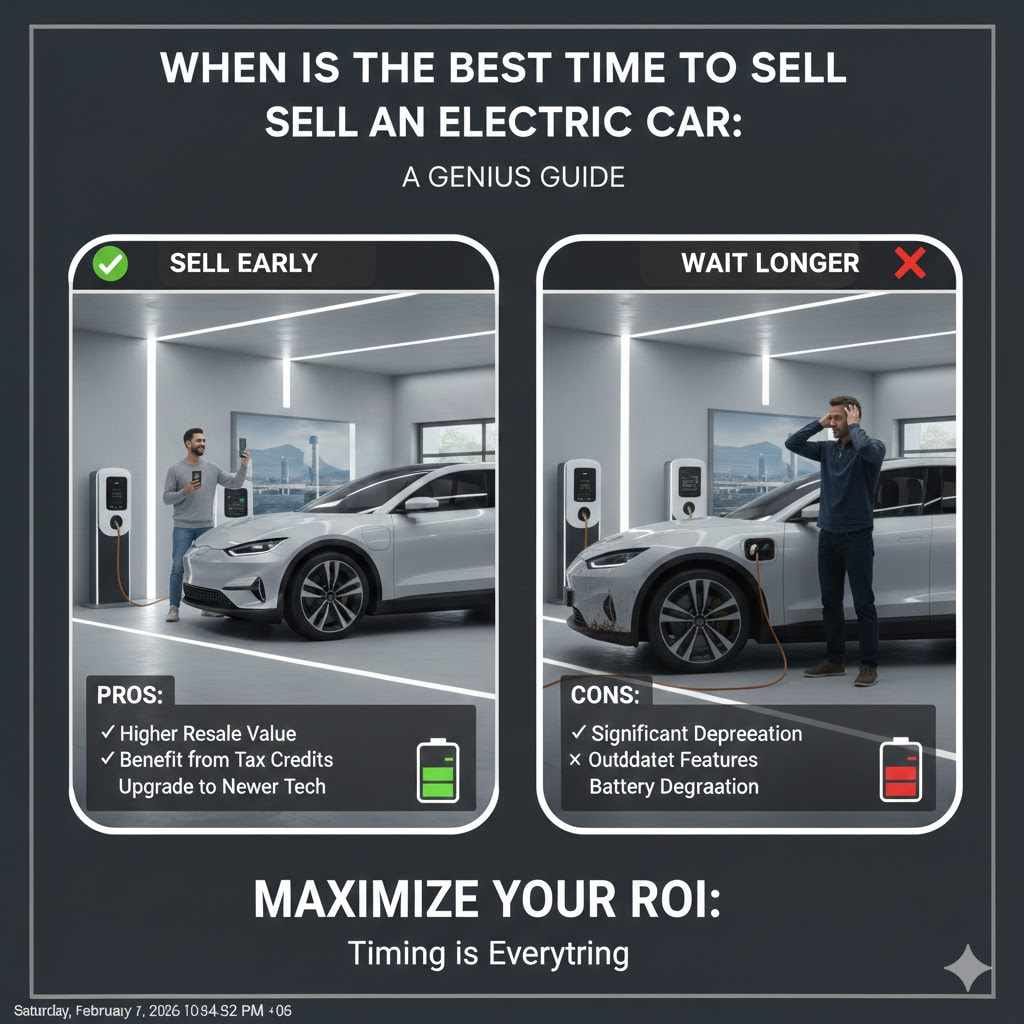
The best time to sell an electric car is typically when it is 3 to 4 years old with under 40,000 miles, ensuring the battery warranty is still active. Aim to sell in the spring or early fall when buyer demand is high, and before a newer model of your car is released, to maximize your resale value.
Thinking about selling your electric car? That’s a smart move! Making the switch to an EV was a great choice, and knowing when to sell it is just as important. You want to get the most money back, right? But timing can feel tricky. With new models and changing technology, it’s easy to feel a little lost.
Don’t worry, I’m here to help. Selling an electric car isn’t complicated when you know what to look for. It’s different from selling a gas-powered car, but in a good way. We’re going to walk through everything you need to know, step by step. Together, we’ll figure out that perfect moment to sell so you can feel confident and happy with your decision. Let’s get started!
Understanding Electric Car Depreciation: The Biggest Factor
The first thing we need to talk about is depreciation. It sounds like a big, scary word, but it’s simple. Depreciation is just the amount of value your car loses over time. Every car, whether it’s gas or electric, loses value the moment you drive it off the lot. But EVs have their own unique rhythm.
Think of it like a brand-new smartphone. In the first year, it loses a chunk of its value because a newer, shinier model is already on the way. Electric cars are similar. They often see a significant drop in value during the first one to two years. This is mostly because technology is improving so fast, and early government incentives often apply only to new cars, making used ones seem less of a deal initially.
But here’s the good news: after that initial dip, the value of an EV starts to level out. This creates a “sweet spot” for selling. Your goal is to catch your car in that perfect window where depreciation has slowed down, but the car is still new enough to be very desirable. We’ll pinpoint exactly when that is.
The Age and Mileage Sweet Spot for Your EV
Just like with people, age and mileage tell a big story for a car. For electric vehicles, these two numbers are especially important because they give buyers clues about the car’s most important part: the battery.
Why Age Matters More Than You Think
The age of your EV is a major clue to its technology and remaining warranty. Here’s a simple breakdown of what to expect at different ages:
- 1-2 Years Old: Selling a car this new usually means you’ll take a big financial hit from that initial depreciation. Unless you absolutely have to sell, it’s often best to wait. The car is fantastic, but its market value hasn’t caught up to what you paid.
- 3-4 Years Old: This is the sweet spot. By this point, the steepest depreciation has already happened. Your car is still modern, has up-to-date features, and, most importantly, likely has a lot of its original battery warranty left. Buyers love this because it gives them peace of mind.
- 5+ Years Old: After five years, the value tends to drop more noticeably. The battery warranty might be nearing its end, and newer models with better range and features will be on the market. You can still sell it, of course, but you won’t get the premium price you would in the 3-4 year window.
Keeping an Eye on the Odometer
Mileage on an EV is all about battery health. While electric motors are incredibly durable, batteries slowly lose their ability to hold a full charge over time and with use. Lower mileage generally means a healthier battery.
Here’s what buyers are often looking for:
- Under 40,000 miles: This is a magic number. A car with this mileage is seen as having plenty of life left in its battery. It’s very attractive to buyers.
- 40,000 – 60,000 miles: Still a great range to sell in. The car has been used but is far from being worn out. You can still get a very good price.
- Over 80,000 miles: As you approach the 100,000-mile mark, buyers get a bit more nervous. This is often when the battery warranty expires. You can still find a buyer, but the price will reflect the higher mileage and potential risk.
Here is a simple table to help you visualize the best time to sell based on age and mileage:
| Car Age | Mileage Range | Selling Potential | Key Consideration |
|---|---|---|---|
| 1-2 Years | < 25,000 | Good, but high financial loss for you | You’ll lose money due to initial depreciation. |
| 3-4 Years | < 40,000 | Excellent (The Sweet Spot) | Depreciation has slowed, and warranty is still active. |
| 5-6 Years | < 70,000 | Good | Value starts to drop as warranty nears its end. |
| 7+ Years | 80,000+ | Fair | Often out of warranty; battery health is the main concern. |
Battery Health and Warranty: Your EV’s Lifeline
When you sell a gas car, the buyer asks about the engine. When you sell an electric car, the buyer asks about the battery. It’s the heart of the vehicle, and its health is the number one thing on a potential buyer’s mind. A strong battery and a solid warranty are your two best selling points.
The Importance of a Healthy Battery
The health of your EV’s battery is measured by its “State of Health,” or SoH. Think of SoH as its ability to hold a charge compared to when it was brand new. A new battery has 100% SoH. Over time, this number slowly drops. A higher SoH means more range and a longer lifespan for the battery.
So, how do you find out your battery’s SoH? You have a few options:
- In-Car Display: Some EVs show a basic battery health indicator right on the dashboard screen.
- Dealership Check: You can take your car to a dealership for an official battery health report. This can be very reassuring for a buyer.
- Third-Party Apps: Apps like Recurrent can track your car’s battery health and provide detailed reports you can share.
Having a recent battery health report showing an SoH above 90% is a huge selling point and can significantly increase your car’s value.
Why Your Warranty is a Golden Ticket
The battery is the most expensive part of an electric car. Buyers know this, and they worry about having to replace it. This is why the manufacturer’s battery warranty is so incredibly valuable. Most automakers in the U.S. provide a battery warranty for at least 8 years or 100,000 miles, whichever comes first. This warranty protects against major battery failure or significant degradation.
Selling your EV while it is still comfortably within this warranty period is like giving the new owner a free insurance policy. It removes their biggest fear. Always highlight the remaining warranty (e.g., “Still has 4 years and 50,000 miles left on the battery warranty!”) in your sales listing. It builds trust and justifies a higher asking price.
Seasonal and Market Trends: Timing Is Everything
Believe it or not, the time of year and what’s happening in the car world can affect how much you get for your EV. Just like selling a house, timing the market can put extra money in your pocket.
Selling with the Seasons
Car buying has its own seasons. Understanding them can help you list your car when more people are looking to buy.
- Spring (March-May): This is often the best time. The weather is getting nicer, people are receiving tax refunds, and they’re thinking about summer road trips. Demand for all cars, including EVs, goes up.
- Early Fall (September-October): This is another strong season. Summer is over, and people are getting back into their routines. It’s a great time to sell before the holiday season rush begins.
- Winter (November-February): Demand tends to cool down with the weather. People are busy with holidays and are less likely to be out car shopping. It can be a tougher time to get your asking price.
- Summer (June-August): Summer can be a mixed bag. Many people are on vacation, but others are actively looking for a new car. It’s generally a decent time, but not as strong as spring.
Watching the Automotive Market
Beyond the calendar, you should keep an eye on a few key market trends:
- New Model Releases: Automakers are always updating their cars. If you know a redesigned version of your exact model is coming out soon, it’s wise to sell before it hits showrooms. Once the new model arrives, your older version will instantly feel dated, and its value will drop.
- Gas Prices: This is a big one for EVs. When gas prices spike, interest in electric cars goes through the roof. More people start searching for used EVs to save money on fuel. If you see prices at the pump climbing, it might be a fantastic time to list your car.
- Government Incentives: Keep an eye on federal and state tax credits for electric cars. Changes to these programs, which you can track on government sites like FuelEconomy.gov, can influence the used market. For example, if tax credits for new EVs are reduced, it can make used EVs a more attractive option, potentially boosting their value.
A Step-by-Step Guide to Preparing Your EV for Sale
You’ve picked the perfect time to sell. Now what? Preparing your car properly will help you get the best price and make the selling process smooth and easy. Here’s your simple checklist.
- Gather Your Documents: Get all your paperwork in order. This includes the car’s title, maintenance records (even though EVs need less, records of tire rotations or brake checks show you cared for the car), your battery health report, and any information on the remaining warranty.
- Give It a Deep Clean: A sparkling clean car looks like a well-maintained car. Clean it thoroughly inside and out. Vacuum the carpets, wipe down the dashboard and screens, and wash the exterior. Don’t forget the wheels and windows! A small investment in a professional detail can often pay for itself by fetching a higher price.
- Check the Basics: Even though you don’t have an engine to worry about, there are still basics to check. Make sure your tires have enough tread and are properly inflated. Test all the lights, the horn, and the windshield wipers. A car where everything works is much easier to sell.
- Charge It Up: Always have your car charged to at least 80% or more before a potential buyer comes to see it. A fully charged car allows for a proper test drive and shows the battery is healthy. Showing up to a test drive with a low battery can make a buyer nervous.
- Take Great Photos: Your photos are your first impression. Find a nice, clean background (like an empty parking lot or a park) and take pictures in good light, like early morning or late afternoon. Get shots from every angle: front, back, both sides, all four corners. Also, take plenty of interior photos showing the dashboard, seats, screen, and cargo space.
- Price It Right: This is the final step. To find the right price, do some research. Look up your car’s year, model, and mileage on trusted pricing guides like Kelley Blue Book (KBB) or Edmunds. Then, search for similar cars for sale in your area on sites like Autotrader or Facebook Marketplace. Price your car competitively based on what you find.
Where to Sell Your Electric Car for the Best Price
You have several options for selling your EV, and each has its own pros and cons. The best choice for you depends on whether you want the most money possible or the fastest, easiest sale.
| Selling Platform | Pros | Cons | Best For… |
|---|---|---|---|
| Private Party (e.g., Facebook Marketplace, Craigslist, Autotrader) |
You’ll almost always get the highest price. You control the entire process. | It’s the most work. You have to handle listings, photos, calls, and test drives. | People who want to maximize their profit and don’t mind putting in some effort. |
| Online Retailers (e.g., Carvana, Vroom, Shift) |
Extremely easy and fast. You can get an offer online in minutes and they pick up the car. | The offer will likely be lower than a private party sale. Prices can vary. | People who value convenience and speed over getting the absolute highest price. |
| Dealership Trade-In | The most convenient option, especially if you’re buying a new car from the same dealer. Can offer tax advantages in some states. | This will almost always be the lowest offer you receive. | People who want a simple, one-stop transaction and are buying another car immediately. |
| EV-Specific Sites (e.g., FindMyElectric, OnlyEVs) |
Your listing reaches a targeted audience of serious EV buyers who already know what they’re looking for. | Smaller audience than general sites. May have listing fees. | People with a popular or niche EV model who want to connect with knowledgeable buyers. |
Conclusion
Selling your electric car doesn’t have to be a guessing game. By focusing on a few key things, you can take control of the process and make sure you get a great return on your investment. Remember the sweet spot: a car that’s 3-4 years old, has under 40,000 miles, and has plenty of its battery warranty left.
Pay attention to the seasons, with spring and early fall being your best bet. And keep an eye on what’s happening in the market, like rising gas prices or new models being released. Prepare your car with a good cleaning and a full charge, and you’ll be ready to impress any buyer.
You made a smart choice buying an EV, and now you have all the tools you need to make a smart choice selling it. You can do this! Good luck with the sale, and enjoy the journey to your next car.
Frequently Asked Questions About Selling an EV
Do electric cars hold their value?
Yes, and they are getting better at it. While early EVs depreciated quickly, modern electric cars, especially from popular brands like Tesla, now hold their value very well, often better than comparable gas cars. Factors like longer range, better battery life, and high demand have made the used EV market much stronger.
What is the most important factor when selling an EV?
The single most important factor is the battery’s health (SoH) and the amount of time and mileage left on its manufacturer warranty. A healthy battery backed by a warranty gives a buyer tremendous peace of mind and is the biggest driver of resale value.
Should I replace the battery before selling my electric car?
Almost never. Replacing an EV battery is extremely expensive and you are very unlikely to get that money back in the sale. It’s much better to sell the car with its existing battery and price it accordingly based on its health and warranty status.
How do I prove my EV’s battery health to a buyer?
The best way is to get an official battery health report from your car’s dealership. You can also use a reputable third-party service or app that generates a report. Providing this document to potential buyers shows you are a transparent and trustworthy seller.
Do I need to include my home charger when I sell the car?
You should always include the portable Level 1 charger that came with the car. However, you are not expected to include your professionally installed Level 2 home charging station (the box on your garage wall). That is considered part of your home, like an appliance.
Is it harder to sell an EV than a gas car?
It’s not harder, just different. The pool of buyers might be slightly smaller, but they are often more knowledgeable and motivated. As long as you highlight the key benefits—battery health, warranty, and low running costs—you can find a buyer just as easily as you would for a gas car.
What paperwork is special for selling an EV?
The standard paperwork is the same: the vehicle title and a bill of sale. However, for an EV, it’s highly recommended to also provide the battery health report, service records (for tires, brakes, etc.), and clear documentation of the remaining battery and vehicle warranties.